
The Daily Broadcast: Mon Nov 10 2025

Artemis Advances, Blue Origin Waits, and NASA’s Leadership Crossroads
The European Service Module-4 (ESM-4) is officially ready to begin its transatlantic journey from Bremen, Germany, to the U.S., where it will eventually power NASA’s Orion spacecraft on the Artemis IV mission to the Moon. Built by Airbus under contract with the European Space Agency (ESA), ESM-4 will provide critical life support—oxygen, water, power, and thermal control—for astronauts during their lunar expedition. Its completion marks another steady step forward in international collaboration for deep space exploration, even as other parts of the space sector face turbulence.
Meanwhile, Blue Origin scrubbed the second launch of its New Glenn rocket, which was slated to carry NASA’s ESCAPADE Mars mission. Weather and unspecified technical concerns prompted the hold, delaying what would have been a major milestone for the company. New Glenn’s debut has been long anticipated, and while delays are common in rocketry (no one’s launching on a coffee break schedule), this one adds pressure as competitors press forward.
Speaking of pressure—NASA itself is at a crossroads. With leadership in flux, a new administrator will soon need to untangle a web of overlapping priorities: Artemis timelines, aging infrastructure, commercial partnerships, and budget constraints. As one recent analysis bluntly put it, “NASA is kind of a mess.” That’s not cynicism—it’s a call for clear-eyed leadership. Whoever takes the reins will face tough calls, from managing moon ambitions to maintaining Earth science programs.
All this might sound dramatic, but in spaceflight, even the calmest days are built on layers of complexity. One module sails quietly across an ocean; another rocket waits out the clouds; an agency braces for change. It’s not all fireworks—sometimes it’s just good old-fashioned problem-solving, with a side of cosmic ambition.
Citations
- European Service Module-4 is ready to sail – https://www.esa.int/Science_Exploration/Human_and_Robotic_Exploration/European_Service_Module-4_is_ready_to_sail
- Blue Origin scrubs New Glenn launch of ESCAPADE – https://spacenews.com/blue-origin-scrubs-new-glenn-launch-of-escapade/
- NASA is kind of a mess: Here are the top priorities for a new administrator – https://arstechnica.com/space/2025/11/nasa-is-kind-of-a-mess-here-are-the-top-priorities-for-a-new-administrator/
Upcoming Launches
Unknown Payload
Launch Provider: China Aerospace Science and Technology Corporation – Government
Launch Date: November 10, 2025
Launch Time: 2:42 AM UTC
Vehicle: Long March 12
Brief: Details TBD.
Unknown Payload
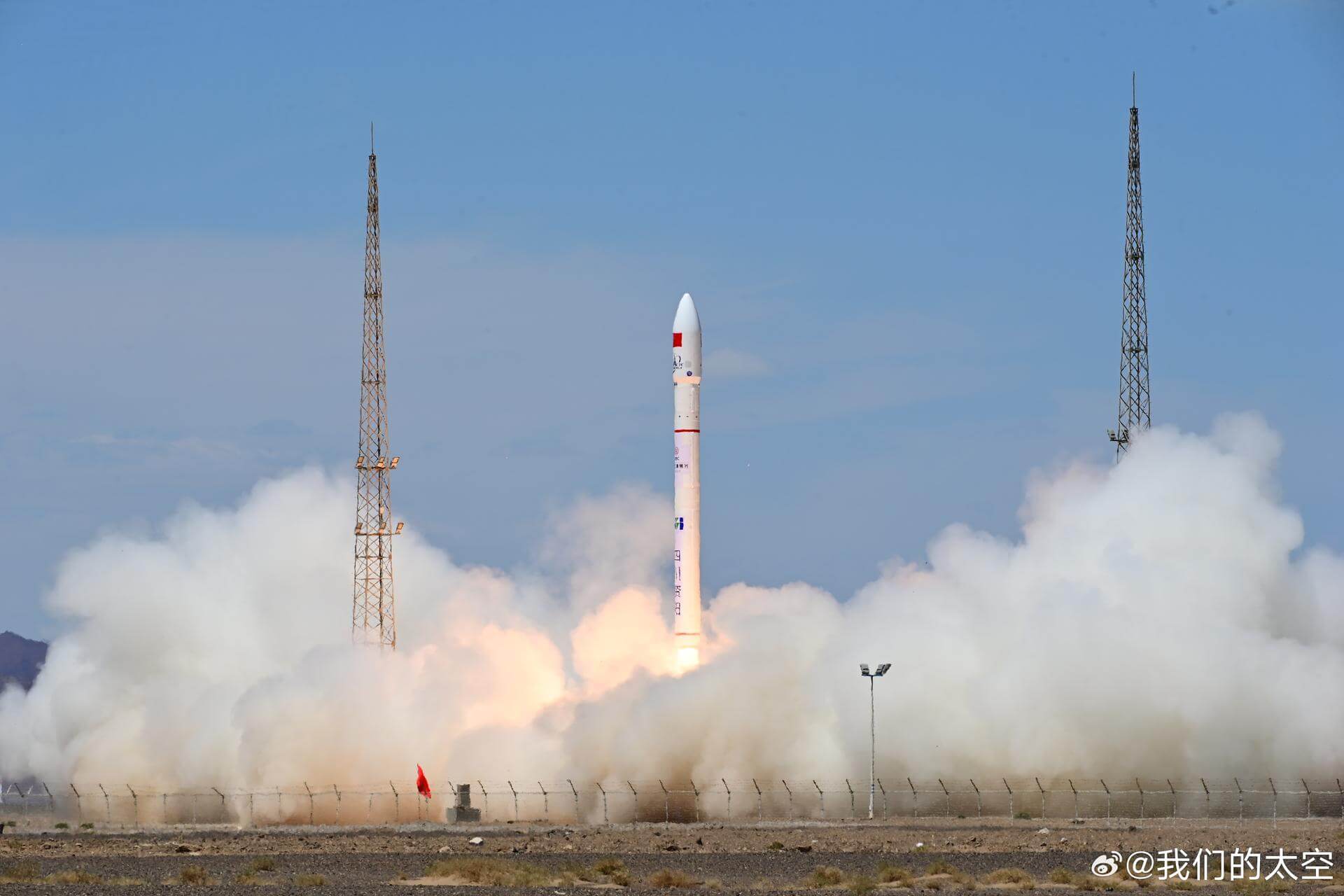
Launch Provider: Galactic Energy – Commercial
Launch Date: November 10, 2025
Launch Time: 4:00 AM UTC
Vehicle: Ceres-1
Brief: Details TBD.
EscaPADE
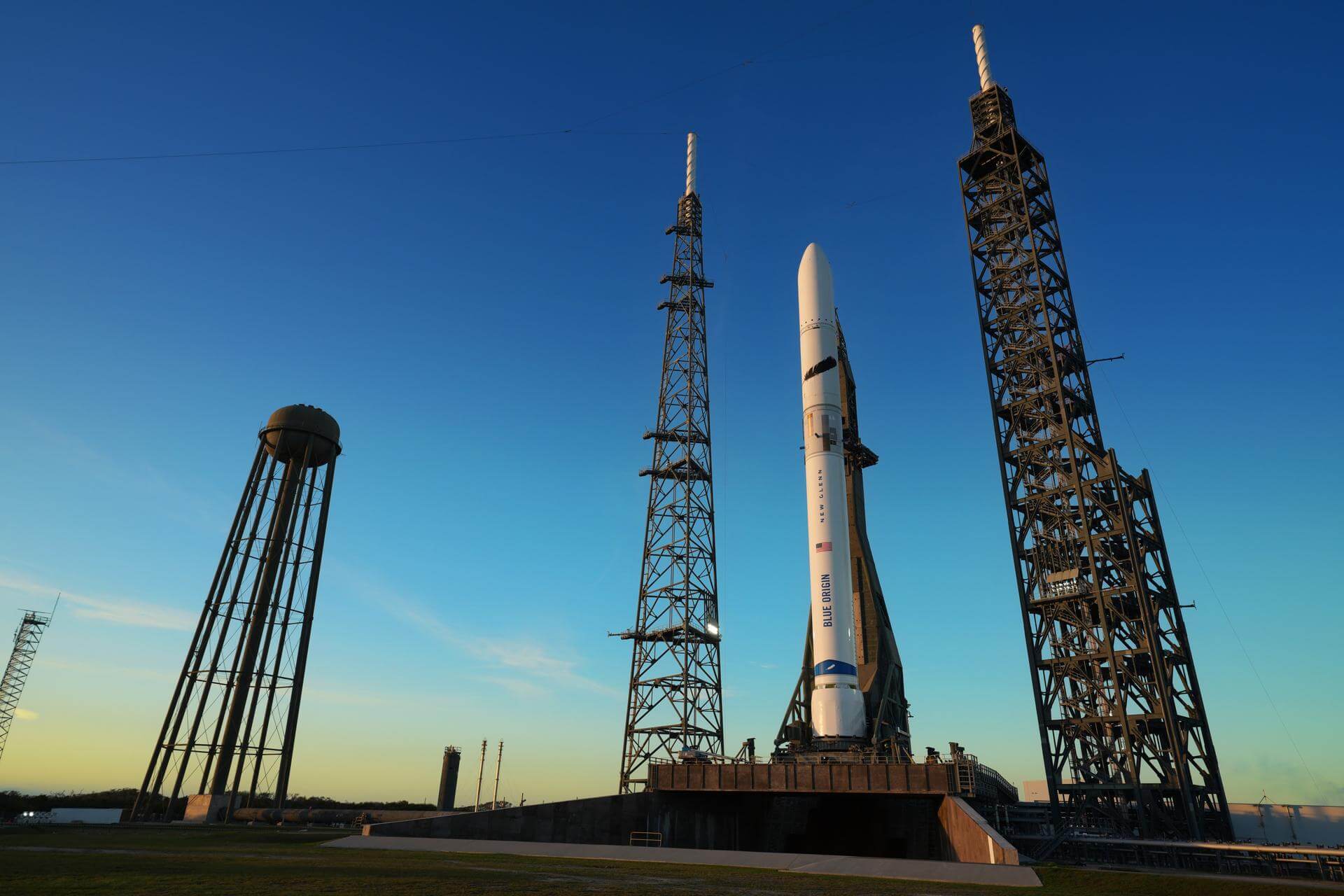
Launch Provider: Blue Origin – Commercial
Launch Date: November 10, 2025
Launch Time: 7:40 PM UTC
Vehicle: New Glenn
Brief: Second flight of Blue Origin’s New Glenn launch vehicle carrying the Escape and Plasma Acceleration and Dynamics Explorers (EscaPADE), a dual-spacecraft mission from University of California, Berkeley to study ion and sputtered escape from Mars. The spacecrafts’ scientific goals are to understand the processes controlling the structure of Mars’ hybrid magnetosphere and how it guides ion flows; understand how energy and momentum are transported from the solar wind through Mars’ magnetosphere; and understand the processes controlling the flow of energy and matter into and out of the collisional atmosphere.
Starlink Group 6-87
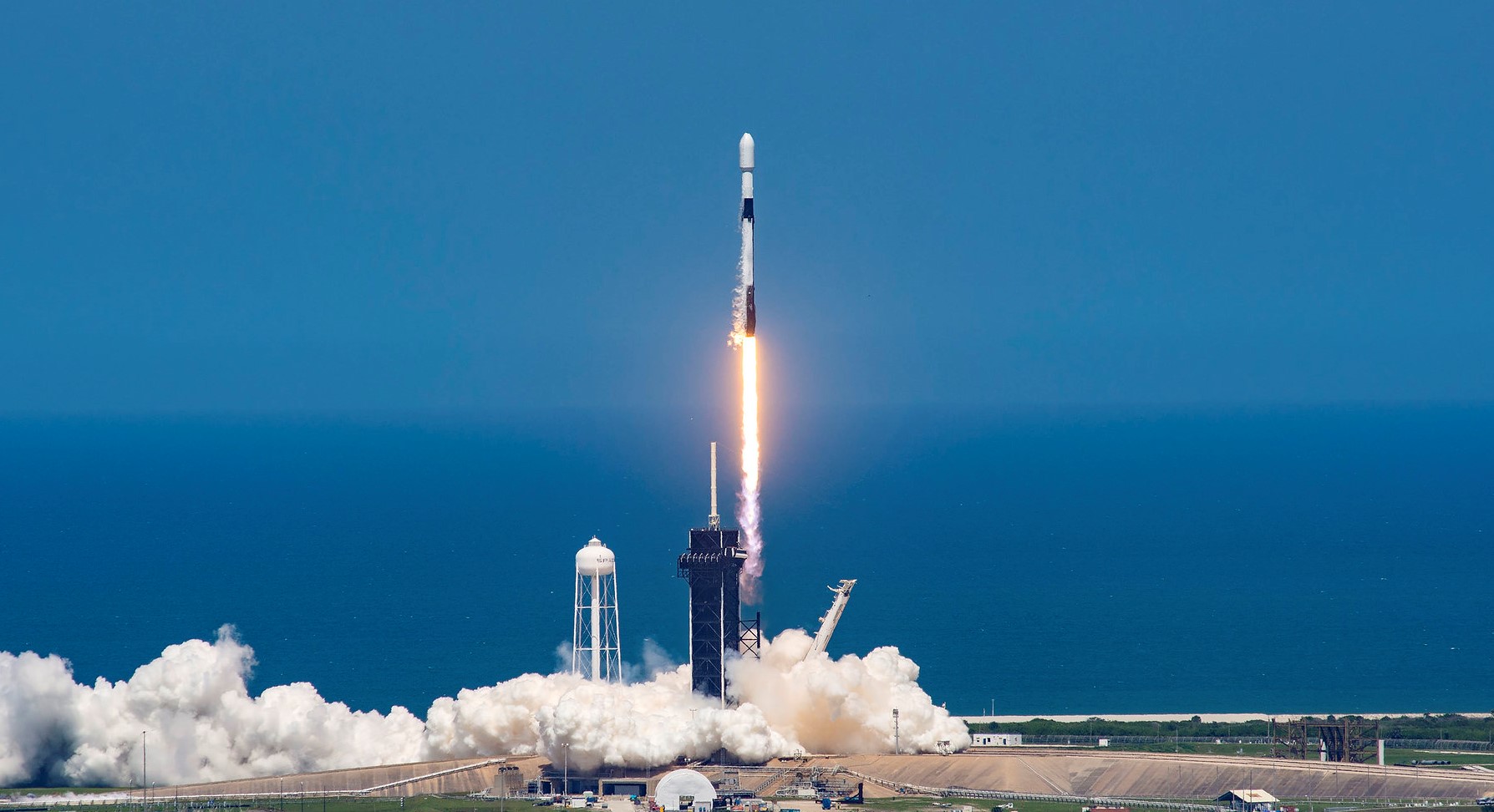
Launch Provider: SpaceX – Commercial
Launch Date: November 11, 2025
Launch Time: 3:01 AM UTC
Vehicle: Falcon 9
Brief: A batch of 29 satellites for the Starlink mega-constellation – SpaceX’s project for space-based Internet communication system.
ViaSat-3 F2 (ViaSat-3 EMEA)
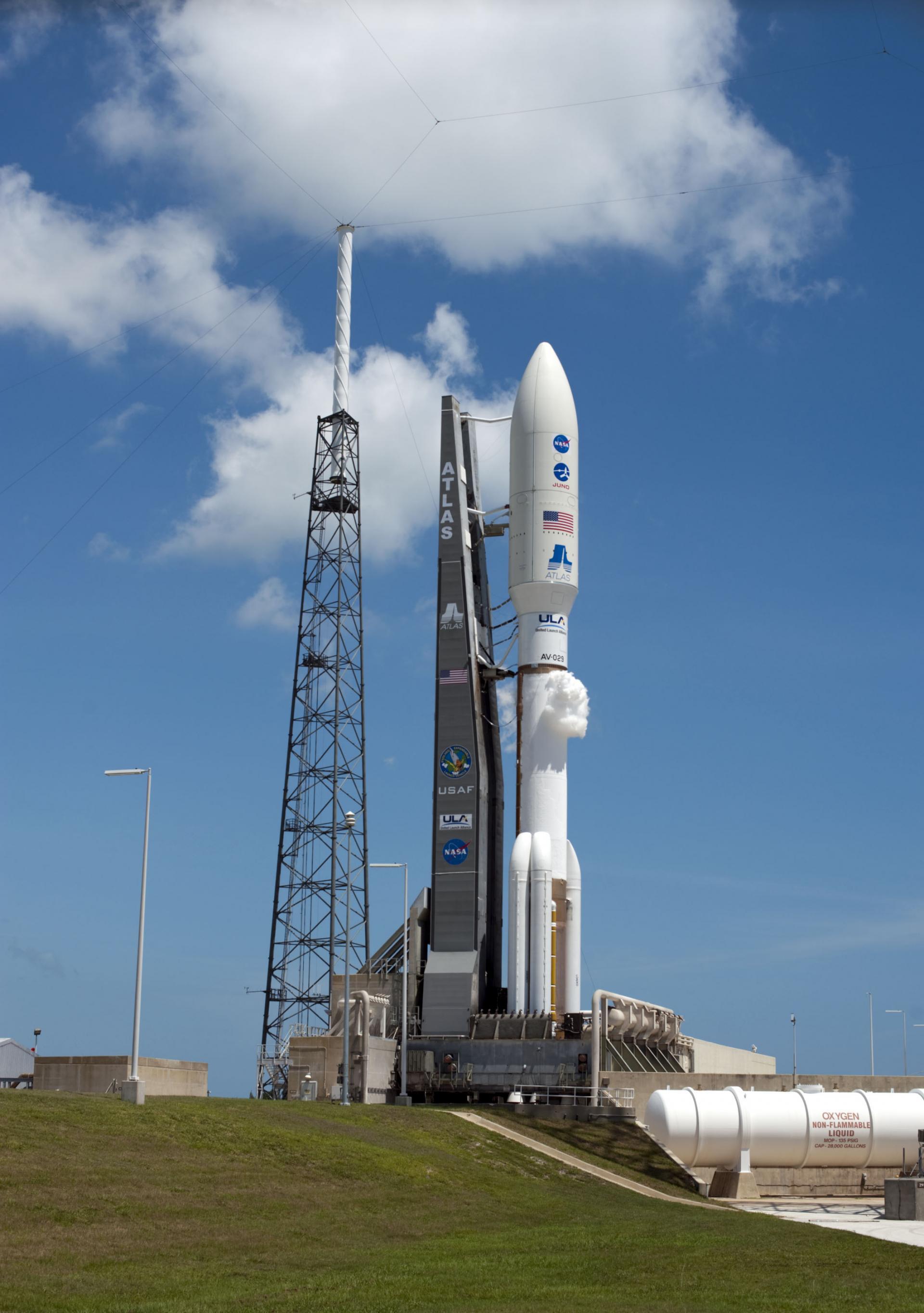
Launch Provider: United Launch Alliance – Commercial
Launch Date: November 14, 2025
Launch Time: 3:00 AM UTC
Vehicle: Atlas V 551
Brief: The ViaSat-3 is a series of three Ka-band satellites is expected to provide vastly superior capabilities in terms of service speed and flexibility for a satellite platform. Each ViaSat-3 class satellite is expected to deliver more than 1-Terabit per second of network capacity, and to leverage high levels of flexibility to dynamically direct capacity to where customers are located.
