
The Daily Broadcast: From Toronto to Twilight: Canadian Innovation Meets Global Space Challenges

Kepler Communications launches 10-satellite optical relay constellation
At 8:50 a.m. ET on January 11, 2026, a SpaceX Falcon 9 lifted off from Vandenberg Space Force Base in California on the “Twilight” mission, carrying a record-setting payload for Canadian space: 10 AETHER satellites from Toronto-based Kepler Communications. This successful deployment marks a major milestone for the company’s optical data relay constellation, which aims to deliver real-time connectivity and on-orbit cloud computing for both commercial and sovereign missions. The satellites, each weighing about 300 kg, began deploying at approximately T+ 2 hours and 21 minutes, with AETHER-8 first to separate.
Kepler’s vertically integrated manufacturing facility—built right in downtown Toronto—allowed the firm to design, build, and test these cutting-edge spacecraft domestically, with early support from the University of Toronto’s UTIAS Space Flight Laboratory and Sinclair Interplanetary (now part of Rocket Lab). Once commissioned, the constellation will support hosted payloads, including Earth observation instruments and a collaboration with Axiom Space to enable on-orbit data centres for future human spaceflight. CEO Mina Mitry called the launch “a new paradigm” for space applications, noting it fundamentally changes how data flows in orbit. This mission also sets a Canadian record for the most satellites launched on a single flight by one company.
India’s PSLV suffers rare failure, losing 16 satellites
In stark contrast to Kepler’s success, India’s space programme faced a setback late Sunday when its reliable Polar Satellite Launch Vehicle (PSLV) failed during ascent. The mission, carrying the EOS-01/N1 Earth observation satellite and 15 co-passenger spacecraft, lifted off from the Satish Dhawan Space Centre but suffered an anomaly during flight, resulting in the total loss of all payloads. This marks the first PSLV failure since 1993, breaking a streak of over 50 successful missions—a track record that had earned the vehicle a reputation for dependability in the global smallsat launch market.
While ISRO has not yet released a detailed failure analysis, the incident underscores the inherent risks of launch operations, even for historically robust vehicles. Among the lost payloads were multiple international CubeSats, highlighting how a single anomaly can impact dozens of research and commercial teams worldwide. Space operators are reminded that redundancy and diversification of launch providers remain prudent strategies, especially as the smallsat sector continues its rapid growth. As the global space economy expands, such events—even rare ones—serve as sobering reminders of the complexity involved in reaching orbit safely.

ESA’s Astris kick stage promises agile access to space
Meanwhile, the European Space Agency (ESA) is advancing its efforts to enhance launch flexibility with Astris, a new “kick stage” designed to give satellites precise, independent control over their final orbital insertion. Featured in a newly released ESA infographic, Astris is compatible with Arianespace’s Ariane 6 and will allow rideshare payloads to reach custom orbits rather than being confined to the primary mission’s trajectory. This innovation addresses a growing need in an era of orbital congestion and diversified mission requirements.
Astris functions as a small, autonomous upper stage that can perform multiple burns, adjust inclination, and deliver payloads with high accuracy. For scientific missions or commercial constellations requiring specific orbital slots, this capability reduces reliance on complex onboard propulsion systems and lowers satellite mass and cost. As the space sector grapples with increasing traffic in low Earth orbit, tools like Astris could help operators avoid collisions and comply with evolving space sustainability guidelines. While not a Canadian project, its development aligns with broader international efforts—some of which include Canadian contributions through data-sharing and debris-mitigation research—to ensure space remains accessible and safe for future missions.

Citations
- “Kepler Communications high-speed optical data relay satellites successfully launched” – https://spaceq.ca/kepler-communications-high-speed-optical-data-relay-satellites-successfully-launched/
- “India’s PSLV launch fails during ascent, 16 satellites lost” – https://spacenews.com/indias-pslv-launch-fails-during-ascent-16-satellites-lost/
- “Astris infographic” – https://www.esa.int/ESA_Multimedia/Images/2026/01/Astris_infographic
Upcoming Launches
Starlink Group 6-97
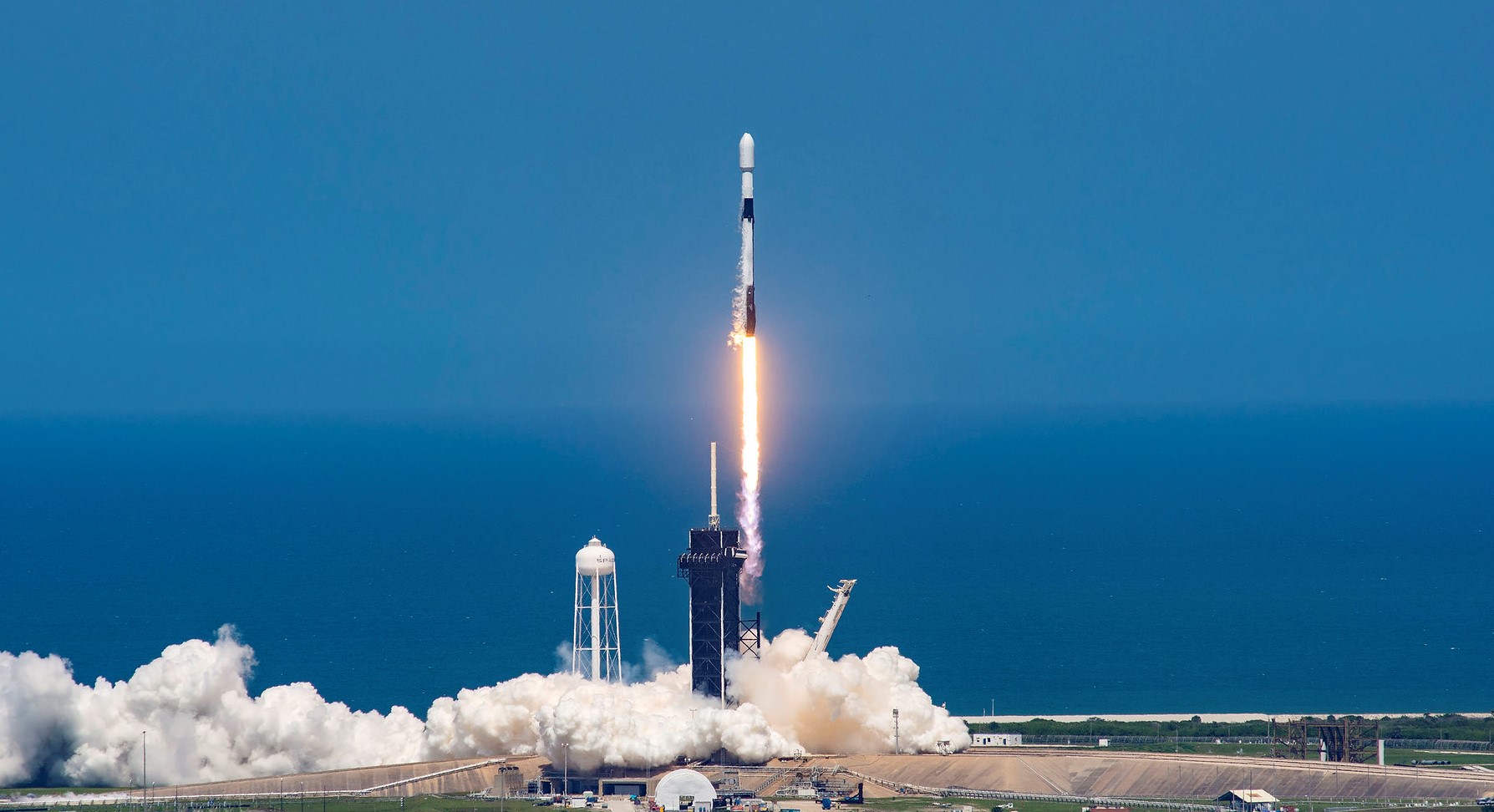
Launch Provider: SpaceX – Commercial
Launch Date: January 12, 2026
Launch Time: 5:44 PM UTC
Vehicle: Falcon 9
Brief: A batch of 29 satellites for the Starlink mega-constellation – SpaceX’s project for space-based Internet communication system.
Unknown Payload
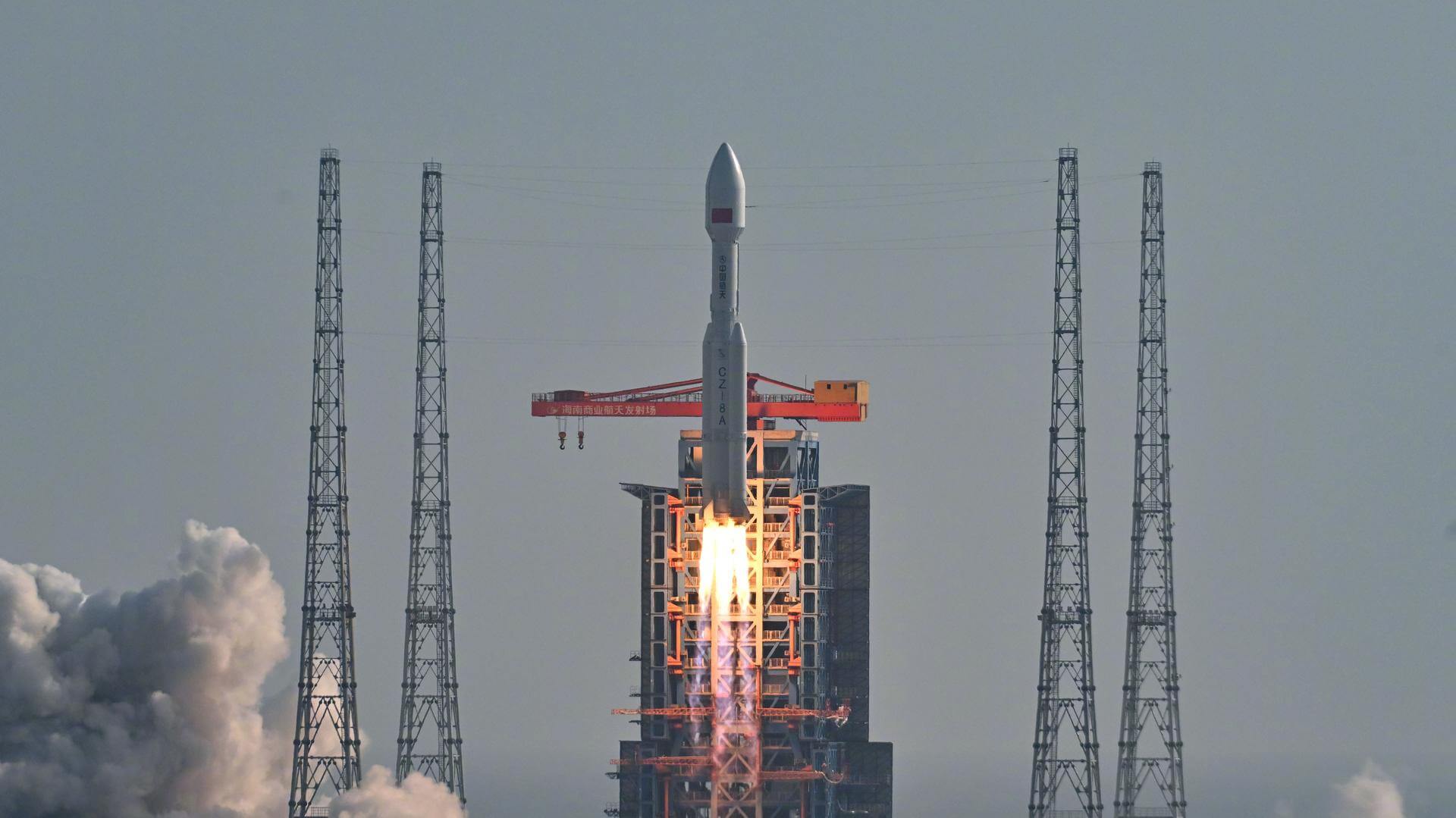
Launch Provider: China Aerospace Science and Technology Corporation – Government
Launch Date: January 13, 2026
Launch Time: 3:45 PM UTC
Vehicle: Long March 8A
Brief: Details TBD.
Starlink Group 6-98
Launch Provider: SpaceX – Commercial
Launch Date: January 14, 2026
Launch Time: 6:01 PM UTC
Vehicle: Falcon 9
Brief: A batch of 29 satellites for the Starlink mega-constellation – SpaceX’s project for space-based Internet communication system.
Unknown Payload
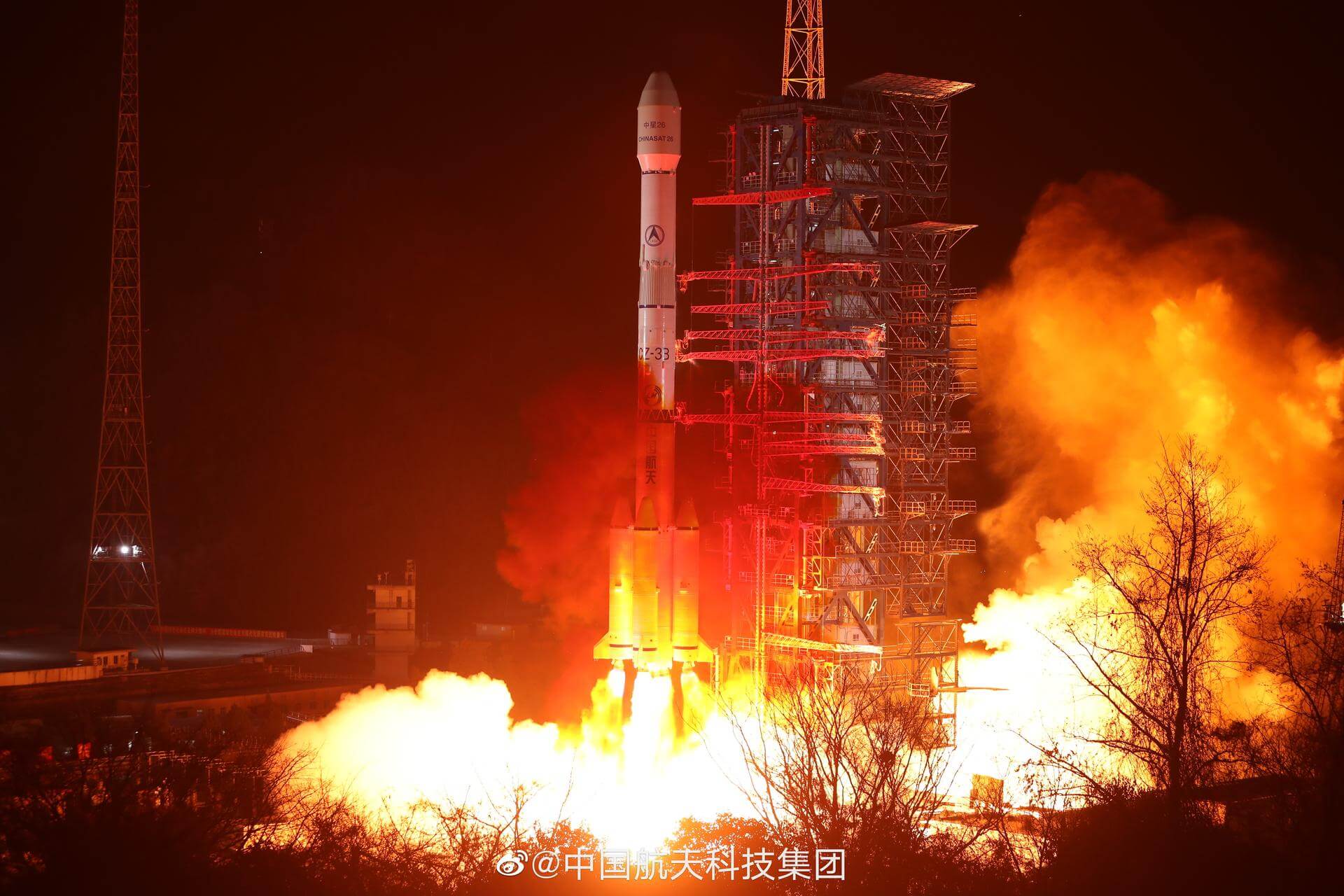
Launch Provider: China Aerospace Science and Technology Corporation – Government
Launch Date: January 15, 2026
Launch Time: 4:00 PM UTC
Vehicle: Long March 3B/E
Brief: Details TBD.
Unknown Payload
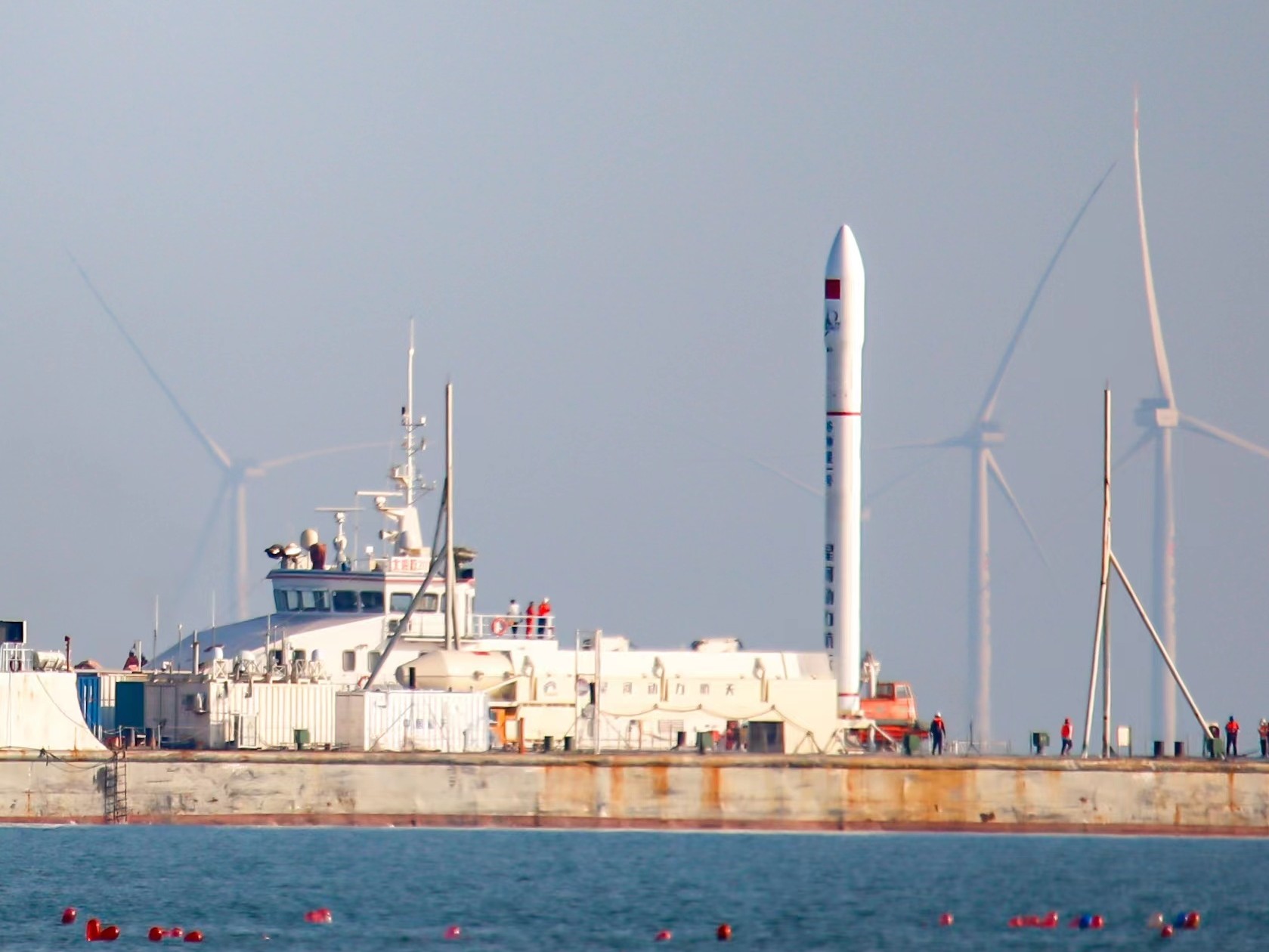
Launch Provider: Galactic Energy – Commercial
Launch Date: January 15, 2026
Launch Time: 7:30 PM UTC
Vehicle: Ceres-1S
Brief: Details TBD.
