
The Daily Broadcast: From Silent Orbiters to Solar U-Turns: Space Keeps Us Guessing

MAVEN Goes Quiet Behind the Red Planet
NASA’s Mars Atmosphere and Volatile EvolutioN (MAVEN) orbiter has fallen silent—and mission engineers are working to reestablish contact. The spacecraft last communicated as expected before slipping behind Mars during a routine orbital pass on December 6, 2025. Such occultations are normal; Mars regularly blocks line-of-sight between Earth and its orbiters. But unlike past events, MAVEN didn’t reappear on schedule afterward.
Before the blackout, telemetry showed all systems functioning within normal parameters. That makes the silence puzzling—and concerning. MAVEN has been studying Mars’ upper atmosphere since 2014, playing a dual role as both a science platform and a communications relay for surface missions like Perseverance. If the issue persists, it could affect data downlink from the rover. Teams at NASA’s Goddard Space Flight Center and Lockheed Martin are troubleshooting, using deep space network antennas to listen for any signal. While spacecraft occasionally recover after unexpected glitches, the longer the silence lasts, the more uncertain the prognosis becomes. For now, the red planet keeps its secrets—and MAVEN’s fate—just out of reach.
Canada Joins International Effort to Decode Meteorite Scars
A collaborative team of researchers from Canada, China, and Japan has developed a new method to read the violent pasts of rare meteorites known as enstatite chondrites. Using micro X-ray diffraction, scientists can now quantify the shock pressures these space rocks endured during ancient collisions in the early solar system. The technique offers a clearer window into the dynamic conditions that shaped planetary building blocks—especially those chemically akin to Earth’s own composition.
Enstatite chondrites are unusual: they formed in highly reducing (oxygen-poor) environments close to the infant Sun. Their chemistry closely matches Earth’s bulk composition, making them invaluable time capsules. By analyzing microscopic deformations in mineral structures, the team reconstructed impact histories otherwise invisible to the naked eye. Canadian contributions to the project—though not detailed in the report—highlight the country’s ongoing role in planetary science, often through quiet but vital participation in international collaborations. It’s a reminder that while Canada may not launch its own meteorite-hunting missions, its scientists are very much in the room when cosmic puzzles get solved.

Parker Solar Probe Catches the Sun Making a U-Turn
In its closest approach yet—just 7 million kilometers from the Sun’s surface in December 2024—NASA’s Parker Solar Probe spotted something unexpected: solar wind doing a literal U-turn. Data and imagery from the mission reveal that magnetic structures in the Sun’s corona don’t always stream smoothly outward. Sometimes, they loop back toward the surface before escaping, like solar traffic reversing lanes during rush hour.
These “switchbacks,” as they’re called, have intrigued scientists since earlier Parker flybys, but the latest observations show them forming much closer to the Sun than previously thought. The findings suggest that the magnetic reconfiguration driving space weather begins deeper in the solar atmosphere. Understanding this process isn’t just academic—it helps predict solar storms that can disrupt satellites, power grids, and communications here on Earth. As one researcher quipped, “The Sun doesn’t read textbooks.” Indeed, it keeps rewriting them. With more close passes scheduled, Parker is poised to keep turning solar physics on its head, one U-turn at a time.
Citations
- “Maven stays silent after routine pass behind Mars” – https://www.marsdaily.com/reports/Maven_stays_silent_after_routine_pass_behind_Mars_999.html
- “Micro X ray method reads ancient meteorite impact scars” – https://www.spacedaily.com/reports/Micro_X_ray_method_reads_ancient_meteorite_impact_scars_999.html
- “NASA’s Parker Solar Probe Spies Solar Wind ‘U-Turn'” – https://www.spacedaily.com/reports/NASAs_Parker_Solar_Probe_Spies_Solar_Wind_U_Turn_999.html
Upcoming Launches
Starlink Group 6-82
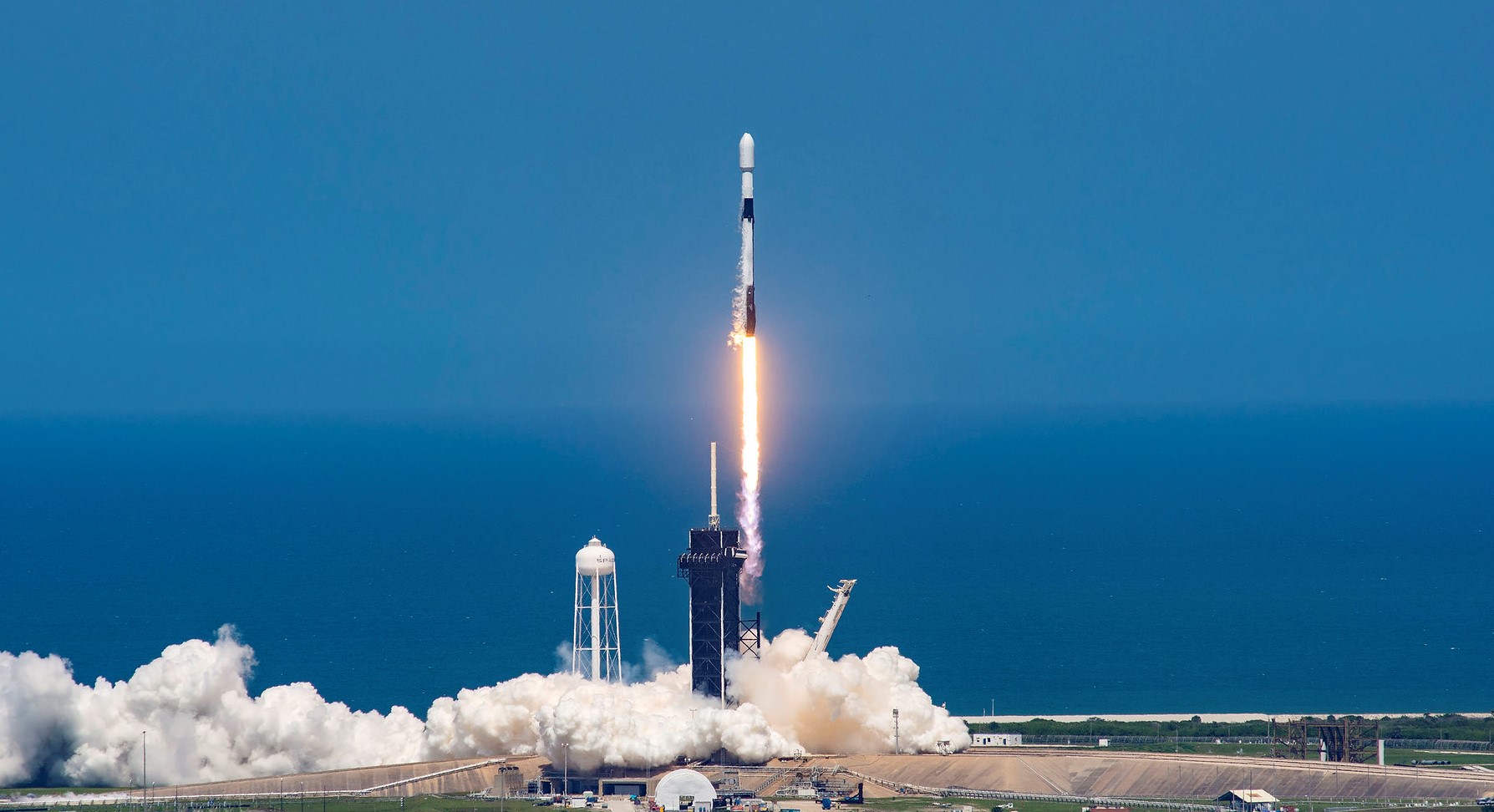
Launch Provider: SpaceX – Commercial
Launch Date: December 15, 2025
Launch Time: 2:47 AM UTC
Vehicle: Falcon 9
Brief: A batch of 29 satellites for the Starlink mega-constellation – SpaceX’s project for space-based Internet communication system.
Demo Flight

Launch Provider: Galactic Energy – Commercial
Launch Date: December 15, 2025
Launch Time: 4:05 AM UTC
Vehicle: Ceres-2
Brief: First test launch of Galactic Energy’s Ceres-2 rocket.
Amazon Leo (LA-04)
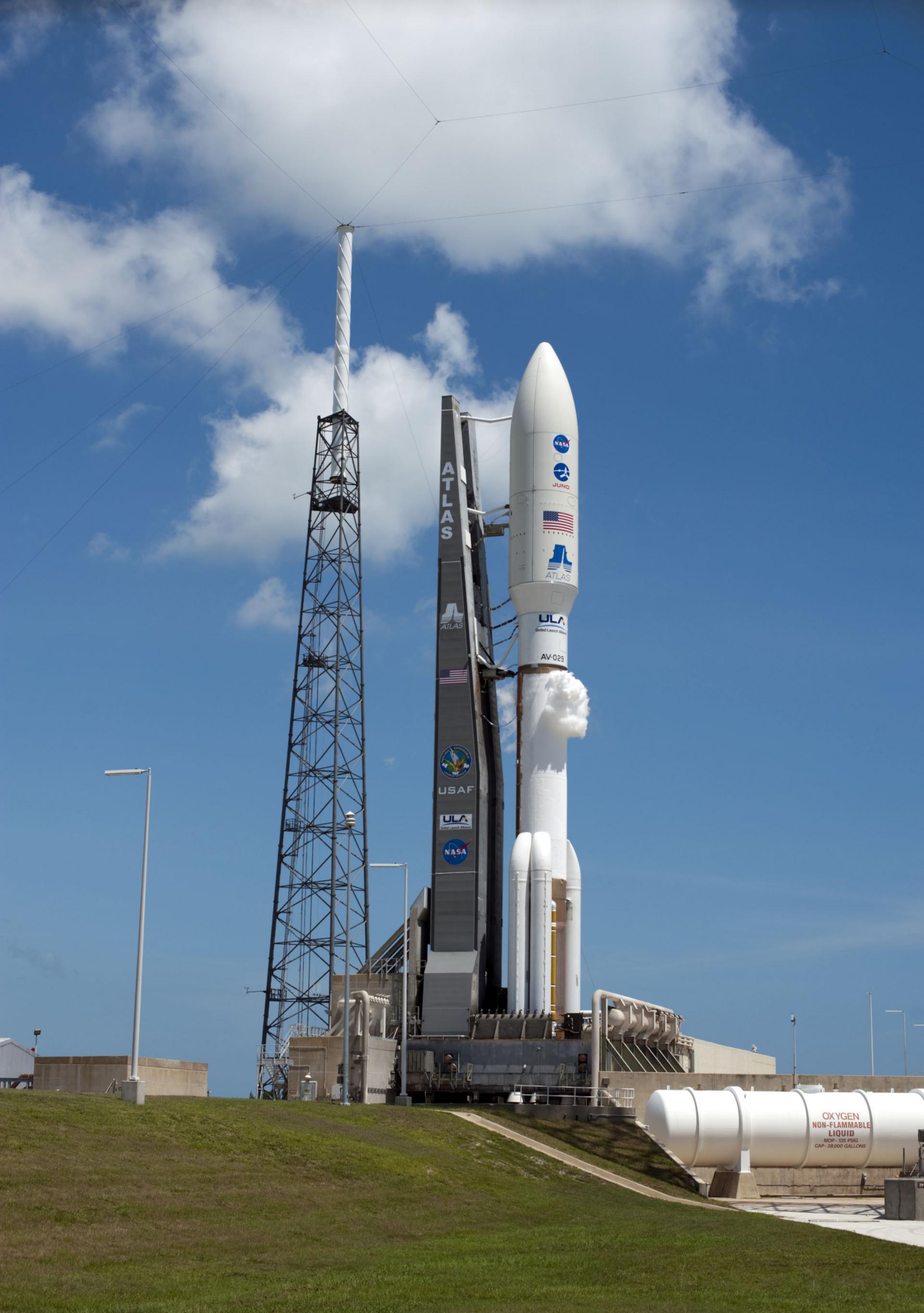
Launch Provider: United Launch Alliance – Commercial
Launch Date: December 15, 2025
Launch Time: 8:49 AM UTC
Vehicle: Atlas V 551
Brief: Amazon Leo, formerly known as Project Kuiper, is a mega constellation of satellites in Low Earth Orbit that will offer broadband internet access, this constellation will be managed by Kuiper Systems LLC, a subsidiary of Amazon. This constellation is planned to be composed of 3,276 satellites. The satellites are projected to be placed in 98 orbital planes in three orbital layers, one at 590 km, 610 km and 630 km altitude.
Starlink Group 6-99
Launch Provider: SpaceX – Commercial
Launch Date: December 15, 2025
Launch Time: 1:11 PM UTC
Vehicle: Falcon 9
Brief: A batch of 29 satellites for the Starlink mega-constellation – SpaceX’s project for space-based Internet communication system.
Unknown Payload
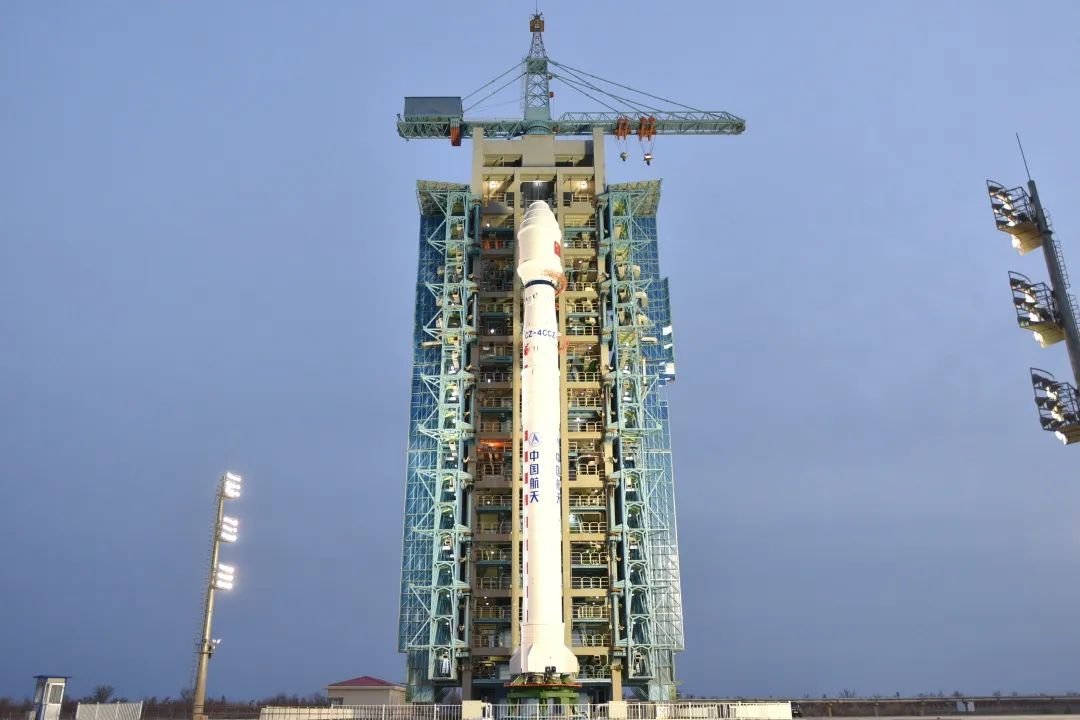
Launch Provider: China Aerospace Science and Technology Corporation – Government
Launch Date: December 16, 2025
Launch Time: 3:15 AM UTC
Vehicle: Long March 4C
Brief: Details TBD.
