
The Daily Broadcast: From Rogue Planets to Canadian Telescopes: Space’s Quiet Momentum

Canada’s CASTOR Telescope Inches Toward Reality
After more than a decade of planning and advocacy, the Canadian-led CASTOR (Cosmological Advanced Survey Telescope for Optical and UV Research) space telescope may finally get the green light in 2026. First identified as a priority in the Canadian astronomy community’s 2010–2020 Long Range Plan, CASTOR aims to fill a critical gap in ultraviolet and optical space-based observation—a niche currently underserved since the retirement of NASA’s GALEX mission. The last—and only—Canadian-led space telescope, MOST, operated successfully from 2003 to 2019.
Recent developments are cautiously optimistic. The Canadian Astronomical Society (CASCA) reports that high-level discussions between the National Research Council Canada (NRC) and the Canadian Space Agency (CSA) are advancing toward a Phase A+ study. A draft project management plan is expected in early January 2026, and detector testing is already underway at the University of Calgary and NRC facilities in Victoria. Notably, CASTOR’s development could also serve as a pathfinder for Canada’s potential involvement in NASA’s future Habitable Worlds Observatory. While the November 2025 federal budget didn’t include explicit funding, government representatives have expressed support during recent meetings with the Coalition for Canadian Astronomy—suggesting that 2026 might indeed be the year Canada reclaims its place in space-based astronomy.
Rogue Saturn-Mass Planet Detected Through Global Collaboration
Astronomers have confirmed the discovery of a free-floating planet roughly the mass of Saturn, adrift in interstellar space with no host star. What makes this detection remarkable is the coordinated effort between ground- and space-based observatories, which enabled the first direct measurement of both the object’s mass and its distance from Earth. Rogue planets—ejected from their birth systems during chaotic early formation phases—are notoriously difficult to spot because they emit little light. This breakthrough relied on gravitational microlensing, where the planet’s gravity briefly magnifies light from a distant background star.
Although only a handful of such objects have been confirmed to date, each new discovery helps refine models of planetary system evolution. As planetary systems form, gravitational interactions can fling smaller bodies into the void—sometimes even gas giants like this one. The findings, published this week, underscore the importance of multi-platform observation strategies. While it won’t be visiting our solar system anytime soon (or ever), this lonely Saturn-mass wanderer offers a rare glimpse into the dynamic—and occasionally violent—processes that shape planetary systems across the galaxy. Who knew interstellar real estate could be so… unattached?
SpaceX Adjusts Starlink Orbits for Enhanced Safety
In a move underscoring growing concerns about orbital congestion, SpaceX has announced plans to lower the operational altitudes of select Starlink satellites. The decision follows two recent close-call incidents involving its megaconstellation, prompting the company to proactively reduce collision risks. While specific orbital parameters weren’t disclosed, the adjustment aligns with SpaceX’s stated goal of improving “space safety” through more responsive deorbiting capabilities and reduced long-term debris persistence.
Starlink currently operates thousands of satellites in low Earth orbit, with regulatory approval for tens of thousands more. Lowering orbits means satellites experience greater atmospheric drag, causing them to naturally deorbit faster if they fail—potentially within months rather than years. This is a practical, if somewhat reactive, step in an increasingly crowded orbital environment. It also reflects mounting pressure from international space agencies and rival operators to minimize collision risks. As the number of active satellites surges globally, such operational tweaks may become routine. Still, it’s a reminder that even in the high-tech realm of satellite internet, sometimes the safest place is a little closer to home—or at least, to the upper atmosphere.
Citations
- “Will 2026 be the year the Canadian CASTOR space telescope is approved?” – https://spaceq.ca/will-2026-be-the-year-the-canadian-castor-space-telescope-is-approved/
- “Joint ground- and space-based observations reveal Saturn-mass rogue planet” – https://www.spacedaily.com/reports/Joint_ground__and_space_based_observations_reveal_Saturn_mass_rogue_planet_999.html
- “SpaceX to lower orbits of some Starlink satellites” – https://spacenews.com/spacex-to-lower-orbits-of-some-starlink-satellites/
Upcoming Launches
Starlink Group 6-88
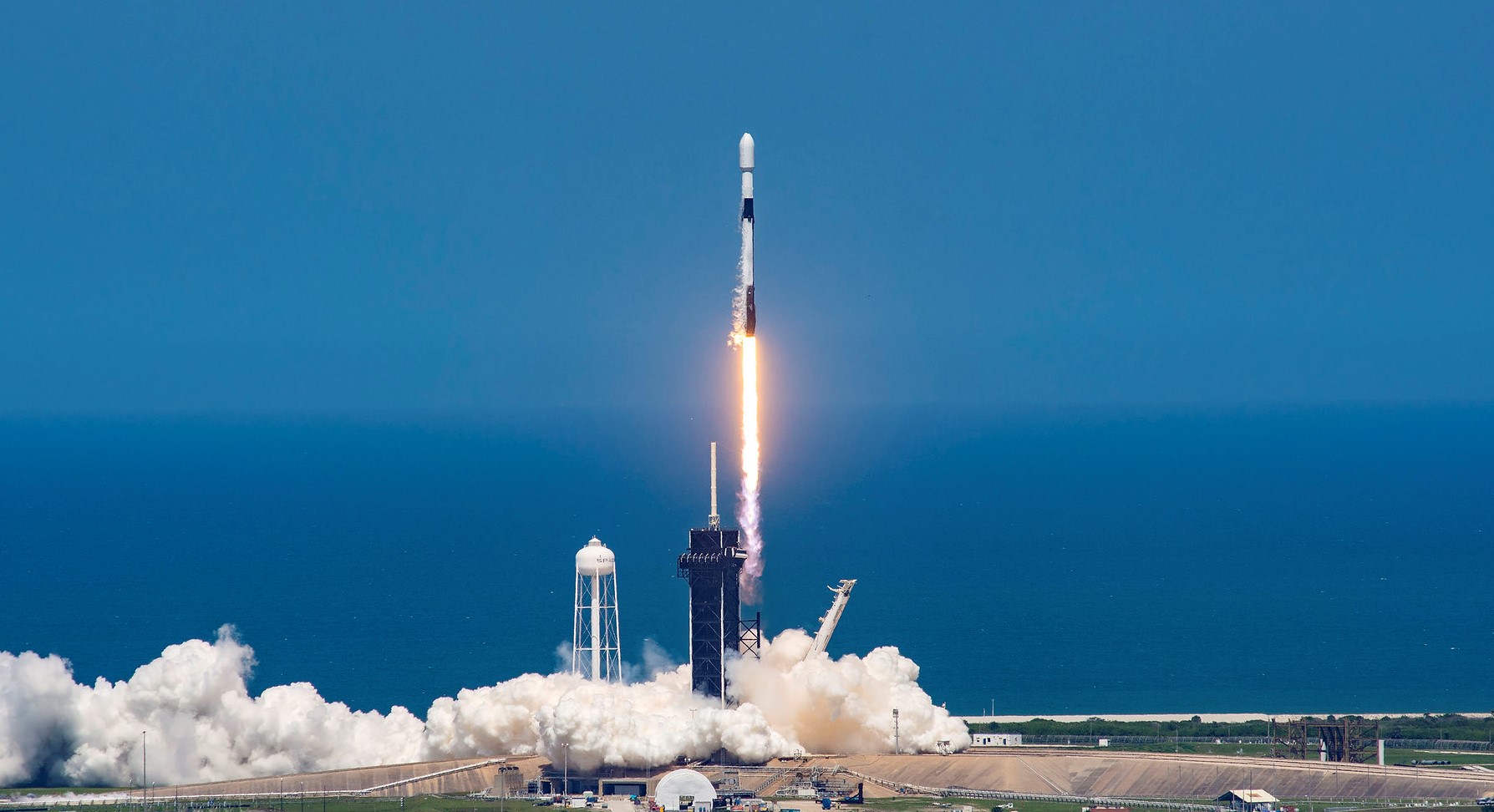
Launch Provider: SpaceX – Commercial
Launch Date: January 4, 2026
Launch Time: 5:00 AM UTC
Vehicle: Falcon 9
Brief: A batch of 29 satellites for the Starlink mega-constellation – SpaceX’s project for space-based Internet communication system.
Starlink Group 6-96
Launch Provider: SpaceX – Commercial
Launch Date: January 7, 2026
Launch Time: 6:55 PM UTC
Vehicle: Falcon 9
Brief: A batch of 29 satellites for the Starlink mega-constellation – SpaceX’s project for space-based Internet communication system.
Starlink Group 6-97
Launch Provider: SpaceX – Commercial
Launch Date: January 10, 2026
Launch Time: 6:34 PM UTC
Vehicle: Falcon 9
Brief: A batch of 29 satellites for the Starlink mega-constellation – SpaceX’s project for space-based Internet communication system.
EOS-N1 and others
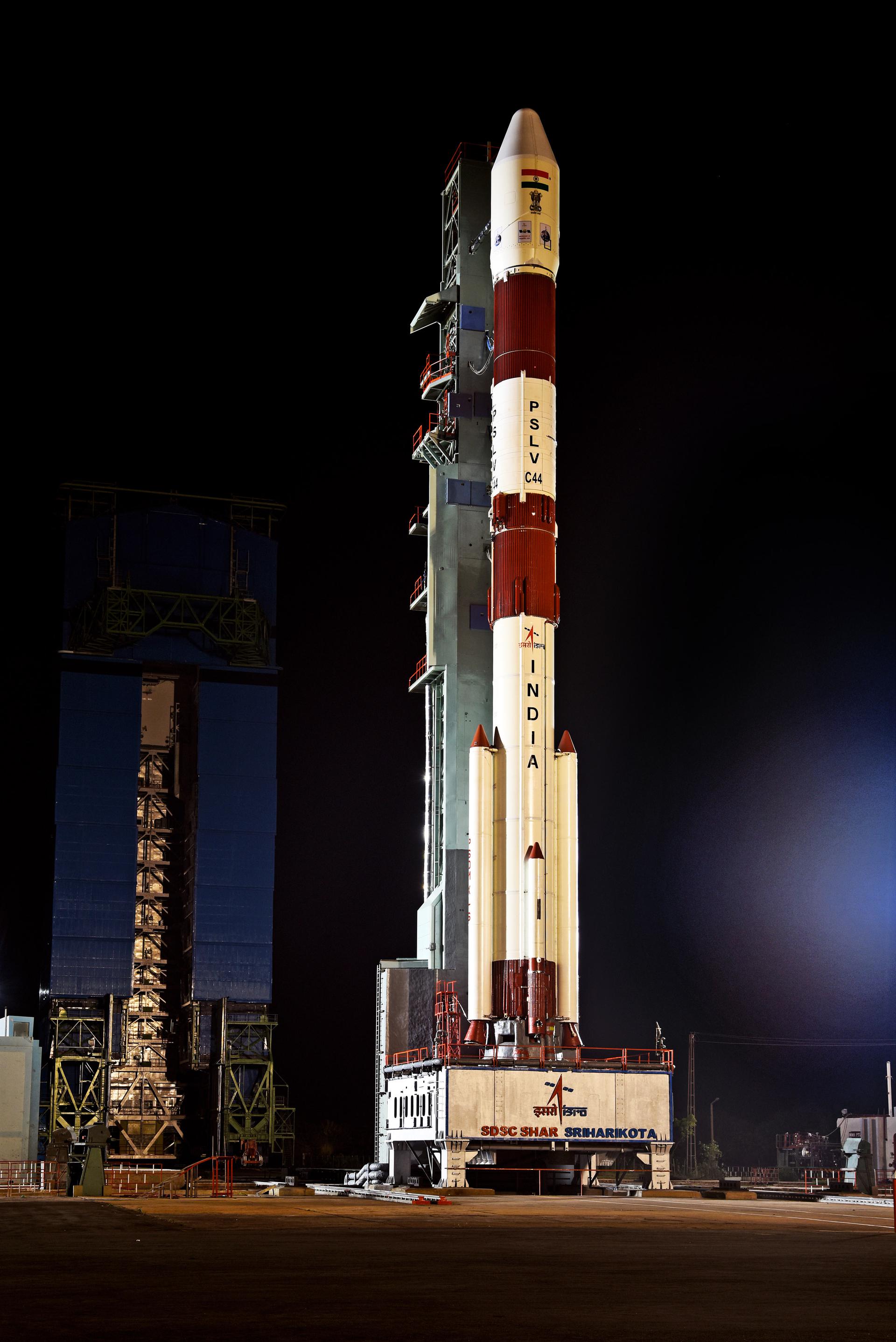
Launch Provider: Indian Space Research Organization – Government
Launch Date: January 11, 2026
Launch Time: 4:15 AM UTC
Vehicle: PSLV-DL
Brief: Small Earth observation satellite from NewSpace India Limited (NSIL) for an “Indian strategic user”, details TBD.
This launch will also carry 18 other ride-share payloads.
Pandora / Twilight rideshare mission
Launch Provider: SpaceX – Commercial
Launch Date: January 11, 2026
Launch Time: 1:09 PM UTC
Vehicle: Falcon 9
Brief: The Pandora small satellite was selected in 2021 as an inaugural mission in NASA’s Astrophysics Pioneers Program. It includes a 0.45-meter telescope that will improve our understanding of exoplanet atmospheres by disentangling exoplanet signals from their host stars, as well as studying host star variability with long-duration observations of 20 unique planets through visible-light photometry and near-infrared spectroscopy.
Also launching on this launch are ride-share payloads under the “Falcon 9 Twilight mission” manifested by Exolaunch, including satellites from Spire Global and Kepler Communications.
