
The Daily Broadcast: From Quantum Sensors to Interstellar Visitors: A Busy Week in Space
From Quantum Sensors to Interstellar Visitors: A Busy Week in Space

Canadian Quantum Tech Heads to ESA
In a quiet but significant win for Canada’s growing space tech sector, Fredericton-based SBQuantum has secured an €800,000 (approximately $932,000 USD) contract with the European Space Agency (ESA) to deliver an upgraded quantum magnetometer for Earth observation missions. The 21-month agreement, announced on November 14, builds on a prototype the company provided to ESA in 2024 for testing and evaluation.
SBQuantum’s device uses nitrogen-vacancy centers in synthetic diamond—a quantum sensing technique that allows for extremely precise measurements of magnetic fields. These sensors could one day monitor subtle changes in Earth’s magnetosphere, track geological activity, or even support climate research by detecting ocean currents through their magnetic signatures. For a company headquartered in New Brunswick, this contract marks a major step onto the international stage.
What makes this particularly noteworthy is that SBQuantum is entering a niche dominated by far larger aerospace firms, yet it’s doing so with homegrown Canadian innovation. The magnetometer’s compact size and low power requirements also make it well-suited for small satellite constellations—a growing segment where Canada has longstanding expertise, thanks in part to the legacy of the RADARSAT program. While quantum tech in space is still in its early days, contracts like this suggest Canada isn’t just keeping pace—it’s helping set the pace.
ESA Tracks Interstellar Comet with Mars Orbiter
Astronomers have significantly sharpened their view of 3I/ATLAS, the third known interstellar object to pass through our solar system, thanks to an ingenious use of existing assets. The European Space Agency (ESA) recently used its ExoMars Trace Gas Orbiter (TGO)—a spacecraft circling Mars since 2016—not to study the Red Planet’s atmosphere as originally intended, but to observe the distant comet’s trajectory from a unique vantage point 225 million kilometers away.
Discovered on July 1, 2025, 3I/ATLAS sparked global interest as only the third confirmed object from beyond our solar system, following ‘Oumuamua and 2I/Borisov. Pinpointing its path is critical not only for scientific understanding but also for planetary defense preparedness. ESA’s latest data, gathered by TGO’s CaSSIS camera, has improved trajectory predictions by a factor of ten—turning fuzzy forecasts into precise orbital calculations.
This clever repurposing of an existing mission highlights how space agencies are maximizing scientific return without launching new hardware. While Canada doesn’t operate deep-space observatories like TGO, Canadian researchers are active participants in international comet and planetary defense collaborations. It’s a reminder that space science is rarely a solo endeavor; it’s a global relay race where data from one nation’s orbiter can refine another’s models—and everyone benefits from a clearer picture of what’s hurtling through our cosmic neighborhood.

Chinese Astronauts Make Emergency Return After Debris Concerns
In a dramatic but successful contingency operation, the crew of China’s Shenzhou-20 mission returned safely to Earth on November 13 aboard the newly launched Shenzhou-21 spacecraft. The unusual crew swap was necessitated by concerns that their original vehicle had sustained damage from space debris, rendering it unsafe for re-entry.
The three taikonauts—Chen Dong, Chen Zhongrui, and Wang Jie—had been aboard the Tiangong space station for approximately six months as part of China’s ninth crewed mission to the orbital outpost. Normally, crews return in the same capsule that brought them up, but Chinese space officials confirmed post-landing that Shenzhou-20 showed signs of potential micrometeoroid or orbital debris impact. Rather than risk the crew, mission controllers opted for a rapid turnaround: Shenzhou-21 launched on November 12 and, after a swift rendezvous, served as their ride home the next day.
The flawless execution of this contingency underscores the maturity of China’s human spaceflight program. It also highlights a growing reality of low Earth orbit: as traffic increases, so does the risk of collisions. While the exact nature of the damage remains undisclosed, the incident serves as a sobering reminder that space debris isn’t just a theoretical concern—it’s an operational hazard that can ground spacecraft and force real-time mission changes. For countries like Canada, which relies on international partners for crewed access to space, such events reinforce the importance of robust contingency planning and shared orbital safety standards.

Citations
- “Canada’s SBQuantum wins contract to supply ESA magnetometer” – https://spacenews.com/canadas-sbquantum-wins-contract-to-supply-esa-magnetometer/
- “ESA pinpoints 3I/ATLAS’s path with data from Mars” – https://www.esa.int/Space_Safety/Planetary_Defence/ESA_pinpoints_3I_ATLAS_s_path_with_data_from_Mars
- “Shenzhou-20 astronauts safely return to Earth on Shenzhou-21 spacecraft after space debris damage concerns” – https://spacenews.com/shenzhou-20-astronauts-safely-return-to-earth-on-shenzhou-21-spacecraft-after-space-debris-damage-concerns/
Upcoming Launches
EscaPADE
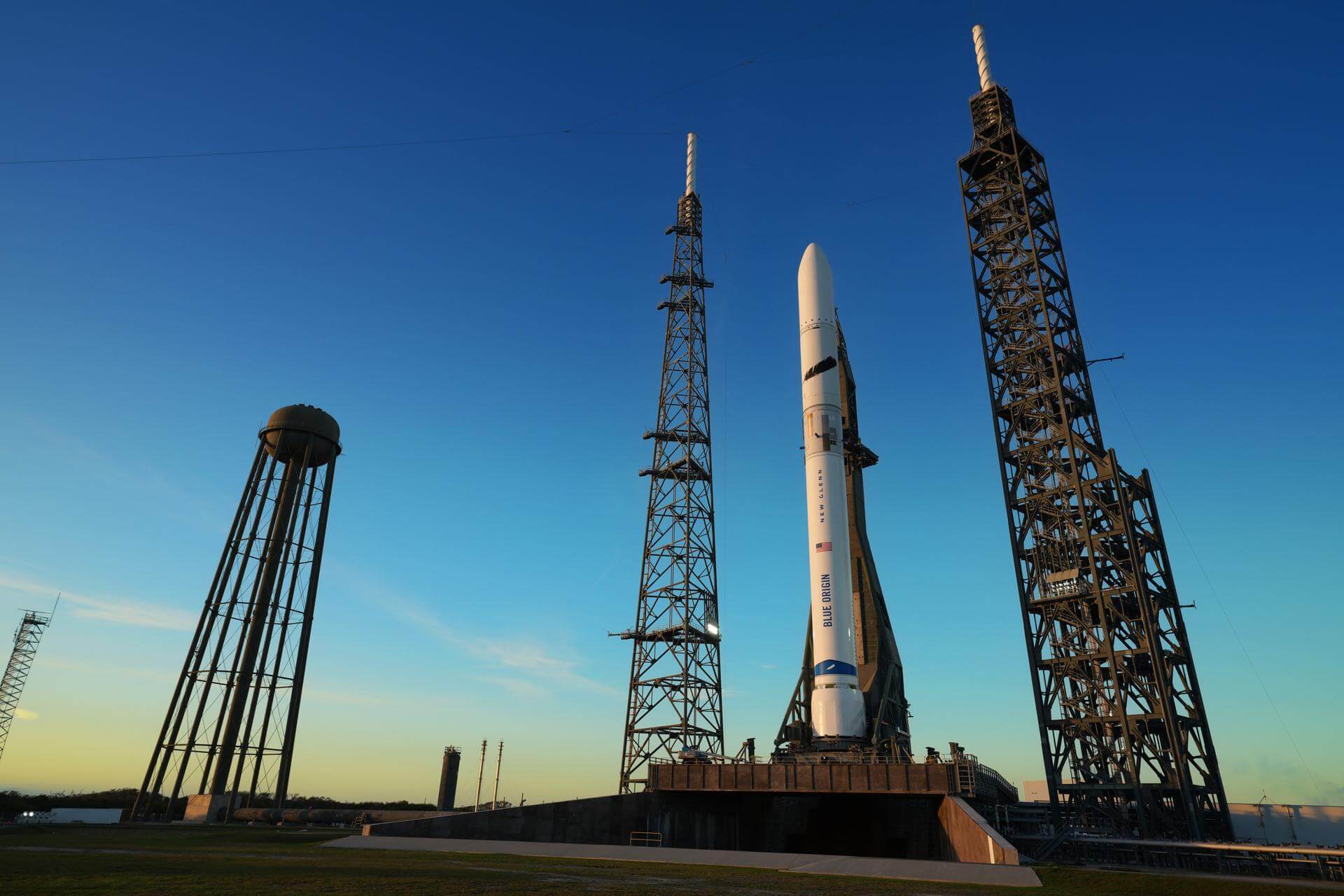
Launch Provider: Blue Origin – Commercial
Launch Date: November 13, 2025
Launch Time: 8:55 PM UTC
Vehicle: New Glenn
Brief: Second flight of Blue Origin’s New Glenn launch vehicle carrying the Escape and Plasma Acceleration and Dynamics Explorers (EscaPADE), a dual-spacecraft mission from University of California, Berkeley to study ion and sputtered escape from Mars. The spacecrafts’ scientific goals are to understand the processes controlling the structure of Mars’ hybrid magnetosphere and how it guides ion flows; understand how energy and momentum are transported from the solar wind through Mars’ magnetosphere; and understand the processes controlling the flow of energy and matter into and out of the collisional atmosphere.
ViaSat-3 F2 (ViaSat-3 EMEA)
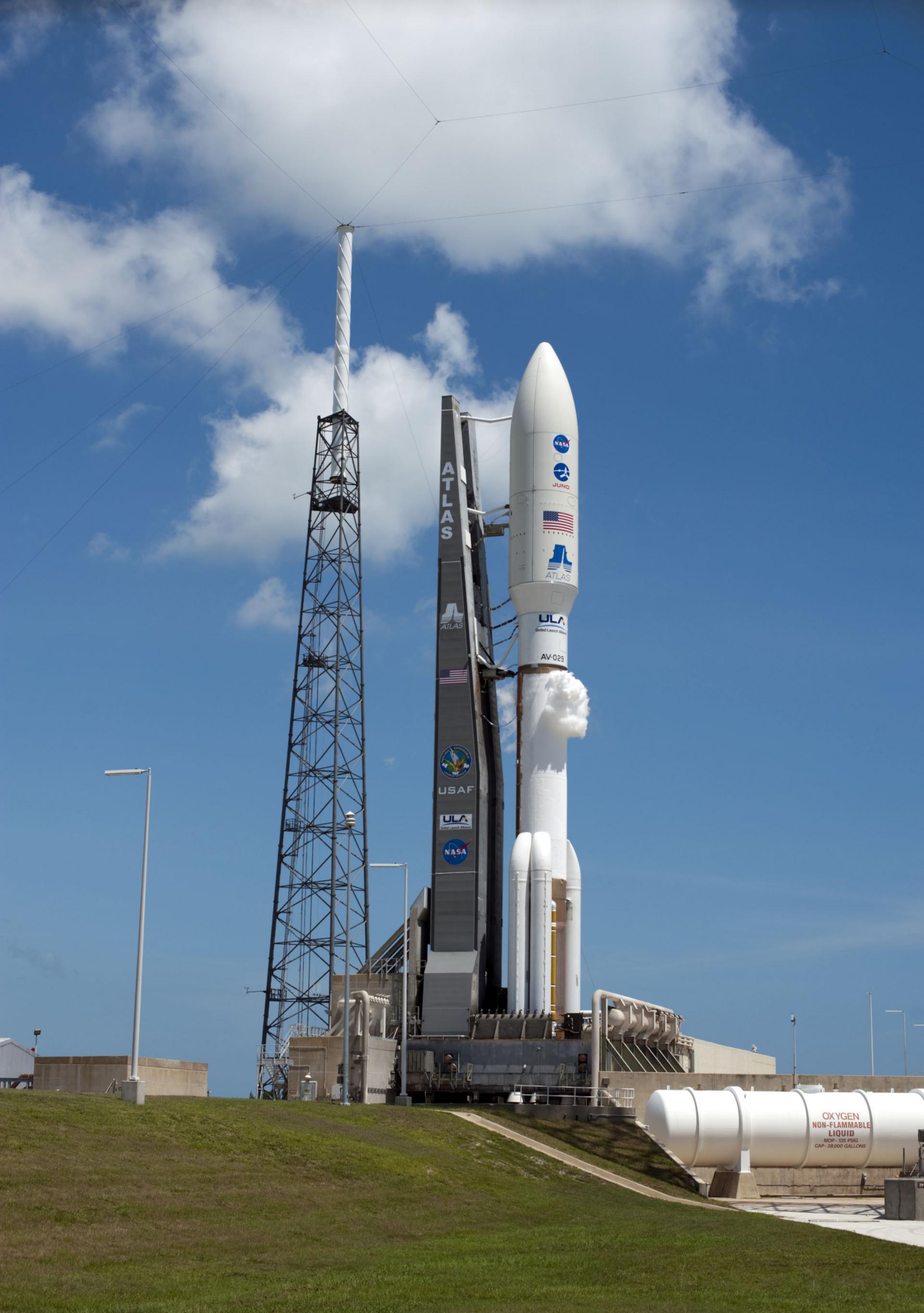
Launch Provider: United Launch Alliance – Commercial
Launch Date: November 14, 2025
Launch Time: 3:04 AM UTC
Vehicle: Atlas V 551
Brief: The ViaSat-3 is a series of three Ka-band satellites is expected to provide vastly superior capabilities in terms of service speed and flexibility for a satellite platform. Each ViaSat-3 class satellite is expected to deliver more than 1-Terabit per second of network capacity, and to leverage high levels of flexibility to dynamically direct capacity to where customers are located.
Starlink Group 6-85
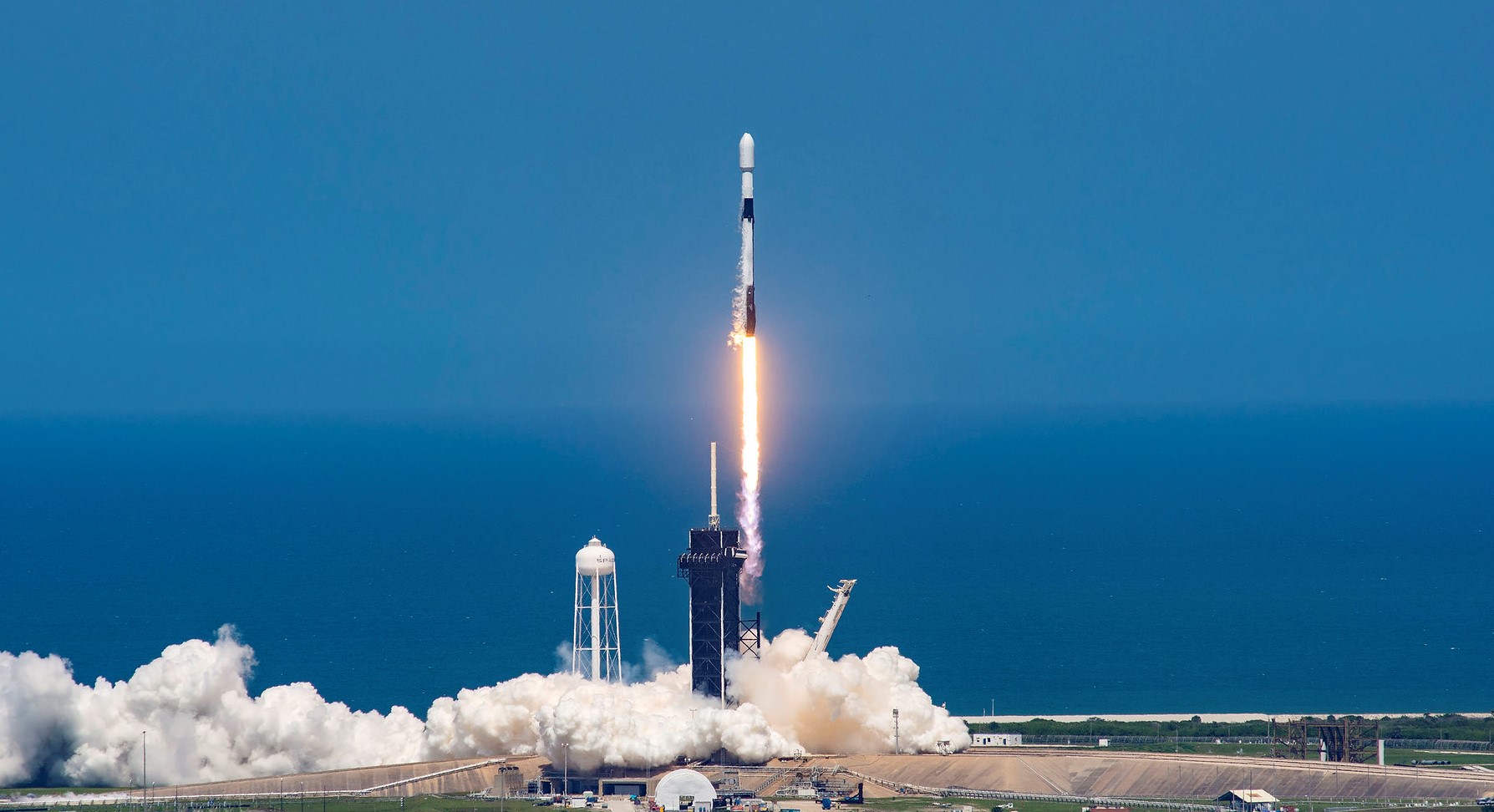
Launch Provider: SpaceX – Commercial
Launch Date: November 15, 2025
Launch Time: 3:01 AM UTC
Vehicle: Falcon 9
Brief: A batch of 29 satellites for the Starlink mega-constellation – SpaceX’s project for space-based Internet communication system.
Starlink Group 6-89
Launch Provider: SpaceX – Commercial
Launch Date: November 15, 2025
Launch Time: 3:01 AM UTC
Vehicle: Falcon 9
Brief: A batch of 29 satellites for the Starlink mega-constellation – SpaceX’s project for space-based Internet communication system.
VAN
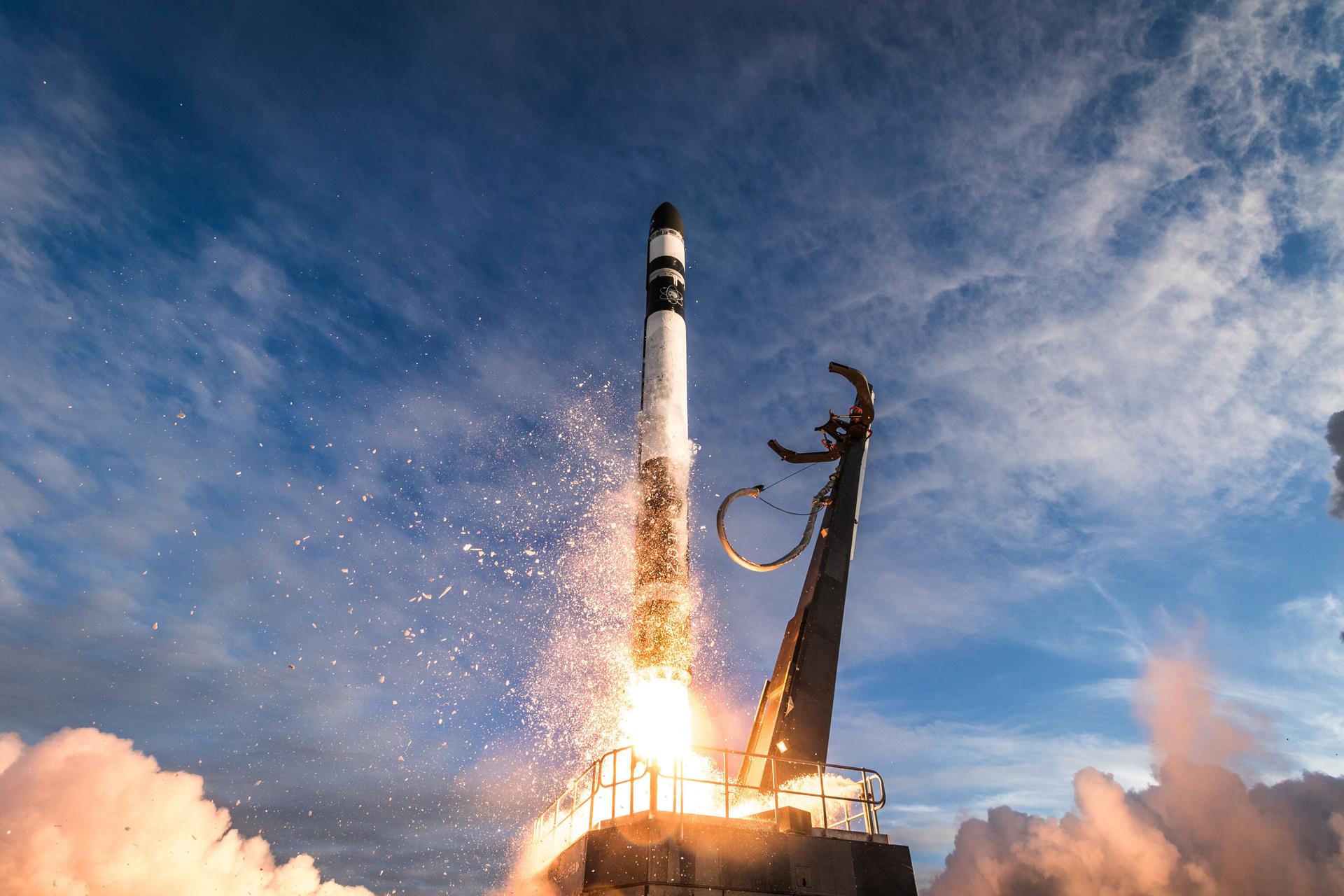
Launch Provider: Rocket Lab – Commercial
Launch Date: November 16, 2025
Launch Time: 12:45 PM UTC
Vehicle: Electron
Brief: Sub-orbital launch under Rocket Lab’s Hypersonic Accelerator Suborbital Test Electron (HASTE) program, details TBD.
