
The Daily Broadcast: From Policy to Payload: Canada’s Evolving Space Ambitions

From Policy to Payload: Canada’s Evolving Space Ambitions
Defence, Strategy, and the Push for Canadian Space Sovereignty
At the recent SpaceBound conference in Ottawa, a panel of Canadian space leaders delivered a clear message: if Canada wants to meet its NATO commitments and bolster space-based defence capabilities, it needs both a coherent strategy and stronger industry-government collaboration. Stewart Bain of NorthStar Earth & Space likened defence procurement to rocket launch windows—miss them, and the opportunity may not come again. Mina Mitry of Kepler Communications emphasized that companies must deeply understand the security concerns inherent in defence work, embedding risk-aware cultures from leadership down.
Scott McCrady of Magellan Aerospace offered cautious optimism about the newly announced Defence Investment Agency (DIA), noting it could streamline decisions—or add another bureaucratic layer. Longtime public servant Mary Preville highlighted persistent hurdles like limited security clearance access and siloed communication. All agreed on one thing: Canada’s last space strategy dates to 2019, a lifetime ago in space terms. With space now “contested” and cislunar ambitions growing, the call for a modern industrial roadmap is urgent—and overdue.
CSA’s Campbell Champions “Buy Canadian” Amid New ESA Partnership
Canadian Space Agency president Lisa Campbell used her SpaceBound keynote to reinforce the federal government’s emphasis on domestic capacity and sovereign capabilities. Speaking to an audience of industry stakeholders, she highlighted that CSA procurements are exempt from many international trade agreements—a policy that has helped Canada excel in robotics, Earth observation, and communications. “Like most other countries, we protect this high-investment, high-risk sector deliberately,” she said.
Her remarks come amid growing concern over potential U.S. policy shifts that could affect cross-border space trade. To diversify opportunities, Industry Minister Mélanie Joly announced $528.5 million in new funding to deepen Canadian industry ties with the European Space Agency. While details on timing and disbursement remain vague, the move signals a strategic pivot toward European partnerships. Campbell’s consistent messaging—“export more, buy Canadian”—may sound familiar, but in today’s geopolitical climate, it carries renewed weight for a sector eyeing both innovation and resilience.
Suborbital Success at Spaceport Nova Scotia
Canada’s spaceport ambitions took a tangible leap forward on November 20, 2025, when a T-Minus Engineering Barracuda hypersonic suborbital rocket launched from Spaceport Nova Scotia at 10:54 a.m. ET. While the rocket didn’t reach the Kármán line (100 km), Maritime Launch Services (MLS) CEO Steve Matier called it a resounding success for operational readiness. “We achieved every mission parameter we hoped for—and then some,” he told SpaceQ, noting challenges like European dockworker strikes and last-minute coordination with offshore fishermen.
The launch refined safety protocols and strengthened collaboration among Transport Canada, NAV CANADA, the RCMP, and local emergency teams. Onboard was the “STORIES of Space” payload, carrying over 1,000 student-submitted stories and mission patches—an educational outreach milestone and the program’s fifth successful flight. Though the exact apogee remains unreleased, the test validated the spaceport’s infrastructure and procedures. T-Minus Engineering plans to return next year, and Matier hinted this is just the beginning for Nova Scotia as a launch hub—proving that even suborbital flights can carry big dreams.
Citations
- “SpaceBound: Strategy and community needed to respond to defence needs” – https://spaceq.ca/spacebound-strategy-and-community-needed-to-respond-to-defence-needs/
- “Canadian Space Agency president Lisa Campbell relays government talking points” – https://spaceq.ca/canadian-space-agency-president-lisa-campbell-relays-government-talking-points/
- “Suborbital rocket lifts off from Spaceport Nova Scotia” – https://spaceq.ca/suborbital-rocket-lifts-off-from-spaceport-nova-scotia/
Upcoming Launches
Starlink Group 6-79
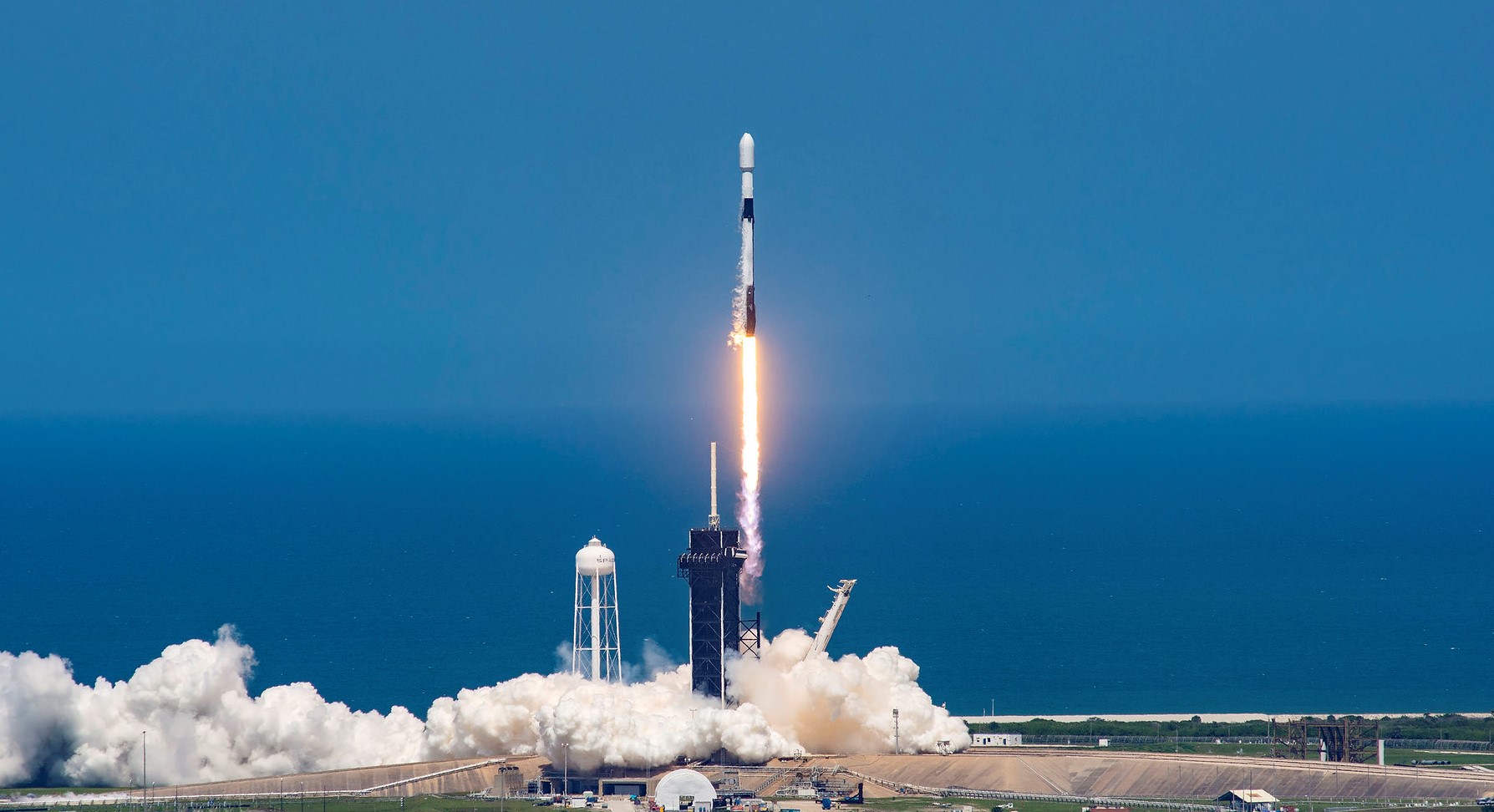
Launch Provider: SpaceX – Commercial
Launch Date: November 22, 2025
Launch Time: 6:59 AM UTC
Vehicle: Falcon 9
Brief: A batch of 29 satellites for the Starlink mega-constellation – SpaceX’s project for space-based Internet communication system.
Starlink Group 11-30
Launch Provider: SpaceX – Commercial
Launch Date: November 23, 2025
Launch Time: 8:00 AM UTC
Vehicle: Falcon 9
Brief: A batch of 28 satellites for the Starlink mega-constellation – SpaceX’s project for space-based Internet communication system.
Shenzhou 22
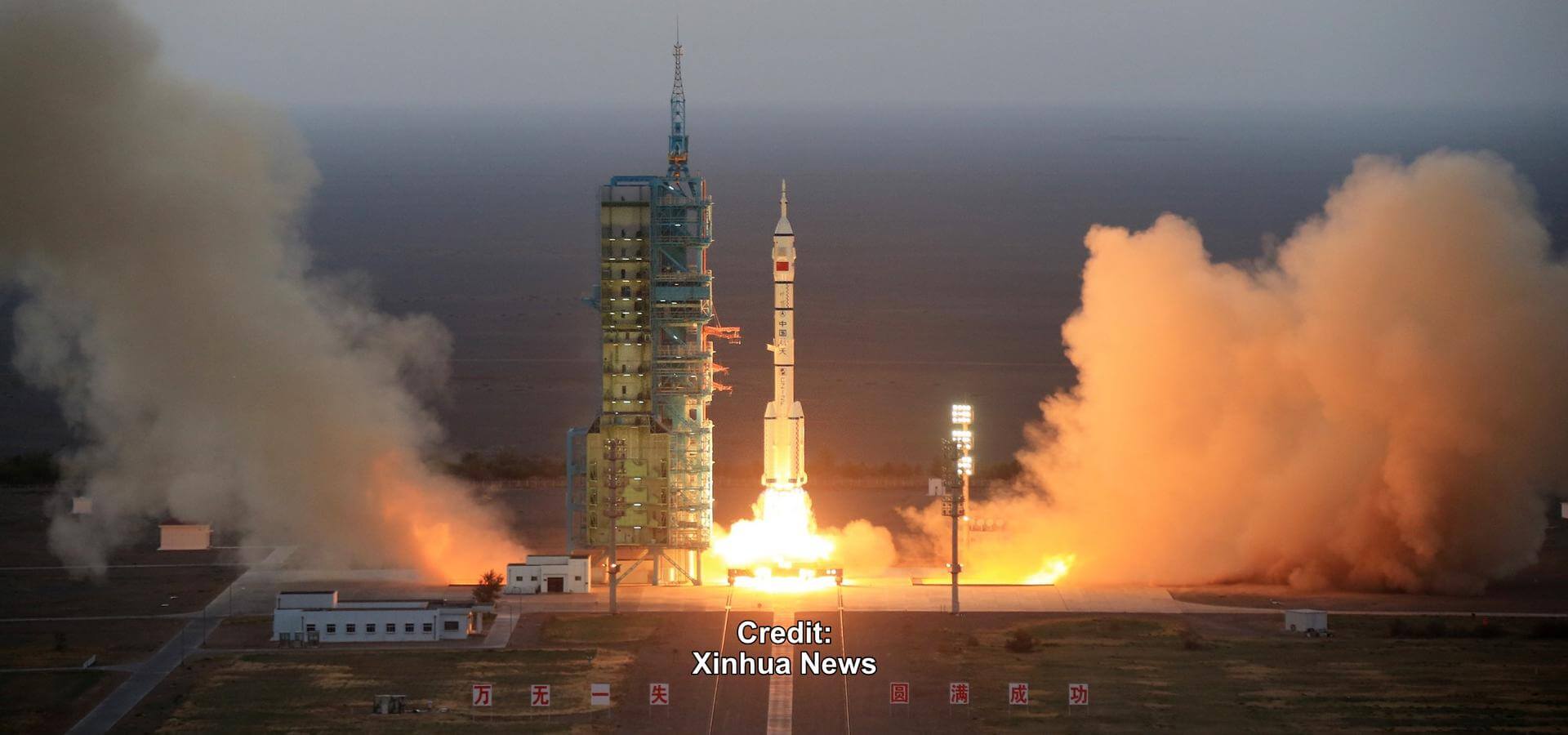
Launch Provider: China Aerospace Science and Technology Corporation – Government
Launch Date: November 25, 2025
Launch Time: 4:11 AM UTC
Vehicle: Long March 2
Brief: Shenzhou 22 (Chinese: 神舟二十二号) will be the 22nd flight of the Shenzhou program. The spacecraft will be launched without crew to replace Shenzhou 20 that was damaged by orbital debris on the descent module porthole window, and thus deemed unsuitable for crew re-entry. The spacecraft will later return three Chinese astronauts on the 10th flight to the Chinese Space Station back to Earth, after launching on Shenzhou 21.
Kosmos (Unknown Payload)
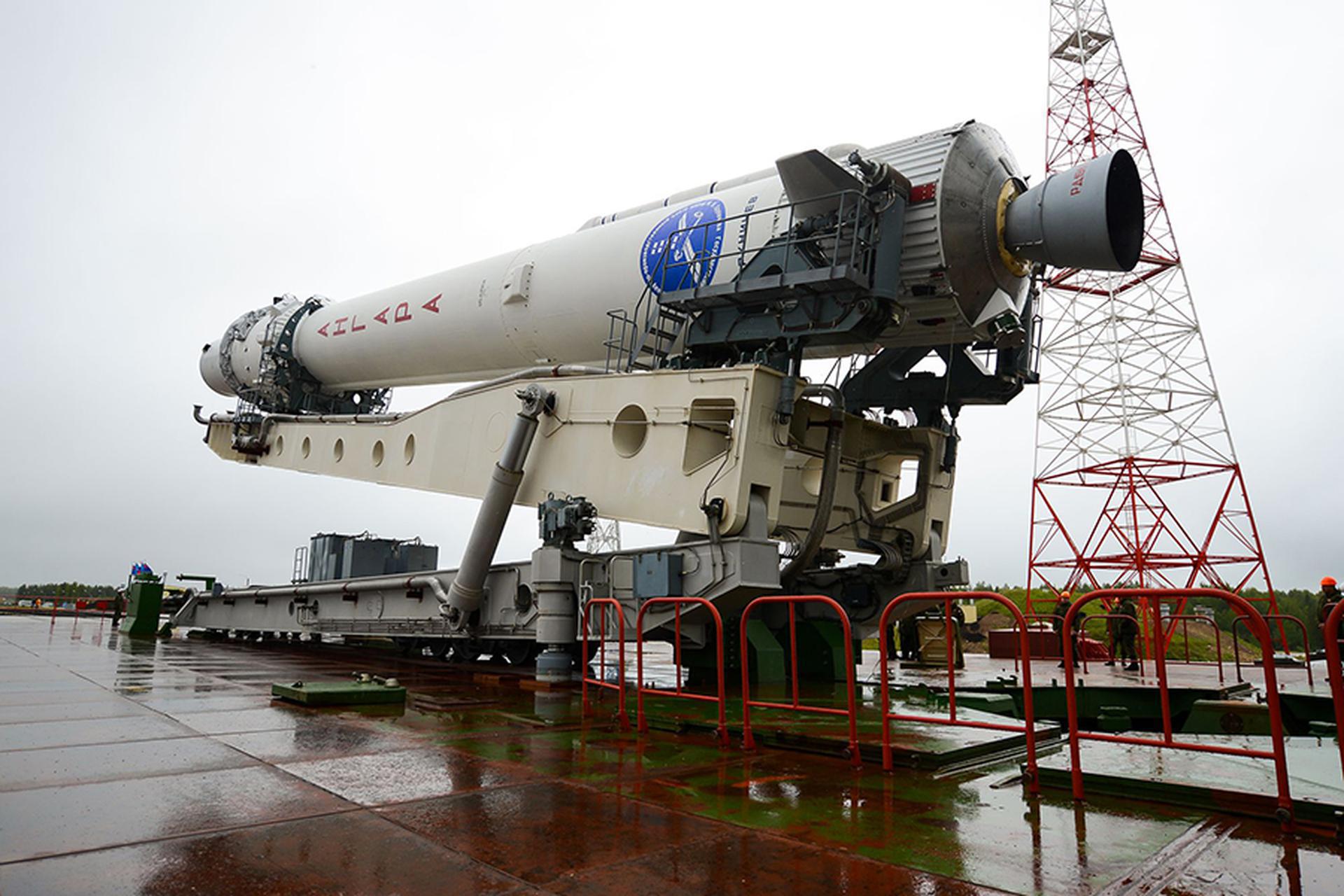
Launch Provider: Khrunichev State Research and Production Space Center – Government
Launch Date: November 25, 2025
Launch Time: 1:00 PM UTC
Vehicle: Angara 1.2
Brief: Note: Payload identity and Cosmos series numbering not confirmed.
Unknown Payload(s) for the Russian military.
CAS500-3
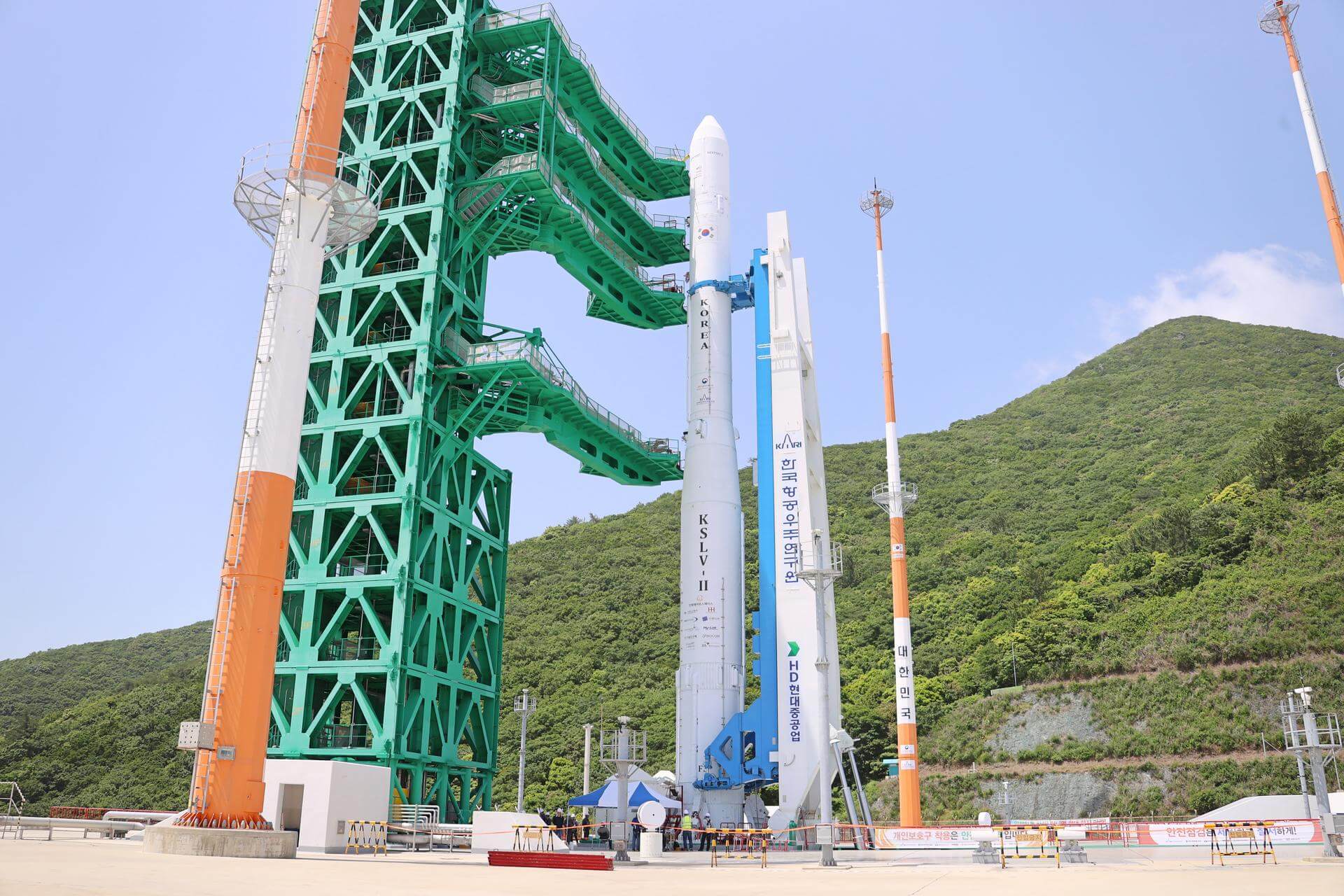
Launch Provider: Korea Aerospace Research Institute – Government
Launch Date: November 26, 2025
Launch Time: 3:54 PM UTC
Vehicle: Nuri
Brief: CAS500-3 is a South Korean Earth observation satellites to be used by the Ministry of Science and ICT for space technology verification and space science research.
