
The Daily Broadcast: From Mars Silence to Canadian Innovation and Global Space Momentum

Canadian Space Agency opens $12 million call for homegrown space tech
The Canadian Space Agency (CSA) has launched a significant opportunity for domestic innovators, opening a $12 million funding call under its Space Technology Development Program (STDP). The initiative aims to bolster Canada’s industrial competitiveness by supporting the maturation of critical space technologies—from early-stage concepts to near-market readiness. The programme is split into three streams: AO 10.1 offers up to $1 million per project for advanced technologies targeting Technology Readiness Level (TRL) 5 or 6, with a $9 million total budget; AO 10.2 dedicates $2 million specifically to small businesses (50 employees or fewer), providing up to $350,000 per project; and AO 10.3 allocates $1 million for longer-term, foundational innovations that aim to reach TRL 3 or 4.
Eligible applicants include Canadian for-profit and not-for-profit organizations, though academic institutions may only participate as subcontractors. The CSA will cover up to 75% of eligible project costs, with applicants required to contribute the remaining 25%. Notably excluded are proposals focused on Earth observation data processing, deep-space healthcare, and food production systems—areas already addressed by other initiatives. Interested parties must register by 6 February 2026, with applications due by 13 March 2026, and projects are expected to begin on 1 July 2026. This effort exemplifies Canada’s ongoing commitment to fostering a robust, homegrown space sector that punches above its weight on the global stage.

NASA concedes low odds of recovering silent MAVEN orbiter at Mars
NASA has expressed growing pessimism about re-establishing contact with the Mars Atmosphere and Volatile EvolutioN (MAVEN) spacecraft, which has been out of communication for over a month. In a recent update, agency officials stated it is “very unlikely” the mission can be recovered. Launched in 2013, MAVEN has played a pivotal role in studying the Martian upper atmosphere and has served as a vital communications relay for surface missions like NASA’s Perseverance rover. The spacecraft’s unexpected silence—first noted in mid-December 2025—has prompted multiple recovery attempts, all of which have so far been unsuccessful.
While the exact cause of the outage remains undetermined, NASA engineers have explored possibilities ranging from software glitches to hardware failures exacerbated by the harsh interplanetary environment. MAVEN’s loss would not only end a highly productive science mission but also reduce relay capacity for ongoing surface operations. Fortunately, other orbiters—including ESA’s Trace Gas Orbiter and NASA’s Mars Reconnaissance Orbiter—continue to provide backup communications support. Still, the potential end of MAVEN underscores the fragility of deep-space assets, even as they exceed their original design lifetimes. At this stage, the focus appears to be shifting from recovery to legacy assessment—a sobering but necessary part of planetary exploration.

Global space activity surges as 2026 promises dynamic year of missions
As we settle into 2026, space operations worldwide are set to become markedly more dynamic, with a packed calendar of civil, commercial, and national security missions. According to SpaceNews, the year will feature at least three lunar missions, continued expansion of low Earth orbit (LEO) infrastructure, and new capabilities in Earth observation and communications. A standout on the horizon is Vast’s Haven-1, scheduled to launch as the first prospective commercial space station module—a potential milestone in the transition toward sustained private presence in LEO.
Beyond commercial ventures, national agencies are ramping up activity. China kicked off its launch campaign with two Long March missions in early January, deploying Yaogan reconnaissance satellites and Guowang communications payloads. Meanwhile, Sweden has committed €121 million to acquire 10 surveillance satellites, bolstering its sovereign intelligence, surveillance, and reconnaissance (ISR) capabilities amid heightened European security concerns. These developments reflect a broader trend: space is no longer the exclusive domain of superpowers or scientific endeavours but an increasingly congested and contested arena where innovation, security, and commerce intersect. For Canadian observers, this evolving landscape presents both challenges and opportunities—particularly as homegrown firms seek niches in Earth observation, robotics, and secure data services.

Citations
- “Canadian Space Agency opens opportunity with $12 million for space tech innovation” – https://spaceq.ca/canadian-space-agency-opens-opportunity-with-12-million-for-space-tech-innovation/
- “NASA pessimistic about odds of recovering MAVEN” – https://spacenews.com/nasa-pessimistic-about-odds-of-recovering-maven/
- “Space operations will become more dynamic this year” – https://spacenews.com/space-operations-will-become-more-dynamic-this-year/
Upcoming Launches
Starlink Group 6-98

Launch Provider: SpaceX – Commercial
Launch Date: January 14, 2026
Launch Time: 6:08 PM UTC
Vehicle: Falcon 9
Brief: A batch of 29 satellites for the Starlink mega-constellation – SpaceX’s project for space-based Internet communication system.
Unknown Payload
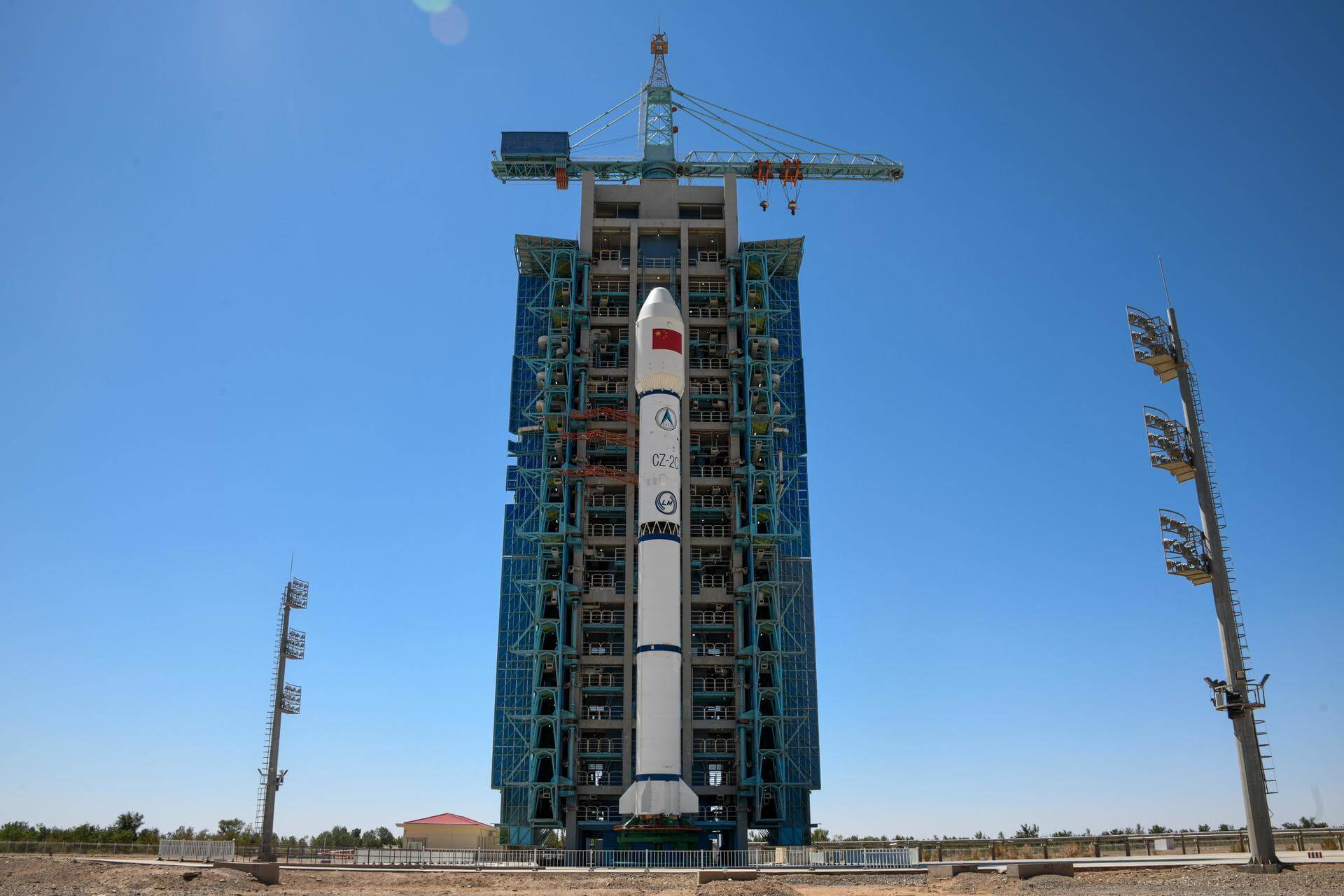
Launch Provider: China Aerospace Science and Technology Corporation – Government
Launch Date: January 15, 2026
Launch Time: 4:00 AM UTC
Vehicle: Long March 2C
Brief: Details TBD.
Unknown Payload
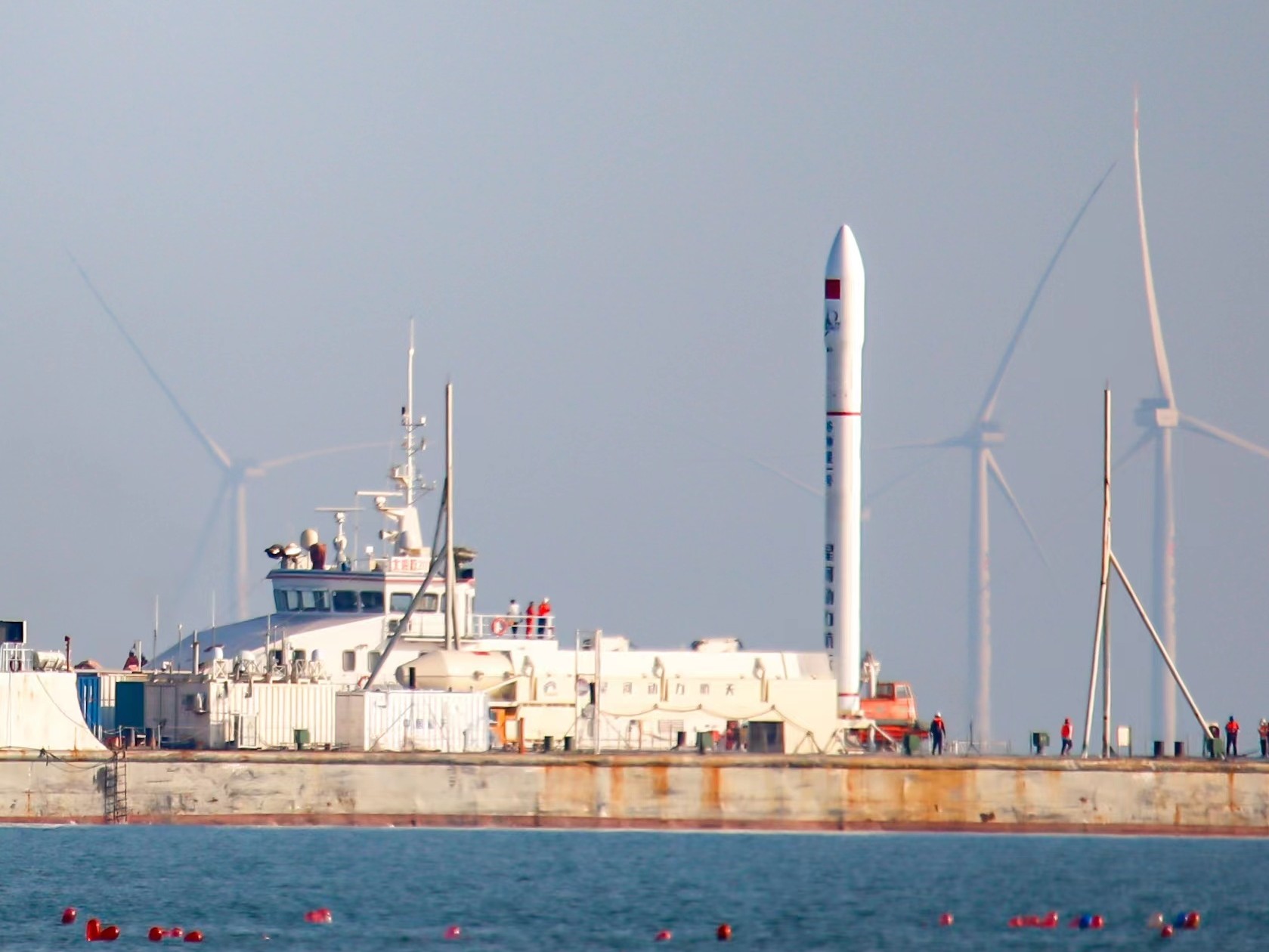
Launch Provider: Galactic Energy – Commercial
Launch Date: January 15, 2026
Launch Time: 8:05 PM UTC
Vehicle: Ceres-1S
Brief: Details TBD.
Unknown Payload
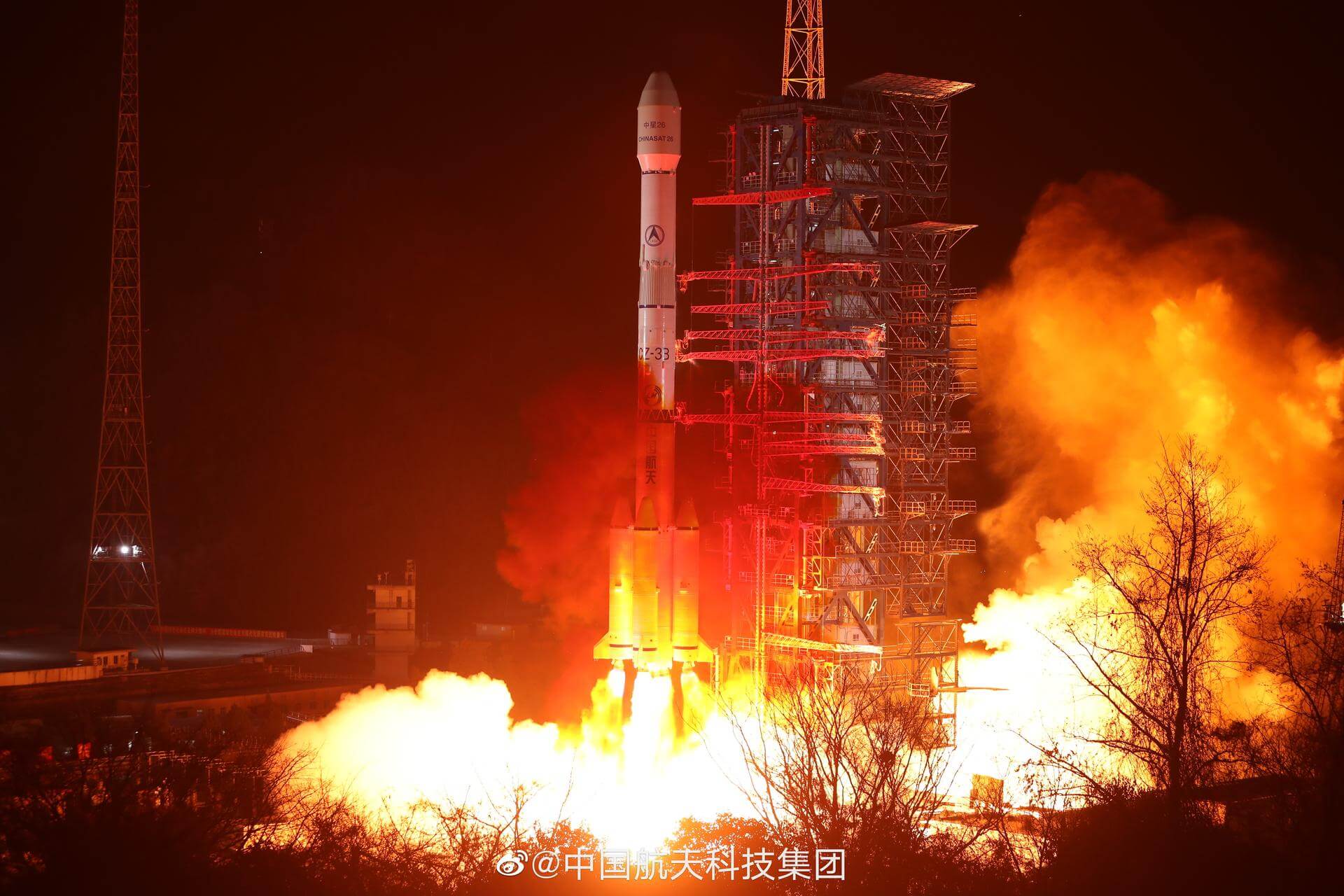
Launch Provider: China Aerospace Science and Technology Corporation – Government
Launch Date: January 16, 2026
Launch Time: 4:55 PM UTC
Vehicle: Long March 3B/E
Brief: Details TBD.
Demo Flight
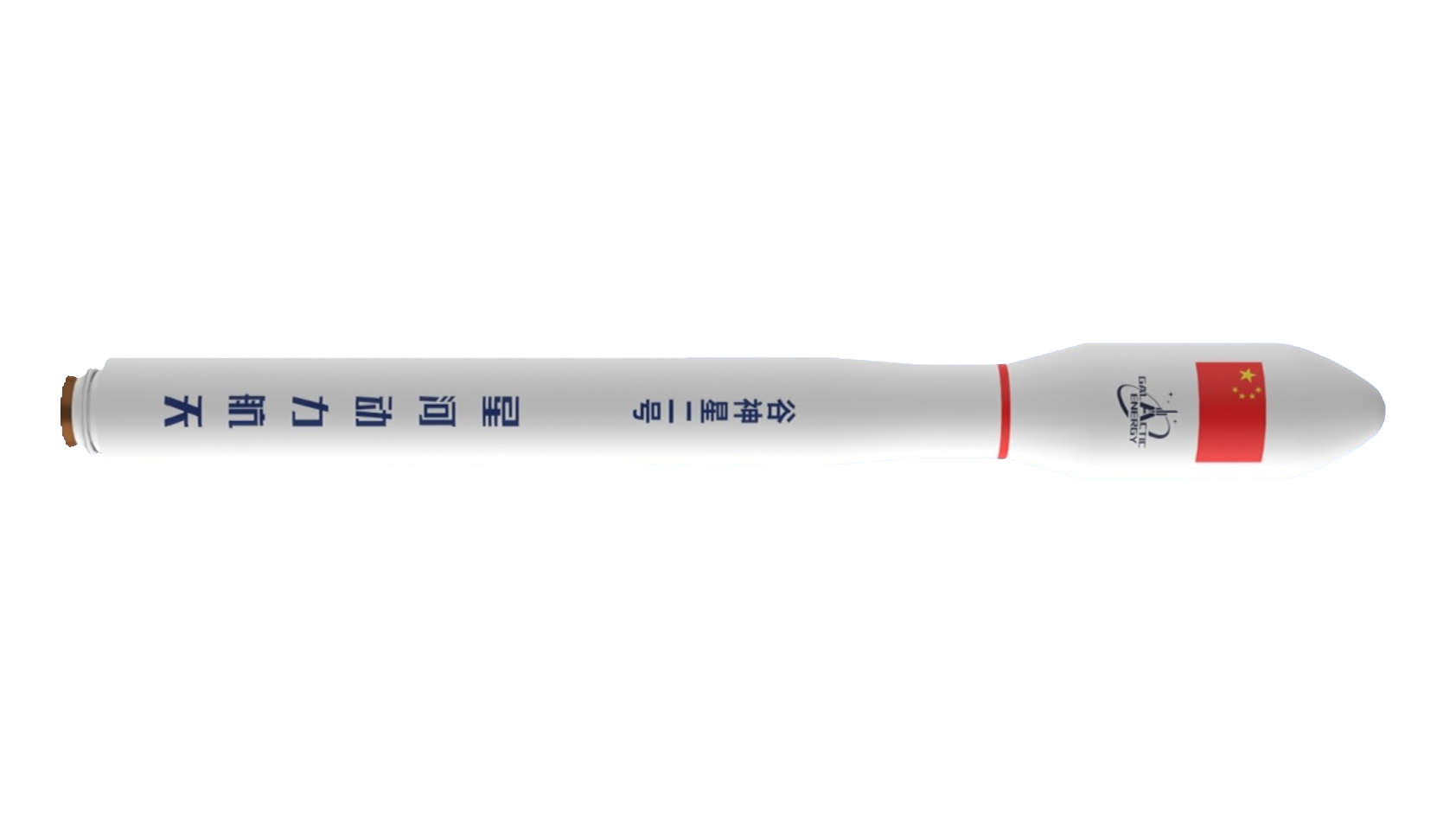
Launch Provider: Galactic Energy – Commercial
Launch Date: January 17, 2026
Launch Time: 4:05 AM UTC
Vehicle: Ceres-2
Brief: First test launch of Galactic Energy’s Ceres-2 rocket.
