
The Daily Broadcast: From Lunar Rovers to Rocket Leaders: A Global Space Snapshot

Canada’s Lunar Rover Gains Smart Eyes with iSPI+ and ALExIS
Canada is stepping up its lunar science game with two new AI-powered instruments for its upcoming Lunar Utility Rover. The Canadian Space Agency (CSA) recently awarded contracts totaling $3.8 million to four Canadian firms—Mission Control Space Services, ABB Inc., Bornea Dynamics Ltd., and Bubble Technology Industries—to develop advanced scientific payloads. Mission Control will build iSPI+ (Intelligent Sensing and Perception in Infrared: Parallelizing Lunar Utility and Science), a thermal-infrared sensor that uses artificial intelligence to autonomously identify scientifically valuable lunar features like “micro cold traps”—tiny, frigid zones that may contain water ice. Dr. Tanya Harrison of Mission Control noted this marks their second contract for the rover, underscoring years of R&D in autonomous space systems.
Meanwhile, ABB is adapting its industrial-grade Fourier Transform Infrared (FTIR) spectrometer technology into ALExIS (Autonomous Lunar Exploration Infrared Spectrometer). Designed to analyze the Moon’s regolith across a broad infrared range, ALExIS will help map the distribution of key elements such as oxygen, iron, and water ice. Both instruments aim to reduce reliance on constant Earth-based oversight—a necessity given the rover’s planned 10-year lifespan and brutal operating conditions, including lunar nights plunging to –200°C. The rover, slated for launch no earlier than 2033, will support both astronaut and remote operations from a Canadian control center.
Jared Isaacman Confirmed as NASA’s Next Administrator
After a drawn-out confirmation process, the U.S. Senate has officially confirmed Jared Isaacman as NASA’s next administrator—a move widely welcomed across the global space community. Known for commanding the Inspiration4 and Polaris Dawn private spaceflight missions, Isaacman brings hands-on astronaut experience and a track record of innovation in commercial space operations. His appointment signals a potential shift toward deeper collaboration between NASA and private aerospace firms, particularly as the agency navigates critical phases of the Artemis program and evolving low-Earth orbit strategy.
While Isaacman’s exact policy priorities haven’t been detailed yet, his background suggests a strong emphasis on mission efficiency, technological agility, and public-private partnerships. Industry observers note that his leadership could accelerate timelines for lunar infrastructure and Mars preparation, though he’ll also inherit complex challenges: budget constraints, international coordination on the Gateway space station, and the need to maintain NASA’s scientific credibility amid growing commercial influence. For many, the relief isn’t just about who’s in charge—but that a leadership vacancy lasting months is finally over. With human spaceflight entering a pivotal decade, having a confirmed administrator with operational spaceflight experience may prove timely indeed.

VIPER Rover Clears Crucial Stress Test Ahead of Lunar Mission
NASA’s VIPER (Volatiles Investigating Polar Exploration Rover) has successfully passed a rigorous centrifuge test campaign at Sandia National Laboratories, clearing a major hurdle on its path to the Moon’s South Pole. Weighing in at 1,000 pounds, the rover was subjected to simulated launch and flight stresses to ensure it can endure the journey aboard a commercial lunar lander—currently planned for late 2026. The tests validated VIPER’s structural integrity and confirmed that its sensitive instruments and mobility systems won’t buckle under extreme acceleration forces.
Once on the Moon, VIPER’s mission is to hunt for water ice in permanently shadowed craters, a critical step toward enabling sustainable human presence. Water could be converted into oxygen for breathing, hydrogen for fuel, and drinking water for future Artemis astronauts. The rover’s ability to operate in frigid, uneven terrain near the lunar pole makes these pre-flight validations especially vital. Engineers now move to final integration and environmental testing phases. If all goes as planned, VIPER will become the first NASA rover to directly prospect for resources that could one day support a lunar base—making its successful stress test not just a technical win, but a symbolic one for the future of in-situ resource utilization.

Citations
- “Mission Control awarded contract for iSPI+ instrument on Canada’s Lunar Utility Rover” – https://spaceq.ca/mission-control-awarded-contract-for-ispi-instrument-on-canadas-lunar-utility-rover/
- “Space community celebrates Isaacman confirmation” – https://spacenews.com/space-community-celebrates-isaacman-confirmation/
- “Sandia centrifuge campaign clears NASA VIPER rover for lunar launch” – https://www.moondaily.com/reports/Sandia_centrifuge_campaign_clears_NASA_VIPER_rover_for_lunar_launch_999.html
Upcoming Launches
NS-37
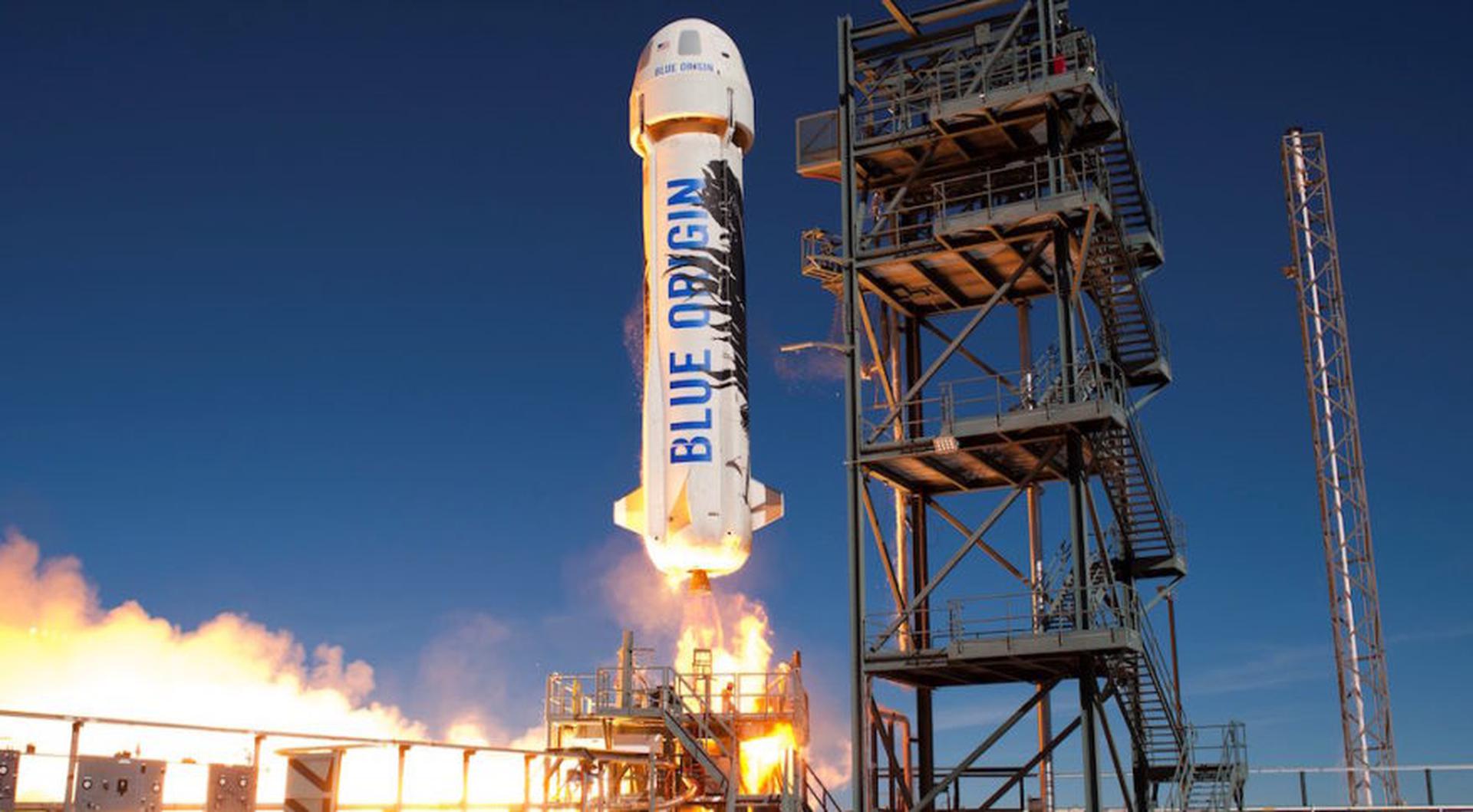
Launch Provider: Blue Origin – Commercial
Launch Date: December 18, 2025
Launch Time: 4:00 PM UTC
Vehicle: New Shepard
Brief: NS-37 is the 16th crewed flight for the New Shepard program and the 37th in the New Shepard program’s history.
Spaceward
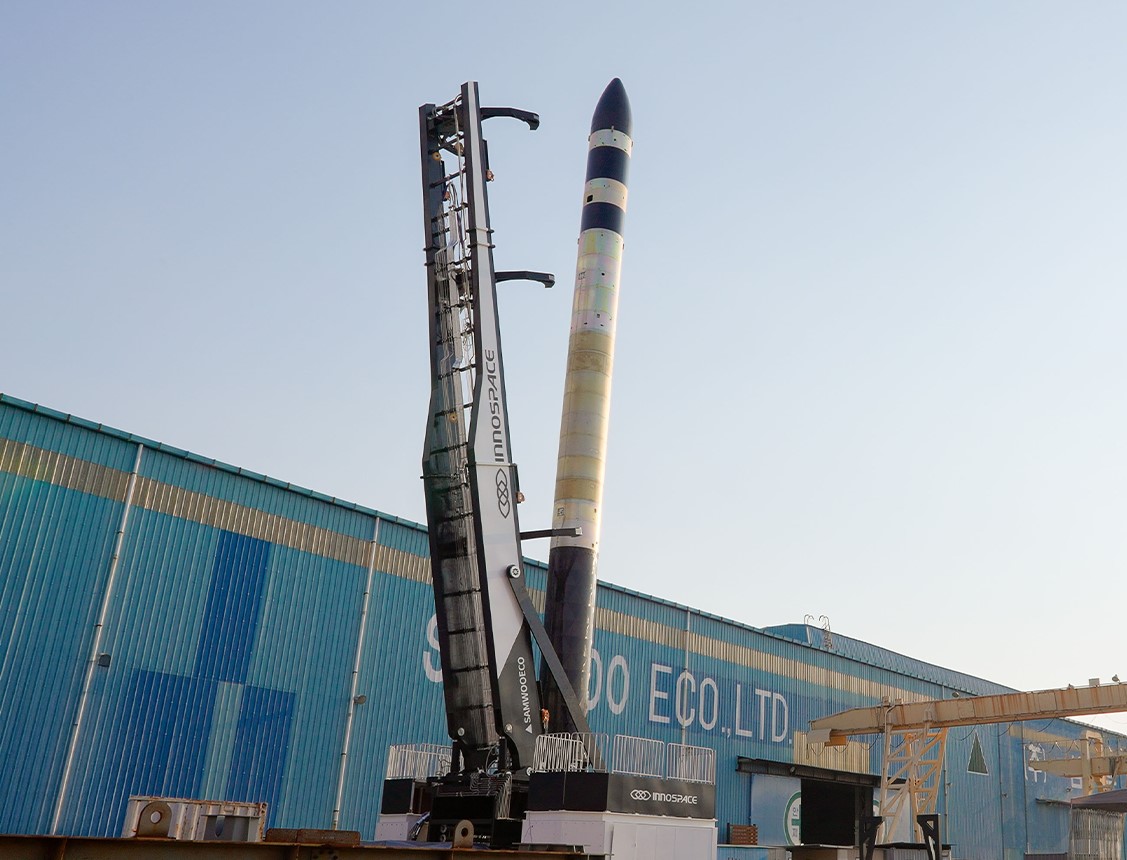
Launch Provider: Innospace – Private
Launch Date: December 19, 2025
Launch Time: 6:45 PM UTC
Vehicle: HANBIT-Nano
Brief: Maiden orbital launch attempt for the South Korean stratup Innospace and its HANBIT-Nano small launch vehicle. Onboard this flight are five small satellites from the Brazilian space agency AEB, Brazilian university Universidade Federal do Maranhão and Indian startup Grahaa Space, as well as three payloads from AEB and Brazilian company Castro Leite Consultoria that will remain attached to the rocket, and an empty aluminium can from the South Korean beverage company Brewguru.
Starlink Group 10-36

Launch Provider: SpaceX – Commercial
Launch Date: December 19, 2025
Launch Time: 10:46 PM UTC
Vehicle: Falcon 9
Brief: A batch of satellites for the Starlink mega-constellation – SpaceX’s project for space-based Internet communication system.
First Starlink launch to feature a Falcon 9 booster landing within The Bahamas waters operationally, after the trajectory was tested during launch of Starlink Group 10-12 in February 2025.
Unknown Payload
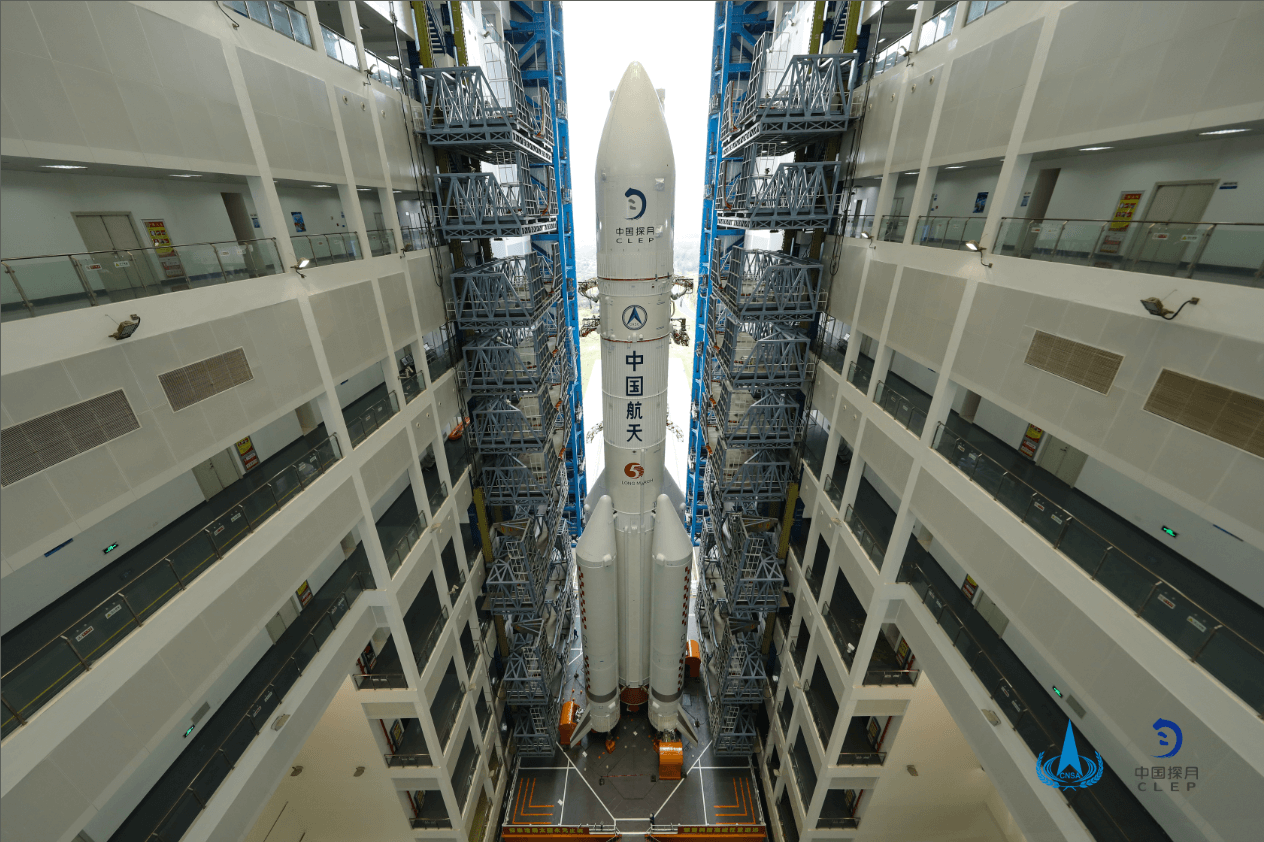
Launch Provider: China Aerospace Science and Technology Corporation – Government
Launch Date: December 20, 2025
Launch Time: 12:30 PM UTC
Vehicle: Long March 5
Brief: Details TBD.
Starlink Group 6-88
Launch Provider: SpaceX – Commercial
Launch Date: December 21, 2025
Launch Time: 5:00 AM UTC
Vehicle: Falcon 9
Brief: A batch of 29 satellites for the Starlink mega-constellation – SpaceX’s project for space-based Internet communication system.
