
The Daily Broadcast: From Lunar Payloads to Ocean Worlds: A Busy Day in Space Exploration

Canada’s Record-Breaking Year in Space Payloads
2026 is shaping up to be a landmark year for Canada’s space sector, with a record 39 satellites and sensors from 11 Canadian organisations slated for launch. According to SpaceQ, this number already surpasses the total of 63 payloads launched over the past five years combined. The majority are commercial small satellites under 500 kg, with notable exceptions being Telesat’s two Lightspeed pathfinder satellites.
Key contributors include Kepler Communications, which launched the first 10 satellites of its optical data relay constellation on January 11, and EarthDaily Analytics, which plans to send nine more Earth observation satellites later this year. NorthStar Earth & Space will add eight upgraded SkyLark satellites to its fleet, while GHGSat aims to expand its methane-monitoring constellation with two new payloads.
Canadian lunar ambitions are also gaining traction. Canadensys Aerospace has instruments on multiple upcoming Moon missions, including the ILO-1 mission launching no earlier than July 2025 and the Intuitive Machines IM-3 lander in Q3 2026. The latter also carries payloads from Felix & Paul Studios and the quirky DOGE-1 CubeSat from Geometric Energy Corporation—funded entirely in Dogecoin. Meanwhile, the Canadian Space Agency’s QEYSSat quantum encryption satellite is set for a Q4 rideshare launch aboard a SpaceX Transporter mission.

Europa’s Hidden Ocean Gains New Support for Habitability
Two new studies published yesterday strengthen the case for Europa—Jupiter’s icy moon—as a potential abode for life. The first, led by Washington University in collaboration with the Woods Hole Oceanographic Institution, uses advanced modelling to suggest that Europa’s seafloor may be geologically quiet, but that doesn’t rule out habitability. In fact, the absence of vigorous hydrothermal activity might allow chemical gradients to persist longer, creating stable environments for microbial life.
The second study, from a separate geophysics team, proposes a mechanism known as “ice delamination” that could transport oxidants and other nutrients from Europa’s radiation-battered surface down into its subsurface ocean. This process would help replenish the ocean with life-sustaining compounds, overcoming the barrier posed by the moon’s thick icy crust. Combined, these findings suggest that Europa’s ocean—estimated to hold twice the volume of Earth’s oceans—may be both chemically rich and stable enough to support life.
These insights arrive just as NASA prepares for the Europa Clipper mission, slated for launch later this year. The spacecraft will conduct detailed reconnaissance of the moon’s ice shell and ocean, potentially identifying sites for future lander missions. For now, the message is clear: Europa remains one of the solar system’s most promising targets in the search for extraterrestrial life.

Quantum Limits and Cosmic Chemistry: New Frontiers in Space Science
While missions target distant moons, fundamental physics is also making headlines. A new study explores how quantum collapse models—alternative theories attempting to explain why quantum superpositions don’t appear in the macroscopic world—could impose subtle but meaningful limits on the precision of atomic clocks. As timekeeping underpins everything from GPS to deep-space navigation, even nanosecond-level uncertainties matter. The research suggests that future ultra-precise clocks might need to account for these quantum effects, especially in space-based applications where environmental noise is minimal.
Meanwhile, in a laboratory far from Earth’s atmosphere, scientists at Aarhus University and Hungary’s HUN-REN Atomki facility have recreated the extreme cold and vacuum of interstellar space to study cosmic dust chemistry. Their experiments show that peptide precursors—key building blocks for proteins—can form spontaneously on icy dust grains in deep space. This supports the idea that the molecular ingredients for life may be widespread throughout the galaxy, seeded long before planets form.
Together, these studies remind us that space exploration isn’t just about rockets and rovers—it’s also about understanding the fundamental laws that govern matter, time, and life itself. And whether we’re probing Europa’s ocean or simulating stardust in a lab, the quest continues to answer one of humanity’s oldest questions: Are we alone?

Citations
- “Record number of Canadian payloads set for launch in 2026” – https://spaceq.ca/record-number-of-canadian-payloads-set-for-launch-in-2026/
- “Study links Europa’s quiet seafloor to hidden potential for life” – https://www.spacedaily.com/reports/Study_links_Europas_quiet_seafloor_to_hidden_potential_for_life_999.html
- “Europa ice delamination may deliver nutrients to hidden ocean” – https://www.spacedaily.com/reports/Europa_ice_delamination_may_deliver_nutrients_to_hidden_ocean_999.html
- “Quantum collapse models point to subtle limits in timekeeping accuracy” – https://www.spacedaily.com/reports/Quantum_collapse_models_point_to_subtle_limits_in_timekeeping_accuracy_999.html
- “Cosmic dust chemistry forges peptide building blocks in deep space” – https://www.spacedaily.com/reports/Cosmic_dust_chemistry_forges_peptide_building_blocks_in_deep_space_999.html
Upcoming Launches
Starlink Group 17-30

Launch Provider: SpaceX – Commercial
Launch Date: January 22, 2026
Launch Time: 2:46 AM UTC
Vehicle: Falcon 9
Brief: A batch of 25 satellites for the Starlink mega-constellation – SpaceX’s project for space-based Internet communication system.
The Cosmos Will See You Now (Open Cosmos Constellation Launch 1)
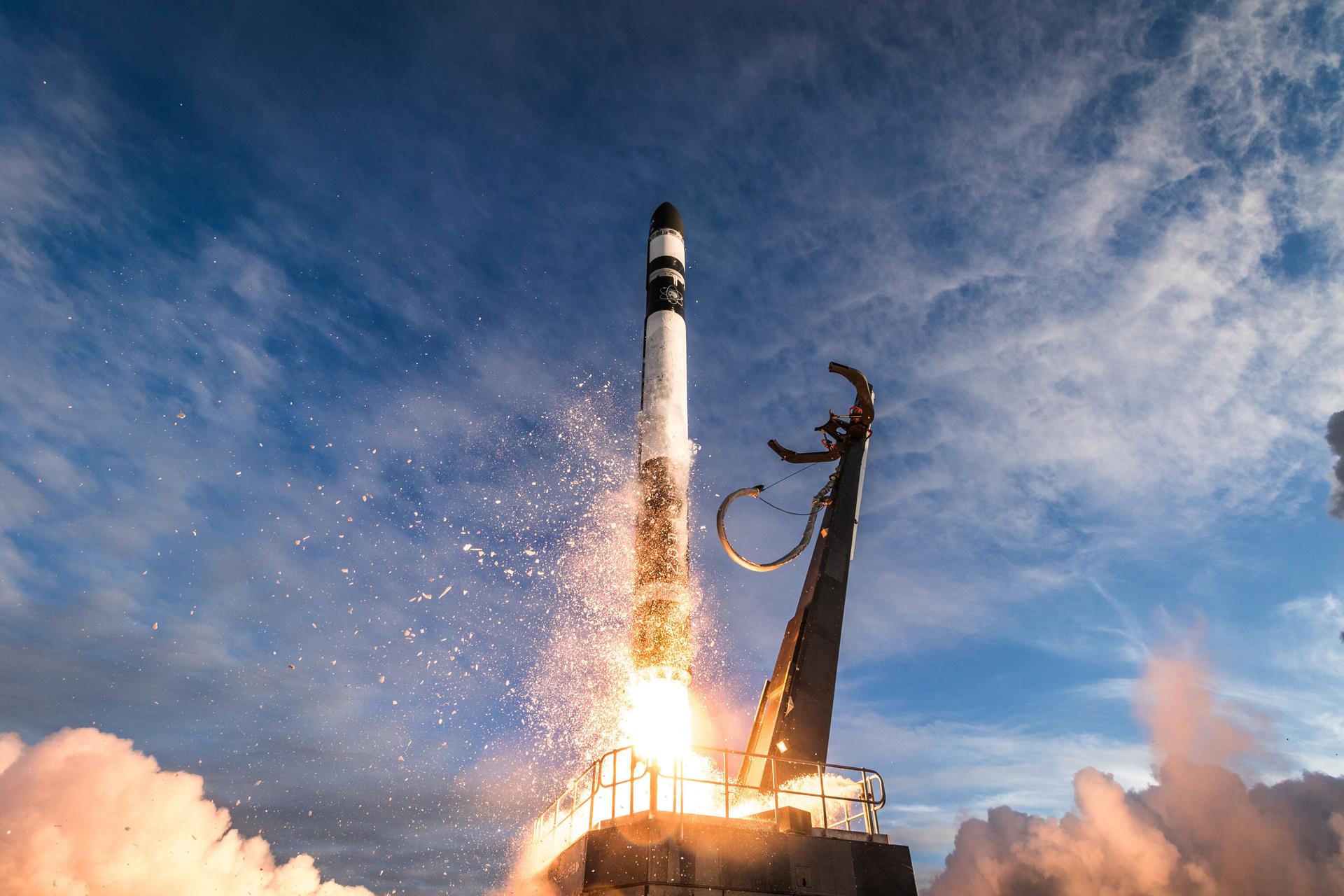
Launch Provider: Rocket Lab – Commercial
Launch Date: January 22, 2026
Launch Time: 10:15 AM UTC
Vehicle: Electron
Brief: First 2 satellites of UK-based Open Cosmos’ secure LEO broadband constellation designed to provide independent and resilient connectivity infrastructure for Europe and the world, using high-priority Ka-band spectrum filings by the Principality of Liechtenstein.
NS-38
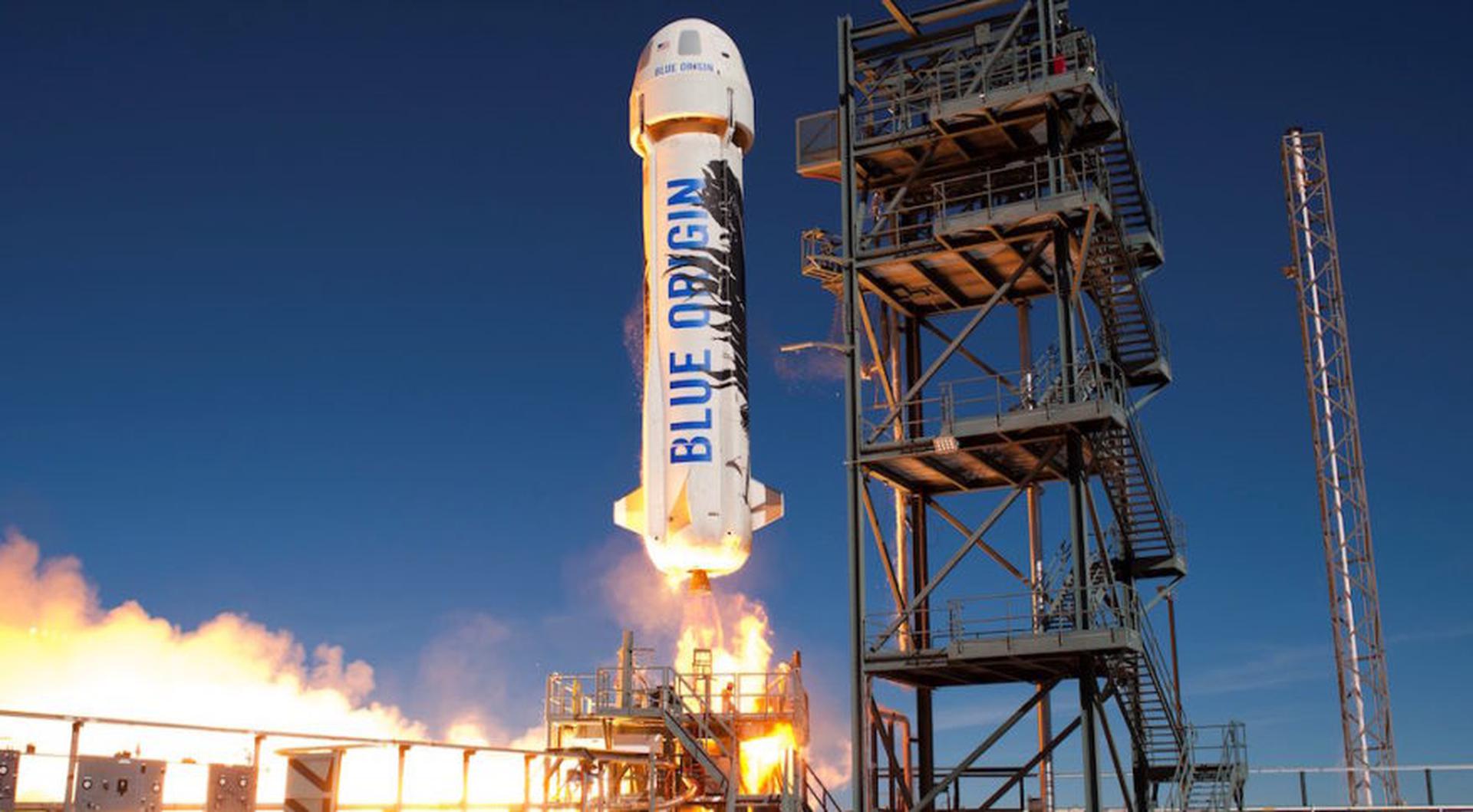
Launch Provider: Blue Origin – Commercial
Launch Date: January 22, 2026
Launch Time: 2:30 PM UTC
Vehicle: New Shepard
Brief: NS-38 is the 17th crewed flight for the New Shepard program and the 38th in the New Shepard program’s history.
Onward and Upward
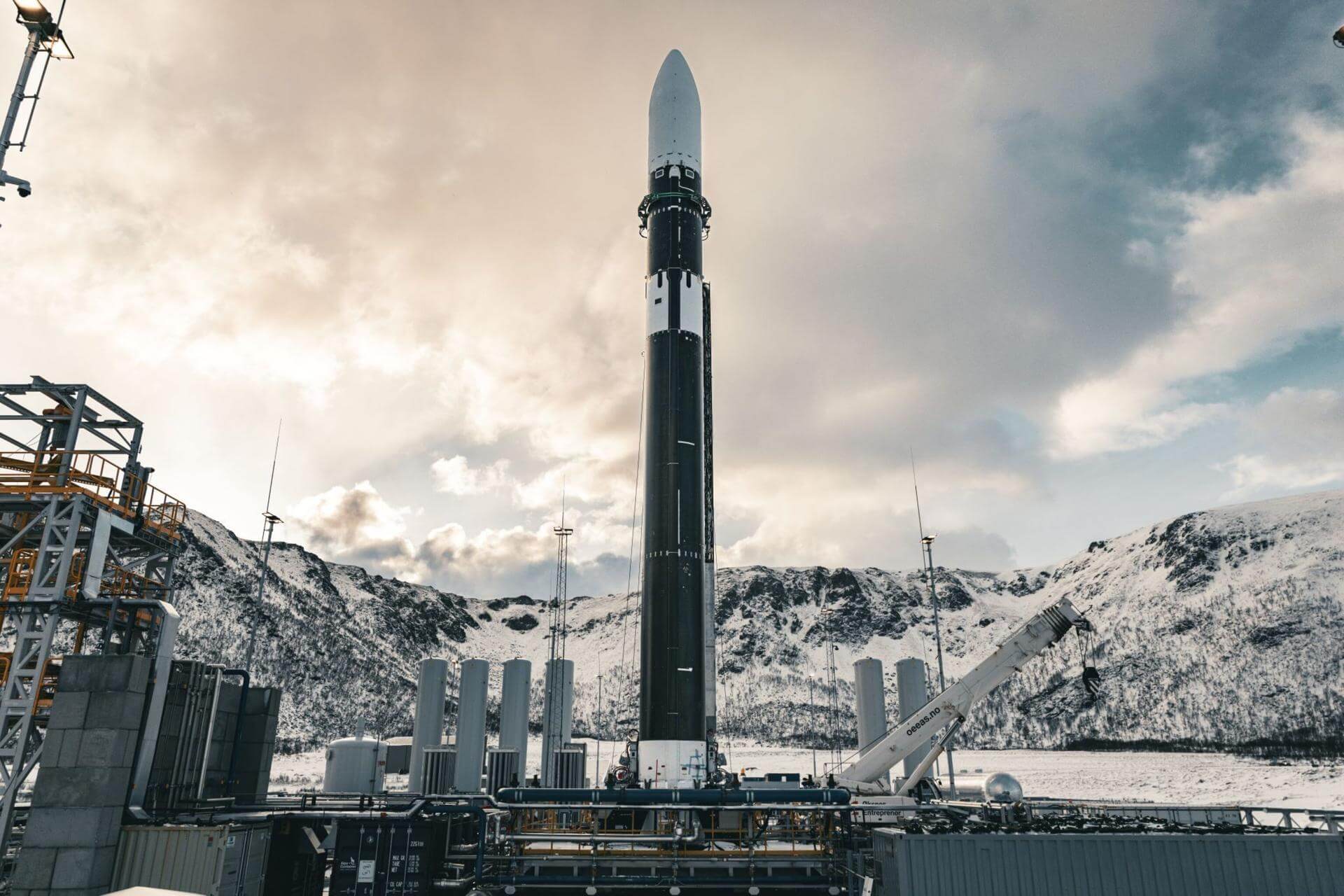
Launch Provider: Isar Aerospace – Private
Launch Date: January 22, 2026
Launch Time: 8:00 PM UTC
Vehicle: Spectrum
Brief: Second test flight of the Isar Spectrum launch vehicle. This launch will carry 5 cubesats and 1 non-separable experiment as part of European Space Agency (ESA)’s “Boost!” program:
* CyBEEsat (TU Berlin)
* TriSat-S (University of Maribor)
* Platform 6 (EnduroSat)
* FramSat-1 (NTNU)
* SpaceTeamSat1 (TU Wien Space Team)
* Let It Go (Dcubed, non-separable experiment)
Starlink Group 17-20
Launch Provider: SpaceX – Commercial
Launch Date: January 25, 2026
Launch Time: 3:17 PM UTC
Vehicle: Falcon 9
Brief: A batch of 25 satellites for the Starlink mega-constellation – SpaceX’s project for space-based Internet communication system.
