
The Daily Broadcast: From Lunar Eyes to Earth Observers: Canada’s Space Vision Expands

Canada’s Next Eye on the Moon
A Canadian-built instrument is set to help unlock the Moon’s secrets with a dual-camera system designed for lunar exploration. Western University, led by electrical and computer engineering professor Jayshri Sabarinathan, has secured a $3.8 million Phase 0 contract from the Canadian Space Agency (CSA) to develop the Dual Sensor Multispectral Imager (DS-MSI). This compact, innovative instrument will support Canada’s planned lunar utility rover by capturing high-resolution stereo images for navigation and analysing lunar regolith, water ice, and mineral composition.
What makes the DS-MSI unique is its integrated filter wheel that supports both visible-to-near-infrared (VIS-NIR) and short-wavelength infrared (SWIR) sensors within a single mechanism—unlike traditional designs that require separate components. The project includes collaborators from Western’s Institute for Earth and Space Exploration, Earth Sciences, and the Royal Ontario Museum, along with industry partners Mission Control, INO, LightSail, and Spectral Devices. This development aligns with Canada’s broader Artemis programme commitments and ongoing efforts to contribute to sustainable lunar exploration.
SpaceX Targets March for Next Starship Test Flight
SpaceX is gearing up for its first Starship test flight of 2026, with a launch window opening as early as March. This mission marks a pivotal moment in the vehicle’s development, as the company works toward achieving full reusability and supporting NASA’s Artemis III lunar landing goal. The upcoming flight will build on lessons from previous integrated tests, aiming to demonstrate improved performance in both the Super Heavy booster and the Starship upper stage.
While details of the specific test objectives remain under wraps, the timing suggests SpaceX is maintaining an aggressive cadence to mature the world’s largest rocket. With infrastructure upgrades at Starbase in Texas and regulatory approvals progressing, a March launch would keep the company on track for its ambitious goals, including crewed lunar missions and eventual Mars ambitions. Given the scale of Starship’s potential, this test will be closely watched by both space agencies and commercial stakeholders worldwide.

Crew-12 Launch Date Moves Up to February 11
NASA’s next crew rotation to the International Space Station (ISS) is now targeting an earlier launch on Wednesday, February 11, 2026, at 6:00 a.m. EST (11:00 GMT). The SpaceX Crew-12 mission, carrying four astronauts, will lift off from Space Launch Complex 40 at Cape Canaveral Space Force Station in Florida. Originally scheduled for February 15, the shift follows the recent evacuation of the previous ISS crew, opening up an earlier window for launch.
The crew has already entered the standard two-week pre-flight quarantine at NASA’s Johnson Space Center in Houston. Once aboard the ISS, they will join Expedition 74 and support ongoing research in robotics, artificial intelligence, and Earth observation. Additional launch opportunities are available on February 12 and 13 if needed. This mission underscores the continued reliability of the Commercial Crew programme and the vital role of routine crew rotations in maintaining a permanent human presence in low Earth orbit.

Citations
- “Canada’s next eye on the Moon” – https://spaceq.ca/canadas-next-eye-on-the-moon/
- “SpaceX plans next Starship test flight in March” – https://spacenews.com/spacex-plans-next-starship-test-flight-in-march/
- “Crew-12, scheduled to launch on Wednesday 11 February” – https://www.esa.int/Science_Exploration/Human_and_Robotic_Exploration/Crew-12_scheduled_to_launch_on_Wednesday_11_February
Upcoming Launches
Starlink Group 17-19
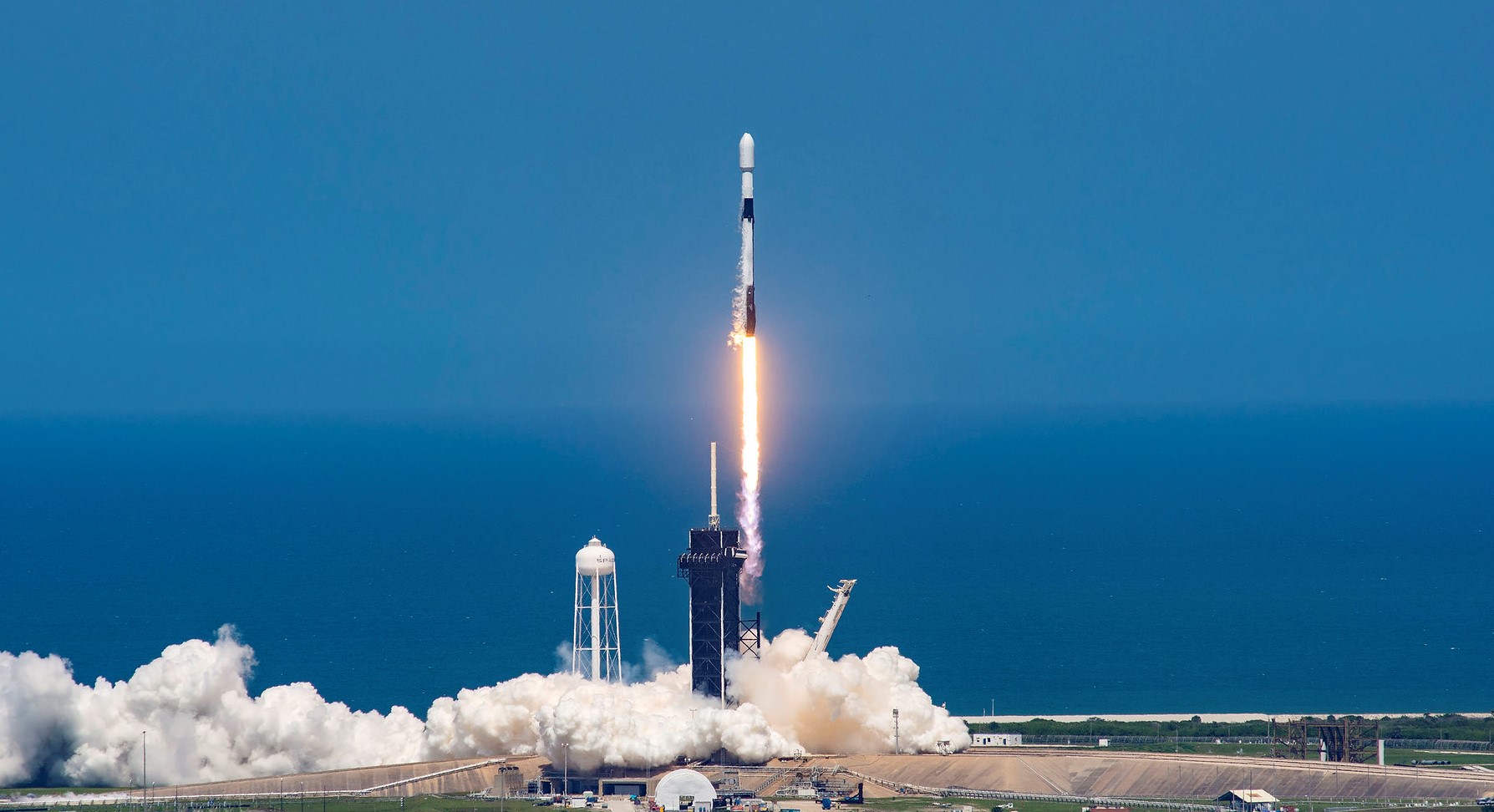
Launch Provider: SpaceX – Commercial
Launch Date: January 29, 2026
Launch Time: 4:42 PM UTC
Vehicle: Falcon 9
Brief: A batch of 25 satellites for the Starlink mega-constellation – SpaceX’s project for space-based Internet communication system.
Bridging The Swarm (NeonSat-1A)
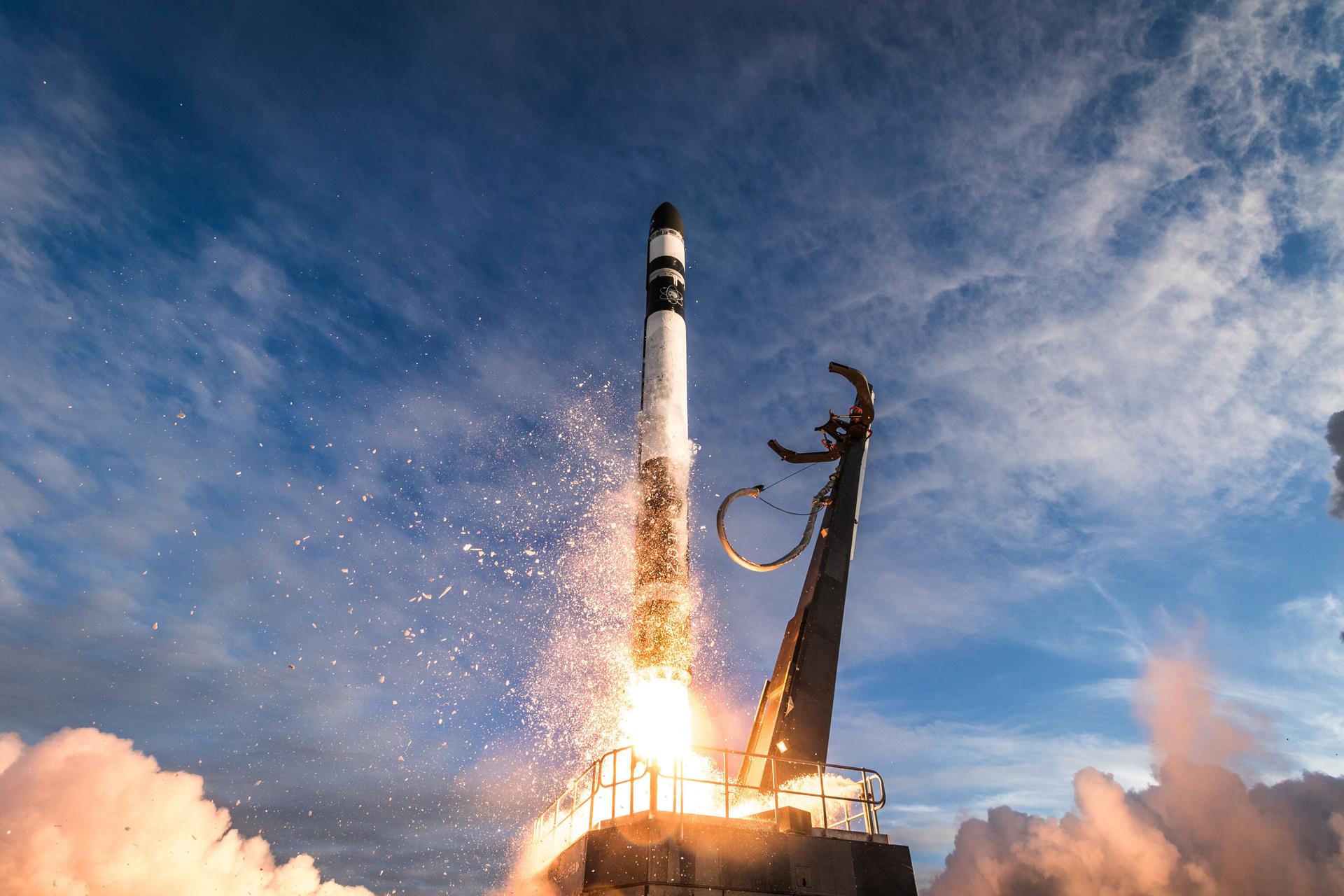
Launch Provider: Rocket Lab – Commercial
Launch Date: January 30, 2026
Launch Time: 12:55 AM UTC
Vehicle: Electron
Brief: The NeonSat-1A, carrying a high-resolution optical camera, is designed to test the constellation capabilities of the South Korean government’s Earth observation micro-satellite constellation NeonSat (New-space Earth Observation Satellite), in particular technology improvements identified from operations of NeonSat-1 after its launch in April 2024. These technologies will in turn be incorporated into the next 10 NeonSat under construction, as well as providing more site re-visiting capabilities along with NeonSat-1.
The NeonSat constellation is the first satellite system developed by the government using a mass-production approach for precise monitoring of the Korean Peninsula, lead by the Satellite Technology Research Center (SaTReC) at the Korea Advanced Institute of Science and Technology (KAIST), Korea’s leading university dedicated to science and technology. Designed to capture near-real time natural disaster monitoring for the Korean peninsula, KAIST’s NEONSAT constellation is a collaboration across multiple Korean academic, industry, and research institutions, including SaTReC, which is leading the program’s system design and engineering.
The NEONSAT program is funded by the Korean government’s Ministry of Science and ICT (MSIT).
Starlink Group 6-101
Launch Provider: SpaceX – Commercial
Launch Date: January 30, 2026
Launch Time: 4:01 AM UTC
Vehicle: Falcon 9
Brief: A batch of 29 satellites for the Starlink mega-constellation – SpaceX’s project for space-based Internet communication system.
Starlink Group 17-32
Launch Provider: SpaceX – Commercial
Launch Date: February 2, 2026
Launch Time: 3:17 PM UTC
Vehicle: Falcon 9
Brief: A batch of 25 satellites for the Starlink mega-constellation – SpaceX’s project for space-based Internet communication system.
Starlink Group 6-103
Launch Provider: SpaceX – Commercial
Launch Date: February 3, 2026
Launch Time: 10:12 PM UTC
Vehicle: Falcon 9
Brief: A batch of 29 satellites for the Starlink mega-constellation – SpaceX’s project for space-based Internet communication system.
