
The Daily Broadcast: From Lunar Deadlines to Neutrino Breakthroughs: Space’s Big Week

The U.S. Moon Rush Needs a Backup Plan—Fast
The United States is sticking to its goal of returning astronauts to the Moon before China lands there—ideally between 2028 and 2030. But as SpaceNews reports, there’s growing concern within the space community that Plan A might be running out of runway. Delays in Artemis program components, including the Human Landing System and next-gen spacesuits, are piling up, and Congress has made it clear that ceding the Moon to China isn’t an option. What’s missing? A credible Plan B. Experts argue that without parallel development paths or accelerated alternatives—like leveraging commercial capabilities—the U.S. risks missing its window entirely. The stakes go beyond prestige: lunar presence is increasingly tied to strategic influence and future deep-space infrastructure. As one insider put it, “Hoping everything goes perfectly isn’t a strategy—it’s a prayer.” With the clock ticking, NASA and its partners may need to embrace redundancy, not just in hardware, but in timelines and partnerships. After all, when racing against geopolitical rivals, it’s better to have two rockets than one.
Rogers Brings Satellite Connectivity to Everyday Canadians
Rogers has officially launched its satellite-to-mobile service nationwide, moving past its trial phase that began in July 2025. Now, Canadians south of the 58th parallel—who find themselves without cellular or Wi-Fi—can send texts and use a growing suite of apps directly via satellite. The initial lineup includes WhatsApp (for voice and video calls), Google Maps, AccuWeather, X, and CalTopo. More apps are expected as developers optimize their software for low-bandwidth satellite links. The service is free for select Rogers plans, while customers of other carriers can subscribe for $15 per month. Notably, Rogers is the first Canadian telecom to offer this capability at scale, though Bell and Telus are expected to follow in 2026, with Telus partnering with Quebec-based TerreStar Solutions. This marks a quiet but significant leap in Canada’s space-enabled infrastructure—no flashy rockets required, just reliable connectivity where it’s needed most: the remote stretches of highways, forests, and coastlines that define so much of our geography. As CEO Tony Staffieri quipped, “No one covers Canada like Rogers”—and now, that coverage literally comes from space.

Canadian Lab Captures Elusive Solar “Ghost Particles” in Action
In a quiet cavity two kilometers underground near Sudbury, Ontario, scientists have observed something never seen before: solar neutrinos flipping carbon atoms. The SNO+ (Sudbury Neutrino Observatory+) detector, located in the former Creighton Mine, recorded neutrinos from the Sun transforming carbon-13 nuclei into nitrogen-13—a rare interaction that confirms long-standing theoretical predictions. Neutrinos, often called “ghost particles,” stream through Earth by the trillions every second but rarely interact with matter, making this detection a triumph of sensitivity and patience. The finding not only deepens our understanding of solar fusion but also validates SNO+’s capabilities as it transitions from studying neutrinos to searching for neutrinoless double beta decay—a potential key to why the universe has more matter than antimatter. This achievement underscores Canada’s quiet but vital role in fundamental physics. While others chase headlines with rockets and rovers, Canadian researchers continue to unlock cosmic secrets from deep beneath our own bedrock—proving that sometimes, the most profound space discoveries happen right here on Earth.
Citations
- “The U.S. race to the moon: Why Plan B cannot wait” – https://spacenews.com/the-u-s-race-to-the-moon-why-plan-b-cannot-wait/
- “Rogers Satellite service exits trial and supports more apps” – https://spaceq.ca/rogers-satellite-service-exits-trial-and-supports-more-apps/
- “Solar ghost particles seen flipping carbon atoms in underground detector” – https://www.spacedaily.com/reports/Solar_ghost_particles_seen_flipping_carbon_atoms_in_underground_detector_999.html
Upcoming Launches
Starlink Group 6-90
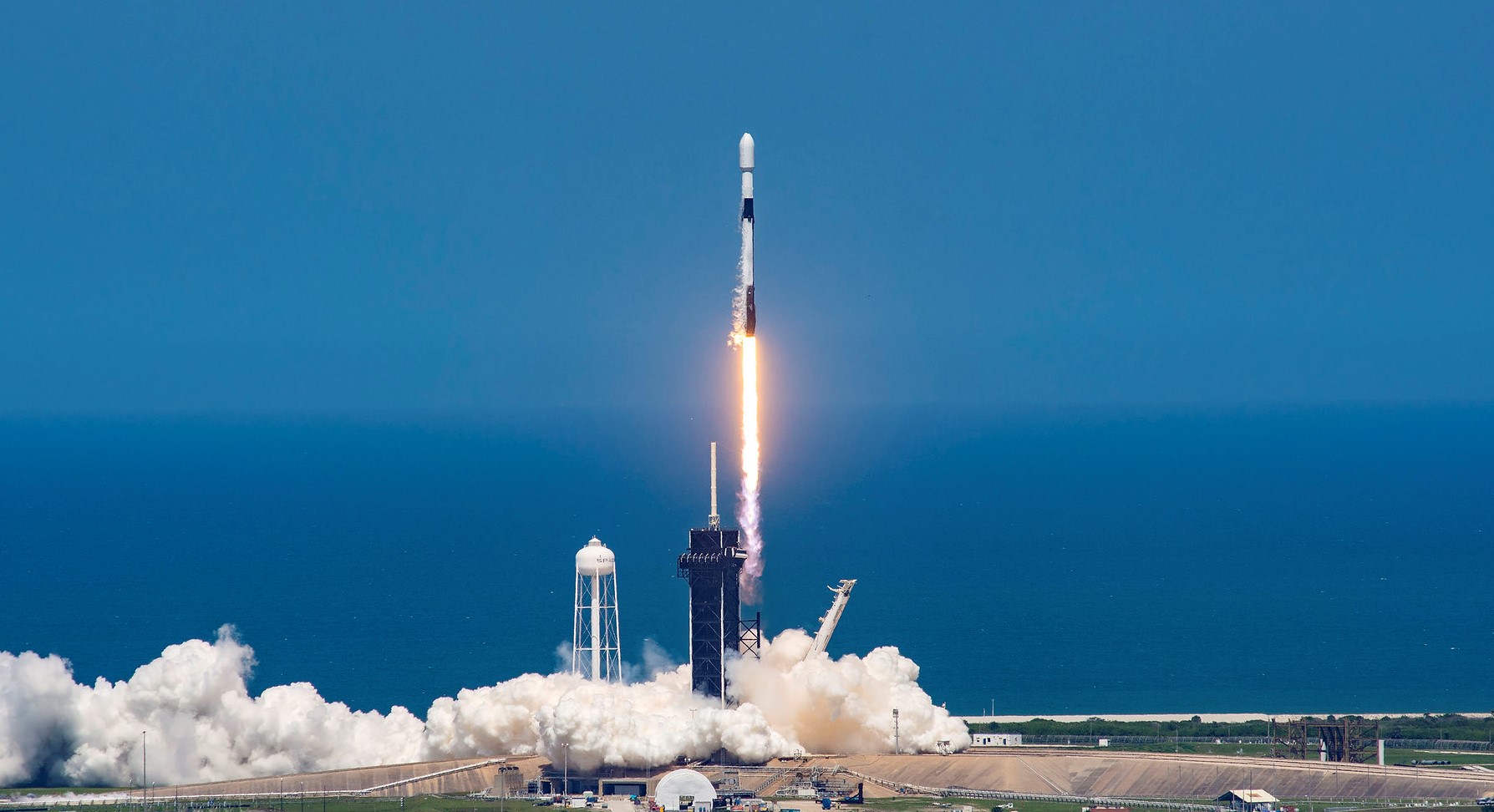
Launch Provider: SpaceX – Commercial
Launch Date: December 11, 2025
Launch Time: 8:26 PM UTC
Vehicle: Falcon 9
Brief: A batch of 29 satellites for the Starlink mega-constellation – SpaceX’s project for space-based Internet communication system.
Unknown Payload
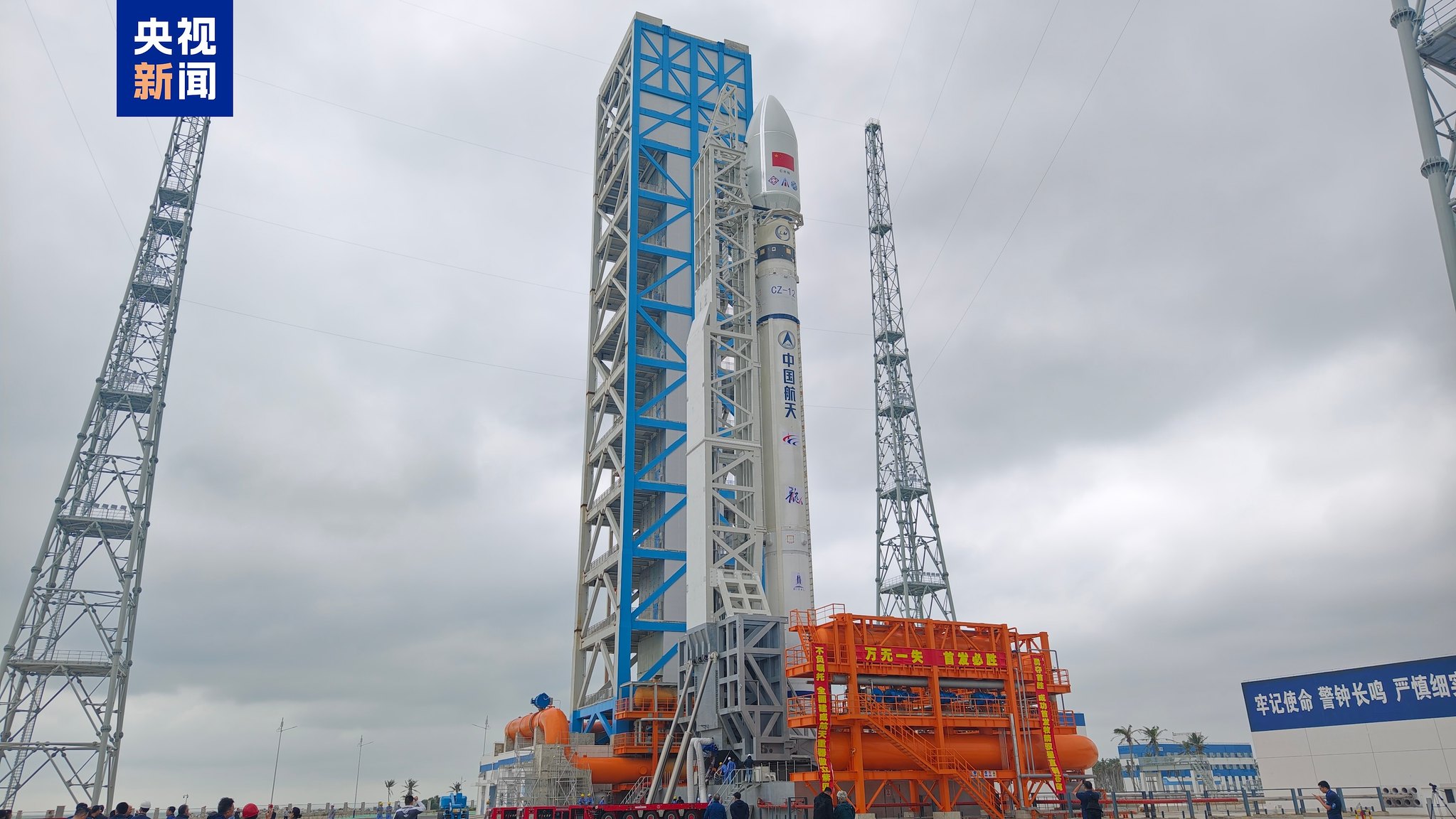
Launch Provider: China Aerospace Science and Technology Corporation – Government
Launch Date: December 11, 2025
Launch Time: 11:00 PM UTC
Vehicle: Long March 12
Brief: Details TBD.
Unknown Payload
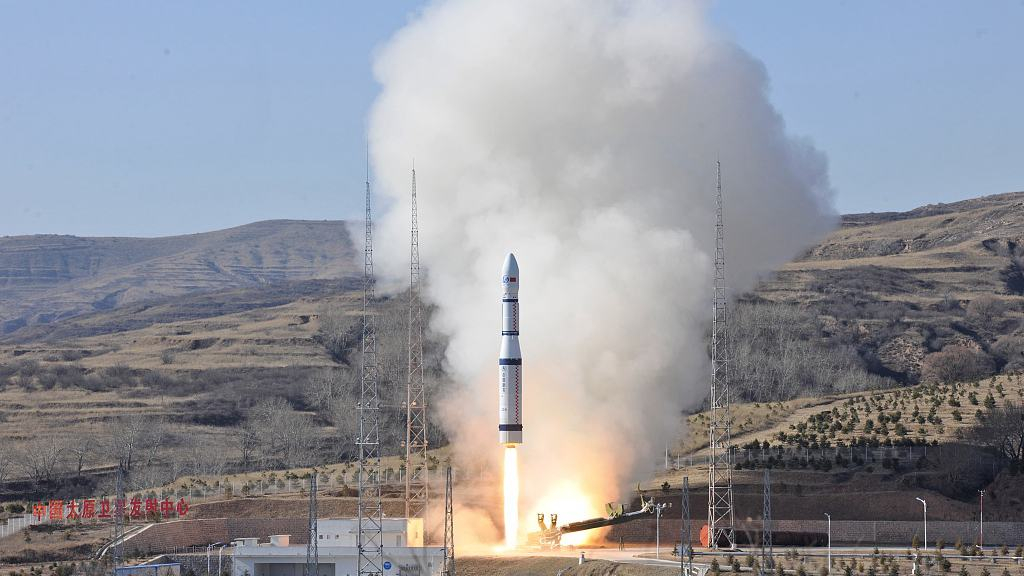
Launch Provider: China Aerospace Science and Technology Corporation – Government
Launch Date: December 13, 2025
Launch Time: 1:05 AM UTC
Vehicle: Long March 6
Brief: Details TBD.
Starlink Group 15-12
Launch Provider: SpaceX – Commercial
Launch Date: December 14, 2025
Launch Time: 5:20 AM UTC
Vehicle: Falcon 9
Brief: A batch of 27 satellites for the Starlink mega-constellation – SpaceX’s project for space-based Internet communication system.
Starlink Group 6-82
Launch Provider: SpaceX – Commercial
Launch Date: December 15, 2025
Launch Time: 2:43 AM UTC
Vehicle: Falcon 9
Brief: A batch of 29 satellites for the Starlink mega-constellation – SpaceX’s project for space-based Internet communication system.
