
The Daily Broadcast: From Landfills to Launch Pads: Space Tech Tackles Climate and Expands Horizons

Satellites Zero In on Landfill Methane Emissions
As nations race to meet climate targets, a new frontier in emissions monitoring has opened—from orbit. The European Space Agency (ESA) is now using satellite technology to detect methane leaks from landfill sites, a source responsible for a significant share of global methane emissions. Though methane persists in the atmosphere for far less time than carbon dioxide, it’s over 80 times more potent at trapping heat in the short term, making rapid detection and mitigation crucial.
Originally developed to monitor oil and gas infrastructure, these satellite systems can now pinpoint methane plumes from landfills with remarkable precision. The data not only helps regulators enforce emissions standards but also enables operators to identify and repair leaks faster. For a country like Canada—home to vast landfills and ambitious climate commitments—this space-based surveillance could become a vital tool in tracking progress toward net-zero goals. It’s a reminder that sometimes, the best way to solve Earth-bound problems is to look down from above.
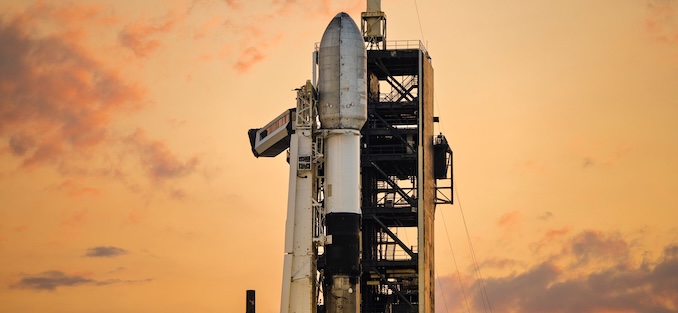
SpaceX Keeps Starlink Constellation Growing with Dual Launches
SpaceX kicked off a busy mid-December with not one, but two Falcon 9 missions deploying Starlink satellites within hours of each other. On December 15, the company launched 29 Starlink satellites from Launch Complex 39A at NASA’s Kennedy Space Center at 8:11 a.m. EST. Later that same day, another 29 satellites lifted off from Cape Canaveral Space Force Station’s Pad 40 at 9:47 p.m. EST. These back-to-back missions mark SpaceX’s 125th orbital launch from LC-39A and its 580th Falcon 9 flight overall—a testament to the rocket’s reliability and reusability.
The Starlink network now comprises thousands of satellites, providing broadband internet to remote and underserved regions worldwide—including parts of rural Canada where traditional infrastructure remains sparse. While critics raise concerns about orbital congestion and light pollution, the demand for global connectivity continues to drive rapid deployment. For aerospace watchers, these frequent launches have become a hallmark of modern spaceflight: efficient, routine, and relentlessly incremental.

Rocket Lab Delivers JAXA’s Tech Demo to Orbit
Rocket Lab successfully launched a Japanese Aerospace Exploration Agency (JAXA) technology demonstration satellite on December 13, further cementing its role as a go-to provider for small satellite missions. The mission lifted off from Rocket Lab’s Launch Complex 1 on New Zealand’s Mahia Peninsula aboard an Electron rocket—a vehicle known for its agility and rapid turnaround times.
While details about the satellite’s specific objectives remain limited, such tech demos often test new components, communication systems, or propulsion methods in the harsh environment of space. For JAXA, partnering with a responsive commercial launcher like Rocket Lab offers a cost-effective path to validating next-generation technologies. This launch also highlights the growing international reliance on dedicated smallsat launchers, a market segment where Rocket Lab continues to lead despite increasing competition. Though Canada doesn’t yet have its own small launch capability, Canadian firms and researchers routinely collaborate on international payloads—making developments like this relevant to our domestic space ecosystem, even if the rocket didn’t lift off from northern soil.
Citations
- “Satellites help tackle landfill methane leaks” – https://www.esa.int/Applications/Observing_the_Earth/Space_for_our_climate/Satellites_help_tackle_landfill_methane_leaks
- “Live coverage: SpaceX to launch 29 Starlink satellites on Falcon 9 rocket from the Kennedy Space Center” – https://spaceflightnow.com/2025/12/14/live-coverage-spacex-to-launch-29-starlink-satellites-on-falcon-9-rocket-from-the-kennedy-space-center/
- “Rocket Lab launches JAXA tech demo satellite” – https://spacenews.com/rocket-lab-launches-jaxa-tech-demo-satellite/
Upcoming Launches
Unknown Payload
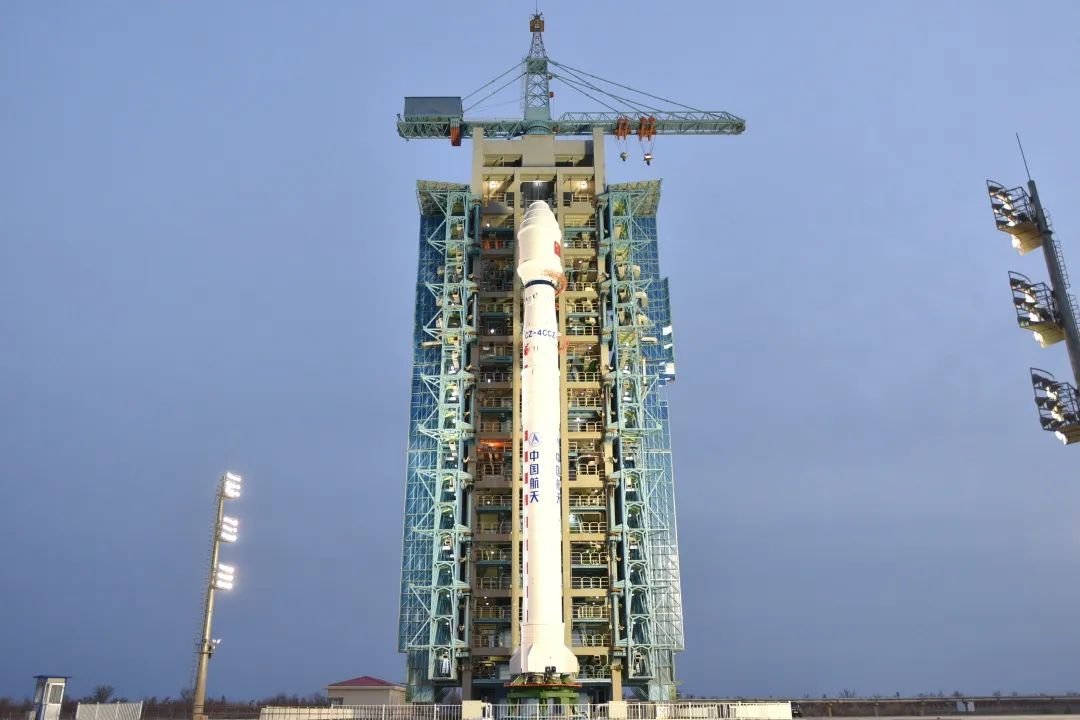
Launch Provider: China Aerospace Science and Technology Corporation – Government
Launch Date: December 16, 2025
Launch Time: 3:15 AM UTC
Vehicle: Long March 4C
Brief: Details TBD.
Amazon Leo (LA-04)
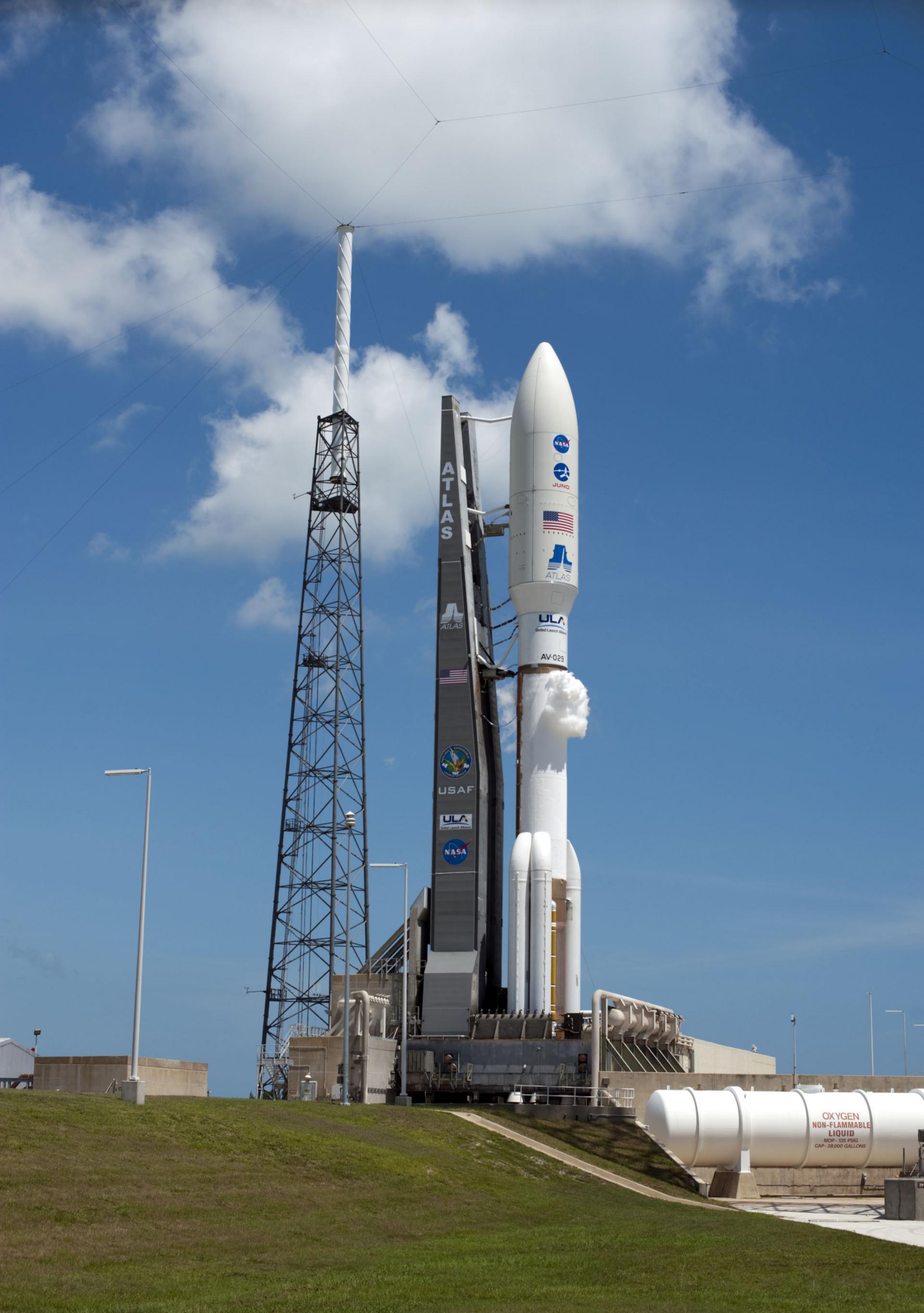
Launch Provider: United Launch Alliance – Commercial
Launch Date: December 16, 2025
Launch Time: 8:28 AM UTC
Vehicle: Atlas V 551
Brief: Amazon Leo, formerly known as Project Kuiper, is a mega constellation of satellites in Low Earth Orbit that will offer broadband internet access, this constellation will be managed by Kuiper Systems LLC, a subsidiary of Amazon. This constellation is planned to be composed of 3,276 satellites. The satellites are projected to be placed in 98 orbital planes in three orbital layers, one at 590 km, 610 km and 630 km altitude.
Starlink Group 6-99
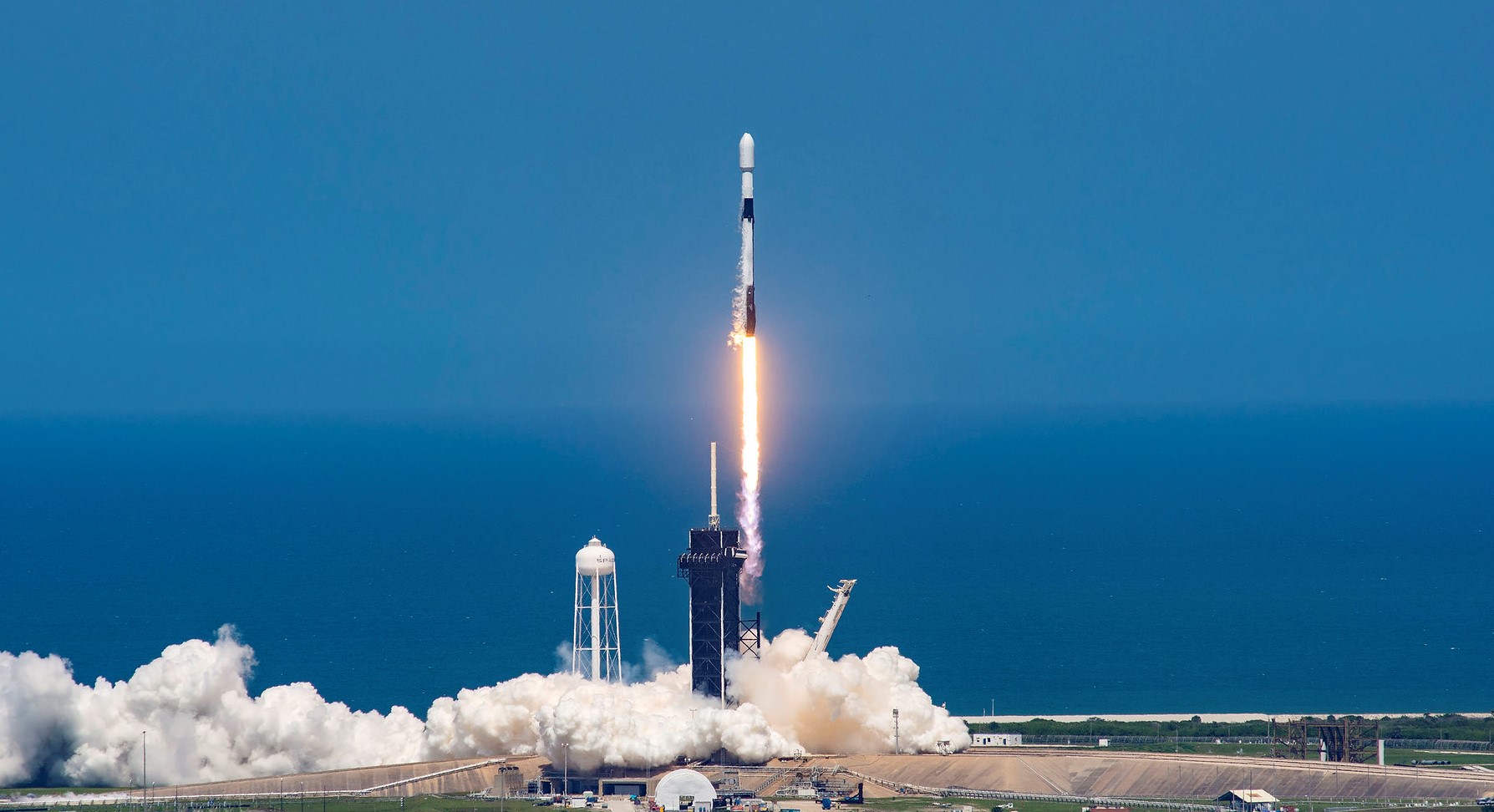
Launch Provider: SpaceX – Commercial
Launch Date: December 16, 2025
Launch Time: 12:45 PM UTC
Vehicle: Falcon 9
Brief: A batch of 29 satellites for the Starlink mega-constellation – SpaceX’s project for space-based Internet communication system.
Starlink Group 15-13
Launch Provider: SpaceX – Commercial
Launch Date: December 16, 2025
Launch Time: 3:24 PM UTC
Vehicle: Falcon 9
Brief: A batch of 27 satellites for the Starlink mega-constellation – SpaceX’s project for space-based Internet communication system.
Michibiki 5 (QZS-5)
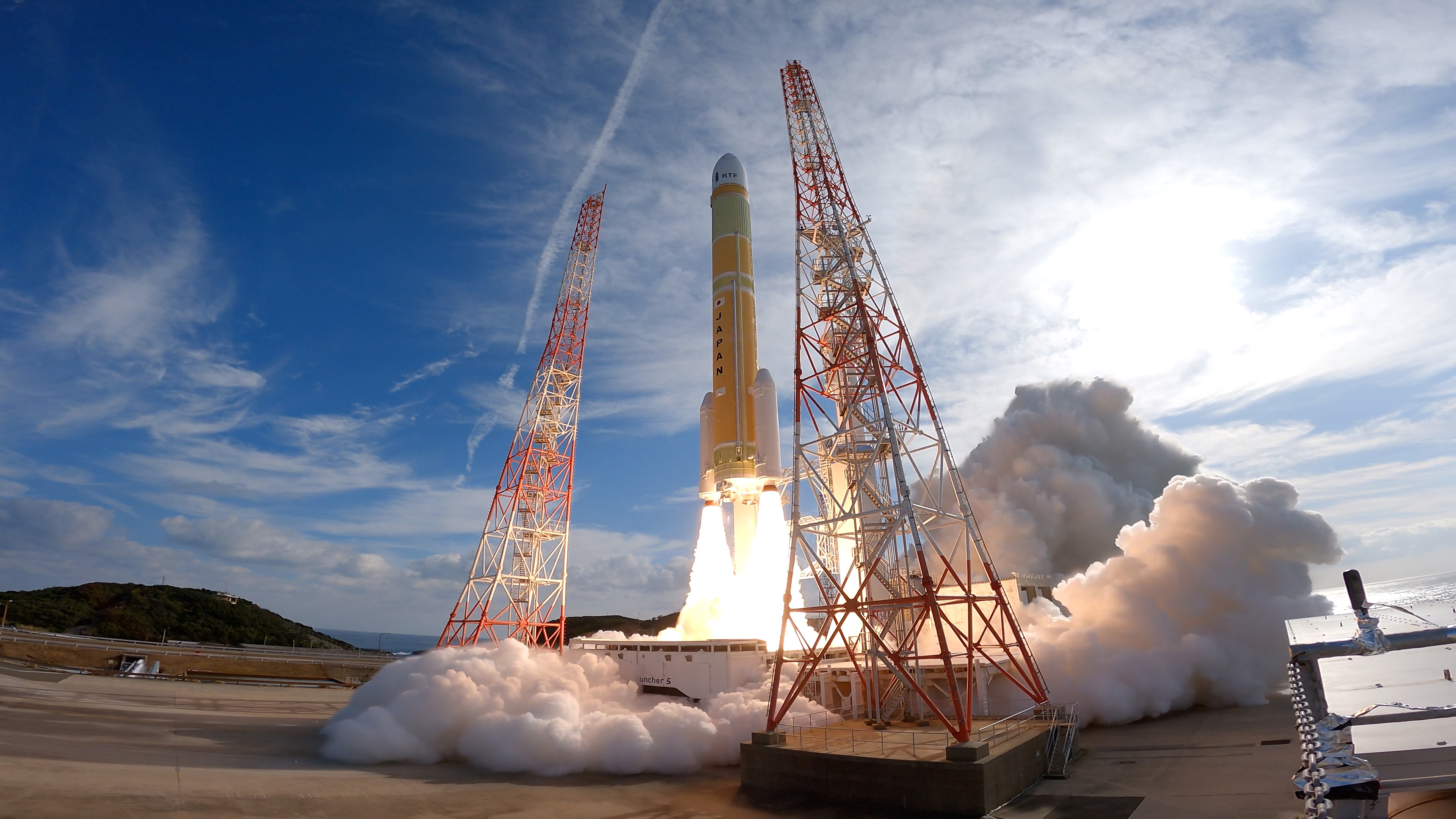
Launch Provider: Mitsubishi Heavy Industries – Commercial
Launch Date: December 17, 2025
Launch Time: 2:10 AM UTC
Vehicle: H3-22
Brief: QZSS (Quasi Zenith Satellite System) is a Japanese satellite navigation system operating from inclined, elliptical geosynchronous orbits to achieve optimal high-elevation visibility in urban canyons and mountainous areas. The navigation system objective is to broadcast GPS-interoperable and augmentation signals as well as original Japanese (QZSS) signals from a three-spacecraft constellation.
The navigation system objective is to broadcast GPS-interoperable and augmentation signals as well as original Japanese (QZSS) signals from a three-spacecraft constellation in inclined, elliptical geosynchronous orbits.
