
The Daily Broadcast: From Ice to Interference: Satellites Adapt, Orbit Gets Busy, and Data Demands Soar

CryoSat’s Unexpected Turn as a Space Weather Watchdog
It’s not every day that a satellite designed to measure millimetre-scale changes in polar ice sheets becomes a valuable tool for tracking solar storms—but that’s exactly what ESA’s CryoSat has done. Originally launched in 2010 to monitor sea ice thickness and ice sheet elevation, CryoSat received a remote software upgrade late last year that repurposed its platform magnetometer—an instrument normally used only for attitude control—into a scientific sensor capable of measuring disturbances in Earth’s magnetic field.
The upgrade paid off in January 2026, when a powerful X-class solar flare triggered a major geomagnetic storm, lighting up auroras as far south as Mexico. Between January 18 and 21, CryoSat captured high-quality magnetometer data that complemented observations from ESA’s dedicated Swarm mission. Scientists used the combined dataset to produce a striking animation of how the storm distorted Earth’s magnetic field. “This is a great accomplishment that significantly benefits the Swarm community,” said Anja Strømme, ESA’s Mission Manager for Swarm.
What makes this innovation particularly clever is that it required no new hardware—just smarter use of existing systems. As Tommaso Parrinello, CryoSat Mission Manager, noted, the satellite’s low-noise magnetometer readings were already precise enough to be scientifically useful. Now, CryoSat joins Swarm and the upcoming NanoMagSat Scout mission in building a more comprehensive picture of our planet’s ever-changing magnetic environment.

China Accelerates Launch Tempo with Dual Missions
China kicked its 2026 launch campaign into high gear over the weekend with two successful orbital missions in less than 16 hours. On March 15 at 8:22 a.m. EST, a Long March 6A rocket lifted off from Taiyuan Satellite Launch Centre carrying the Yaogan-50 (02) satellite into a highly retrograde orbit—an unusual path that flies opposite to Earth’s rotation. This orbit provides unique ground coverage over China and surrounding regions, beneficial for remote sensing. While officially described as supporting “land surveys, crop yield estimation, and disaster prevention,” external analysts widely regard Yaogan satellites as part of China’s intelligence, surveillance, and reconnaissance infrastructure.
Later that same day (technically early March 16 at 11:12 p.m. EST), a Kuaizhou-11 solid-fuel rocket launched from Jiuquan, deploying eight small satellites. Among them was Yuxing-3 (06), also known as Hunan University of Science and Technology-2, which carries a flexible robotic arm designed to test in-orbit servicing tasks like simulated refuelling and precision manipulation. Notably, this satellite will also trial an accelerated deorbit technique using a drag-augmentation sphere—a welcome effort to mitigate space debris.
These back-to-back launches mark China’s 13th and 14th orbital attempts of the year, suggesting the nation may soon surpass 100 launches in a single calendar year for the first time.

AI in Orbit: Starcloud Proposes 88,000-Satellite Data Centre Constellation
While most satellite constellations focus on broadband or Earth observation, a Washington-based startup is betting that the future lies in orbital data centres. On March 13, the U.S. Federal Communications Commission accepted for filing an ambitious application from Starcloud (formerly Lumen Orbit) to operate up to 88,000 satellites in low Earth orbit. These spacecraft would function as floating AI compute nodes, addressing what the company calls “severe roadblocks” to scaling terrestrial data centres for artificial intelligence workloads.
The proposed satellites would operate between 600 and 850 kilometres altitude in dusk-dawn sun-synchronous orbits to maximize solar power generation. Though few technical details are public, Starcloud has already flown one pathfinder: Starcloud-1, launched in November 2025, carried an Nvidia H100 processor and successfully ran a version of Google’s Gemini AI model in space. A follow-on satellite, Starcloud-2, is scheduled for launch in 2027.
Starcloud’s plan dwarfs today’s largest constellations—SpaceX’s Starlink currently has around 10,000 satellites—but it pales in comparison to SpaceX’s own recent proposal for a million-satellite orbital data centre network. Starcloud says it’s committed to sustainable operations, including full “demisability” on reentry and brightness mitigation to protect astronomical observations. Whether such a massive constellation is feasible—or necessary—remains to be seen, but the race to move AI beyond Earth’s atmosphere is clearly heating up.
Citations
- “How does an ice satellite detect a geomagnetic storm?” – https://www.esa.int/Applications/Observing_the_Earth/FutureEO/CryoSat/How_does_an_ice_satellite_detect_a_geomagnetic_storm
- “China launches new highly retrograde Yaogan satellite, KZ-11 rideshare deploys 8 satellites” – https://spacenews.com/china-launches-new-highly-retrograde-yaogan-satellite-kz-11-rideshare-deploys-8-satellites/
- “Starcloud files plans for 88,000-satellite constellation” – https://spacenews.com/starcloud-files-plans-for-88000-satellite-constellation/
Upcoming Launches
Yaogan 50-02
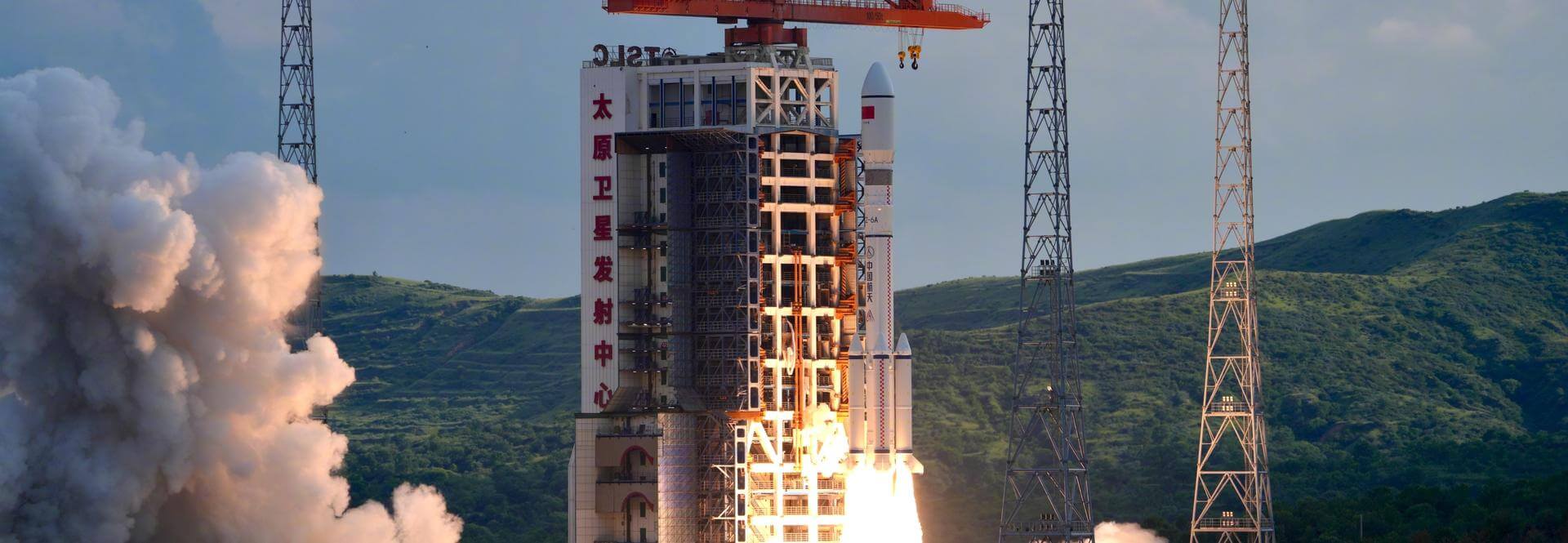
Launch Provider: China Aerospace Science and Technology Corporation – Government
Launch Date: March 15, 2026
Launch Time: 1:22 PM UTC
Vehicle: Long March 6A
Brief: The Yaogan 50-02 is a Chinese military “remote sensing” satellite of unknown purposes.
📽️ No Livestream scheduled yet
8 satellites
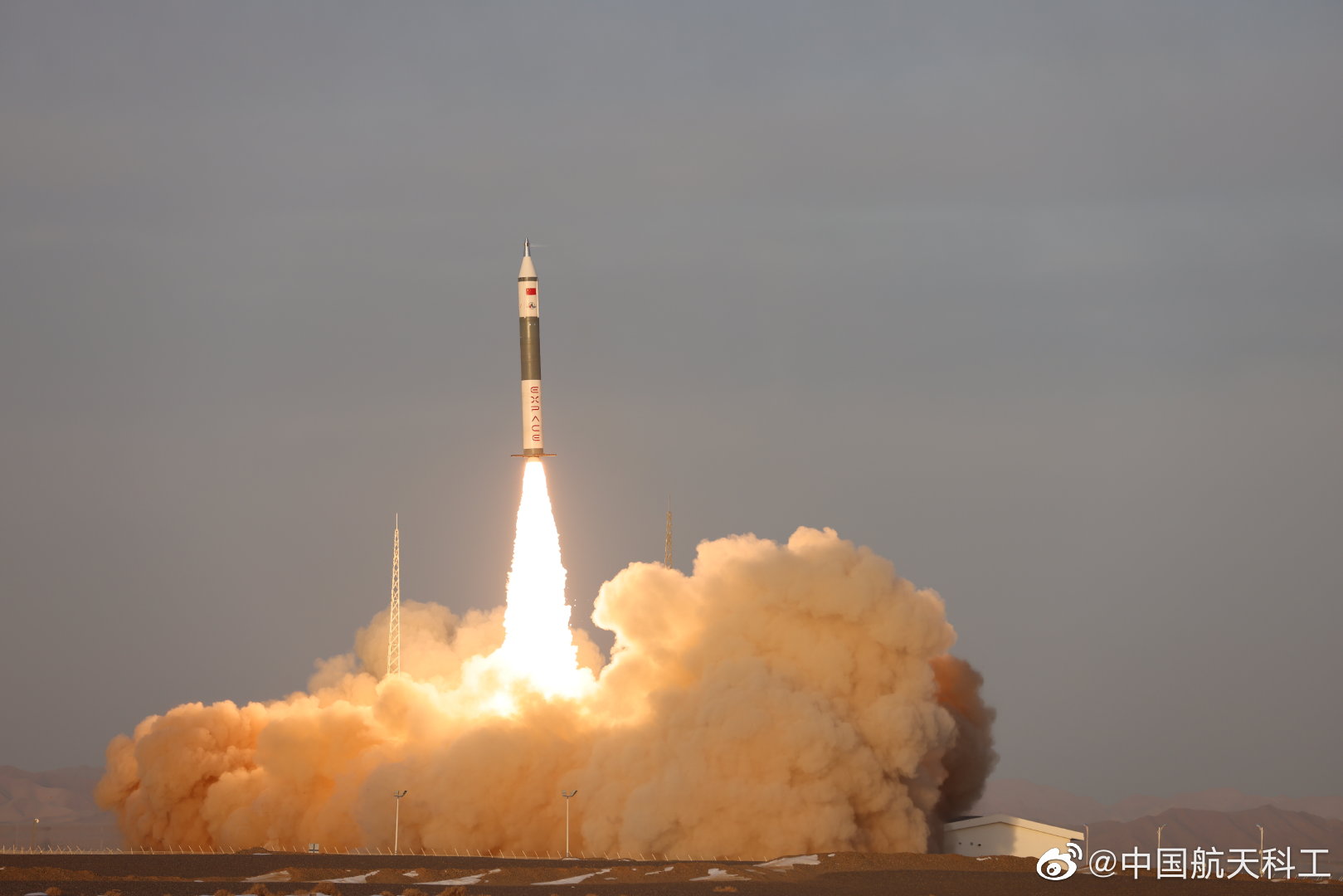
Launch Provider: ExPace – Commercial
Launch Date: March 16, 2026
Launch Time: 4:12 AM UTC
Vehicle: Kuaizhou 11
Brief: Ride-share launch of 8 satellites to sun-synchronous orbit. Details TBD.
📽️ No Livestream scheduled yet
Starlink Group 17-24
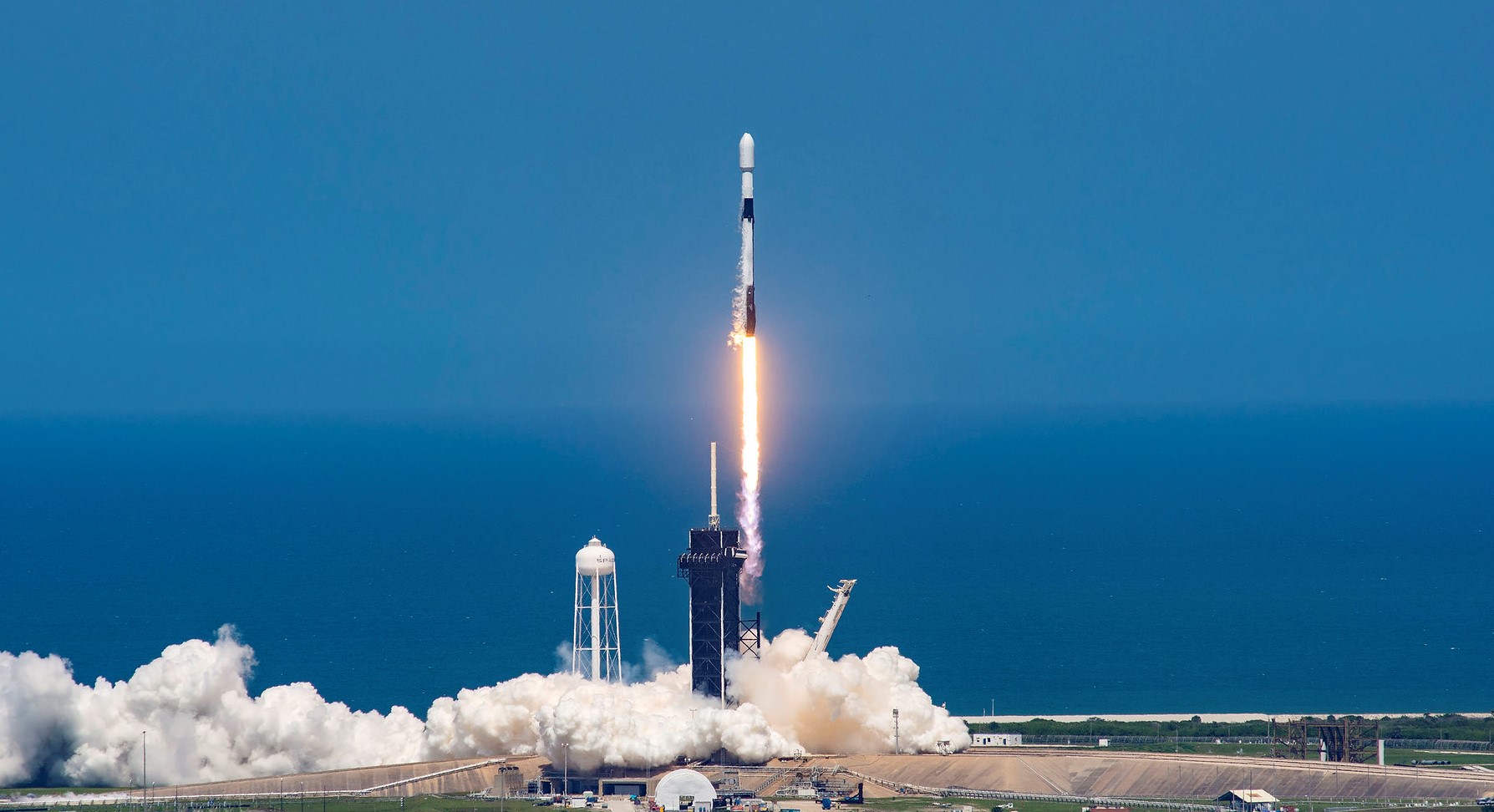
Launch Provider: SpaceX – Commercial
Launch Date: March 17, 2026
Launch Time: 2:37 AM UTC
Vehicle: Falcon 9
Brief: A batch of 25 satellites for the Starlink mega-constellation – SpaceX’s project for space-based Internet communication system.
Starlink Group 10-46
Launch Provider: SpaceX – Commercial
Launch Date: March 17, 2026
Launch Time: 10:26 AM UTC
Vehicle: Falcon 9
Brief: A batch of 29 satellites for the Starlink mega-constellation – SpaceX’s project for space-based Internet communication system.
Starlink Group 10-33
Launch Provider: SpaceX – Commercial
Launch Date: March 19, 2026
Launch Time: 10:35 AM UTC
Vehicle: Falcon 9
Brief: A batch of 29 satellites for the Starlink mega-constellation – SpaceX’s project for space-based Internet communication system.

Leave a Reply