
The Daily Broadcast: From Down Under to Orbit: Reentries, Rollouts, and a Million-Satellite Vision

Varda’s W-5 Mission Completes Successful Reentry in Australia
Varda Space Industries has successfully wrapped up its W-5 mission with a controlled landing in the Australian outback on January 29. This marks the company’s latest demonstration of its full-cycle in-space manufacturing and return capability. The mission showcased Varda’s new in-house spacecraft design, engineered to produce pharmaceutical-grade crystals in microgravity before safely returning them to Earth—a feat that could redefine how we develop drugs for terrestrial use.
While the capsule touched down thousands of kilometres from Canadian soil, the mission’s success is a reminder of the growing global ecosystem in commercial space logistics. Though Canada isn’t directly involved in Varda’s current programme, the company’s approach aligns with broader trends that Canadian space startups, such as those in the Canadian Space Agency’s (CSA) innovation networks, are watching closely. Safe, reliable reentry and return of high-value payloads may one day support Canadian biomedical research in orbit—especially as microgravity experimentation gains traction in academic and industrial circles across the country.
Booster 19 Rolls Out for Testing at Starbase
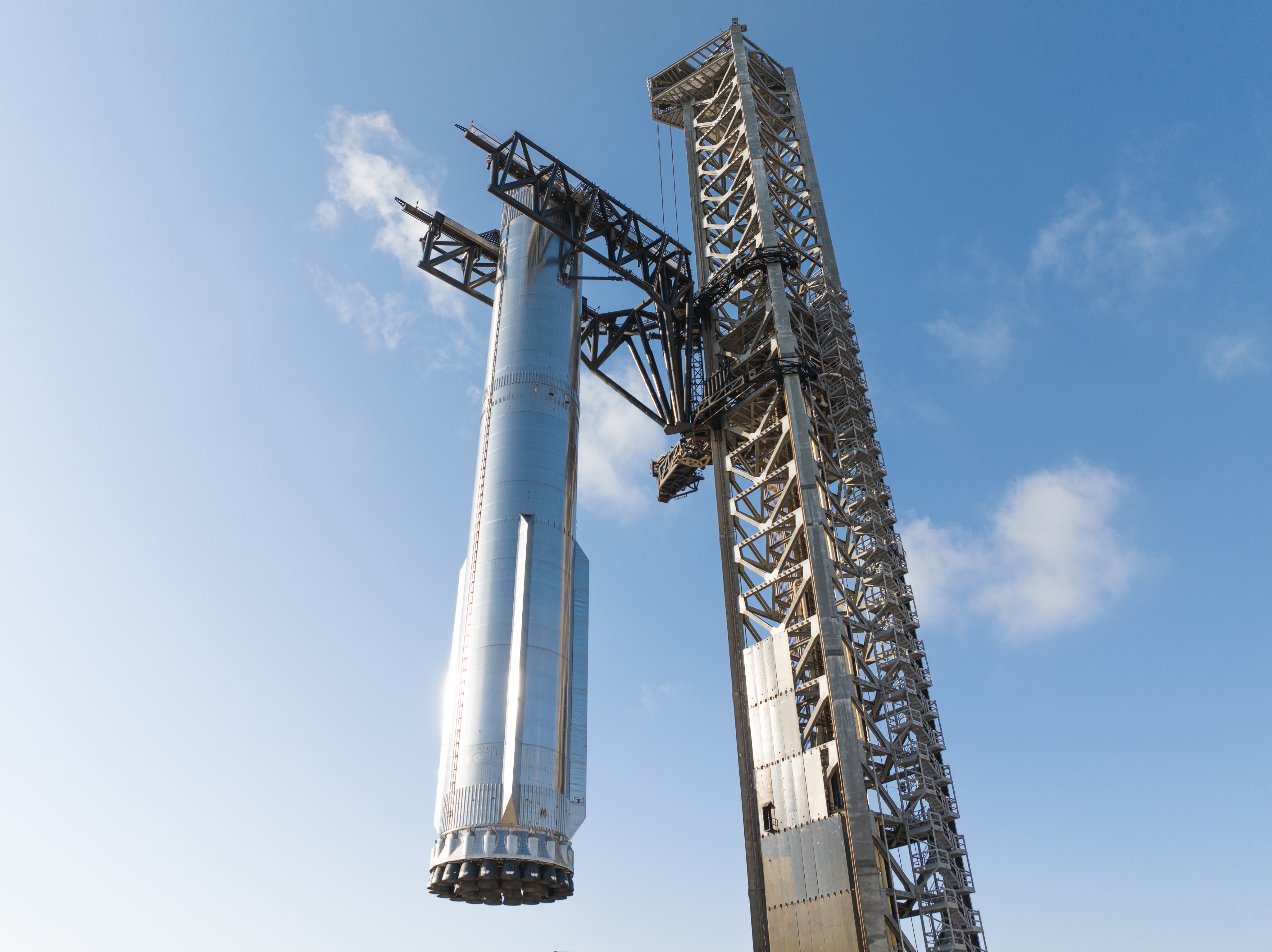
Over at SpaceX’s Starbase facility in Texas, Super Heavy Booster 19 made its way to the Masseys test site on February 1, 2026, signalling another step forward in the iterative development of the Starship launch system. This rollout precedes a series of cryogenic and static-fire tests aimed at validating the booster’s performance ahead of future integrated flights.
Booster 19 represents SpaceX’s continued push toward rapid reusability and operational tempo—key enablers for everything from lunar landings under NASA’s Artemis programme to potential point-to-point Earth transport. For Canadian observers, this progress matters: Canadian-made components, including advanced robotics and sensor systems developed by firms like MDA, have long supported U.S. space programmes. While not confirmed for this specific booster, the broader Starship architecture could eventually carry Canadian scientific instruments or even astronauts, especially as the CSA’s involvement in Artemis deepens. In the meantime, watching these Texas rollouts feels a bit like cheering on a neighbour’s home renovation—loud, ambitious, and occasionally fiery, but undeniably compelling.
SpaceX Proposes Orbital Data Centres with Million-Satellite Constellation
In a filing with the U.S. Federal Communications Commission, SpaceX has laid out plans for a satellite constellation of staggering scale: up to one million spacecraft designed to function as orbital data centres. Dubbed the “Orbital Data Centre” (ODC) programme, this initiative aims to process data in space rather than relying solely on ground-based infrastructure—a potential game-changer for latency-sensitive applications like AI inference or real-time Earth observation.
While still in the conceptual and regulatory phase, the proposal underscores a shift toward in-orbit computation, reducing the need to beam massive datasets back to Earth. For Canada, with its vast northern territories and limited terrestrial fibre, space-based data processing could one day enhance connectivity and environmental monitoring. Canadian firms specialising in satellite communications and secure data handling may find new opportunities in this emerging architecture. Of course, one million satellites also raise valid concerns about orbital congestion and space debris—issues that Canadian space policy has historically addressed through advocacy for sustainable practices at international forums like the United Nations Committee on the Peaceful Uses of Outer Space. So while we’re not building these data centres ourselves (yet), we’ll certainly be part of the conversation about how to keep the skies safe and shared.

Citations
- “Varda’s W-5 mission lands in Australia” – https://spacenews.com/vardas-w-5-mission-lands-in-australia/
- “SpaceX files plans for million-satellite orbital data center constellation” – https://spacenews.com/spacex-files-plans-for-million-satellite-orbital-data-center-constellation/
- “Booster 19 Rollout to Masseys” – https://ll.thespacedevs.com/2.2.0/event/1327/
Upcoming Launches
Kosmos (Unknown Payload)
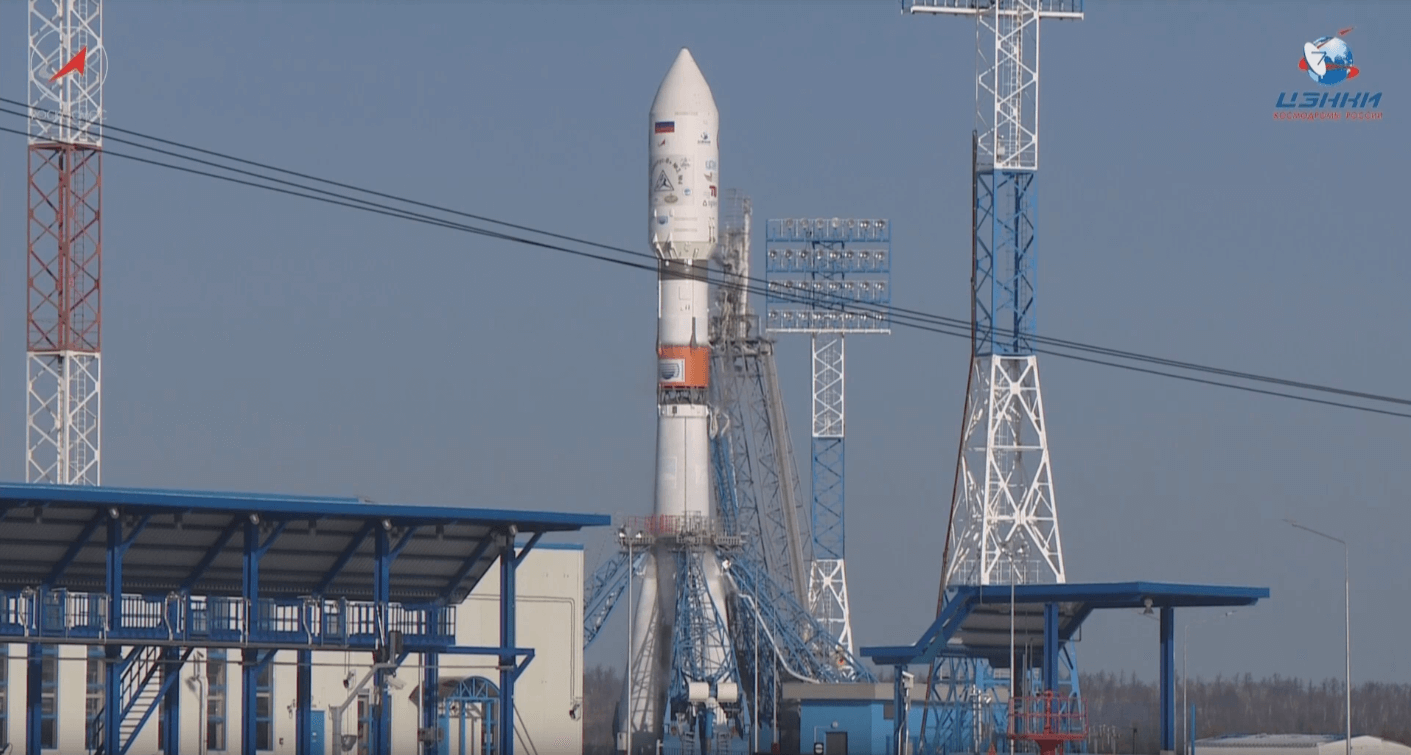
Launch Provider: Russian Space Forces – Government
Launch Date: February 2, 2026
Launch Time: 3:00 PM UTC
Vehicle: Soyuz 2.1a/Fregat-M
Brief: Unknown classified payload(s) for the Russian military.
Starlink Group 17-32

Launch Provider: SpaceX – Commercial
Launch Date: February 2, 2026
Launch Time: 3:17 PM UTC
Vehicle: Falcon 9
Brief: A batch of 25 satellites for the Starlink mega-constellation – SpaceX’s project for space-based Internet communication system.
Starlink Group 6-103
Launch Provider: SpaceX – Commercial
Launch Date: February 3, 2026
Launch Time: 10:12 PM UTC
Vehicle: Falcon 9
Brief: A batch of 29 satellites for the Starlink mega-constellation – SpaceX’s project for space-based Internet communication system.
Starlink Group 17-33
Launch Provider: SpaceX – Commercial
Launch Date: February 6, 2026
Launch Time: 5:05 PM UTC
Vehicle: Falcon 9
Brief: A batch of 25 satellites for the Starlink mega-constellation – SpaceX’s project for space-based Internet communication system.
Starlink Group 6-104
Launch Provider: SpaceX – Commercial
Launch Date: February 7, 2026
Launch Time: 9:41 AM UTC
Vehicle: Falcon 9
Brief: A batch of 29 satellites for the Starlink mega-constellation – SpaceX’s project for space-based Internet communication system.
