
The Daily Broadcast: From Cosmic Garlands to Rocket Setbacks: A Day in Space

Euclid Unveils a Galaxy Garland
The European Space Agency’s Euclid space telescope has delivered another visual stunner: a “galaxy garland”—a tightly packed arc of distant galaxies stretching across the cosmos. Captured as part of Euclid’s mission to map the dark universe, this image isn’t just eye candy; it demonstrates the telescope’s extraordinary ability to resolve faint, faraway structures with precision. Launched in 2023, Euclid is designed to study dark matter and dark energy by surveying billions of galaxies across one-third of the sky. This particular observation highlights how gravitational lensing—where massive foreground objects bend light from background galaxies—can create striking alignments that resemble festive decorations. While we’re bundling up for the holidays here on Earth, Euclid is busy untangling the universe’s deepest mysteries, one warped galaxy at a time. The clarity and depth of these images are already exceeding expectations, offering astronomers an unprecedented view into cosmic structure formation. And yes, even in the cold void of space, it seems the universe knows how to drape a little seasonal cheer—albeit on a scale of several billion light-years.
H3 Rocket Anomaly Grounds Japan’s QZS-5 Navigation Satellite

Japan’s latest attempt to expand its regional navigation network ended in disappointment after the H3 rocket suffered a second-stage anomaly during its December 22, 2025 launch. The failure resulted in the loss of the Michibiki 5 (QZS-5) satellite, a key component of Japan’s Quasi-Zenith Satellite System (QZSS), which enhances GPS accuracy over the Asia-Oceania region. Developed by JAXA and Mitsubishi Heavy Industries, the H3 is Japan’s next-generation launch vehicle intended to replace the aging H-IIA. This marks the second major setback for the H3 program; an earlier flight in 2023 also failed during its inaugural launch attempt. Engineers are now reviewing telemetry data to pinpoint the exact cause of the second-stage malfunction. The loss of QZS-5 is a significant blow to Japan’s space ambitions, as the satellite was meant to make the QZSS fully independent from GPS for critical applications. Despite the setback, JAXA has reaffirmed its commitment to the H3 program, noting that reliability is paramount for future national and commercial missions. For a country aiming to bolster its space infrastructure, this launch served as a sobering reminder that even the most advanced rockets can stumble—especially when pushing the boundaries of new design.
25 Years of Holidays Aboard the International Space Station
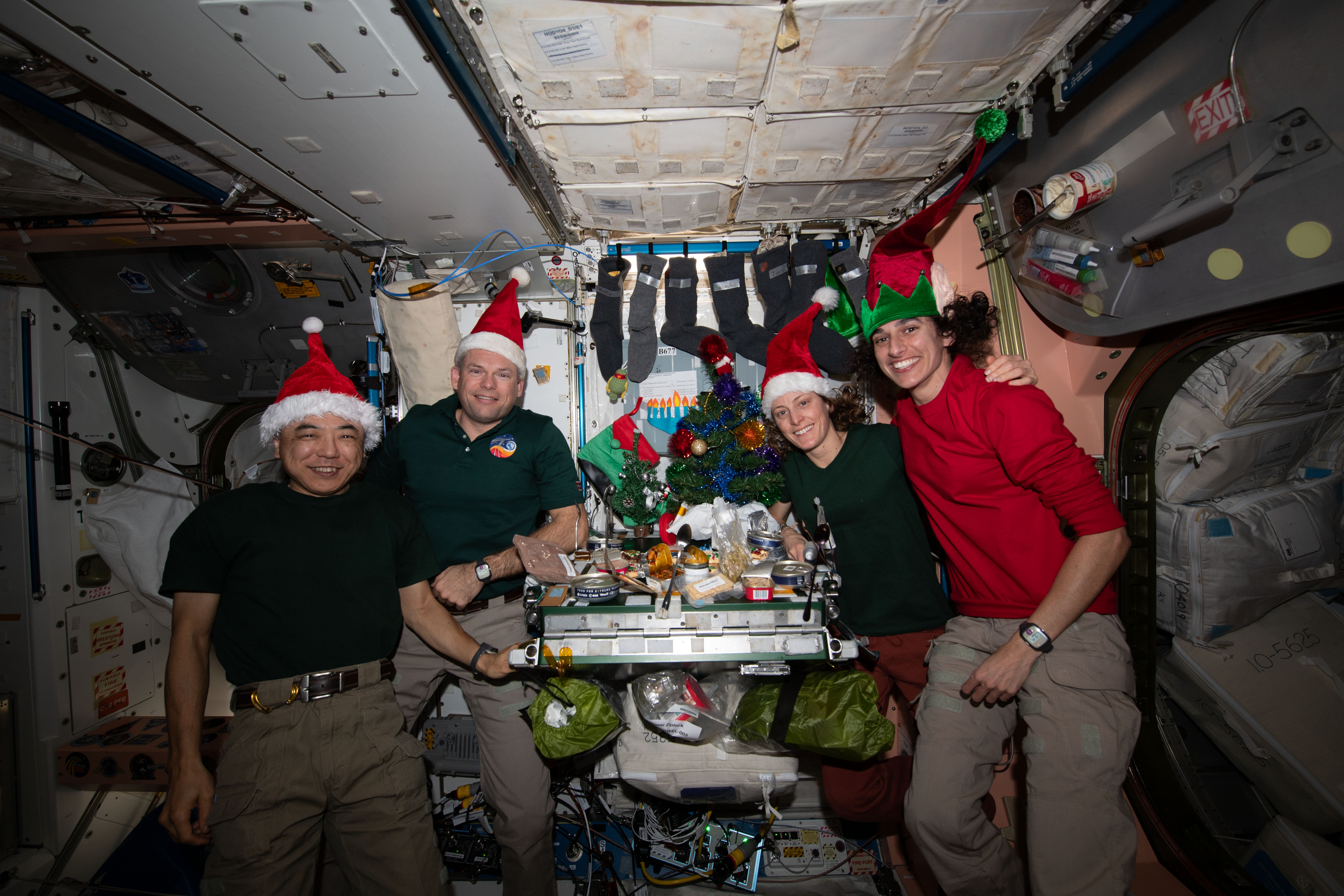
While we’re debating whether to put up tinsel or lights, astronauts 400 kilometers above us have been celebrating holidays in microgravity for a full quarter-century. NASA recently marked 25 years of continuous human presence on the International Space Station (ISS)—and with it, 25 years of orbital festivities. From Thanksgiving feasts with rehydrated turkey to Christmas trees made of duct tape and spare cables, crews from over 20 countries have found creative ways to observe traditions while zipping around Earth at 27,600 km/h. Hanukkah menorahs have floated beside Orthodox Christian icons; New Year’s toasts have been made with sealed pouches of fruit punch. These celebrations aren’t just morale boosters—they’re vital for crew cohesion during long-duration missions. Canadian astronauts like Chris Hadfield famously serenaded the planet with a holiday cover from orbit, proving that even in the sterile environment of a space lab, humanity’s need for ritual endures. As the ISS nears the end of its operational life this decade, these moments of levity and connection stand as quiet testaments to international cooperation. After all, whether you’re in Toronto or Tranquility Node, nothing says “happy holidays” quite like sharing a meal—especially when your gravy won’t stay on the plate.
Citations
- “Euclid’s galaxy garland” – https://www.esa.int/ESA_Multimedia/Images/2025/12/Euclid_s_galaxy_garland
- “Japan’s H3 suffers second-stage anomaly, QZS-5 satellite lost” – https://spacenews.com/japans-h3-suffers-second-stage-anomaly-qzs-5-satellite-lost/
- “Holidays in Space: 25 Years of Space Station Celebrations” – https://www.nasa.gov/centers-and-facilities/johnson/nasa-johnson-celebrates-25-years-of-holidays-in-space/
Upcoming Launches
Spaceward
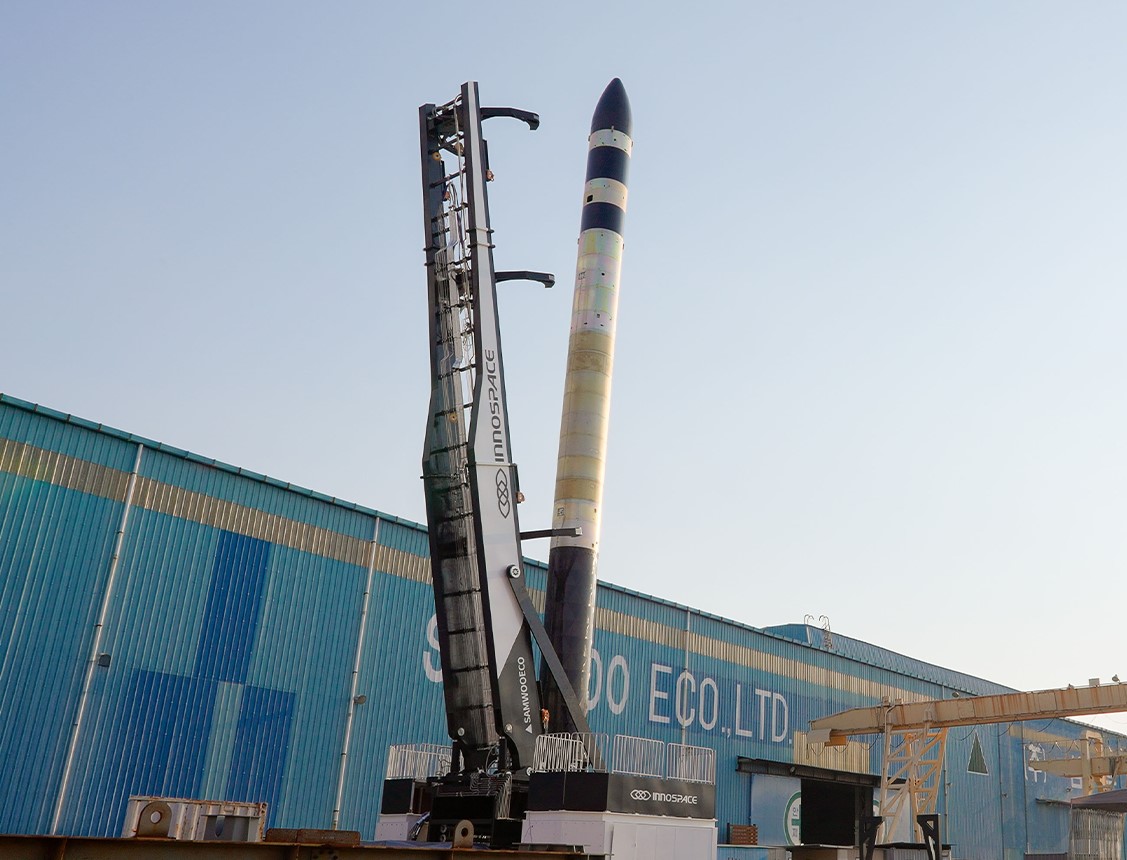
Launch Provider: Innospace – Private
Launch Date: December 22, 2025
Launch Time: 6:45 PM UTC
Vehicle: HANBIT-Nano
Brief: Maiden orbital launch attempt for the South Korean stratup Innospace and its HANBIT-Nano small launch vehicle. Onboard this flight are five small satellites from the Brazilian space agency AEB, Brazilian university Universidade Federal do Maranhão and Indian startup Grahaa Space, as well as three payloads from AEB and Brazilian company Castro Leite Consultoria that will remain attached to the rocket, and an empty aluminium can from the South Korean beverage company Brewguru.
Demo Flight
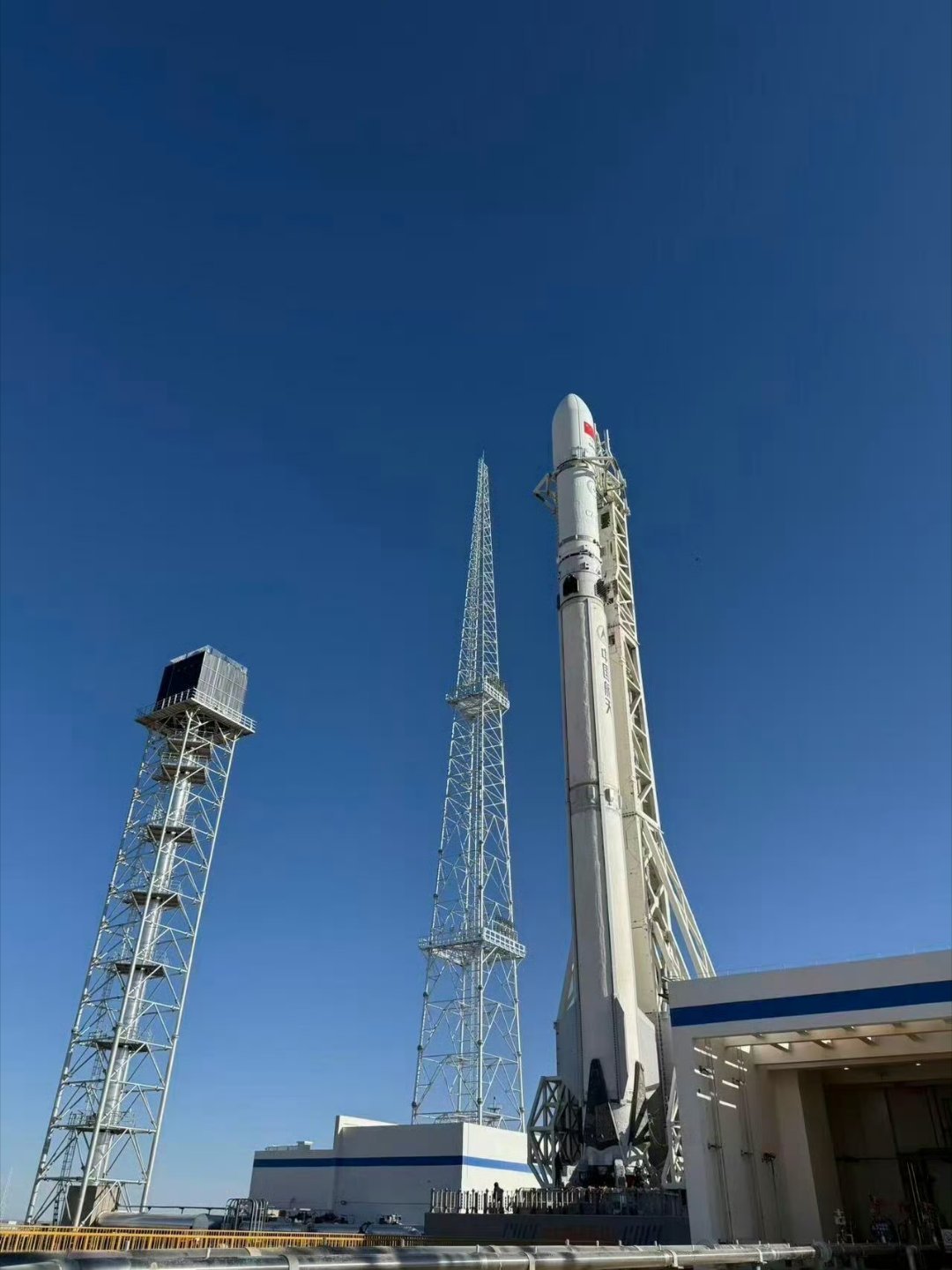
Launch Provider: China Aerospace Science and Technology Corporation – Government
Launch Date: December 23, 2025
Launch Time: 2:00 AM UTC
Vehicle: Long March 12A
Brief: First test launch of CASC/SAST’s Long March 12A rocket. The rocket’s 1st stage will attempt to land on a landing pad about 300 km downrange of the launch site.
BlueBird Block 2 #1
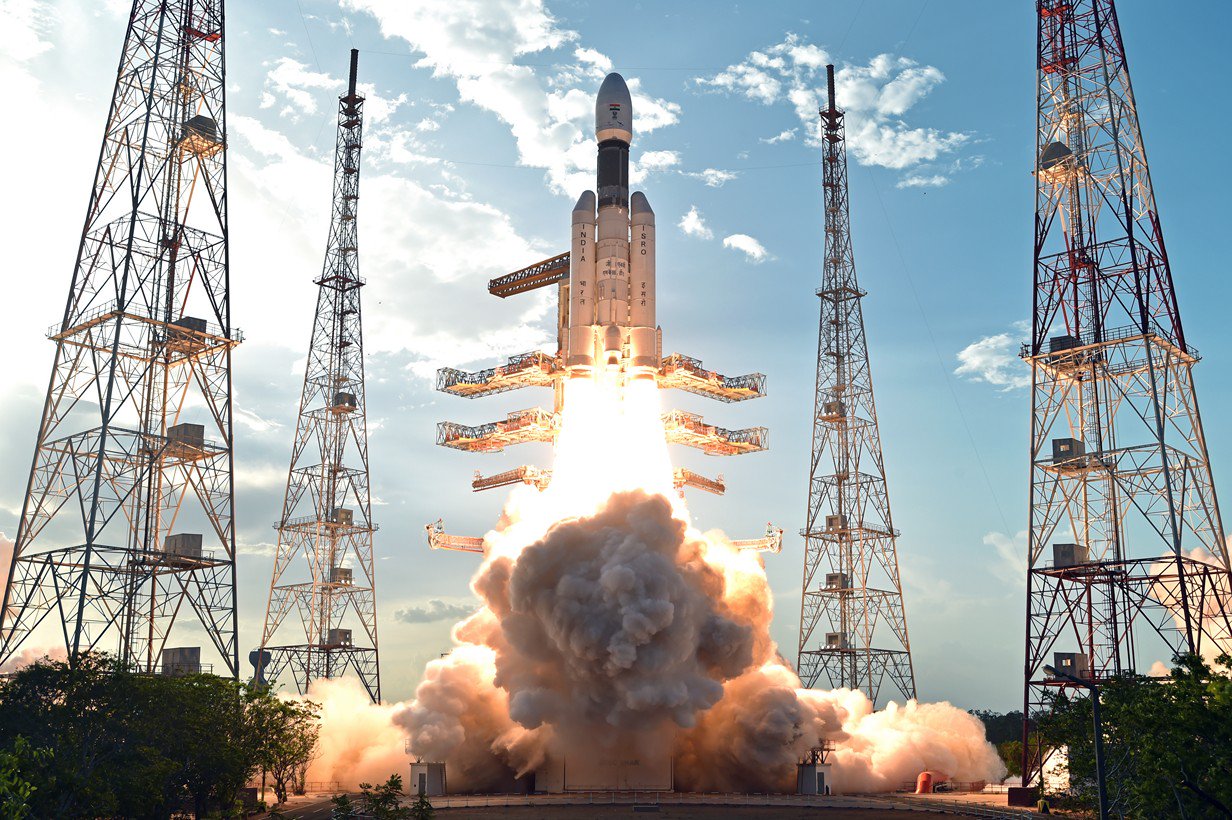
Launch Provider: Indian Space Research Organization – Government
Launch Date: December 24, 2025
Launch Time: 3:24 AM UTC
Vehicle: LVM-3 (GSLV Mk III)
Brief: AST SpaceMobile’s Block 2 BlueBird satellites are designed to deliver up to 10 times the bandwidth capacity of the BlueBird Block 1 satellites, required to achieve 24/7 continuous cellular broadband service coverage in the United States, with beams designed to support a capacity of up to 40 MHz, enabling peak data transmission speeds up to 120 Mbps, supporting voice, full data and video applications. The Block 2 BlueBirds, featuring as large as 2400 square foot communications arrays, will be the largest satellites ever commercially deployed in Low Earth orbit once launched.
This launch will feature a single satellite.
Obzor-R No.1
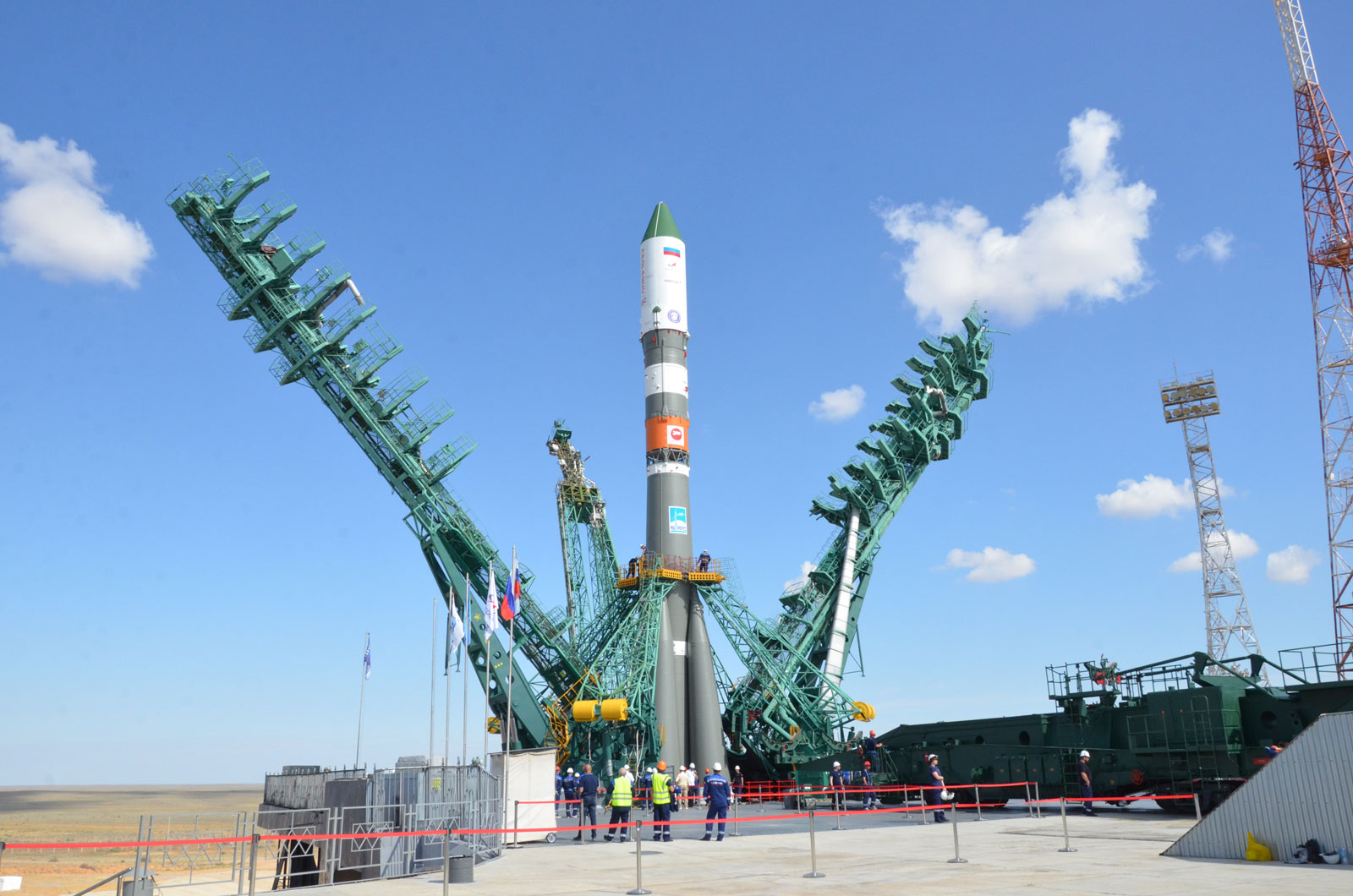
Launch Provider: Russian Federal Space Agency (ROSCOSMOS) – Government
Launch Date: December 24, 2025
Launch Time: 2:00 PM UTC
Vehicle: Soyuz 2.1a
Brief: The Russian Obzor-R satellite is a planned X-band radar earth observation satellite designed by TsSKB-Progress.
In 2012, the development of the Arkon-2M radar satellite was stopped and instead the development of the Obzor-R was initiated.
The satellite features the BRLK X-band Synthetic Aperture Radar as the imaging instrument with a ground resolution of 500 m.
Unknown Payload
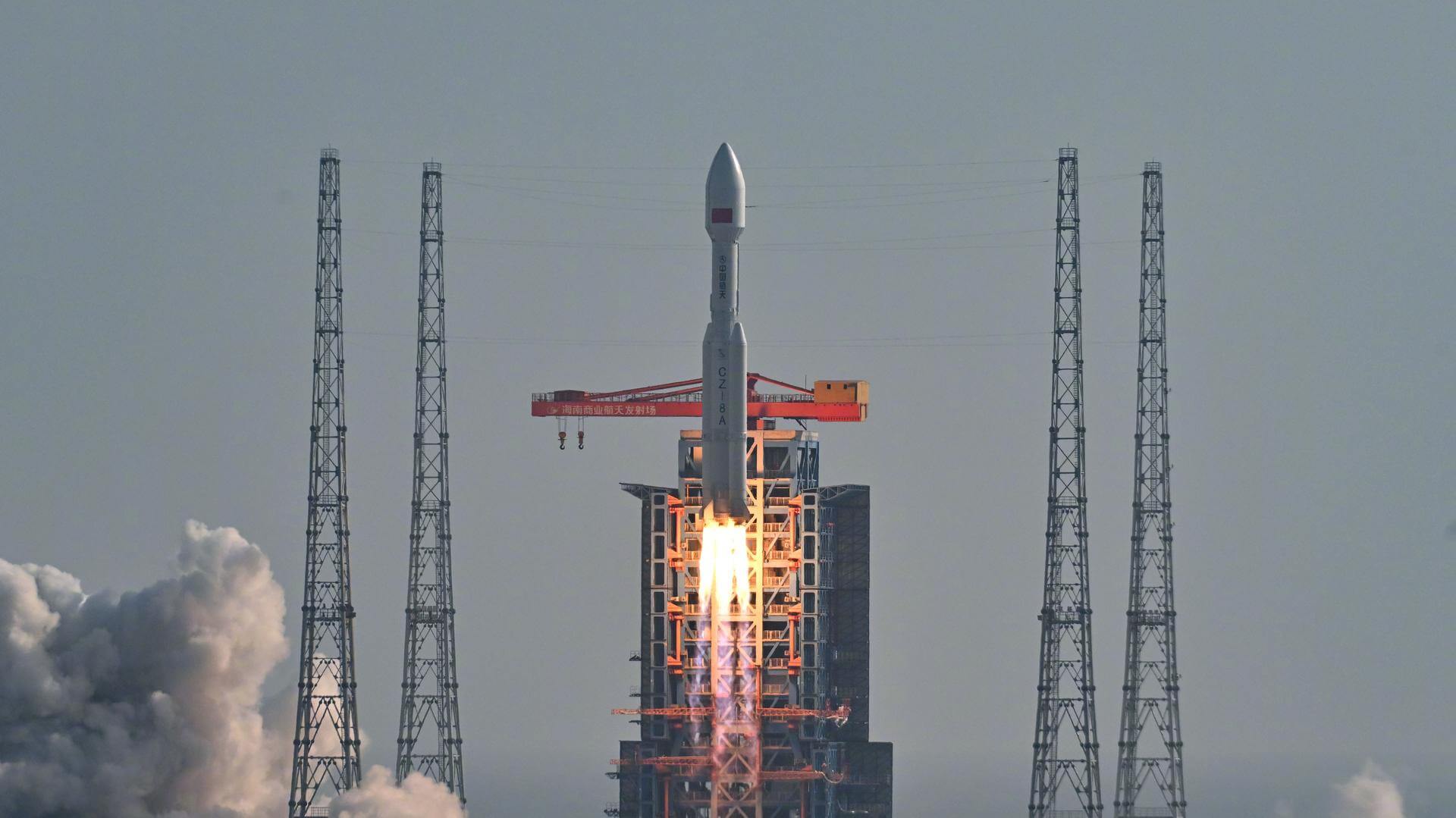
Launch Provider: China Aerospace Science and Technology Corporation – Government
Launch Date: December 25, 2025
Launch Time: 11:25 PM UTC
Vehicle: Long March 8A
Brief: Details TBD.
