
The Daily Broadcast: From Canadian Turbopumps to Martian Ripples and Lunar Safeguards

Canada Tackles Turbopump Tech in Push for Sovereign Launch Capability
Canadian space ambitions are shifting from student rocketry competitions to real hardware development. Launch Canada, best known for organizing the national student launch challenge, has launched a new R&D initiative to design and build a made-in-Canada turbopump—the first of its kind in the country. According to Adam Trumpour, founder and president of Launch Canada, this effort aims to fill a critical gap in Canada’s space propulsion ecosystem. “Canada has never developed a turbopump before,” he said, noting that such components can account for up to half the cost of a liquid rocket engine due to their complexity.
The project, recently awarded $350,000 from the Canadian Space Agency’s Space Technology Development Program, is progressing in three phases. Teams have already begun manufacturing a smaller electric motor-driven fuel pump and expect to start testing in early 2026. The ultimate goal is a semi-cryogenic turbopump roughly one-tenth the size of typical small-engine variants—an uncharted scale, according to Trumpour. With about 50 students and volunteers, plus support from Canadian firms like EOS (for 3D printing) and software provider SoftInWay, the initiative emphasizes domestic supply chains and hands-on training. Success could enable Canadian contributions to future lunar landers, space tugs, or sample return missions.
Martian Megaripples Reveal Active Wind Sculpting on the Red Planet
While much of NASA’s Perseverance rover mission focuses on ancient geological records of water on Mars, scientists are also studying features shaped by forces still at work today. A recent investigation of a Martian megaripple dubbed “Hazyview” offers fresh insight into how wind continues to mold the planet’s surface. Megaripples—sand formations up to 2 meters tall—are larger than ordinary ripples but smaller than dunes, and their presence indicates active aeolian (wind-driven) processes in the current Martian climate.
Researchers from Purdue University, including Ph.D. student Noah Martin and scientist Candice Bedford, are analyzing Hazyview’s structure to understand grain movement, wind strength, and sediment transport under Mars’ thin atmosphere. Unlike static relics of a wetter past, megaripples like Hazyview provide real-time data on surface dynamics. This helps refine climate models and assess environmental conditions for future robotic or human missions. Perseverance’s high-resolution cameras and terrain navigation systems have made such detailed observation possible, turning what might seem like a desert curiosity into a valuable scientific benchmark for understanding planetary evolution beyond Earth.
NASA Safety Panel Urges Reassessment of Artemis Lunar Architecture
NASA’s Aerospace Safety Advisory Panel (ASAP) has recommended a thorough review of the agency’s Artemis program architecture, citing concerns about mission safety and incident response protocols. The panel’s advice comes in the wake of technical setbacks, including the prolonged issues with Boeing’s Starliner spacecraft, which highlighted gaps in how NASA manages anomalies during crewed test flights. In its latest report, ASAP urged NASA to reevaluate not only hardware and timelines but also decision-making frameworks for high-stakes lunar missions.
The Artemis program, aiming to land the first woman and next man near the Moon’s South Pole, relies on a complex integration of systems: the Space Launch System rocket, Orion capsule, SpaceX’s Starship Human Landing System, and Gateway space station elements. ASAP stressed that as these components move from development to operational phases, robust safety protocols must keep pace. The panel isn’t calling for delays but for proactive risk mitigation—especially as Artemis II (the first crewed Orion flight around the Moon) edges closer to launch. With human lives on the line, the message is clear: ambition must be matched by vigilance.
Citations
- “From competition to R&D: Launch Canada to build critical turbopump tech” – https://spaceq.ca/from-competition-to-rd-launch-canada-to-build-critical-turbopump-tech/
- “Wind-Sculpted Landscapes: Investigating the Martian Megaripple ‘Hazyview’” – https://science.nasa.gov/blog/wind-sculpted-landscapes-investigating-the-martian-megaripple-hazyview/
- “NASA safety panel recommends review of Artemis plans” – https://spacenews.com/nasa-safety-panel-recommends-review-of-artemis-plans/
Upcoming Launches
NS-37
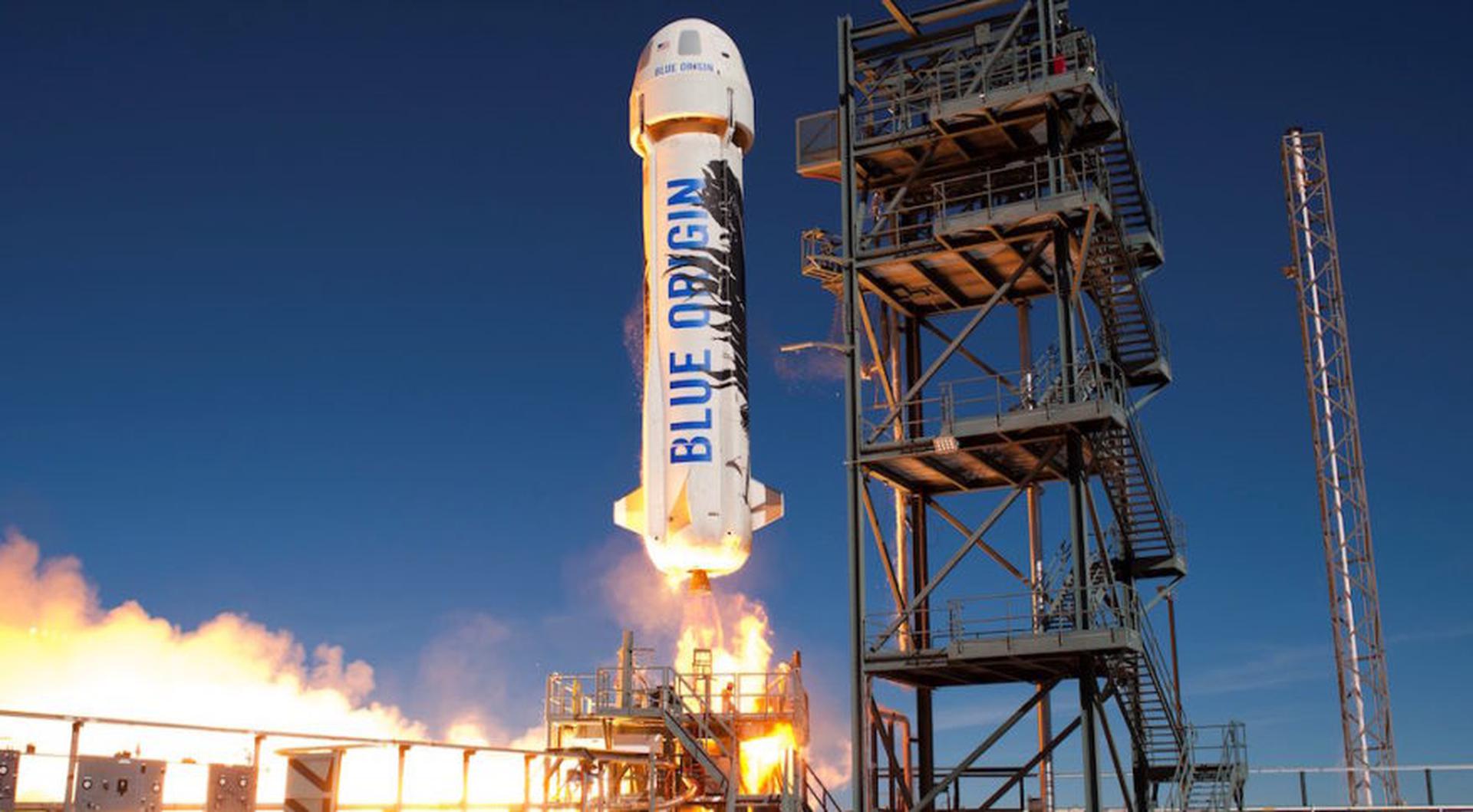
Launch Provider: Blue Origin – Commercial
Launch Date: December 20, 2025
Launch Time: 2:15 PM UTC
Vehicle: New Shepard
Brief: NS-37 is the 16th crewed flight for the New Shepard program and the 37th in the New Shepard program’s history.
The Wisdom God Guides (iQPS Launch 6)
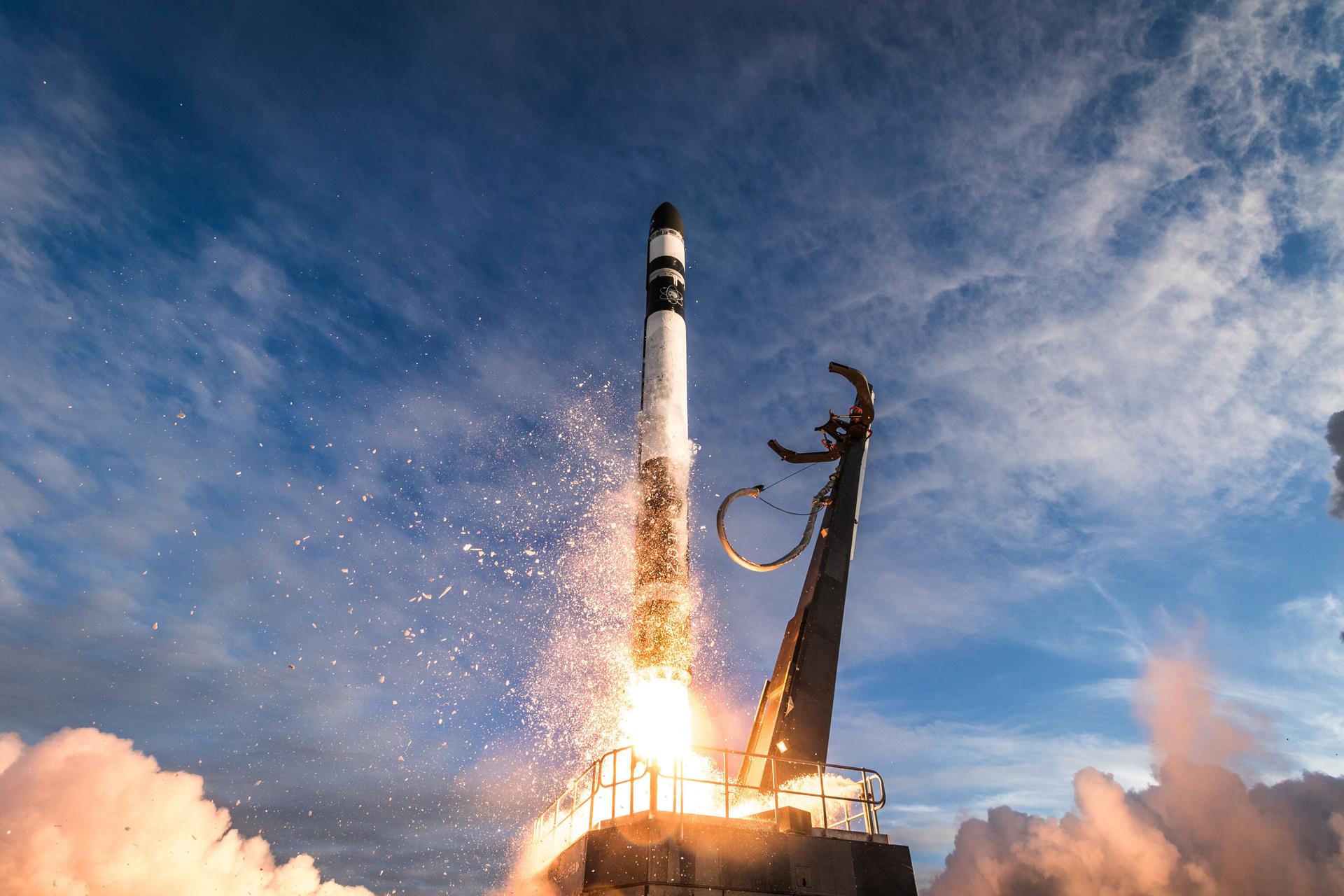
Launch Provider: Rocket Lab – Commercial
Launch Date: December 21, 2025
Launch Time: 6:38 AM UTC
Vehicle: Electron
Brief: Synthetic aperture radar Earth observation satellite for Japanese Earth imaging company iQPS.
Michibiki 5 (QZS-5)
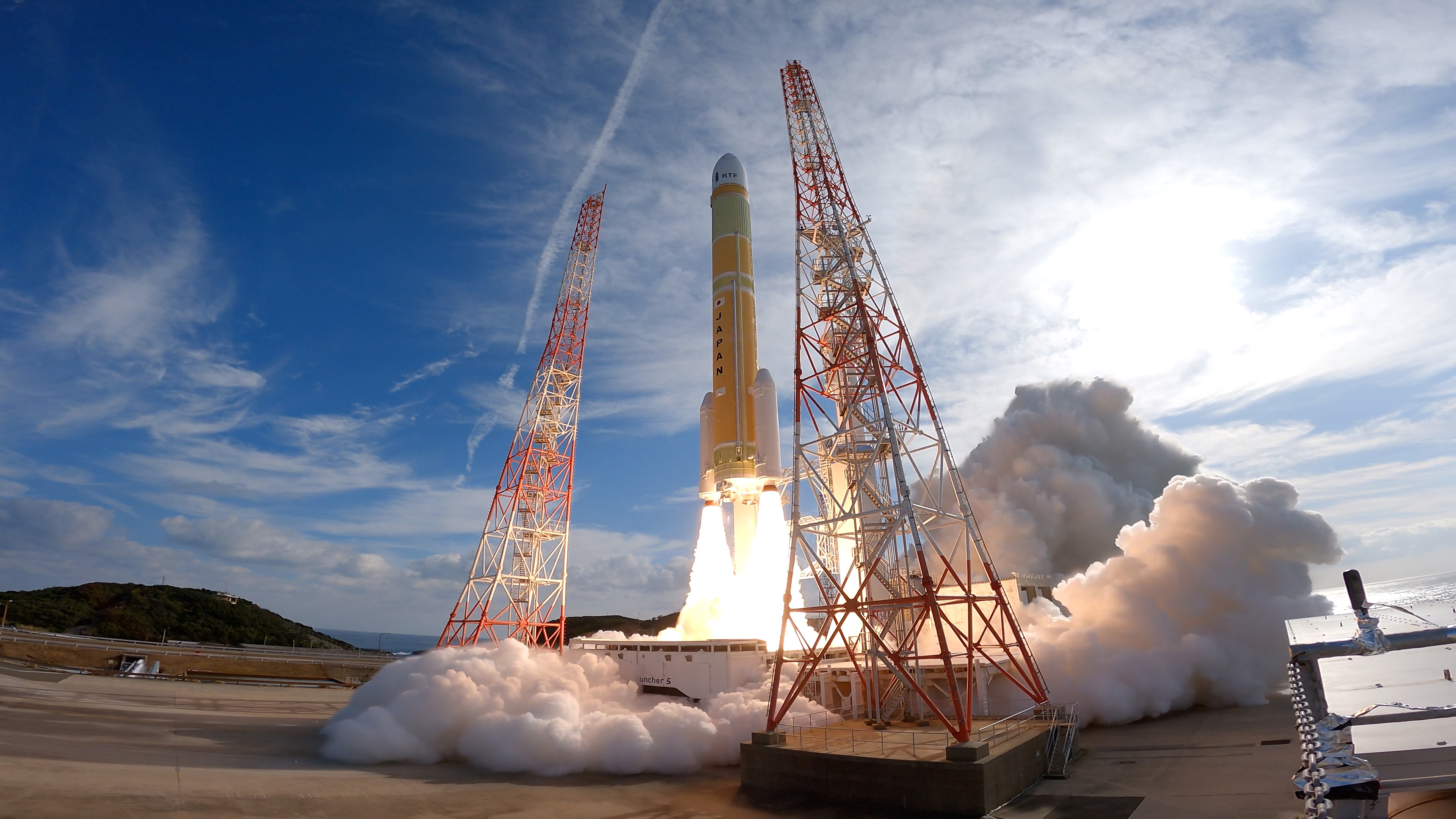
Launch Provider: Mitsubishi Heavy Industries – Commercial
Launch Date: December 22, 2025
Launch Time: 1:51 AM UTC
Vehicle: H3-22
Brief: QZSS (Quasi Zenith Satellite System) is a Japanese satellite navigation system operating from inclined, elliptical geosynchronous orbits to achieve optimal high-elevation visibility in urban canyons and mountainous areas. The navigation system objective is to broadcast GPS-interoperable and augmentation signals as well as original Japanese (QZSS) signals from a three-spacecraft constellation.
The navigation system objective is to broadcast GPS-interoperable and augmentation signals as well as original Japanese (QZSS) signals from a three-spacecraft constellation in inclined, elliptical geosynchronous orbits.
BlueBird Block 2 #1
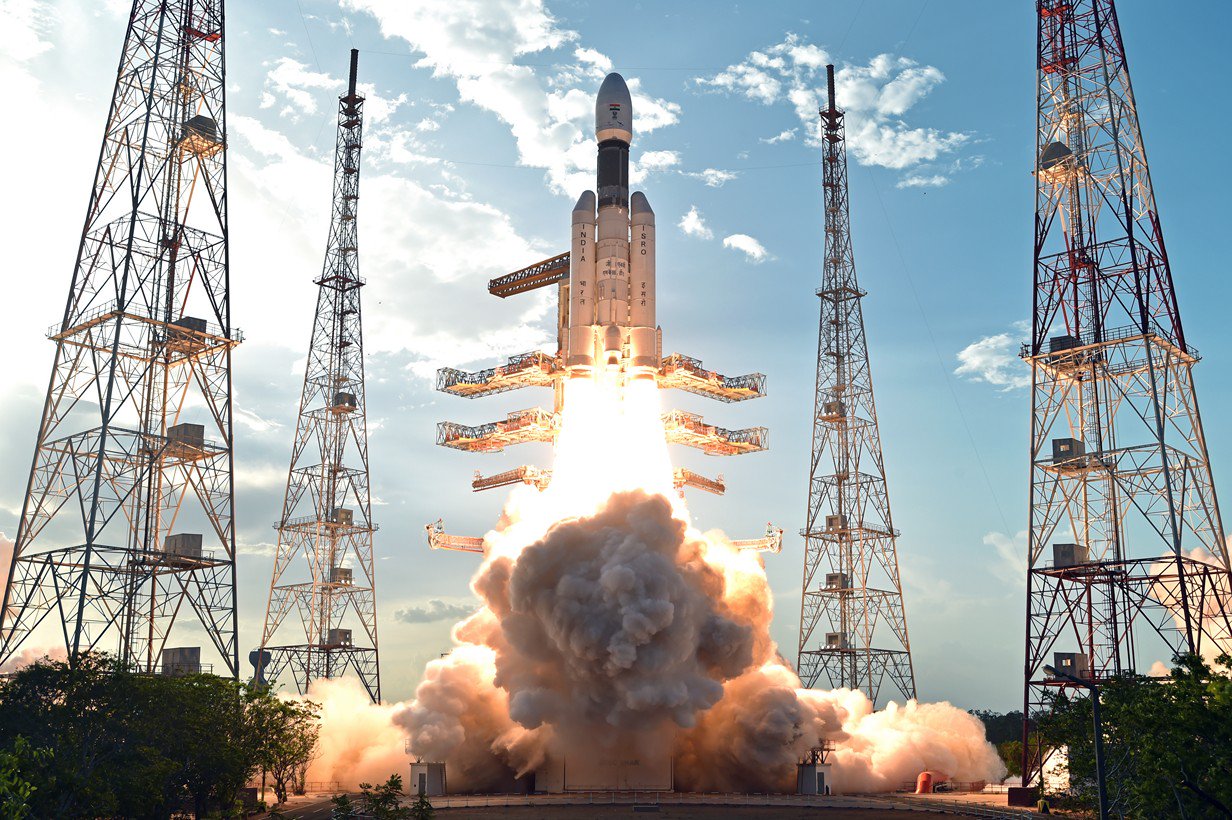
Launch Provider: Indian Space Research Organization – Government
Launch Date: December 24, 2025
Launch Time: 3:24 AM UTC
Vehicle: LVM-3 (GSLV Mk III)
Brief: AST SpaceMobile’s Block 2 BlueBird satellites are designed to deliver up to 10 times the bandwidth capacity of the BlueBird Block 1 satellites, required to achieve 24/7 continuous cellular broadband service coverage in the United States, with beams designed to support a capacity of up to 40 MHz, enabling peak data transmission speeds up to 120 Mbps, supporting voice, full data and video applications. The Block 2 BlueBirds, featuring as large as 2400 square foot communications arrays, will be the largest satellites ever commercially deployed in Low Earth orbit once launched.
This launch will feature a single satellite.
Obzor-R No.1
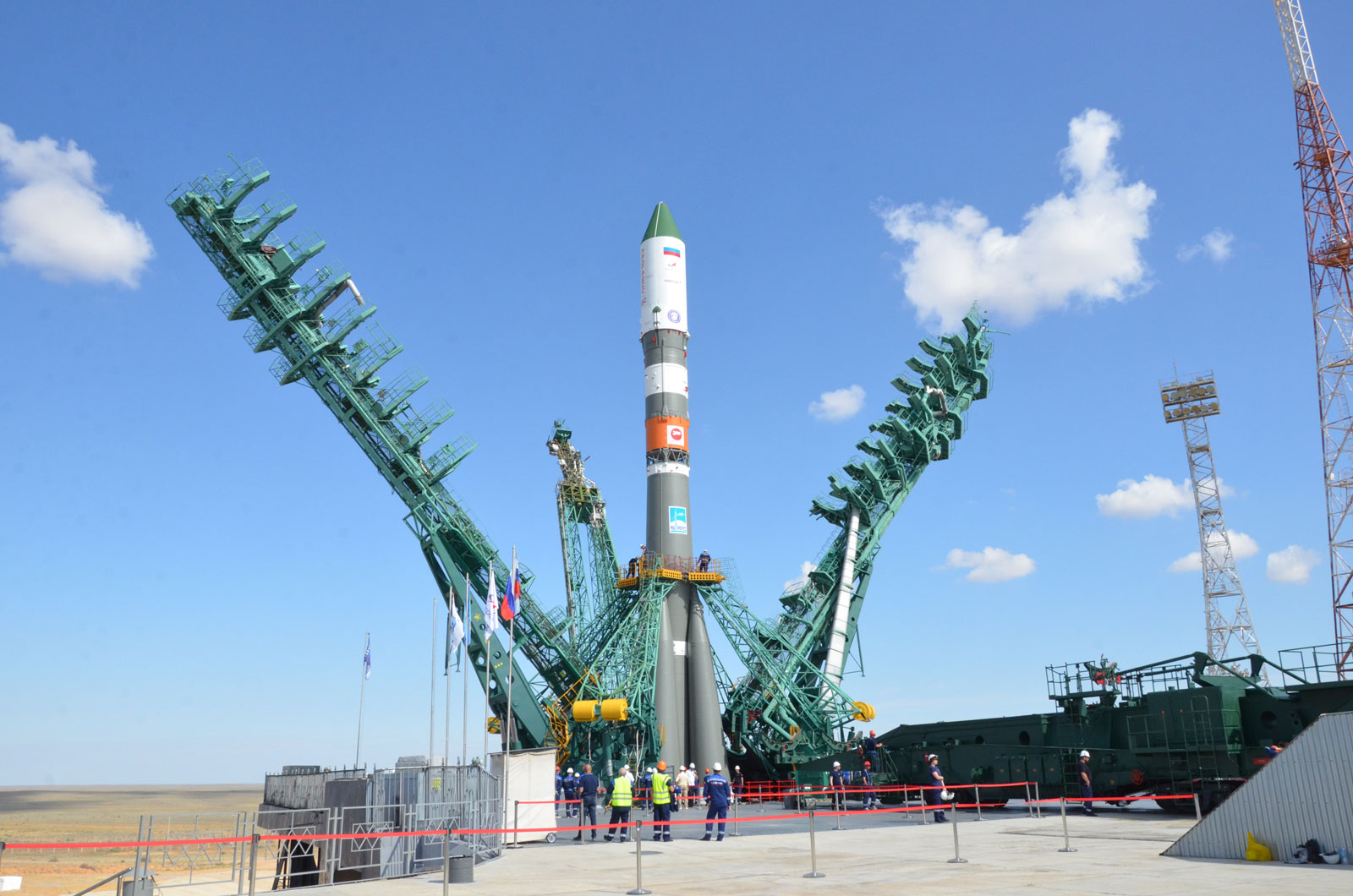
Launch Provider: Russian Federal Space Agency (ROSCOSMOS) – Government
Launch Date: December 24, 2025
Launch Time: 2:00 PM UTC
Vehicle: Soyuz 2.1a
Brief: The Russian Obzor-R satellite is a planned X-band radar earth observation satellite designed by TsSKB-Progress.
In 2012, the development of the Arkon-2M radar satellite was stopped and instead the development of the Obzor-R was initiated.
The satellite features the BRLK X-band Synthetic Aperture Radar as the imaging instrument with a ground resolution of 500 m.
