
The Daily Broadcast: From Black Hole Laws to Lunar Minerals and Interstellar Visitors

From Black Hole Laws to Lunar Minerals and Interstellar Visitors
New Observations Uphold Hawking’s Black Hole Area Law
In a compelling validation of theoretical physics, researchers from China’s Purple Mountain Observatory have used gravitational-wave data from the event GW230814 to test one of Stephen Hawking’s foundational predictions about black holes. First proposed in 1971, the black hole area theorem states that the total surface area of a black hole’s event horizon cannot decrease over time—even during mergers. This principle mirrors the second law of thermodynamics, where entropy (disorder) always increases.
GW230814, detected with a high signal-to-noise ratio, offered an ideal natural laboratory for this test. The event involved the merger of two compact objects—one likely a black hole and the other possibly a neutron star or a low-mass black hole. By analyzing the gravitational-wave signal before and after the merger, scientists measured the areas of the initial and final event horizons. Their results show that the post-merger horizon area is indeed larger than the sum of the pre-merger areas, consistent with Hawking’s law.
While not the first observational test of the area theorem—LIGO’s 2021 analysis of GW150914 provided early support—this new study refines the methodology and strengthens confidence in one of general relativity’s more subtle predictions. It also underscores how gravitational-wave astronomy continues to transform abstract theory into measurable reality. As we peer deeper into the cosmos with increasingly sensitive detectors, it’s reassuring (and slightly satisfying) that even Hawking’s 50-year-old ideas still hold up under scrutiny.
Chang’e-6 Reveals Surprising Iron Oxides in Moon’s South Pole-Aitken Basin
China’s Chang’e-6 mission has delivered more than just lunar samples—it’s offering fresh insights into the Moon’s geologic history. Scientists from the Institute of Geochemistry at the Chinese Academy of Sciences and Shandong University have identified crystalline hematite (Fe₂O₃) and maghemite (γ-Fe₂O₃) in soil retrieved from the South Pole-Aitken (SPA) Basin, the largest and oldest known impact crater on the Moon.
What makes this discovery notable is the origin of these iron oxides: they appear to have formed not through volcanic activity or water-driven processes—as on Earth—but directly from the immense heat and pressure of a cosmic impact. Published in Science Advances, the findings provide the first direct evidence that such ferric minerals can be synthesized in airless, water-poor environments solely through impact metamorphism. This challenges previous assumptions that lunar iron oxides require external sources of oxygen or water, even in trace amounts.
The SPA Basin, thought to have formed over 4 billion years ago, offers a window into the early Solar System’s bombardment era. By studying these samples, researchers can better understand how planetary surfaces evolve under repeated high-energy collisions. For lunar scientists—and future explorers eyeing the Moon’s south pole for resources—this work adds a new layer to our understanding of lunar mineralogy. Iron oxides might not power your rover, but they tell a powerful story about how celestial violence can forge complexity from simplicity.
ESA Sharpens Trajectory of Interstellar Comet 3I/ATLAS Using Mars Orbiter
When comet 3I/ATLAS—only the third confirmed interstellar object after ‘Oumuamua and 2I/Borisov—was discovered on July 1, 2025, astronomers scrambled to plot its path through the Solar System. Now, the European Space Agency (ESA) has dramatically improved the accuracy of those predictions, thanks to an unexpected source: the ExoMars Trace Gas Orbiter (TGO), which has been circling Mars since 2016.
By leveraging TGO’s position near Mars, ESA scientists obtained a second observational vantage point far from Earth, allowing for more precise parallax measurements. This technique reduced the uncertainty in 3I/ATLAS’s predicted location by a factor of ten. Such precision is crucial for planning potential observation campaigns with telescopes like the Very Large Telescope or even future spacecraft intercepts.
Interstellar visitors are rare and fleeting, often giving astronomers just weeks to study them before they vanish back into interstellar space. The fact that ESA repurposed an existing Mars mission—designed to sniff trace gases in the Martian atmosphere—for deep-space astrometry is a testament to ingenuity in space science. For Canadian observers (and anyone else with a decent backyard telescope), sharper trajectory data means better chances to glimpse this cosmic wanderer if it brightens as it approaches the inner Solar System. While 3I/ATLAS won’t be making headlines in Tim Hortons anytime soon, its improved track is a reminder that our planetary neighbors can lend a hand—even from 200 million kilometers away.
Citations
- “New research with GW230814 upholds Hawking black hole area law” – https://www.spacedaily.com/reports/New_research_with_GW230814_upholds_Hawking_black_hole_area_law_999.html
- “Chang’e-6 lunar mission finds impact-created hematite and maghemite in SPA Basin samples” – https://www.moondaily.com/reports/Change_6_lunar_mission_finds_impact_created_hematite_and_maghemite_in_SPA_Basin_samples_999.html
- “ESA pinpoints 3I/ATLAS’s path with data from Mars” – https://www.spacedaily.com/reports/ESA_pinpoints_3I_ATLASs_path_with_data_from_Mars_999.html
Upcoming Launches
VAN
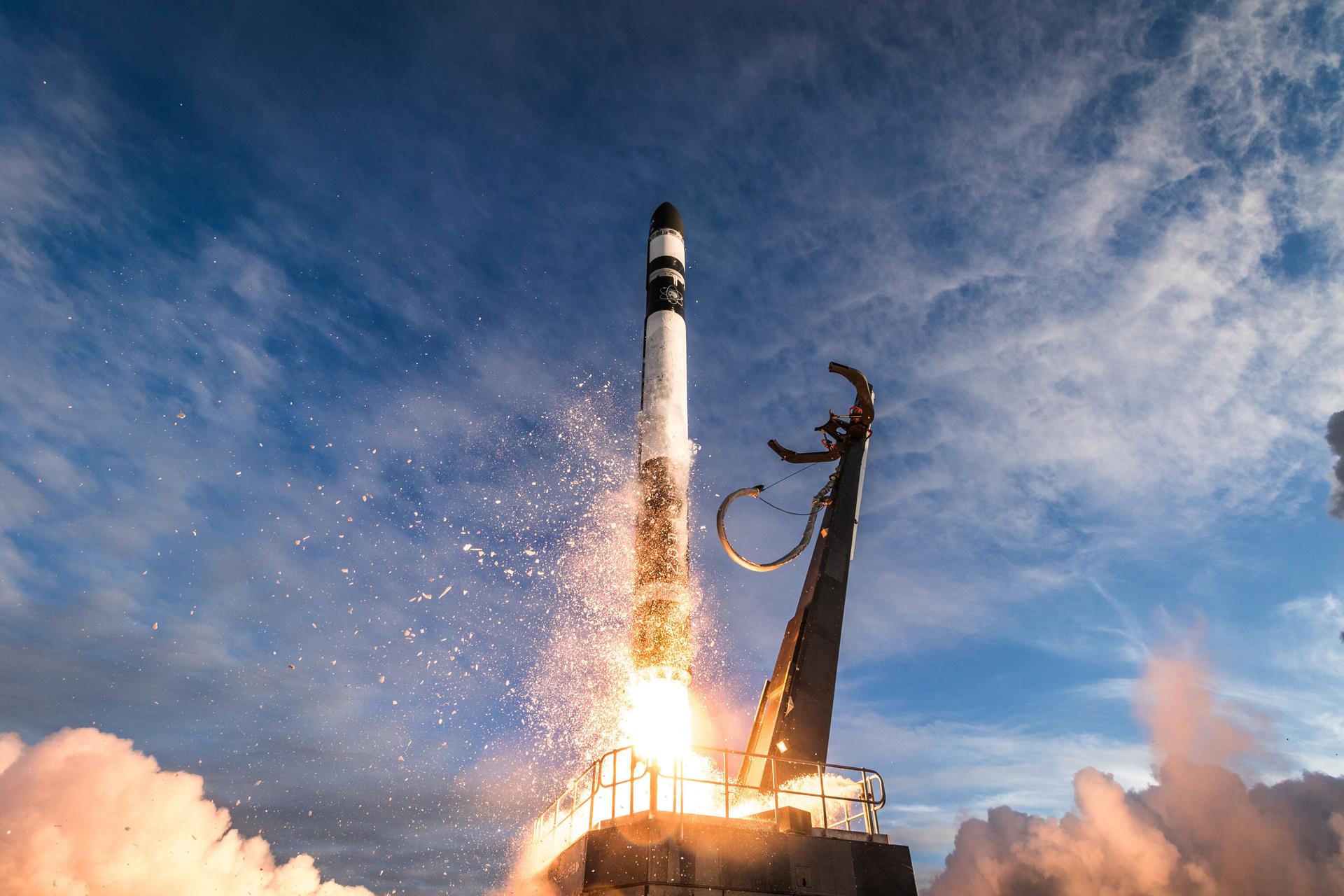
Launch Provider: Rocket Lab – Commercial
Launch Date: November 16, 2025
Launch Time: 12:45 PM UTC
Vehicle: Electron
Brief: Sub-orbital launch under Rocket Lab’s Hypersonic Accelerator Suborbital Test Electron (HASTE) program, details TBD.
Sentinel-6B
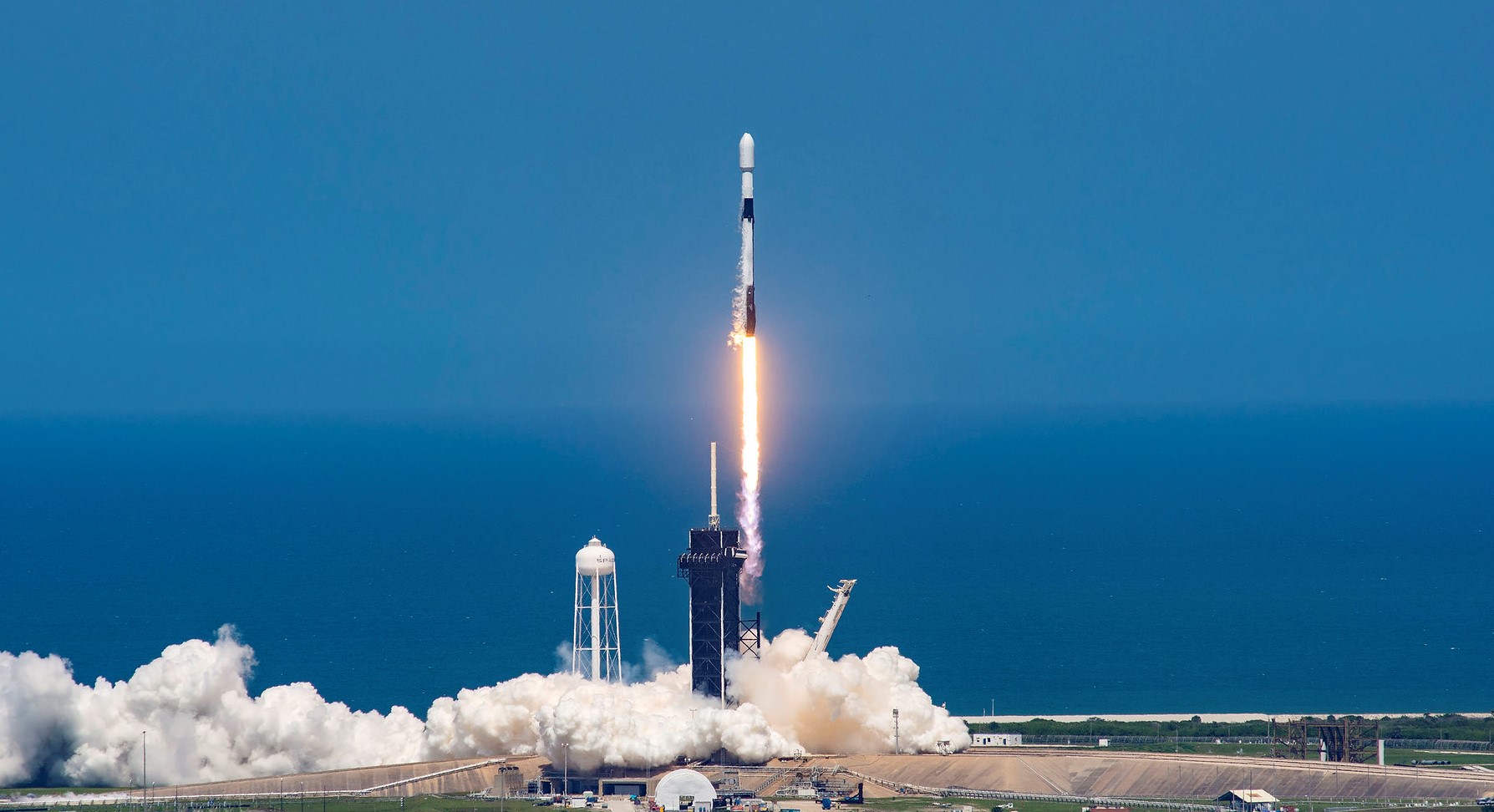
Launch Provider: SpaceX – Commercial
Launch Date: November 17, 2025
Launch Time: 5:21 AM UTC
Vehicle: Falcon 9
Brief: The Sentinel-6 Michael Freilich (launched November 2020) and Sentinel-6B make up the Sentinel-6 mission, also known as Jason Continuity of Service (Jason-CS), which is a partnership between NASA, NOAA, ESA, and EUMETSAT. This mission continues the long-term global sea surface height data record begun by first Jason satellites in 1992.
Starlink Group 6-94
Launch Provider: SpaceX – Commercial
Launch Date: November 18, 2025
Launch Time: 11:29 PM UTC
Vehicle: Falcon 9
Brief: A batch of 29 satellites for the Starlink mega-constellation – SpaceX’s project for space-based Internet communication system.
Unknown Payload
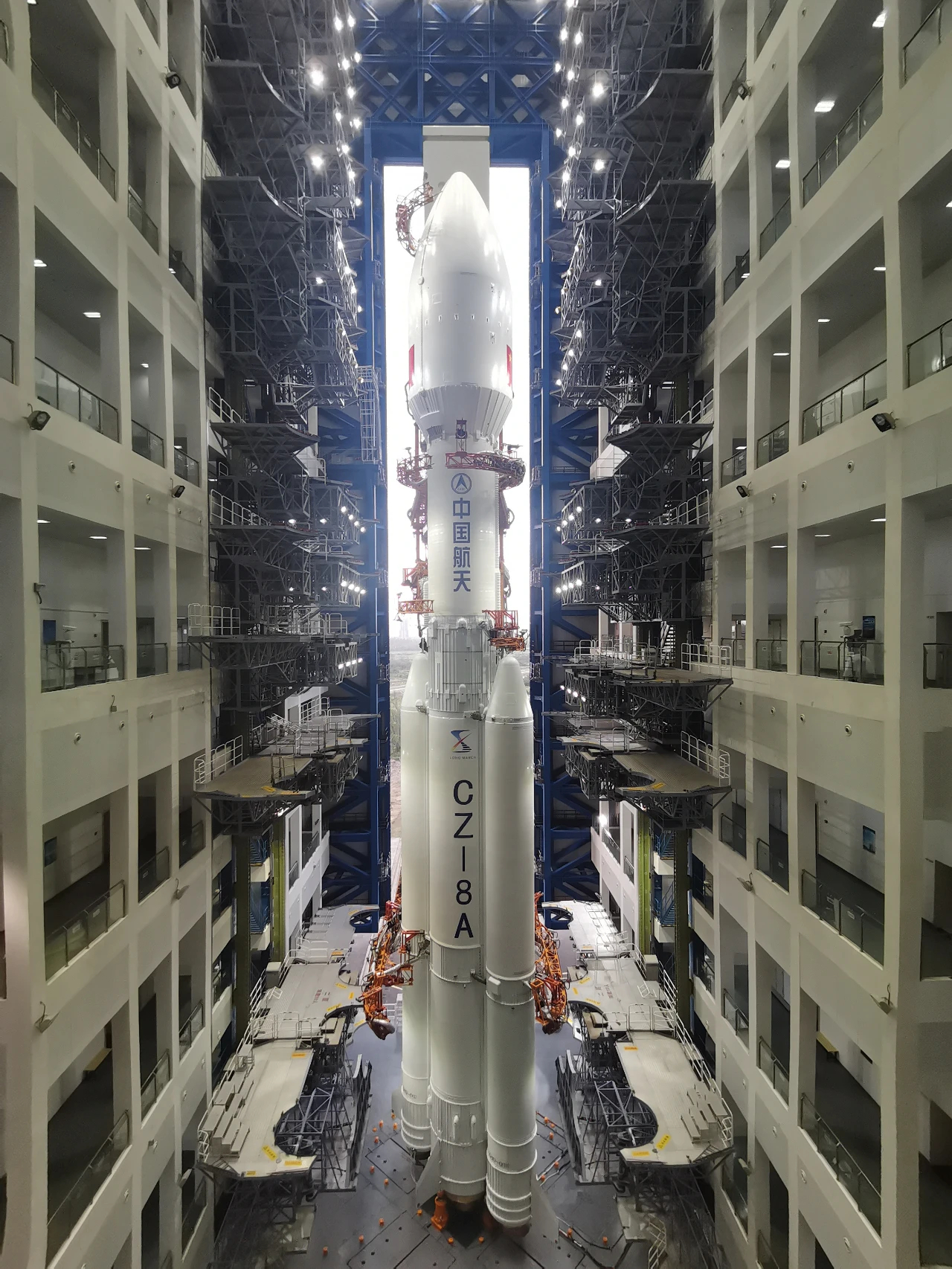
Launch Provider: China Aerospace Science and Technology Corporation – Government
Launch Date: November 19, 2025
Launch Time: 1:00 PM UTC
Vehicle: Long March 8A
Brief: Details TBD.
Transporter 15 (Dedicated SSO Rideshare)
Launch Provider: SpaceX – Commercial
Launch Date: November 19, 2025
Launch Time: 6:18 PM UTC
Vehicle: Falcon 9
Brief: Dedicated rideshare flight to a sun-synchronous orbit with dozens of small microsatellites and nanosatellites for commercial and government customers.
