
The Daily Broadcast: From Backup Roles to Cosmic Giants: Preparing for the Next Leap in Space

Canada’s Artemis II Backup Astronaut Trains for the Moon—and Beyond
While Jeremy Hansen captures headlines as Canada’s first lunar-bound astronaut, his backup, Jenni Gibbons, is equally immersed in the intense preparation for Artemis II. In a recent interview with SpaceQ, Gibbons detailed the rigorous daily regimen shared by all six crew members—four prime and two backups—as they ready themselves for what remains a developmental mission. “We’re all prepared to fly,” she emphasized. Training includes mastering every Orion spacecraft system, troubleshooting emergencies, and rehearsing nominal mission tasks like lunar flyby observations and proximity operations with the Interim Cryogenic Propulsion Stage (ICPS). A mechanical engineer and combustion scientist selected by the Canadian Space Agency in 2017, Gibbons spends her days in classrooms, simulators, and procedure reviews, often collaborating with NASA counterparts in Houston. Unlike routine International Space Station operations, Artemis II demands that crews help write the playbook in real time—developing flight rules, suit-donning protocols, and communication strategies from scratch. “We’re taking a really good first stab at it,” she said, acknowledging that true validation will only come once the spacecraft is in flight. With a potential launch as early as February 2026, Gibbons’ role underscores Canada’s deep commitment to lunar exploration—and its readiness to step in if needed.
ESA Astronaut Pablo Álvarez Fernández Dives into Spacesuit Survival Training
Preparing for a spacewalk is no walk in the park—especially when your spacesuit weighs 145 kilograms and you’re training underwater. ESA astronaut Pablo Álvarez Fernández recently pulled back the curtain on his grueling yet fascinating path toward a potential mission assignment. In a new ESA Explores video, Fernández describes his journey from the European Astronaut Centre in Cologne to NASA’s Johnson Space Center in Houston, where much of his hands-on training occurs. Neutral buoyancy labs simulate microgravity, allowing astronauts to rehearse extravehicular activities while encased in bulky suits that replicate the real thing. Beyond spacewalks, Fernández practices responding to onboard emergencies like fires or toxic ammonia leaks—scenarios where calm under pressure is non-negotiable. He also highlights the importance of teamwork, noting that mission success hinges on seamless coordination between international crews and ground control. Though he hasn’t yet been assigned to a specific flight, Fernández remains focused on mastering every contingency. His reflections offer a grounded (if slightly soggy) reminder that behind every orbital hero is years of meticulous, often repetitive preparation—much of it done in a pool wearing what amounts to a wearable submarine.

Hubble Captures a Dwarf Galaxy Lit by Stellar Giants
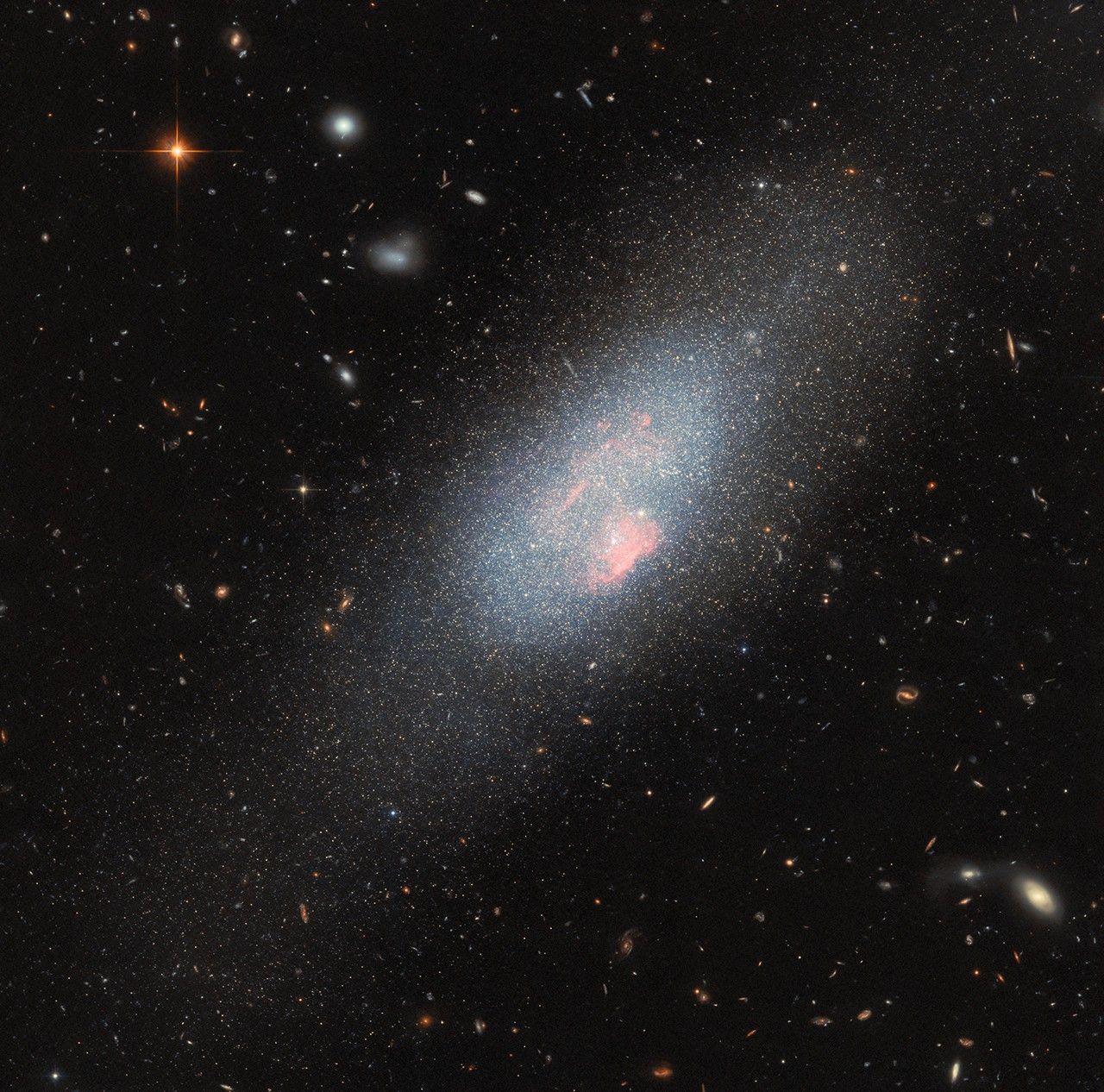
Amid the vast cosmic expanse, even small galaxies can shine brilliantly—if they’re studded with massive, luminous stars. The NASA/ESA Hubble Space Telescope recently turned its eye toward Markarian 178 (Mrk 178), a blue-hued dwarf galaxy located 13 million light-years away in Ursa Major. Dwarf galaxies like Mrk 178 are typically less than a tenth the size of the Milky Way, but this one punches above its weight class thanks to an abundance of hot, young, massive stars. These stellar powerhouses emit intense ultraviolet radiation, ionizing surrounding gas and giving the galaxy its characteristic blue glow. Mrk 178 is part of a catalog of over 1,500 Markarian galaxies—objects identified in the mid-20th century for their strong ultraviolet emissions, often signaling active star formation. Hubble’s sharp vision reveals intricate structures within the galaxy, from glowing nebulae to dark dust lanes, offering astronomers clues about how small galaxies evolve and contribute to the broader galactic ecosystem. While it may lack the grand spiral arms of its larger cousins, Mrk 178 reminds us that in astronomy, size isn’t everything—sometimes, the brightest sparks come from the smallest packages.
Citations
- “Jenni Gibbons is prepared to fly” – https://spaceq.ca/jenni-gibbons-is-prepared-to-fly/
- “Pablo Álvarez Fernández | Spacesuits, Survival & Spacewalk Dreams | ESA Explores #18” – https://www.esa.int/ESA_Multimedia/Videos/2025/12/Pablo_Alvarez_Fernandez_Spacesuits_Survival_Spacewalk_Dreams_ESA_Explores_18
- “Massive Stars Make Their Mark in Hubble Image” – https://science.nasa.gov/missions/hubble/massive-stars-make-their-mark-in-hubble-image/
Upcoming Launches
Unknown Payload
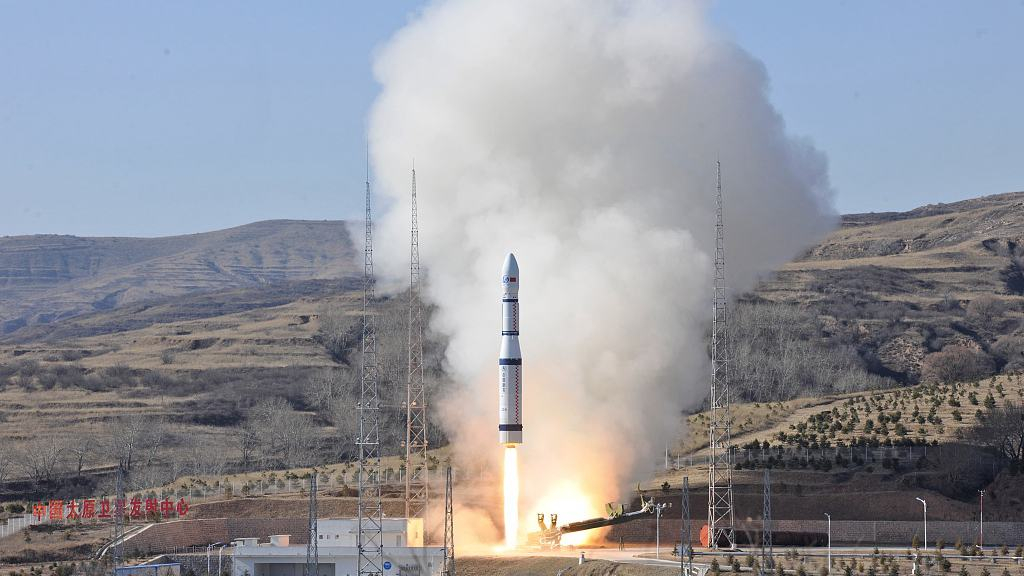
Launch Provider: China Aerospace Science and Technology Corporation – Government
Launch Date: December 13, 2025
Launch Time: 1:05 AM UTC
Vehicle: Long March 6
Brief: Details TBD.
Raise and Shine (RAISE-4)
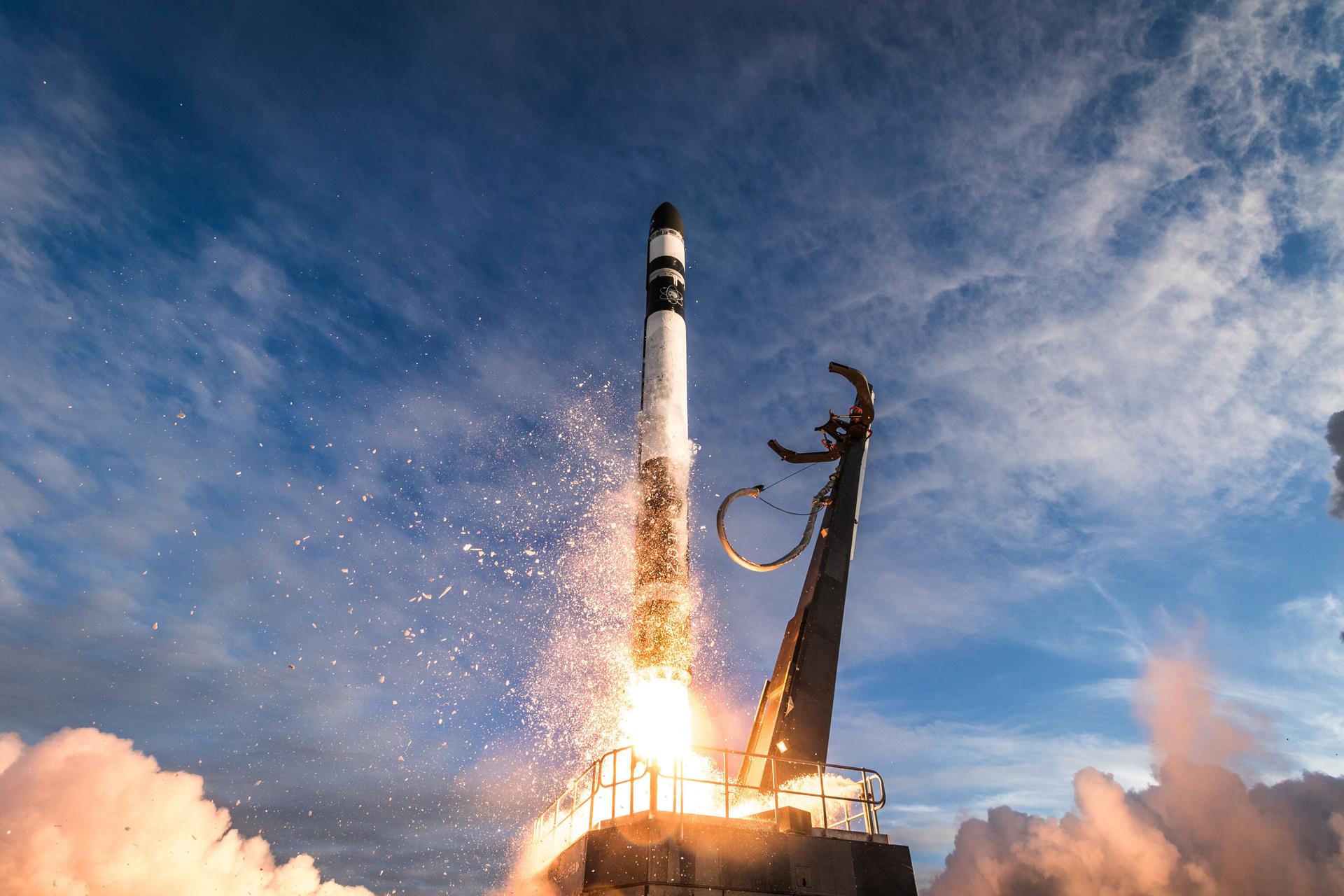
Launch Provider: Rocket Lab – Commercial
Launch Date: December 14, 2025
Launch Time: 3:00 AM UTC
Vehicle: Electron
Brief: RAISE-4 (RApid Innovative payload demonstration Satellite-4) is a Japan Aerospace Exploration Agency (JAXA) satellite for on-orbit demonstrations of 15 demonstration components and equipment selected by public solicitation. The satellite will be operated in response to requests from the demonstration theme proposers, and will provide experimental data of the demonstration devices and environmental data during the experiments.
6 of the demonstration payload, as well as as well as 4 cubesats originally planned to ride on the same launch vehicle, are re-flight of those planned for RAISE-3, which failed to reach orbit in October 2022.
The launch vehicle was switched from Epsilon-S to Rocket Lab’s Electron due to continuous testing problems with the Epsilon-S’ 2nd stage motor. The original 8 hitch-hiking cubesats will be launched on another Electron rocket later.
Starlink Group 15-12
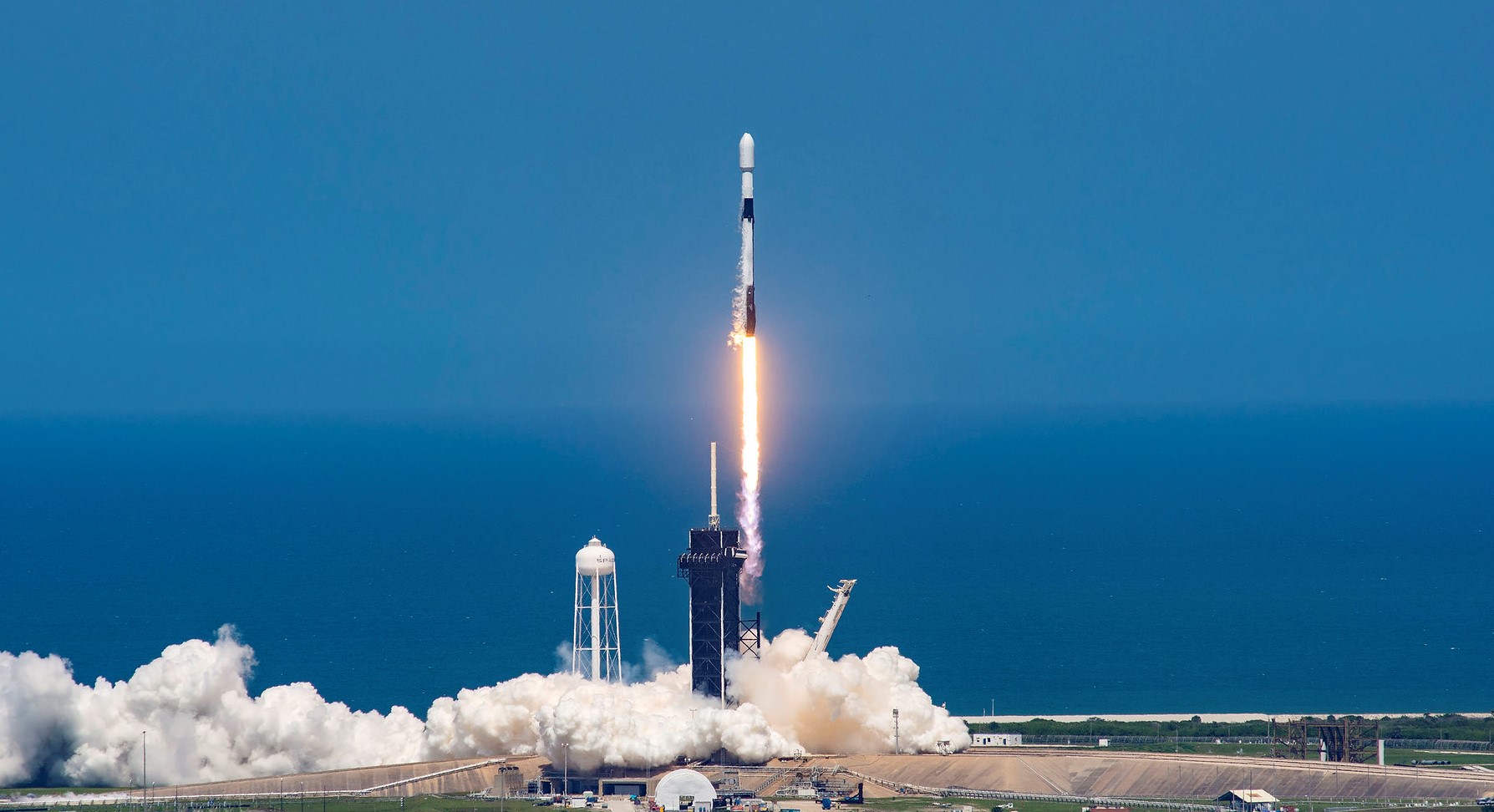
Launch Provider: SpaceX – Commercial
Launch Date: December 14, 2025
Launch Time: 5:20 AM UTC
Vehicle: Falcon 9
Brief: A batch of 27 satellites for the Starlink mega-constellation – SpaceX’s project for space-based Internet communication system.
Starlink Group 6-82
Launch Provider: SpaceX – Commercial
Launch Date: December 15, 2025
Launch Time: 2:43 AM UTC
Vehicle: Falcon 9
Brief: A batch of 29 satellites for the Starlink mega-constellation – SpaceX’s project for space-based Internet communication system.
Demo Flight

Launch Provider: Galactic Energy – Commercial
Launch Date: December 15, 2025
Launch Time: 4:05 AM UTC
Vehicle: Ceres-2
Brief: First test launch of Galactic Energy’s Ceres-2 rocket.
