
The Daily Broadcast: From Arctic Skies to Lunar Launchpads: A Week in Global Aerospace
Canada Joins Forces with ESA on Next-Gen Weather Forecasting
Canada’s contribution to space-based Earth observation just got a significant boost—thanks to a deeper partnership with the European Space Agency. ESA has released the first images from its Meteosat Third Generation-Sounder (MTG-S), a geostationary satellite carrying Europe’s first hyperspectral infrared sounder. Launched on July 1, 2025, MTG-S delivers unprecedented data on atmospheric temperature, humidity, wind, and trace gases, with applications ranging from storm forecasting to climate monitoring.
As an associate member of ESA, Canada recently committed €407.7 million (~CAD $664.6 million) to the agency’s record €22.3 billion budget—a fourfold increase over previous contributions. This investment will grant Canadian scientists and agencies, including the Canadian Space Agency (CSA), greater access to MTG data. While Canada operates its own synthetic aperture radar constellation through the RADARSAT programme, MTG’s infrared and ultraviolet capabilities offer complementary insights, especially for tracking fast-evolving weather systems that affect northern communities. One striking early image captured the ash plume from Ethiopia’s Hayli Gubbi volcano in November 2025, demonstrating the satellite’s real-time monitoring potential—an asset for aviation safety across Canadian airspace.

Artemis II Nears Launch Pad, Moon Mission Countdown Begins
NASA’s Artemis II mission is now visibly rolling toward reality. On January 17, 2026, the agency transported the fully stacked Space Launch System (SLS) rocket and Orion spacecraft to Launch Complex 39B at Kennedy Space Center—a move that signals the final phase of preparations for the first crewed lunar flyby since Apollo 17 in 1972. While an exact launch date hasn’t been confirmed, the rollout suggests liftoff could occur within weeks or even days.
Artemis II will carry four astronauts on a 10-day journey around the Moon, testing life support, navigation, and communication systems critical for future lunar landings. Though no Canadian astronaut is on this flight, the mission remains deeply relevant to Canada: the Canadarm3 robotic system, currently in development by MDA, is slated for the Lunar Gateway—a key component of the broader Artemis programme. Canada’s participation ensures its continued role in deep space exploration, building on decades of robotic legacy from the Shuttle era to the ISS. As NASA and its international partners fine-tune this historic mission, eyes across Canada will be watching—not just for national pride, but for the promise of future Canadian presence beyond low Earth orbit.

Starlink Takes Root in the Great White North
Canada has officially cemented its place among the world’s most connected nations—but not through traditional fibre. According to Ookla’s 2025 Global Satellite Broadband Performance Report, Canada ranks as the fifth-largest Starlink market globally, trailing only the U.S., Mexico, Indonesia, and Brazil. By mid-2025, over half a million Canadians had subscribed to SpaceX’s satellite internet service, a testament to its growing reliance in rural, remote, and northern communities where terrestrial broadband remains spotty or nonexistent.
While competitors like Eutelsat OneWeb and Viasat hold less than 3% of the Canadian satellite internet market, change may be on the horizon. Telesat’s Lightspeed constellation—though not targeting consumers directly—aims to serve enterprise and government users, while Amazon’s Project Kuiper prepares for deployment. Notably, Ookla’s data shows Starlink’s performance in Canada has rebounded after a dip between 2021 and 2023, with median download speeds now sharply improving. For many Canadians from Newfoundland to the Yukon, a dish pointed at the sky is no longer a novelty—it’s the lifeline to telehealth, remote education, and digital commerce. And with SpaceX reportedly seeking FCC approval for a massive orbital data centre constellation, the space-based internet race is only accelerating.

Citations
- “ESA reveals first images from the groundbreaking Meteosat Third Generation Sounder” – https://spaceq.ca/esa-reveals-first-images-from-the-groundbreaking-meteosat-third-generation-sounder/
- “Over the moon and under the radar” – https://spacenews.com/over-the-moon-and-under-the-radar/
- “Canada ranks as the 5th Largest Starlink market” – https://spaceq.ca/canada-ranks-as-the-5th-largest-starlink-market/
Upcoming Launches
Chinese Reusable Space Vehicle (???)
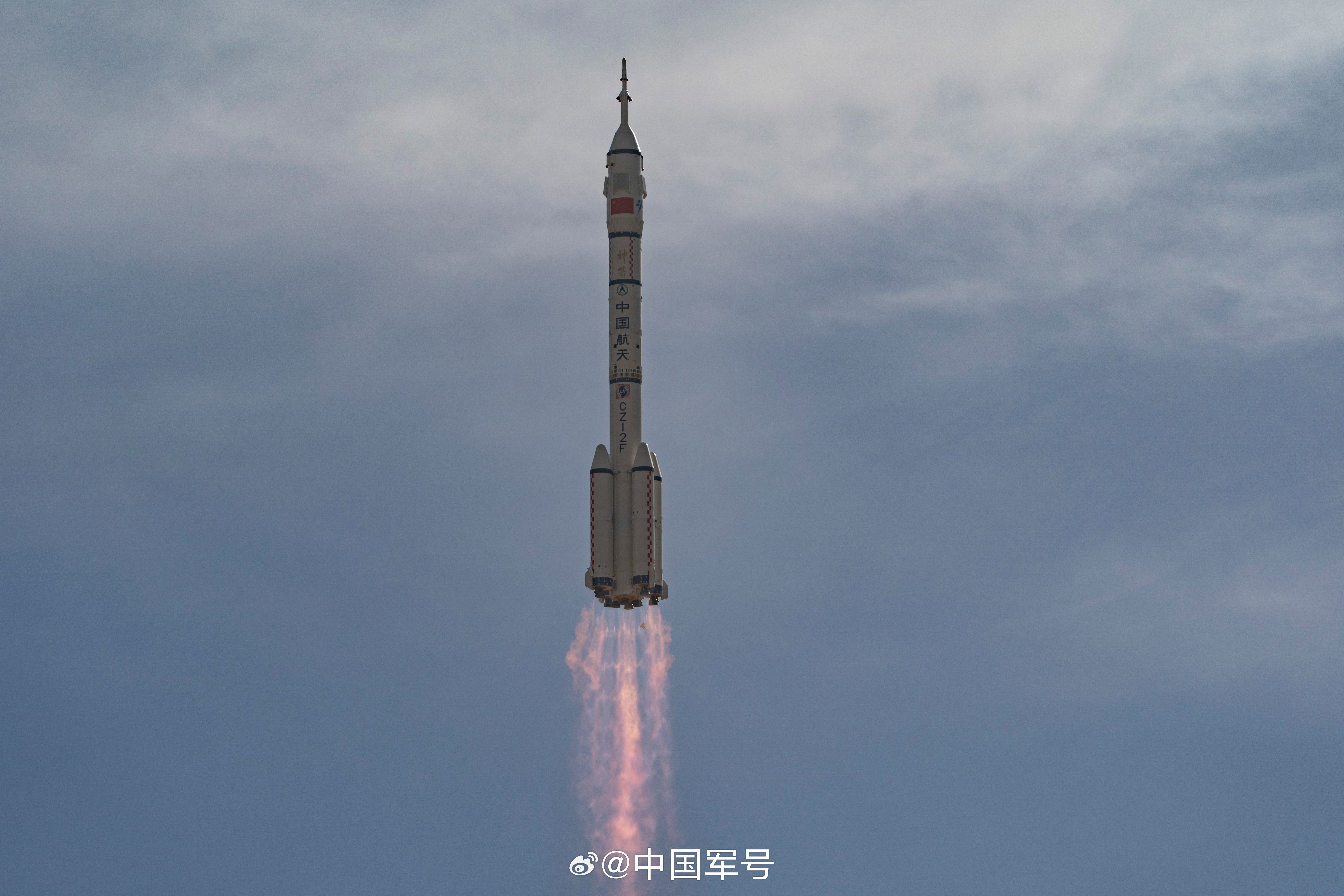
Launch Provider: China Aerospace Science and Technology Corporation – Government
Launch Date: February 7, 2026
Launch Time: 3:55 AM UTC
Vehicle: Long March 2F/G
Brief: Probable 4th flight of the Chinese spaceplane capable of returning to Earth.
Starlink Group 17-33
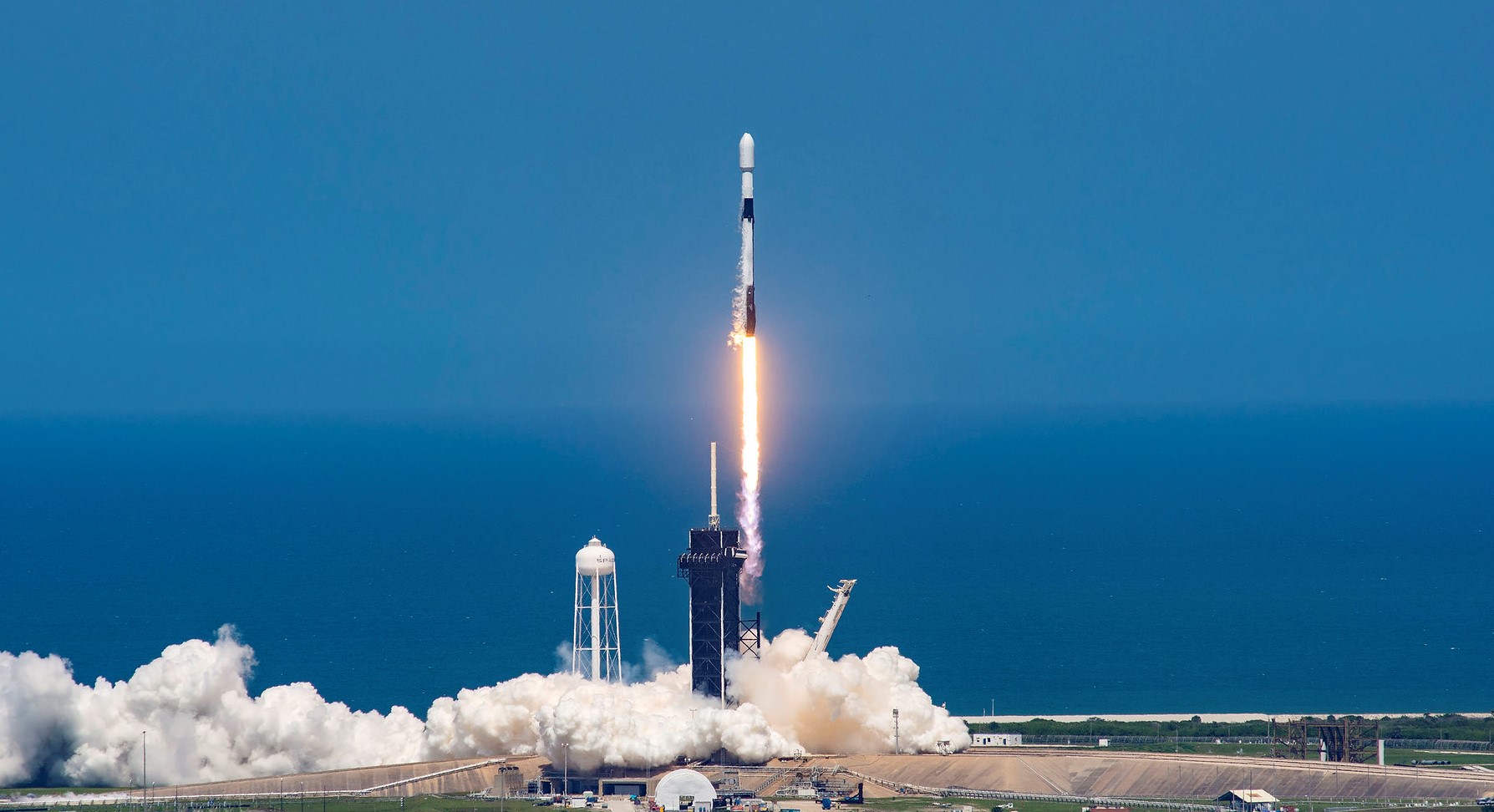
Launch Provider: SpaceX – Commercial
Launch Date: February 7, 2026
Launch Time: 5:05 PM UTC
Vehicle: Falcon 9
Brief: A batch of 25 satellites for the Starlink mega-constellation – SpaceX’s project for space-based Internet communication system.
Unknown Payload
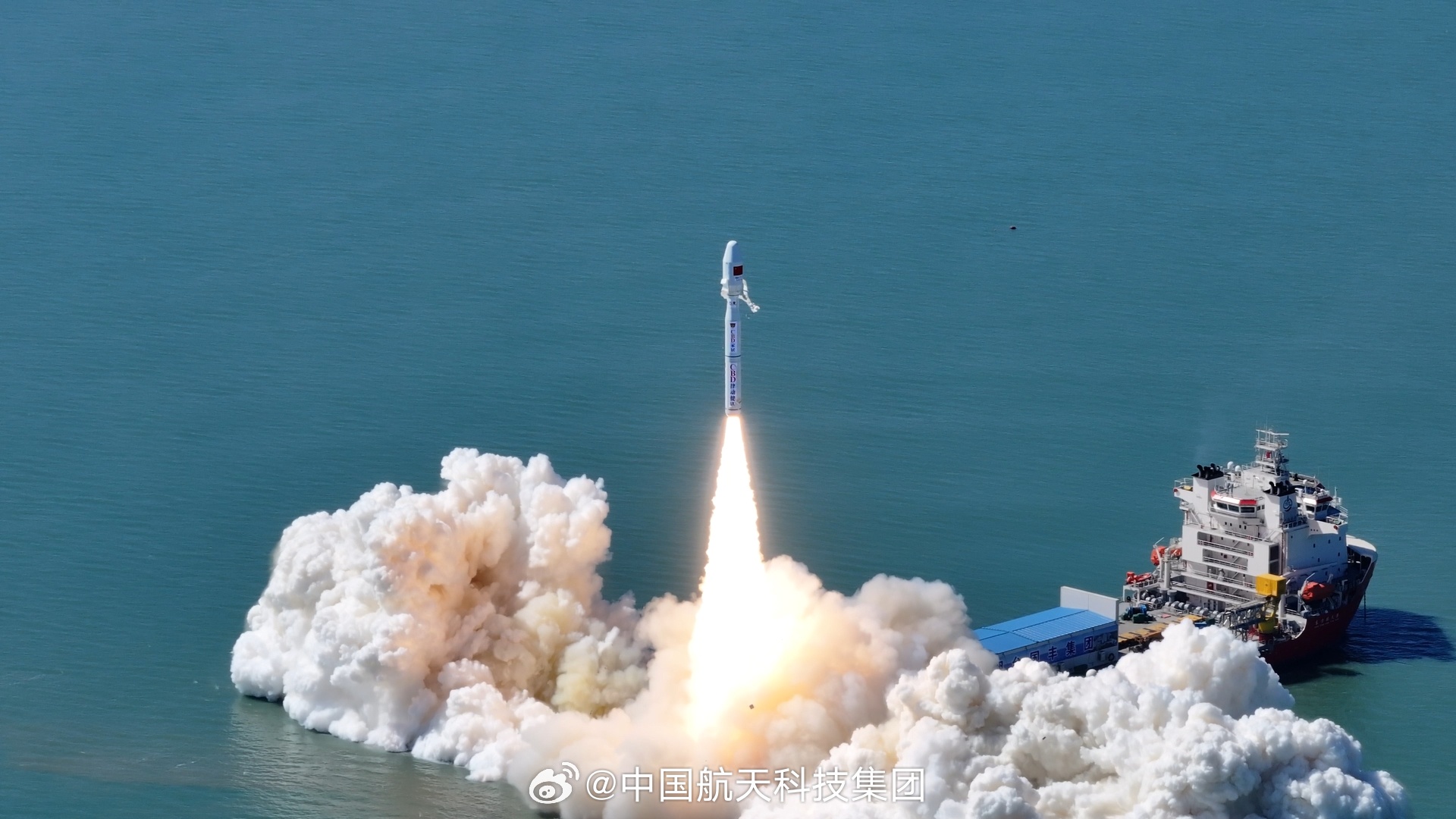
Launch Provider: China Rocket Co. Ltd. – Commercial
Launch Date: February 11, 2026
Launch Time: 6:30 AM UTC
Vehicle: Smart Dragon 3
Brief: Possibly an Earth observation satellite for the Pakistan government’s SUPARCO, details TBD.
Crew-12
Launch Provider: SpaceX – Commercial
Launch Date: February 11, 2026
Launch Time: 11:01 AM UTC
Vehicle: Falcon 9
Brief: SpaceX Crew-12 is the twelfth crewed operational flight of a Crew Dragon spacecraft to the International Space Station as part of NASA’s Commercial Crew Program.
Starlink Group 17-34
Launch Provider: SpaceX – Commercial
Launch Date: February 11, 2026
Launch Time: 2:07 PM UTC
Vehicle: Falcon 9
Brief: A batch of 25 satellites for the Starlink mega-constellation – SpaceX’s project for space-based Internet communication system.
