
The Daily Broadcast: Exploring the Edges: From Canada’s Launch Ambitions to the Solar System’s Frontier

Canada Rocket Company Joins Launch Race with $6.2M Funding
Toronto-based Canada Rocket Company (CRC) has emerged from stealth mode with $6.2 million in seed funding to develop Canadian launch capabilities. The funding round, co-led by BDC Capital and Garage Capital with participation from Ripple Ventures and Panache Ventures, positions CRC to compete in Canada’s Launch the North challenge. The company is developing methane-liquid oxygen engines (dubbed E-1) and two launch vehicles: the R-1 light-lift rocket targeting 700kg to LEO, and the larger reusable R-2 medium-lift vehicle capable of 6,500kg payloads.
Founded by Hugh Kolias and former SpaceX propulsion engineer David Tenny, CRC aims to repatriate Canadian aerospace talent. “Canada’s most valuable aerospace export hasn’t been hardware—it’s been people,” noted Kolias. Engine testing for their 700kN thrust E-1 engine is scheduled to begin within months, with full-power tests expected by late 2027. The company has partnered with five Canadian aerospace firms including Indigenous-owned Eagle Flight Network and satellite operator Kepler Communications.
China Advances Dual Missions to Solar System Boundary

China has published coordinated scientific papers detailing plans for twin spacecraft to explore the heliosphere boundary, indicating the ambitious mission is nearing formal approval. The dual-spacecraft initiative aims to study the transition zone where the sun‘s influence diminishes and interstellar space begins, a region only previously explored by NASA’s Voyager probes. The mission would position China as the second nation to conduct dedicated exploration of this distant region.
The spacecraft would travel in different directions to create a three-dimensional map of the heliosphere, investigating how the solar wind interacts with interstellar medium. This region, located approximately 100 astronomical units from the sun, contains critical data about cosmic ray filtration and plasma interactions. The mission timeline hasn’t been officially confirmed, but the detailed technical publications suggest significant progress in mission planning and instrumentation development.
Hypersonic Breakthrough: Rotating Detonation Engine Validated

GE Aerospace and Lockheed Martin have successfully validated a liquid-fueled rotating detonation ramjet (RDRE) engine for hypersonic applications, marking a significant propulsion breakthrough. Unlike traditional engines that use deflagration (subsonic combustion), RDRE technology utilizes supersonic detonation waves that continuously rotate around a ring-shaped channel. This design achieves more complete fuel combustion and higher thermodynamic efficiency.
The compact engine completed a series of tests demonstrating stable operation under conditions simulating hypersonic flight. This technology could enable missiles and future aerospace vehicles to travel at speeds exceeding Mach 5 while carrying more payload than current hypersonic systems. The collaboration represents the first completed project under GE and Lockheed’s joint technology development agreement, with potential applications extending beyond defense to space access vehicles.
Citations
- “Canada Rocket Company enters the ‘Launch the North’ sweepstakes and raises $6.2M in seed round” – https://spaceq.ca/canada-rocket-company-enters-the-launch-the-north-sweepstakes-and-raises-6-2m-in-seed-round/
- “China advances plans for dual solar system boundary missions” – https://spacenews.com/china-advances-plans-for-dual-solar-system-boundary-missions/
- “GE and Lockheed validate compact rotating detonation ramjet for hypersonic missiles” – https://www.spacedaily.com/reports/GE_and_Lockheed_validate_compact_rotating_detonation_ramjet_for_hypersonic_missiles_999.html
Upcoming Launches
Unknown Payload
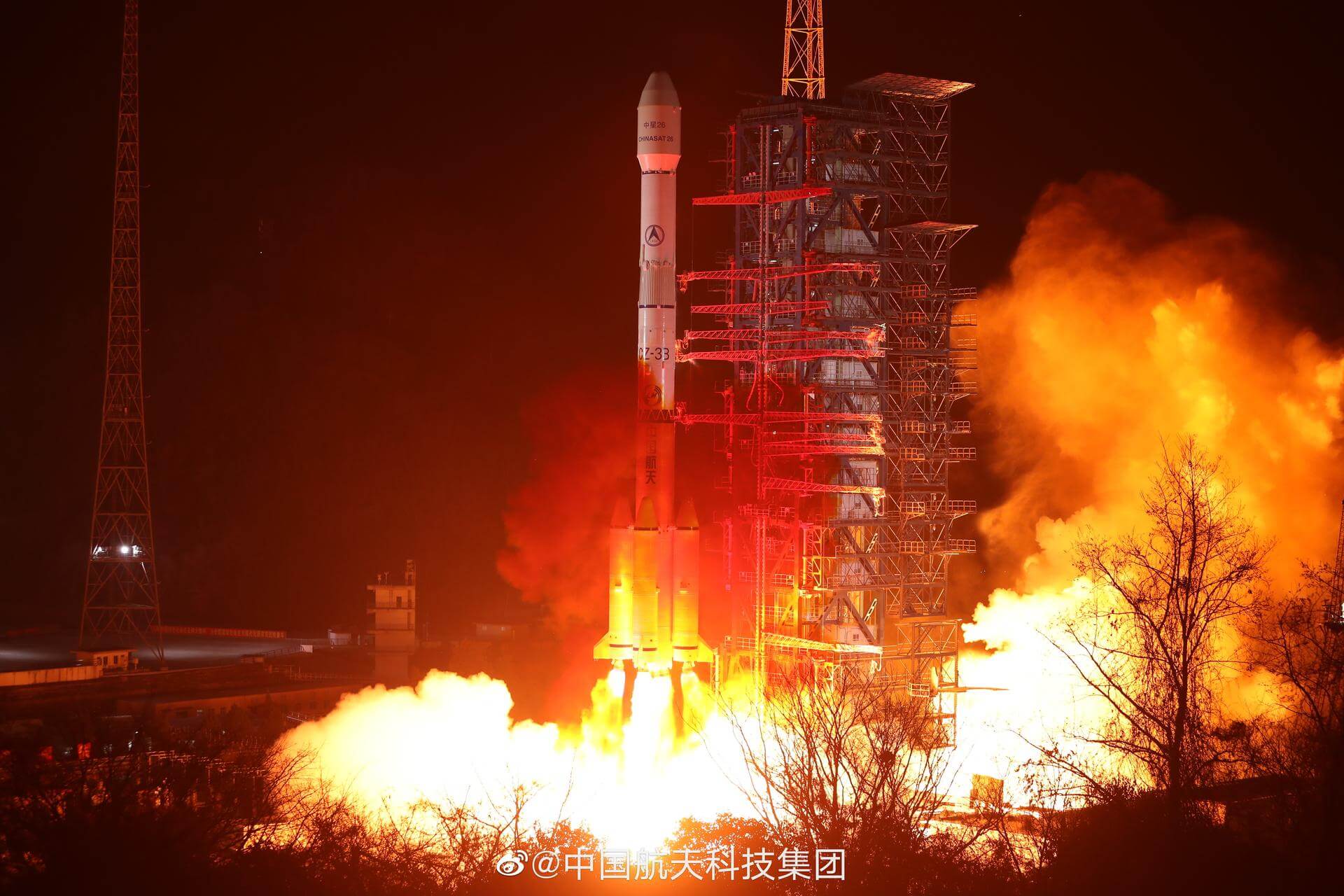
Launch Provider: China Aerospace Science and Technology Corporation – Government
Launch Date: January 16, 2026
Launch Time: 4:55 PM UTC
Vehicle: Long March 3B/E
Brief: Details TBD.
Demo Flight
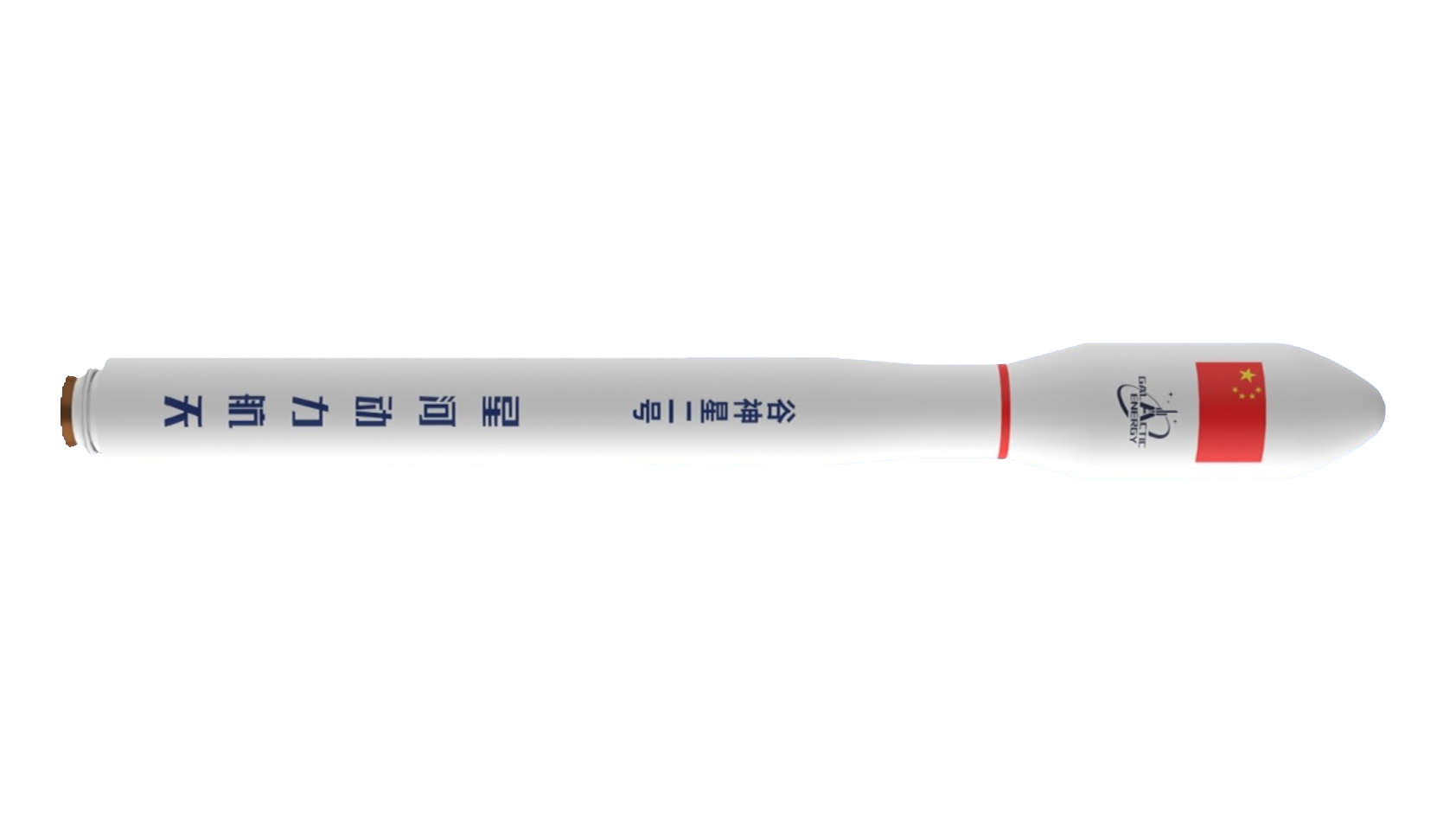
Launch Provider: Galactic Energy – Commercial
Launch Date: January 17, 2026
Launch Time: 4:05 AM UTC
Vehicle: Ceres-2
Brief: First test launch of Galactic Energy’s Ceres-2 rocket.
NROL-105
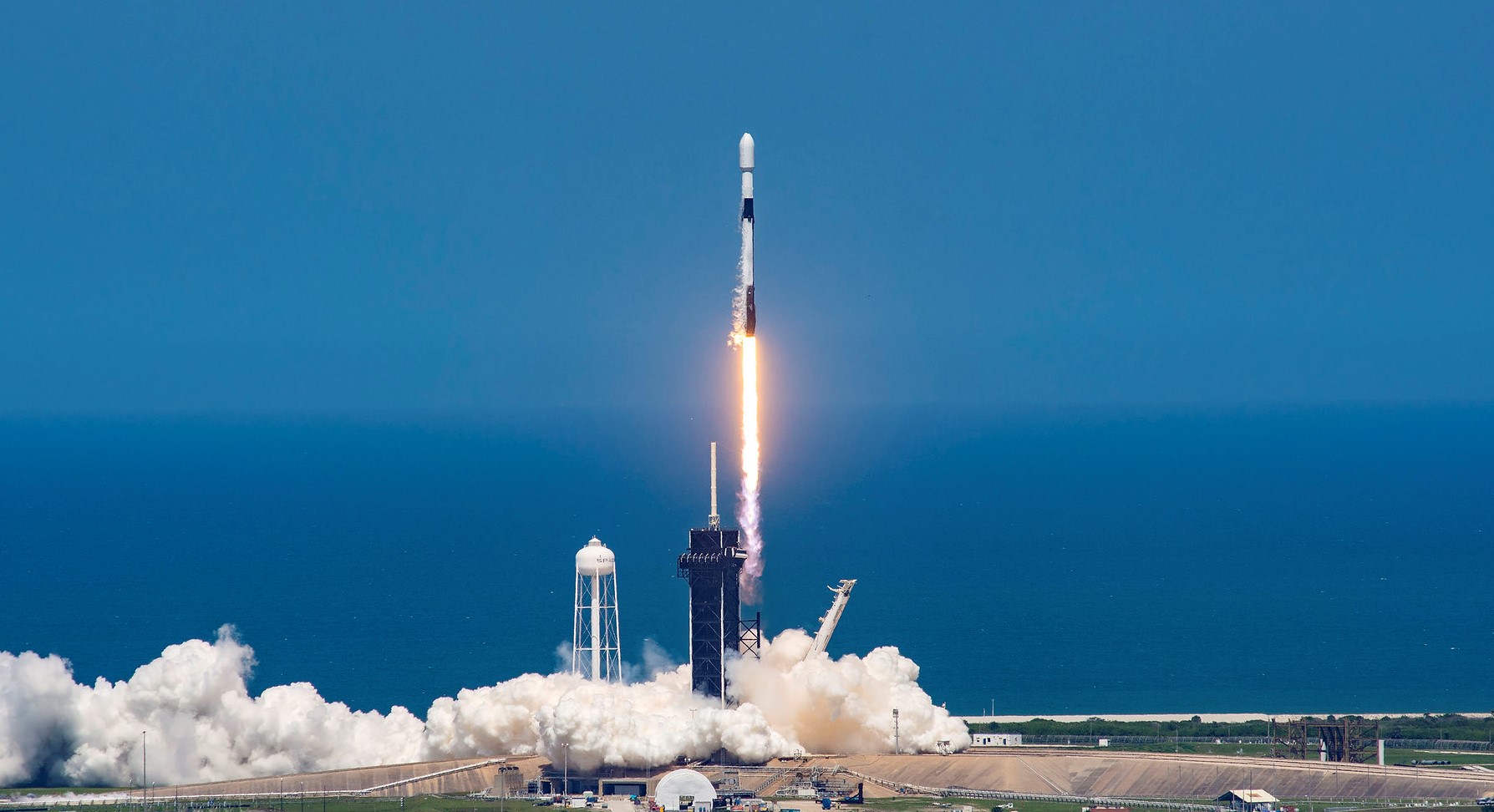
Launch Provider: SpaceX – Commercial
Launch Date: January 17, 2026
Launch Time: 4:18 AM UTC
Vehicle: Falcon 9
Brief: Twelfth batch of satellites for a reconnaissance satellite constellation built by SpaceX and Northrop Grumman for the National Reconnaissance Office to provide imaging and other reconnaissance capabilities.
Starlink Group 6-100
Launch Provider: SpaceX – Commercial
Launch Date: January 18, 2026
Launch Time: 10:04 PM UTC
Vehicle: Falcon 9
Brief: A batch of 29 satellites for the Starlink mega-constellation – SpaceX’s project for space-based Internet communication system.
Unknown Payload
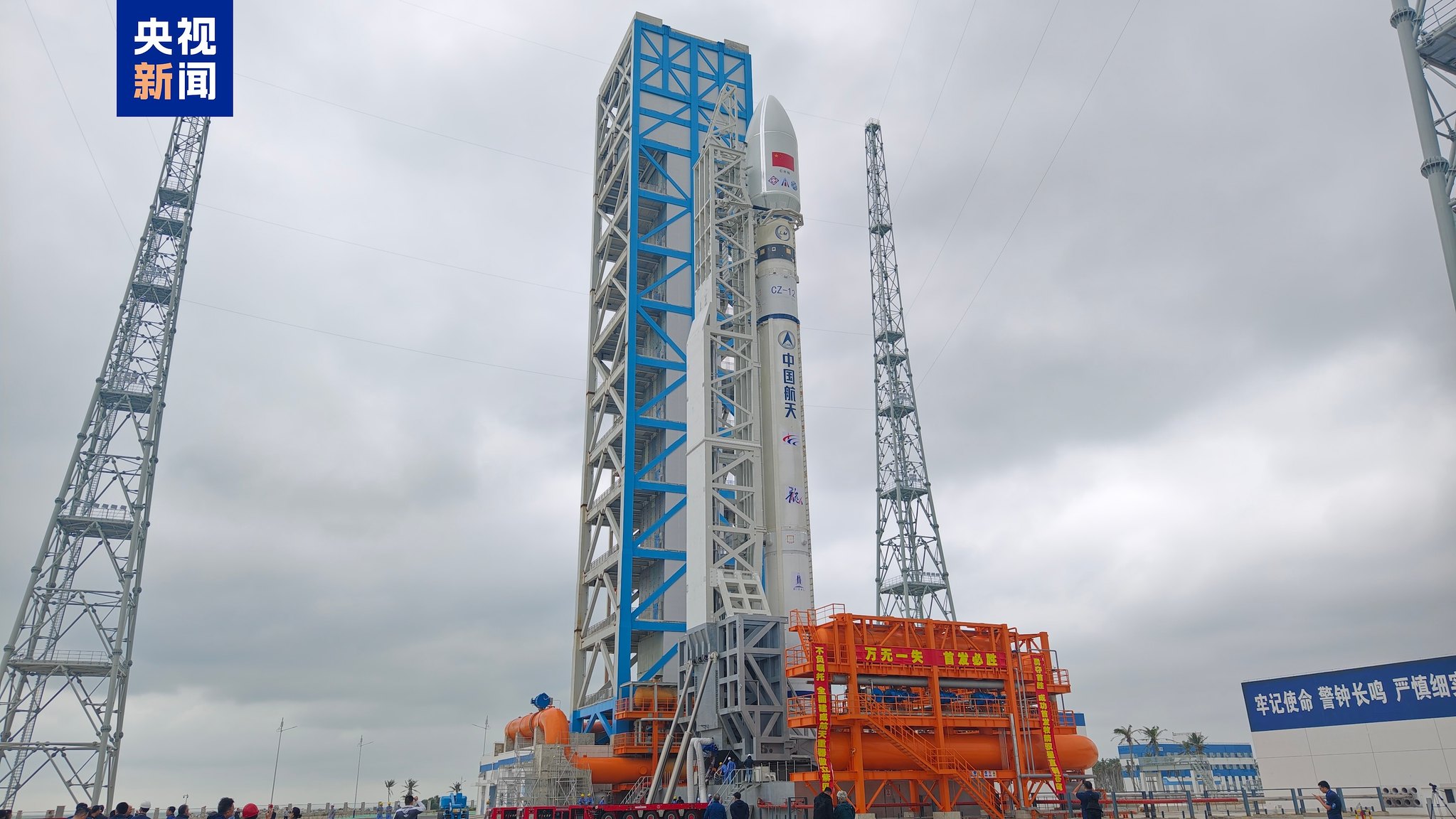
Launch Provider: China Aerospace Science and Technology Corporation – Government
Launch Date: January 19, 2026
Launch Time: 7:48 AM UTC
Vehicle: Long March 12
Brief: Details TBD.
