
The Daily Broadcast: Equity, Eclipses, and Engines: A Tuesday in Aerospace

Blue Origin Rolls Out New Stock Option Plan After Years of “Monopoly Money”
After a decade of offering stock options that employees could never cash in—dubbed “Monopoly money” by disillusioned staff—Blue Origin has finally announced a new equity incentive plan. In an email to staff on March 9, 2026, CEO Dave Limp revealed the company will begin granting new stock options this spring, with a company-wide meeting scheduled for April 17 to share details. This marks a significant shift for the Kent, Washington-based firm, which had halted new equity awards in May 2023, citing a lack of available shares.
The original 2016 plan required a “liquidity event”—like an IPO or company sale—for options to be exercised. But under Jeff Bezos’s stewardship, neither ever materialized. Worse, all options expired 10 years after issuance, meaning the first batch vanished in February 2026. For long-serving engineers who helped develop the BE-4 engine and New Glenn rocket, this felt like a betrayal. “It’s a big fat middle finger,” one current employee told Ars Technica.
With SpaceX poised for a public offering that could value the company near $1.5 trillion, Blue Origin faces mounting pressure to retain talent in a hypercompetitive aerospace labour market. The new plan promises “opportunities for liquidity events,” though details remain scarce. Whether this gesture will restore trust—or just paper over deeper structural issues—remains to be seen.
Satellites Capture the Fading Light of March’s Lunar Eclipse
On March 3, 2026, a total lunar eclipse turned the Moon a deep coppery red—a “Blood Moon”—visible across the Americas, East Asia, and the Pacific. But while skywatchers looked up, satellites looked down. NASA’s NOAA-21 satellite, equipped with the VIIRS (Visible Infrared Imaging Radiometer Suite) day-night band, captured a striking sequence of Earth’s Arctic bathed in varying levels of moonlight as the eclipse progressed.

The composite image, released by NASA’s Earth Observatory on March 10, shows three swaths: the darkest, captured at 11:20 UTC (2:20 a.m. Alaska time), reveals the aurora borealis and faint human settlements in Yukon and eastern Alaska with almost no moonlight to overpower them. Later swaths, as the Moon emerged from Earth’s shadow, show increasing illumination of snow-covered terrain and offshore clouds. These observations aren’t just poetic—they help scientists calibrate how natural light sources affect Earth-observing instruments. The next total lunar eclipse won’t occur until December 31, 2028, offering a celestial New Year’s Eve spectacle for much of the Eastern Hemisphere.
Chinese Startup Landspace Tests Next-Gen Methane Engine for Heavy-Lift Rockets
On March 6, 2026, Chinese launch company Landspace announced it had completed a long-duration hot-fire test of its new BF (Lanyan, or “Blue Flame”) full-flow staged combustion (FFSC) methane engine. Designed to produce approximately 220 metric tons of thrust, the engine is a cornerstone of the company’s plans for future heavy-lift launch vehicles. This milestone follows more than 100 full-system ignition tests since the engine’s first integrated firing in May 2025.

FFSC engines—like SpaceX’s Raptor—are notoriously complex but offer superior efficiency, thrust-to-weight ratios, and reusability potential. Landspace, which made China’s first orbital booster recovery attempt in December 2025 with its Zhuque-3 rocket (though the landing burn failed), is now pushing to demonstrate full reuse by late 2026. The BF engine could power even larger rockets supporting China’s national Guowang satellite internet constellation and other ambitious programmes. With the country’s 15th Five-Year Plan (2026–2030) prioritizing reusable heavy-lift launchers, Landspace’s progress places it among a growing cohort of Chinese firms—including Space Pioneer and state-owned CASC—racing to master this advanced propulsion technology.
Citations
- “After falling far behind the rest of industry, Blue Origin creates new stock option plan” – https://arstechnica.com/space/2026/03/after-years-of-missteps-blue-origin-to-finally-offer-meaningful-stock-options/
- “Shades of a Lunar Eclipse” – https://science.nasa.gov/earth/earth-observatory/shades-of-a-lunar-eclipse/
- “Landspace tests 220-ton methane engine for future heavy-lift launchers” – https://spacenews.com/landspace-tests-220-ton-methane-engine-for-future-heavy-lift-launchers/
Upcoming Launches
EchoStar 25

Launch Provider: SpaceX – Commercial
Launch Date: March 10, 2026
Launch Time: 4:19 AM UTC
Vehicle: Falcon 9
Brief: EchoStar 25 is a direct broadcast satellite, built on the proven Maxar 1300 series platform, which will deliver content across North America. It will be equipped with a high-power, multi-spot beam payload, allowing DISH to provide high-quality content to its customers.
Stairway to Seven
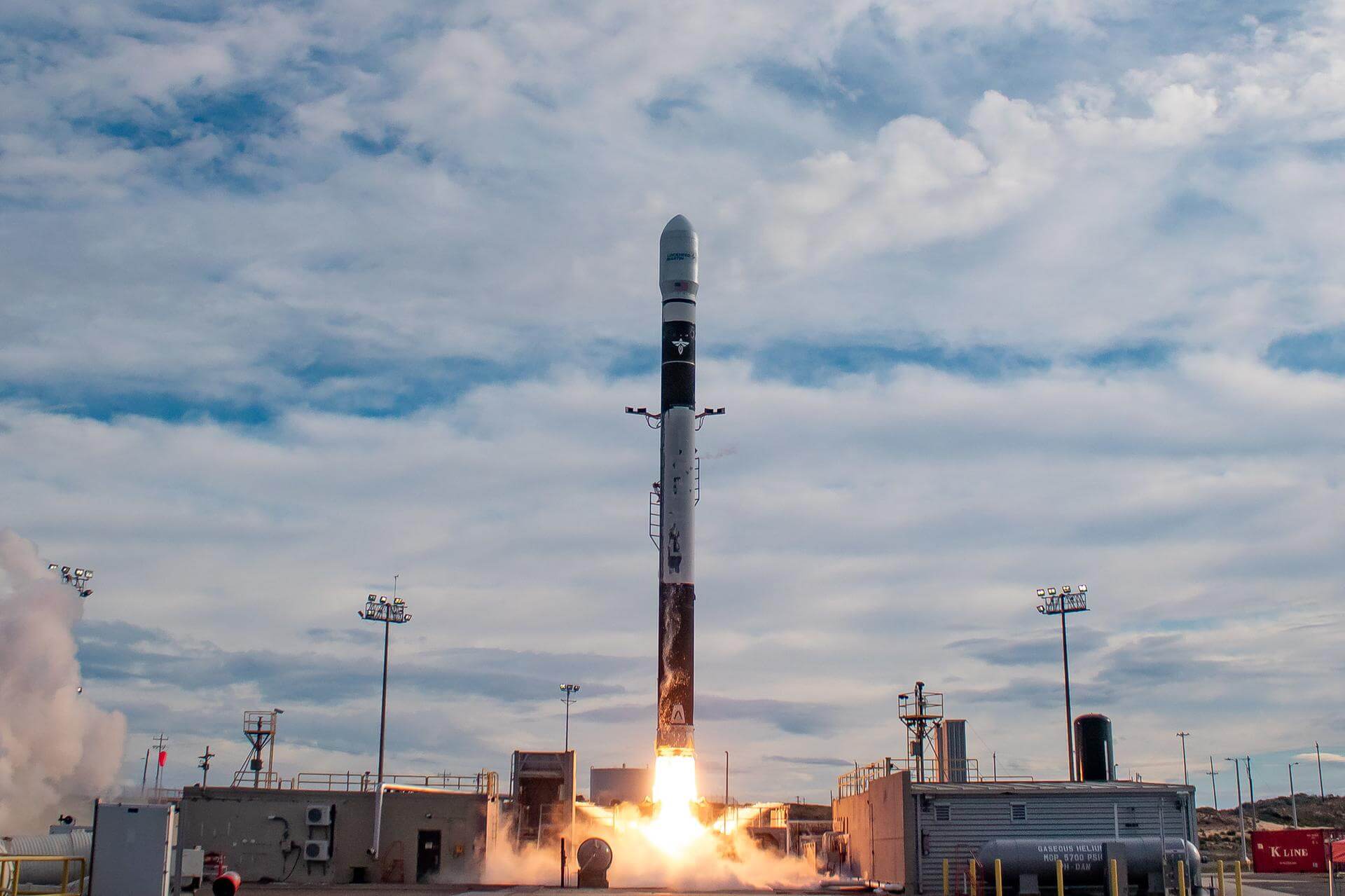
Launch Provider: Firefly Aerospace – Commercial
Launch Date: March 11, 2026
Launch Time: 12:50 AM UTC
Vehicle: Firefly Alpha
Brief: Firefly Alpha’s Flight 7 will be a test flight and return-To-Flight for the launch vehicle after its April 2025 launch failure. It will test and validate key systems ahead of Firefly’s Block II configuration upgrade on Flight 8 that’s designed to enhance reliability and manufacturability across the vehicle.
Flight 7 will be the last flown in Alpha’s current configuration and will test multiple Block II subsystems, including the in-house avionics and thermal improvements, to gain flight heritage and validate lessons learned ahead of the full configuration upgrade on Flight 8.
Starlink Group 10-48
Launch Provider: SpaceX – Commercial
Launch Date: March 12, 2026
Launch Time: 10:00 AM UTC
Vehicle: Falcon 9
Brief: A batch of 29 satellites for the Starlink mega-constellation – SpaceX’s project for space-based Internet communication system.
Unknown Payload
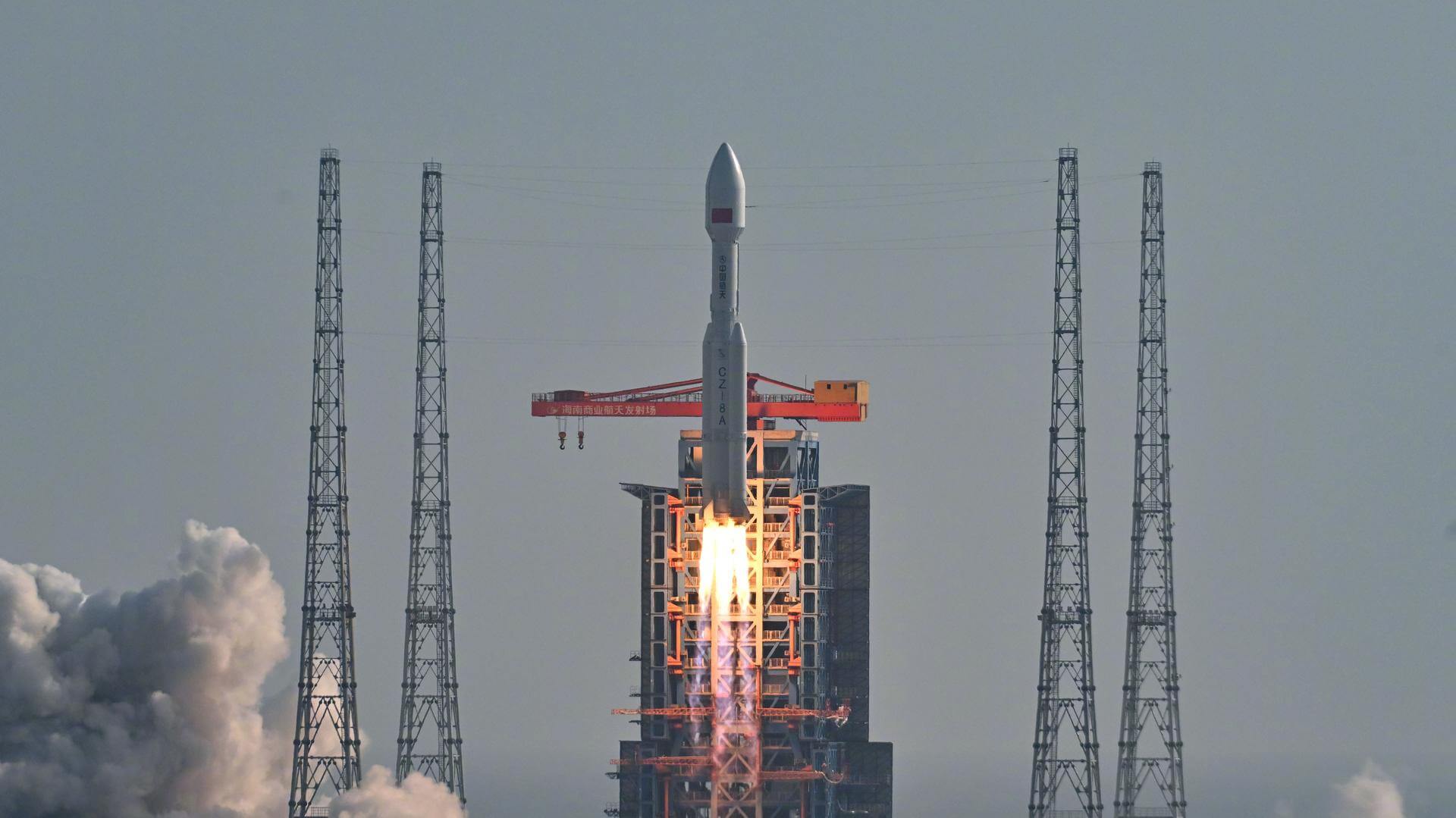
Launch Provider: China Aerospace Science and Technology Corporation – Government
Launch Date: March 12, 2026
Launch Time: 7:45 PM UTC
Vehicle: Long March 8A
Brief: Details TBD.
📽️ No Livestream scheduled yet
Unknown Payload
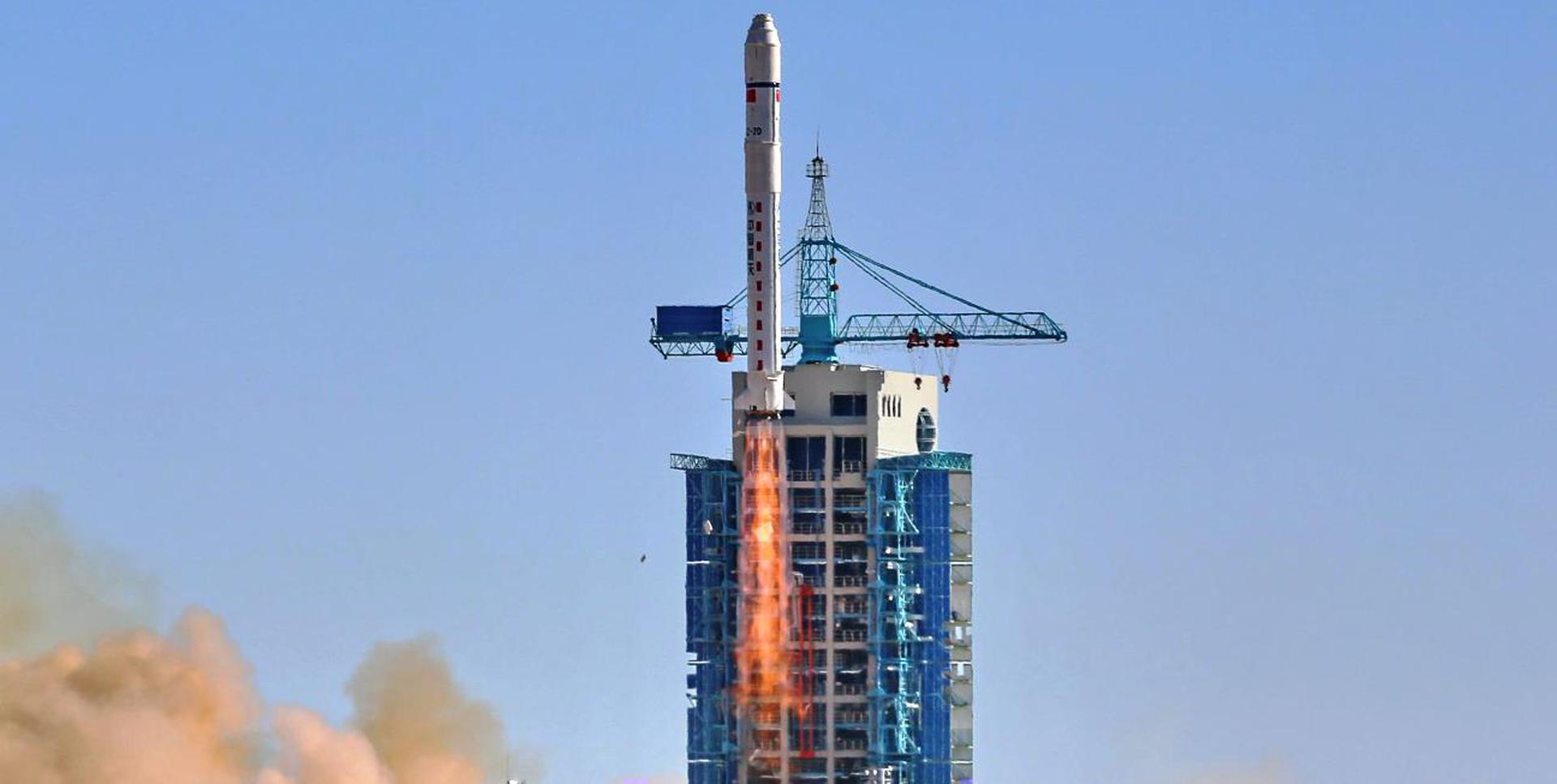
Launch Provider: China Aerospace Science and Technology Corporation – Government
Launch Date: March 12, 2026
Launch Time: 10:30 PM UTC
Vehicle: Long March 2D
Brief: Details TBD.
📽️ No Livestream scheduled yet

Leave a Reply