
The Daily Broadcast: Collaboration, Contingency, and Cosmic Curiosity

Canadian Voices Emphasize Cross-Sector Collaboration at SpaceBound
At last week’s SpaceBound conference, Canadian leaders from government, academia, and industry came together to underscore a simple but powerful idea: innovation thrives when sectors listen to one another. Moderated by Julien LeBlanc of Blueprint North America, a panel featuring Dr. Sarah Gallagher (Western University), Jasmine Danial (Invest Brampton), and others highlighted how blending diverse perspectives—whether from taxpayers, shareholders, or Indigenous communities—strengthens space initiatives. One standout example: Danial connected InspireTech Canada with Canon and MDA Space, leading to “Moonshot,” a program for high schoolers to design space-related experiments. Gallagher added that even stalled projects can find new life: her team’s landfill methane-monitoring proposal, initially set aside, later aligned perfectly with an Environment Canada call. The takeaway? Don’t just network—collaborate with purpose, iterate with patience, and always leave room for wonder in STEM outreach.
Emergency Response in Orbit: China Rushes Shenzhou-22 to Rescue Stranded Crew
In a rare display of spaceflight contingency operations, China launched the uncrewed Shenzhou-22 spacecraft on November 25, 2025, to restore emergency return capability for its Tiangong space station crew. The urgent mission followed damage to the previous return capsule—a situation that left astronauts without a functioning “lifeboat.” Departing from the Jiuquan Satellite Launch Centre atop a Long March-2F rocket, Shenzhou-22 successfully docked with Tiangong later that day, resolving what SpaceNews described as the station’s first operational emergency. While details about the original capsule damage remain limited, the rapid deployment underscores China’s growing capacity for real-time crisis response in human spaceflight. This unplanned launch not only restored safety margins for the crew but also demonstrated the flexibility of China’s human spaceflight architecture—a capability increasingly essential as nations extend long-duration missions in low Earth orbit.
Peering Beneath the Ice: New Clues About Hidden Oceans on Saturn’s Moons
Far from Earth but close to answering one of astrobiology’s biggest questions, scientists are uncovering fresh evidence of subsurface oceans on icy moons—particularly Saturn’s enigmatic Mimas. A study published November 24 in Nature Astronomy suggests that gravitational and rotational data may point to a liquid water layer hidden beneath Mimas’s heavily cratered shell. Previously considered too small and geologically inactive to harbor such features, Mimas now joins Enceladus and Europa as prime targets in the search for extraterrestrial life. These findings don’t rely on direct observation but on subtle anomalies in how the moon wobbles and responds to Saturn’s gravity—clues only detectable through precise modeling and legacy data from missions like Cassini. While no spacecraft is currently en route to Mimas, the research bolsters calls for future missions focused on “ocean worlds.” For Canadian scientists contributing to planetary science through international collaborations—like those at the Canadian Space Agency’s planetary exploration groups—these discoveries reinforce why investing in deep-space instrumentation and data analysis remains crucial.
Citations
- “SpaceBound: The power of collaborating across sectors” – https://spaceq.ca/spacebound-the-power-of-collaborating-across-sectors/
- “Shenzhou-22 docks at Tiangong space station, resolving human spaceflight emergency” – https://spacenews.com/shenzhou-22-docks-at-tiangong-space-station-resolving-human-spaceflight-emergency/
- “Looking inside icy moons” – https://www.spacedaily.com/reports/Looking_inside_icy_moons_999.html
Upcoming Launches
CAS500-3
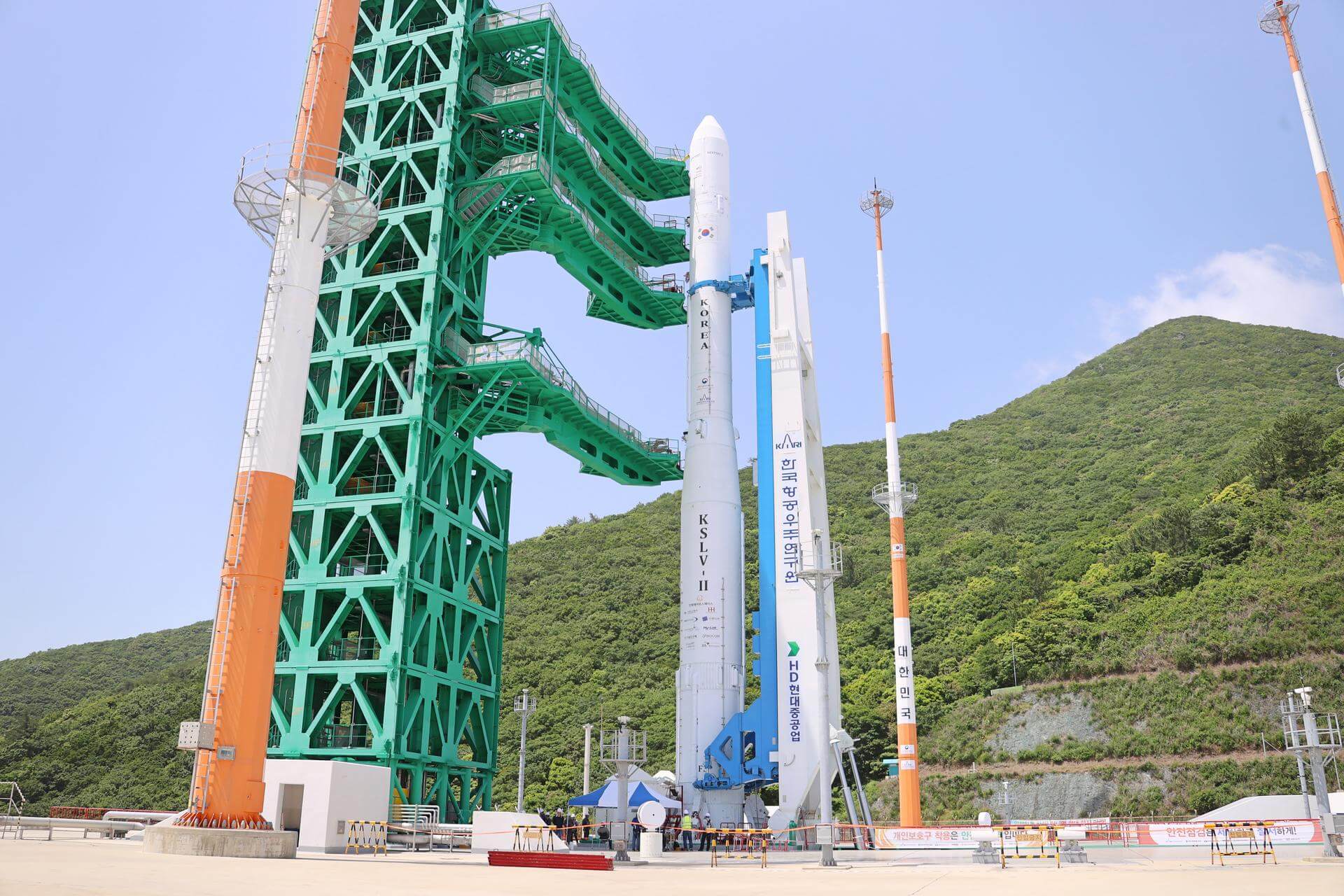
Launch Provider: Korea Aerospace Research Institute – Government
Launch Date: November 26, 2025
Launch Time: 3:54 PM UTC
Vehicle: Nuri
Brief: CAS500-3 is a South Korean Earth observation satellites to be used by the Ministry of Science and ICT for space technology verification and space science research.
Transporter 15 (Dedicated SSO Rideshare)
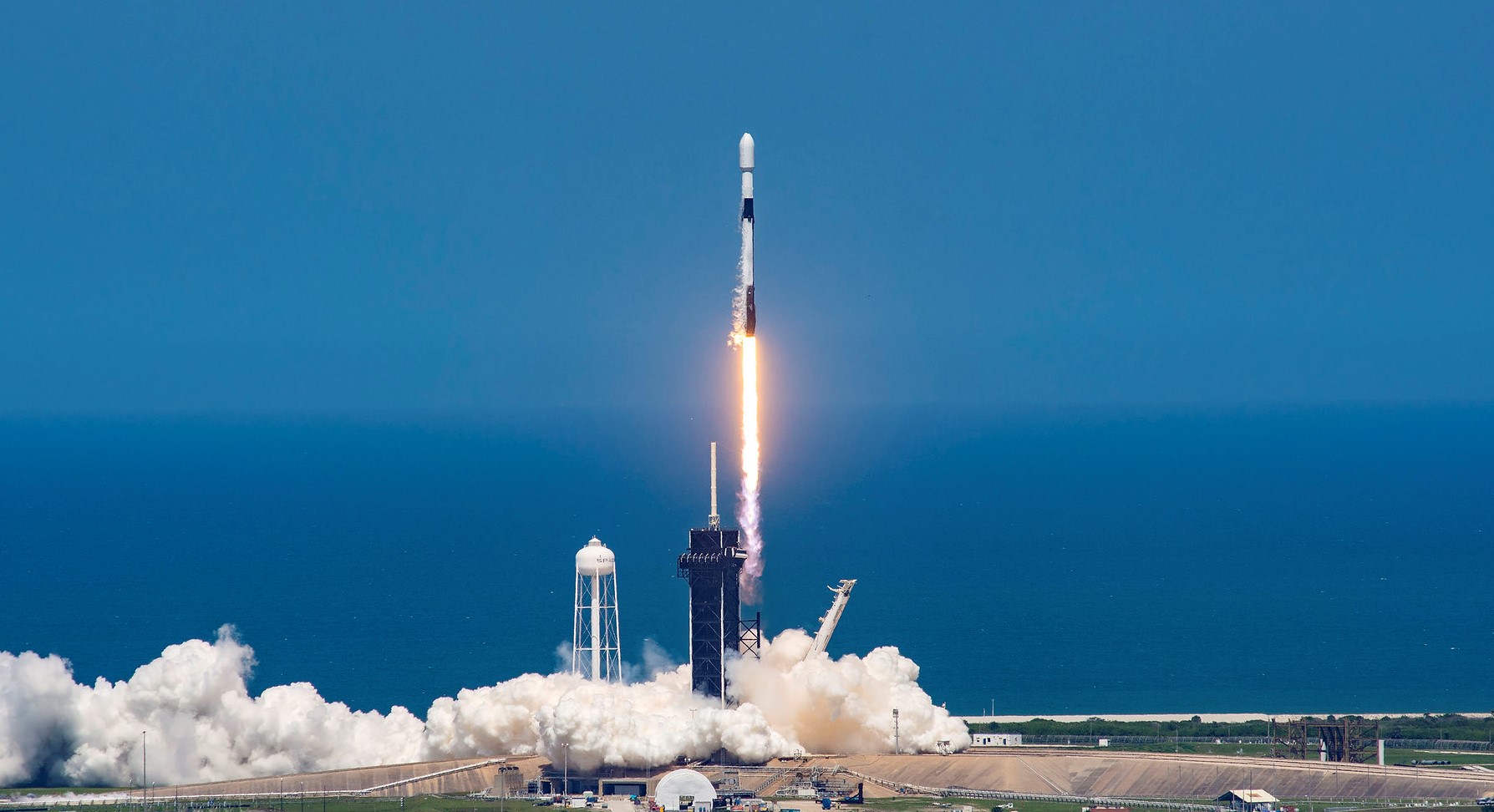
Launch Provider: SpaceX – Commercial
Launch Date: November 26, 2025
Launch Time: 6:18 PM UTC
Vehicle: Falcon 9
Brief: Dedicated rideshare flight to a sun-synchronous orbit with dozens of small microsatellites and nanosatellites for commercial and government customers.
Soyuz MS-28
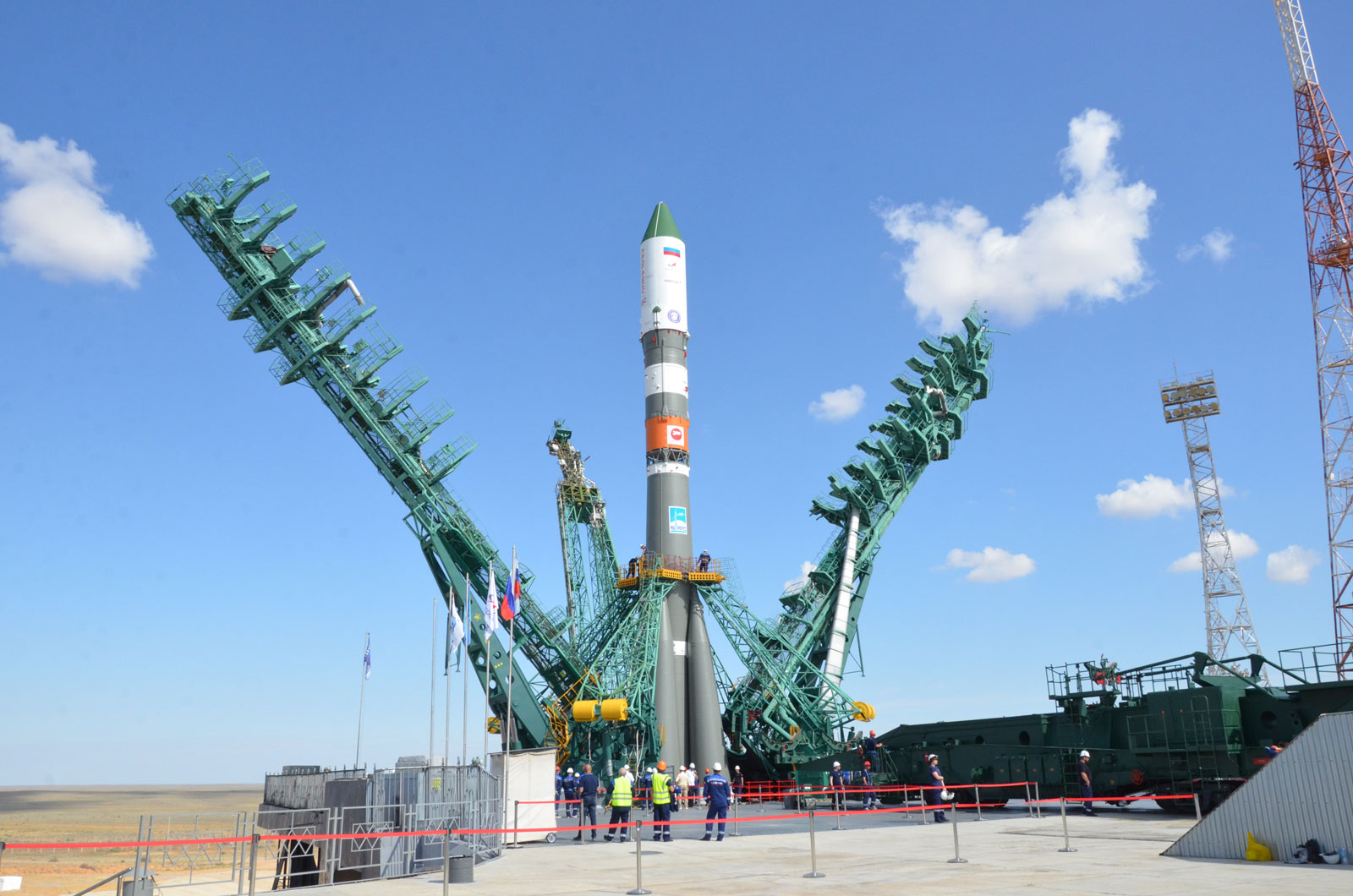
Launch Provider: Russian Federal Space Agency (ROSCOSMOS) – Government
Launch Date: November 27, 2025
Launch Time: 9:27 AM UTC
Vehicle: Soyuz 2.1a
Brief: Soyuz MS-28 will carry three cosmonauts and one astronaut to the International Space Station aboard the Soyuz spacecraft from the Baikonur Cosmodrome in Kazakhstan. The crew consists of Roscosmos cosmonauts Sergei Kud-Sverchkov, Sergei Mikayev and Oleg Platonov.
Starlink Group 15-10
Launch Provider: SpaceX – Commercial
Launch Date: November 30, 2025
Launch Time: 2:59 AM UTC
Vehicle: Falcon 9
Brief: A batch of 27 satellites for the Starlink mega-constellation – SpaceX’s project for space-based Internet communication system.
KOMPSAT-7
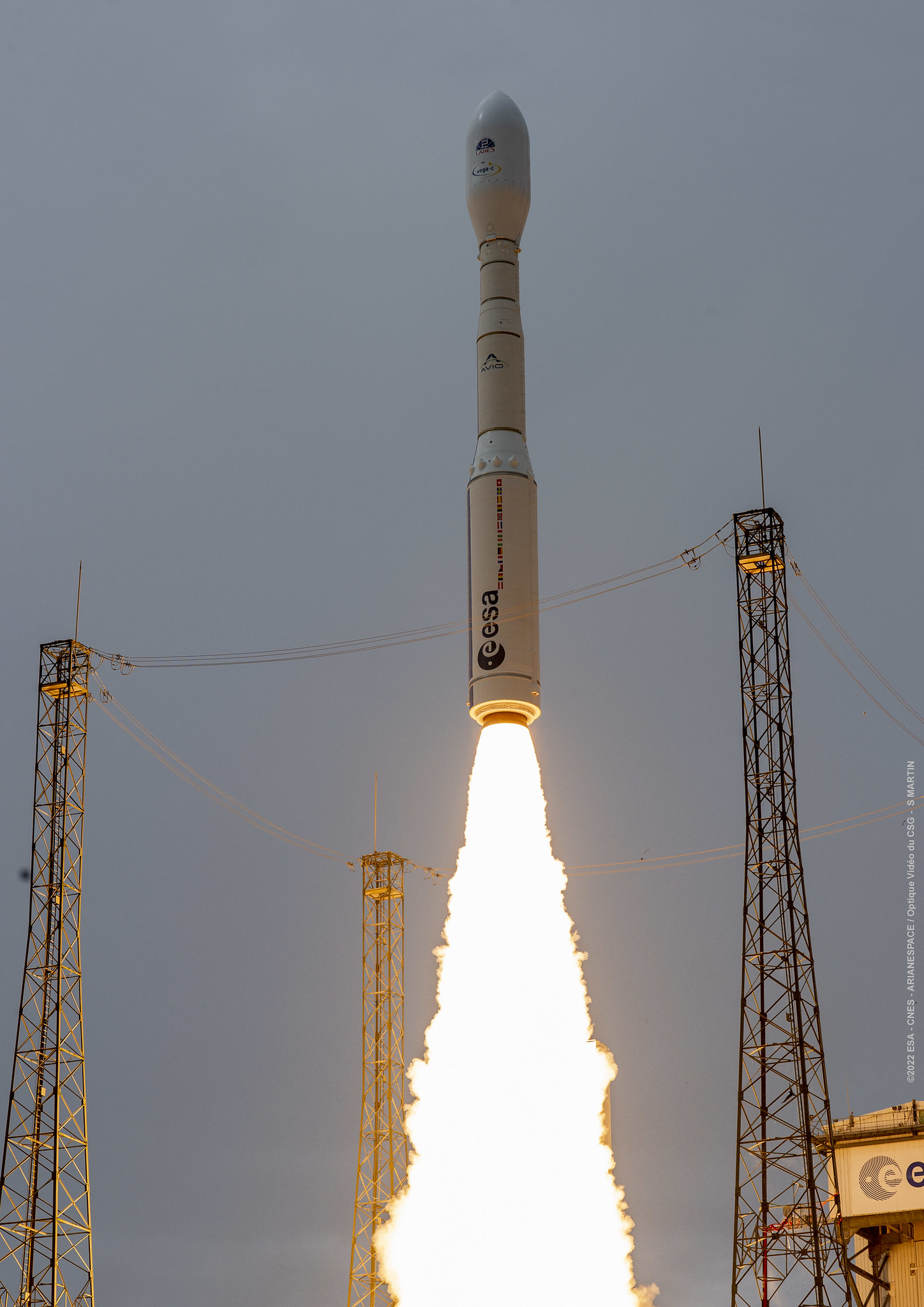
Launch Provider: Arianespace – Commercial
Launch Date: November 30, 2025
Launch Time: 5:21 PM UTC
Vehicle: Vega-C
Brief: KOMPSAT-7 is the follow-up model of KOMPSAT-3A whose mission is to provide high-resolution satellite images to satisfy South-Korea’s governmental and institutional needs.
