
The Daily Broadcast: Canadians Head to the Moon, Volcanoes Glow from Space, and SpaceX Eyes Historic IPO
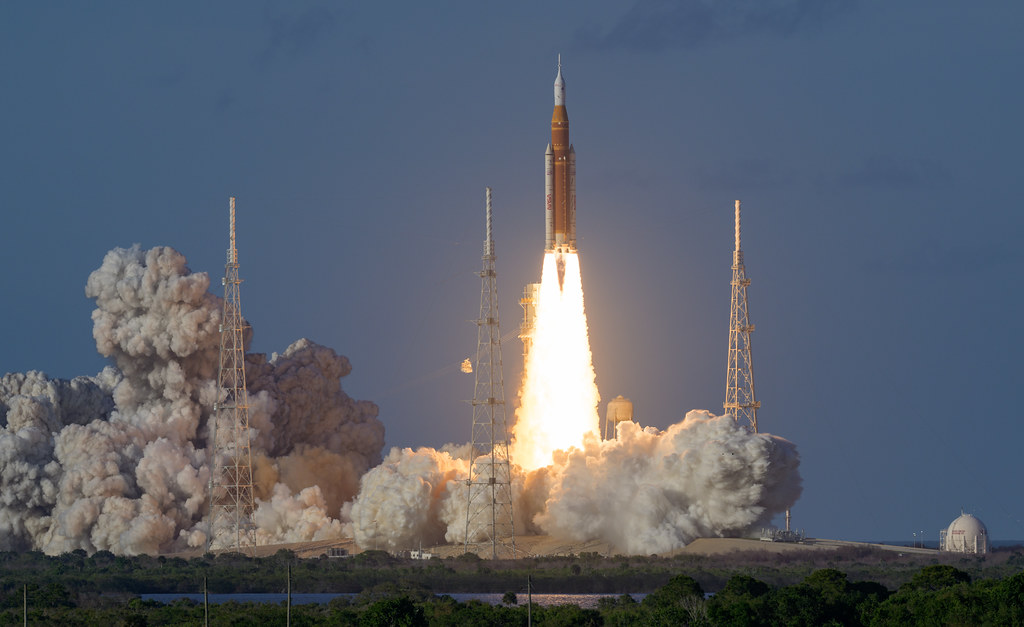
Jeremy Hansen Makes History as Artemis II Blasts Toward the Moon
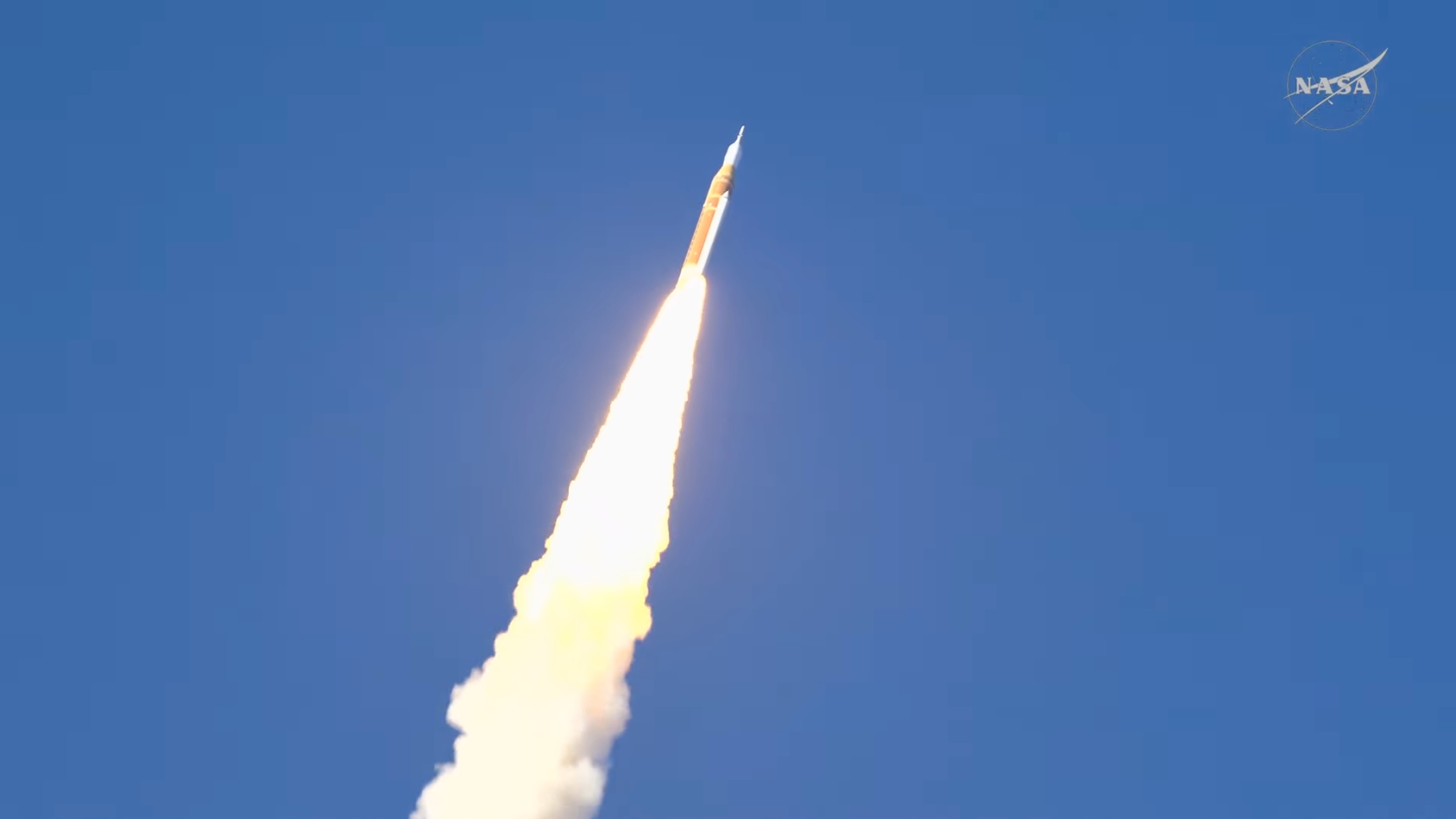
At 6:35 p.m. EDT on April 1, 2026, Canadian astronaut Jeremy Hansen became the first Canadian—and first non-American—to embark on a crewed lunar mission, launching aboard NASA’s Space Launch System (SLS) rocket from Kennedy Space Center. Hansen, a Colonel in the Royal Canadian Air Force and a CSA astronaut since 2009, is flying alongside NASA astronauts Reid Wiseman (commander), Victor Glover (pilot), and Christina Koch (mission specialist) on the Artemis II mission.
The 10-day test flight will carry the crew aboard the Orion spacecraft farther than any humans have travelled since Apollo—a looping trajectory around the Moon with a planned lunar flyby on April 6. On April 2, mission controllers are expected to approve the translunar injection burn, a six-minute engine firing that will send Orion out of Earth orbit and onto its path toward the Moon. This critical decision hinges on the results of system checks conducted during the spacecraft’s 24-hour “high Earth orbit” phase, during which the crew verified life support, power, and manual flight controls.
Hansen’s presence reflects Canada’s decades-long contribution to space robotics, from the original Canadarm to the forthcoming Canadarm3. Though NASA recently paused development of the Gateway lunar space station—Canadarm3’s intended home—the CSA confirms the robotic arm programme remains active and adaptable for future lunar surface infrastructure. As Hansen himself has emphasized, this mission isn’t about individual legacy but about what humanity can achieve through collaboration.
Réunion’s Fiery Spectacle Captured by Landsat 9
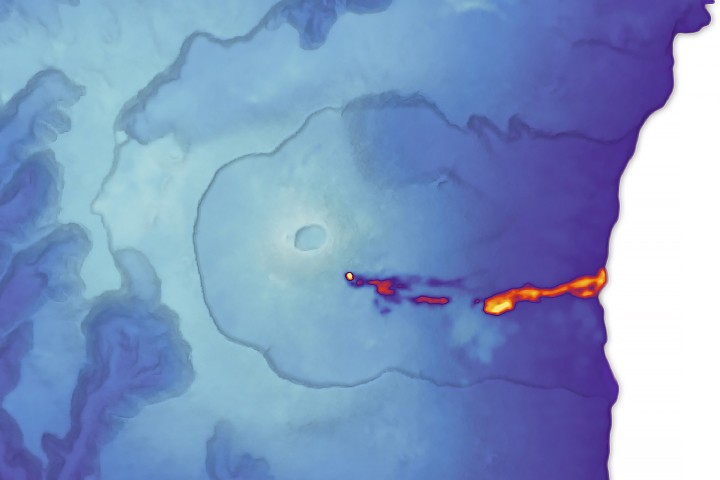
While Artemis II soars toward the Moon, Earth continues to remind us of its own dramatic forces. On March 28, 2026, NASA’s Landsat 9 satellite captured a striking thermal image of lava from Piton de la Fournaise—a shield volcano on Réunion Island in the Indian Ocean—flowing eastward toward the sea. The eruption, which began on February 13, has already produced a larger volume of lava than typical for this historically active volcano.
By March 16, the lava had reached the Indian Ocean, generating ‘laze’—a hazardous plume of steam, hydrochloric acid, and volcanic gases. Ground-based measurements recorded lava temperatures between 1,100°C and 1,130°C, while seawater within 600 metres of the entry point warmed to over 36°C. As of March 24, the lava flow had extended the coastline by 190 metres, forming a new delta.
According to volcanologists Adele Campus and Diego Coppola of the University of Turin, who have analyzed over 20 years of satellite data, this eruption may signal the start of a new eruptive cycle for Piton de la Fournaise. The volcano, which has erupted more than 150 times since the 17th century, often alternates between periods of quiescence and intense activity. The current episode follows a lull that ended in July 2023, suggesting we may see more frequent eruptions in the years ahead—all monitored closely by Earth-observing satellites like Landsat 9.
SpaceX Prepares for Potentially Record-Breaking IPO
In a move that could reshape the financial landscape of the space industry, SpaceX has confidentially filed for an initial public offering (IPO), targeting a June 2026 debut with a staggering $1.75 trillion valuation, according to Bloomberg. The company, founded by Elon Musk in 2002, has long resisted going public, with Musk previously stating that SpaceX would remain private until Starship was reliably flying and Mars ambitions were underway.
The IPO filing—submitted under U.S. Securities and Exchange Commission rules that allow confidential review—signals confidence in SpaceX’s dual-engine business model: its $15–16 billion in annual revenue comes primarily from launch services and Starlink broadband, with roughly $8 billion in profits last year. But much of the projected valuation hinges on future ventures, including Musk’s vision of orbital data centres to support artificial intelligence workloads—a concept still facing significant technical and economic hurdles.
Industry analysts are divided. Some call it the “most anticipated IPO in history,” while others caution that pricing reflects a bet on Musk’s ability to deliver on unproven technologies. The offering may reserve up to 30% of shares for retail investors and is expected to include a dual-class share structure to preserve insider control. Regardless of the outcome, SpaceX’s move underscores a broader trend: space is no longer just a government domain but a rapidly maturing commercial frontier.
Citations
- “Liftoff! NASA Launches Astronauts on Historic Artemis Moon Mission” – https://www.nasa.gov/news-release/liftoff-nasa-launches-astronauts-on-historic-artemis-moon-mission/
- “The long wait ends for Jeremy Hansen as he leads Canada to the Moon during an Artemis overhaul” – https://spaceq.ca/the-long-wait-ends-for-jeremy-hansen-as-he-leads-canada-to-the-moon-during-an-artemis-overhaul/
- “Réunion Island Lava Reaches the Sea” – https://science.nasa.gov/earth/earth-observatory/reunion-island-lava-reaches-the-sea/
- “SpaceX quietly files for big bang IPO” – https://spacenews.com/spacex-quietly-files-for-big-bang-ipo/
Upcoming Launches
Artemis II
Launch Provider: National Aeronautics and Space Administration – Government
Launch Date: April 1, 2026
Launch Time: 10:35 PM UTC
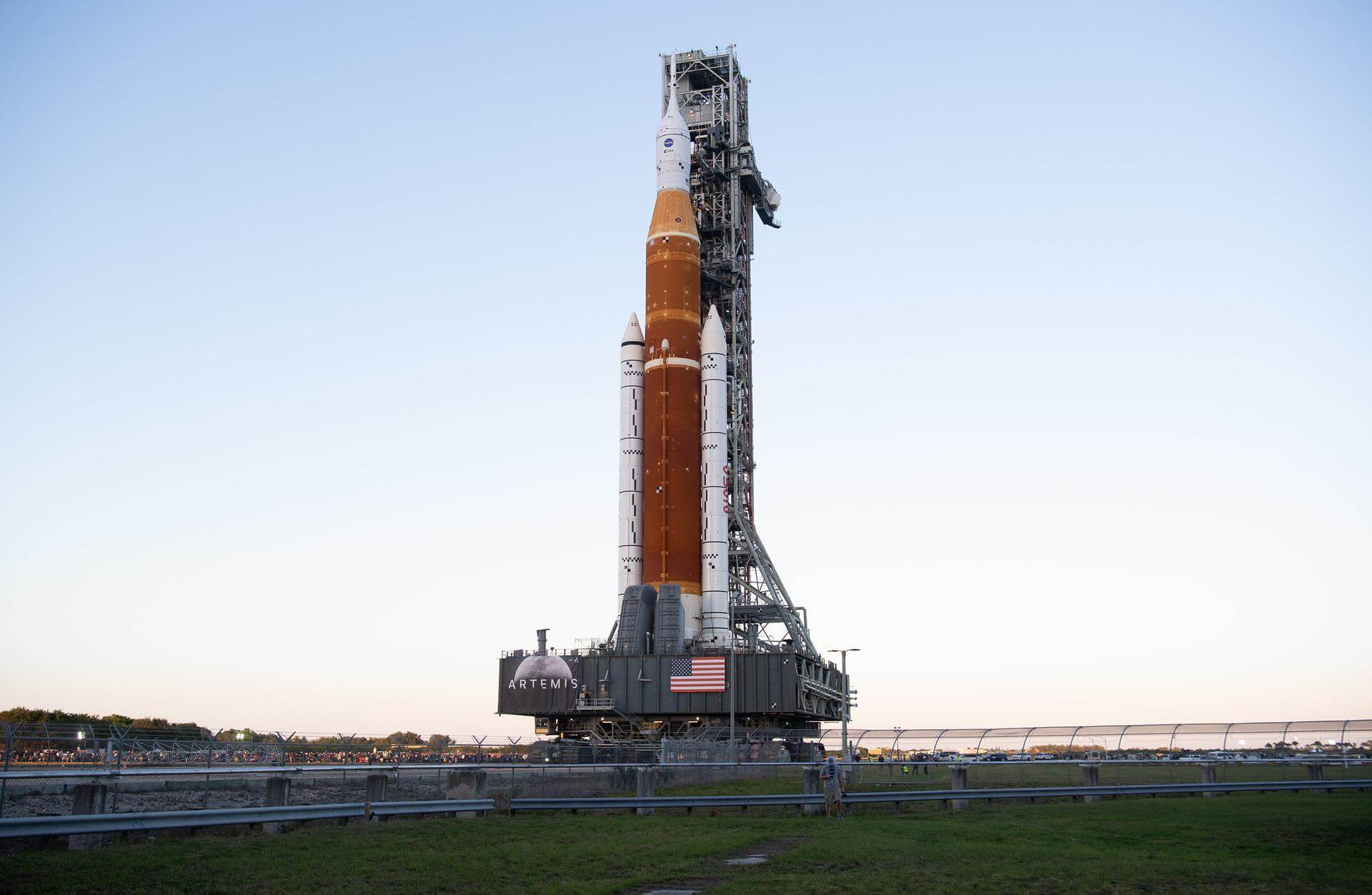
Vehicle: Space Launch System (SLS)
Brief: Artemis II is the first crewed mission as part of the Artemis program. Artemis II will send a crew of 4 – 3 Americans and 1 Canadian around the moon and return them back to Earth.
The mission will test the core systems of NASA’s Orion spacecraft including the critical life support system, among other systems which could not be tested during Artemis I due to the lack of crew onboard.
Starlink Group 10-58

Launch Provider: SpaceX – Commercial
Launch Date: April 2, 2026
Launch Time: 11:55 AM UTC
Vehicle: Falcon 9
Brief: A batch of 29 satellites for the Starlink mega-constellation – SpaceX’s project for space-based Internet communication system.
Demo Flight
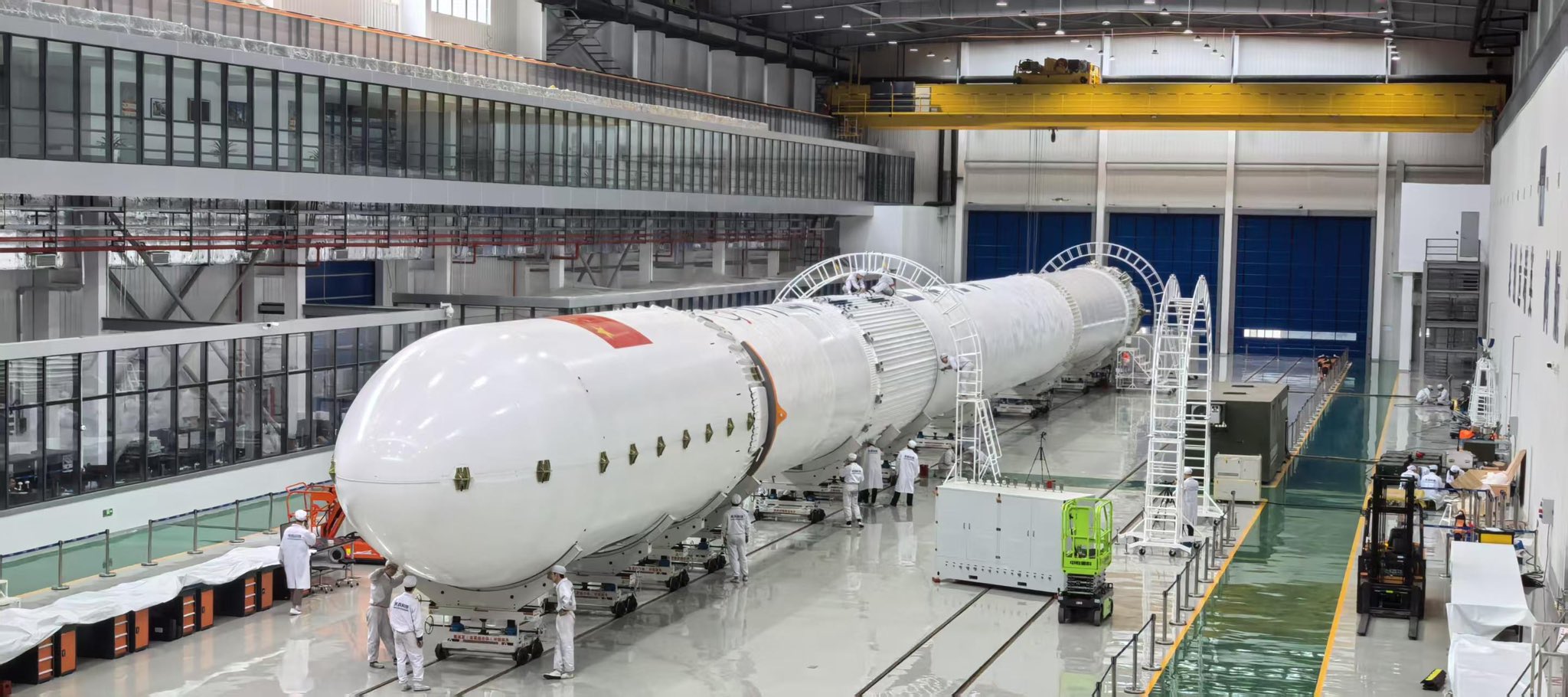
Launch Provider: Space Pioneer – Commercial
Launch Date: April 3, 2026
Launch Time: 4:00 AM UTC
Vehicle: Tianlong-3
Brief: First test launch of Space Pioneer’s Tianlong-3 rocket. Reports indicate this launch may carry a batch of satellites for the SpaceSail/G60/Qianfan LEO communication satellites constellation.
📽️ No Livestream scheduled yet
Demo Flight
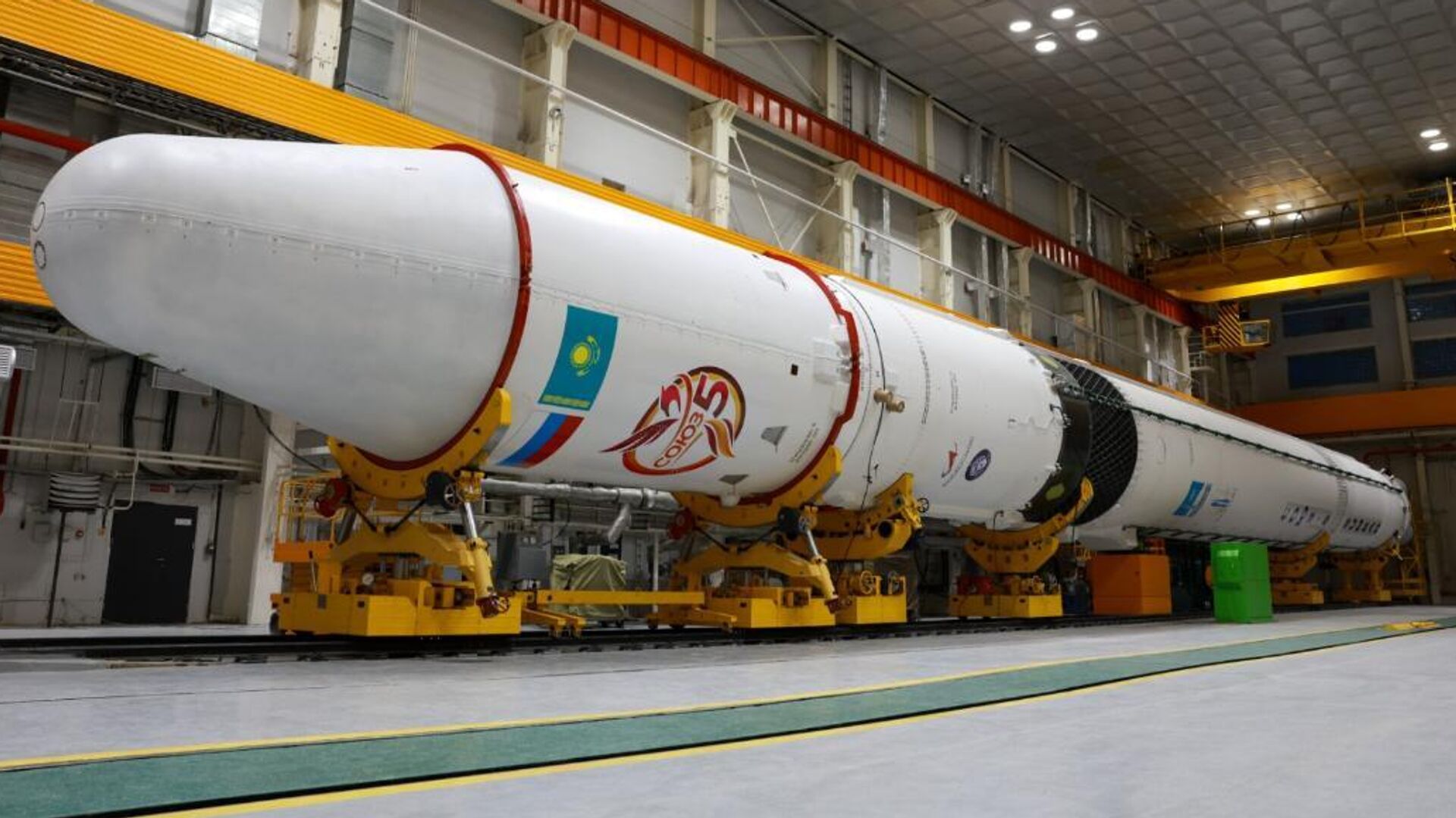
Launch Provider: RKK Energiya – Commercial
Launch Date: April 3, 2026
Launch Time: 11:00 AM UTC
Vehicle: Soyuz-5
Brief: Demonstration Flight for Russia’s new Soyuz-5 launch vehicle, with a mass simulator on board. Details TBD.
📽️ No Livestream scheduled yet
Amazon Leo (LA-05)
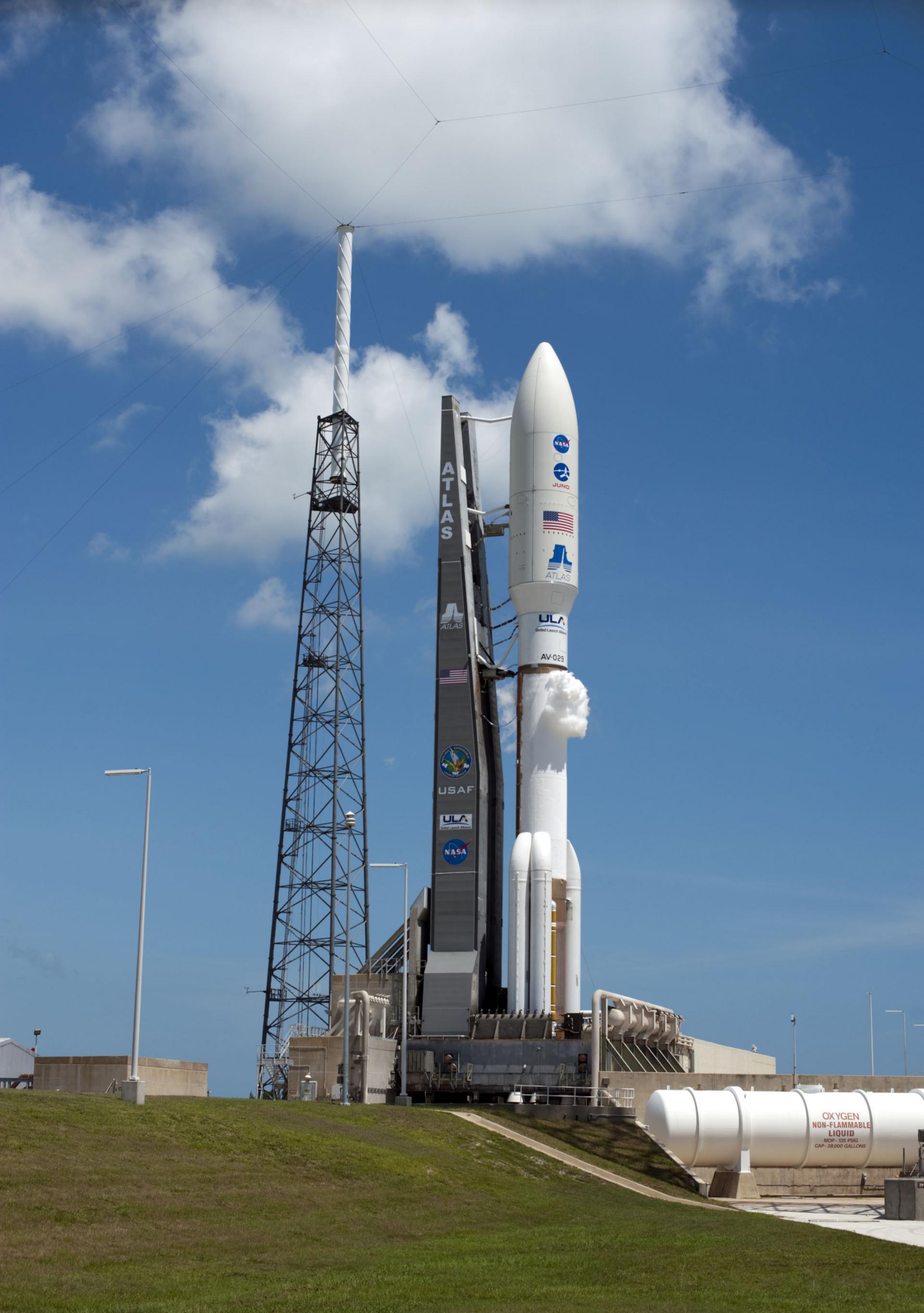
Launch Provider: United Launch Alliance – Commercial
Launch Date: April 4, 2026
Launch Time: 5:45 AM UTC
Vehicle: Atlas V 551
Brief: Amazon Leo, formerly known as Project Kuiper, is a mega constellation of satellites in Low Earth Orbit that will offer broadband internet access, this constellation will be managed by Kuiper Systems LLC, a subsidiary of Amazon. This constellation is planned to be composed of 3,276 satellites. The satellites are projected to be placed in 98 orbital planes in three orbital layers, one at 590 km, 610 km and 630 km altitude.
29 satellites are carried on this launch.

Leave a Reply