
The Daily Broadcast: Canadian Dreams, Delays, and Data: A Space Week in Review

Jeremy Hansen Shares Artemis 2 Insights—and a Few Nerves
Canadian astronaut Jeremy Hansen is steadily counting down to his historic flight on Artemis 2, currently targeted for as early as February 2026. On November 25, the mission specialist participated in a bilingual livestreamed Q&A hosted by entrepreneur Fred Bastien and broadcast via the Canadian Space Agency’s channels. Hansen emphasized that Canada’s seat on the lunar flyby wasn’t handed out as a courtesy—it was earned over decades through contributions like the Canadarm systems that have supported U.S. space missions since the shuttle era.
Hansen spoke candidly about the emotional whiplash of pre-launch life: one moment buzzing with excitement over the impending mission, the next immersed in urgent training simulations. With a background as a fighter pilot and years of astronaut experience, he described managing nerves by converting them into “a heightened sense of alertness” rather than letting anxiety take control. He also highlighted how Artemis 2 isn’t just about circling the Moon—it’s a springboard to inspire broader Canadian ambition, whether in space or other innovative fields. Evenings and weekends, he noted, offer rare quiet time for reflection amid the “big sims” that involve hundreds of people across multiple countries. As launch nears, every hour counts.
Joshua Kutryk’s Starliner Dream Hits a Detour
Canadian astronaut Joshua Kutryk’s path to the International Space Station has hit an unexpected snag. NASA announced on November 25 that the Starliner-1 mission—originally slated to carry Kutryk and others to the ISS—will now fly as a cargo-only mission no earlier than April 2026. This marks a significant shift in Boeing’s Commercial Crew contract: NASA has reduced the number of guaranteed crewed Starliner flights from six to four, with the remaining two as optional.
The decision follows last year’s troubled Starliner Crew Flight Test, which saw astronauts Barry Wilmore and Sunita Williams stranded on the ISS for eight months due to thruster malfunctions. Their spacecraft eventually returned uncrewed after 93 days docked to the station. With Starliner-1 now repurposed for cargo and system validation, Kutryk’s long-duration ISS mission is effectively in limbo. NASA plans up to three crewed Starliner missions after certification, but no new assignments have been announced. As of publication, the Canadian Space Agency had not issued a public statement, leaving many—including Kutryk himself—waiting for clarity on when he’ll finally get his window to orbit.
AI-Powered Satellite Imagery Gets a Canadian Boost
Victoria-based Pacific Geomatics (PacGeo) has teamed up with South Korea’s SI Analytics to bring cutting-edge AI satellite enhancement to Canada. Announced on November 25, the strategic partnership grants PacGeo exclusive Canadian rights to SuperX, a generative AI tool that doubles the resolution of satellite imagery using multi-resolution foundation models. The result? Sharper, more vibrant, and analysis-ready images for defense, government, and commercial users.
SuperX isn’t just cosmetic—it enables advanced geospatial intelligence tasks like object detection, change monitoring, and area segmentation by reconstructing details from lower-resolution inputs as coarse as 0.25-meter imagery. “SuperX represents a paradigm shift in satellite analytics,” said SI Analytics CEO Taegyun Jeon, noting that the system allows machines to “understand, reconstruct, and predict what’s on Earth.” For Matt Tomlins, PacGeo’s president, the collaboration makes high-resolution data more accessible and cost-effective across sectors. With over 30 years in the geospatial field, PacGeo aims to integrate SuperX into operational workflows nationwide. For a country as vast and data-hungry as Canada—from resource management to Arctic monitoring—this partnership could significantly sharpen how we see our own backyard from space.
Citations
- “Jeremy Hansen shares message of collaboration during Artemis 2 Q&A” – https://spaceq.ca/jeremy-hansen-shares-message-of-collaboration-during-artemis-2-qa/
- “Joshua Kutryk’s ISS flight in limbo with Starliner-1 mission change” – https://spaceq.ca/joshua-kutryks-iss-flight-in-limbo-with-starliner-1-mission-change/
- “Pacific Geomatics and SI Analytics Announce Strategic Partnership to Deliver Super-Resolution Capabilities Across Canada” – https://spaceq.ca/pacific-geomatics-and-si-analytics-announce-strategic-partnership-to-deliver-super-resolution-capabilities-across-canada/
Upcoming Launches
CAS500-3
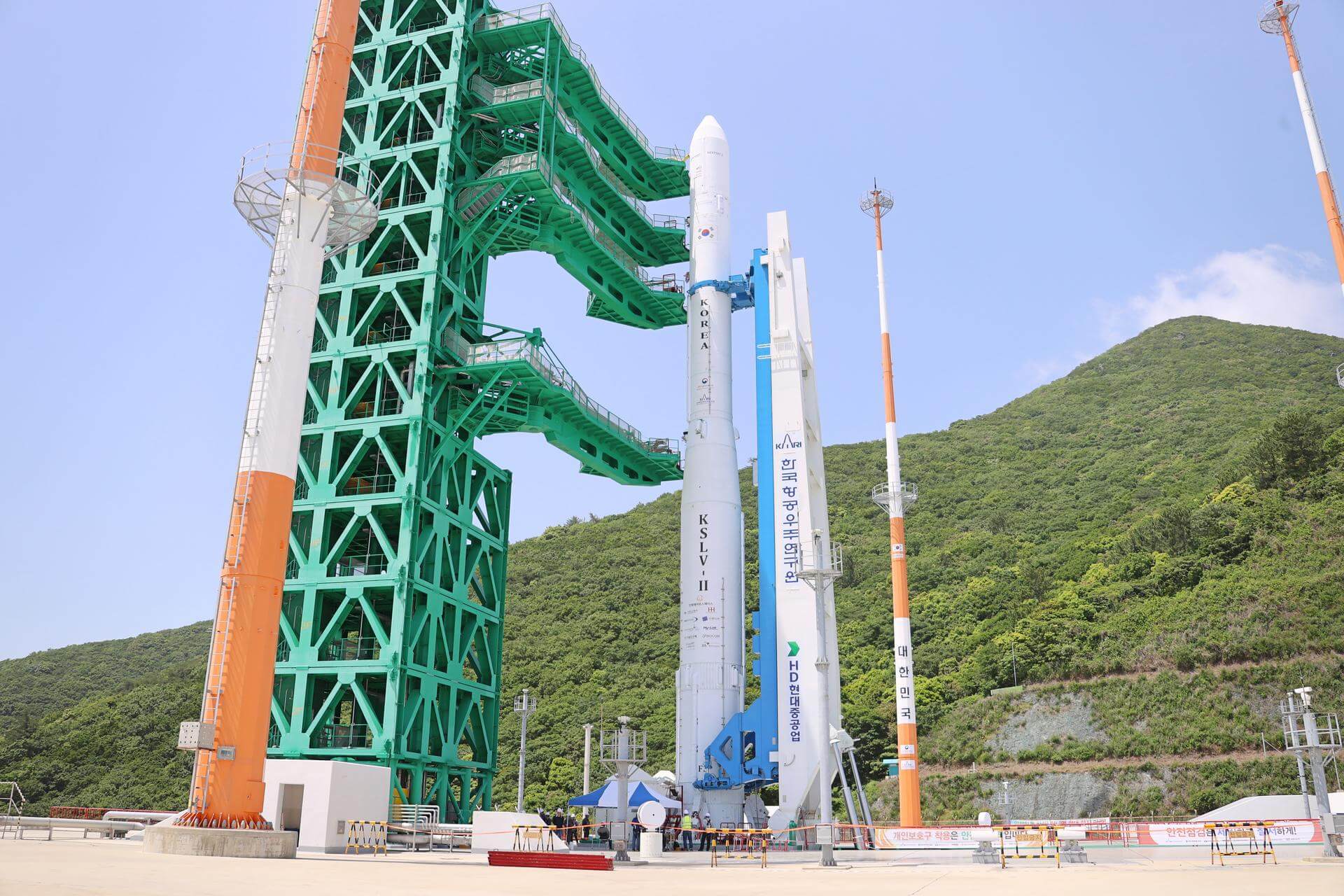
Launch Provider: Korea Aerospace Research Institute – Government
Launch Date: November 26, 2025
Launch Time: 3:54 PM UTC
Vehicle: Nuri
Brief: CAS500-3 is a South Korean Earth observation satellites to be used by the Ministry of Science and ICT for space technology verification and space science research.
Transporter 15 (Dedicated SSO Rideshare)
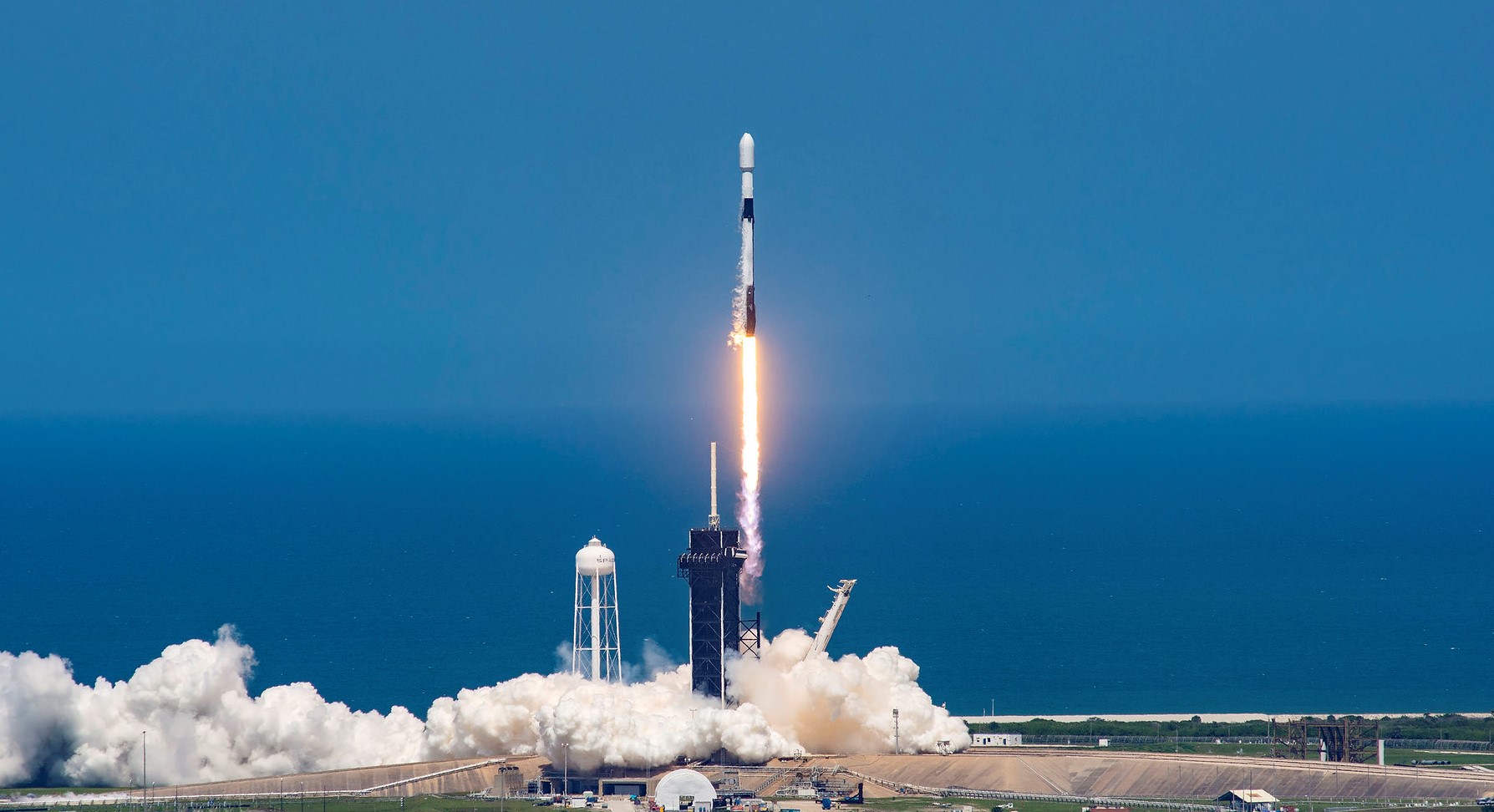
Launch Provider: SpaceX – Commercial
Launch Date: November 26, 2025
Launch Time: 6:18 PM UTC
Vehicle: Falcon 9
Brief: Dedicated rideshare flight to a sun-synchronous orbit with dozens of small microsatellites and nanosatellites for commercial and government customers.
Soyuz MS-28
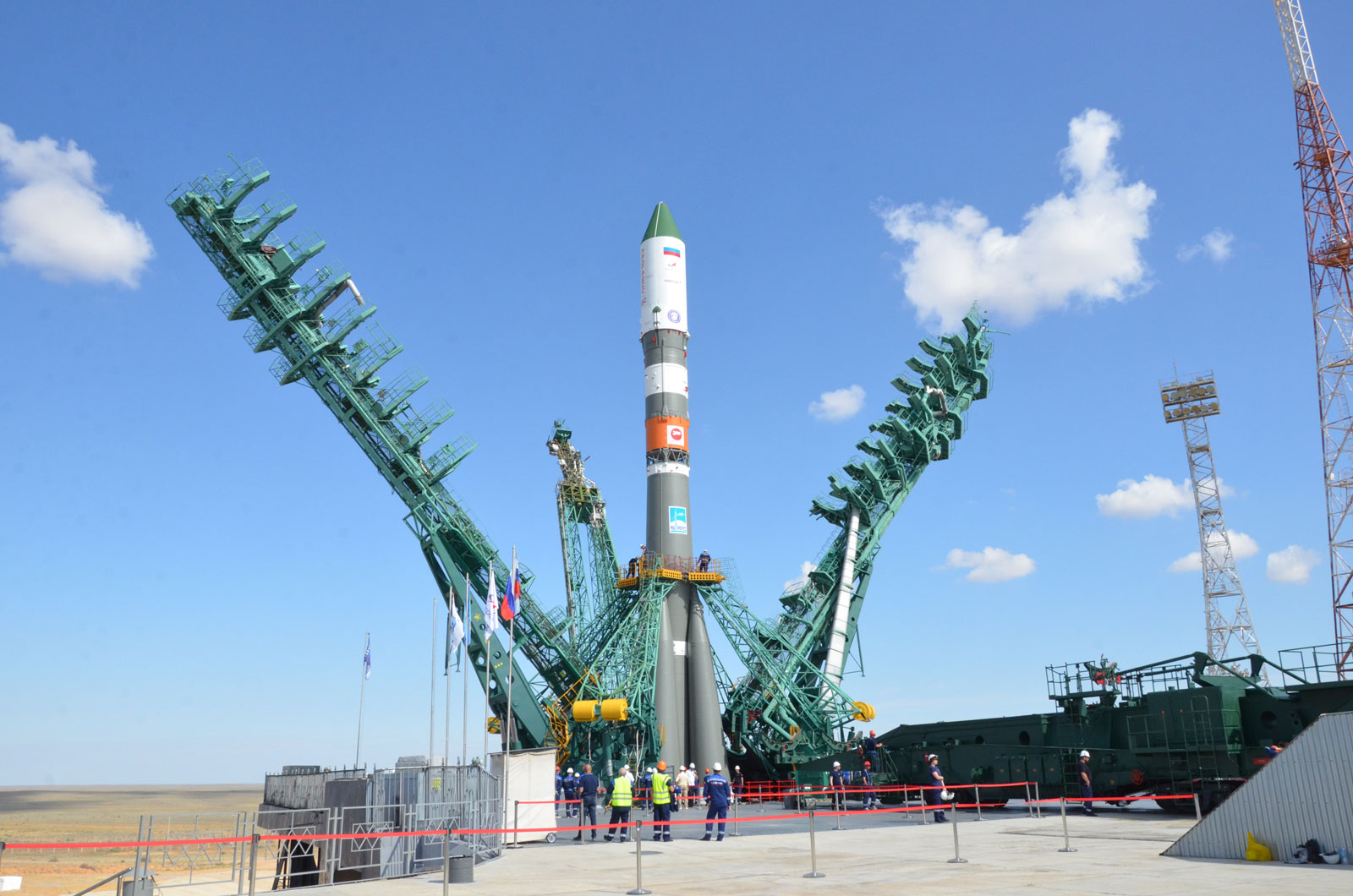
Launch Provider: Russian Federal Space Agency (ROSCOSMOS) – Government
Launch Date: November 27, 2025
Launch Time: 9:27 AM UTC
Vehicle: Soyuz 2.1a
Brief: Soyuz MS-28 will carry three cosmonauts and one astronaut to the International Space Station aboard the Soyuz spacecraft from the Baikonur Cosmodrome in Kazakhstan. The crew consists of Roscosmos cosmonauts Sergei Kud-Sverchkov, Sergei Mikayev and Oleg Platonov.
Starlink Group 15-10
Launch Provider: SpaceX – Commercial
Launch Date: November 30, 2025
Launch Time: 2:59 AM UTC
Vehicle: Falcon 9
Brief: A batch of 27 satellites for the Starlink mega-constellation – SpaceX’s project for space-based Internet communication system.
KOMPSAT-7
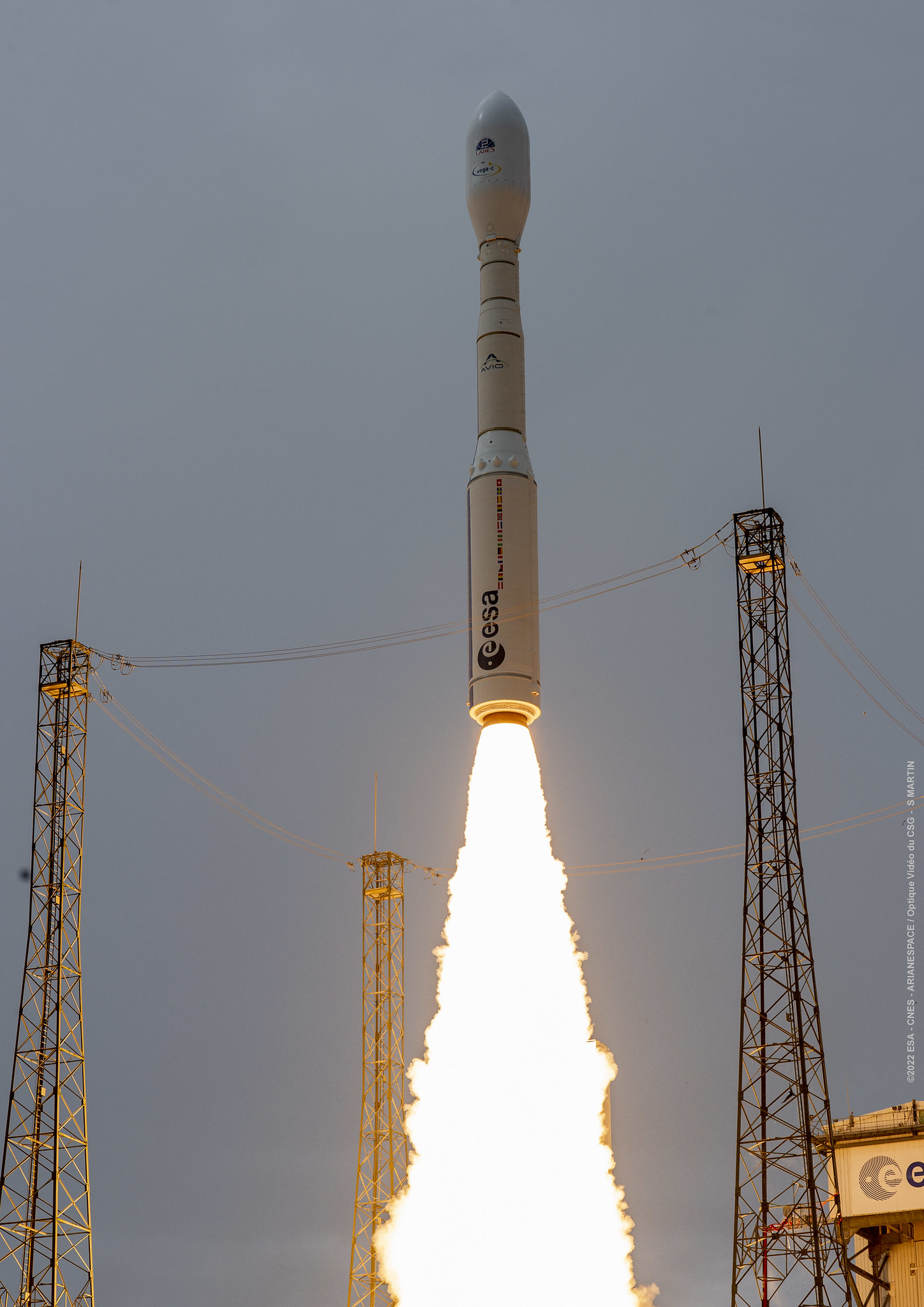
Launch Provider: Arianespace – Commercial
Launch Date: November 30, 2025
Launch Time: 5:21 PM UTC
Vehicle: Vega-C
Brief: KOMPSAT-7 is the follow-up model of KOMPSAT-3A whose mission is to provide high-resolution satellite images to satisfy South-Korea’s governmental and institutional needs.
