
The Daily Broadcast: Busy Skies: From Twilight Rideshares to Early Returns
 SpaceX Falcon 9 rocket on launch pad at Vandenberg Space Force Base” style=”display:block; margin:0 auto;”>
SpaceX Kicks Off 2026 with “Twilight” Rideshare Mission
SpaceX is opening the new year with another high-tempo launch, scheduled for January 11 at 5:19 a.m. PST from Vandenberg Space Force Base in California. Dubbed the “Twilight” mission, this rideshare flight marks the first of its kind under that name and continues SpaceX’s aggressive launch cadence following a record-breaking 2025. The Falcon 9 will deploy payloads across 40 separate events, including NASA’s Pandora spacecraft—a small satellite designed to study exoplanet atmospheres and host star variability. The mission underscores SpaceX’s growing role as a logistics backbone for both commercial and scientific payloads. With liftoff timed for dawn on the West Coast, viewers may catch a spectacular twilight glow around the ascending rocket—an apt visual match for the mission’s name. As always, the first-stage booster is expected to return to Earth for a landing on the drone ship Just Read the Instructions, stationed in the Pacific Ocean.
Crew-11 Returns Early After Medical Concern
NASA and SpaceX are bringing the Crew-11 mission home ahead of schedule, with splashdown in the Pacific Ocean planned for January 15, 2026. The early return follows a non-life-threatening medical issue involving one of the four astronauts aboard the International Space Station (ISS). While NASA has not disclosed specifics—respecting crew privacy—the agency confirmed that the situation warranted a precautionary end to the six-month expedition. Prior to departure, NASA astronaut Mike Fincke handed over command of Expedition 74 to Roscosmos cosmonaut Sergey Kud-Sverchkov during a formal ceremony on January 12. The early undocking also compresses the timeline for Crew Dragon’s return operations, but SpaceX and NASA teams have trained extensively for such contingencies. This marks only the second time a Crew Dragon mission has been cut short for medical reasons, highlighting both the risks of long-duration spaceflight and the robustness of current emergency protocols.
FCC Clears Path for 7,500 More Starlink Satellites
In a move that expands SpaceX’s already massive satellite internet ambitions, the U.S. Federal Communications Commission (FCC) approved a second tranche of 7,500 second-generation (Gen2) Starlink satellites on January 9. This authorization builds on SpaceX’s existing license for nearly 8,000 Gen2 satellites, bringing the company’s potential total constellation size to over 15,000 next-generation spacecraft. These satellites are expected to offer improved bandwidth, lower latency, and direct-to-cell capabilities—features that could reshape global connectivity, especially in remote regions like Canada’s North. While the approval is a win for SpaceX, it also reignites conversations about orbital congestion and the sustainability of megaconstellations. SpaceX has committed to mitigation measures, including autonomous collision avoidance and post-mission deorbiting within five years. For now, the FCC’s decision signals strong regulatory confidence in SpaceX’s technical and operational plans—even as astronomers and other satellite operators keep a watchful eye on the increasingly crowded skies.
Citations
- “SpaceX’s Twilight rideshare mission set to fly from Vandenberg” – https://www.nasaspaceflight.com/2026/01/spacexs-twilight-rideshare-mission-vandenberg/
- “Crew-11 to make early return Jan. 15” – https://spacenews.com/crew-11-to-make-early-return-jan-15/
- “FCC approves 7,500 additional Starlink satellites” – https://spacenews.com/fcc-approves-7500-additional-starlink-satellites/
Upcoming Launches
Pandora / Twilight rideshare mission
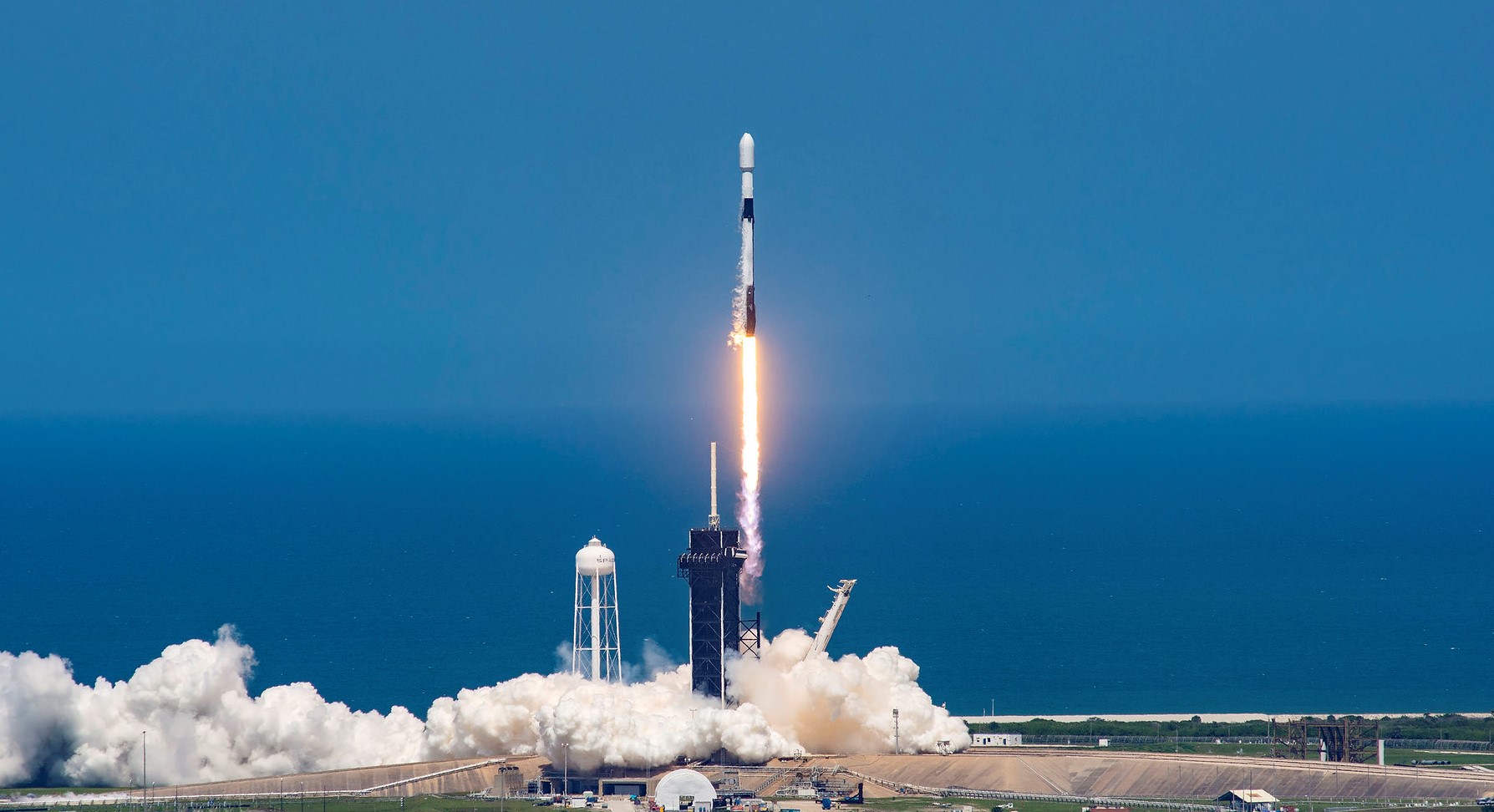
Launch Provider: SpaceX – Commercial
Launch Date: January 11, 2026
Launch Time: 1:44 PM UTC
Vehicle: Falcon 9
Brief: The Pandora small satellite was selected in 2021 as an inaugural mission in NASA’s Astrophysics Pioneers Program. It includes a 0.45-meter telescope that will improve our understanding of exoplanet atmospheres by disentangling exoplanet signals from their host stars, as well as studying host star variability with long-duration observations of 20 unique planets through visible-light photometry and near-infrared spectroscopy.
Also launching on this launch are 39 other ride-share payloads under the “Falcon 9 Twilight mission” manifested by Exolaunch, including satellites from Spire Global and Kepler Communications.
EOS-N1 and others
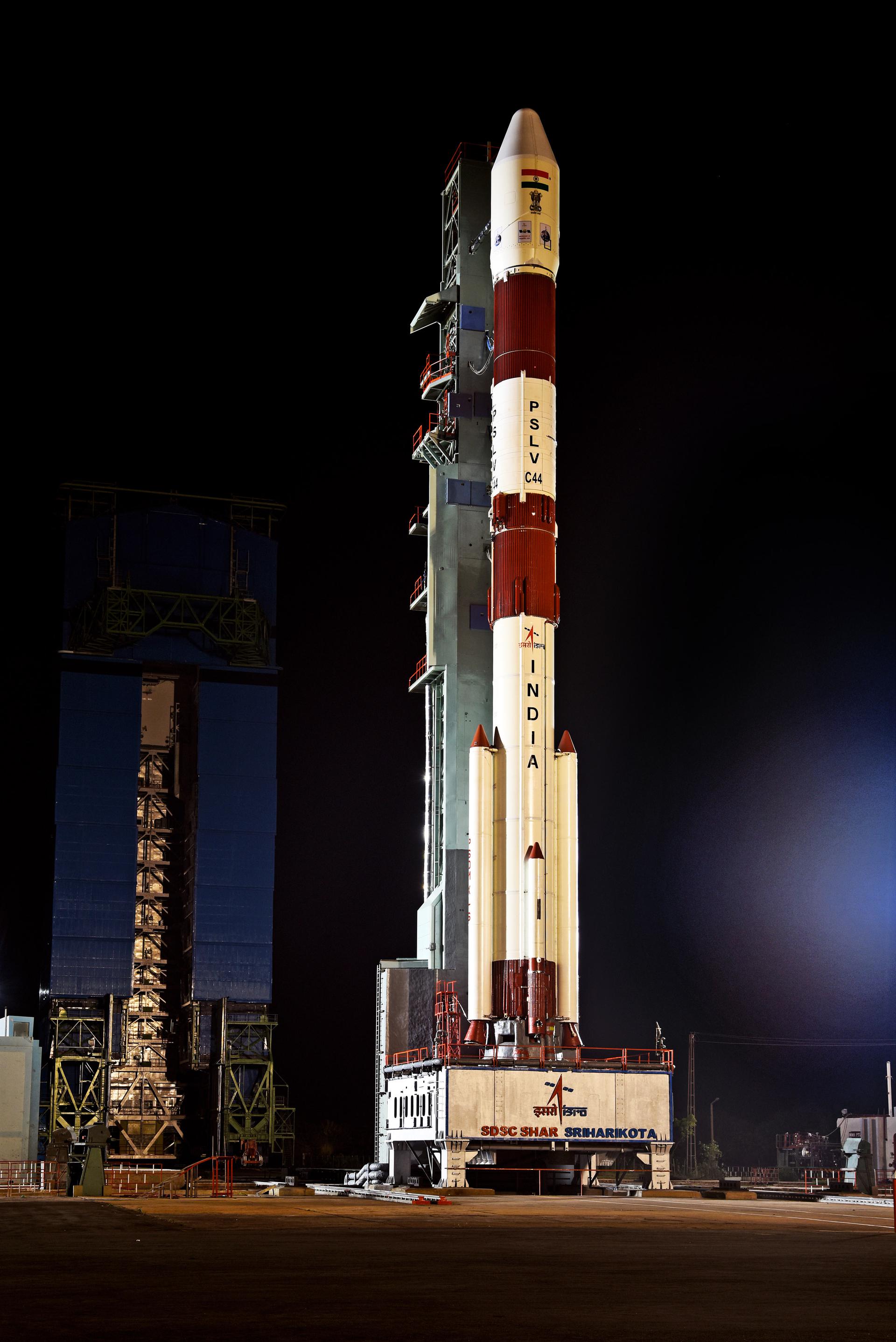
Launch Provider: Indian Space Research Organization – Government
Launch Date: January 12, 2026
Launch Time: 4:48 AM UTC
Vehicle: PSLV-DL
Brief: Small Earth observation satellite from NewSpace India Limited (NSIL) for an “Indian strategic user”, details TBD.
This launch will also carry 18 other ride-share payloads.
Starlink Group 6-97
Launch Provider: SpaceX – Commercial
Launch Date: January 12, 2026
Launch Time: 5:42 PM UTC
Vehicle: Falcon 9
Brief: A batch of 29 satellites for the Starlink mega-constellation – SpaceX’s project for space-based Internet communication system.
Unknown Payload
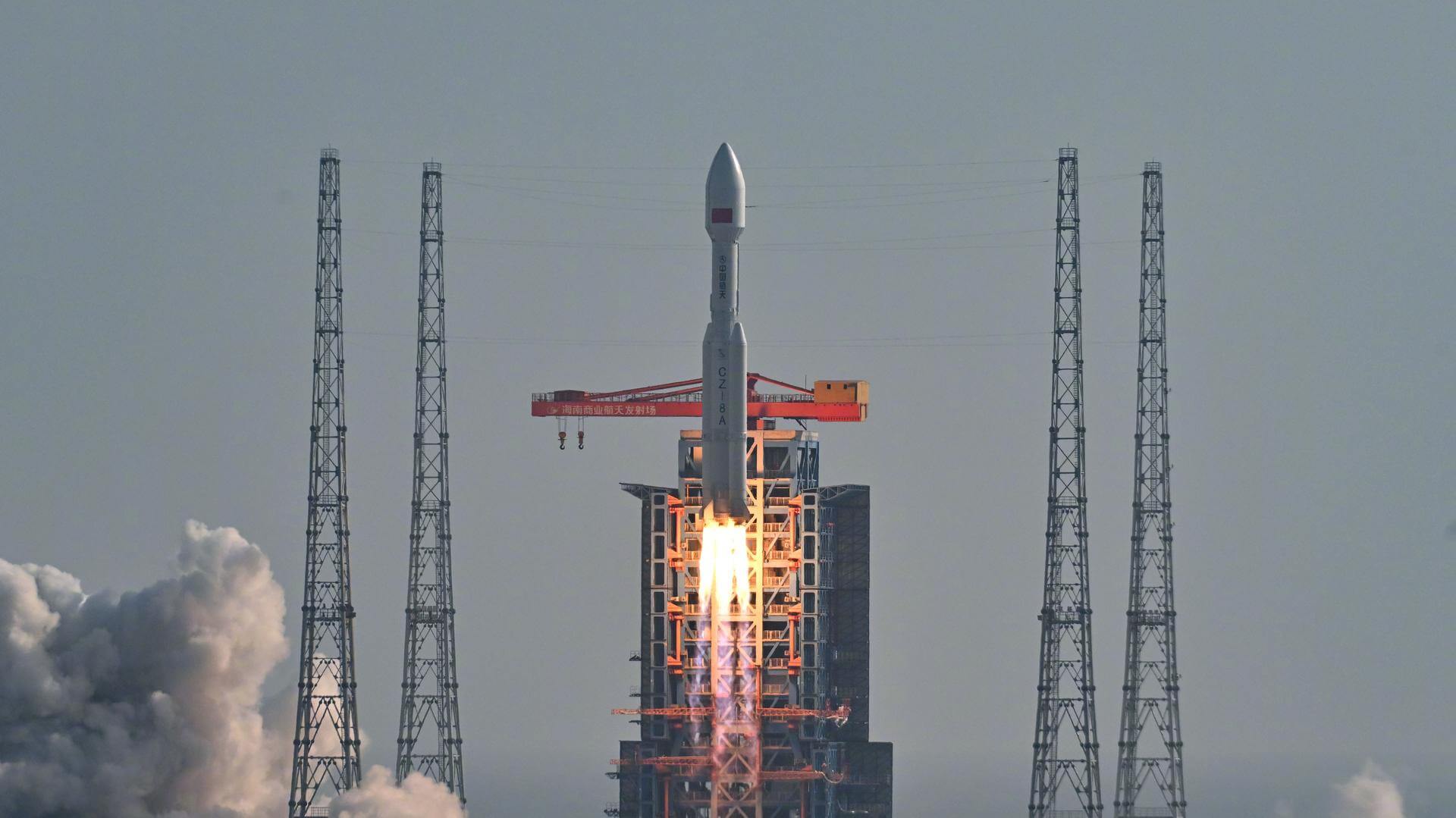
Launch Provider: China Aerospace Science and Technology Corporation – Government
Launch Date: January 13, 2026
Launch Time: 3:45 PM UTC
Vehicle: Long March 8A
Brief: Details TBD.
Starlink Group 6-98
Launch Provider: SpaceX – Commercial
Launch Date: January 14, 2026
Launch Time: 6:01 PM UTC
Vehicle: Falcon 9
Brief: A batch of 29 satellites for the Starlink mega-constellation – SpaceX’s project for space-based Internet communication system.
