
The Daily Broadcast: Balloons, Digital Twins, and Lunar Dust: A Busy Week in Space Science

Antarctic Balloons Set to Hunt Cosmic Mysteries
NASA is once again turning to the icy expanse of Antarctica to study the universe’s most elusive phenomena. This December, the agency’s Scientific Balloon Program will launch two zero-pressure balloons from near McMurdo Station on the Ross Ice Shelf. These high-altitude platforms will carry the Payload for Ultrahigh Energy Observations (PUEO) and the General AntiParticle Spectrometer (GAPS)—instruments designed to detect ultrahigh-energy neutrinos and low-energy antiparticles, respectively. Both aim to shed light on dark matter and cosmic ray origins, leveraging Antarctica’s stable wind patterns that allow balloons to circle the pole for weeks. While satellites often grab headlines, balloon-based experiments offer a cost-effective alternative for testing cutting-edge detectors before committing to orbital missions. In this case, PUEO and GAPS could deliver insights that complement data from space telescopes and ground-based observatories—proving that sometimes, the best view of the cosmos comes from a very cold, very windy patch of ice.
Digital Twin Takes Flight Aboard Proteus Satellite
Last week, a novel piece of aerospace software hitched a ride to orbit: a dynamic digital twin developed by researchers at UC Davis. Launched aboard a SpaceX rocket from Vandenberg Space Force Base on November 28, the twin is now operational on a Proteus Space satellite, where it will continuously model and predict the health of the spacecraft’s power system in real time. Unlike static simulations, this digital twin adapts to actual conditions in space, using live telemetry to forecast potential failures or performance degradations. This marks the first time such a system has been deployed in orbit, potentially setting a new standard for spacecraft autonomy and maintenance. For mission operators—especially those managing large satellite constellations—this could mean fewer surprises and longer mission lifespans. Think of it as a spacecraft’s own onboard mechanic, always on duty and never needing coffee (though we still recommend coffee for the humans on the ground).
Artemis IV to Deploy New Lunar Science Instruments
As NASA gears up for the Artemis IV mission, slated to land near the Moon’s south pole, the agency has selected two new science instruments for astronauts to deploy on the lunar surface. These tools—a dust-monitoring station and a seismic sensor—will help characterize the local environment, addressing critical unknowns about regolith behavior and subsurface structure. Understanding lunar dust is more than academic curiosity; its abrasive, clingy nature poses challenges for equipment, habitats, and even astronaut suits. Meanwhile, seismic data could reveal whether the Moon remains tectonically active and help map subsurface ice deposits. According to Nicky Fox, NASA’s associate administrator for the Science Mission Directorate, these investigations are vital stepping stones not only for sustained lunar presence but also for future Mars missions. Artemis IV, currently targeted for no earlier than 2028, continues to shape up as a pivotal mission that blends exploration with practical science—making sure we don’t just visit the Moon, but learn how to live there.
Citations
- “NASA prepares long duration Antarctic balloon campaign to probe neutrinos and dark matter” – https://www.spacedaily.com/reports/NASA_prepares_long_duration_Antarctic_balloon_campaign_to_probe_neutrinos_and_dark_matter_999.html
- “Digital twin successfully launched and deployed into space” – https://www.spacedaily.com/reports/UC_Davis_Designed_Digital_Twin_Successfully_Launched_and_Deployed_into_Space_999.html
- “NASA prepares new lunar dust and seismic studies for Artemis IV” – https://www.moondaily.com/reports/NASA_prepares_new_lunar_dust_and_seismic_studies_for_Artemis_IV_999.html
Upcoming Launches
Starlink Group 11-15
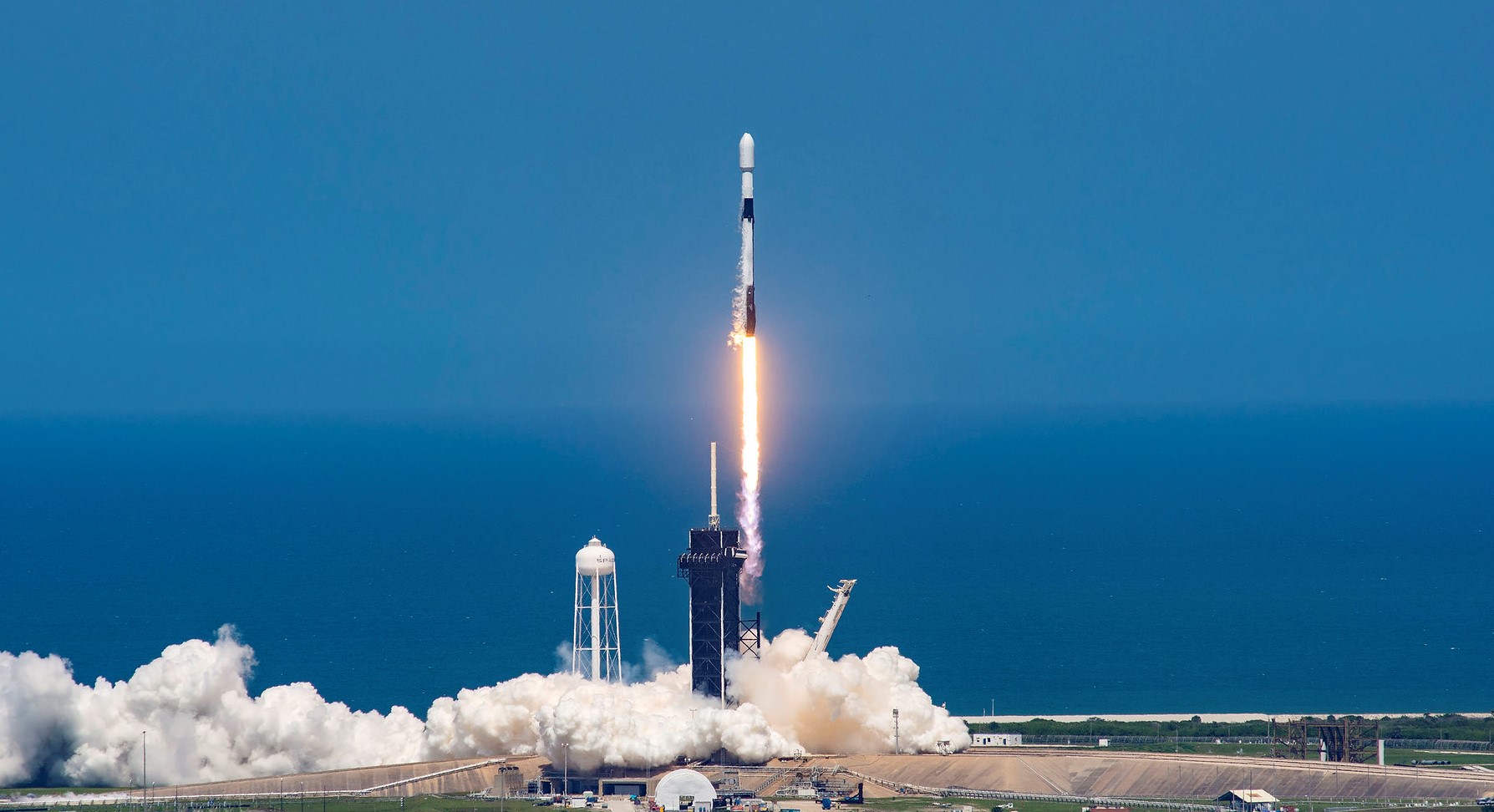
Launch Provider: SpaceX – Commercial
Launch Date: December 7, 2025
Launch Time: 5:58 PM UTC
Vehicle: Falcon 9
Brief: A batch of 28 satellites for the Starlink mega-constellation – SpaceX’s project for space-based Internet communication system.
Starlink Group 6-92
Launch Provider: SpaceX – Commercial
Launch Date: December 7, 2025
Launch Time: 9:40 PM UTC
Vehicle: Falcon 9
Brief: A batch of 29 satellites for the Starlink mega-constellation – SpaceX’s project for space-based Internet communication system.
Unknown Payload
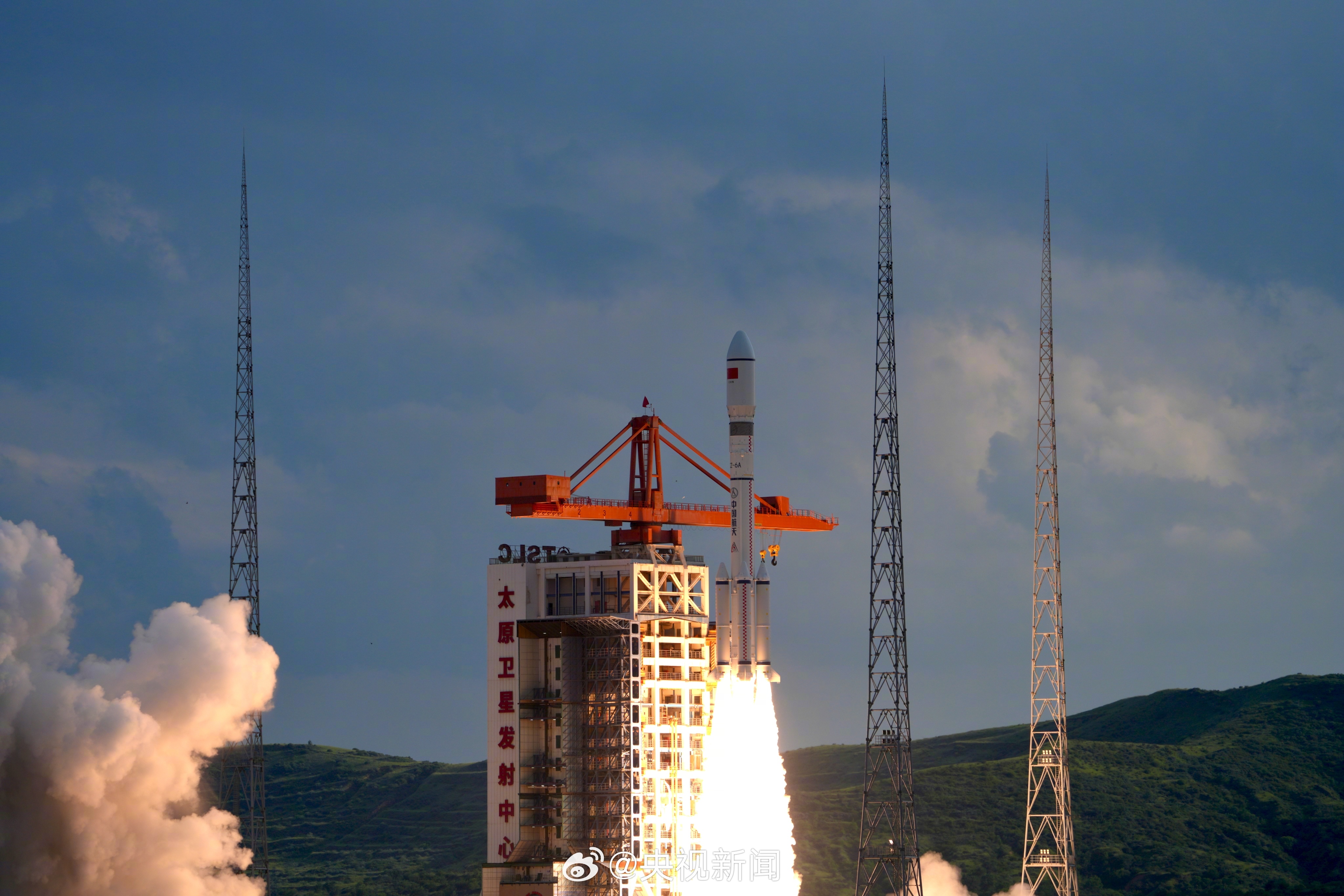
Launch Provider: China Aerospace Science and Technology Corporation – Government
Launch Date: December 8, 2025
Launch Time: 10:10 PM UTC
Vehicle: Long March 6A
Brief: Details TBD.
Raise and Shine (RAISE-4)
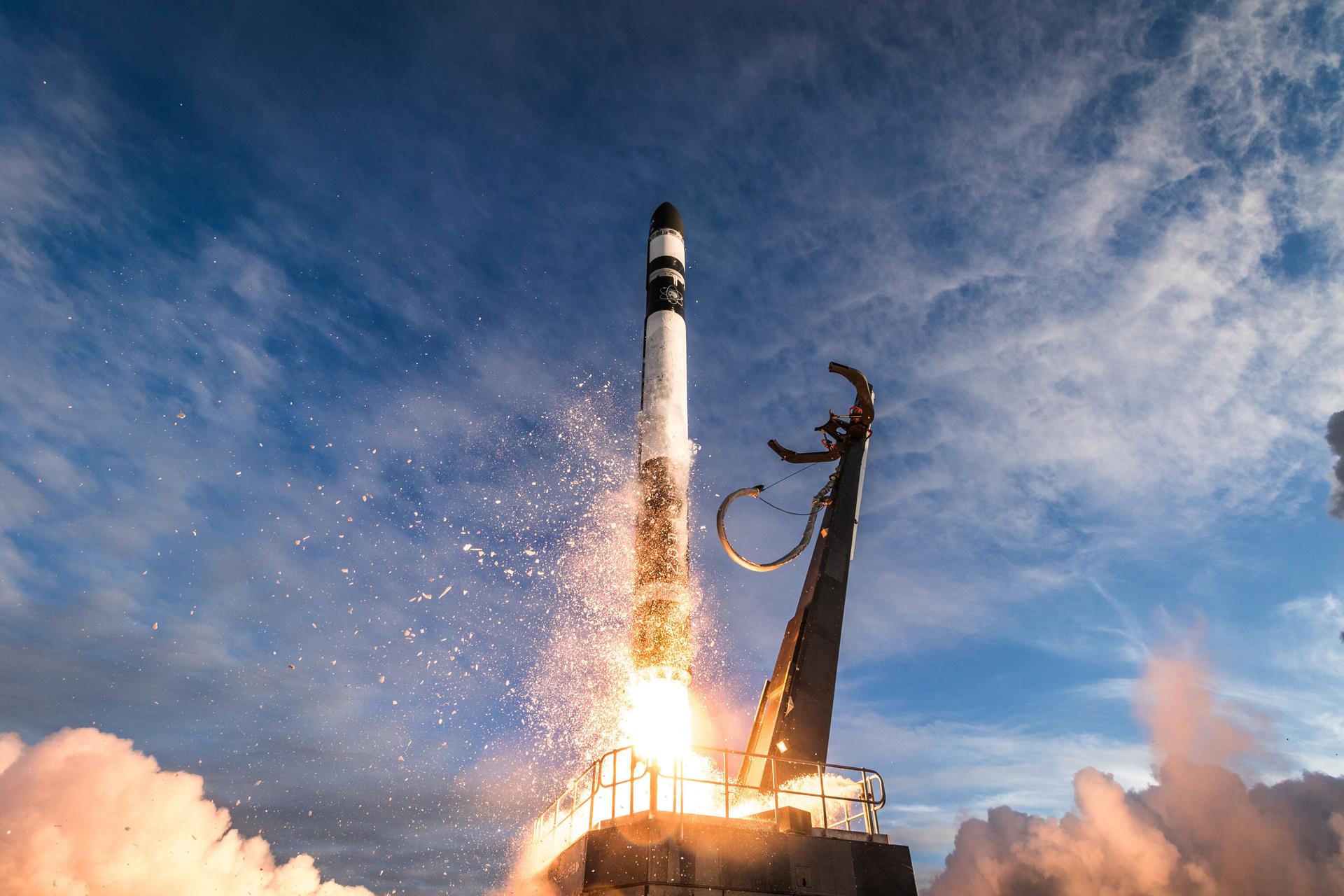
Launch Provider: Rocket Lab – Commercial
Launch Date: December 9, 2025
Launch Time: 3:00 AM UTC
Vehicle: Electron
Brief: RAISE-4 (RApid Innovative payload demonstration Satellite-4) is a Japan Aerospace Exploration Agency (JAXA) satellite for on-orbit demonstrations of 15 demonstration components and equipment selected by public solicitation. The satellite will be operated in response to requests from the demonstration theme proposers, and will provide experimental data of the demonstration devices and environmental data during the experiments.
6 of the demonstration payload, as well as as well as 4 cubesats originally planned to ride on the same launch vehicle, are re-flight of those planned for RAISE-3, which failed to reach orbit in October 2022.
The launch vehicle was switched from Epsilon-S to Rocket Lab’s Electron due to continuous testing problems with the Epsilon-S’ 2nd stage motor. The original 8 hitch-hiking cubesats will be launched on another Electron rocket later.
Unknown Payload
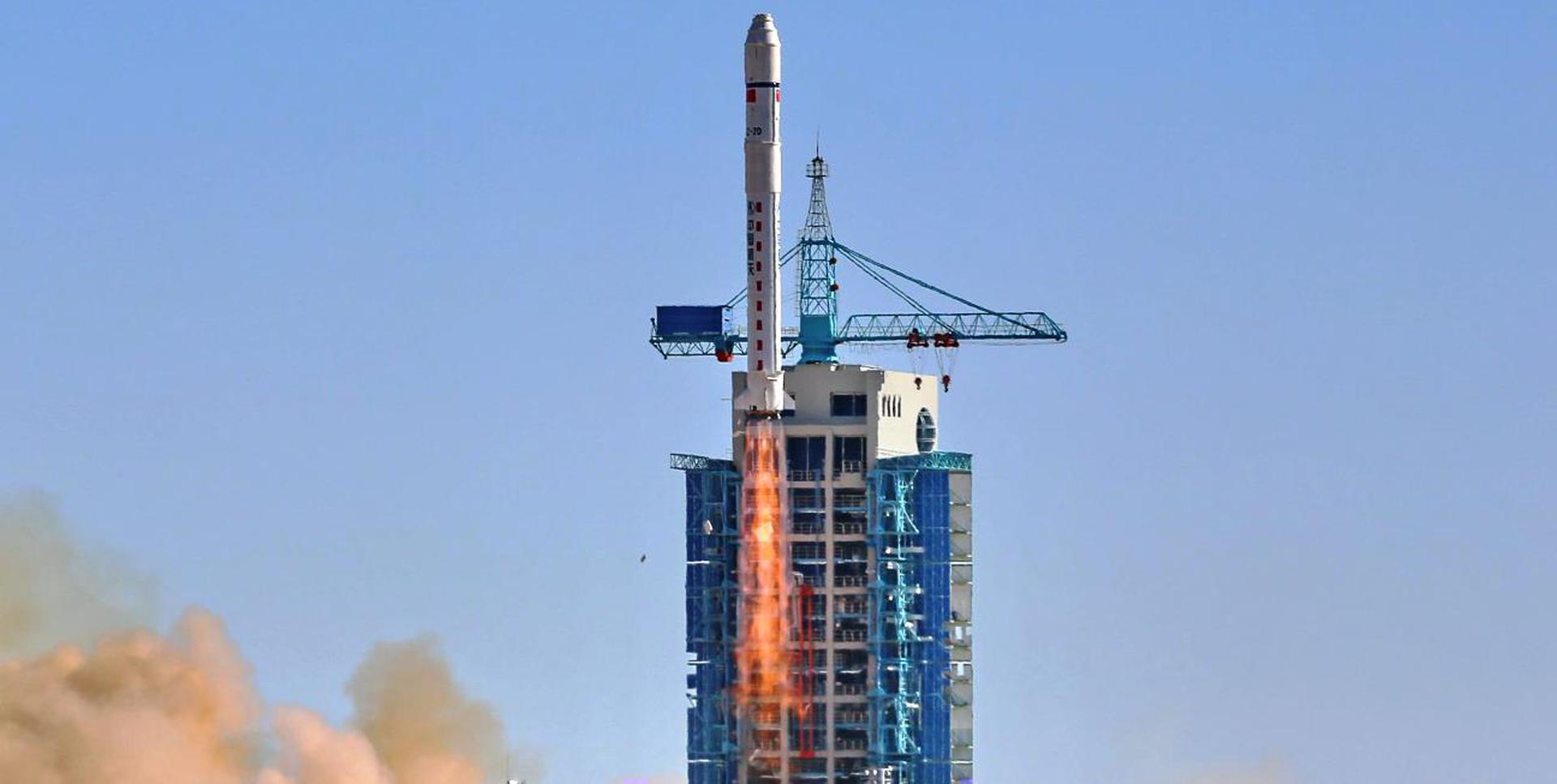
Launch Provider: China Aerospace Science and Technology Corporation – Government
Launch Date: December 9, 2025
Launch Time: 3:40 AM UTC
Vehicle: Long March 2D
Brief: Details TBD.
