
The Daily Broadcast: Artemis II on the Move, Lunar Survival Rises, and Asteroids Get a Nod

Artemis II Rolls Toward the Pad—With Canadian Eyes on the Moon
After months of meticulous preparation, NASA’s Space Launch System (SLS) rocket for the Artemis II mission is finally rolling out to Launch Pad 39B at Kennedy Space Center—a 6.4-kilometre crawl expected to take up to 12 hours this Saturday, January 17, 2026. This milestone brings us closer to the first crewed lunar flyby since Apollo, currently targeting a launch window opening February 6 at 9:41 p.m. EST. Sixteen total launch opportunities stretch through April 30, each offering a two-hour window.
Onboard will be Canadian Space Agency astronaut Jeremy Hansen, who will become the first Canadian to travel beyond low Earth orbit. His role as mission specialist is central to Canada’s growing presence in deep space exploration. Before liftoff, NASA must complete a wet dress rehearsal later this month—a full propellant load test without crew—to validate systems and countdown procedures. Engineers are also addressing minor issues, including a bent flight termination system cable and a valve problem related to Orion’s hatch pressurization, both now resolved or in final testing.

Surviving the Lunar Night: Why 2026 Is the Year of Nuclear Power on the Moon
As more nations and companies set their sights on the Moon, a new challenge has moved from “optional” to “essential”: surviving the lunar night. Lasting 14 Earth days and plunging temperatures below -170°C, the darkness presents a formidable barrier to sustained operations. According to recent analysis, 2026 will be a pivotal year for deploying space nuclear power systems designed to keep hardware alive—and functioning—through this brutal cycle.
Traditional solar power becomes useless during the long night, making radioisotope or fission-based energy sources the only viable option for continuous operations. Missions aiming to “survive, operate, and thrive” must now integrate thermal management and reliable power from the outset. This shift reflects a maturing lunar strategy: we’ve mastered landing, and now the focus turns to endurance. Expect upcoming missions—including those from NASA, ESA, and commercial partners—to feature compact nuclear power units tailored for the Moon’s extreme environment.

Ten Asteroids Honour ESA’s Planetary Defence Efforts
In a celestial gesture of recognition, ten newly named asteroids now carry the legacy of the European Space Agency’s Planetary Defence Office. Announced this week, these minor planets—each carefully tracked and catalogued—honour the team and mission leaders behind ESA’s ongoing efforts to detect, track, and prepare for potential asteroid threats to Earth.
The naming initiative coincides with growing international coordination in planetary defence, particularly following NASA’s successful DART mission, which proved kinetic impactors can alter an asteroid’s trajectory. ESA’s Hera mission, set to arrive at the Didymos system in 2027, will provide detailed post-impact data to refine future deflection strategies. These newly christened asteroids underscore Europe’s commitment to safeguarding our planet—not with weapons, but with science, international collaboration, and a vigilant eye on the skies.

Citations
- “NASA to roll out Artemis 2 rocket to the launch pad this week” – https://spaceq.ca/nasa-to-roll-out-artemis-2-rocket-to-the-launch-pad-this-week/
- “2026 will be the year of space nuclear power and surviving the lunar night” – https://spacenews.com/2026-will-be-the-year-of-space-nuclear-power-and-surviving-the-lunar-night/
- “10 asteroids named to honour ESA’s role in Planetary Defence” – https://www.esa.int/Space_Safety/Planetary_Defence/10_asteroids_named_to_honour_ESA_s_role_in_Planetary_Defence
Upcoming Launches
Unknown Payload
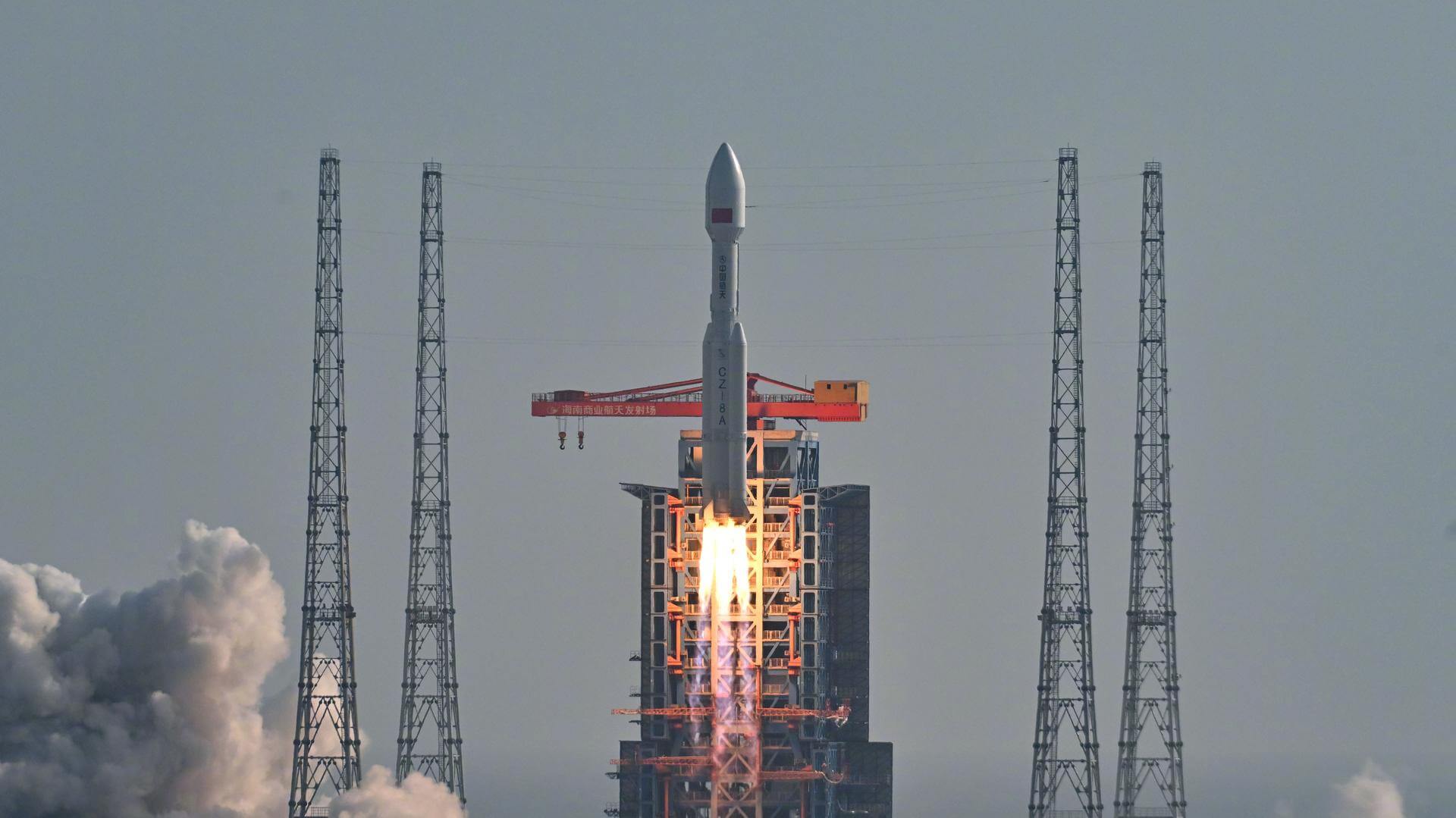
Launch Provider: China Aerospace Science and Technology Corporation – Government
Launch Date: January 13, 2026
Launch Time: 3:25 PM UTC
Vehicle: Long March 8A
Brief: Details TBD.
Starlink Group 6-98
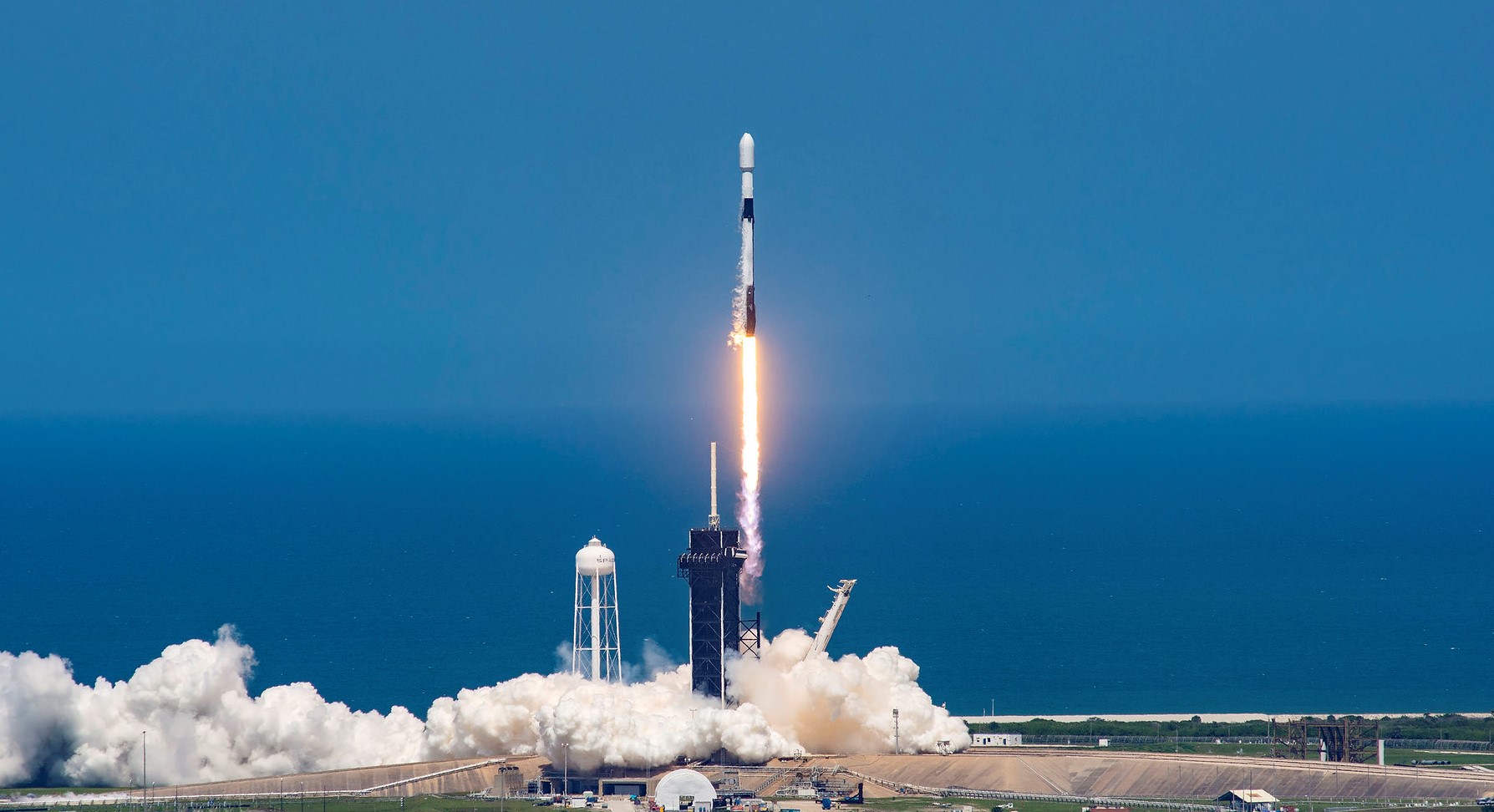
Launch Provider: SpaceX – Commercial
Launch Date: January 14, 2026
Launch Time: 6:01 PM UTC
Vehicle: Falcon 9
Brief: A batch of 29 satellites for the Starlink mega-constellation – SpaceX’s project for space-based Internet communication system.
Unknown Payload
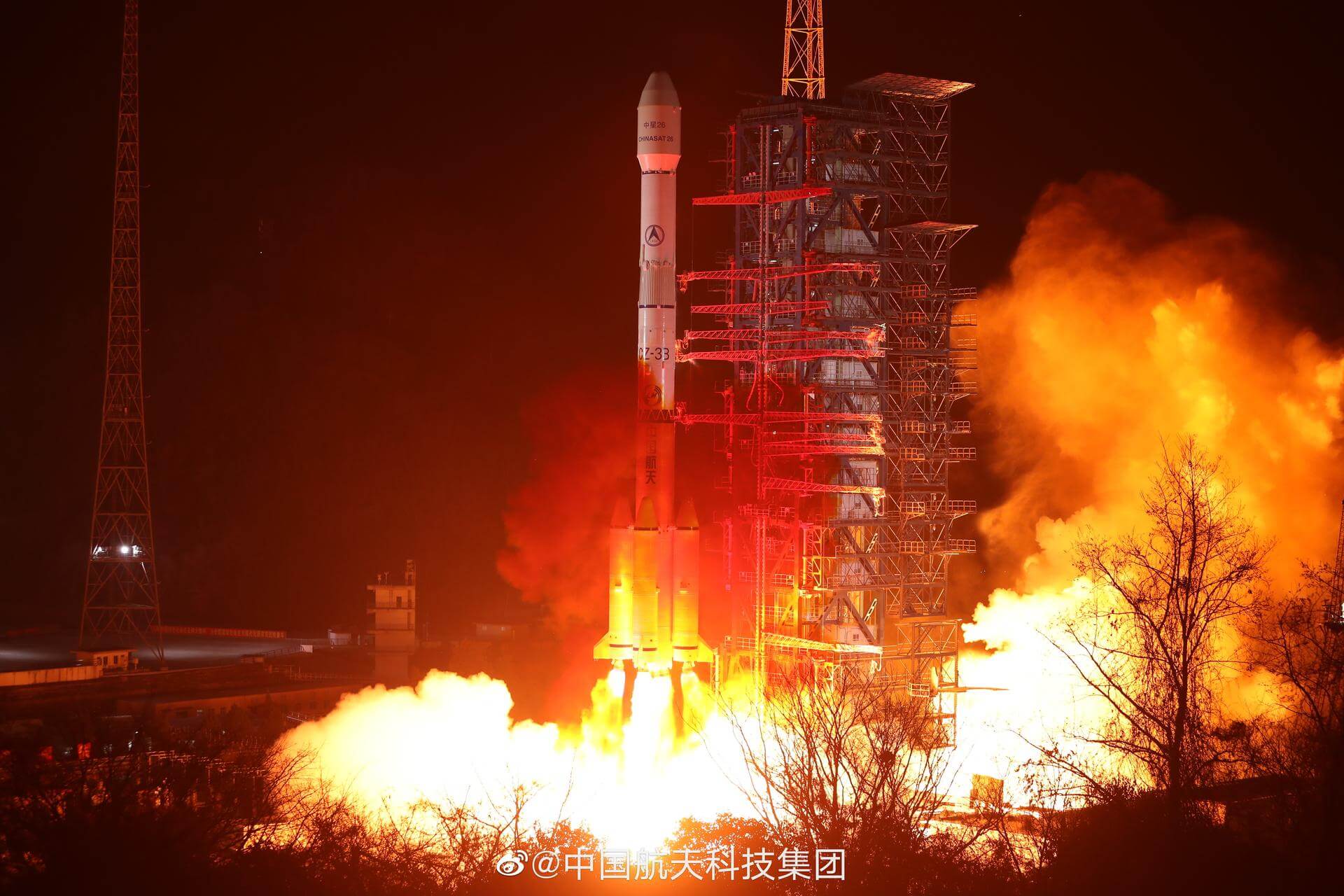
Launch Provider: China Aerospace Science and Technology Corporation – Government
Launch Date: January 15, 2026
Launch Time: 4:00 PM UTC
Vehicle: Long March 3B/E
Brief: Details TBD.
Unknown Payload
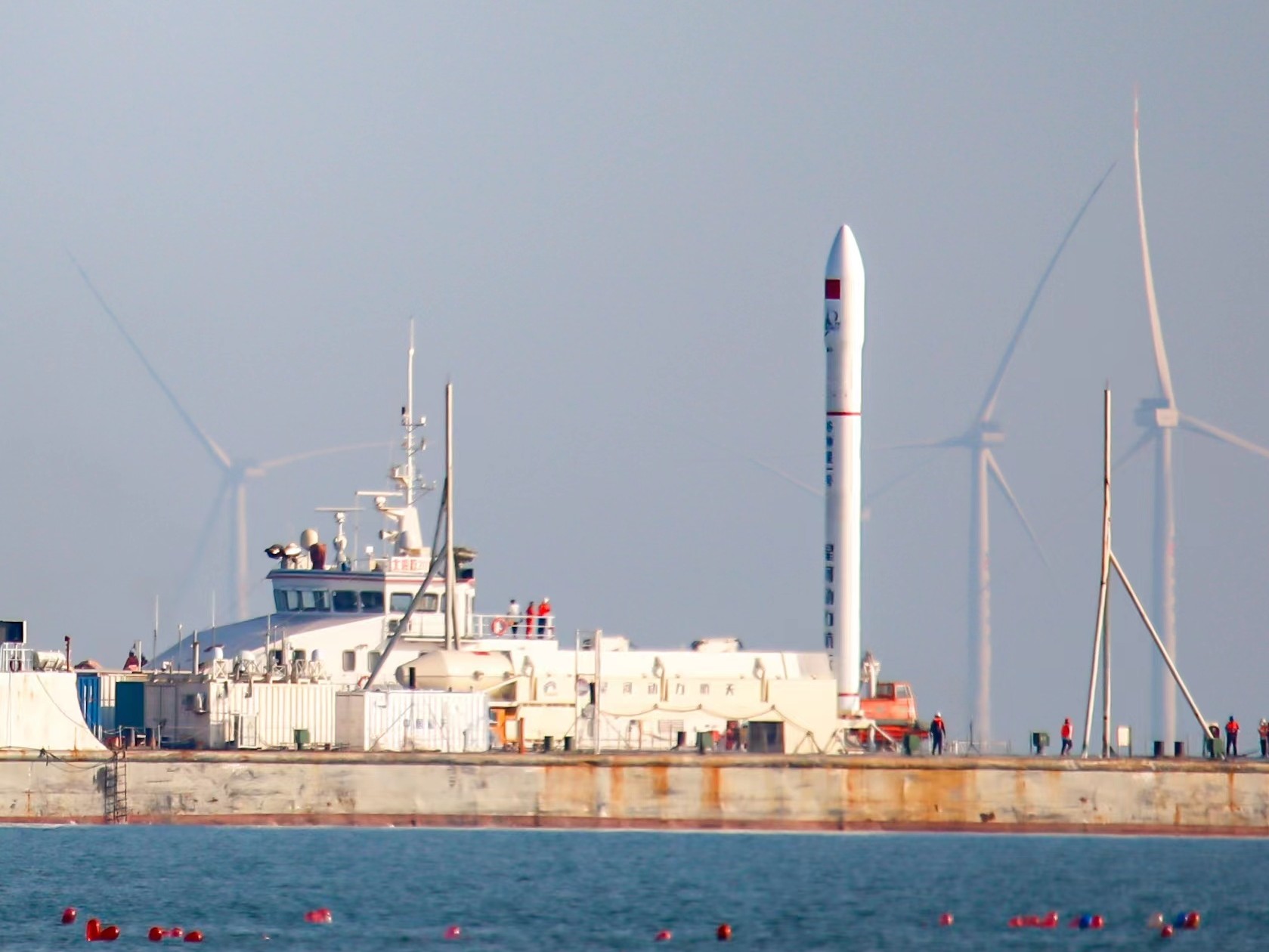
Launch Provider: Galactic Energy – Commercial
Launch Date: January 15, 2026
Launch Time: 7:30 PM UTC
Vehicle: Ceres-1S
Brief: Details TBD.
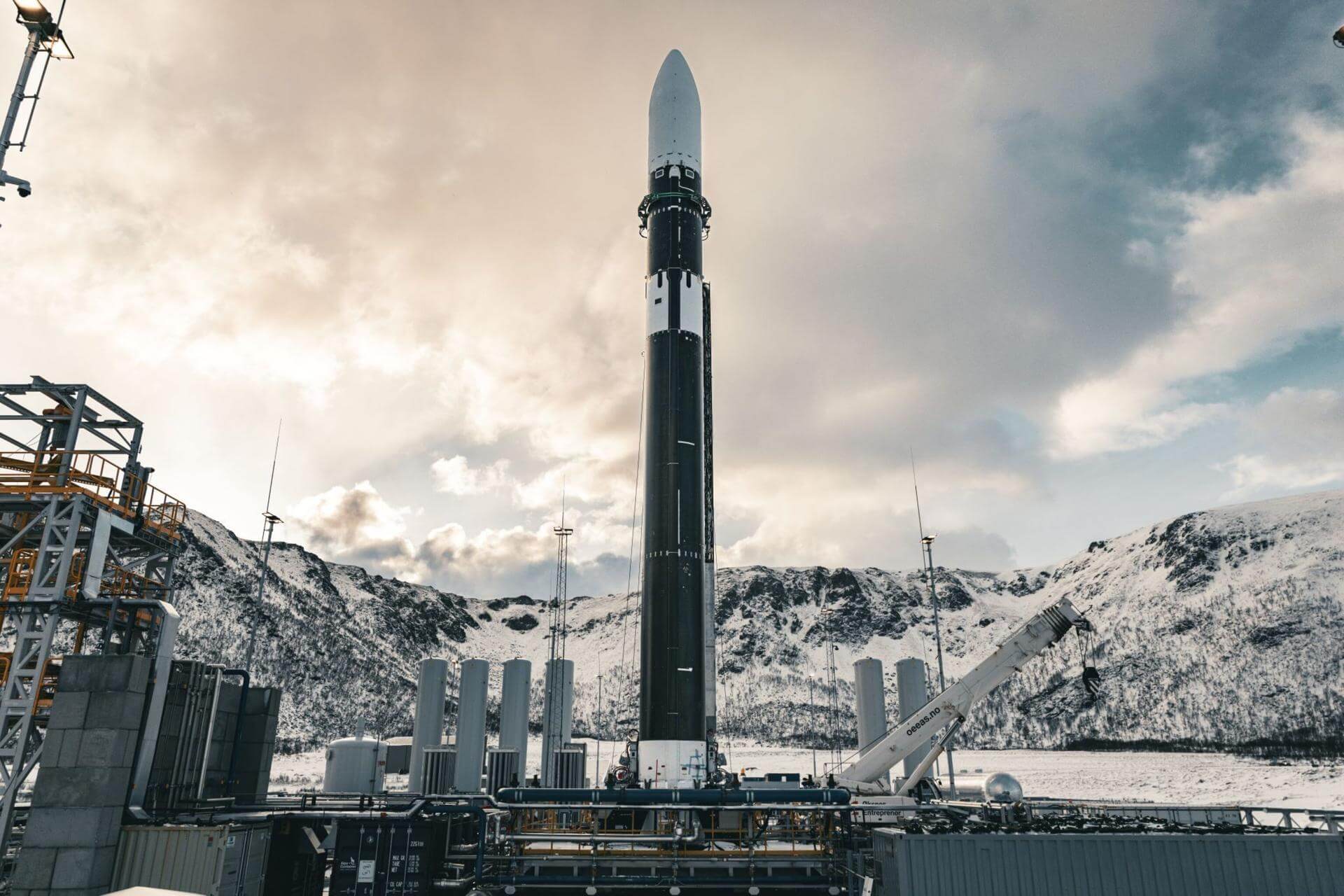
Flight Two
Launch Provider: Isar Aerospace – Private
Launch Date: January 17, 2026
Launch Time: 12:00 AM UTC
Vehicle: Spectrum
Brief: Second test flight of the Isar Spectrum launch vehicle, carrying several cubesats as part of the European Space Agency’s “Boost!” program.
