
The Daily Broadcast: Artemis 2 Aims for April Launch, Solar Volunteers Spot Flare Hotspots, and Deorbiting Satellites Get a European Ride
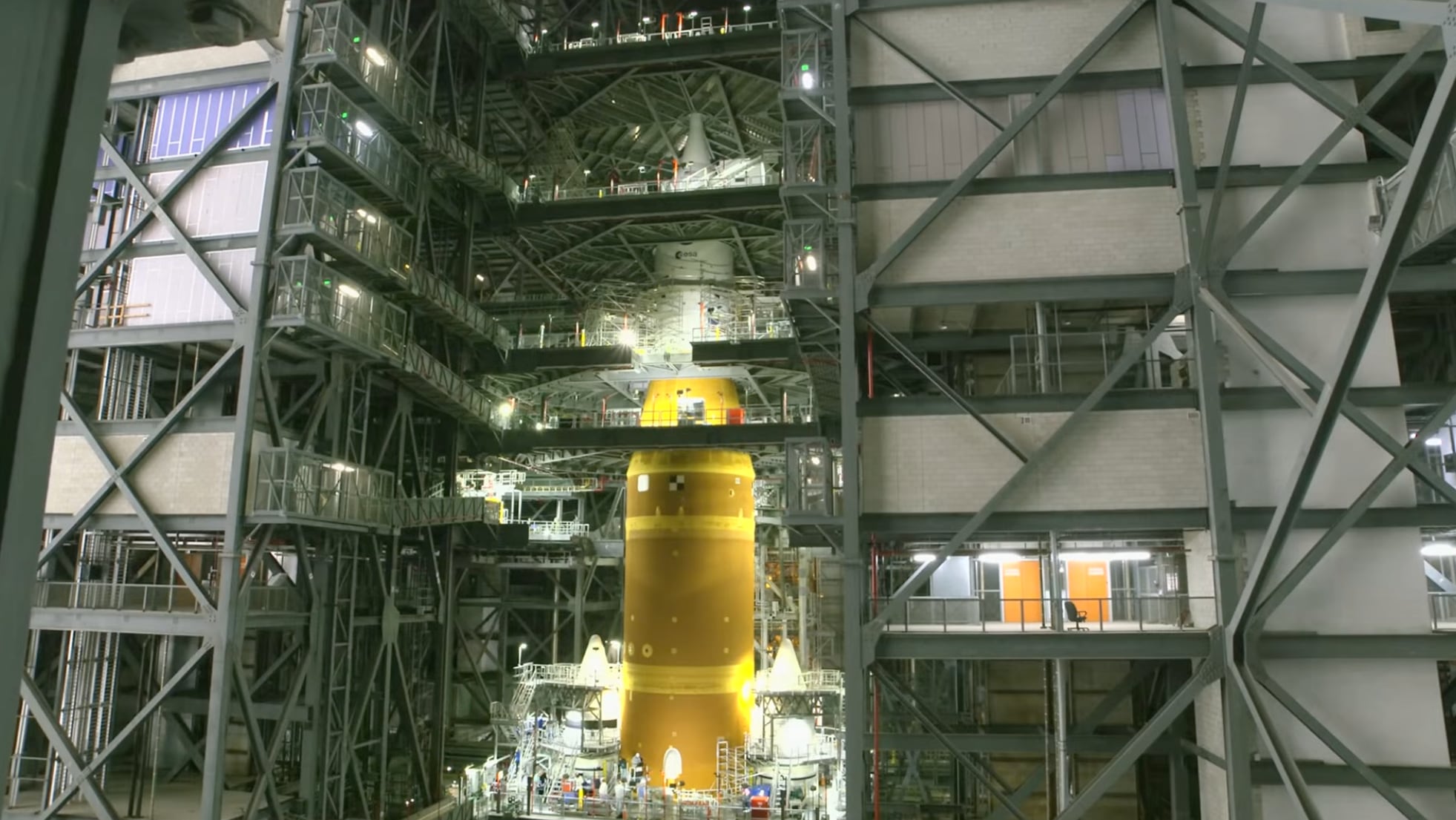
Artemis 2 Clears Critical Review Ahead of April Launch Attempt
On March 12, NASA announced that Artemis 2 has cleared its Flight Readiness Review, paving the way for a planned launch window opening April 1, 2026, at 6:24 p.m. EST. The mission—set to carry four astronauts, including Canadian Space Agency (CSA) astronaut Jeremy Hansen, on a lunar flyby—will mark humanity’s first crewed trip beyond low Earth orbit since Apollo 17 in 1972.
The Space Launch System (SLS) rocket, currently housed in the Vehicle Assembly Building at Kennedy Space Center, is scheduled to roll out to Launch Pad 39B on March 19. If all goes as planned, liftoff could occur any day between April 1 and 6, with additional opportunities opening April 30 if needed. NASA officials confirmed that no further wet dress rehearsals are expected—the next time the rocket is fuelled will be for launch.
Engineers resolved a helium flow issue that had previously forced a rollback in February by replacing a faulty seal in a quick-disconnect valve. SLS Program Manager John Honeycutt noted the mission’s risk profile is “better than 1 in 2” for success—a strong position for a second-flight system carrying crew. Meanwhile, the future of the lunar Gateway station, which will eventually host Canada’s Canadarm3, remains ambiguous amid shifting Artemis architecture, though the CSA’s contribution to Artemis 2 remains firmly on track.
Citizen Scientists Help Uncover Solar Flare Patterns
Volunteers participating in NASA’s Solar Active Region Spotter citizen science project have helped identify a surprising trend: long-lived magnetic regions on the Sun are far more likely to produce powerful solar flares than shorter-lived ones. According to a study published March 13, 2026, by researchers Emily Mason and Kara Kniezewski, these persistent active regions—those that linger for at least a month—are three to six times more likely to generate the most intense flares.
The project, now complete, asked participants to compare pairs of solar images from NASA’s Solar Dynamics Observatory and classify active regions based on longevity and behaviour. The resulting dataset revealed that these enduring magnetic patches are disproportionately responsible for space weather events that can disrupt satellites, communications, and power grids on Earth.
For Canadians watching the skies—especially those in northern latitudes where auroras are common—this research could improve space weather forecasting accuracy. While solar flares themselves pose little direct risk on the ground, the geomagnetic storms they trigger can affect critical infrastructure. The findings also hint at deeper dynamics within the Sun’s interior, offering scientists new clues about how magnetic fields evolve.
Astroscale’s Deorbiting Mission to Launch on European Rocket
A Japanese-British satellite servicing mission will soon hitch a ride on a German-built rocket. On March 13, 2026, Astroscale announced it has selected Isar Aerospace’s Spectrum launch vehicle to carry its ELSA-M spacecraft—a mission designed to deorbit defunct satellites from low Earth orbit. The launch is scheduled for Astroscale’s 2028 fiscal year, which begins in May 2027.
ELSA-M, developed by Astroscale U.K. with support from the European Space Agency (ESA), aims to dock with a retired OneWeb satellite and guide it to a controlled atmospheric reentry. The mission recently completed initial environmental testing at the National Satellite Test Facility in the U.K. Isar’s Spectrum rocket, which suffered a launch failure during its debut attempt in 2025 from Andøya, Norway, is preparing for a second test flight as soon as March 19, 2026.
While not a Canadian mission, ELSA-M reflects growing international momentum toward sustainable space operations—a priority for Canadian policymakers and satellite operators alike. With orbital debris posing increasing risks to all spacecraft, including Canadian Earth observation and communications assets, such missions could help preserve the space environment for future generations. Isar emphasized the strategic importance of launching a European-funded mission on a European rocket, aligning with broader efforts to strengthen the continent’s autonomous access to space.

Citations
- “Artemis 2 set for April lunar launch as NASA navigates Gateway uncertainty” – https://spaceq.ca/artemis-2-set-for-april-lunar-launch-as-nasa-navigates-gateway-uncertainty/
- “Volunteers Find Oddly High Solar Flare Rates” – https://science.nasa.gov/get-involved/citizen-science/volunteers-find-oddly-high-solar-flare-rates/
- “Astroscale selects Isar Aerospace to launch ELSA-M mission” – https://spacenews.com/astroscale-selects-isar-aerospace-to-launch-elsa-m-mission/
Upcoming Launches
Starlink Group 17-31
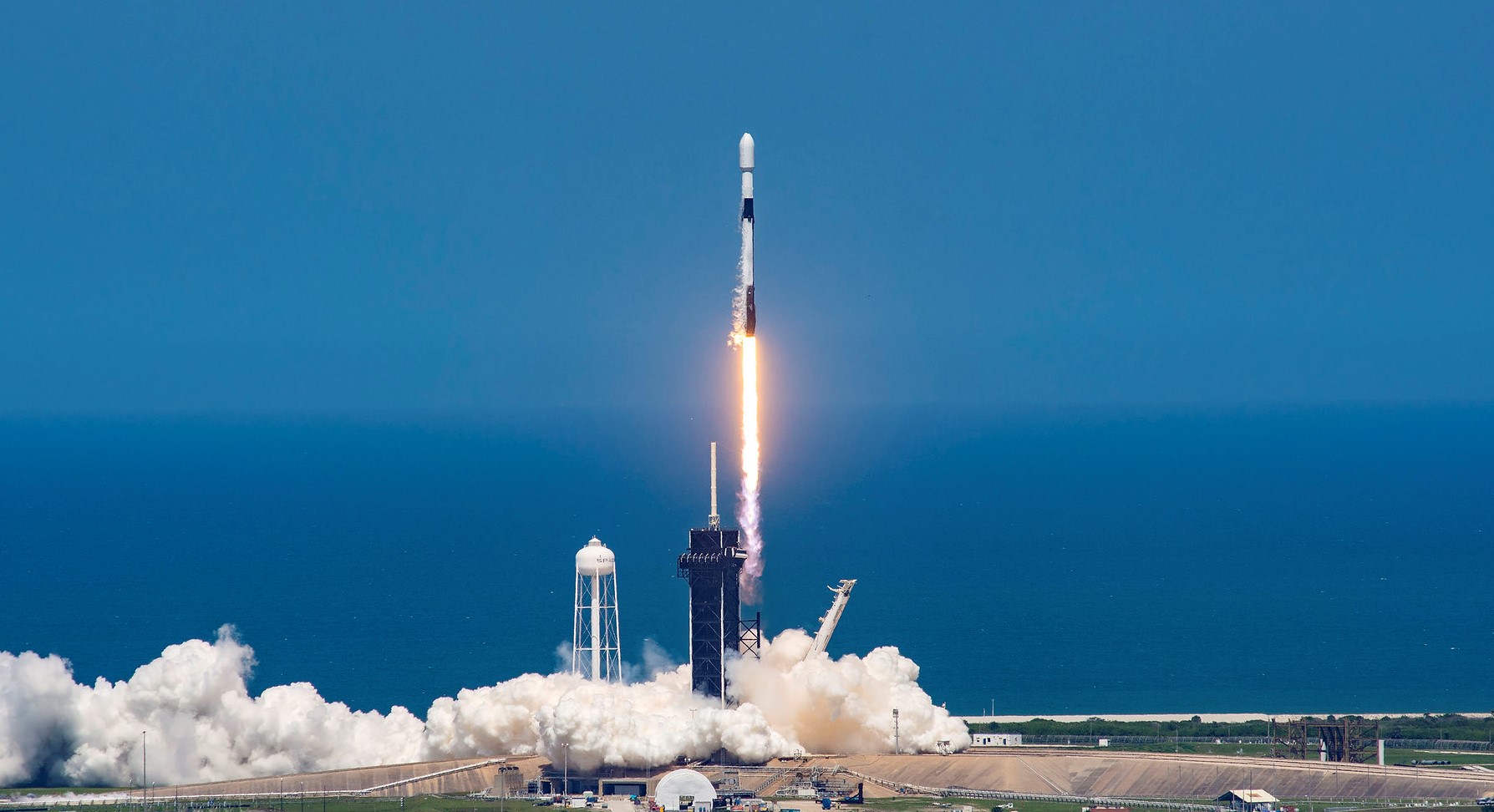
Launch Provider: SpaceX – Commercial
Launch Date: March 13, 2026
Launch Time: 2:57 PM UTC
Vehicle: Falcon 9
Brief: A batch of 25 satellites for the Starlink mega-constellation – SpaceX’s project for space-based Internet communication system.
Starlink Group 10-48
Launch Provider: SpaceX – Commercial
Launch Date: March 14, 2026
Launch Time: 12:37 PM UTC
Vehicle: Falcon 9
Brief: A batch of 29 satellites for the Starlink mega-constellation – SpaceX’s project for space-based Internet communication system.
Unknown Payload
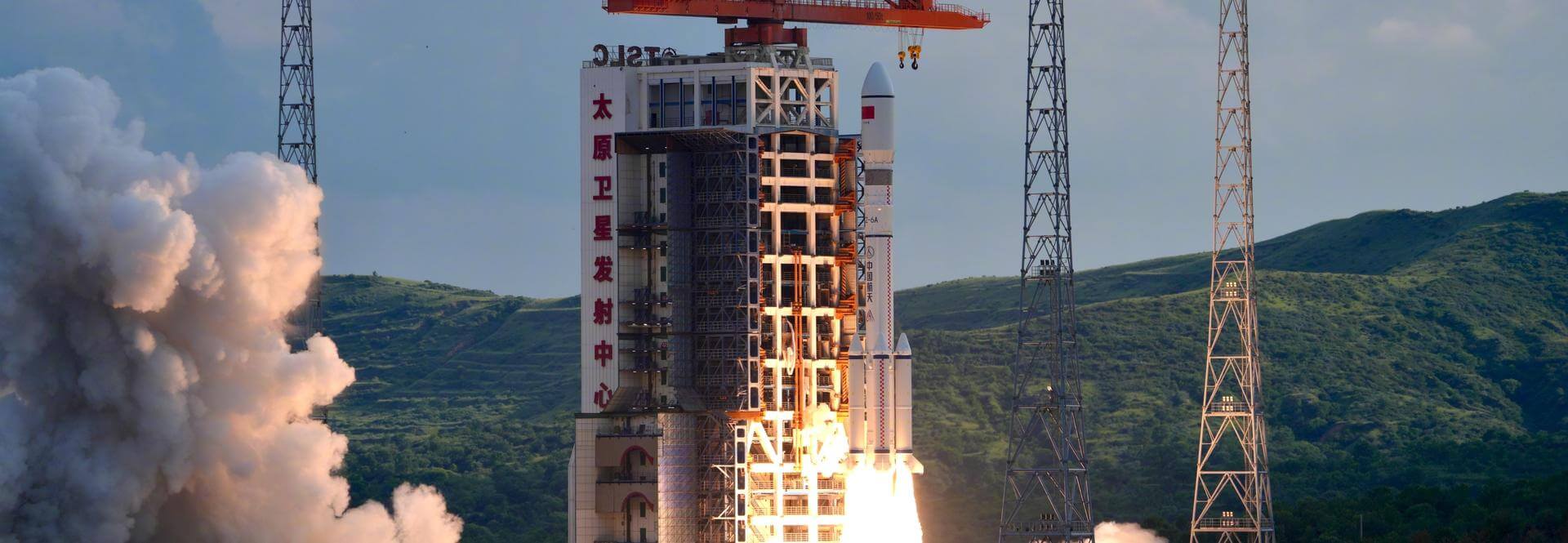
Launch Provider: China Aerospace Science and Technology Corporation – Government
Launch Date: March 15, 2026
Launch Time: 1:20 PM UTC
Vehicle: Long March 6A
Brief: Details TBD.
📽️ No Livestream scheduled yet
Unknown Payload
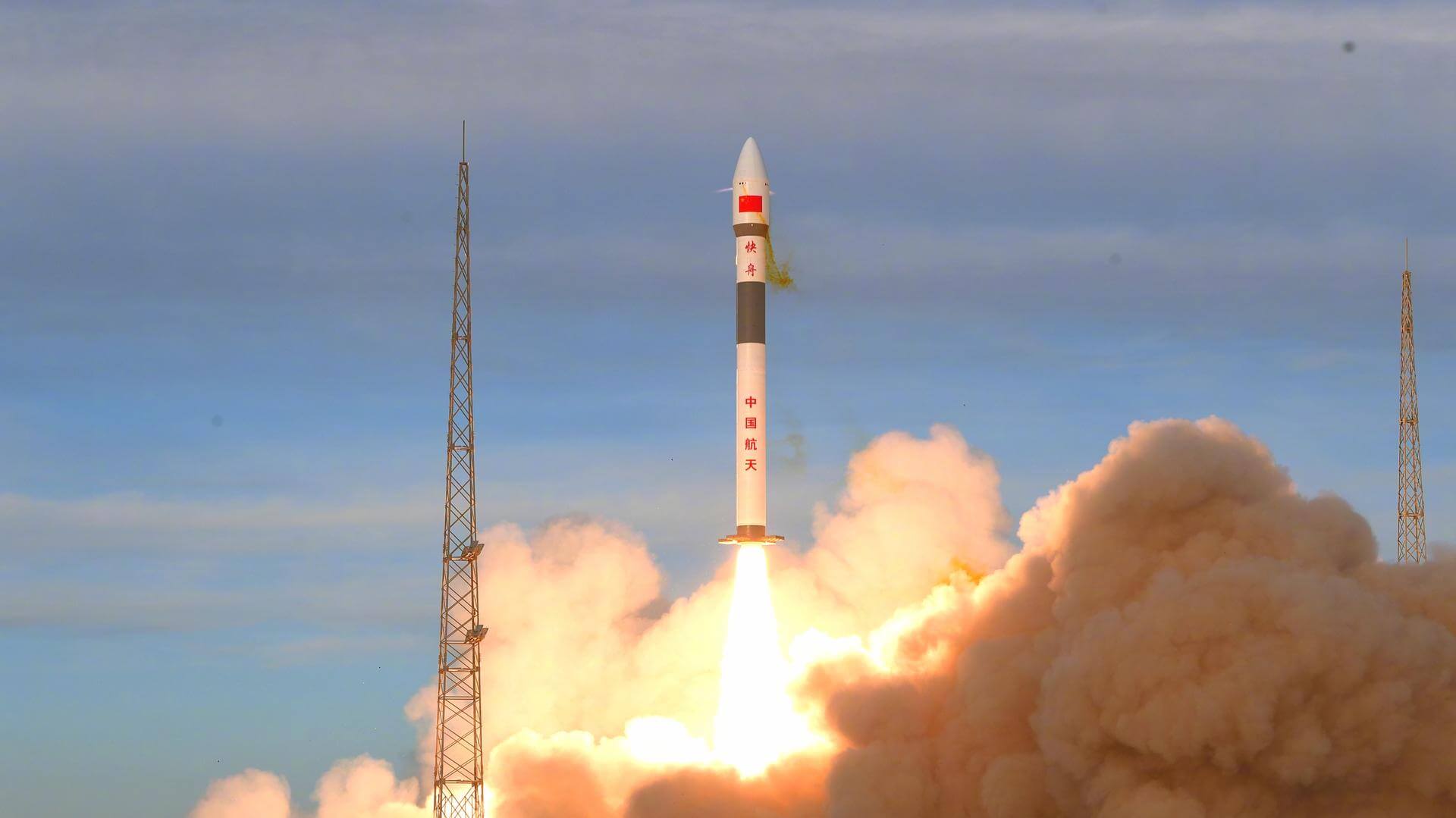
Launch Provider: ExPace – Commercial
Launch Date: March 16, 2026
Launch Time: 4:10 AM UTC
Vehicle: Kuaizhou 1A
Brief: Details TBD.
📽️ No Livestream scheduled yet
Starlink Group 17-24
Launch Provider: SpaceX – Commercial
Launch Date: March 17, 2026
Launch Time: 2:37 AM UTC
Vehicle: Falcon 9
Brief: A batch of 25 satellites for the Starlink mega-constellation – SpaceX’s project for space-based Internet communication system.

Leave a Reply