
The Daily Broadcast: From Lunar Rovers to Responsive Launches: A Day of Strategic Moves in Space

Canada Takes Next Step Toward Moon Mobility
The Canadian Space Agency (CSA) has officially opened the next chapter in its lunar exploration ambitions by issuing a Request for Proposals (RFP) for complementary technology development for the Lunar Utility Rover (LUV). Targeting a launch no earlier than 2033, the LUV aims to support sustained human presence on the Moon—and Canada is determined to roll its own wheels across the lunar surface. Three Canadian companies—Canadensys Aerospace, MDA Space, and Mission Control—are already deep in concept development, and this new RFP seeks to mature subsystems such as mobility, thermal control, power, and manipulation capabilities to Technology Readiness Levels between 4 and 6. Proposals are due by March 25, 2026, at 2:00 PM EDT. The initiative aligns with Canada’s broader contribution to the Artemis programme, reinforcing the nation’s niche in robotics and autonomous systems. As the CSA noted in a recent LinkedIn post, this effort is part of a strategic push to ensure Canadian industry remains at the forefront of space exploration technology. For a country that gave the world the Canadarm, building a rover capable of navigating the Moon’s harsh terrain is a logical—and exciting—next step.
Rocket Lab Doubles Down with Back-to-Back Launches
Rocket Lab is proving that small launch can move fast. On January 30, 2026, at 2:21 p.m. NZDT (01:21 UTC), the company successfully launched its 81st Electron mission, “Bridging The Swarm,” from Launch Complex 1 in New Zealand. This marked the second Electron flight in just eight days, underscoring the company’s growing operational tempo. The mission deployed an Earth observation satellite for the Korea Advanced Institute of Science and Technology (KAIST), continuing Rocket Lab’s strong track record in responsive, dedicated smallsat launches. While the company is headquartered in the U.S., its primary launch site in New Zealand gives it a unique geographic advantage for a range of orbital inclinations. The rapid cadence also highlights the maturing reliability of the Electron vehicle, which has become a go-to for international customers needing precise, dedicated access to space. For Canadian observers, Rocket Lab’s success is a reminder of the global demand for flexible launch services—a market that Canada’s own responsive launch ambitions may one day tap into, especially as allied nations seek resilient, distributed space capabilities.

EU Advances Mobile Launch Systems Amid Growing Strategic Needs
The European Union is taking a serious look at mobile, responsive launch capabilities. The European Commission has awarded three parallel contracts to study the feasibility of a Mobile Responsive Launch System (MRLS)—a concept that would enable rapid satellite deployment from non-permanent, mobile ground platforms. Announced in late January 2026, this initiative builds on a pilot project first proposed in July 2025, reflecting growing concerns about space resilience in the face of both natural disruptions and potential geopolitical threats. The goal is to develop a system that can quickly reconstitute or augment satellite constellations without relying on fixed launch infrastructure. While still in the study phase, the MRLS effort signals a strategic shift in European space policy toward greater autonomy and flexibility. It’s worth noting that such capabilities could complement—not compete with—established launch providers like Arianespace. For Canada, which shares similar security and sovereignty concerns in the Arctic and beyond, the EU’s approach may offer valuable lessons in developing agile, responsive space access that supports national resilience.

Citations
- “Canadian Space Agency issues Lunar Utility Rover RFP” – https://spaceq.ca/canadian-space-agency-issues-lunar-utility-rover-rfp/
- “Rocket Lab conducts second Electron mission in eight days to orbit Korean imaging satellite” – https://www.spacedaily.com/reports/Rocket_Lab_conducts_second_Electron_mission_in_eight_days_to_orbit_Korean_imaging_satellite_999.html
- “EU Awards Three Contracts for Mobile Responsive Launch System Studies” – https://europeanspaceflight.com/eu-awards-three-contracts-for-mobile-responsive-launch-system-studies/
Upcoming Launches
Kosmos (Unknown Payload)
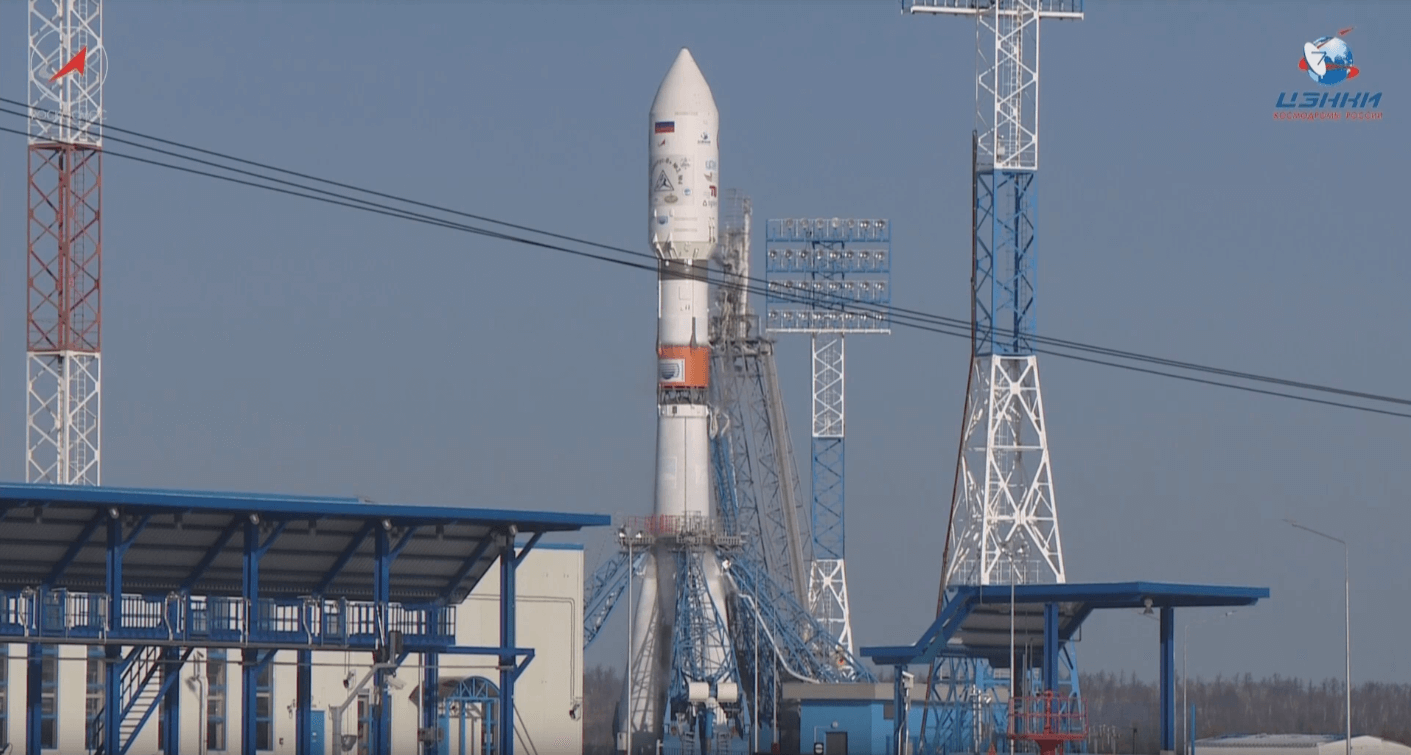
Launch Provider: Russian Space Forces – Government
Launch Date: February 2, 2026
Launch Time: 3:00 PM UTC
Vehicle: Soyuz 2.1a/Fregat-M
Brief: Unknown classified payload(s) for the Russian military.
Starlink Group 17-32

Launch Provider: SpaceX – Commercial
Launch Date: February 2, 2026
Launch Time: 3:17 PM UTC
Vehicle: Falcon 9
Brief: A batch of 25 satellites for the Starlink mega-constellation – SpaceX’s project for space-based Internet communication system.
Starlink Group 6-103
Launch Provider: SpaceX – Commercial
Launch Date: February 3, 2026
Launch Time: 10:12 PM UTC
Vehicle: Falcon 9
Brief: A batch of 29 satellites for the Starlink mega-constellation – SpaceX’s project for space-based Internet communication system.
Starlink Group 17-33
Launch Provider: SpaceX – Commercial
Launch Date: February 6, 2026
Launch Time: 5:05 PM UTC
Vehicle: Falcon 9
Brief: A batch of 25 satellites for the Starlink mega-constellation – SpaceX’s project for space-based Internet communication system.
Artemis II
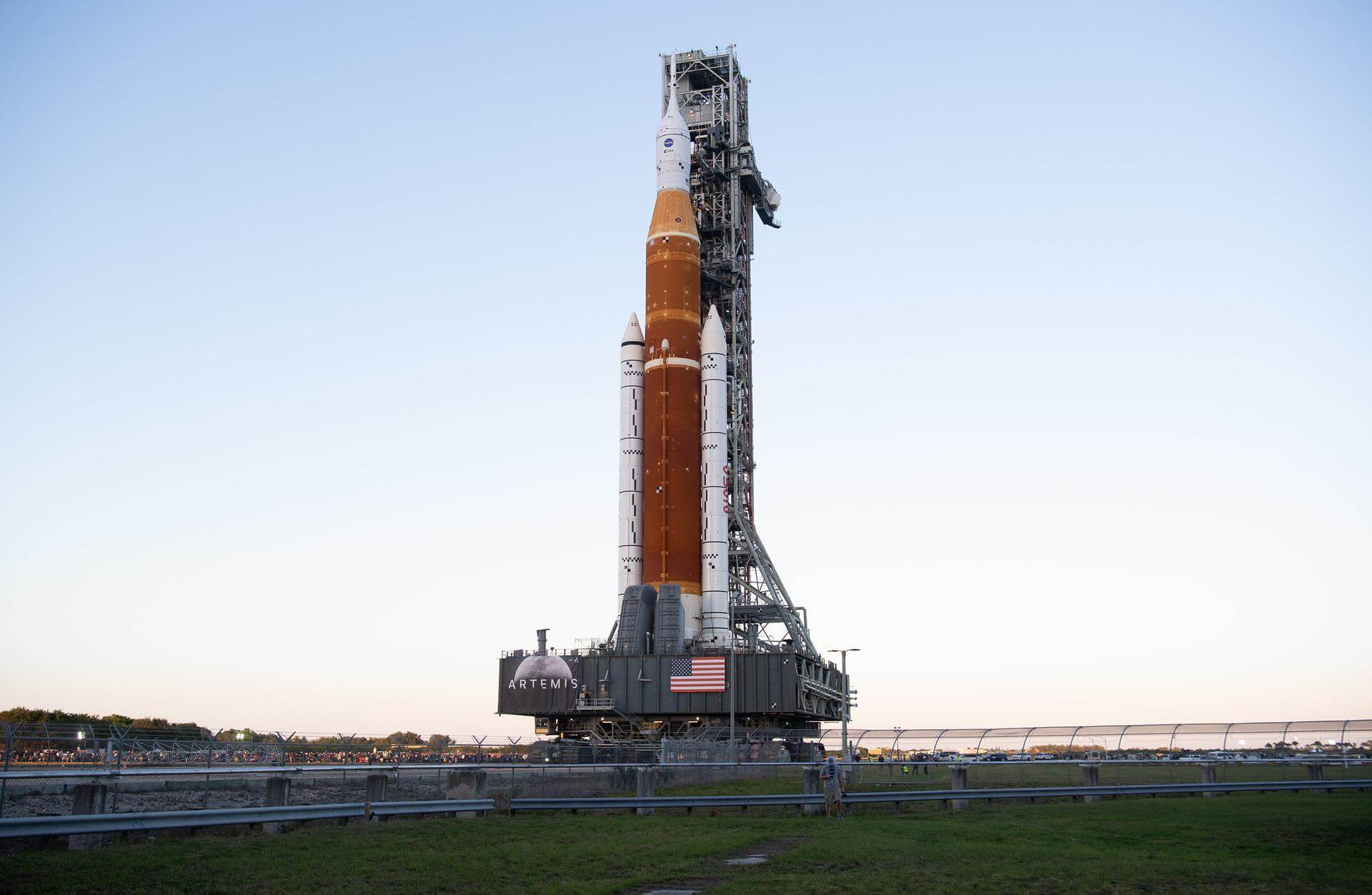
Launch Provider: National Aeronautics and Space Administration – Government
Launch Date: February 7, 2026
Launch Time: 2:41 AM UTC
Vehicle: Space Launch System (SLS)
Brief: Artemis II is the first crewed mission as part of the Artemis program. Artemis II will send a crew of 4 – 3 Americans and 1 Canadian around the moon and return them back to Earth.
The mission will test the core systems of NASA’s Orion spacecraft including the critical life support system, among other systems which could not be tested during Artemis I due to the lack of crew onboard.
