
The Daily Broadcast: From Ottawa to Orion: Building the Backbone of Spaceflight

Canadian Manufacturer SCCI Fills Critical Space Hardware Gap
Canada’s space manufacturing sector has a new player stepping confidently into the void left by a major exit. Space Credibility Canada Inc. (SCCI), founded in 2023 by veterans of COM DEV, Honeywell, and Leonardo DRS, is reviving a crucial domestic capability in Kanata, Ontario. When Leonardo DRS pulled out of the space business—citing it as a “low percentage of the business, high hassle”—it left a gap that triggered, in the words of SCCI’s Vice-President Jeffrey Wiesel, “a panic in the industry.”
SCCI has since acquired key equipment and rehired experienced staff to specialize in space-qualified circuit card assembly (CCA), a meticulous process that involves sourcing radiation-hardened components, assembling them onto printed wiring boards, and ensuring flawless performance for missions that can last over a decade. The company recently secured a US$2 million contract to supply 16 subsystem components for the EchoStar XXVI geosynchronous satellite—critical hardware for the power amplification system that beams television signals back to Earth. Notably, SCCI does not handle commercial terrestrial work, focusing exclusively on the unique demands of space: low-volume, high-mix production where “getting it right the first time” is non-negotiable. With new automated pick-and-place and 3D X-ray inspection equipment arriving in early 2026, SCCI is positioning itself as a quiet but vital contributor to both commercial and CSA/NASA programmes.
Artemis II Prepares for Deep Space with Global Tracking Network
As NASA finalizes plans for the crewed Artemis II mission—the first human journey around the Moon since Apollo—preparations are extending well beyond Houston. The agency has selected 34 volunteers from around the world to help track the Orion spacecraft during its historic flight. These citizen participants, part of a broader effort to engage global communities in deep space exploration, will use amateur radio and optical tracking to supplement NASA’s Deep Space Network.
Artemis II will carry four astronauts on a roughly 10-day mission, testing life support, navigation, and communication systems in the deep space environment. The mission’s success hinges on robust telemetry, and the addition of a distributed tracking network adds redundancy and public engagement. Meanwhile, behind the scenes, teams like Dustin Gohmert’s at Johnson Space Center are finalizing the Orion Crew Survival System—the pressure suits astronauts will wear during launch and re-entry. In a recent “I Am Artemis” feature, Gohmert emphasized that these suits are not just emergency gear but integral to mission safety, designed to protect crews from cabin depressurization throughout the flight profile. With briefings scheduled for late January and hardware undergoing final checks, Artemis II is steadily moving from planning to reality.

Rocket Lab’s “Hungry Hippo” Fairings Arrive at Wallops for Neutron Tests
Rocket Lab’s next-generation Neutron rocket is taking shape on American soil, with its distinctive “Hungry Hippo” fairings now delivered to the Wallops Island launch site in Virginia. Named for their wide, jaw-like opening mechanism, these reusable composite fairings are central to Neutron’s design philosophy: rapid reusability and cost efficiency. Unlike traditional fairings that split into two and are discarded, Neutron’s fairings will remain attached to the first stage and close back up after payload deployment, enabling a streamlined return and relaunch cycle.
The arrival of these fairings marks a significant milestone as Rocket Lab advances toward its first Neutron launch, currently slated for 2027. At Wallops, the company is also preparing test tanks and infrastructure to support upcoming static fire and stage recovery trials. While Neutron is primarily aimed at the medium-lift market—competing with Falcon 9 for satellite constellation and interplanetary missions—its development signals a broader shift in the industry toward integrated, reusable launch systems. For Canadian observers, it’s worth noting that Rocket Lab already supports Canadian missions, including Earth observation and communications payloads, and Neutron’s capabilities could offer future opportunities for Canadian institutions and commercial operators seeking dedicated or rideshare access to orbit.

Citations
- “Filling the manufacturing gap: How SCCI revived a critical Canadian capability” – https://spaceq.ca/filling-the-manufacturing-gap-how-scci-revived-a-critical-canadian-capability/
- “NASA Selects Participants to Track Artemis II Mission” – https://www.nasa.gov/technology/space-comms/nasa-selects-participants-to-track-artemis-ii-mission/
- “Hungry Hippos and Test Tanks – Rocket Lab building towards Neutron” – https://www.nasaspaceflight.com/2026/01/hungry-hippos-test-tanks-neutron/
Upcoming Launches
Starlink Group 17-20
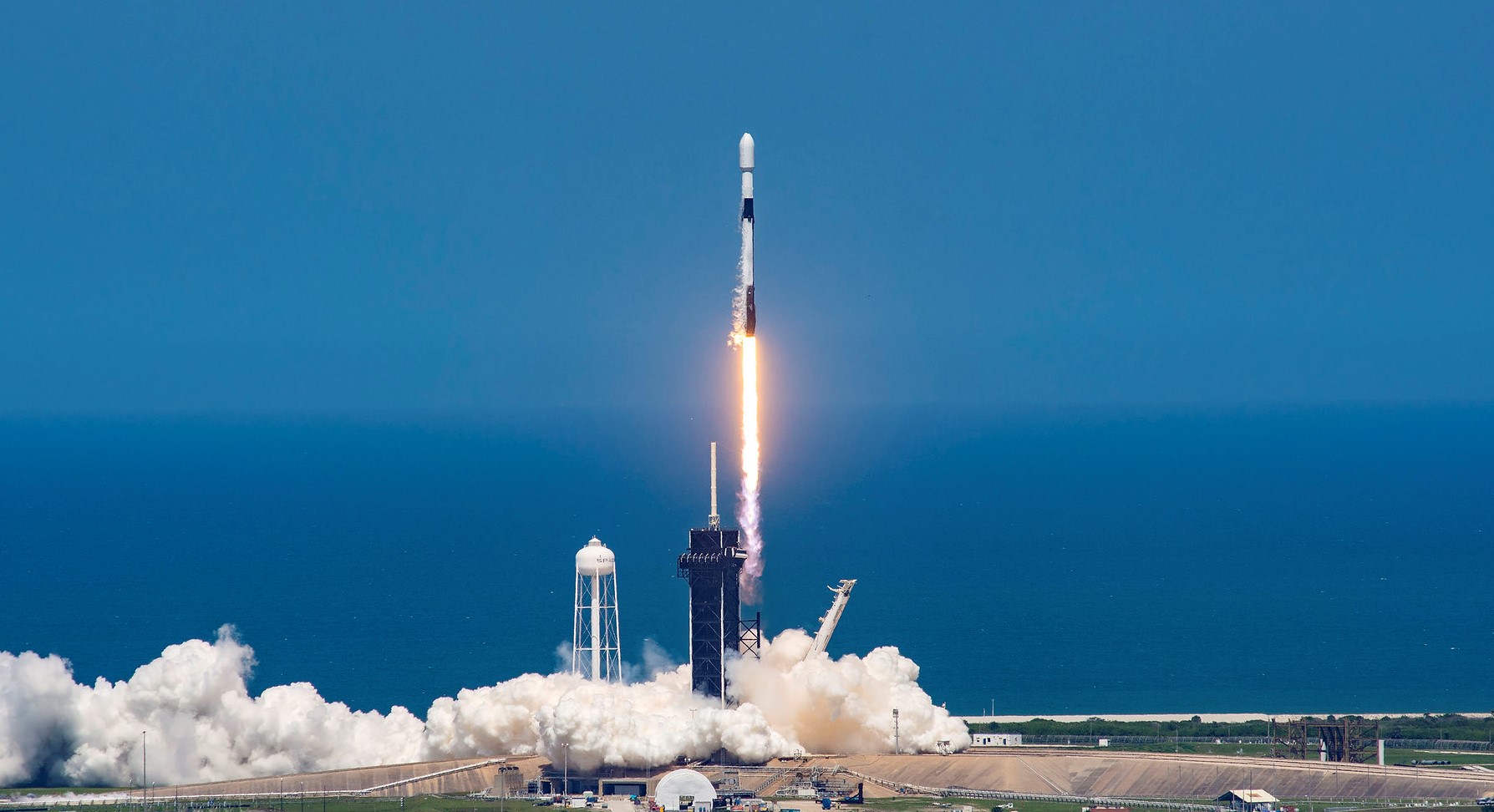
Launch Provider: SpaceX – Commercial
Launch Date: January 25, 2026
Launch Time: 3:17 PM UTC
Vehicle: Falcon 9
Brief: A batch of 25 satellites for the Starlink mega-constellation – SpaceX’s project for space-based Internet communication system.
Unknown Payload
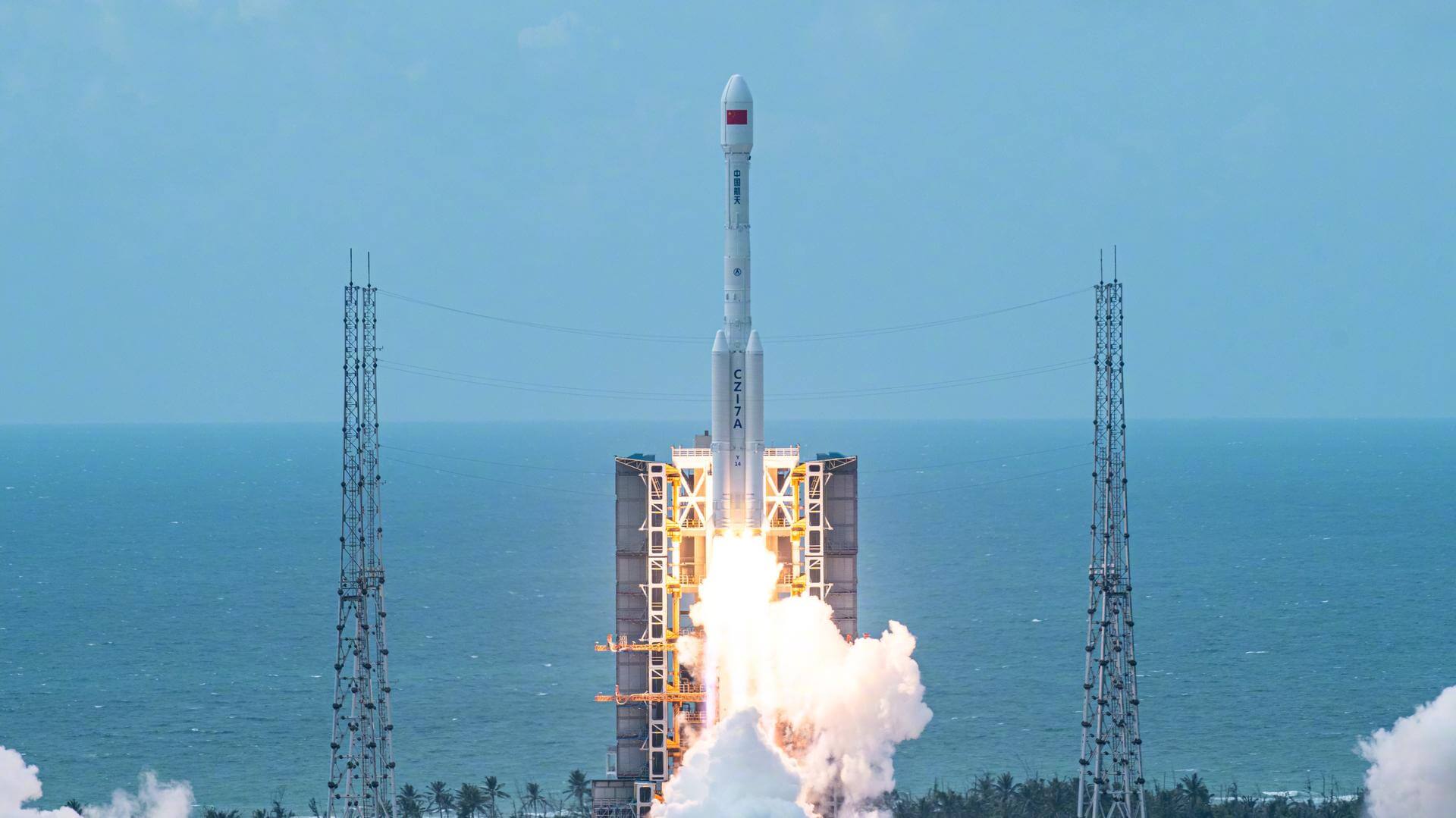
Launch Provider: China Aerospace Science and Technology Corporation – Government
Launch Date: January 26, 2026
Launch Time: 9:00 PM UTC
Vehicle: Long March 7A
Brief: Details TBD.
Bridging The Swarm (NeonSat-1A)
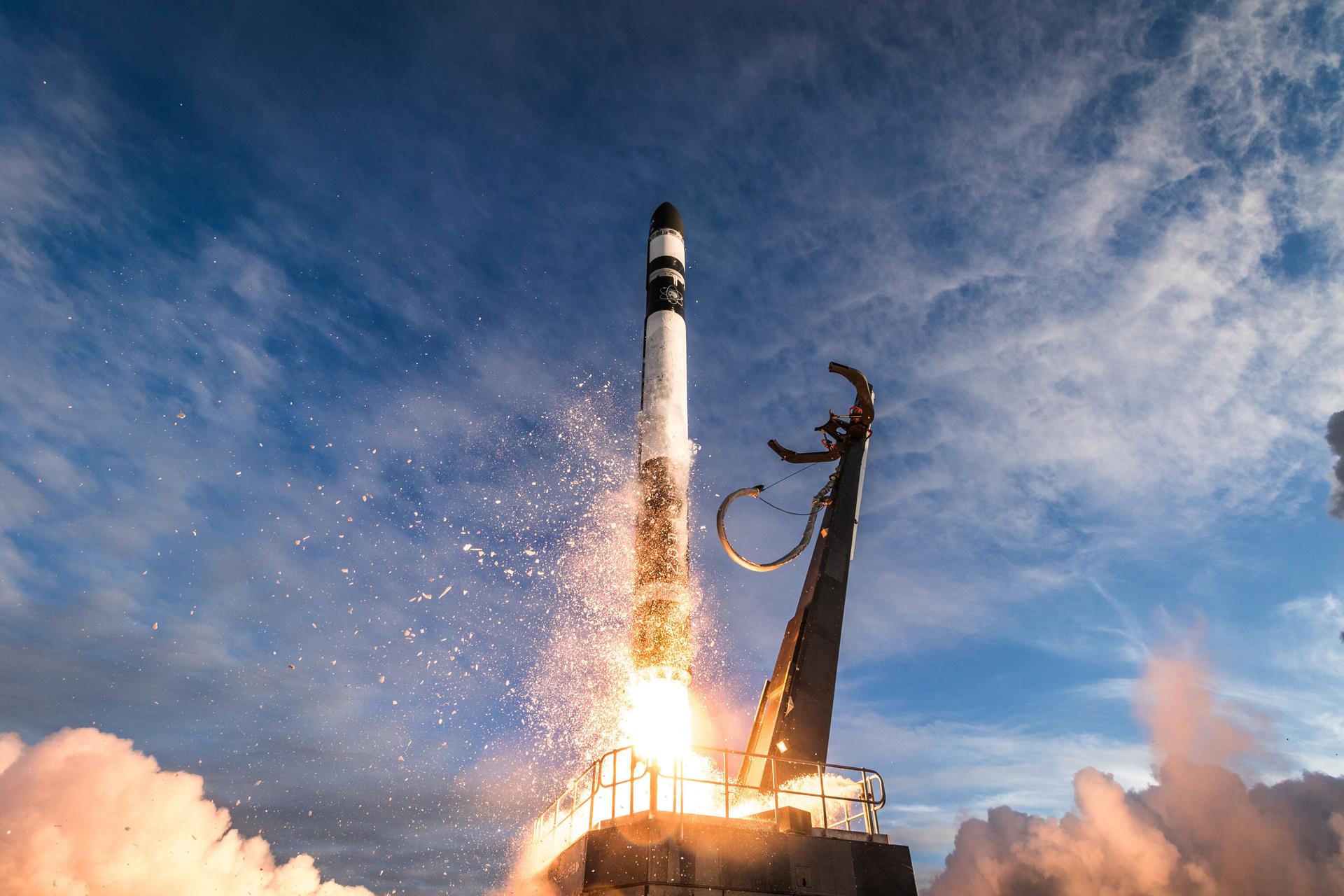
Launch Provider: Rocket Lab – Commercial
Launch Date: January 26, 2026
Launch Time: 10:45 PM UTC
Vehicle: Electron
Brief: The NeonSat-1A, carrying a high-resolution optical camera, is designed to test the constellation capabilities of the South Korean government’s Earth observation micro-satellite constellation NeonSat (New-space Earth Observation Satellite), in particular technology improvements identified from operations of NeonSat-1 after its launch in April 2024. These technologies will in turn be incorporated into the next 10 NeonSat under construction, as well as providing more site re-visiting capabilities along with NeonSat-1.
The NeonSat constellation is the first satellite system developed by the government using a mass-production approach for precise monitoring of the Korean Peninsula, lead by the Satellite Technology Research Center (SaTReC) at the Korea Advanced Institute of Science and Technology (KAIST), Korea’s leading university dedicated to science and technology. Designed to capture near-real time natural disaster monitoring for the Korean peninsula, KAIST’s NEONSAT constellation is a collaboration across multiple Korean academic, industry, and research institutions, including SaTReC, which is leading the program’s system design and engineering.
The NEONSAT program is funded by the Korean government’s Ministry of Science and ICT (MSIT).
GPS III SV09
Launch Provider: SpaceX – Commercial
Launch Date: January 27, 2026
Launch Time: 4:42 AM UTC
Vehicle: Falcon 9
Brief: Ninth of ten GPS III missions.
Starlink Group 17-19
Launch Provider: SpaceX – Commercial
Launch Date: January 29, 2026
Launch Time: 3:17 PM UTC
Vehicle: Falcon 9
Brief: A batch of 25 satellites for the Starlink mega-constellation – SpaceX’s project for space-based Internet communication system.
