
The SpaceX Report: Starlink Pushes Ahead as Crew-11 Returns Early and Falcon Hits 600 Missions
Starship Development Accelerates Across Florida and Texas
While Starship hasn’t launched yet in 2026, significant groundwork is being laid at both Starbase in Texas and on Florida’s Space Coast. Teams are preparing for multiple launch sites, with infrastructure work advancing rapidly at Kennedy Space Center’s historic Launch Complex 39A (LC-39A). The Ship Quick Disconnect (SQD) arm—essential for fueling and powering the Starship upper stage—has been rolled out from the Roberts Road facility and lifted into place. This hardware, initially built years ago but recently upgraded to match the newer design at Starbase’s Pad 2, signals SpaceX’s serious intent to begin Starship operations from Florida.

At LC-39A, newly delivered propellant tanks, subcoolers, and cryogenic pumps are now in place, and much of the underground plumbing for propellants and the water deluge system has been covered. Work continues on the orbital launch mount and flame trench. Meanwhile, plans for a second Florida launch site at Space Launch Complex 37 (SLC-37) are materializing. The FAA has released filings showing a revised layout, with the first pad positioned in the northwest corner near the former SLC-37A. Tower construction could begin as early as January 23, and SpaceX already has nine tower sections fabricated at Roberts Road, enabling rapid assembly once foundations are ready.
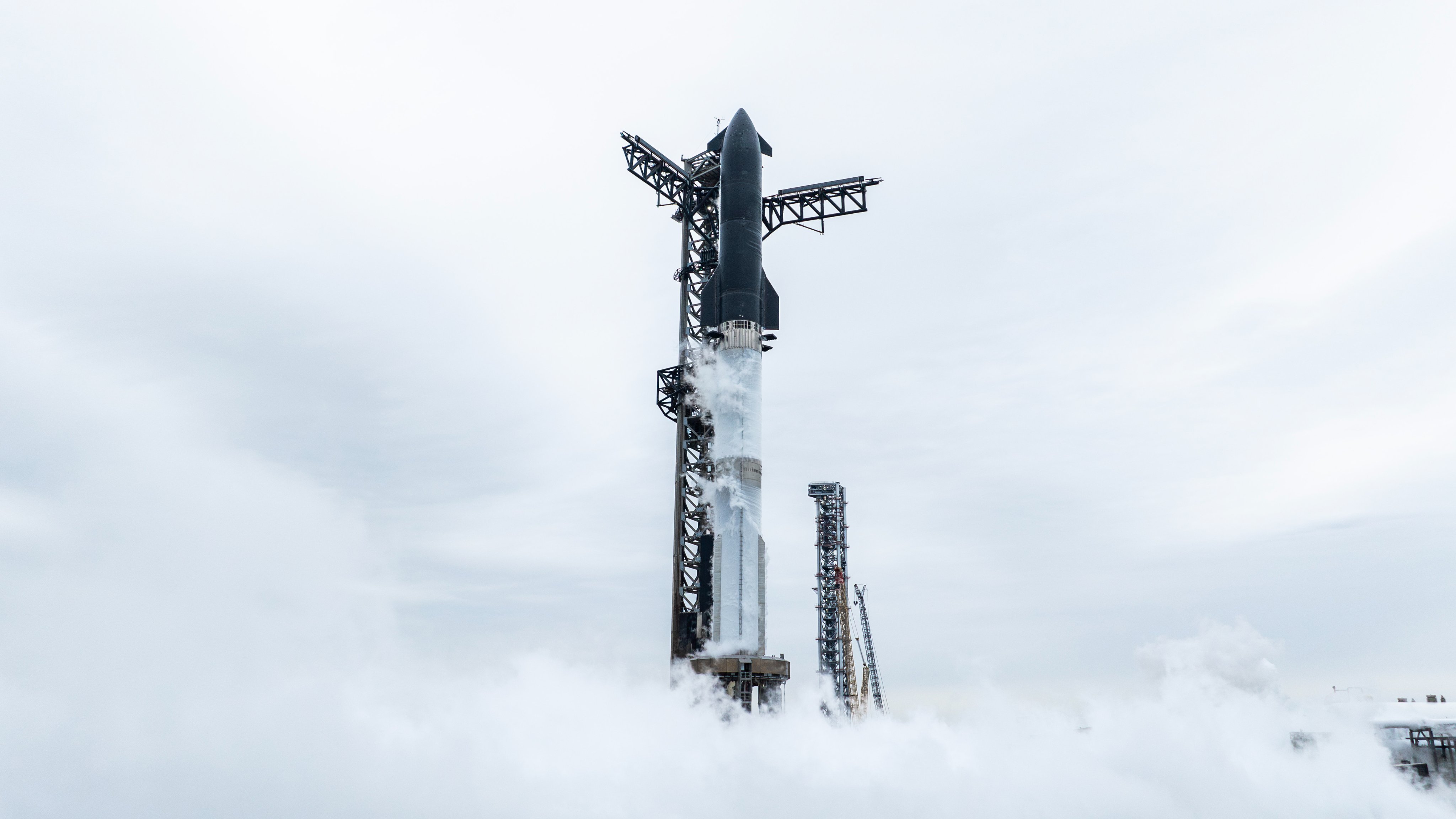
Back in Texas, Starbase’s Pad 2 is nearing completion. The tower now features a new chilldown vent with three outlets for gaseous oxygen during liquid oxygen line chilldown—a unique multi-outlet design. The chopsticks have received bumper assembly upgrades to protect both the vehicle and arms during potential off-center catches, and all 20 hold-down arms on the launch mount now have protective doors installed to shield them from the exhaust of up to 33 Raptor 3 engines. Pad 1, meanwhile, is undergoing demolition following Flight 11 three months ago, clearing the way for a new launch mount aligned with Pad 2’s design.

Starbase Infrastructure Nears Readiness for Increased Cadence
Starbase in Boca Chica, Texas, is evolving from a test site into a high-cadence launch facility. Pad 2’s near-complete status—with its upgraded chopsticks, protective hold-down arm doors, and new chilldown vent—suggests it could support booster testing and orbital launches soon. The protective doors on the hold-down arms are a critical addition, designed to withstand the intense heat and force from the 33 Raptor 3 engines on the Super Heavy booster during static fires and launches.
At Pad 1, demolition of the old launch mount, water-cooled steel plate, and related infrastructure is nearly finished. Heavy equipment has departed, leaving only foundation and sheet pile removal. This paves the way for a rebuild that matches Pad 2’s updated design. Additionally, deluge system components, including two more tanks, were shipped out this week, and protective steel covers are being removed from plumbing near the tower base, indicating a transition toward integrated operations.
These coordinated efforts between Texas and Florida underscore SpaceX’s strategy to support frequent Starship launches—potentially from multiple pads—by the end of 2026. Elon Musk recently tweeted that Starship could launch “more than once per hour” in about three years, an ambitious goal that hinges on this parallel infrastructure development.
Falcon 9 Hits 600 Missions with Back-to-Back Starlink and NRO Launches
SpaceX’s Falcon 9 rocket reached a major milestone this week, completing its 600th overall mission. The achievement came during the NROL-105 launch for the National Reconnaissance Office on January 17 from Vandenberg Space Force Base in California. The mission deployed a batch of reconnaissance satellites as part of the NRO’s “proliferated architecture” constellation, with the first stage—booster B1100—returning to Landing Zone 4 just minutes after liftoff.
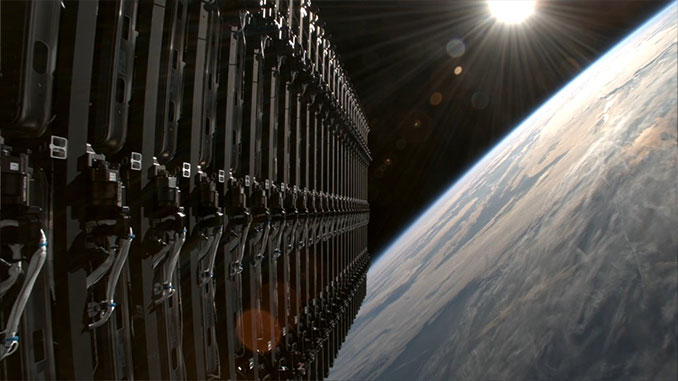
Earlier in the week, Falcon 9 also launched two Starlink missions from Cape Canaveral. On January 14, the Starlink 6-98 mission delivered 29 Starlink V2 Mini Optimized satellites to low Earth orbit. Then on January 18, another 29 Starlink satellites were deployed in the Starlink 6-97 mission. Both launches used flight-proven boosters and expanded SpaceX’s growing internet constellation, which now serves over 50 countries—including remote regions of Canada where traditional broadband is limited.
The rapid launch cadence—three Falcon 9 missions in five days—demonstrates the reliability and reusability of the vehicle. With Lufthansa Group now equipping its entire 850-aircraft fleet with Starlink, demand for the satellite internet service continues to grow globally.
Crew-11 Returns Early, Starlink Expands Canadian Reach
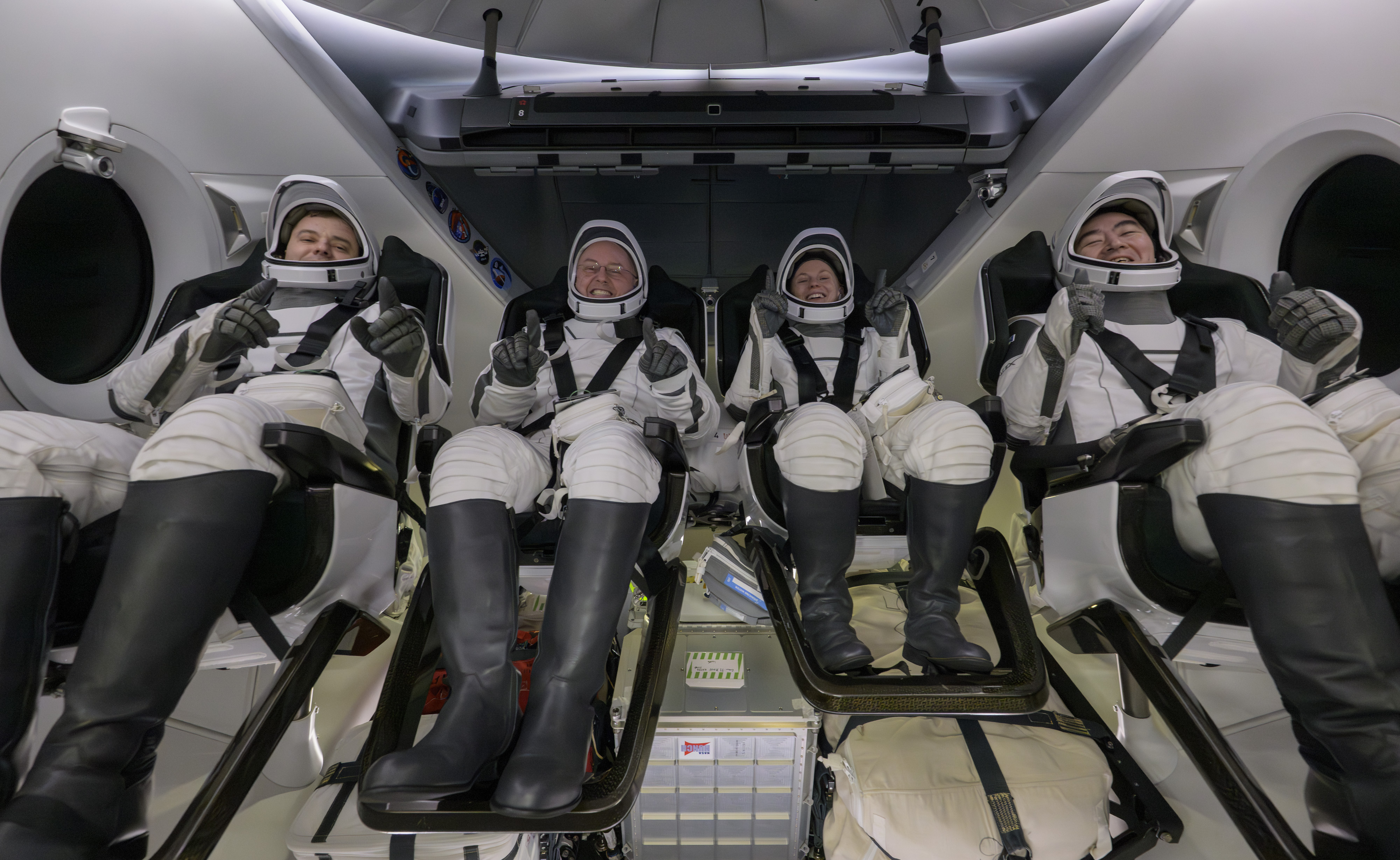
NASA’s SpaceX Crew-11 mission concluded earlier than planned this week, splashing down in the Pacific Ocean off the coast of San Diego at 3:41 a.m. EST on January 15. The crew—NASA astronauts Zena Cardman and Mike Fincke, JAXA astronaut Kimiya Yui, and Roscosmos cosmonaut Oleg Platonov—had spent 167 days aboard the International Space Station, contributing over 850 hours of scientific research. Their return was expedited due to an undisclosed medical concern with a crew member, though NASA confirmed all members were stable and safe upon landing.
Meanwhile, Starlink continues to expand its footprint in Canada. While the service is already available across much of the country, including rural and northern communities, new deployments from this week’s missions will further enhance coverage and capacity. For many Canadians in regions where internet options are limited or non-existent, Starlink has become a lifeline—enabling everything from remote work to online education. The timing is especially relevant as winter weather can disrupt traditional infrastructure, making satellite-based connectivity increasingly valuable.
On the commercial front, SpaceX’s growing role in U.S. defense was also highlighted this week, with the Pentagon embracing what some describe as “Musk-style defense reform.” The successful NROL-105 launch underscores the company’s deepening ties with national security agencies, even as its civilian services like Starlink gain global traction.
Citations
- “Live coverage: Space Falcon 9 rocket counting down to Starlink delivery mission” – https://spaceflightnow.com/2026/01/18/live-coverage-space-falcon-9-rocket-counting-down-to-starlink-delivery-mission/
- “NASA’s SpaceX Crew-11 to Discuss Space Station Science Mission” – https://www.nasa.gov/news-release/nasas-spacex-crew-11-to-discuss-space-station-science-mission/
- “Live coverage: NRO, SpaceX to launch reconnaissance satellites from Vandenberg” – https://spaceflightnow.com/2026/01/16/live-coverage-nro-spacex-to-launch-reconnaissance-satellites-from-vandenberg/
- “Spire adds hyperspectral sounder and Myriota payloads on SpaceX Twilight launch” – https://www.spacedaily.com/reports/Spire_adds_hyperspectral_sounder_and_Myriota_payloads_on_SpaceX_Twilight_launch_999.html
- “NASA’s SpaceX Crew-11 Wraps Up Space Station Science” – https://www.nasa.gov/missions/station/iss-research/nasas-spacex-crew-11-wraps-up-space-station-science/
- “NASA’s SpaceX Crew-11 Mission Returns, Splashes Down off California” – https://www.nasa.gov/news-release/nasas-spacex-crew-11-mission-returns-splashes-down-off-california/
- “Superheavy-lift rockets like SpaceX’s Starship could transform astronomy by making space telescopes cheaper” – https://www.spacedaily.com/reports/Superheavy_lift_rockets_like_SpaceXs_Starship_could_transform_astronomy_by_making_space_telescopes_cheaper_999.html
- “Lufthansa Group to equip Starlink on its 850-aircraft fleet” – https://www.teslarati.com/lufthansa-group-to-equip-starlink-on-its-850-aircraft-fleet/
- “SpaceX gains favor as Pentagon embraces Musk-style defense reform” – https://www.teslarati.com/spacex-gains-favor-as-pentagon-embraces-musk-style-defense-reform/
- “Crew-11 lands after medical situation forces early return” – https://www.nasaspaceflight.com/2026/01/crew-11-return/
Upcoming Starship Launch
Flight 12
Launch Provider: SpaceX – Commercial
Launch Date: March 31, 2026
Launch Time: 3/31/2026, 12:00 AM UTC
Vehicle: Starship
Brief: 12th test flight of the two-stage Starship launch vehicle. Maiden Flight of Starship V3
