
The Daily Broadcast: From Wildfire Watchdogs to Cosmic Shields: Today’s Aerospace Frontiers

FireSat Wildfire Constellation Powers Up with Canadian-Relevant Tech
As wildfire seasons grow longer and more intense across Canada and beyond, space-based monitoring is becoming indispensable. Enter FireSat—a new satellite constellation designed explicitly for the global wildfire community—and its latest technological upgrade. ExoAnalytic Solutions Inc. has been selected to develop advanced software and visualization tools that will help translate raw satellite data into actionable intelligence for first responders. Though the programme is led by the Earth Fire Alliance and based in the United States, the implications for Canadian wildfire management are significant. Given that Canada’s 2023 fire season alone scorched over 18 million hectares, the ability to detect and respond to blazes in near real-time could be a game-changer for agencies like the Canadian Interagency Forest Fire Centre. The FireSat system aims to provide high-cadence thermal imaging, allowing for rapid identification of new ignitions and monitoring of fire spread. While no Canadian companies are named in this specific development, the growing synergy between public safety and space tech is a trend Canadian innovators are well positioned to support—and hopefully lead in the near future.
Hidden Magma Oceans May Shield Alien Worlds—and Why It Matters
Deep beneath the surfaces of distant super-Earths—rocky exoplanets larger than our own—scientists now suspect there may be oceans of molten rock doing more than just churning away in the dark. According to new research, these hidden magma oceans could be generating powerful magnetic fields, offering crucial protection from harmful cosmic radiation and stellar winds. On Earth, our magnetic field arises from the motion of liquid iron in the outer core, a process known as the geodynamo. But for larger rocky planets, where internal pressures and temperatures are extreme, the dynamics may be different. The study suggests that even partially molten silicate layers could support dynamos under the right conditions. This matters not just for understanding exoplanet habitability, but for refining our models of planetary formation. While this research is theoretical and based on simulations, it underscores how Earth’s familiar processes might have exotic cousins elsewhere. For Canadian planetary scientists—many of whom contribute to international exoplanet research through institutions like the University of Toronto or the NRC’s Herzberg Astronomy and Astrophysics programme—such findings add another layer to the complex puzzle of what makes a world livable.

Artemis II Moon Rocket Rolls to Launch Pad in Historic Milestone
NASA has officially moved the Space Launch System (SLS) rocket and Orion spacecraft to Launch Pad 39B at Kennedy Space Center, marking a major step toward the Artemis II mission—the first crewed lunar flyby since Apollo 17 in 1972. The rollout, completed on January 17, 2026, took approximately 12 hours and positions the stack for a series of critical tests ahead of a potential launch as early as February 6. While Canada isn’t flying astronauts on this particular mission, the nation’s contribution to the Artemis programme remains substantial. The Canadian Space Agency provided the Canadarm3 robotic system for the upcoming Lunar Gateway station, and Canadian astronaut Jeremy Hansen is slated to fly on Artemis II, becoming the first Canadian to orbit the Moon. This rollout isn’t just about hardware—it’s about momentum. After years of delays and technical hurdles, seeing the SLS on the pad signals that human deep space exploration is no longer just a promise, but an imminent reality. For Canadians watching from home, it’s a reminder that our country’s role in lunar exploration is both historic and future-facing.

Citations
- “ExoAnalytic tools to power FireSat wildfire monitoring constellation” – https://www.terradaily.com/reports/ExoAnalytic_tools_to_power_FireSat_wildfire_monitoring_constellation_999.html
- “Hidden magma oceans could shield rocky exoplanets from harmful radiation” – https://www.spacedaily.com/reports/Hidden_magma_oceans_could_shield_rocky_exoplanets_from_harmful_radiation_999.html
- “NASA moves moon rocket to launch pad ahead of Artemis 2 mission” – https://www.spacedaily.com/reports/NASA_moves_moon_rocket_to_launch_pad_ahead_of_Artemis_2_mission_999.html
Upcoming Launches
The Cosmos Will See You Now (Open Cosmos Constellation Launch 1)
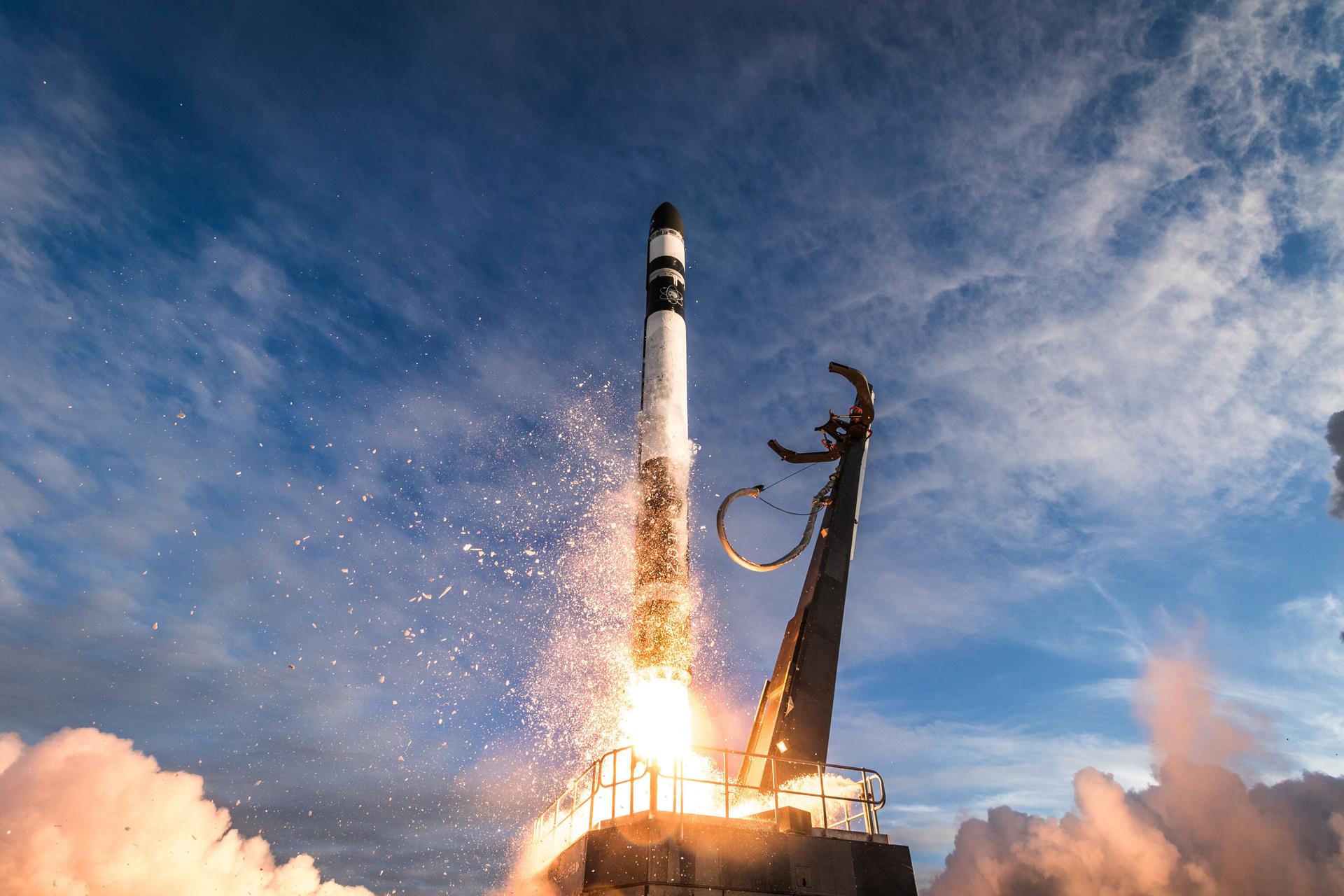
Launch Provider: Rocket Lab – Commercial
Launch Date: January 20, 2026
Launch Time: 11:09 AM UTC
Vehicle: Electron
Brief: First 2 satellites of UK-based Open Cosmos’ secure LEO broadband constellation designed to provide independent and resilient connectivity infrastructure for Europe and the world, using high-priority Ka-band spectrum filings by the Principality of Liechtenstein.
Onward and Upward
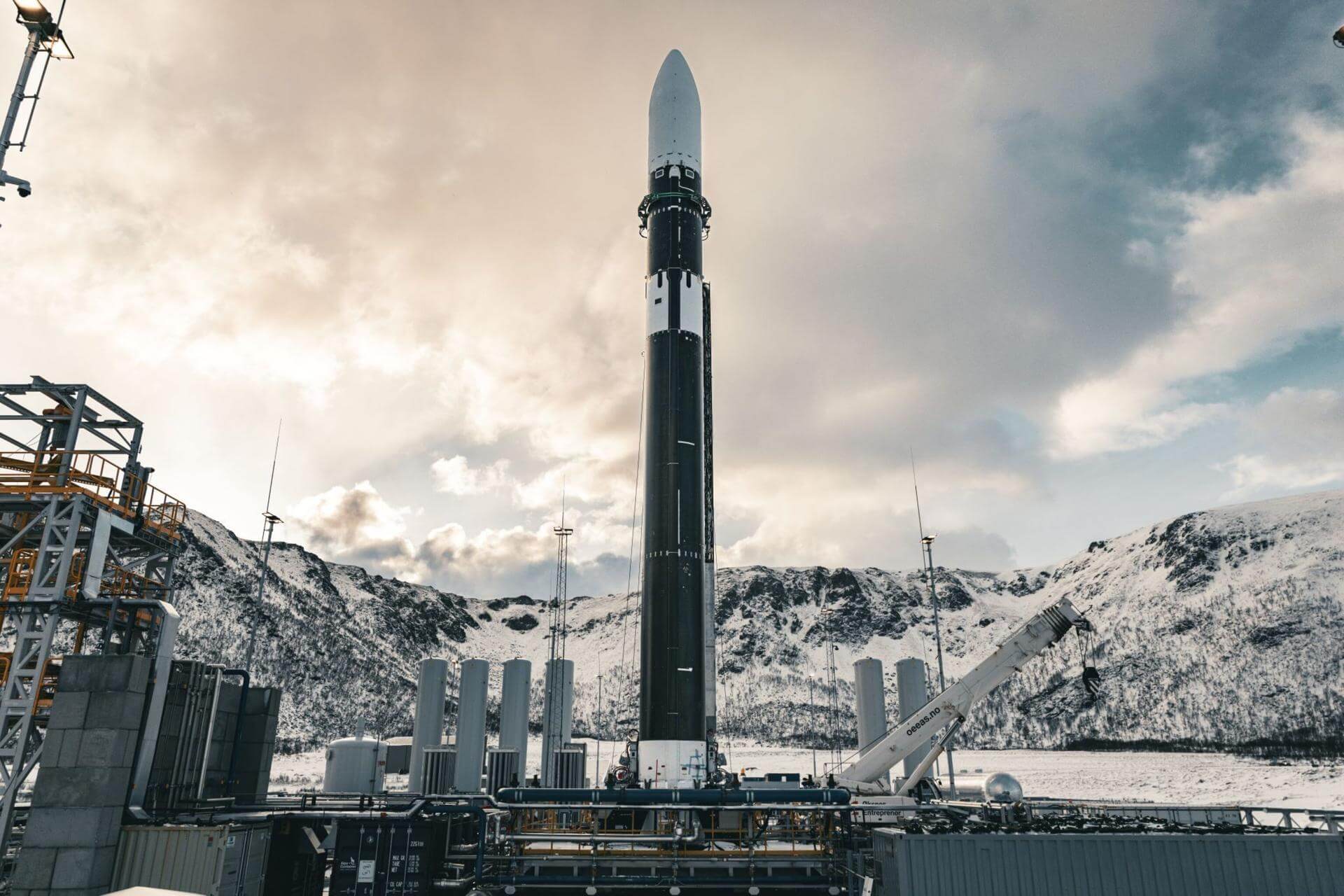
Launch Provider: Isar Aerospace – Private
Launch Date: January 21, 2026
Launch Time: 8:00 PM UTC
Vehicle: Spectrum
Brief: Second test flight of the Isar Spectrum launch vehicle. This launch will carry 5 cubesats and 1 non-separable experiment as part of European Space Agency (ESA)’s “Boost!” program:
* CyBEEsat (TU Berlin)
* TriSat-S (University of Maribor)
* Platform 6 (EnduroSat)
* FramSat-1 (NTNU)
* SpaceTeamSat1 (TU Wien Space Team)
* Let It Go (Dcubed, non-separable experiment)
Starlink Group 17-30
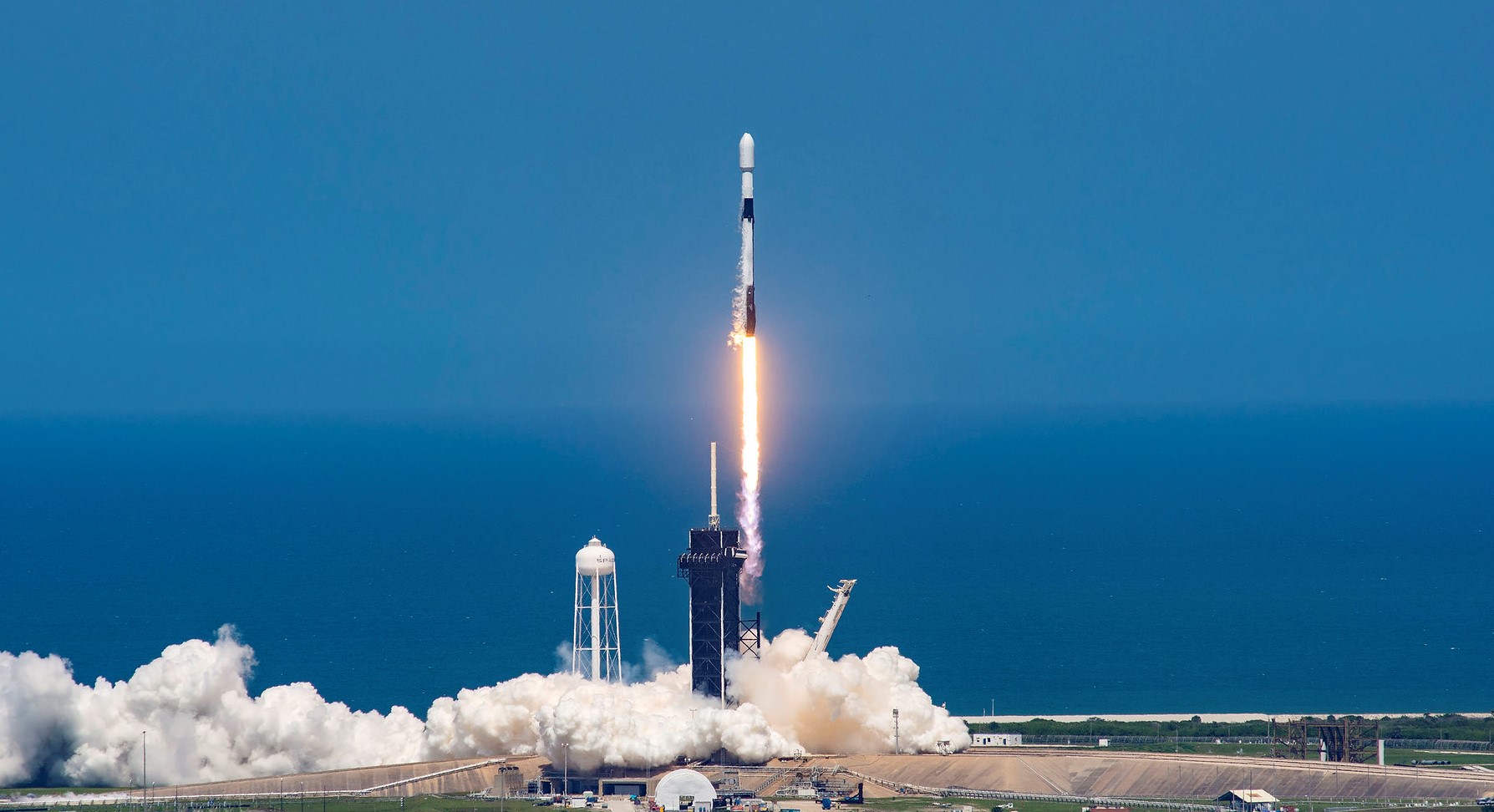
Launch Provider: SpaceX – Commercial
Launch Date: January 22, 2026
Launch Time: 2:43 AM UTC
Vehicle: Falcon 9
Brief: A batch of 25 satellites for the Starlink mega-constellation – SpaceX’s project for space-based Internet communication system.
NS-38
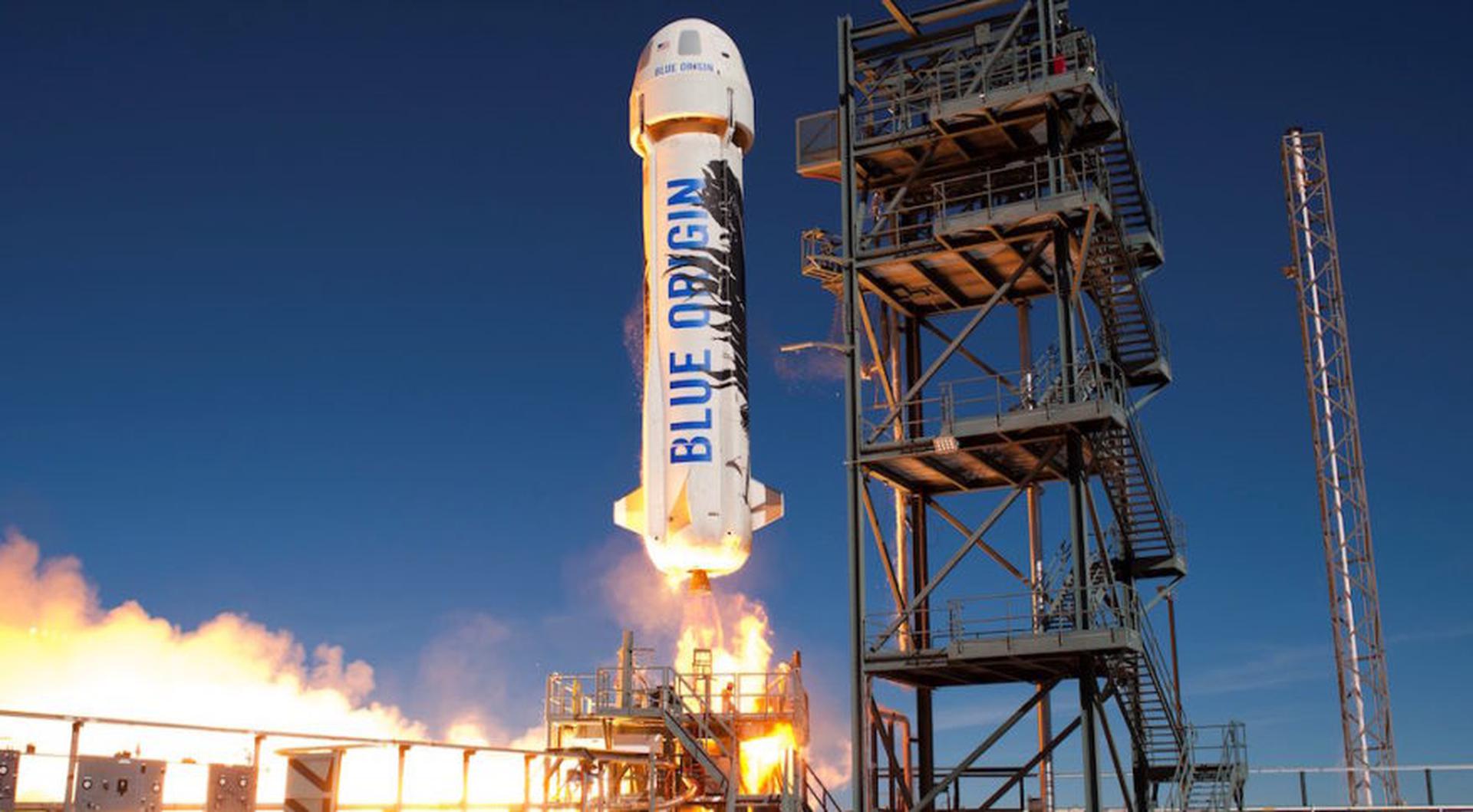
Launch Provider: Blue Origin – Commercial
Launch Date: January 22, 2026
Launch Time: 2:30 PM UTC
Vehicle: New Shepard
Brief: NS-38 is the 17th crewed flight for the New Shepard program and the 38th in the New Shepard program’s history.
Unknown Payload
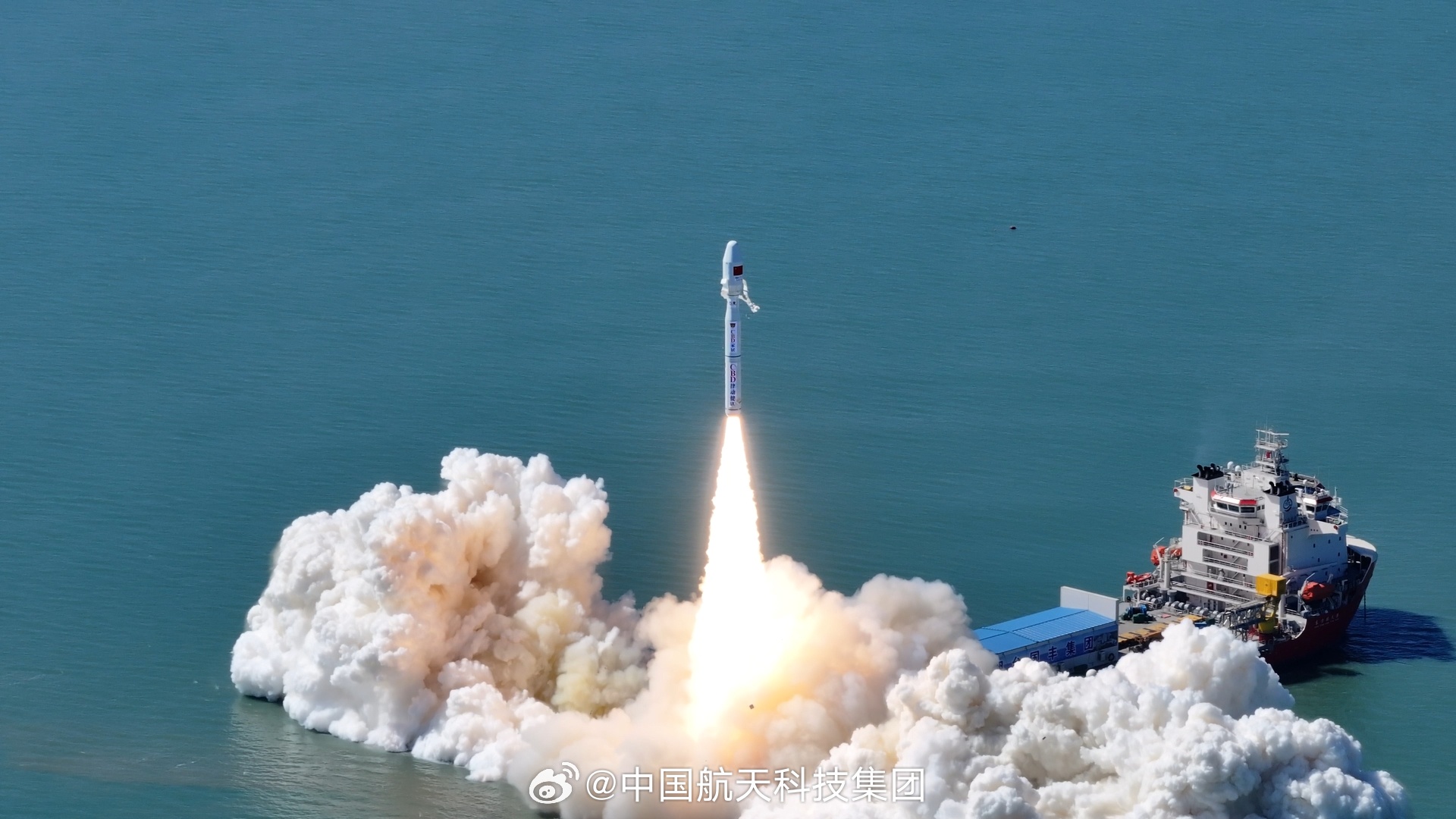
Launch Provider: China Rocket Co. Ltd. – Commercial
Launch Date: January 25, 2026
Launch Time: 6:30 AM UTC
Vehicle: Smart Dragon 3
Brief: Possibly an Earth observation satellite for the Pakistan government’s SUPARCO, details TBD.
