
The Daily Broadcast: Collision Alerts, Conjunction Breaks, and Cellular Satellites

Hubble Captures Rare Glimpse of Alien Asteroid Collisions
For the first time in astronomical history, scientists have directly observed catastrophic collisions between massive objects in another planetary system. Using the venerable NASA/ESA Hubble Space Telescope, researchers witnessed the chaotic aftermath of asteroid smash-ups in the Fomalhaut system—located just 25 light-years from Earth. The bright, young star Fomalhaut is surrounded by a dusty debris ring, and recent observations show sudden brightening and expanding clouds of dust, consistent with impacts between objects hundreds of kilometers wide. These events echo the violent early years of our own solar system, offering a real-time window into planetary system evolution. While Hubble’s decades-old optics might seem outdated next to newer observatories like JWST, this discovery underscores its continued relevance in time-domain astronomy—especially for tracking changes over years. The findings also hint that Fomalhaut’s planetary architecture may still be in flux, with gravitational interactions stirring up debris much like the hypothesized “Late Heavy Bombardment” that reshaped the inner solar system over 4 billion years ago.
Mars Missions Go Quiet During Solar Conjunction
As of December 27, communications with all Mars missions—including NASA’s Curiosity and Perseverance rovers and the MAVEN orbiter—will go silent until around January 20. This scheduled communications blackout, known as solar conjunction, occurs roughly every 26 months when Mars passes almost directly behind the Sun from Earth’s perspective. Solar plasma can corrupt or block radio signals, so mission teams avoid sending commands during this period to prevent accidental damage. Before the quiet period began, the Curiosity team wrapped up Sol 4762 with final instrument checks and a farewell message: “See you on the other side of the Sun.” Meanwhile, engineers are racing to restore contact with MAVEN, which fell silent on December 6. Recovery attempts are continuing right up to the conjunction window, as any regained signal before the 27th could provide critical diagnostics. Once conjunction ends, teams will resume normal operations—and hopefully welcome MAVEN back to the fold.
BlueBird 6 Joins Orbit as Largest LEO Cellular Array
AST SpaceMobile’s BlueBird 6 satellite is now circling Earth after a successful launch aboard India’s LVM3 rocket on December 23 from Sriharikota. The company describes it as the largest commercial communications array ever deployed in low Earth orbit (LEO), designed to deliver direct-to-standard-phone cellular broadband from space. Unlike traditional satellite phones that require specialized hardware, BlueBird 6 aims to connect to unmodified smartphones using existing cellular protocols—a potential game-changer for remote areas and emergency response. The satellite joins five predecessors in orbit as part of AST’s effort to build a space-based cellular network. Given Canada’s vast rural and northern regions—where terrestrial coverage remains spotty—such technology could eventually improve connectivity without relying solely on ground infrastructure. While technical and regulatory hurdles remain, BlueBird 6’s deployment marks a tangible step toward integrating space and terrestrial telecom networks. For now, the company is conducting in-orbit testing before initiating service trials with global partners.
Citations
- “Hubble pinpoints asteroid smash ups in nearby Fomalhaut system” – https://www.spacedaily.com/reports/Hubble_pinpoints_asteroid_smash_ups_in_nearby_Fomalhaut_system_999.html
- “Curiosity Blog, Sols 4750-4762: See You on the Other Side of the Sun” – https://www.marsdaily.com/reports/Curiosity_Blog_Sols_4750_4762_See_You_on_the_Other_Side_of_the_Sun_999.html
- “AST BlueBird 6 enters orbit as record low Earth orbit cellular array” – https://www.spacedaily.com/reports/AST_BlueBird_6_enters_orbit_as_record_low_Earth_orbit_cellular_array_999.html
Upcoming Launches
Fengyun-4C
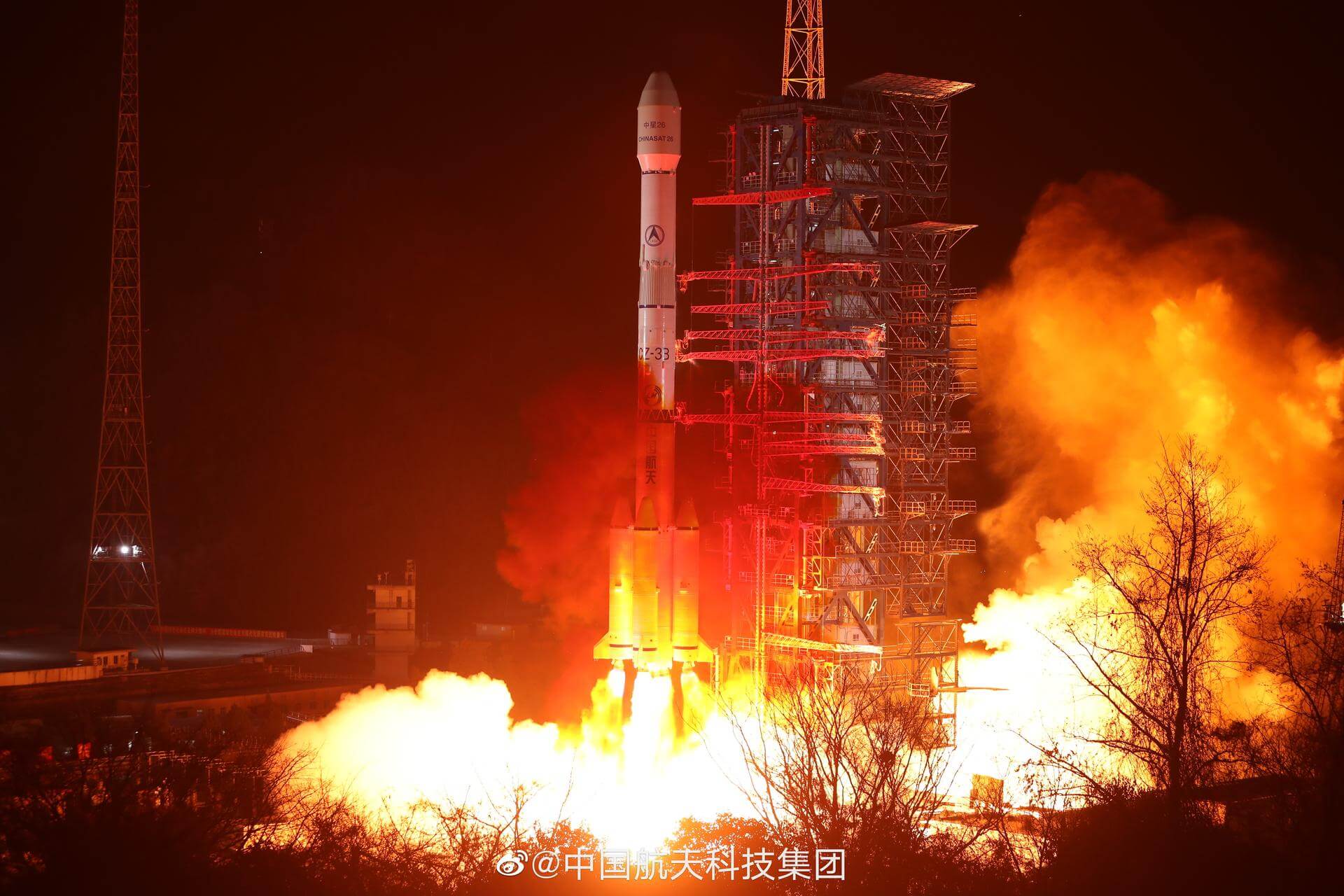
Launch Provider: China Aerospace Science and Technology Corporation – Government
Launch Date: December 26, 2025
Launch Time: 4:05 PM UTC
Vehicle: Long March 3B/E
Brief: China’s geostationary meteorological satellite program FY-4 (Feng Yun 4) is the second generation of chinese geostationary meteorological satellites.
CSG-3
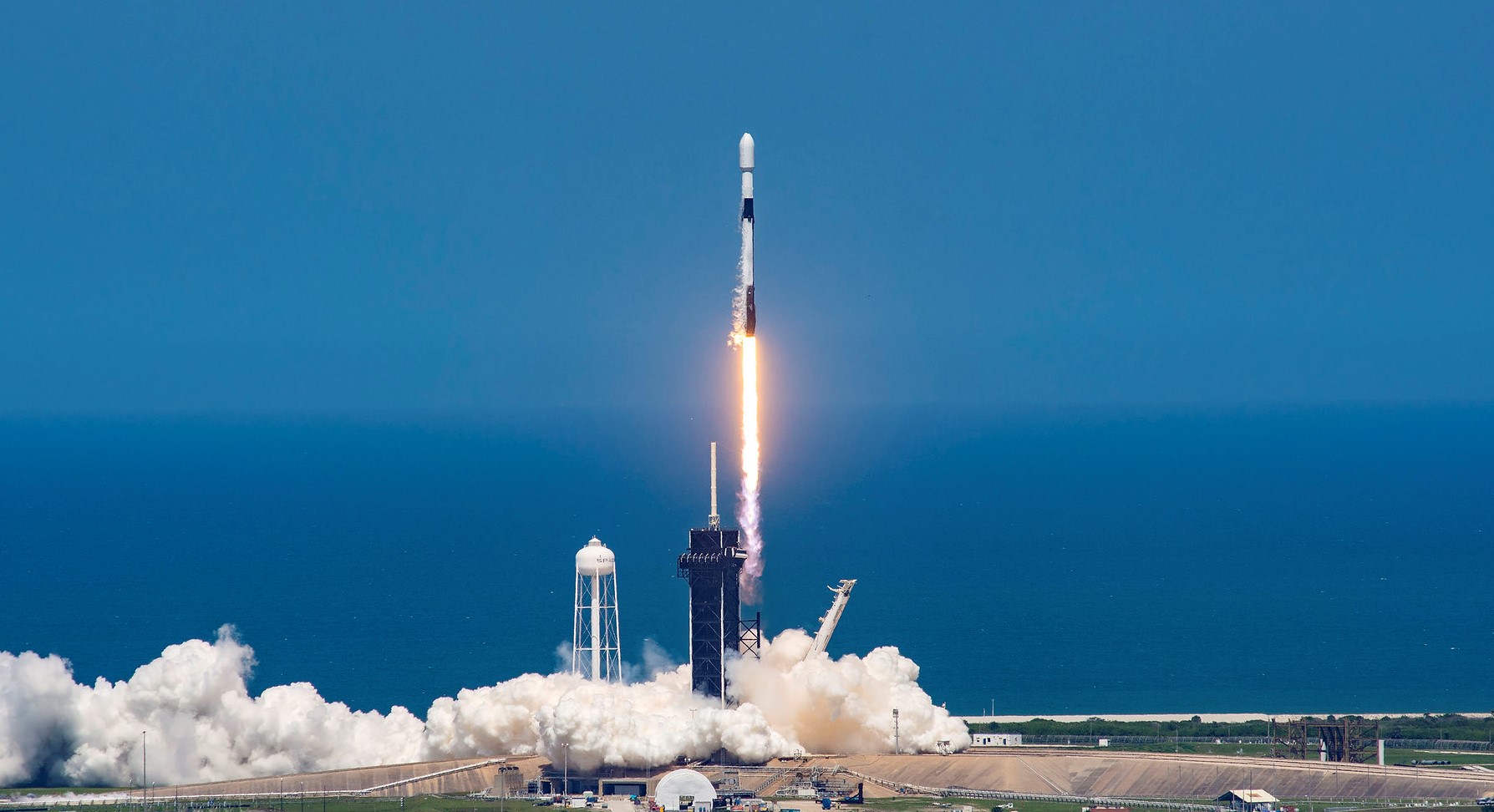
Launch Provider: SpaceX – Commercial
Launch Date: December 28, 2025
Launch Time: 2:08 AM UTC
Vehicle: Falcon 9
Brief: CSG-3 is an Earth observation satellite for the Italian Space Agency, part of a reconnaissance constellation using synthetic aperture radars operating in the X-band.
AIST-2T 01 & 02
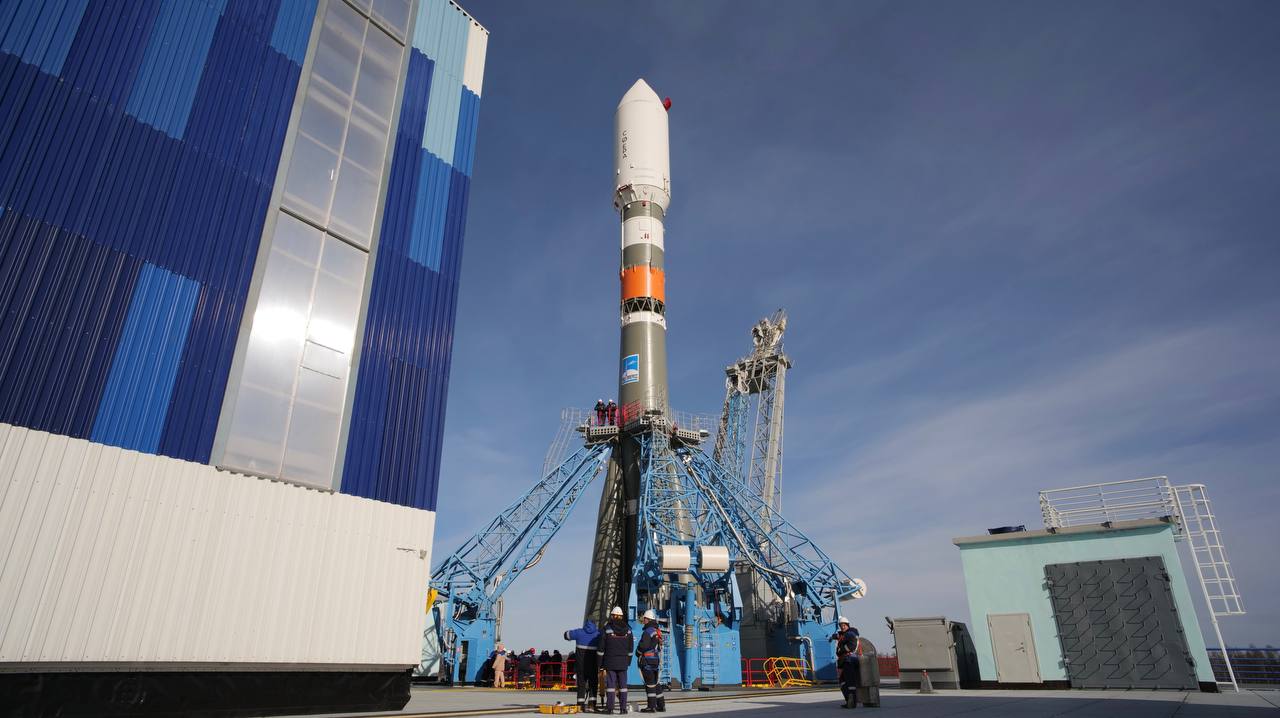
Launch Provider: Russian Federal Space Agency (ROSCOSMOS) – Government
Launch Date: December 28, 2025
Launch Time: 1:18 PM UTC
Vehicle: Soyuz 2.1b/Fregat-M
Brief: A pair of Russian optical Earth observation satellites built by the Progress Rocket Space Centre for obtaining stereo images of the Earth’s surface, with maximum resolution of 1.2 m in panchromatic mode and a swath width of 32 km.
50 small satellites will also be launched as ride-share payloads, including 3 from Iran.
Unknown Payload

Launch Provider: China Rocket Co. Ltd. – Commercial
Launch Date: December 29, 2025
Launch Time: 6:30 AM UTC
Vehicle: Smart Dragon 3
Brief: Possibly an Earth observation satellite for the Pakistan government’s SUPARCO, details TBD.
Unknown Payload
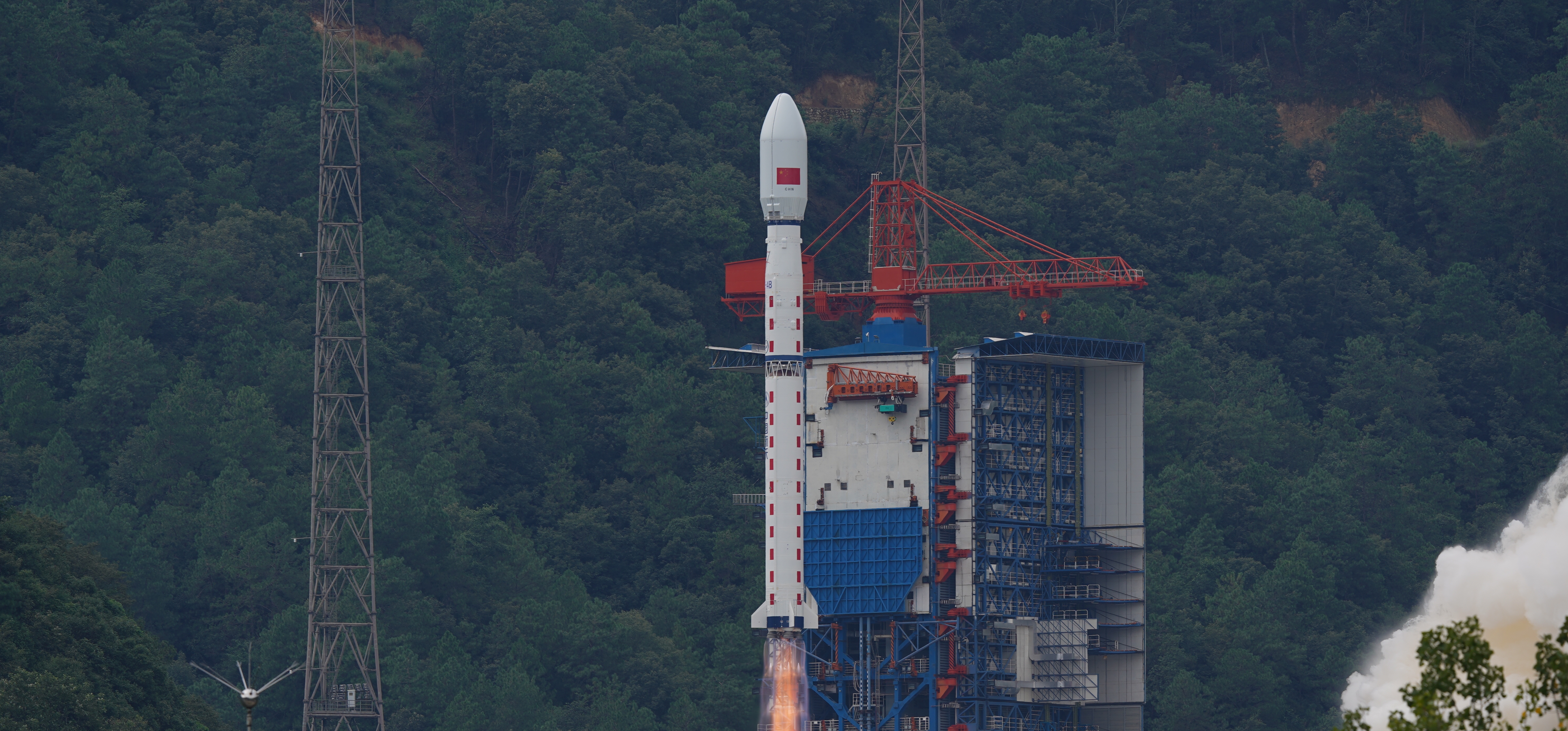
Launch Provider: China Aerospace Science and Technology Corporation – Government
Launch Date: December 30, 2025
Launch Time: 4:10 AM UTC
Vehicle: Long March 4B
Brief: Details TBD.
