
The Daily Broadcast: Rehearsals, Returns, and Reaching New Heights
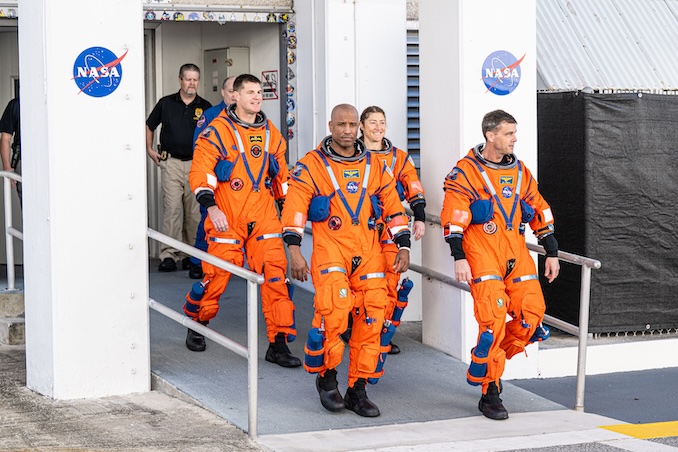
Artemis II Crew Runs Through Full Launch Day Simulation
On December 20, 2025, the four astronauts of NASA’s Artemis II mission participated in a comprehensive launch day dress rehearsal at Kennedy Space Center in Florida. The simulation covered the full sequence of activities astronauts would experience on actual launch day—from suiting up in their spacesuits to boarding the Orion spacecraft. The countdown proceeded smoothly but was halted just before ignition, as is standard during such dry runs. Among the crew was Canadian Space Agency astronaut Jeremy Hansen, who continues to represent Canada on this historic mission that will send humans around the Moon for the first time since Apollo 17 in 1972. These rehearsals are critical for identifying procedural hiccups and ensuring seamless coordination between astronauts, ground support, and mission control. With the actual launch still on the horizon—currently targeted for no earlier than September 2026—this drill marks a significant milestone in the final phases of preparation. It also offers a rare glimpse into the choreographed precision required to launch humans beyond low Earth orbit.
NASA Welcomes Jared Isaacman as New Administrator
One day after being sworn in, Jared Isaacman held his first official engagement with NASA employees on December 20, 2025, in a virtual Town Hall meeting. Isaacman, known for commanding the all-civilian Inspiration4 and Polaris Dawn missions, is the first commercial astronaut to lead the U.S. space agency. During the session, he emphasized continuity in ongoing programs—including Artemis—while hinting at a renewed focus on operational efficiency and public-private partnerships. He also acknowledged the political context of his appointment but kept the conversation centered on NASA’s mission and workforce. Isaacman’s background as both a pilot and entrepreneur brings a unique perspective to the role, and his hands-on experience with recent private spaceflights could influence how NASA approaches future collaborations with companies like SpaceX and Blue Origin. Employees appeared cautiously optimistic, with many noting his familiarity with modern launch systems and risk management. Though his tenure is just beginning, his early message is clear: NASA will keep its eyes on the Moon and Mars while streamlining how it gets there.
Blue Origin Sends First Wheelchair User to Space
In a milestone for accessibility in spaceflight, Blue Origin’s New Shepard vehicle carried Michi Benthaus—the first known wheelchair user—to space on December 20, 2025. Benthaus, who sustained a spinal cord injury during a mountain biking accident in 2018, flew as part of the NS-37 mission, which included five other passengers on a brief suborbital journey. The flight reached an apogee of approximately 105 kilometers, providing several minutes of weightlessness before returning to Earth under parachutes. Blue Origin worked closely with Benthaus and accessibility experts to modify seating and ingress procedures, demonstrating that space tourism can—and should—be inclusive. Her journey is more than symbolic; it challenges long-standing assumptions about who can participate in space exploration. As Benthaus noted post-flight, “Space belongs to everyone.” With commercial spaceflight maturing, such flights underscore a broader shift toward democratizing access to space, not just for the ultra-wealthy or traditionally trained astronauts, but for people of diverse physical abilities. This mission may well set a precedent for future inclusive design across the industry.
Citations
- “Astronauts, launch teams practice Artemis 2 countdown” – https://spaceflightnow.com/2025/12/21/astronauts-launch-teams-practice-artemis-2-countdown/
- “NASA Meets New Administrator Jared Isaacman” – https://spacepolicyonline.com/news/nasa-meets-new-administrator-jared-isaacman/
- “First Wheelchair User Flies to Space” – https://spacepolicyonline.com/news/first-wheelchair-user-flies-to-space/
Upcoming Launches
Michibiki 5 (QZS-5)
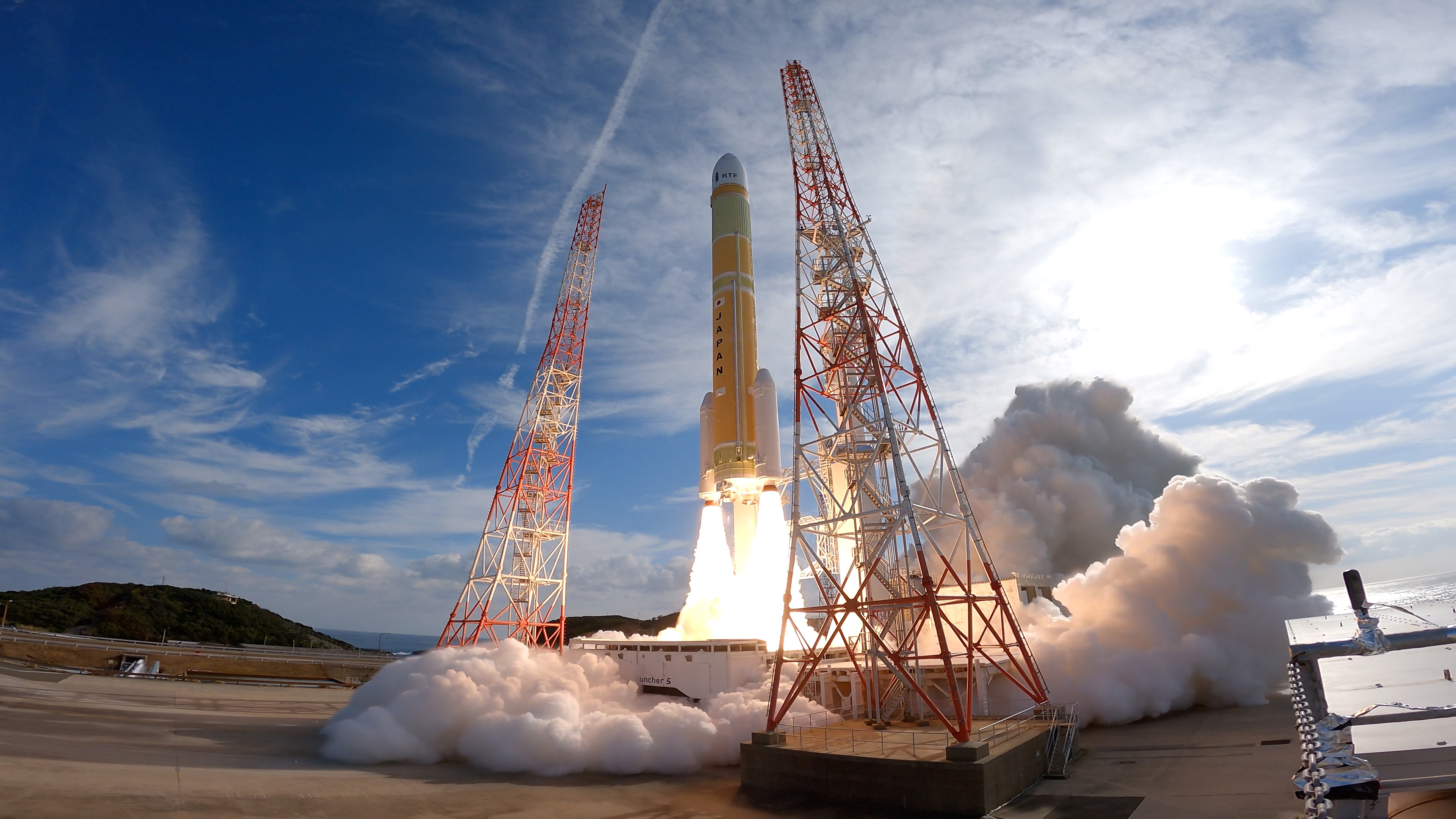
Launch Provider: Mitsubishi Heavy Industries – Commercial
Launch Date: December 22, 2025
Launch Time: 1:51 AM UTC
Vehicle: H3-22
Brief: QZSS (Quasi Zenith Satellite System) is a Japanese satellite navigation system operating from inclined, elliptical geosynchronous orbits to achieve optimal high-elevation visibility in urban canyons and mountainous areas. The navigation system objective is to broadcast GPS-interoperable and augmentation signals as well as original Japanese (QZSS) signals from a three-spacecraft constellation.
The navigation system objective is to broadcast GPS-interoperable and augmentation signals as well as original Japanese (QZSS) signals from a three-spacecraft constellation in inclined, elliptical geosynchronous orbits.
Spaceward
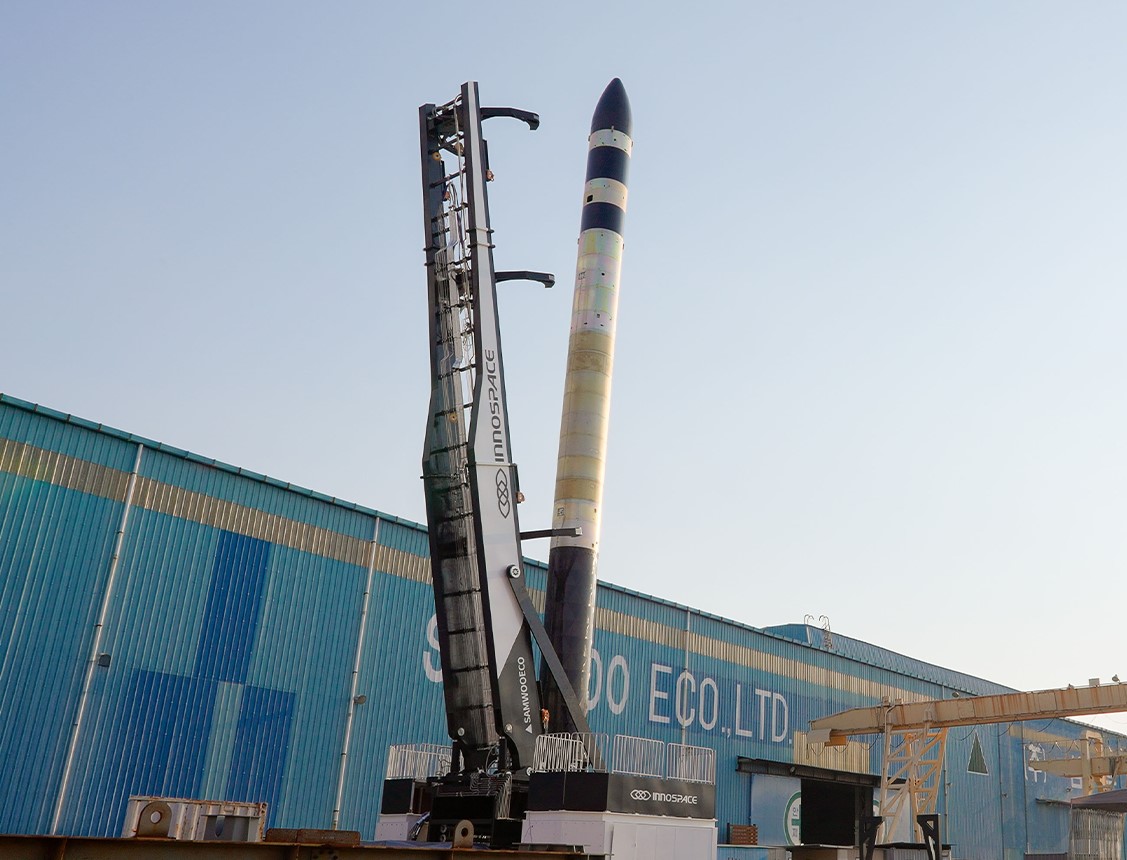
Launch Provider: Innospace – Private
Launch Date: December 22, 2025
Launch Time: 6:45 PM UTC
Vehicle: HANBIT-Nano
Brief: Maiden orbital launch attempt for the South Korean stratup Innospace and its HANBIT-Nano small launch vehicle. Onboard this flight are five small satellites from the Brazilian space agency AEB, Brazilian university Universidade Federal do Maranhão and Indian startup Grahaa Space, as well as three payloads from AEB and Brazilian company Castro Leite Consultoria that will remain attached to the rocket, and an empty aluminium can from the South Korean beverage company Brewguru.
BlueBird Block 2 #1
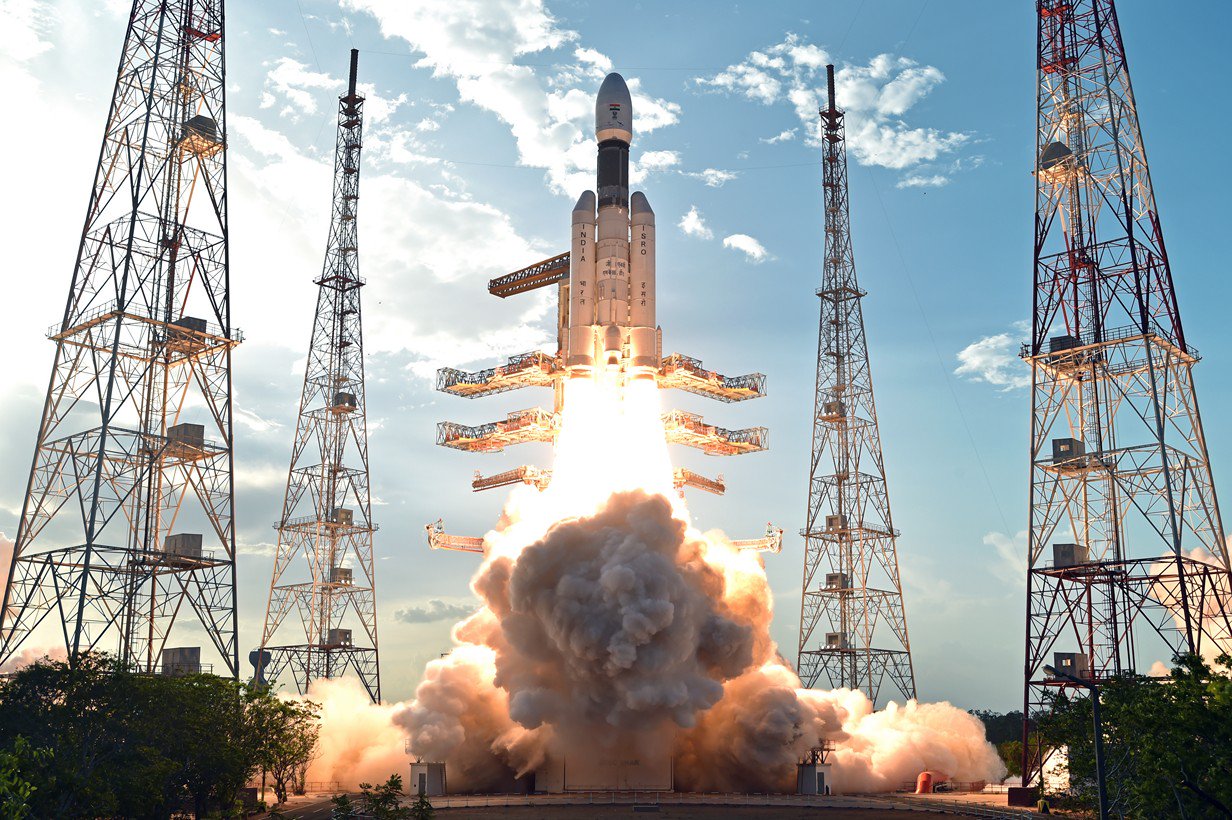
Launch Provider: Indian Space Research Organization – Government
Launch Date: December 24, 2025
Launch Time: 3:24 AM UTC
Vehicle: LVM-3 (GSLV Mk III)
Brief: AST SpaceMobile’s Block 2 BlueBird satellites are designed to deliver up to 10 times the bandwidth capacity of the BlueBird Block 1 satellites, required to achieve 24/7 continuous cellular broadband service coverage in the United States, with beams designed to support a capacity of up to 40 MHz, enabling peak data transmission speeds up to 120 Mbps, supporting voice, full data and video applications. The Block 2 BlueBirds, featuring as large as 2400 square foot communications arrays, will be the largest satellites ever commercially deployed in Low Earth orbit once launched.
This launch will feature a single satellite.
Obzor-R No.1
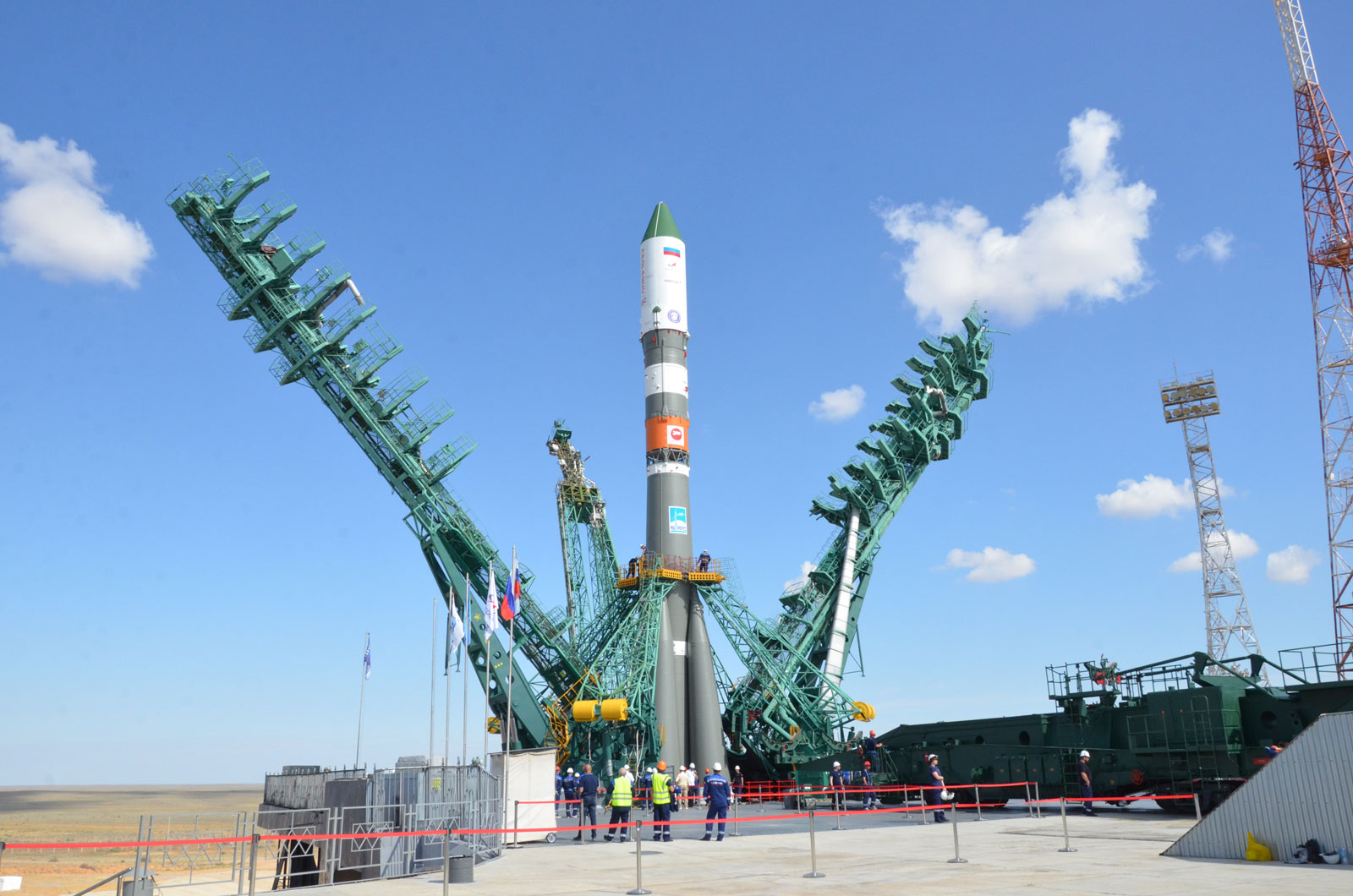
Launch Provider: Russian Federal Space Agency (ROSCOSMOS) – Government
Launch Date: December 24, 2025
Launch Time: 2:00 PM UTC
Vehicle: Soyuz 2.1a
Brief: The Russian Obzor-R satellite is a planned X-band radar earth observation satellite designed by TsSKB-Progress.
In 2012, the development of the Arkon-2M radar satellite was stopped and instead the development of the Obzor-R was initiated.
The satellite features the BRLK X-band Synthetic Aperture Radar as the imaging instrument with a ground resolution of 500 m.
Unknown Payload
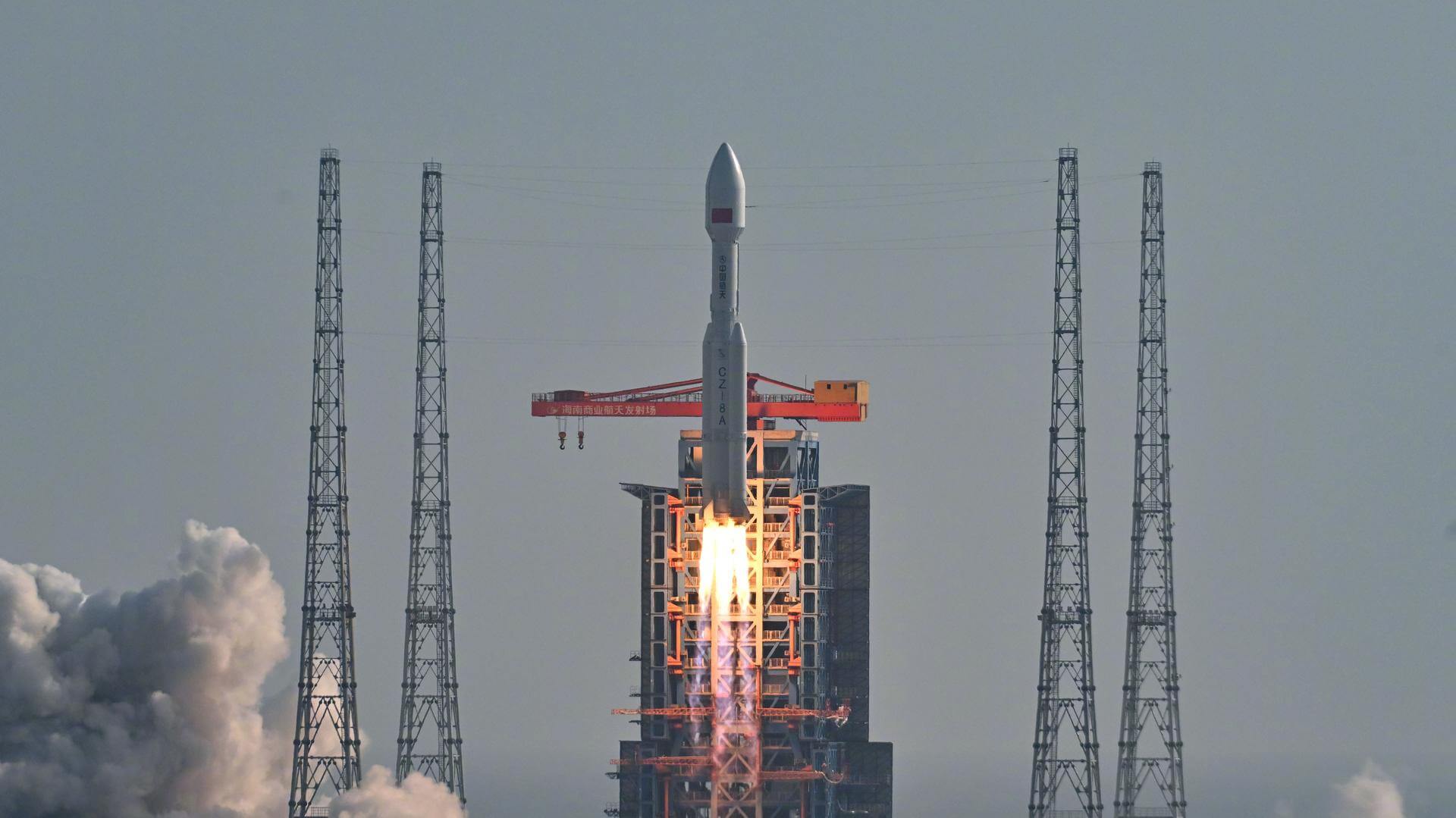
Launch Provider: China Aerospace Science and Technology Corporation – Government
Launch Date: December 25, 2025
Launch Time: 11:25 PM UTC
Vehicle: Long March 8A
Brief: Details TBD.
