
The Daily Broadcast: Orbital Traffic Jams, Arctic Watchdogs, and Martian Dust Devils

Starlink Satellite Nearly Brushes Chinese Payload
SpaceX has raised concerns over a close orbital approach between one of its Starlink satellites and a recently launched Chinese spacecraft. According to SpaceNews, the near-miss occurred shortly after China’s Kinetica launch vehicle delivered an experimental cargo spacecraft and a technology demonstration payload into low Earth orbit. While neither agency has confirmed a direct collision risk, the incident underscores the growing challenge of space traffic management in an increasingly congested orbital environment. With over 3,200 satellites launched by SpaceX alone in 2025—and thousands more from global actors—the need for transparent, internationally coordinated tracking and maneuver protocols is more urgent than ever. SpaceX typically shares conjunction data via its automated system with other operators, but cooperation with Chinese entities remains limited due to policy and technical barriers. For spacefaring nations, this event is a not-so-subtle reminder that orbital real estate has become as regulated—and as risky—as a downtown intersection during rush hour.
Canada’s Modest but Mighty 2025 Satellite Surge
While Canada didn’t break any launch records in 2025, it quietly fielded its second-highest satellite deployment tally ever: 12 payloads, trailing only behind the 23 launched in 2023. Most notably, Defence Research and Development Canada (DRDC) placed the trio of Project Grey Jay satellites into orbit aboard SpaceX’s Transporter-12 mission in January. These smallsats now operate in tight formation over the Arctic, enhancing Canada’s sovereign surveillance capabilities in a region of growing strategic interest. Commercial players also contributed significantly: GHGSat launched four methane-monitoring satellites; Wyvern deployed two hyperspectral Earth observation payloads; and EarthDaily Analytics, Galaxia Mission Systems, and Mission Control each added one satellite to the mix—all搭乘 (hitching rides) on SpaceX’s increasingly reliable Transporter rideshare missions. It’s a pragmatic approach: rather than building expensive dedicated rockets, Canadian firms and government agencies are leveraging cost-effective access to space. As SpaceQ reports, plans are already in motion for over 40 Canadian payloads in 2026, suggesting this “small but steady” strategy is here to stay.

Martian Dust Storms Get Predicted by New Simulation Model
Planning a trip to Mars? You might want to check the dust forecast. Researchers using China’s GoMars general circulation model have simulated 50 years of Martian atmospheric activity to better predict the planet’s notorious dust storms. These storms can last weeks or even months, blanketing solar panels, reducing visibility, and threatening surface missions—remember what happened to NASA’s Opportunity rover in 2018. The new model, detailed in a recent report, aims to improve mission safety by forecasting when and where global dust events might erupt. Mars’ thin atmosphere and fine regolith make it prone to massive dust devils and planet-encircling storms, which are hard to anticipate with current tools. While the model originates from Chinese research teams, its data could eventually benefit all Mars missions, including those by NASA, ESA, and future commercial ventures. After all, Martian dust doesn’t care about national borders—it’s an equal-opportunity nuisance. Better forecasting could be the key to keeping rovers rolling and astronauts breathing during humanity’s next giant leap.

Citations
- “SpaceX claims close approach to Starlink satellite by payload from Chinese launch” – https://spacenews.com/spacex-claims-close-approach-to-starlink-satellite-by-payload-from-chinese-launch/
- “12 satellites launched in 2025 with Canadian payloads” – https://spaceq.ca/12-satellites-launched-in-2025-with-canadian-payloads/
- “GoMars model simulates Martian dust storms to improve mission safety” – https://www.marsdaily.com/reports/GoMars_model_simulates_Martian_dust_storms_to_improve_mission_safety_999.html
Upcoming Launches
Michibiki 5 (QZS-5)
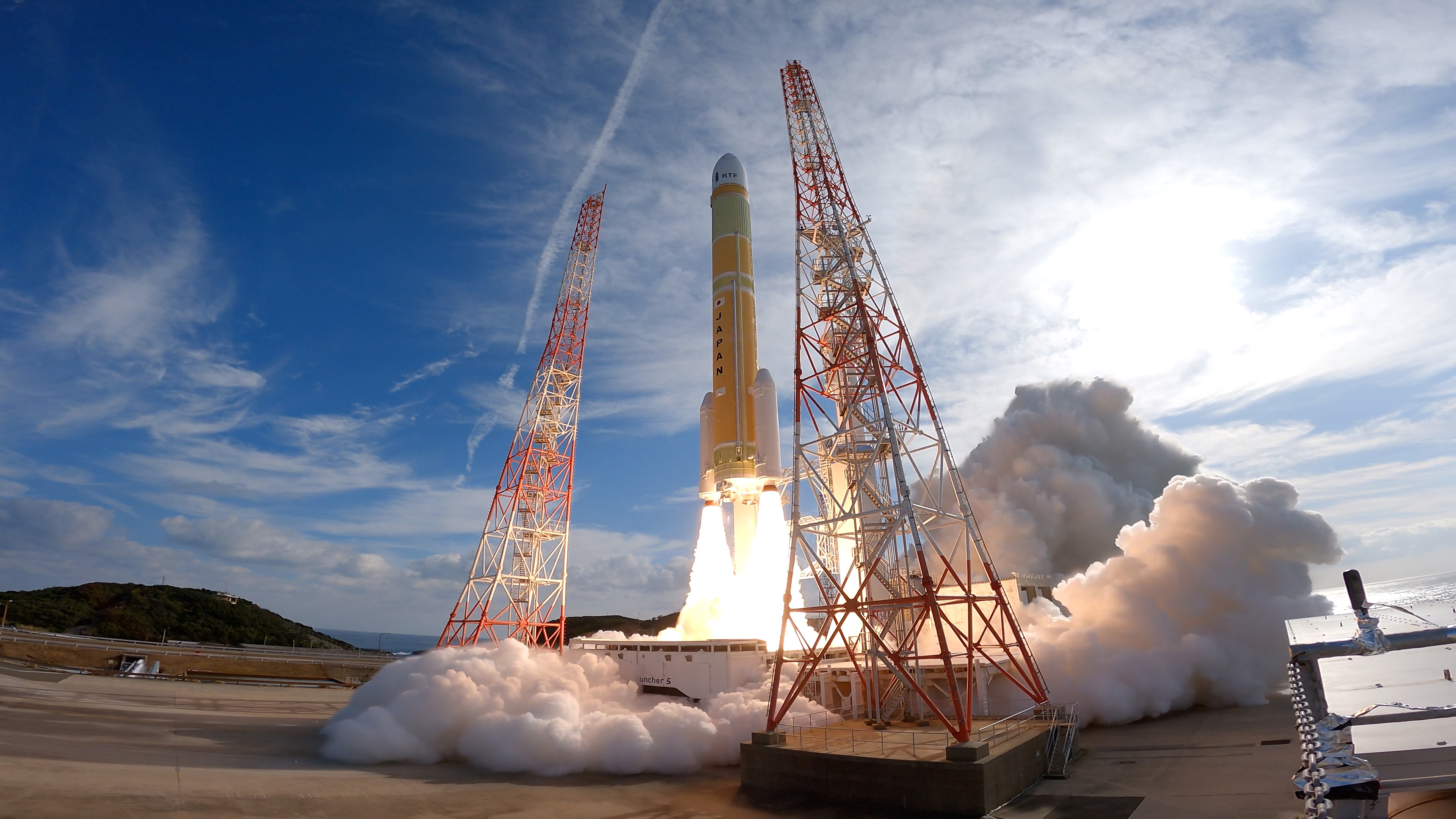
Launch Provider: Mitsubishi Heavy Industries – Commercial
Launch Date: December 17, 2025
Launch Time: 2:10 AM UTC
Vehicle: H3-22
Brief: QZSS (Quasi Zenith Satellite System) is a Japanese satellite navigation system operating from inclined, elliptical geosynchronous orbits to achieve optimal high-elevation visibility in urban canyons and mountainous areas. The navigation system objective is to broadcast GPS-interoperable and augmentation signals as well as original Japanese (QZSS) signals from a three-spacecraft constellation.
The navigation system objective is to broadcast GPS-interoperable and augmentation signals as well as original Japanese (QZSS) signals from a three-spacecraft constellation in inclined, elliptical geosynchronous orbits.
Galileo L14 (FOC FM33 & FM34)
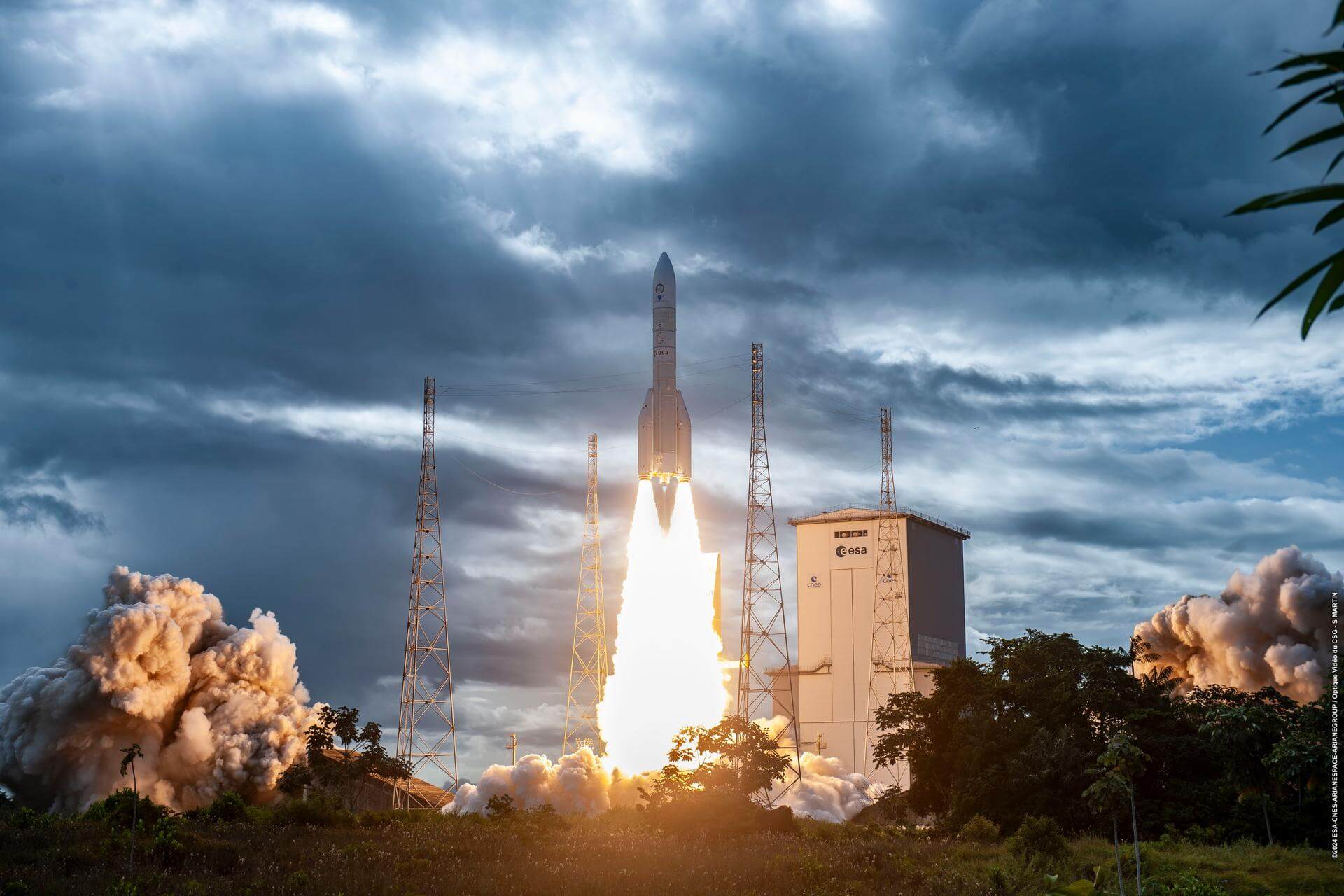
Launch Provider: Arianespace – Commercial
Launch Date: December 17, 2025
Launch Time: 5:01 AM UTC
Vehicle: Ariane 62
Brief: Payload consists of two satellites for Europe’s Galileo navigation system.
Starlink Group 6-99
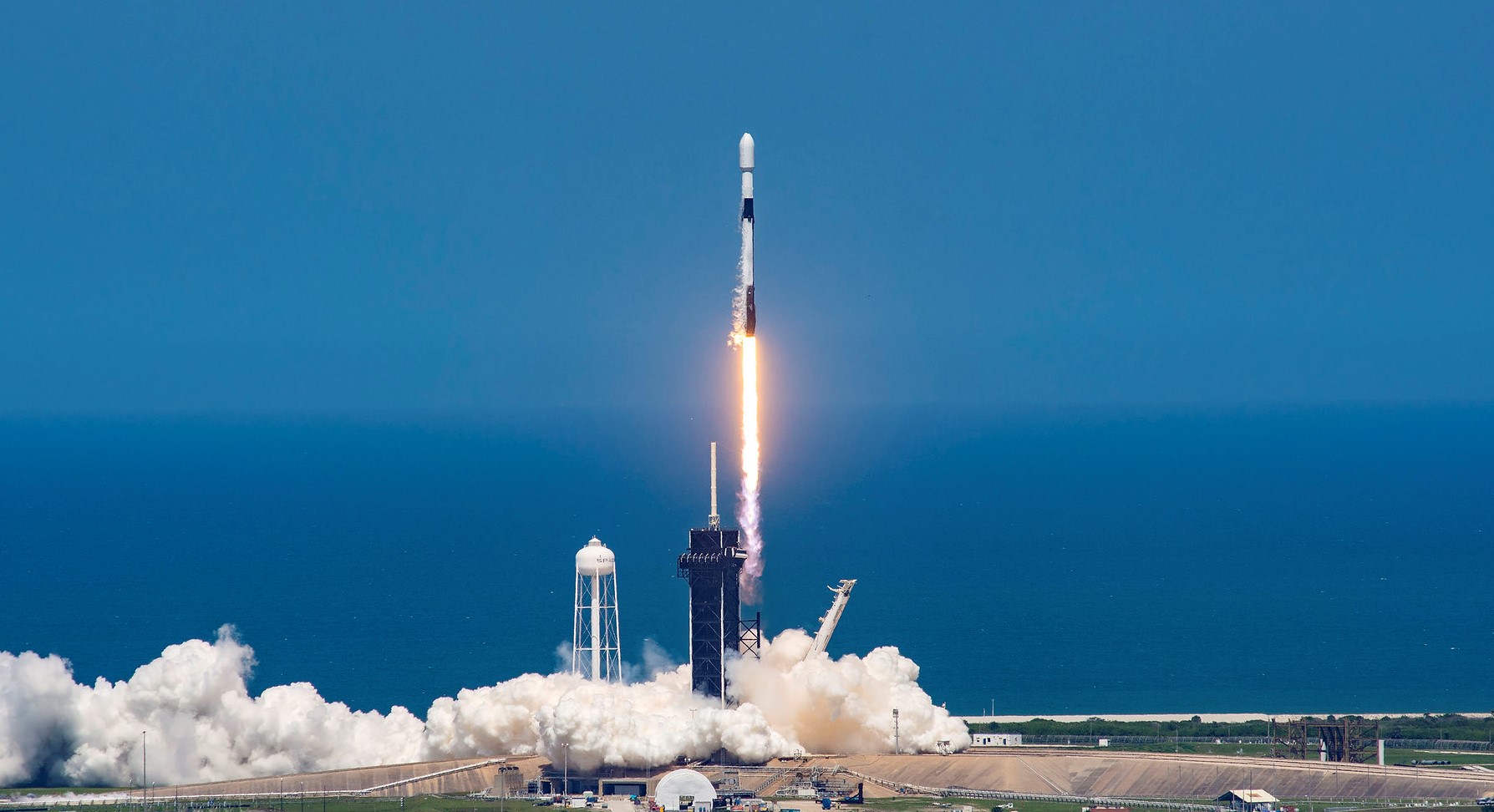
Launch Provider: SpaceX – Commercial
Launch Date: December 17, 2025
Launch Time: 12:19 PM UTC
Vehicle: Falcon 9
Brief: A batch of 29 satellites for the Starlink mega-constellation – SpaceX’s project for space-based Internet communication system.
Starlink Group 15-13
Launch Provider: SpaceX – Commercial
Launch Date: December 17, 2025
Launch Time: 3:10 PM UTC
Vehicle: Falcon 9
Brief: A batch of 27 satellites for the Starlink mega-constellation – SpaceX’s project for space-based Internet communication system.
Spaceward
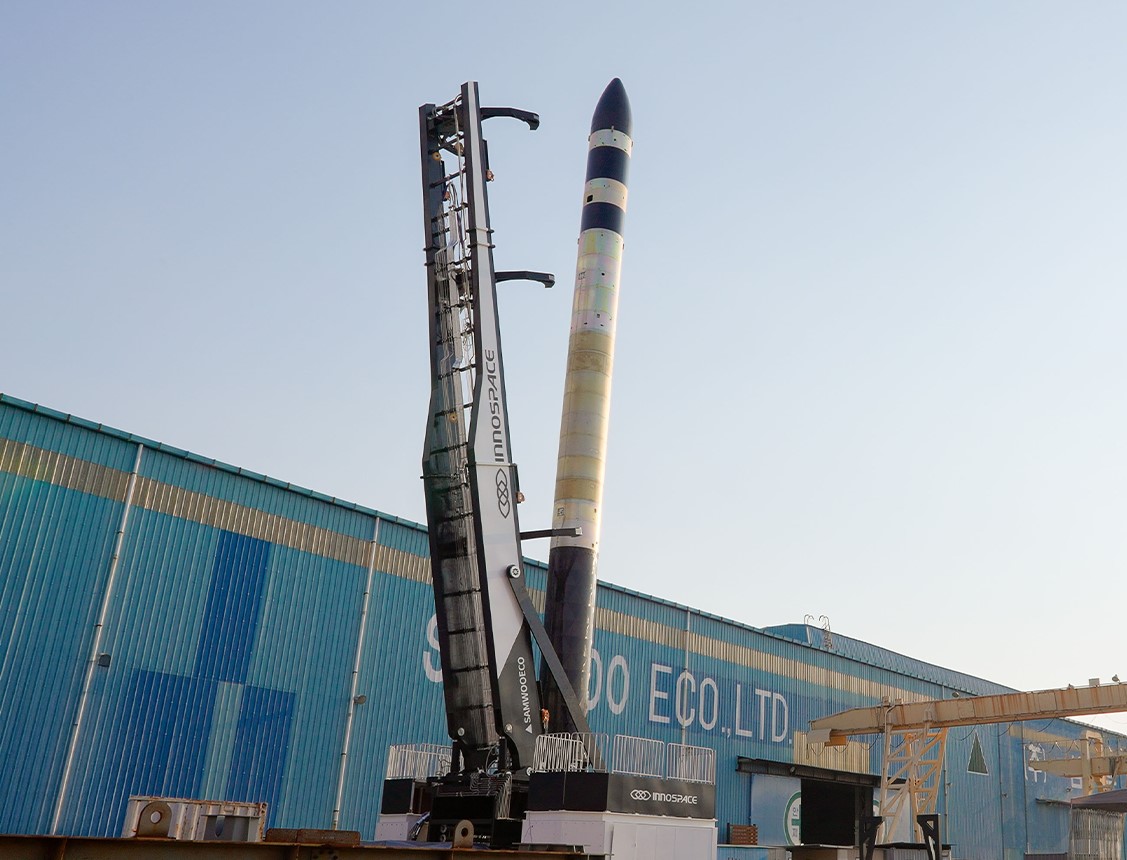
Launch Provider: Innospace – Private
Launch Date: December 17, 2025
Launch Time: 6:45 PM UTC
Vehicle: HANBIT-Nano
Brief: Maiden orbital launch attempt for the South Korean stratup Innospace and its HANBIT-Nano small launch vehicle. Onboard this flight are five small satellites from the Brazilian space agency AEB, Brazilian university Universidade Federal do Maranhão and Indian startup Grahaa Space, as well as three payloads from AEB and Brazilian company Castro Leite Consultoria that will remain attached to the rocket, and an empty aluminium can from the South Korean beverage company Brewguru.
