
The Daily Broadcast: Fragmentation, Focus, and the Future of Space Systems

Is the New Space Revolution Maturing Into Something Familiar?
In a thought-provoking column on SpaceQ, veteran space executive Iain Christie argues that the much-touted “New Space revolution” may be entering a less flashy—but more consequential—phase. Drawing parallels to the automotive and civil aviation industries, Christie suggests that today’s fragmented ecosystem of small component suppliers is unsustainable for an industry that demands high reliability at scale. Early New Space companies, often under-resourced and lacking deep systems engineering experience, are attempting to become vertically integrated out of necessity—but that path is proving treacherous.
Just as automakers eventually standardized quality through ISO 9000 and aircraft OEMs consolidated around Tier-1 suppliers capable of delivering certified subsystems, Christie predicts a wave of consolidation in space. The market, he contends, will reward those who can consistently deliver disciplined processes—not just clever tech. “Brilliant technology that struggles to scale” won’t cut it when a single faulty reaction wheel can doom an entire mission. The early signs of this shift are already visible, though Christie teases that he’ll unpack those in a future column. For now, the takeaway is clear: space may feel like the Wild West, but physics and economics eventually impose order.
Pacific Geomatics Brings AI-Powered Image Enhancement to Canadian Clients

Ottawa-based satellite imagery reseller Pacific Geomatics (PacGeo) has struck a strategic partnership with South Korea’s SI Analytics to offer SuperX, an AI-driven image super-resolution tool, to Canadian and global clients. SuperX uses generative AI trained on multi-resolution satellite data—from 0.25-meter ultra-high-res to coarse global datasets—to effectively double the resolution of optical imagery, whether fresh or archived.
Importantly for PacGeo’s clientele—which includes Canada’s Department of National Defence and other federal agencies under National Master Standing Offers—the tool is sensor-agnostic and compatible with PacGeo’s vendor-neutral model. This means clients can enhance existing image archives without commissioning new satellite tasking, potentially reducing costs while improving geospatial intelligence (GEOINT) analysis. According to PacGeo president Matt Tomlins, the deal grants the company Canadian exclusivity for SuperX, making high-resolution insights more accessible across sectors like mining, forestry, energy, and defense. As SI Analytics CEO Taegyun Jeon puts it, the technology enables machines not just to analyze, but to “understand, reconstruct, and predict” Earth surface features—a subtle but significant evolution in how we extract value from space-based data.
ESA’s Space Safety Programme Gets a Major Funding Boost
The European Space Agency (ESA) has secured €955 million for its Space Safety programme over the next three years—roughly 30% more than its previous allocation and even exceeding its original request. Approved by member states at the CM25 ministerial council, the funding represents about 4% of ESA’s total triennial budget and fully finances planned activities, including space debris monitoring, planetary defense, and space weather forecasting.
This injection of capital underscores growing international concern about the sustainability of orbital operations as satellite constellations proliferate. The programme supports missions like Hera (ESA’s asteroid deflection follow-up to NASA’s DART) and the upcoming Vigil space weather observatory. With space becoming increasingly congested and contested, the investment reflects a pragmatic shift: ensuring the long-term usability of near-Earth space is no longer optional. While Canada isn’t an ESA member, the programme’s open data policies and collaborative frameworks often benefit Canadian researchers and commercial entities indirectly—especially as global standards for debris mitigation and collision avoidance take shape. In an era where a single fragmentation event can jeopardize hundreds of satellites, this kind of proactive investment might just be the unsung hero of future space operations.
Citations
- “Fragmentation and consolidation – We have seen this before” – https://spaceq.ca/fragmentation-and-consolidation-we-have-seen-this-before/
- “Pacific Geomatics adds another AI imagery analysis tool in SuperX” – https://spaceq.ca/pacific-geomatics-adds-another-ai-imagery-analysis-tool-in-superx/
- “ESA Space Safety programme gains major funding increase” – https://www.spacedaily.com/reports/ESA_Space_Safety_programme_gains_major_funding_increase_999.html
Upcoming Launches
Starlink Group 11-25
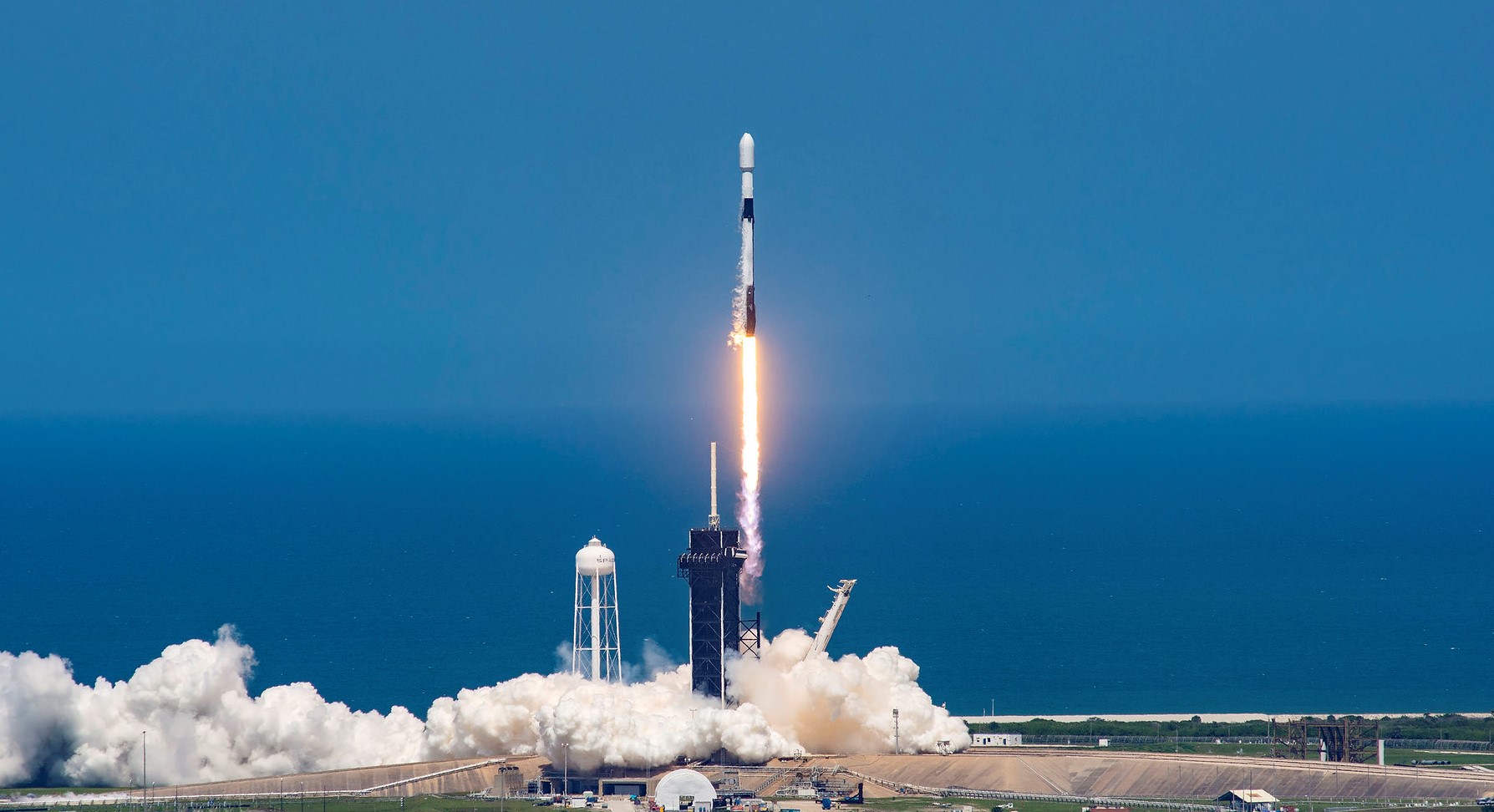
Launch Provider: SpaceX – Commercial
Launch Date: December 4, 2025
Launch Time: 8:42 PM UTC
Vehicle: Falcon 9
Brief: A batch of 28 satellites for the Starlink mega-constellation – SpaceX’s project for space-based Internet communication system.
Unknown Payload
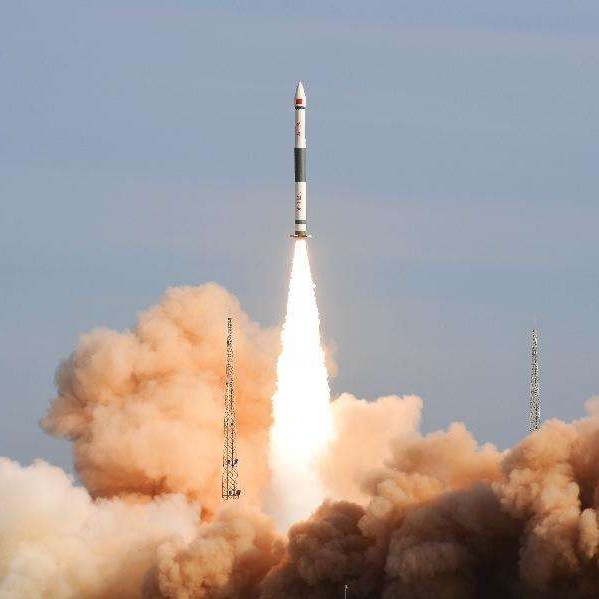
Launch Provider: ExPace – Commercial
Launch Date: December 5, 2025
Launch Time: 9:00 AM UTC
Vehicle: Kuaizhou-1A
Brief: Details TBD.
Unknown Payload
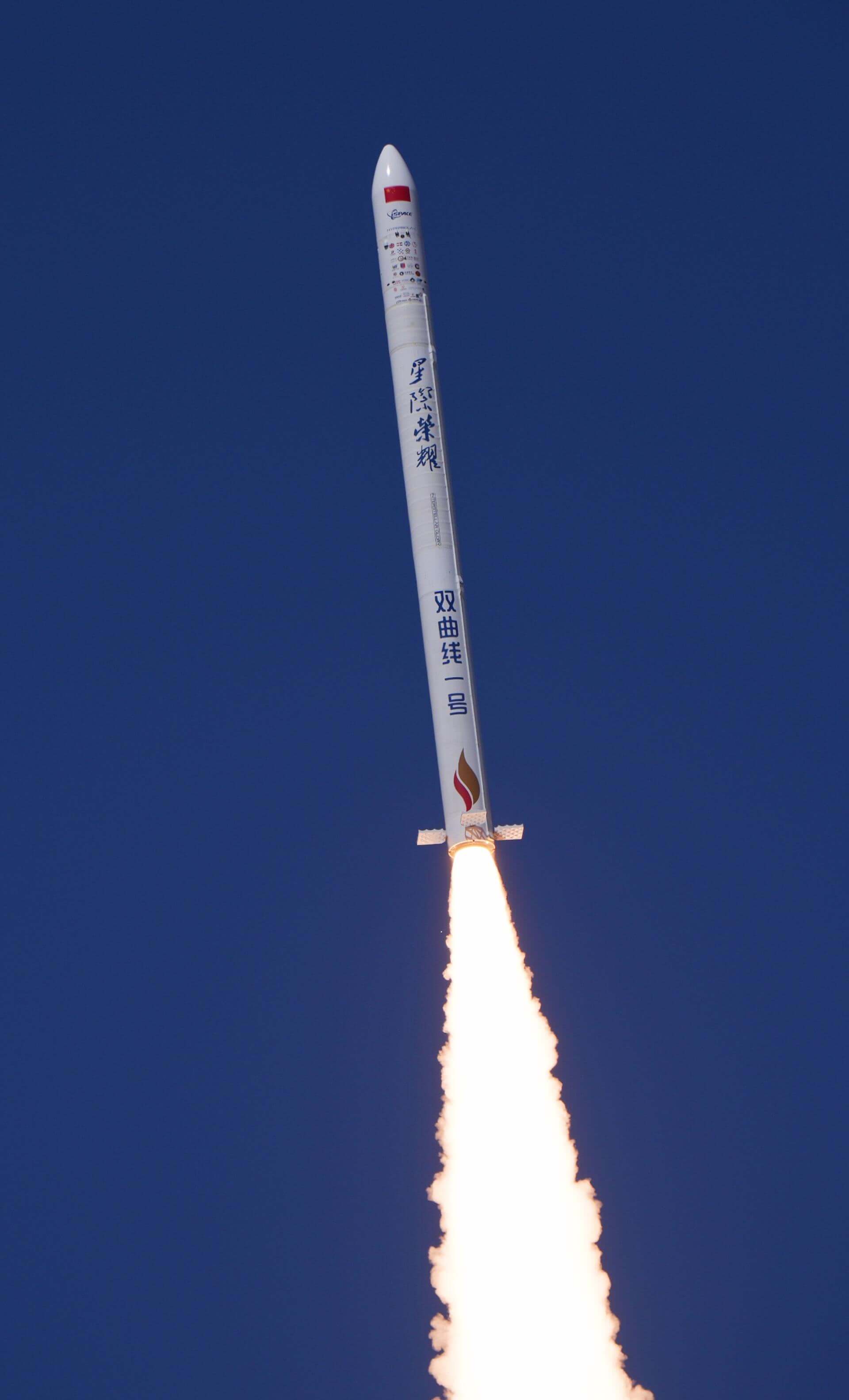
Launch Provider: i-Space – Commercial
Launch Date: December 6, 2025
Launch Time: 4:00 AM UTC
Vehicle: Hyperbola-1
Brief: Details TBD.
Unknown Payload
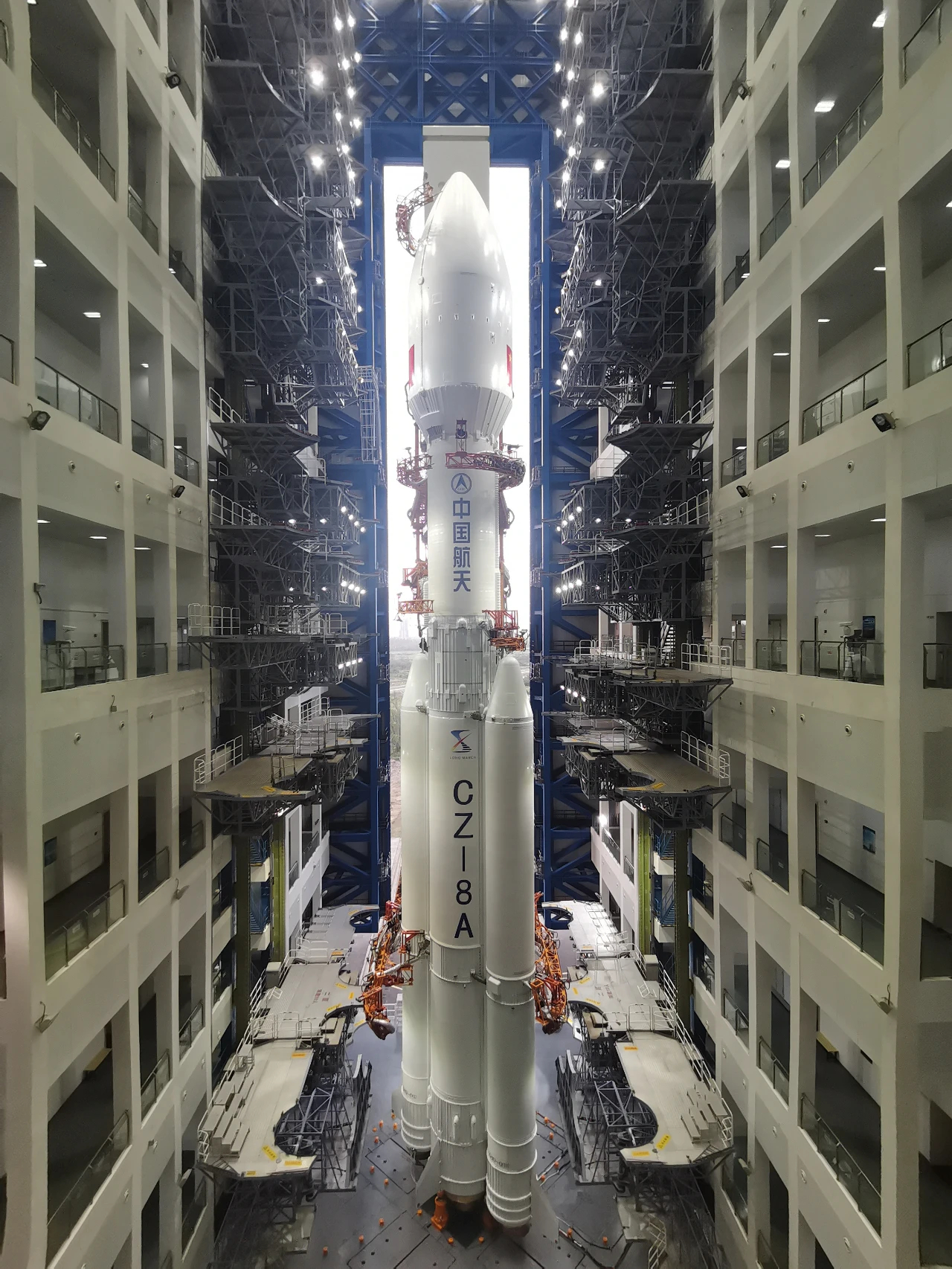
Launch Provider: China Aerospace Science and Technology Corporation – Government
Launch Date: December 6, 2025
Launch Time: 7:50 AM UTC
Vehicle: Long March 8A
Brief: Details TBD.
Raise and Shine (RAISE-4)
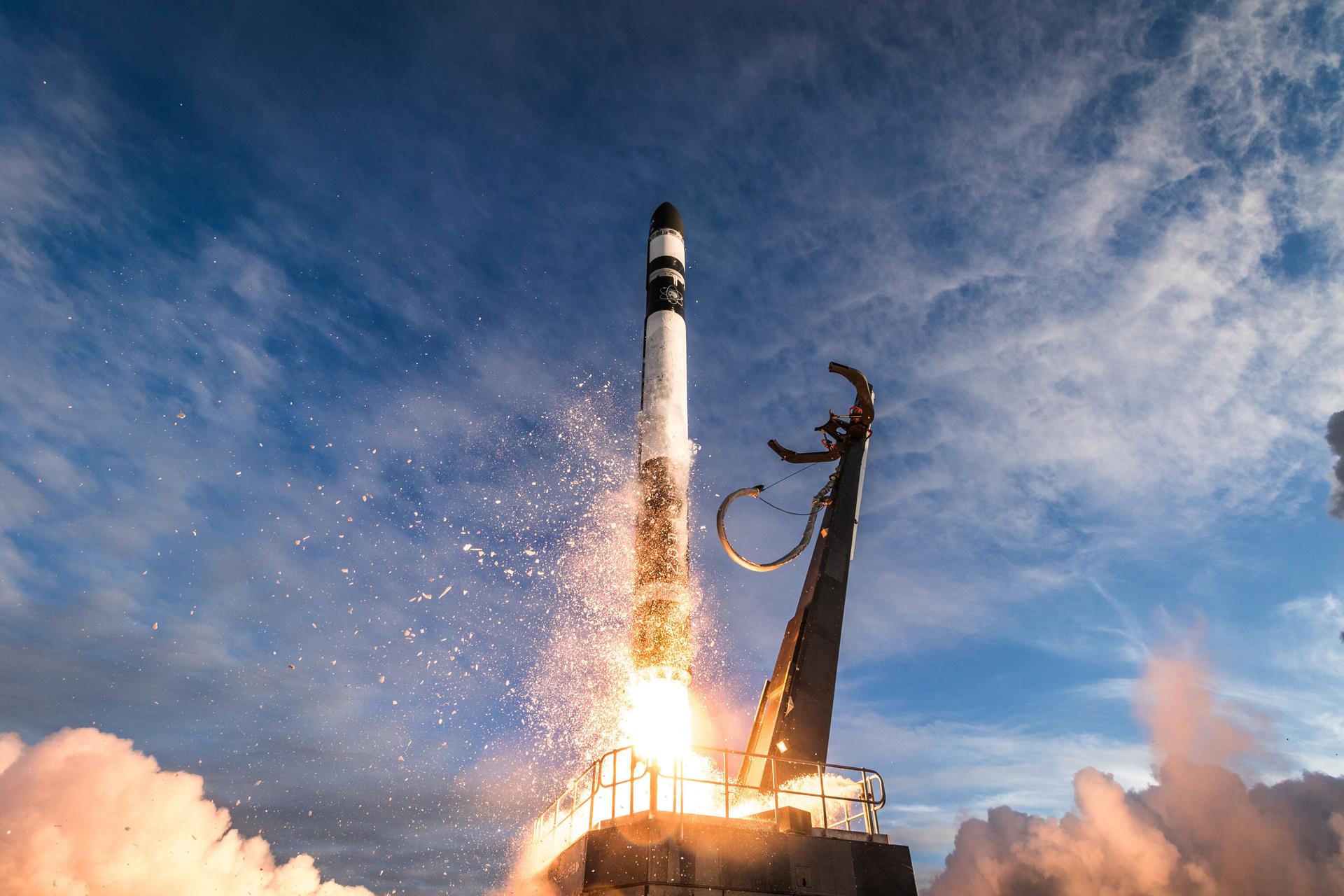
Launch Provider: Rocket Lab – Commercial
Launch Date: December 7, 2025
Launch Time: 3:00 AM UTC
Vehicle: Electron
Brief: RAISE-4 (RApid Innovative payload demonstration Satellite-4) is a Japan Aerospace Exploration Agency (JAXA) satellite for on-orbit demonstrations of 15 demonstration components and equipment selected by public solicitation. The satellite will be operated in response to requests from the demonstration theme proposers, and will provide experimental data of the demonstration devices and environmental data during the experiments.
6 of the demonstration payload, as well as as well as 4 cubesats originally planned to ride on the same launch vehicle, are re-flight of those planned for RAISE-3, which failed to reach orbit in October 2022.
The launch vehicle was switched from Epsilon-S to Rocket Lab’s Electron due to continuous testing problems with the Epsilon-S’ 2nd stage motor. The original 8 hitch-hiking cubesats will be launched on another Electron rocket later.
