
The Daily Broadcast: From Arctic Ambitions to Canadian Imaging Advances

Canada Boosts Earth Observation with New Satellite Imaging Partnership
Victoria-based Pacific Geomatics Limited (PacGeo) has teamed up with South Korea’s SI Analytics to bring cutting-edge super-resolution satellite imagery capabilities across Canada. Announced on November 27, 2025, the strategic partnership aims to enhance how users access and interpret high-resolution geospatial data, offering sharper, more detailed imagery for applications ranging from environmental monitoring to urban planning.
While PacGeo has long served as a key distributor of commercial satellite imagery in Canada, this collaboration integrates SI Analytics’ advanced image-processing algorithms to push resolution beyond traditional limits. The result? Clearer insights without requiring new satellite hardware—a clever workaround in an era where launch costs still matter. For a country with vast, often remote territories—from the boreal forests of Northern Ontario to the Arctic Archipelago—improved imaging can mean faster response to wildfires, better infrastructure planning, and more accurate resource assessments. And let’s be honest: it’s reassuring to know that when a moose wanders onto a remote airstrip, someone on the ground might actually see it coming.
Norway and ESA Plot an Arctic Space Centre—With Canadian Implications
While Canada didn’t sign the paperwork, the new plan for an Arctic Space Centre by the European Space Agency (ESA) and Norway could resonate strongly in the Great White North. Announced on November 27, 2025, the initiative involves a letter of intent and a joint working group to assess the feasibility of building a dedicated facility in northern Norway—well within the Arctic Circle.
This isn’t just about launching rockets (though Norway has dabbled in sounding rockets). The centre would focus on Earth observation, climate monitoring, and communications—areas where Arctic coverage is notoriously challenging but critically important. Canada, which shares similar high-latitude geography and environmental concerns, stands to benefit from shared data, collaborative missions, or even future partnerships. After all, the Arctic doesn’t respect borders, and melting permafrost or shifting sea ice affects everyone in the region. While Canada has its own space assets like the RADARSAT Constellation Mission, closer alignment with European Arctic efforts could amplify our scientific reach. Plus, if ESA’s new hub ends up monitoring caribou migrations, we’d love a heads-up.

ESA’s Space Rider Set for 2028 Debut—Reusability Heads to Europe
Europe is finally getting its own reusable spacecraft, and it’s got a name: Space Rider. The European Space Agency confirmed on November 27, 2025, that the inaugural flight of this eight-metre-long vehicle is scheduled for 2028. Designed to carry scientific and technology demonstration payloads into low Earth orbit for up to two months before returning them safely to Earth, Space Rider represents a major step in Europe’s quest for autonomous, cost-effective access to space.
Unlike SpaceX’s vertical landings or Blue Origin’s boosters, Space Rider will glide home under a steerable parafoil—a gentler, splashdown-free approach well-suited for delicate experiments. The program builds on the heritage of ESA’s Intermediate eXperimental Vehicle (IXV), tested back in 2015, but with a focus on operational utility rather than pure demonstration. For Canadian researchers and startups eyeing affordable orbital testbeds, Space Rider could offer a new channel—especially if Canada and ESA deepen their longstanding collaboration. While it won’t be flying from Canadian soil, its mission profile aligns well with our strengths in remote sensing, robotics, and microgravity science. And frankly, it’s about time Europe had its own reusable workhorse—preferably one that doesn’t require an umbrella landing.

Citations
- “Pacific Geomatics and SI Analytics Announce Strategic Partnership to Deliver Super-Resolution Capabilities Across Canada” – https://spacenews.com/pacific-geomatics-and-si-analytics-announce-strategic-partnership-to-deliver-super-resolution-capabilities-across-canada/
- “ESA and Norway announce plans for an Arctic Space Centre” – https://spacenews.com/esa-and-norway-announce-plans-for-an-arctic-space-centre/
- “Inaugural Space Rider Flight to Occur in 2028” – https://europeanspaceflight.com/inaugural-space-rider-flight-to-occur-in-2028/
Upcoming Launches
Transporter 15 (Dedicated SSO Rideshare)
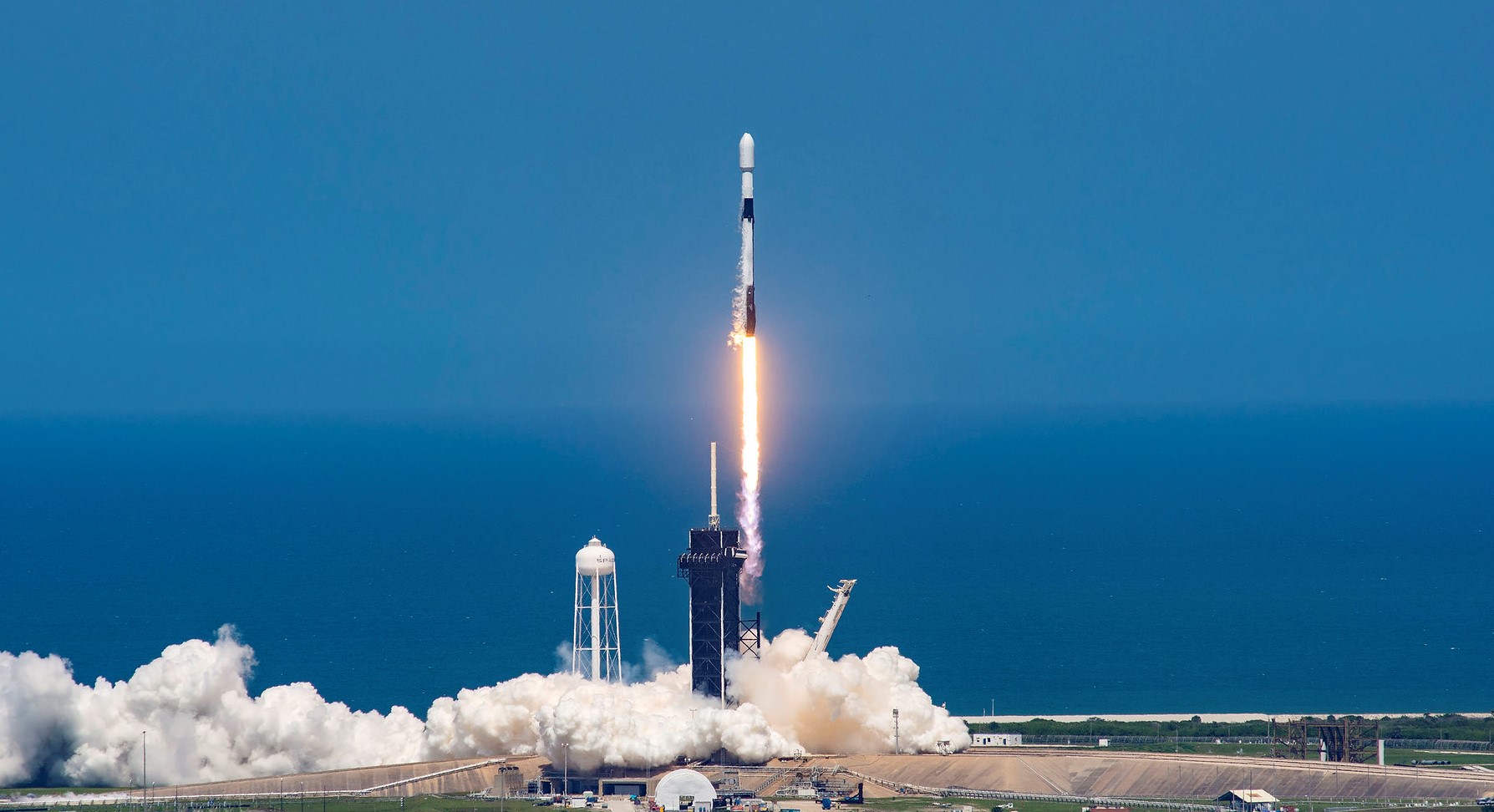
Launch Provider: SpaceX – Commercial
Launch Date: November 28, 2025
Launch Time: 6:18 PM UTC
Vehicle: Falcon 9
Brief: Dedicated rideshare flight to a sun-synchronous orbit with dozens of small microsatellites and nanosatellites for commercial and government customers.
KOMPSAT-7
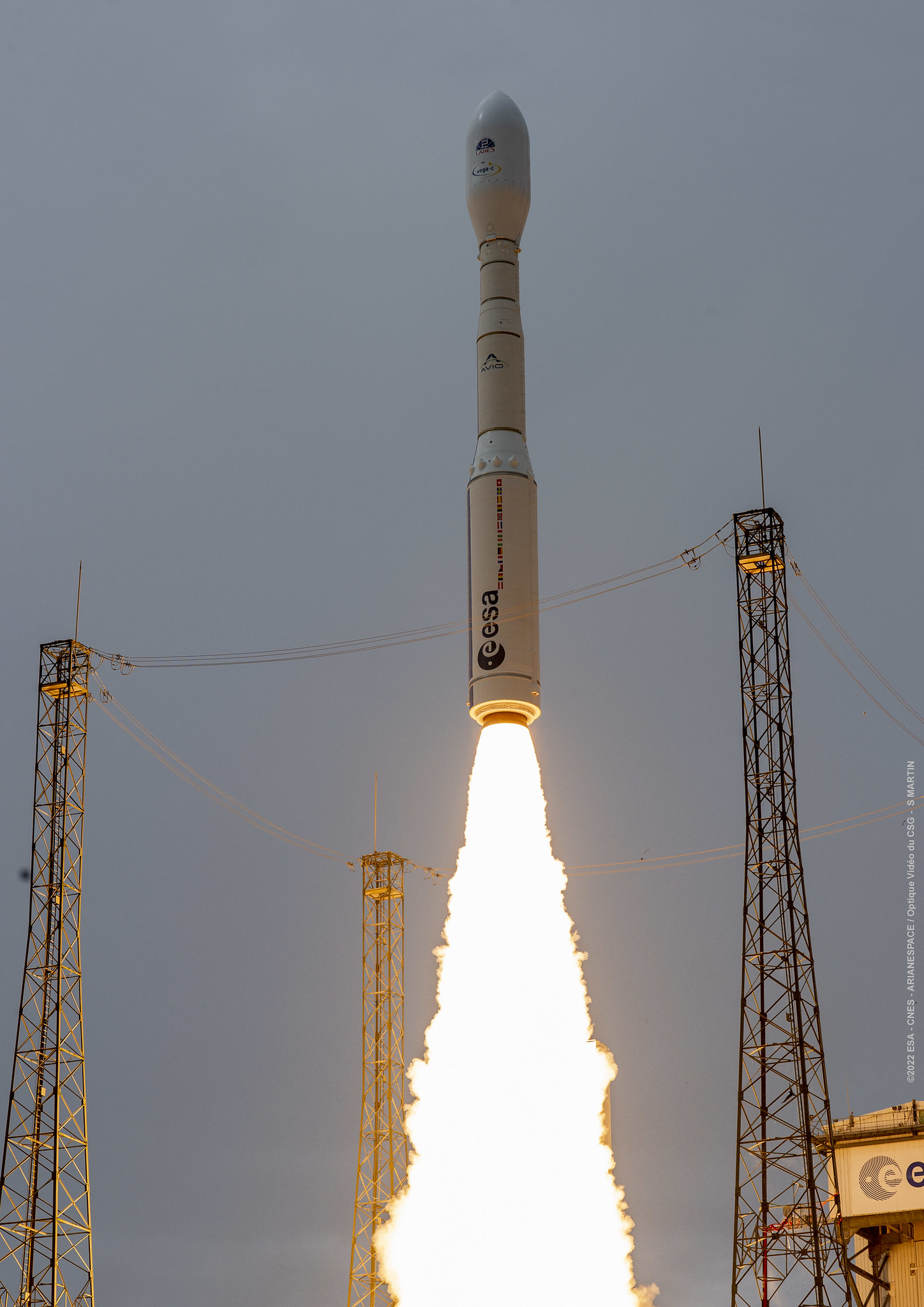
Launch Provider: Arianespace – Commercial
Launch Date: November 30, 2025
Launch Time: 5:21 PM UTC
Vehicle: Vega-C
Brief: KOMPSAT-7 is the follow-up model of KOMPSAT-3A whose mission is to provide high-resolution satellite images to satisfy South-Korea’s governmental and institutional needs.
Starlink Group 6-86
Launch Provider: SpaceX – Commercial
Launch Date: December 1, 2025
Launch Time: 5:00 AM UTC
Vehicle: Falcon 9
Brief: A batch of 29 satellites for the Starlink mega-constellation – SpaceX’s project for space-based Internet communication system.
Starlink Group 15-10
Launch Provider: SpaceX – Commercial
Launch Date: December 2, 2025
Launch Time: 2:10 AM UTC
Vehicle: Falcon 9
Brief: A batch of 27 satellites for the Starlink mega-constellation – SpaceX’s project for space-based Internet communication system.
Starlink Group 6-95
Launch Provider: SpaceX – Commercial
Launch Date: December 2, 2025
Launch Time: 8:16 PM UTC
Vehicle: Falcon 9
Brief: A batch of 29 satellites for the Starlink mega-constellation – SpaceX’s project for space-based Internet communication system.
