
The Daily Broadcast: From Webb’s Cosmic Discoveries to Launch Records and Internship Deadlines
From Webb’s Cosmic Discoveries to Launch Records and Internship Deadlines

Webb Spots a Hungry Black Hole in the Infant Universe
Canadian eyes in space are once again helping rewrite astrophysics textbooks. The James Webb Space Telescope—co-developed by NASA, the European Space Agency, and the Canadian Space Agency—has detected a rapidly growing supermassive black hole just 570 million years after the Big Bang. Dubbed LRD-Z8-6, this object is consuming matter at a prodigious rate, challenging existing theories about how such massive black holes could form so early in cosmic history.
The discovery came through the CANUCS (Canadian NIRISS Unbiased Cluster Survey) program, a Canadian-led initiative that leverages gravitational lensing from galaxy clusters to magnify distant objects. This finding suggests that black holes in the early universe may have grown far more efficiently than models predict—perhaps skipping intermediate stages entirely. For Canadian researchers, it’s another win for homegrown instrumentation: the Fine Guidance Sensor and Near-Infrared Imager and Slitless Spectrograph (NIRISS), both built in Canada, were critical to these observations. As one astronomer dryly noted, “It’s not every day you find a cosmic monster that shouldn’t exist—especially before your morning coffee.”
Florida’s Space Coast Hits a Century of Annual Launches
November 2025 marks a historic milestone for U.S. space operations: the Florida Space Coast has now surpassed 100 orbital launches in a single calendar year. That’s a record for the region, long considered the epicenter of American access to space. The surge is driven by a mix of commercial activity—primarily from SpaceX—and increased government missions, all supported by infrastructure modernization efforts from the U.S. Space Force.
Col. Brian Chatman, director of the Space Launch Delta 45, acknowledged the achievement but emphasized sustainability: “The volume is here to stay. The next step is making sure the infrastructure can keep up.” Range upgrades aim to reduce turnaround times between launches and support simultaneous operations—a necessary evolution as launch cadence climbs. While Canada doesn’t launch from Cape Canaveral, many Canadian satellites hitch rides on these U.S. rockets, and Canadian aerospace firms often supply components or ground support services. For northern neighbors watching from afar (or via live stream during winter storms), it’s a reminder that access to space is becoming more routine—even if we’re still waiting for our own domestic orbital launch capability to take flight.
ESA Internships: Final Countdown for Future Space Professionals
Aspiring space scientists and engineers, take note: the European Space Agency (ESA) is accepting applications for its 2026 Student Internship Programme until November 30, 2025. While ESA is a European institution, Canadian students are eligible to apply due to Canada’s long-standing cooperation agreement with the agency—most notably through Canada’s participation in ESA programs like the International Space Station and Earth observation missions.
Internships are offered across a wide range of disciplines, from robotics and mission operations to data science and space medicine, with placements at ESA establishments in France, Germany, the Netherlands, and Italy. Though the competition is fierce, past Canadian interns have gone on to work with both ESA and the Canadian Space Agency. The application window is tight, and with winter exams looming for many students, procrastination is not a viable mission plan. If you’ve ever daydreamed about analyzing Martian soil samples or helping design the next deep-space antenna, now’s the time to polish that CV—and maybe brush up on your French or German. After all, as any astronaut will tell you, opportunities in space rarely come with a second launch window.
Citations
- “Webb discovers rapidly growing black hole in the very early universe” – https://www.nasaspaceflight.com/2025/11/webb-canucs-lrd-z8-6/
- “Florida Space Coast tops 100 launches as Space Force pushes for range upgrades” – https://spacenews.com/florida-space-coast-tops-100-launches-as-space-force-pushes-for-range-upgrades/
- “Final call to apply for ESA Internships 2026!” – https://www.esa.int/About_Us/Careers_at_ESA/Final_call_to_apply_for_ESA_Internships_2026
Upcoming Launches
Shenzhou 22
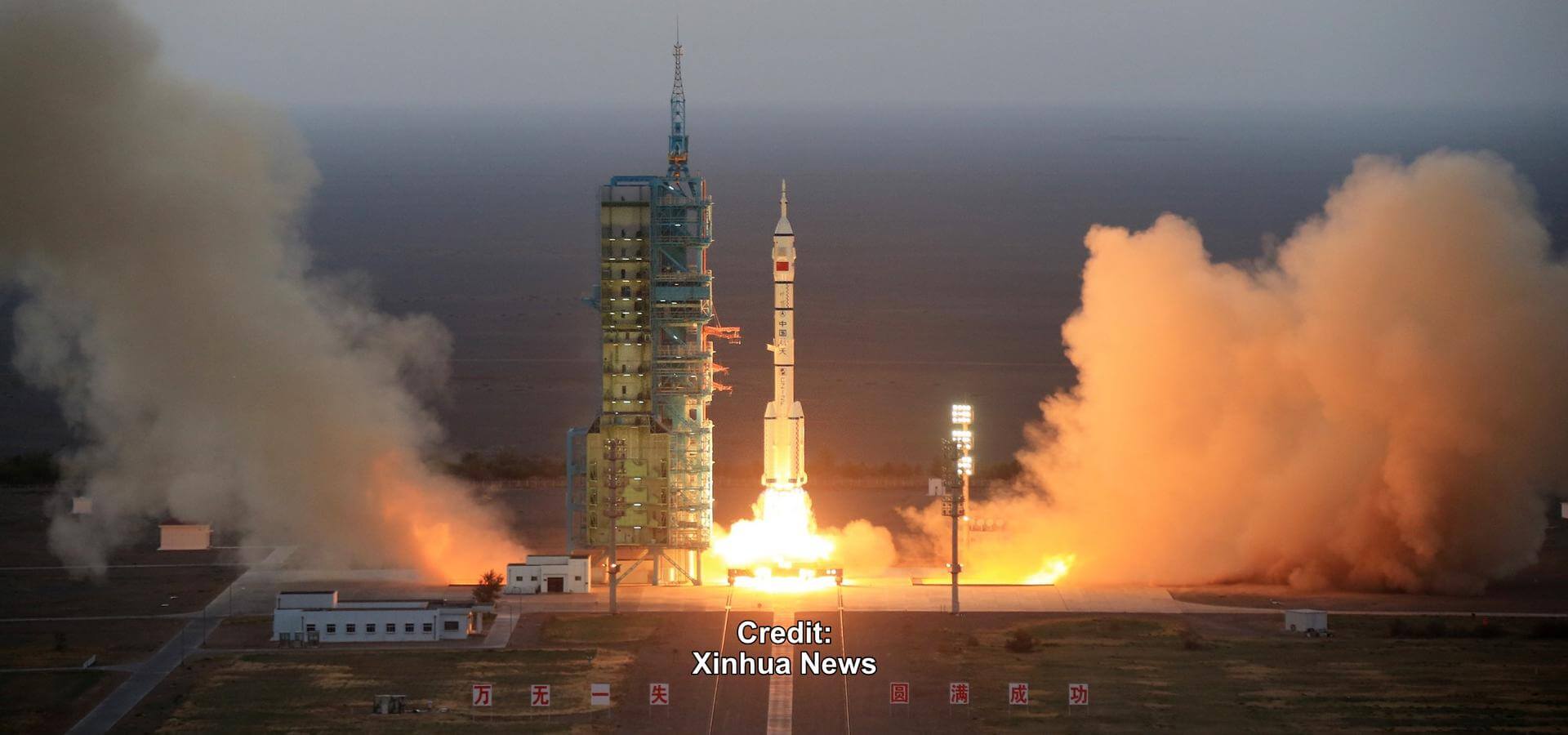
Launch Provider: China Aerospace Science and Technology Corporation – Government
Launch Date: November 25, 2025
Launch Time: 4:11 AM UTC
Vehicle: Long March 2
Brief: Shenzhou 22 (Chinese: 神舟二十二号) will be the 22nd flight of the Shenzhou program. The spacecraft will be launched without crew to replace Shenzhou 20 that was damaged by orbital debris on the descent module porthole window, and thus deemed unsuitable for crew re-entry. The spacecraft will later return three Chinese astronauts on the 10th flight to the Chinese Space Station back to Earth, after launching on Shenzhou 21.
Kosmos (Unknown Payload)
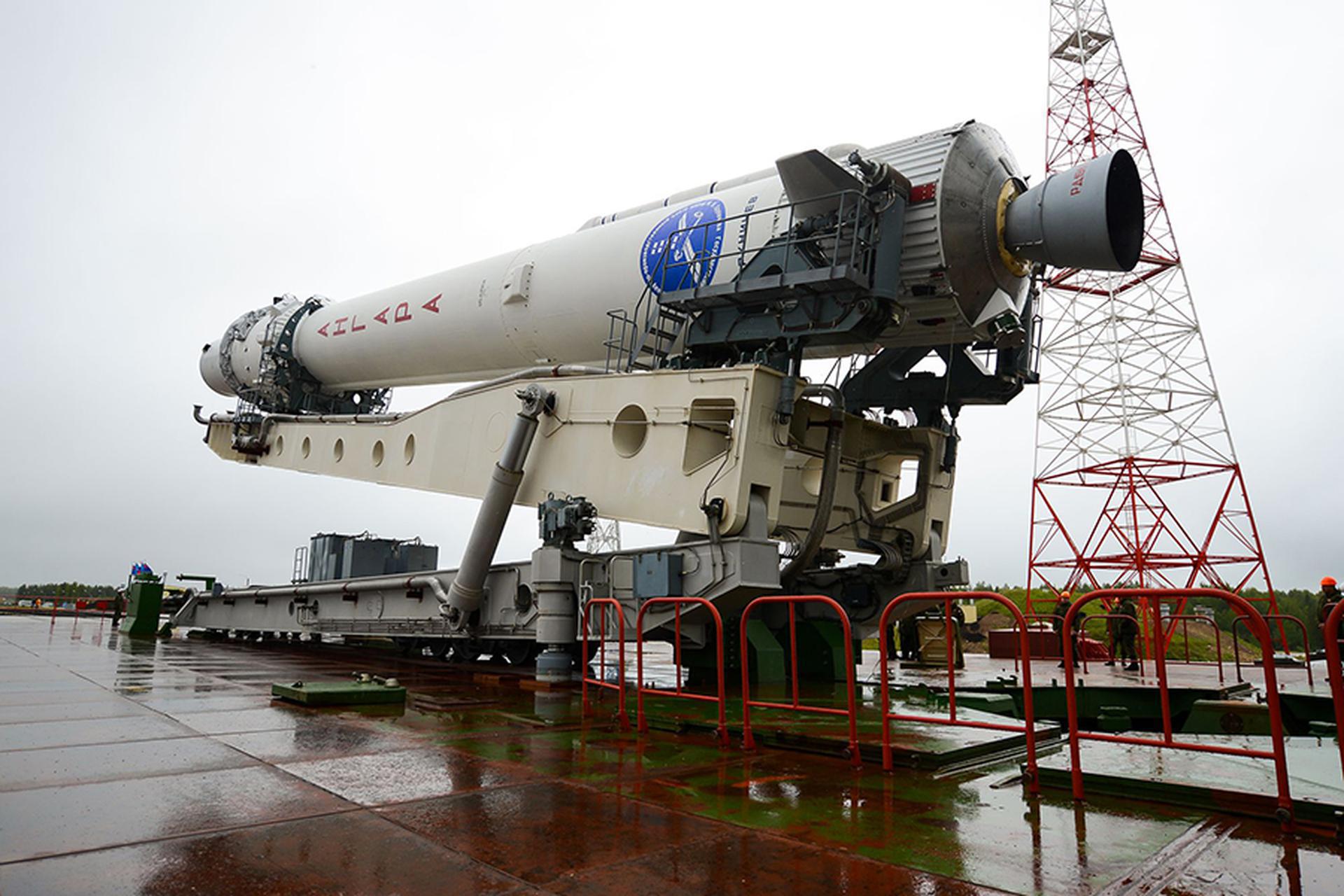
Launch Provider: Khrunichev State Research and Production Space Center – Government
Launch Date: November 25, 2025
Launch Time: 1:00 PM UTC
Vehicle: Angara 1.2
Brief: Note: Payload identity and Cosmos series numbering not confirmed.
Unknown Payload(s) for the Russian military.
CAS500-3
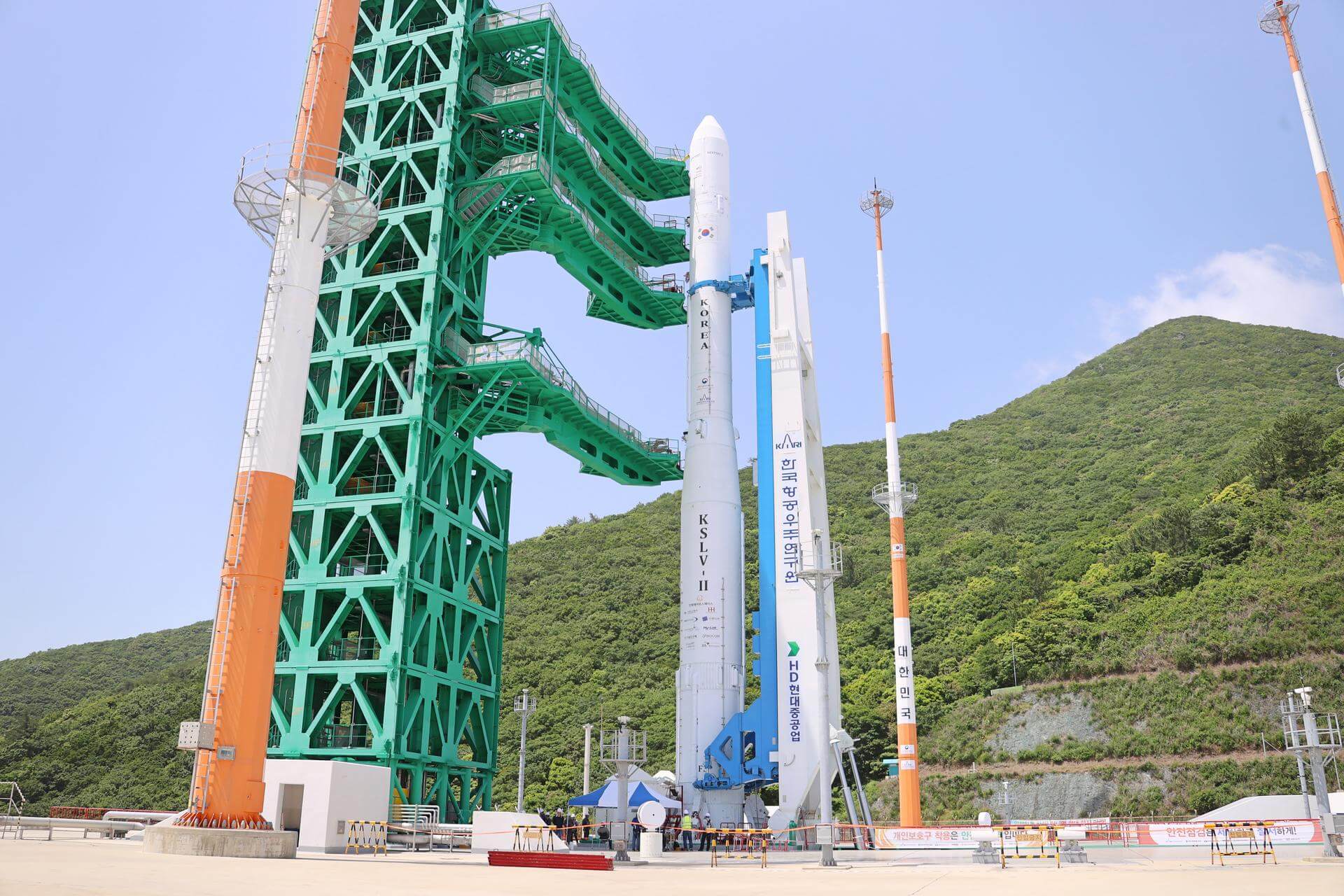
Launch Provider: Korea Aerospace Research Institute – Government
Launch Date: November 26, 2025
Launch Time: 3:54 PM UTC
Vehicle: Nuri
Brief: CAS500-3 is a South Korean Earth observation satellites to be used by the Ministry of Science and ICT for space technology verification and space science research.
Transporter 15 (Dedicated SSO Rideshare)
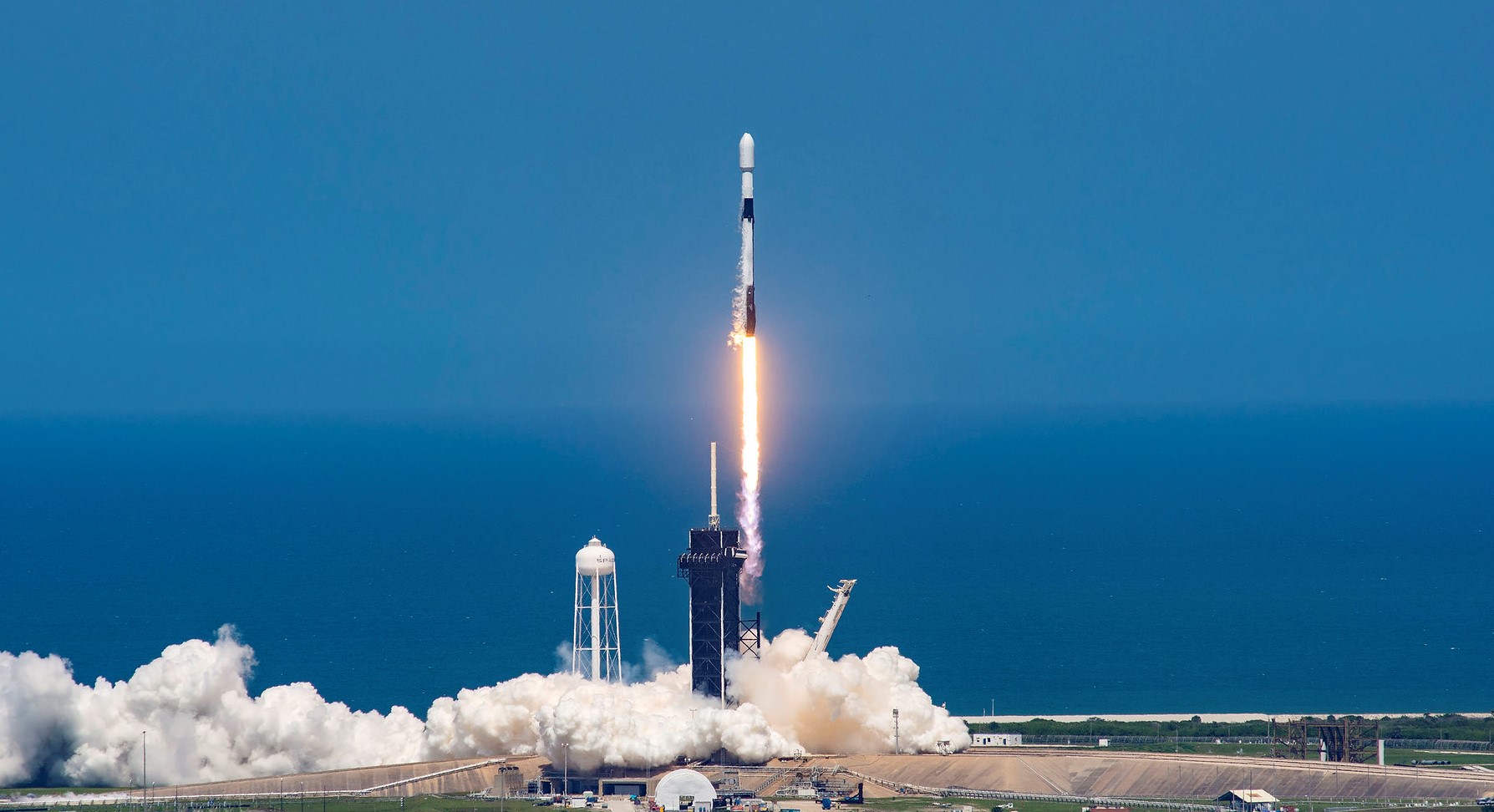
Launch Provider: SpaceX – Commercial
Launch Date: November 26, 2025
Launch Time: 6:18 PM UTC
Vehicle: Falcon 9
Brief: Dedicated rideshare flight to a sun-synchronous orbit with dozens of small microsatellites and nanosatellites for commercial and government customers.
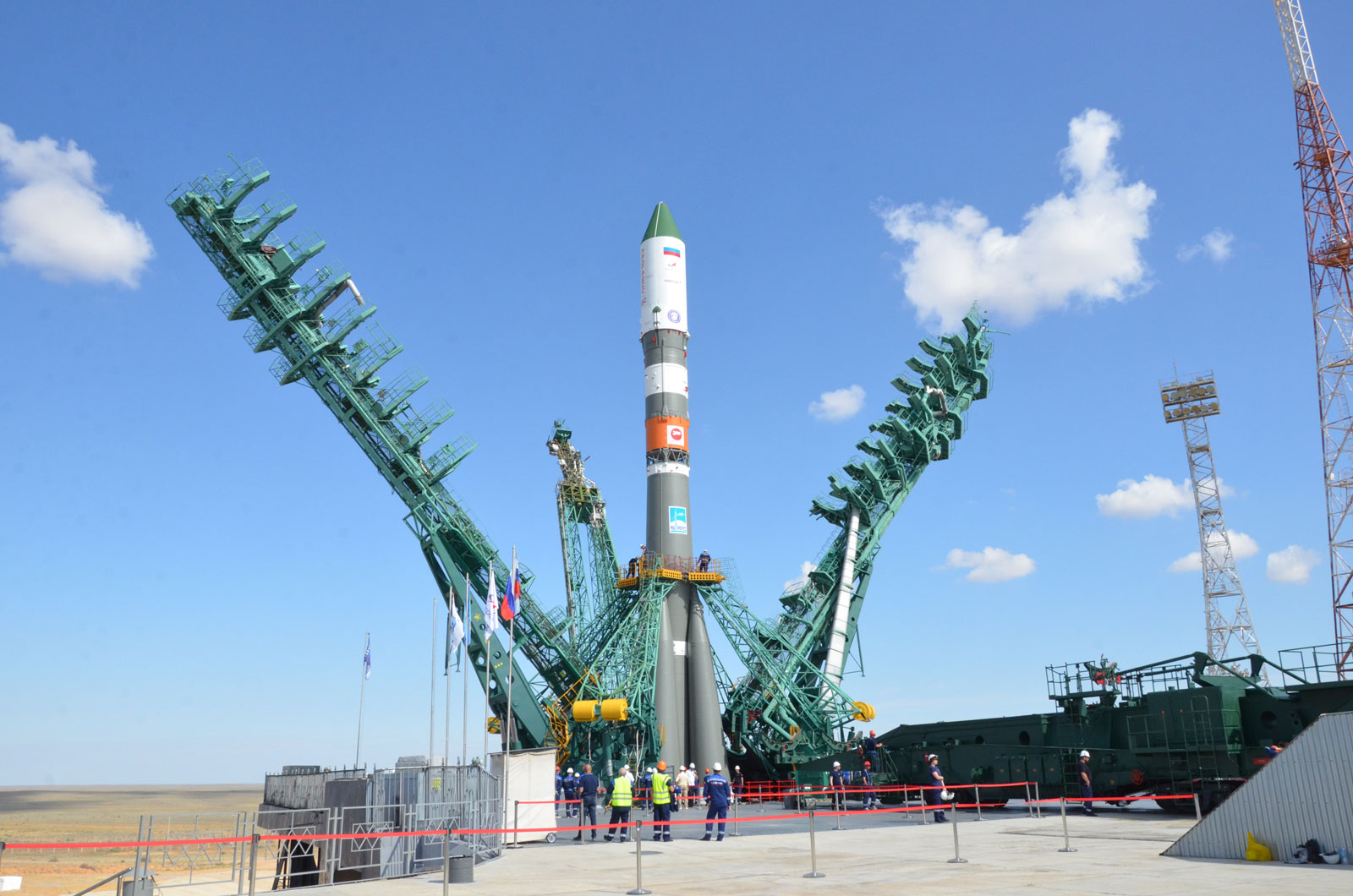
Soyuz MS-28
Launch Provider: Russian Federal Space Agency (ROSCOSMOS) – Government
Launch Date: November 27, 2025
Launch Time: 9:27 AM UTC
Vehicle: Soyuz 2.1a
Brief: Soyuz MS-28 will carry three cosmonauts and one astronaut to the International Space Station aboard the Soyuz spacecraft from the Baikonur Cosmodrome in Kazakhstan. The crew consists of Roscosmos cosmonauts Sergei Kud-Sverchkov, Sergei Mikayev and Oleg Platonov.
