
The Daily Broadcast: Orbit Ops, Ocean Watch, and Late-Night Launches
Orbit Ops, Ocean Watch, and Late-Night Launches

China Sends Up a Space Lifeboat
On November 25, China plans to launch the uncrewed Shenzhou-22 spacecraft to the Tiangong space station—not to deliver new astronauts, but to serve as a fresh “lifeboat” for the current Shenzhou-21 crew. This is standard practice for China’s human spaceflight program: every six months, a new Shenzhou vehicle is sent up so that astronauts always have a reliable ride home. The current crew, launched in late October, will remain aboard Tiangong through at least April 2026, and having a recently arrived return vehicle ensures they aren’t relying on a capsule that’s been exposed to the space environment for too long. While it might seem unusual to send up an empty spacecraft just to park it, this redundancy is a key part of crew safety—something no spacefaring nation takes lightly. The launch will take place from the Jiuquan Satellite Launch Center using a Long March 2F rocket, a vehicle with a perfect crew-rated safety record. For observers tracking global space activity, this quiet logistical maneuver underscores how routine human spaceflight has become for China—even if it still feels like science fiction to the rest of us sipping Tim Hortons back on Earth.
Sentinel-6B Is Now Watching Our Oceans—from Canada’s Arctic
The Copernicus Sentinel-6B satellite is officially on the job, and it owes part of its early success to a very Canadian contribution: the Inuvik Satellite Station Facility in the Northwest Territories. Just over an hour after its November 17 liftoff aboard a SpaceX Falcon 9 from Vandenberg Space Force Base, the satellite phoned home—and that first signal was received via Inuvik. This ground station, operated by the German Aerospace Center (DLR) but strategically located north of the Arctic Circle, provides critical high-latitude coverage for polar-orbiting Earth observation missions. Sentinel-6B’s mission is deceptively simple but profoundly important: measure global sea level with millimeter precision. It continues a climate data record that stretches back to 1992, helping scientists track how fast our oceans are rising due to melting ice and thermal expansion. About the size of a pickup truck, the satellite will also improve hurricane forecasting and support maritime navigation. For Canadians, it’s a reminder that even missions launched from California often rely on infrastructure in our own backyard—especially when that backyard happens to be perfectly positioned under the orbital paths of Earth-observing satellites.

FAA Lifts the Curfew on Commercial Launches
Good news for night owls and launch photographers alike: the U.S. Federal Aviation Administration (FAA) has officially ended its temporary curfew on commercial space launches. The restriction, which limited launches to daylight hours, was a side effect of the recent U.S. government shutdown that hampered air traffic management resources. With normal operations restored, companies like SpaceX, Rocket Lab, and others can now schedule missions at any hour—critical for hitting precise orbital windows or coordinating with international partners across time zones. The FAA emphasized that safety remains the top priority, but the return to 24/7 launch operations reflects growing confidence in both regulatory processes and commercial operators’ ability to manage airspace coordination. In practical terms, this means we might soon see more spectacular pre-dawn or late-night launches lighting up the skies over Florida or California. For Canadian space watchers, particularly those in southern Ontario or the Maritimes who sometimes catch a glimpse of east-coast launches, it also means more opportunities to witness a rocket’s fiery trail—if you’re willing to set that very un-Canadian alarm for 3 a.m.
Citations
- “China to launch Shenzhou-22 spacecraft Nov. 25 to provide lifeboat for astronauts” – https://spacenews.com/china-to-launch-shenzhou-22-spacecraft-nov-25-to-provide-lifeboat-for-astronauts/
- “Copernicus Sentinel-6B begins mission to advance ocean science” – https://www.spacedaily.com/reports/Copernicus_Sentinel_6B_begins_mission_to_advance_ocean_and_climate_monitoring_999.html
- “FAA ends commercial launch curfew” – https://spacenews.com/faa-ends-commercial-launch-curfew/
Upcoming Launches
VAN
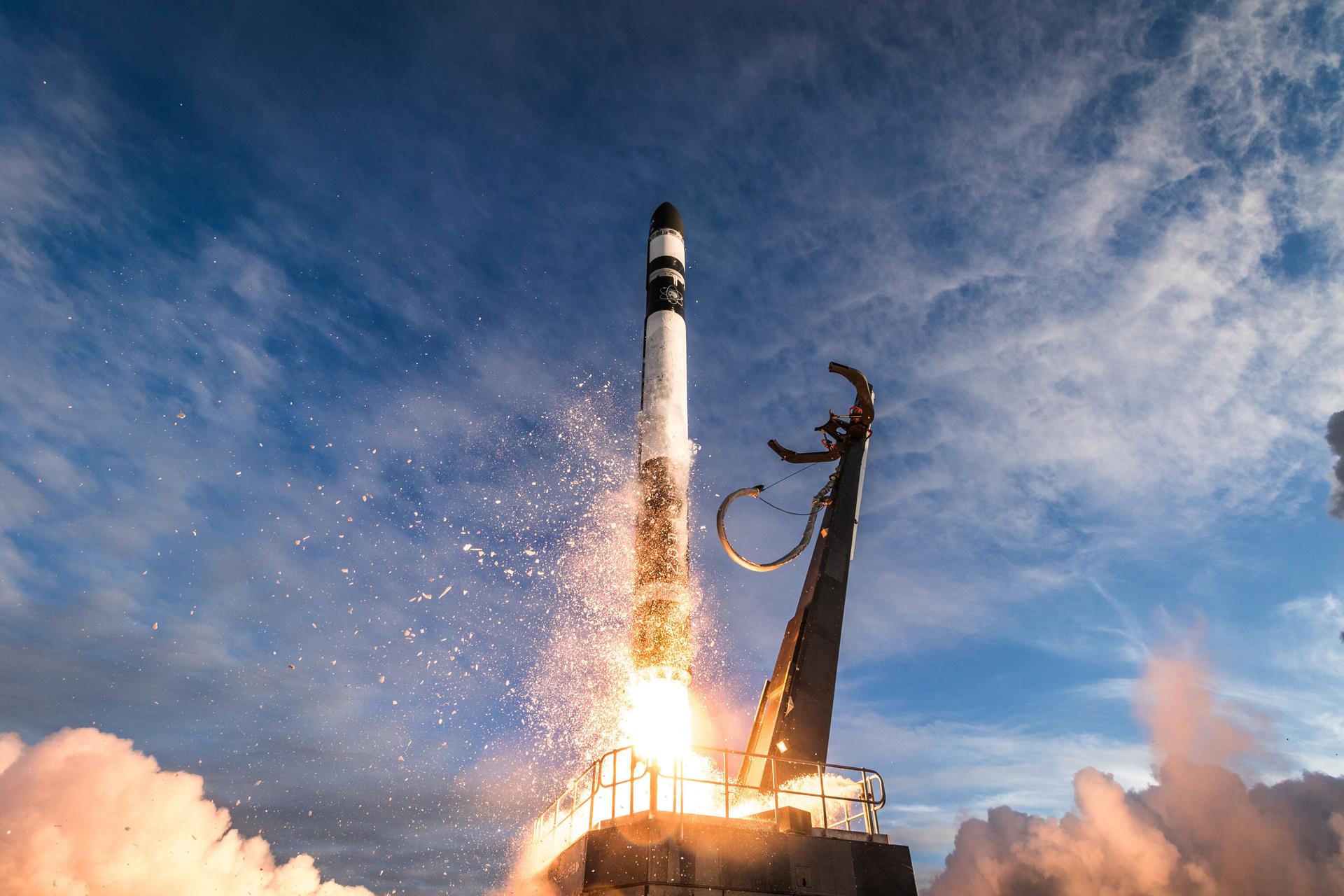
Launch Provider: Rocket Lab – Commercial
Launch Date: November 17, 2025
Launch Time: 3:00 PM UTC
Vehicle: Electron
Brief: Sub-orbital launch under Rocket Lab’s Hypersonic Accelerator Suborbital Test Electron (HASTE) program, details TBD.
Starlink Group 6-94

Launch Provider: SpaceX – Commercial
Launch Date: November 18, 2025
Launch Time: 11:29 PM UTC
Vehicle: Falcon 9
Brief: A batch of 29 satellites for the Starlink mega-constellation – SpaceX’s project for space-based Internet communication system.
Unknown Payload
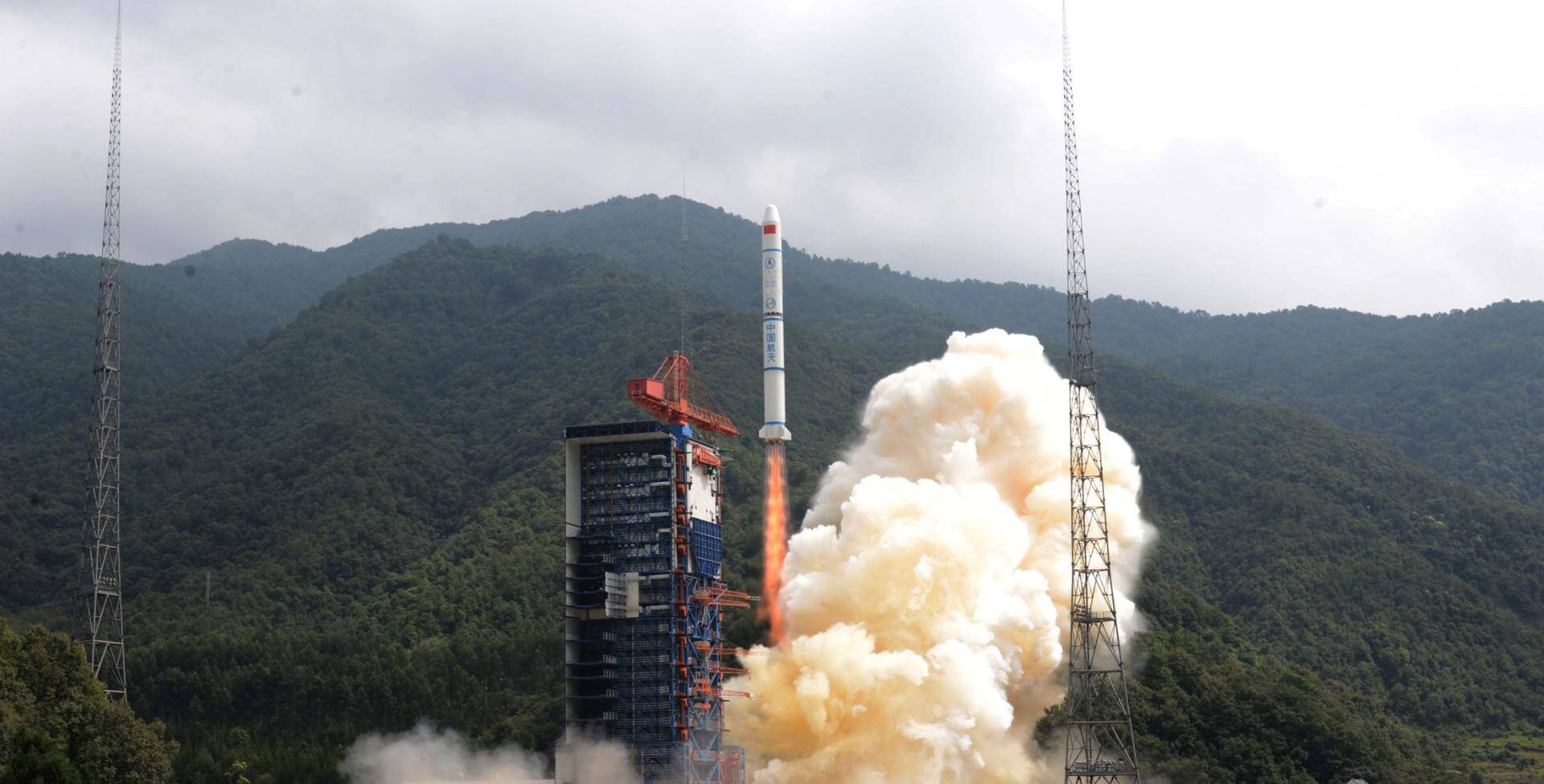
Launch Provider: China Aerospace Science and Technology Corporation – Government
Launch Date: November 19, 2025
Launch Time: 4:00 AM UTC
Vehicle: Long March 2C/YZ-1S
Brief: Details TBD.
Unknown Payload
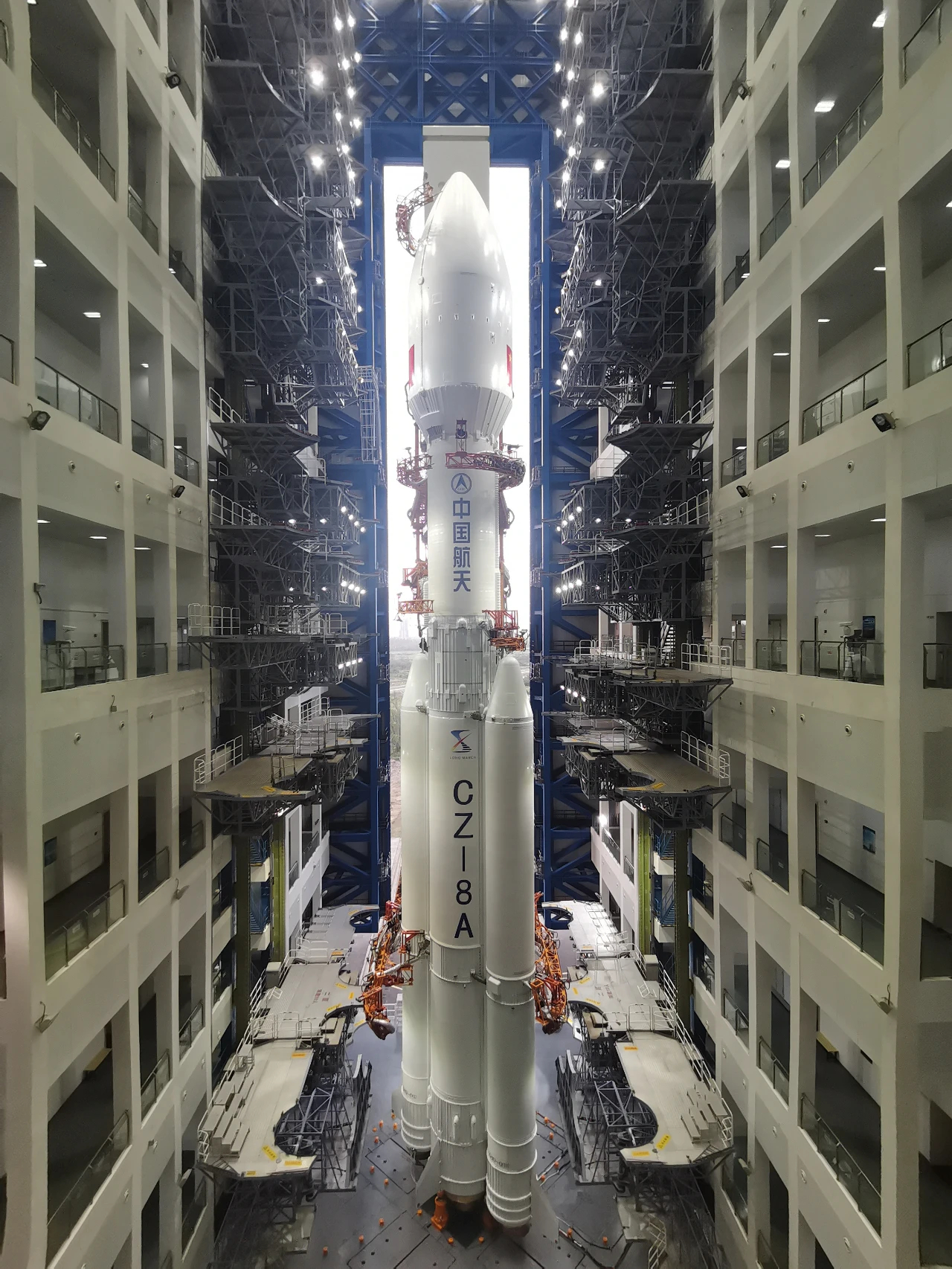
Launch Provider: China Aerospace Science and Technology Corporation – Government
Launch Date: November 19, 2025
Launch Time: 1:00 PM UTC
Vehicle: Long March 8A
Brief: Details TBD.
Transporter 15 (Dedicated SSO Rideshare)
Launch Provider: SpaceX – Commercial
Launch Date: November 19, 2025
Launch Time: 6:18 PM UTC
Vehicle: Falcon 9
Brief: Dedicated rideshare flight to a sun-synchronous orbit with dozens of small microsatellites and nanosatellites for commercial and government customers.
