MDA Space Lands 41 Commitments for CHORUS Constellation
MDA Space is hitting key milestones as its next-generation Earth observation constellation takes shape. At the GEOINT Symposium on May 6, the Canadian company announced a total of 41 early customer commitments for CHORUS—nine finalized contracts and 32 letters of interest spanning North America, Latin America, Europe, the Middle East, and Asia-Pacific.
CHORUS represents MDA’s strategic push to secure and expand its Earth observation data business as it prepares for the eventual retirement of RADARSAT-2, the workhorse Canadian satellite that has served since 2007. The two-satellite Synthetic Aperture Radar (SAR) constellation builds directly on decades of Canadian heritage with the RADARSAT program.
What sets CHORUS apart in an increasingly crowded SAR marketplace is its “tipping and cueing” capability. By flying two specialized satellites in the same orbit—an MDA-built C-band radar paired with a trailing high-resolution X-band sensor from Finnish partner ICEYE—the system can scan 700-kilometre-wide swaths to detect activity and immediately cue the trailing sensor to capture sub-metre images of specific targets. This hybrid approach targets a specific operational niche: defence, maritime, and resource customers who need wide-area surveillance before zooming in on areas of interest.
MDA Space CEO Mike Greenley stated: “The number of early commitments to MDA CHORUS is a reflection of the trust customers have in MDA Space Earth observation products.” The company is preparing for a late 2026 launch aboard a SpaceX Falcon 9, with focus now shifting toward converting its 32 letters of interest into finalized agreements and establishing recurring revenue before the satellites reach orbit. The company’s Q1 2026 earnings call is scheduled for today, May 7.
Bridenstine Takes the Helm of Military Space Pioneer Quantum Space
Jim Bridenstine, who led NASA from 2018 to 2021, has returned to his national security roots by accepting the position of chief executive officer at Quantum Space, a Maryland-based company developing advanced maneuverable spacecraft for military and cislunar applications.
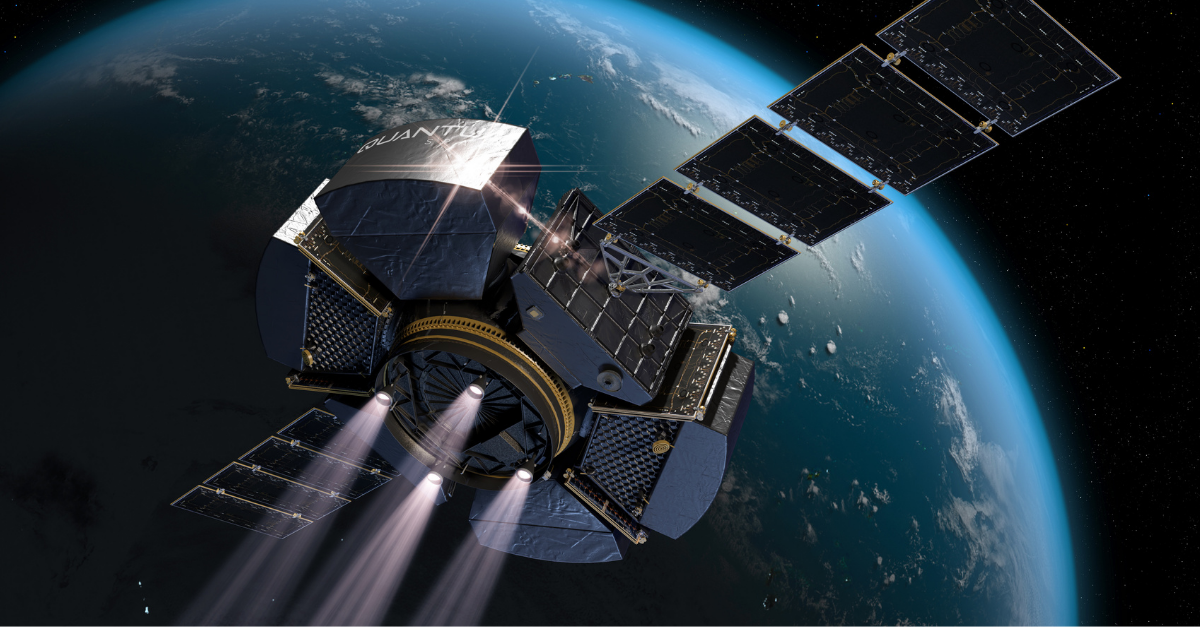
Bridenstine is tasked with scaling a company founded by billionaire Kam Ghaffarian (who previously founded Intuitive Machines and Axiom Space). Quantum Space, currently staffed by about 75 employees and backed by $80 million in Series A funding, is developing Ranger—a spacecraft about the size of a Volkswagen Beetle that carries 4,000 kg of hydrazine propellant to enable rapid maneuvering from low-Earth orbit to geostationary orbit to cislunar space. A key innovation is its proprietary “multi-mode” technology, acquired through Quantum’s purchase of Phase Four last September, which allows operation in both high-thrust and high-efficiency modes. The company plans to launch its first Ranger in July 2027.
Quantum Space has already won contracts with the U.S. Space Force and DARPA, including work on the LASSO program to characterize water concentration on the lunar surface and participation in the Air Force Research Lab’s cislunar space situational awareness initiative. With President Trump’s budget request proposing an approximately 80 percent increase in Space Force funding to $71 billion for fiscal year 2027, demand for precisely this kind of maneuverable spacecraft capability appears strong.
Bridenstine, who championed commercial space partnerships during his NASA tenure, remains a vocal supporter of the agency’s current direction. He highlighted his emotional reaction to Artemis II’s April 1 launch: “I was watching the countdown, and then I saw the clock tick down to T-9:59, and I was like, oh my gosh, we’re going.”
ESA Embraces Extended Reality to Transform Space Training and Exploration
The European Space Agency has launched a dedicated Extended Reality Competence Centre (XR-CC) to consolidate and expand the use of immersive technologies—virtual reality, augmented reality, and mixed reality—across its programmes. The move reflects a broader recognition that XR technologies, once niche, are becoming increasingly practical and affordable for space applications.
ESA has released the ESA XR Plugin, a flexible development tool built with Unreal Engine and OpenXR that simplifies creation of XR applications for space. The software is available to companies, independent developers, and students, allowing them to retain full commercialisation rights on their creations.
At ESA’s European Astronaut Centre (EAC) in Germany, the XR Lab is already putting these technologies to work. Astronauts use immersive training to familiarise themselves with International Space Station layouts, learn robotic arm operations, and practise spacewalks. A new Mixed Reality Facility project adapts XR for use aboard the ISS itself, enabling astronauts to perform procedures hands-free, stay motivated during exercise, and maintain connection with families in shared virtual spaces.
ESA is also developing the ESA XR Universe, a multi-user shared virtual environment currently in pilot at ESA for collaborative design reviews and Earth observation decision-making. The initiative will eventually open to the general public, offering experiences ranging from summoning ESA’s planetary defence mission Hera in your living room to exploring space in a virtual museum.
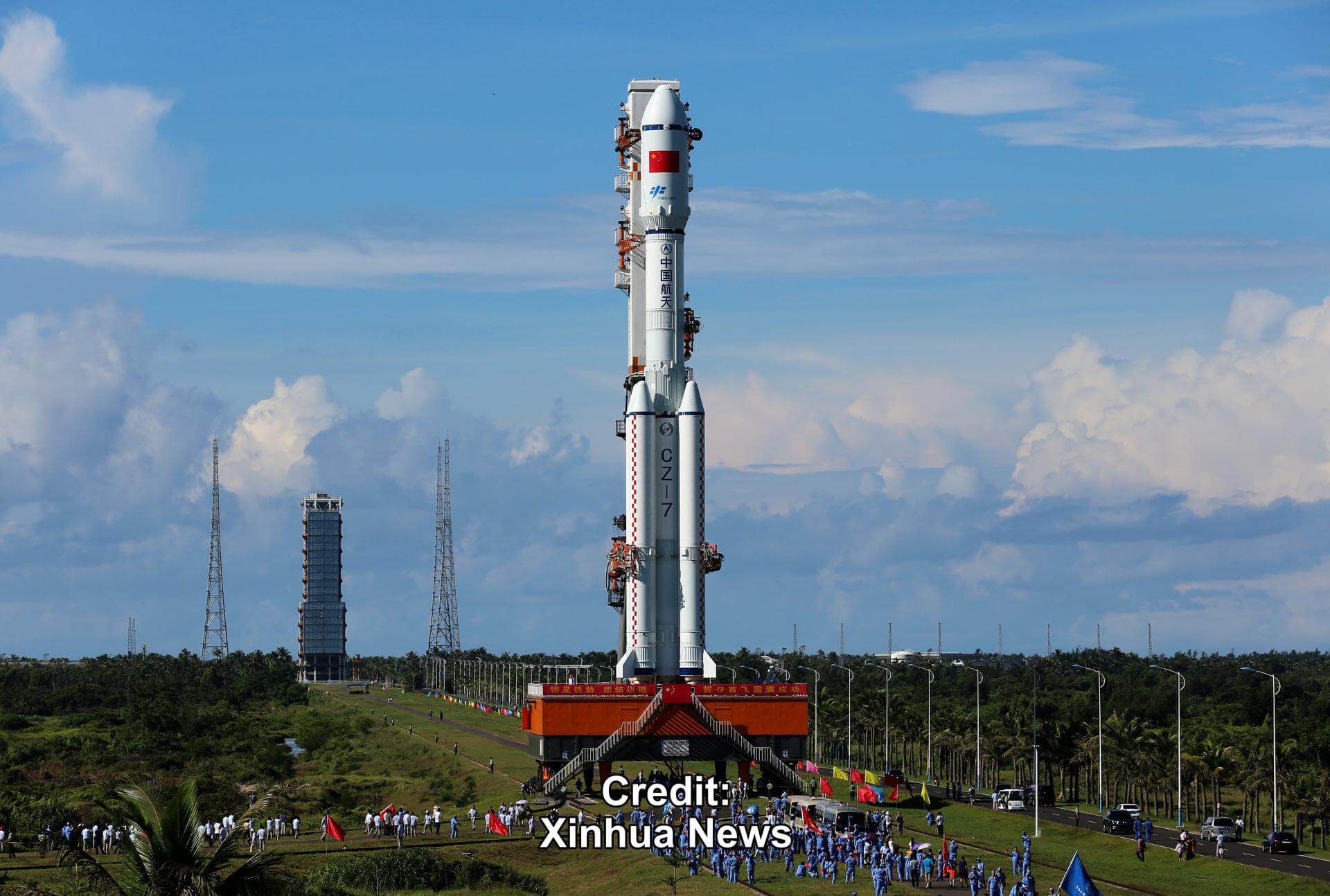
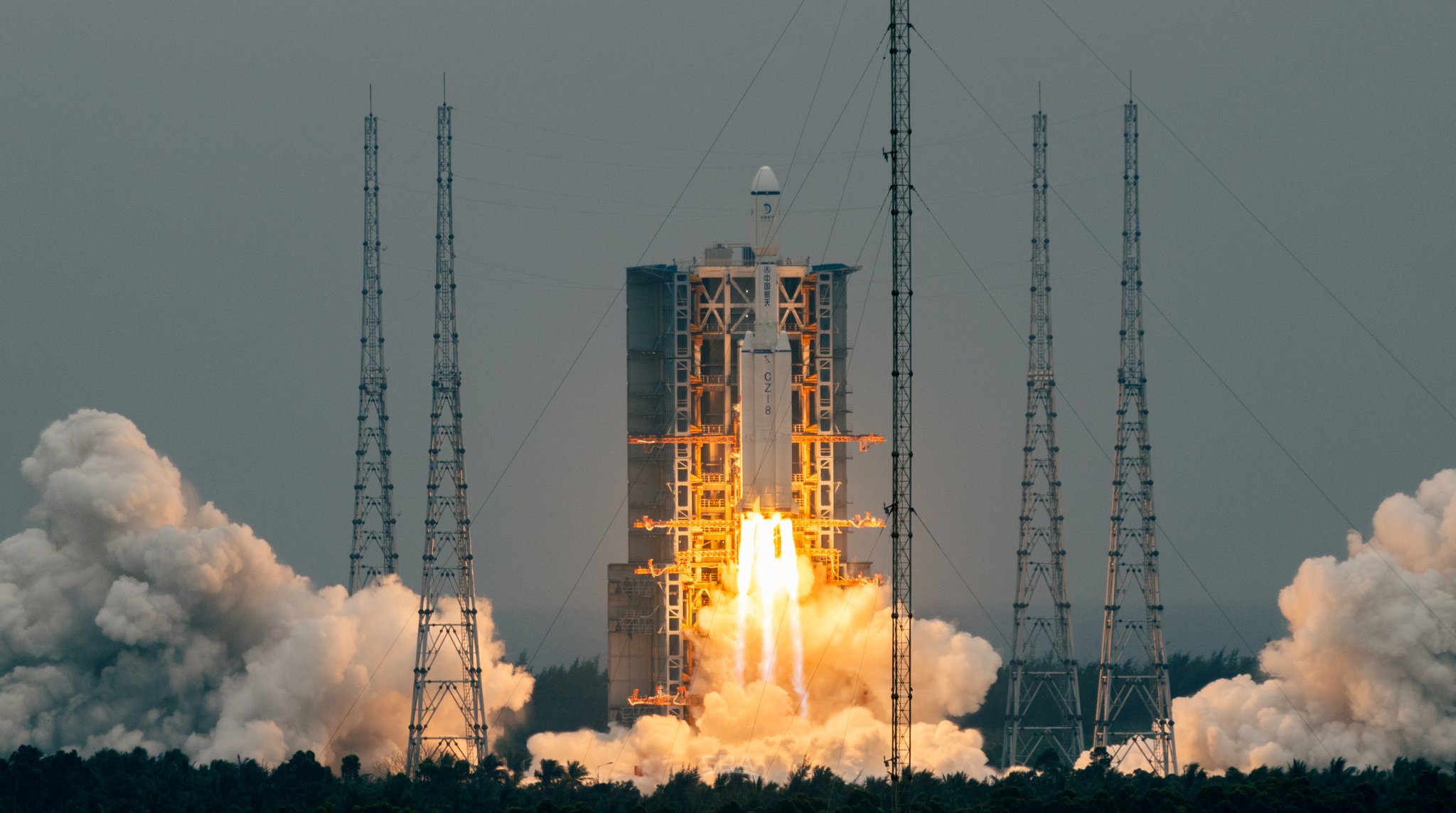
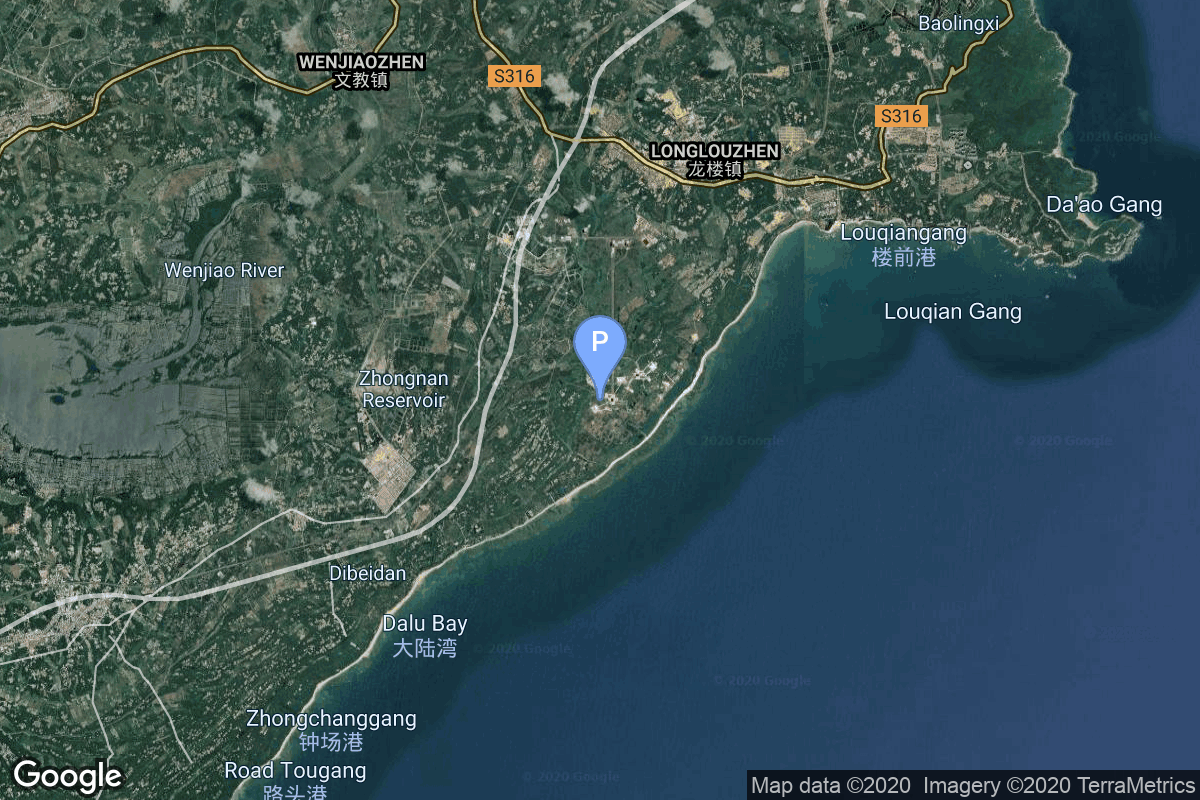
Provider: China Aerospace Science and Technology Corporation Date: May 9, 2026 Time: 10:00 PM UTC Vehicle: Long March 7
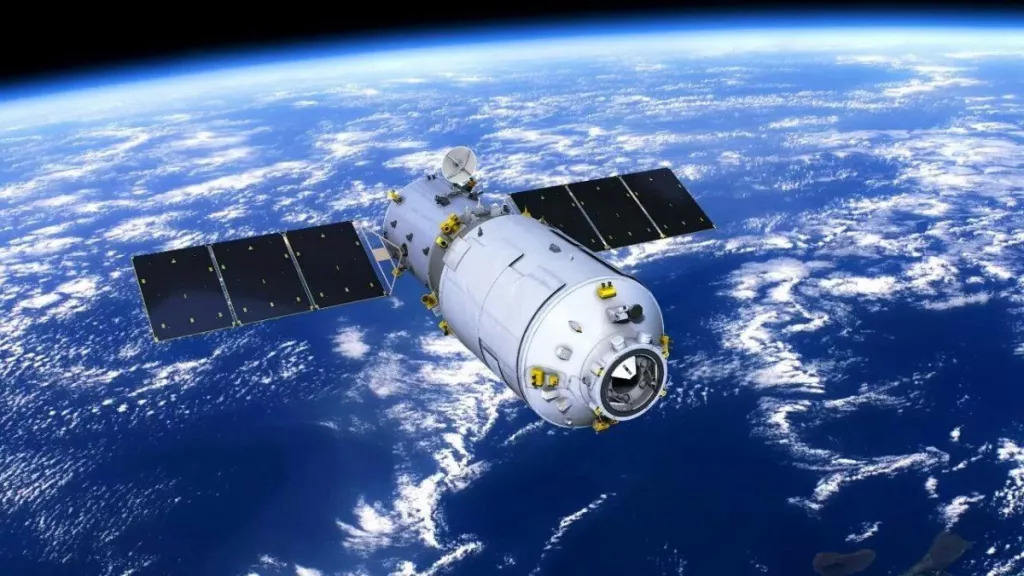
Ninth cargo delivery mission to the Chinese space station.
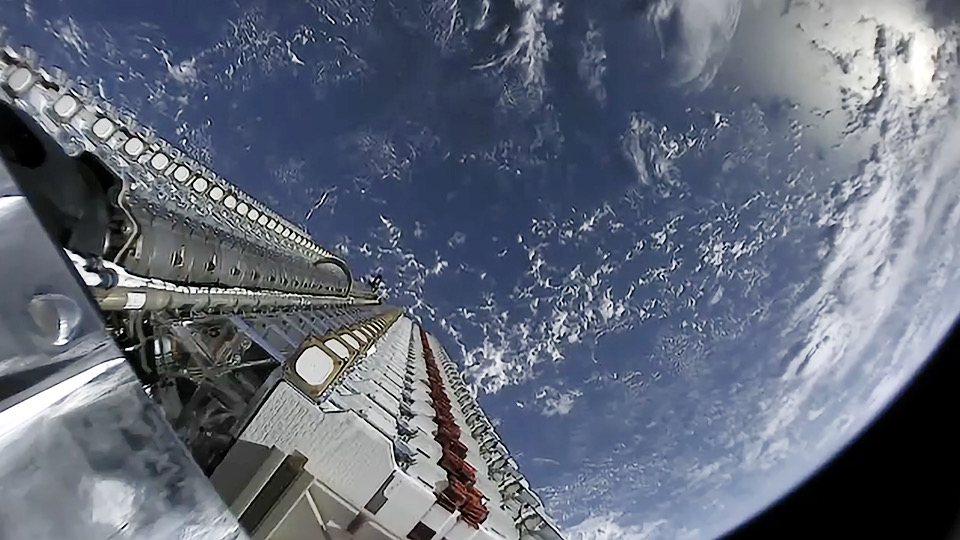
Starlink Group 17-37
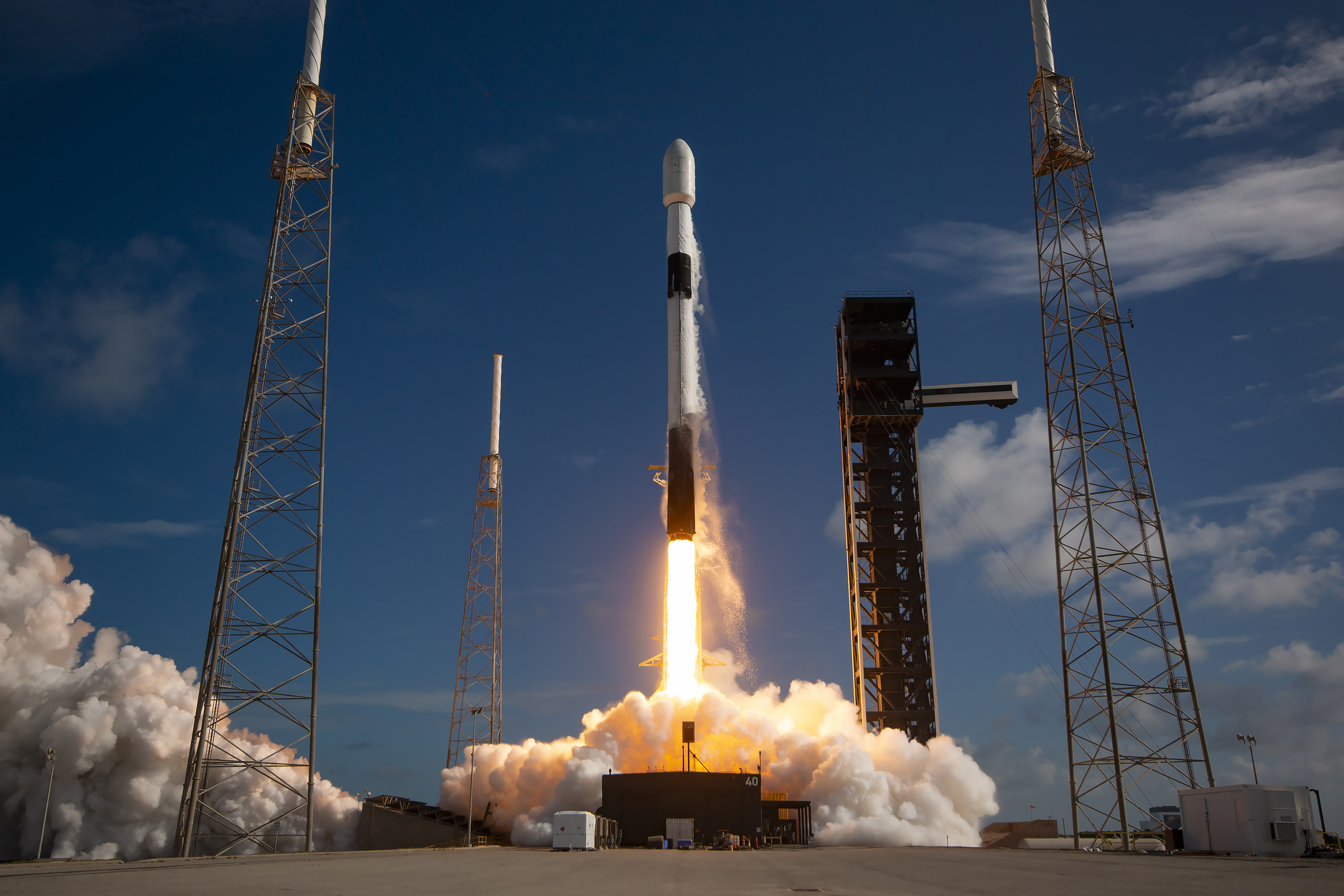
Provider: SpaceX Date: May 10, 2026 Time: 2:00 PM UTC Vehicle: Falcon 9
A batch of 24 satellites for the Starlink mega-constellation – SpaceX’s project for space-based Internet communication system.
Unknown Payload
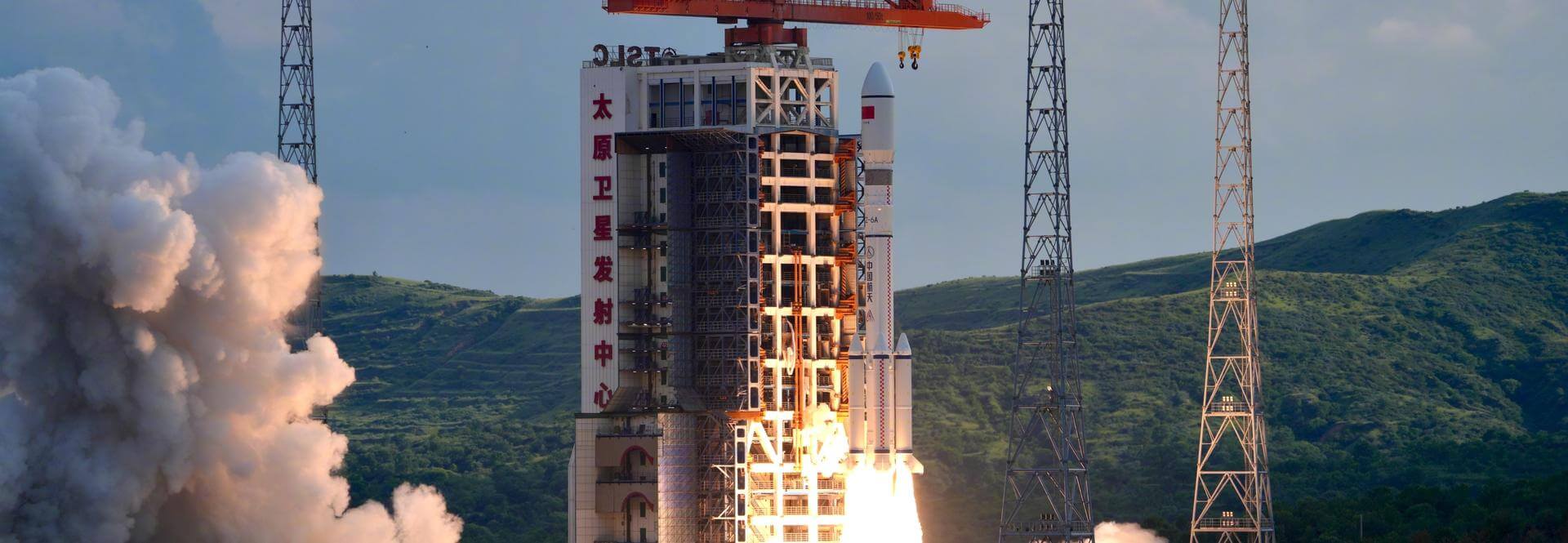
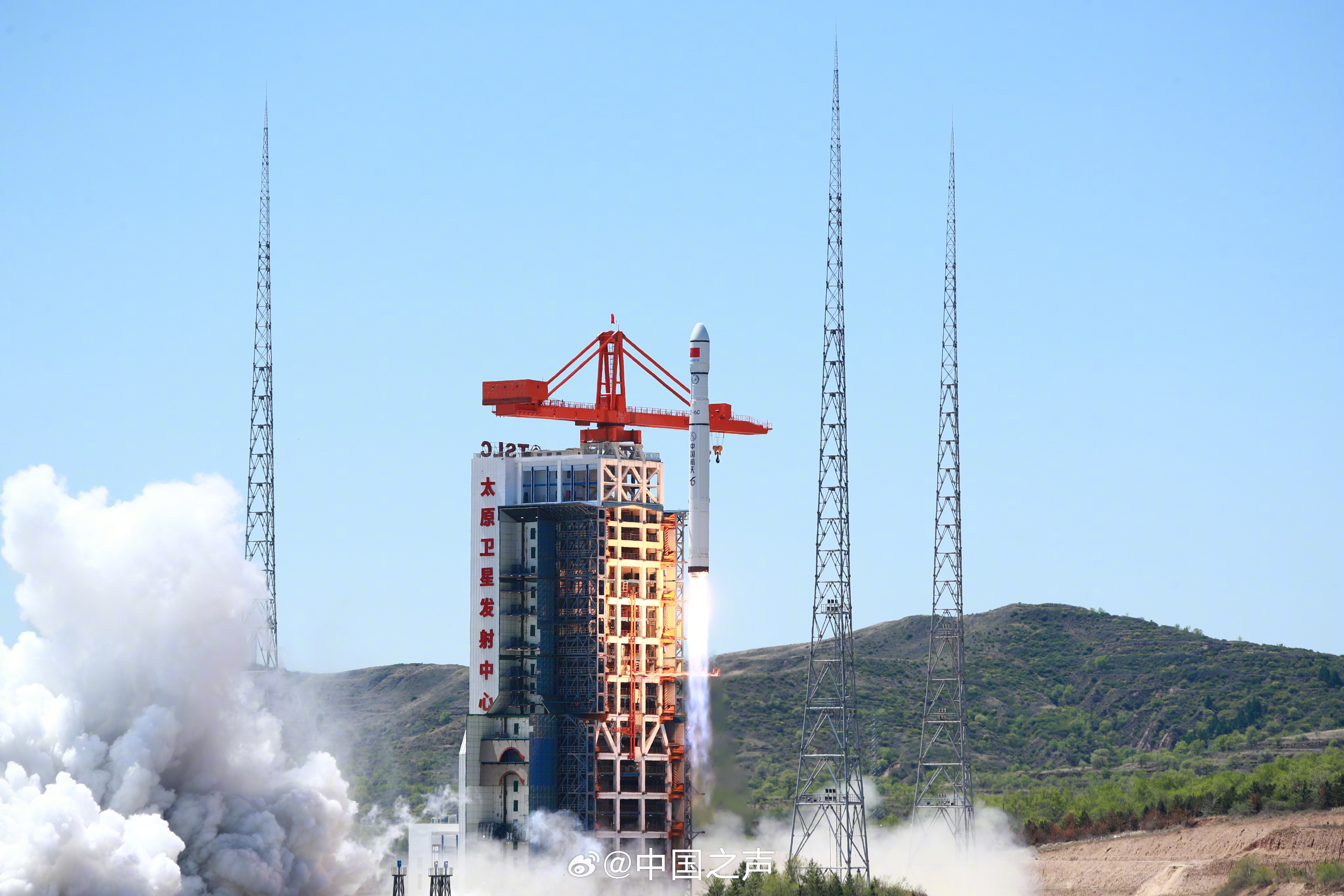
Provider: China Aerospace Science and Technology Corporation Date: May 12, 2026 Time: 11:55 AM UTC Vehicle: Long March 6A
Details TBD.
Dragon CRS-2 SpX-34
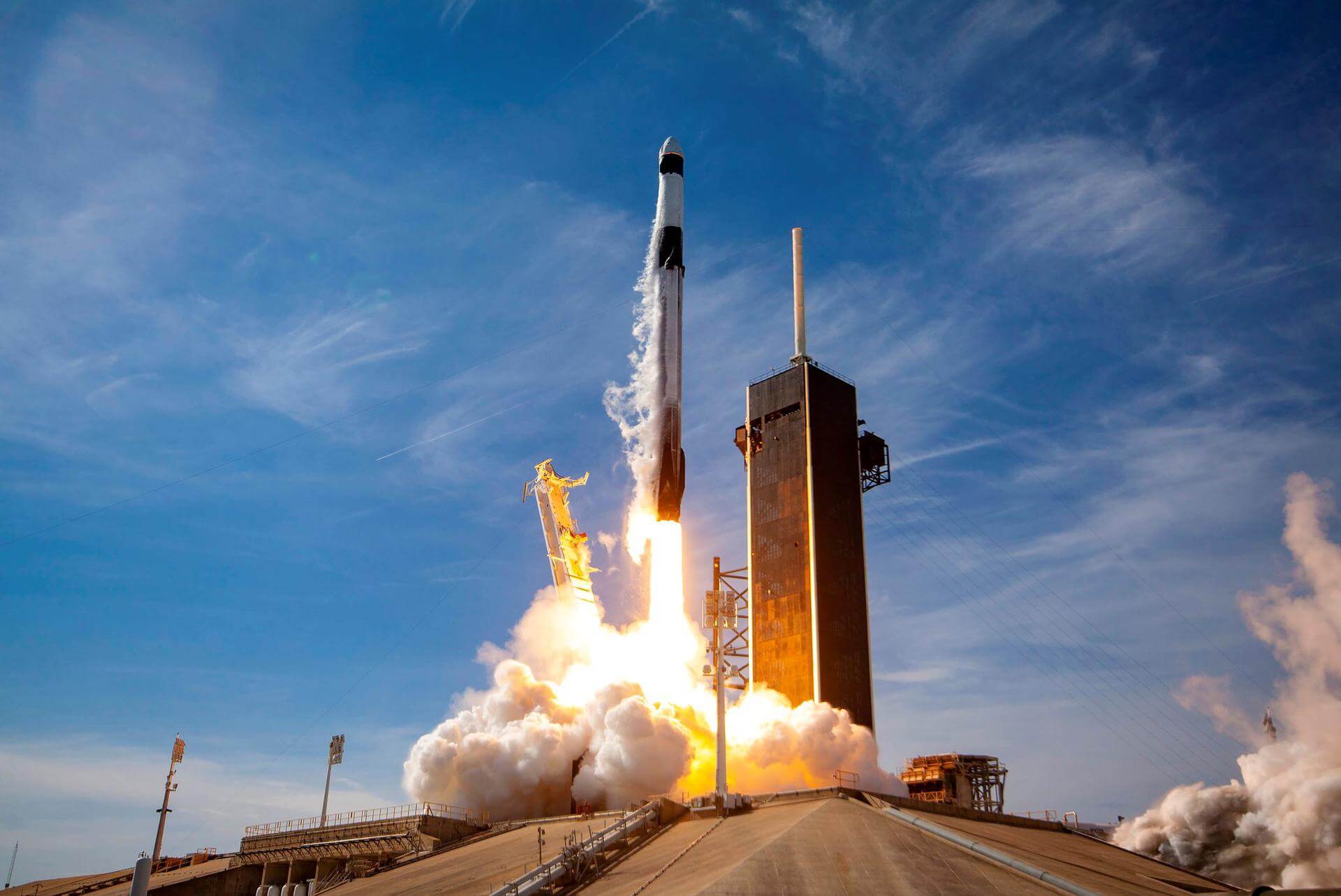
Provider: SpaceX Date: May 12, 2026 Time: 11:16 PM UTC Vehicle: Falcon 9
34th commercial resupply services mission to the International Space Station operated by SpaceX. The flight will be conducted under the second Commercial Resupply Services contract with NASA.
Cargo Dragon 2 brings supplies and payloads, including critical materials to directly support science and research investigations that occur onboard the orbiting laboratory.
NROL-172
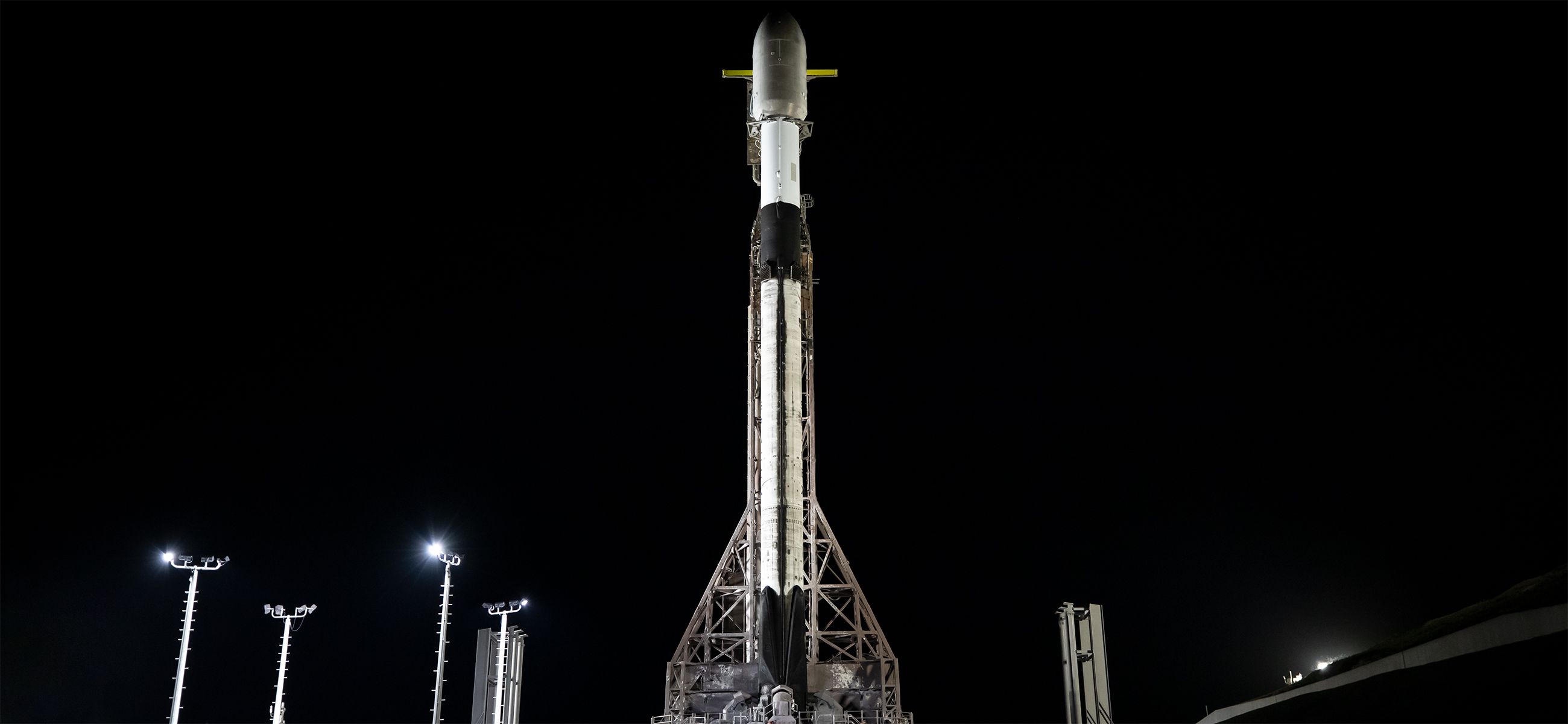
Provider: SpaceX Date: May 13, 2026 Time: 10:01 PM UTC Vehicle: Falcon 9
Thirteenth batch of satellites for a reconnaissance satellite constellation built by SpaceX and Northrop Grumman for the National Reconnaissance Office to provide imaging and other reconnaissance capabilities.
Tianzhou-10 ×
Mission Details
TypeResupply
OrbitLow Earth Orbit
TargetEarth
Ninth cargo delivery mission to the Chinese space station.
Program: Tiangong space station
The Tiangong space station is a space station placed in Low Earth orbit between 340 and 450 km above the surface.
The Long March 7 is a Chinese liquid-fuelled launch vehicle of the Long March family, developed by the China Aerospace Science and Technology Corporation (CAST). It made its inaugural flight on 25 June 2016 and is used to launch Tianzhou resupply spacecraft to the Chinese Space Station.
The Tianzhou is a Chinese automated cargo spacecraft that was first launched on April 20, 2017 to resupply Tiangong-1. It demonstrated autonomous propellant transfer in orbit.
Capability
Cargo Earth Orbit Logistics
Details
Autonomous cargo spacecraft used to resupply the Chinese Space Station.
Flight Life
180 days in orbit
Manufacturer: China Aerospace Science and Technology Corporation (CASC)
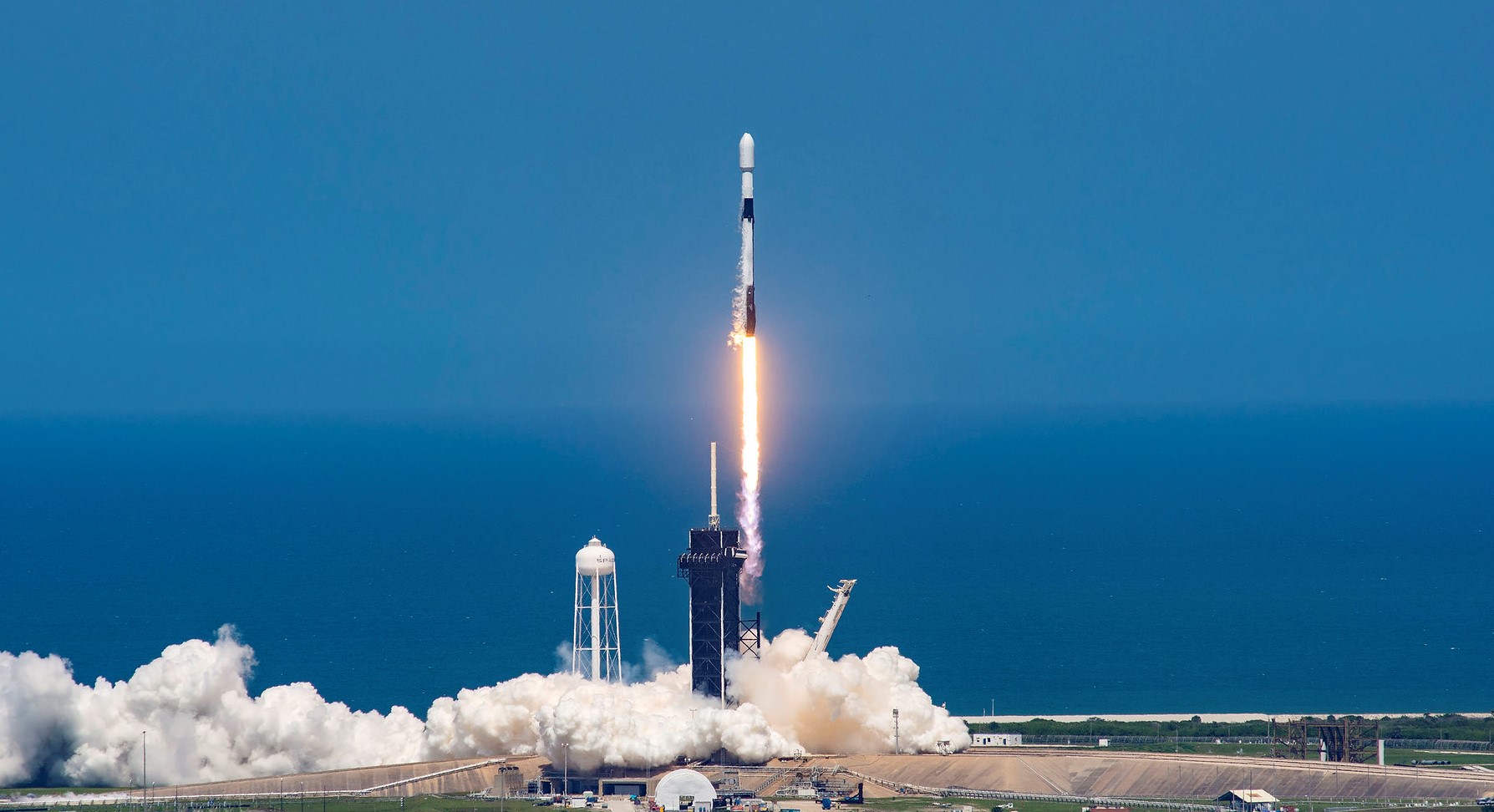
Falcon 9 is a two-stage rocket designed and manufactured by SpaceX for the reliable and safe transport of satellites and the Dragon spacecraft into orbit. The Block 5 variant is the fifth major interval aimed at improving upon the ability for rapid reusability.
The Long March 6A is a Chinese launch vehicle of the Long March family, which was developed by the China Aerospace Science and Technology Corporation (CASC) and the Shanghai Academy of Spaceflight Technology (SAST). The vehicle is a further development of the Long March 6, with 2 YF-100 engines on…
34th commercial resupply services mission to the International Space Station operated by SpaceX. The flight will be conducted under the second Commercial Resupply Services contract with NASA.
Cargo Dragon 2 brings supplies and payloads, including critical materials to directly support science and research investigations that occur onboard the orbiting laboratory.
• National Aeronautics and Space Administration (Government)
Program: Commercial Resupply Services
Commercial Resupply Services (CRS) are a series of flights awarded by NASA for the delivery of cargo and supplies to the International Space Station.The first CRS contracts were signed in 2008 and awarded $1.6 billion to SpaceX for twelve cargo Dragon and $1.9 billion to Orbital Sciences for eight Cygnus flights, covering deliveries to 2016. The Falcon 9 and Antares rockets were also developed under the CRS program to deliver cargo spacecraft to the ISS.
The International Space Station programme is tied together by a complex set of legal, political and financial agreements between the sixteen nations involved in the project, governing ownership of the various components, rights to crewing and utilization, and responsibilities for crew rotation and resupply of the International Space Station. It was conceived in 1984 by President Ronald Reagan, during the Space Station Freedom project as it was originally called.
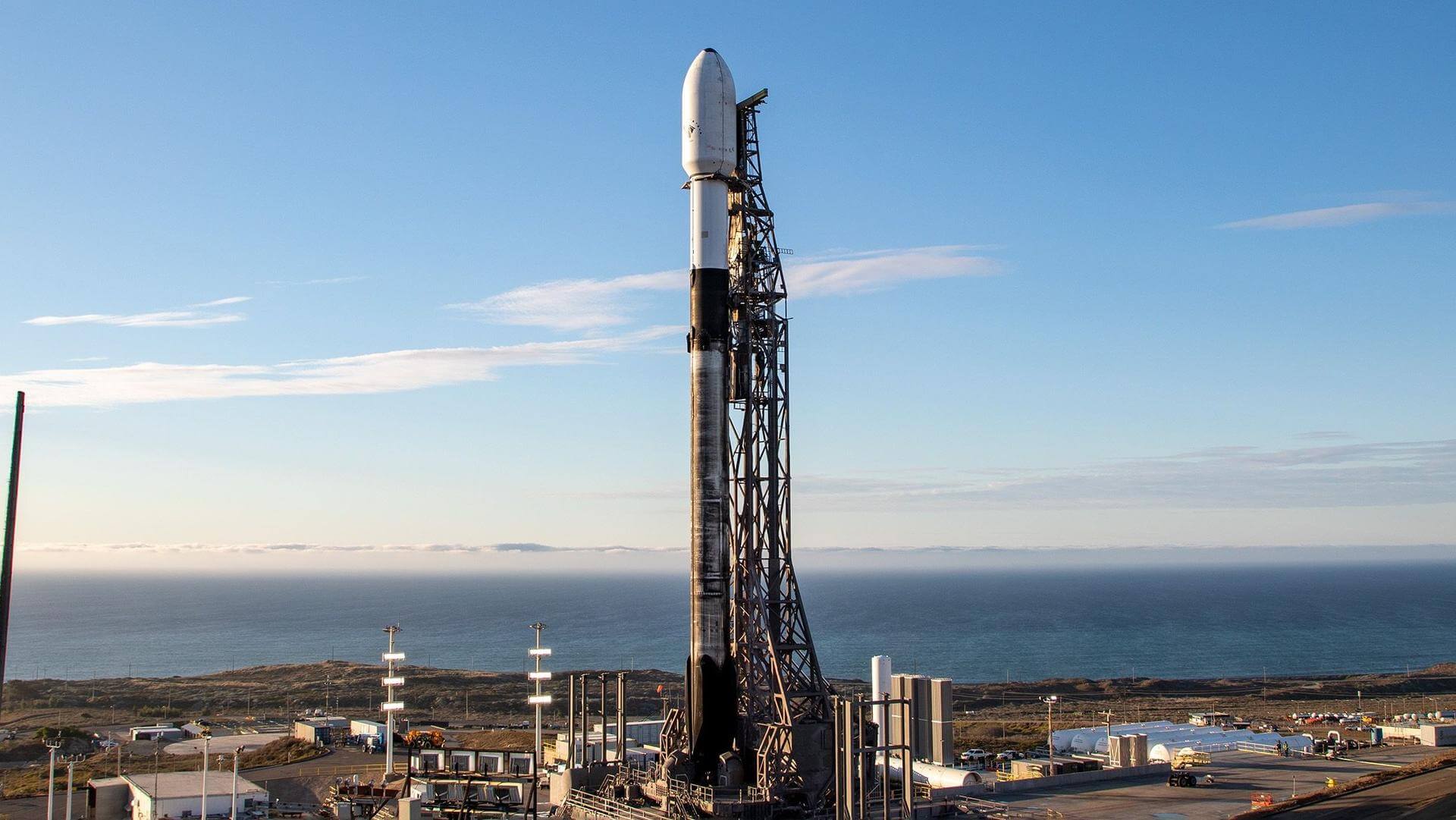
Falcon 9 is a two-stage rocket designed and manufactured by SpaceX for the reliable and safe transport of satellites and the Dragon spacecraft into orbit. The Block 5 variant is the fifth major interval aimed at improving upon the ability for rapid reusability.
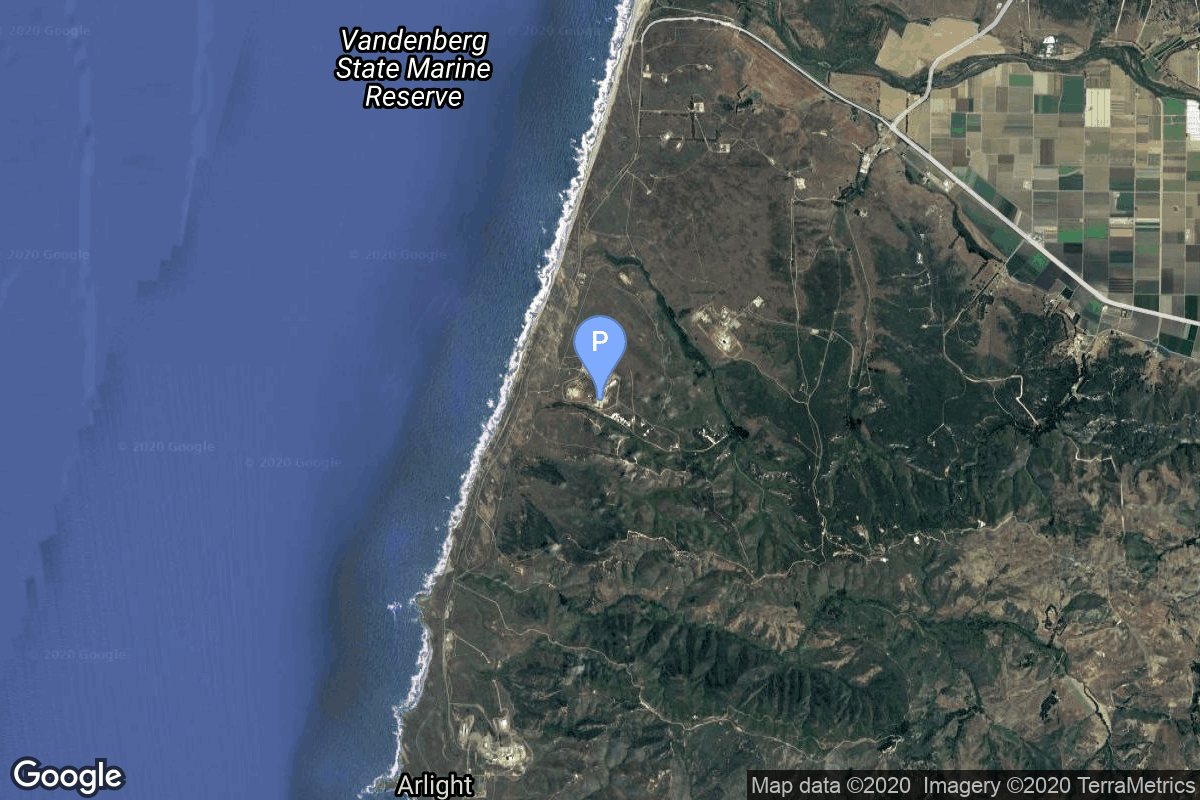
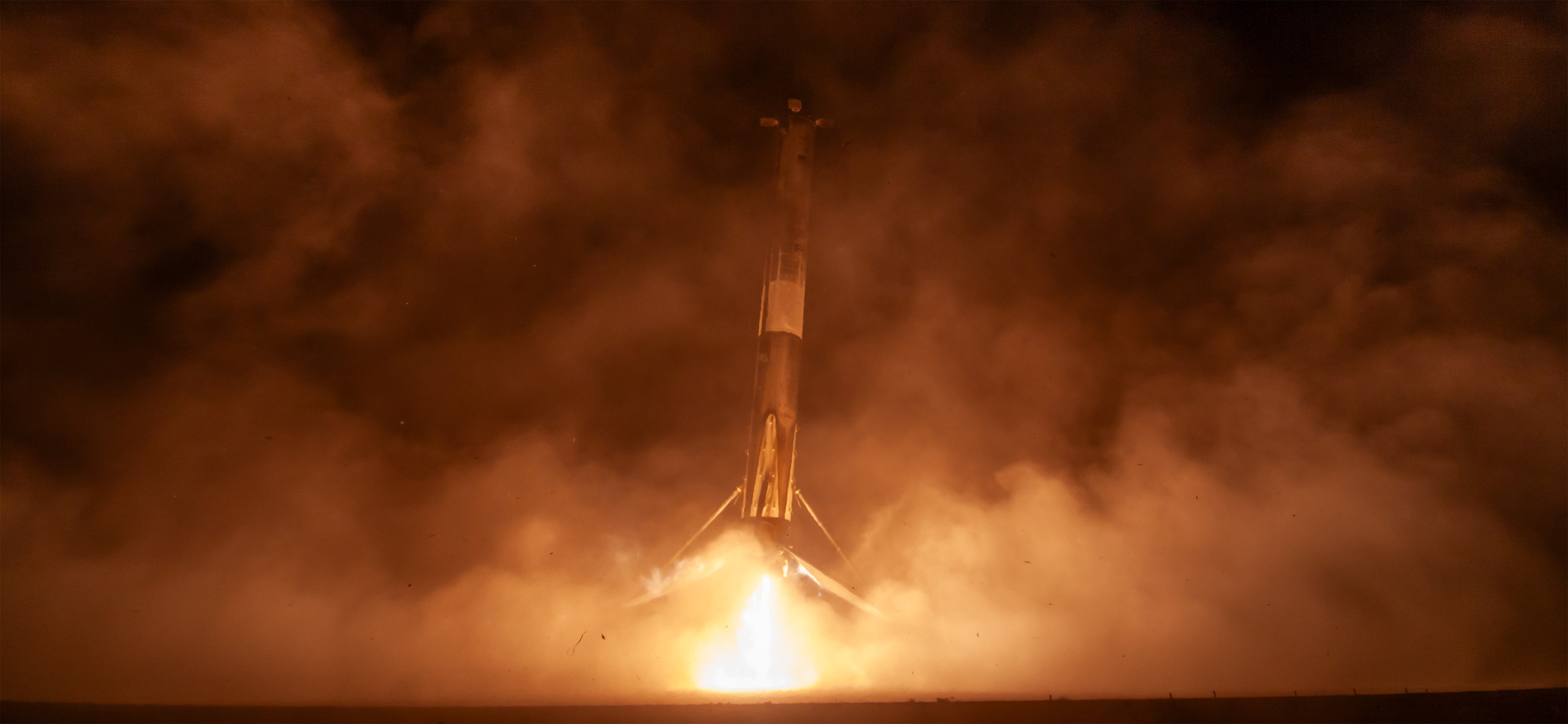
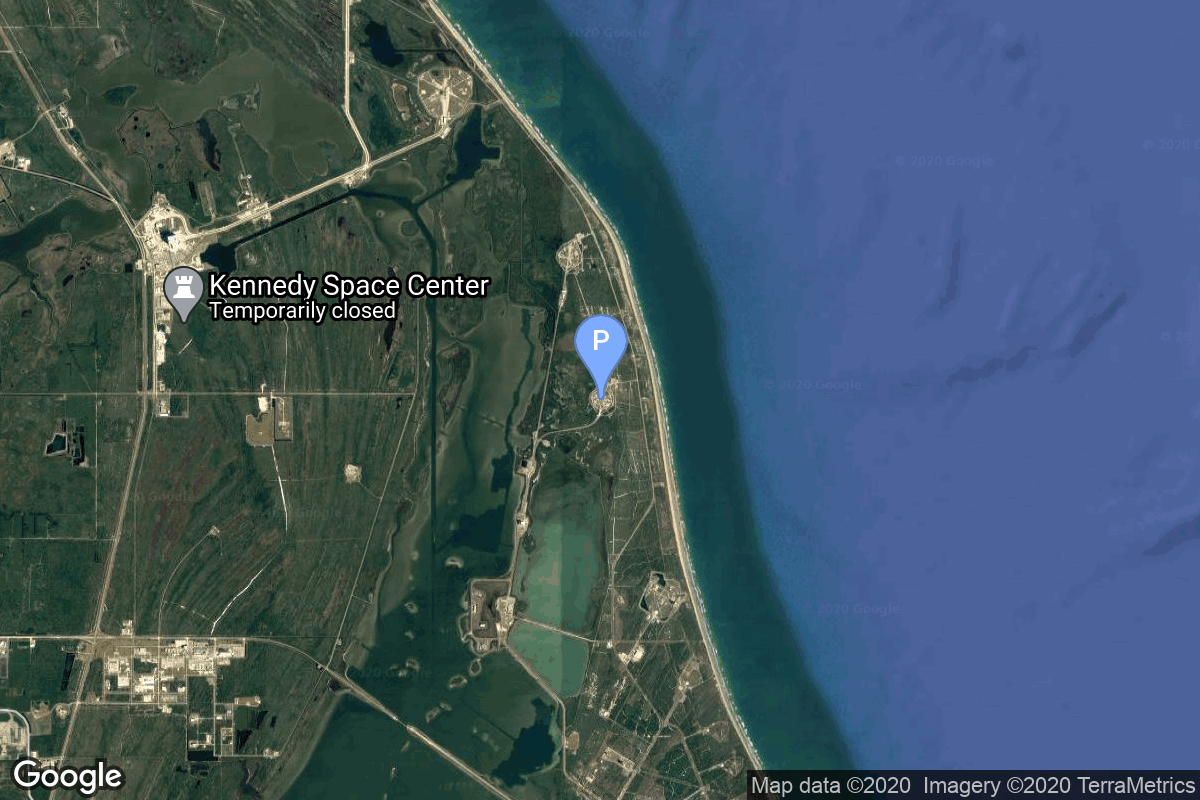
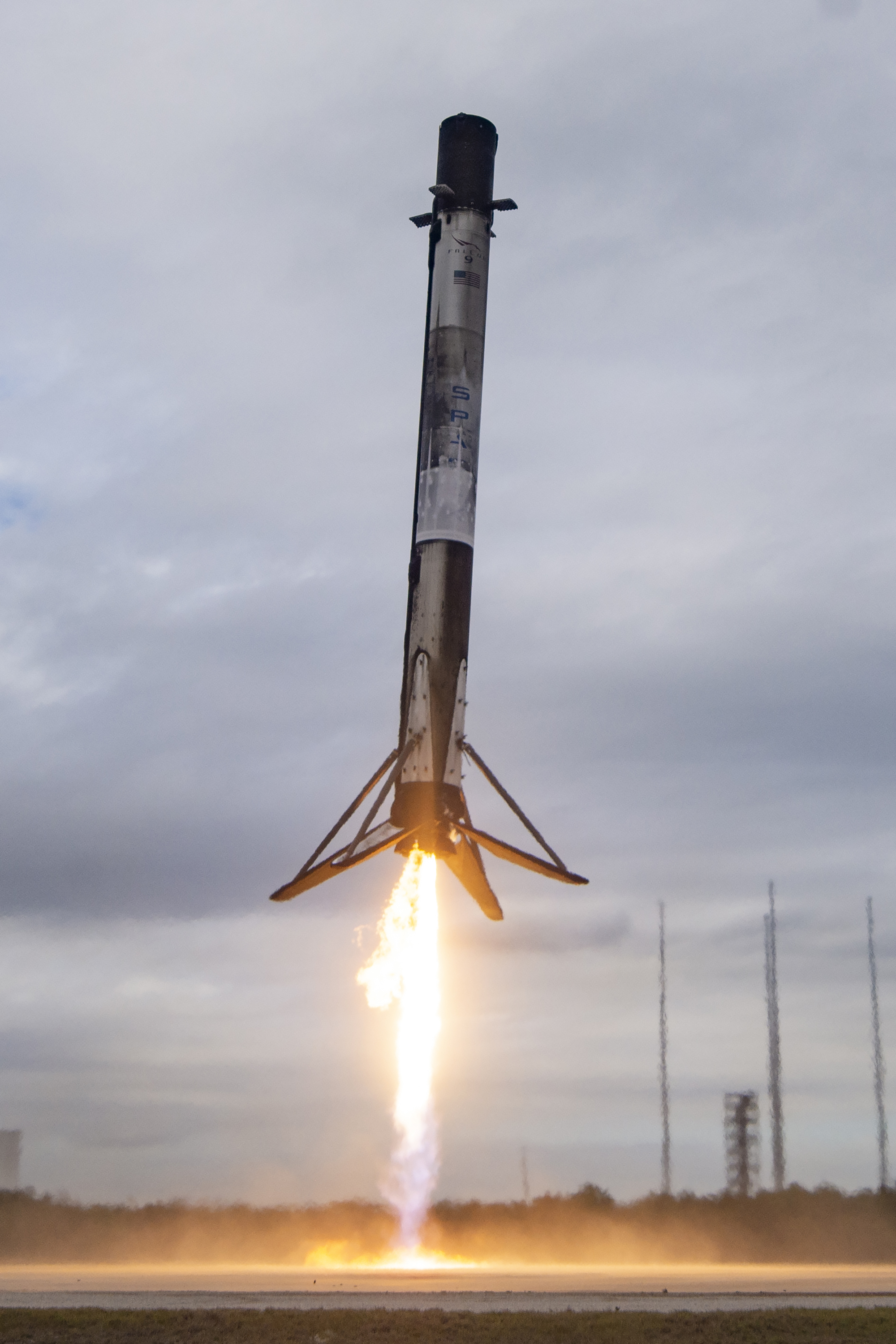
The Falcon 9 first stage B1096 will land back at the launch site at Landing Zone 40 after its 6th flight.
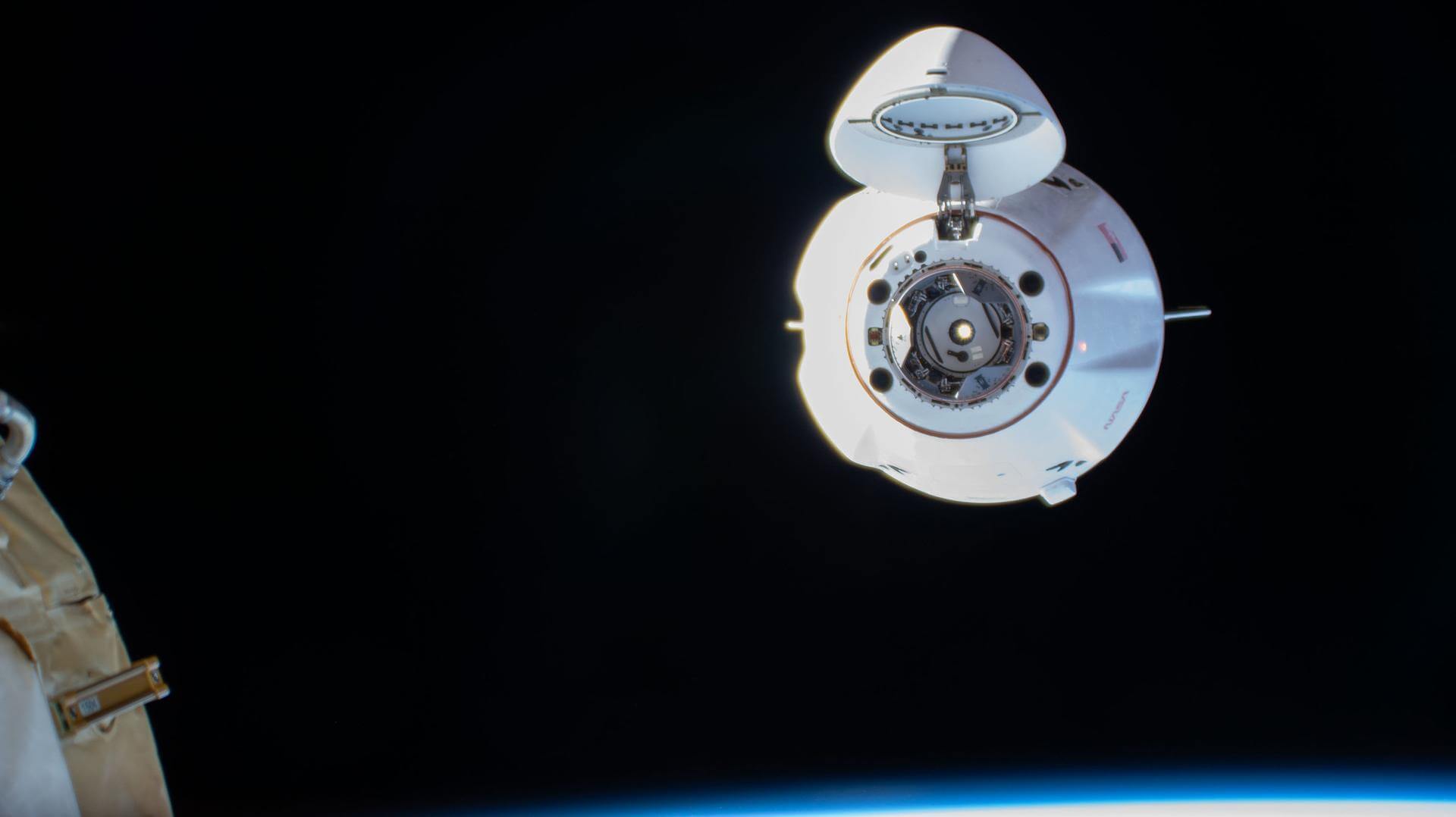
Spacecraft: Cargo Dragon C209
Second Cargo Dragon 2
Specifications
SerialC209
TypeCapsule
StatusActive
DestinationISS
Height7.2 m
Diameter3.7 m
Maiden Flight2020-12-06
Payload Capacity6,000 kg
Return Capacity3,000 kg
Time in Space175 Days, 23 Hours, 36 Minutes
Missions Flown5
Turnaround352 Days, 17 Hours, 32 Minutes
Fastest Turnaround164 Days, 6 Hours, 38 Minutes
History
Cargo Dragon 2 is an updated version of the original Dragon spaceship designed to service the International Space Station with first flights conducted in 2020.
In contrast to Dragon 1 it docks to the International Space Station instead of being berthed by the Canada Arm.
Capability
Cargo Earth Orbit Logistics
Details
Cargo Dragon 2 is a autonomous spaceship capable of bringing science to and from the International Space Station with large pressurized and un-pressurized sections to support a variety of missions.
Flight Life
Able to fly for up to one week of free flight or two years docked.
Thirteenth batch of satellites for a reconnaissance satellite constellation built by SpaceX and Northrop Grumman for the National Reconnaissance Office to provide imaging and other reconnaissance capabilities.
Falcon 9 is a two-stage rocket designed and manufactured by SpaceX for the reliable and safe transport of satellites and the Dragon spacecraft into orbit. The Block 5 variant is the fifth major interval aimed at improving upon the ability for rapid reusability.
Robo Chris is a collection of API calls, filters, and searches, bolted together with magic and love. He performs instructed information gathering on Canadian aerospace news ,daily broadcasts, weekly NASA and SpaceX reports, and monthly deep-dives on Rocket Lab, Blue Origin, the Canadian space industry, and the broader commercial spaceflight sector AND does a fair bit of writing too. Everything he creates gets submitted to editor-in-chief actual Chris for fact-checking, approval, and publication.