Aligning Defence, Industry, and Capital for Canada’s Launch Future
With Col. Jeremy Hansen’s successful Artemis II mission still fresh in the nation’s memory—the Canadian astronaut splashed down just three weeks ago—the moment feels right for bold moves. And Canada appears ready to act.
On Tuesday in Ottawa, military leaders, government officials, and aerospace entrepreneurs gathered at the Canadian Space Launch Conference to chart a course for sovereign launch that merges defence imperatives with commercial opportunity. The keynote message was clear: Canada must seize this window to build launch capacity, or risk ceding control of its space domain to others.
Brig. Gen. Chris Horner, commander of 3 Canadian Space Division, framed the choice bluntly: “Do we shape that power? Or do we depend on others to shape it for us?” Horner outlined the government’s emerging strategy—a multi-pronged investment approach that includes a $200 million, 10-year commitment to Maritime Launch Services; the Launch the North competition currently funding three Canadian companies; and Bill C-28, the new Canadian Space Launch Act designed to streamline launch regulations.
The Launch the North recipients—each receiving $8.3 million in Phase 1 funding through the Defence Research and Development Canada (DRDC) Innovation for Defence Excellence and Security (IDEaS) program—are NordSpace’s Tundra, Canada Rocket Company’s Canadian Sovereign Launch Capability, and Reaction Dynamics Lab’s Aurora-8. A NATO partner hypersonic launch test, planned for Halifax in June, will help evaluate the regulatory and infrastructure readiness needed to support these ventures.
However, panellists stressed that money alone is insufficient. Former NASA chief economist Alex MacDonald and other speakers called for government clarity on how funds will be spent, commitment to using the funded rockets operationally (not just building them), explicit procurement pathways, and measures to prevent brain drain of highly trained engineers. The underlying message: align public capital, remove bureaucratic friction, and prove that the path from development to deployment is real—only then will private investment follow.
Telesat’s Confirmed 2028 Lifespan for Lightspeed LEO Constellation
While government and startups race to build launch vehicles, one of Canada’s space titans is racing forward with its own constellation. Telesat reported first-quarter 2026 earnings this week, confirming full funding to bring its Lightspeed Low Earth Orbit (LEO) constellation to global commercial service around the end of Q1 2028—a significant milestone for the Canadian firm.
Telesat has invested approximately $2.7 billion in Lightspeed to date, with $171 million deployed in Q1 alone. The company’s backlog for LEO services now stands at approximately $1.1 billion, a figure that does not yet include a multi-year contract signed in April with Northwestel to provide sovereign broadband connectivity across Nunavut—a contract emblematic of Lightspeed’s appeal in Canada’s remote north.
CEO Dan Goldberg highlighted progress on multiple fronts: design reviews with satellite and launch vehicle dispenser manufacturers, user terminal development, network and satellite operations software, and ground station deployment. Meanwhile, the decision to allocate 25 per cent of spectrum capacity to Military Ka-band has attracted strong interest from allied defence departments, Goldberg told investors.
That same military capability extends to Canadian Armed Forces priorities. Goldberg confirmed ongoing engagement with the government on the Enhanced Satellite Communications Project–Polar (ESCAPE), a multi-frequency satellite network intended to serve the CAF in the Arctic. “We anticipate contractual arrangements will be concluded in the coming months,” he said.
On the legacy GEO side, however, headwinds persist: Q1 revenue dropped 26 per cent year-over-year to $86 million, driven by broadcast contract non-renewals and declining broadband services. Consolidated net loss ballooned to $151 million, largely due to a non-cash goodwill impairment, though GEO adjusted EBITDA margins remained discipline at 72 per cent. The company continues refinancing its GEO debt, which begins maturing in December 2026.
Canada’s Quiet Rise in U.S. Space Defence Architecture
Behind the domestic push for sovereign launch lies a broader geopolitical shift: Canada is quietly positioning itself—and its space companies—within the U.S. government’s ambitious new missile defence vision, the so-called “Golden Dome.”
President Trump’s January 2025 executive order directed the U.S. to deploy a next-generation Integrated Air and Missile Defence (IAMD) system, a modernised concept that builds on ballistic missile defence ideas from decades past. But where old IAMD relied on ground radar and aircraft, the new vision exploits vast constellations of small satellites for rapid boost-phase detection and intercept—leveraging the plummeting costs of space launch to deploy swarms of sensors and effectors in orbit.
Three Canadian firms are already bidding to play: Kepler Communications is demonstrating air-to-orbit optical communications capabilities; Telesat has announced military Ka-band capacity explicitly aligned with allied defence needs; and MDA Space was added as a U.S. Missile Defense Agency contractor in January, eligible to compete for Golden Dome integration work. In February, Telesat also received an Indefinite Delivery, Indefinite Quantity (IDIQ) contract under SHIELD (Scalable Homeland Innovative Enterprise Layered Defense), broadening the menu of possible projects.
The Canadian government remains officially circumspect. Defence Research and Development Canada acknowledged Canada’s commitment to IAMD as a concept and noted investments in Arctic surveillance and space-based sensing, but demurred on Golden Dome specifics, saying Canada “defers to the United States” on those decisions. Yet in July 2025, Defence Minister David McGuinty announced the removal of all regulatory restrictions on air and missile defence of Canada—a striking reversal from the country’s long-standing BMD hesitancy.
Major-General J.D. Smyth, Chief Air and Missile Force Development, has been more candid, telling the Globe and Mail that “everything is related to Golden Dome”—radars, command-and-control, interceptors, and the geography that ties it together. The message: Canada is ready to support its ally, should the government decide to join formally.
For now, Canadian companies and officers are making their moves quietly, positioning Canada to benefit—whether through sovereign launch capacity that serves defence needs, or space systems and integration expertise that fit into whatever shape the U.S. defence architecture ultimately takes.
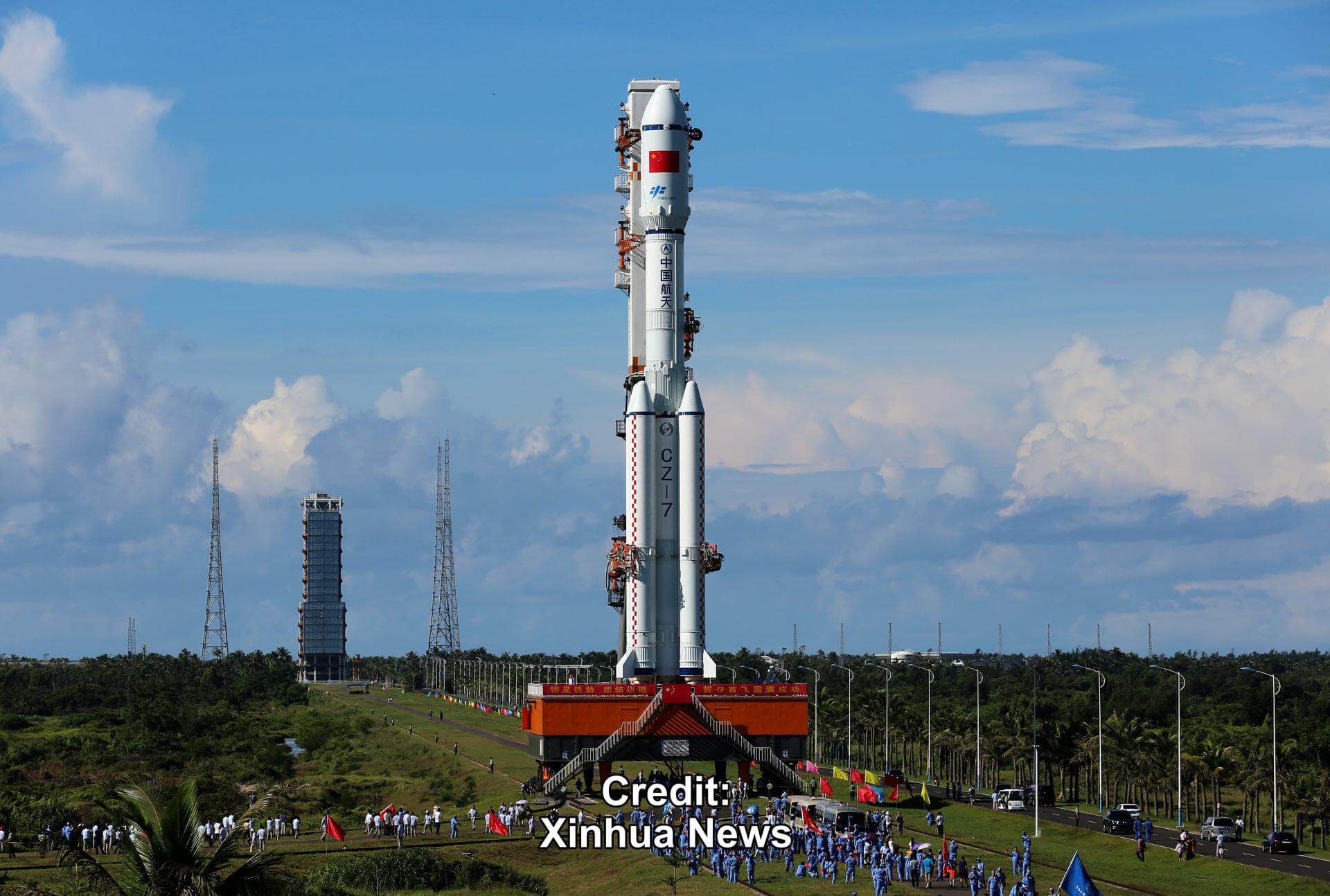
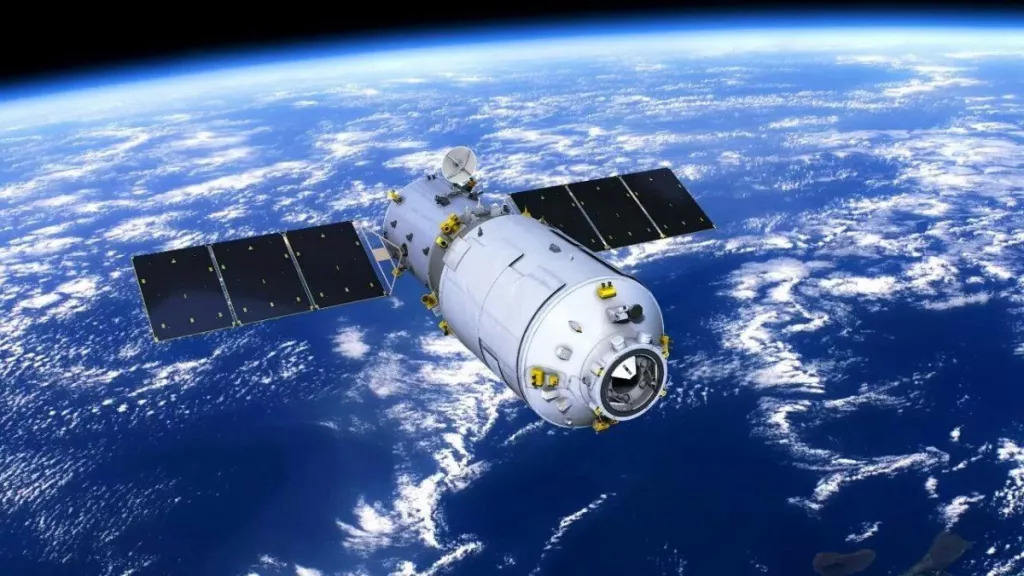
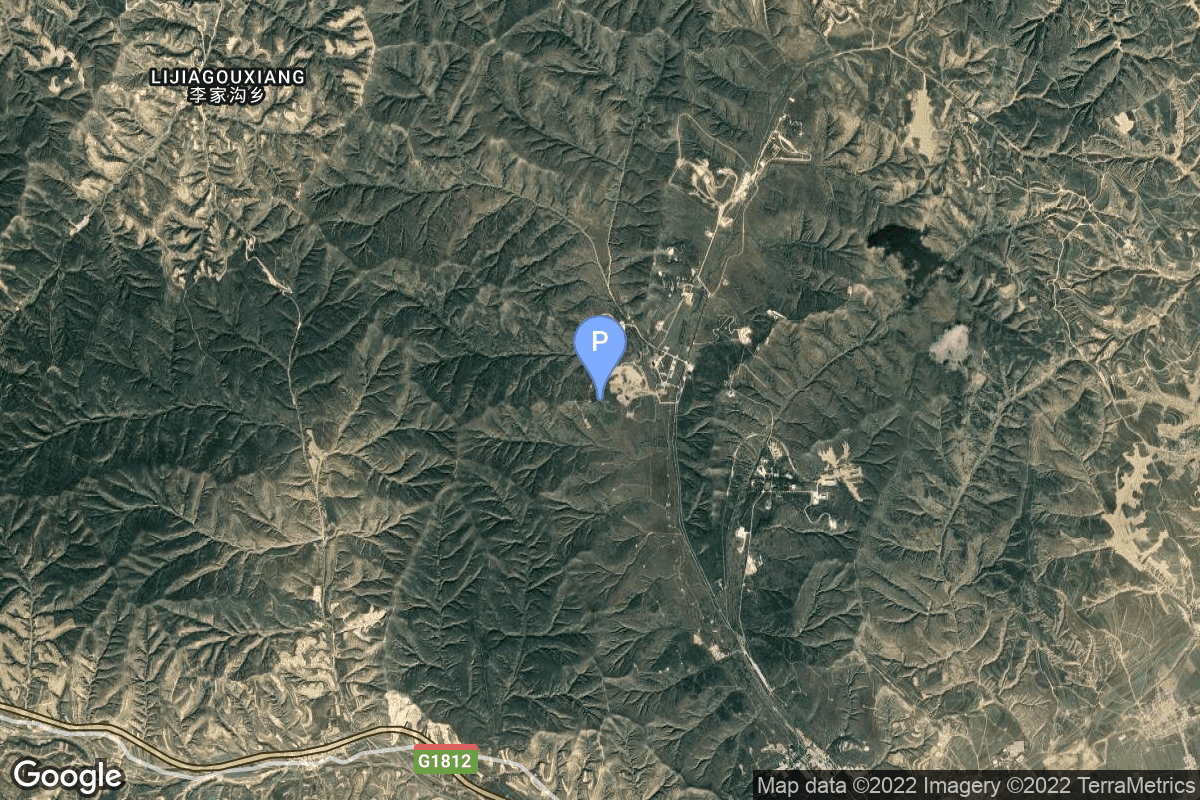
Provider: China Aerospace Science and Technology Corporation Date: May 9, 2026 Time: 10:00 PM UTC Vehicle: Long March 7
Ninth cargo delivery mission to the Chinese space station.
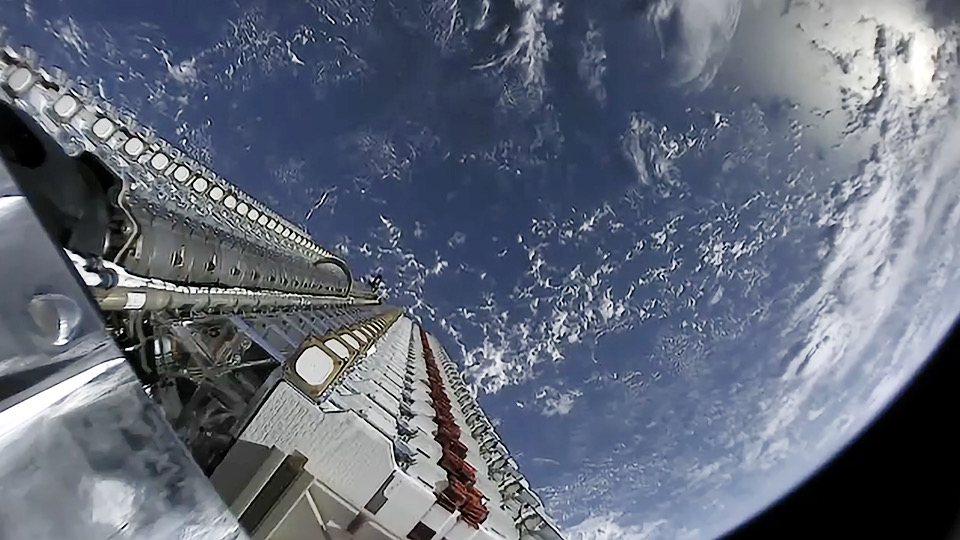
Starlink Group 17-37
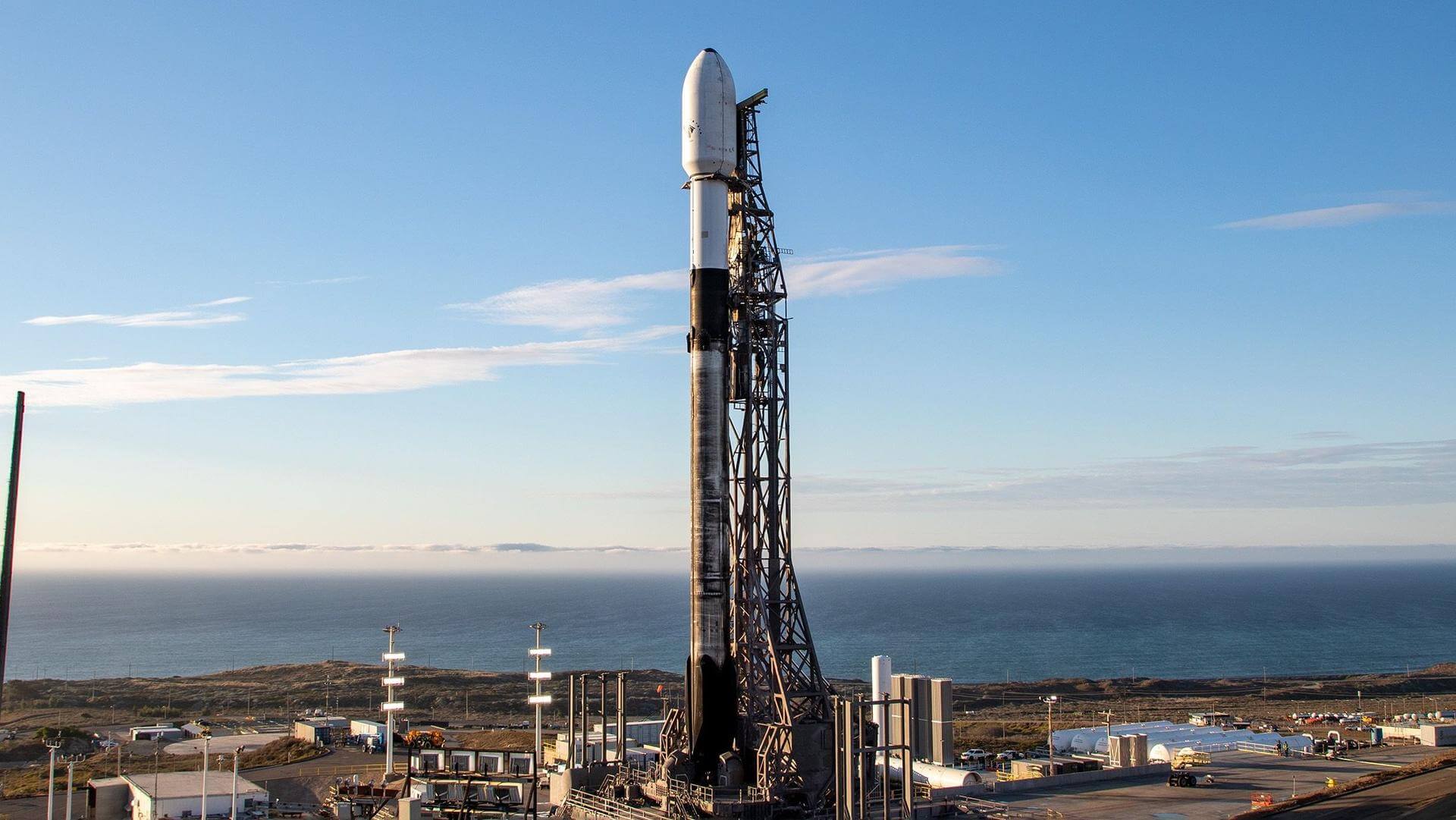
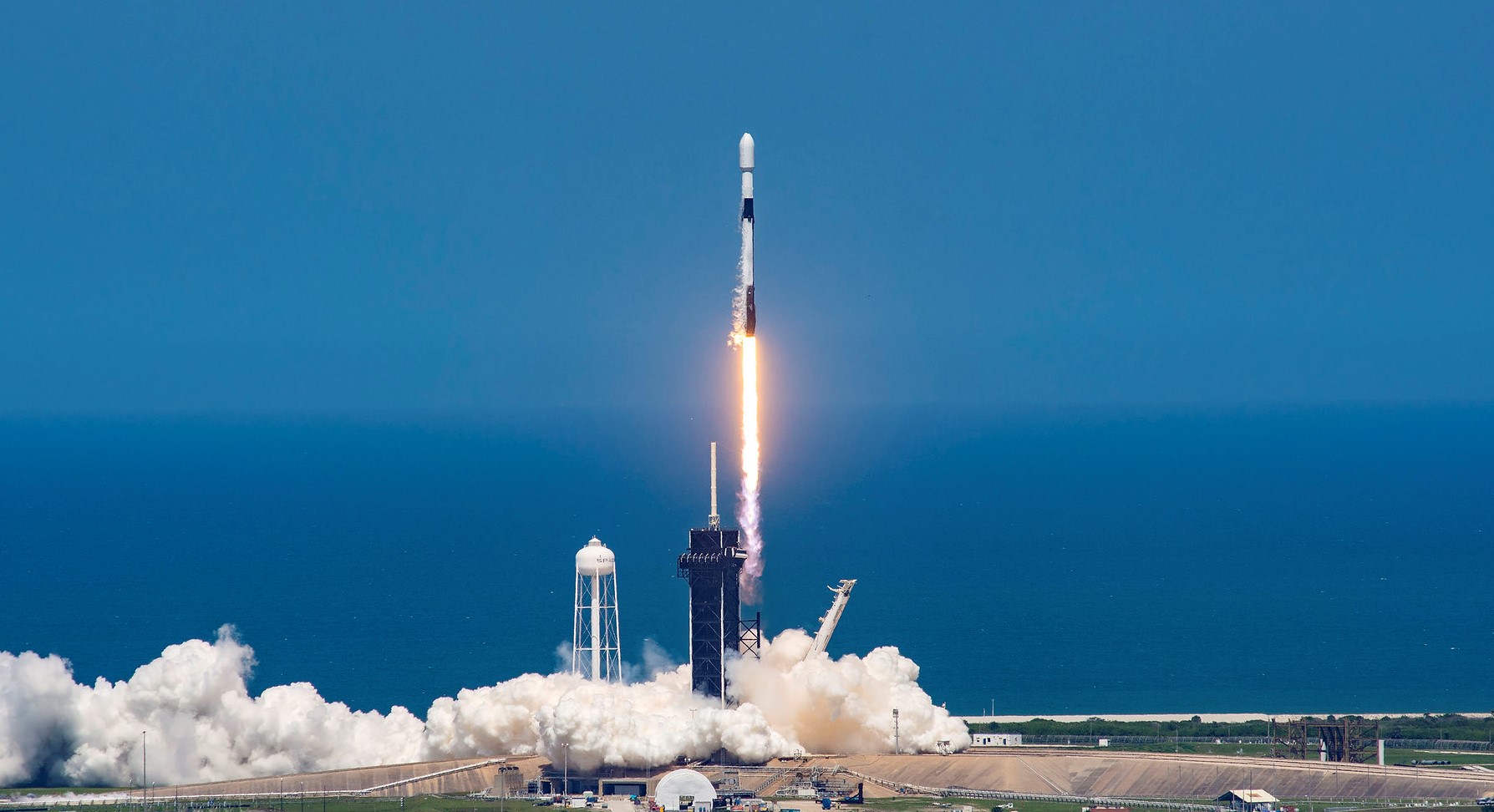
Provider: SpaceX Date: May 10, 2026 Time: 2:00 PM UTC Vehicle: Falcon 9
A batch of 24 satellites for the Starlink mega-constellation – SpaceX’s project for space-based Internet communication system.
Unknown Payload
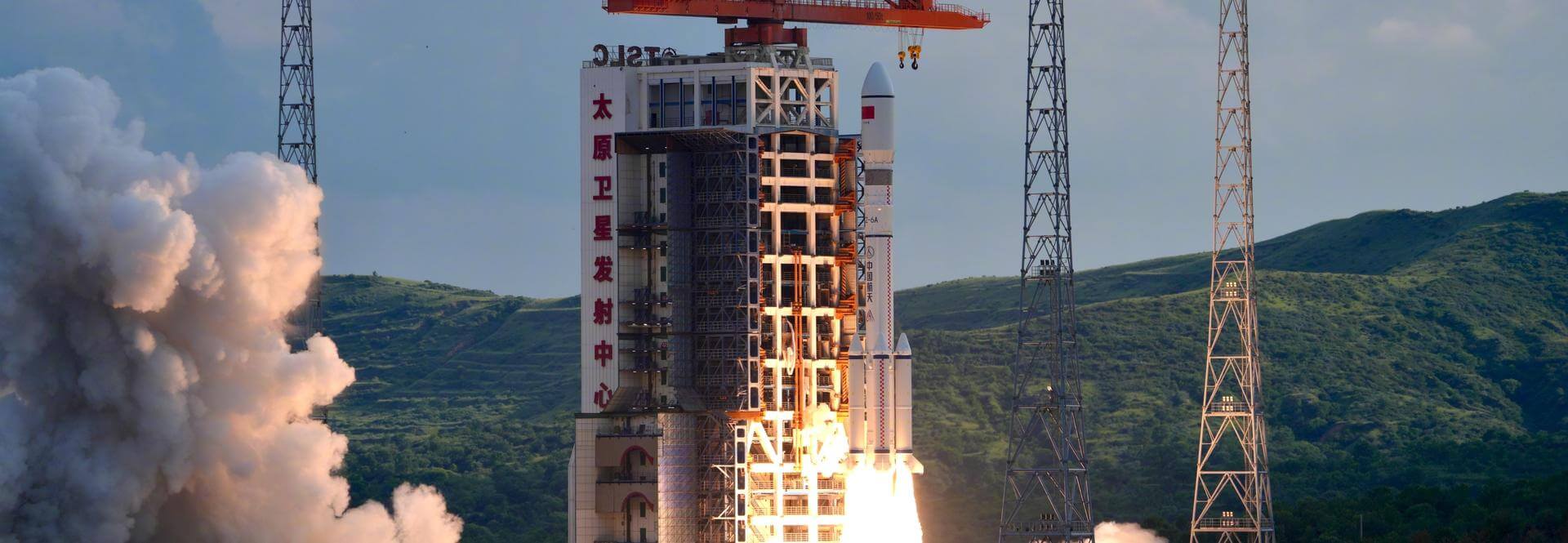
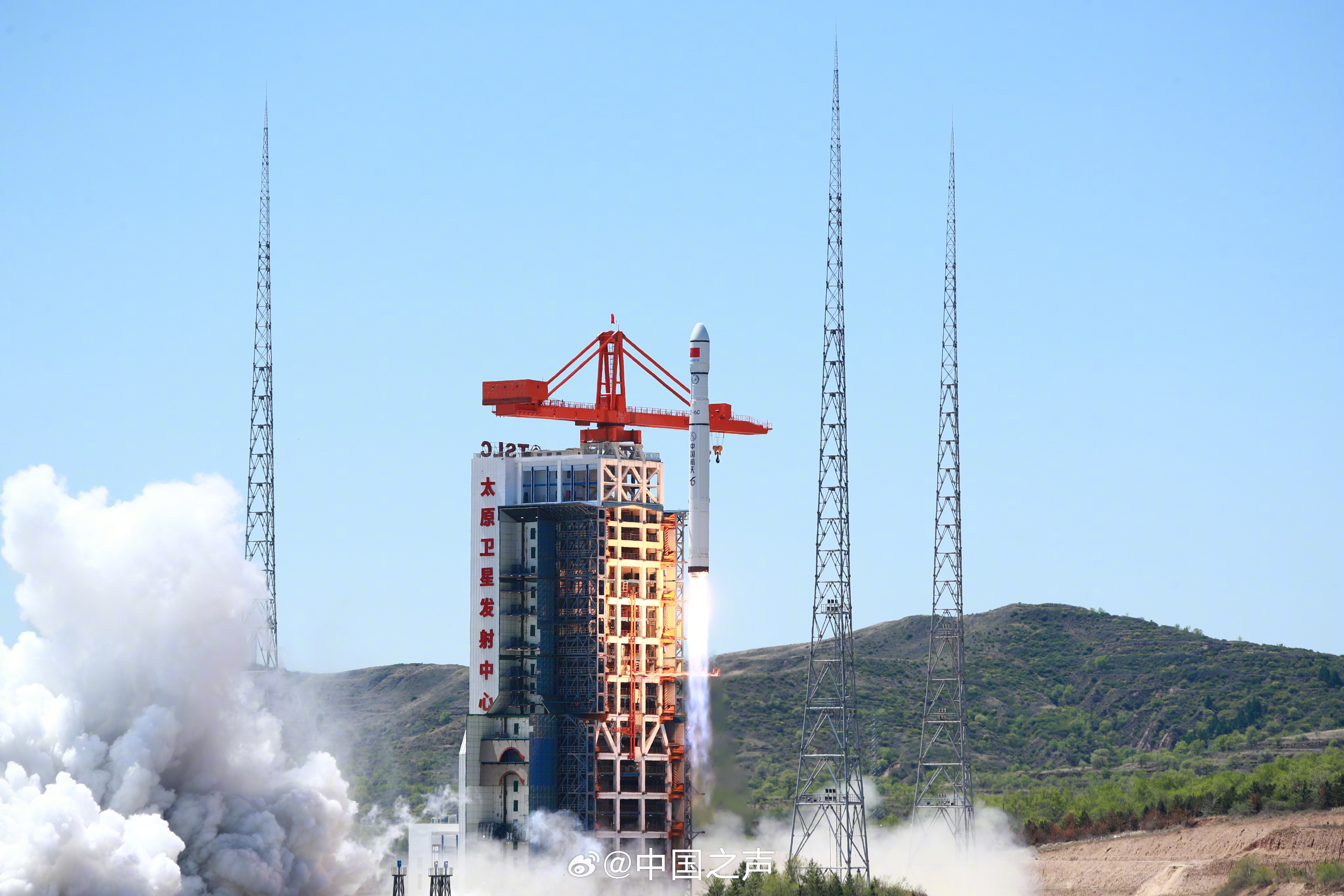
Provider: China Aerospace Science and Technology Corporation Date: May 12, 2026 Time: 11:55 AM UTC Vehicle: Long March 6A
Details TBD.
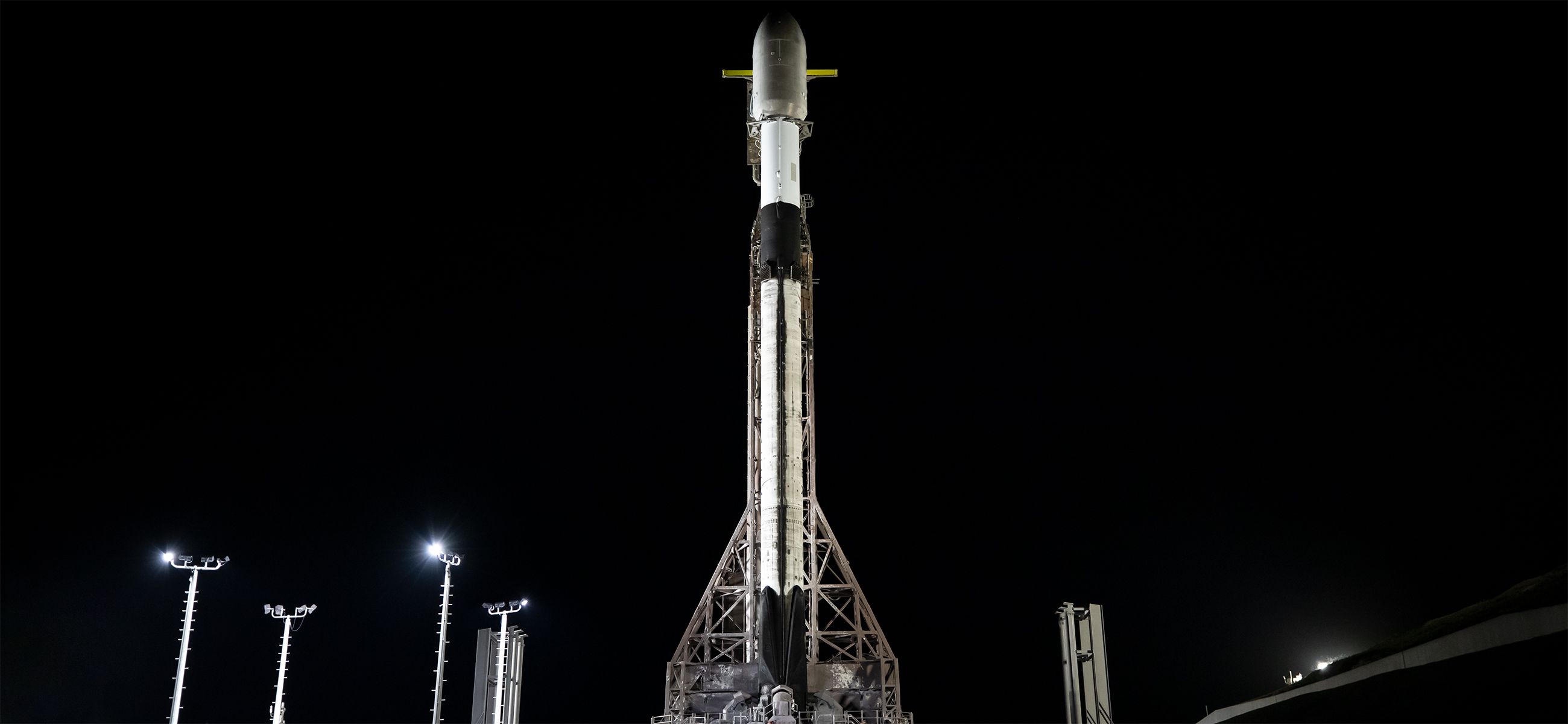
NROL-172
Provider: SpaceX Date: May 12, 2026 Time: 10:15 PM UTC Vehicle: Falcon 9
Thirteenth batch of satellites for a reconnaissance satellite constellation built by SpaceX and Northrop Grumman for the National Reconnaissance Office to provide imaging and other reconnaissance capabilities.
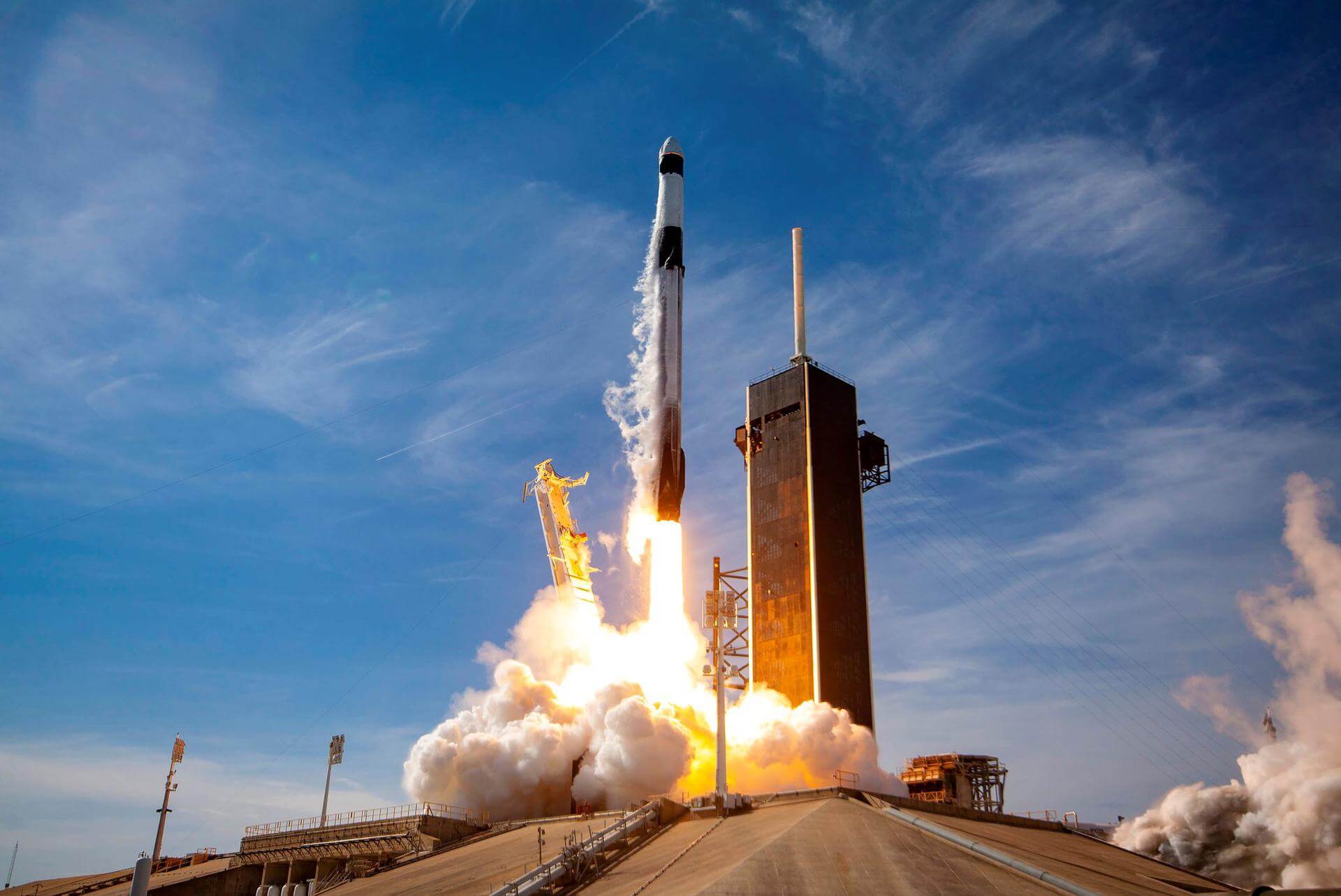
Dragon CRS-2 SpX-34
Provider: SpaceX Date: May 12, 2026 Time: 11:16 PM UTC Vehicle: Falcon 9
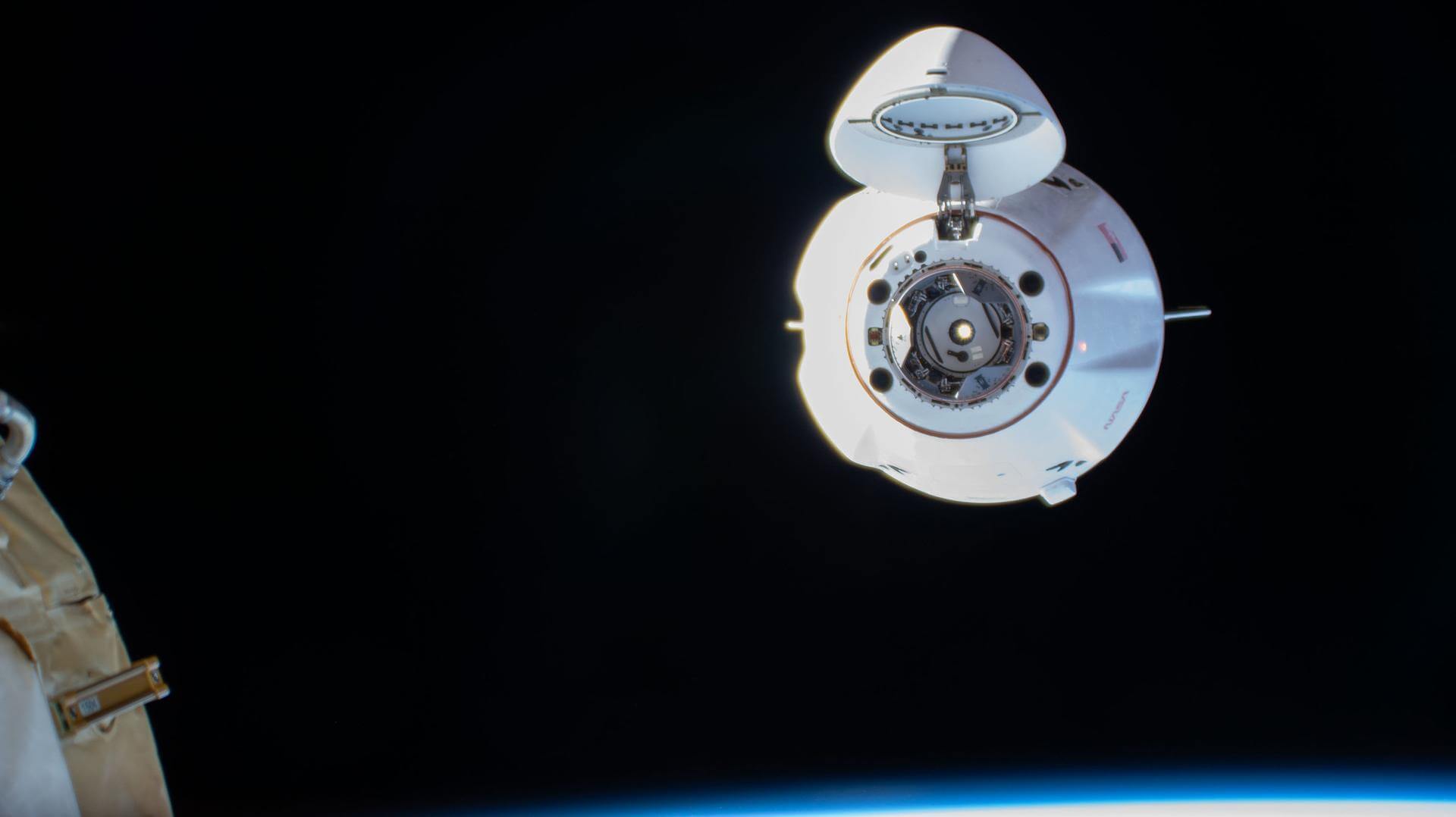
34th commercial resupply services mission to the International Space Station operated by SpaceX. The flight will be conducted under the second Commercial Resupply Services contract with NASA.
Cargo Dragon 2 brings supplies and payloads, including critical materials to directly support science and research investigations that occur onboard the orbiting laboratory.
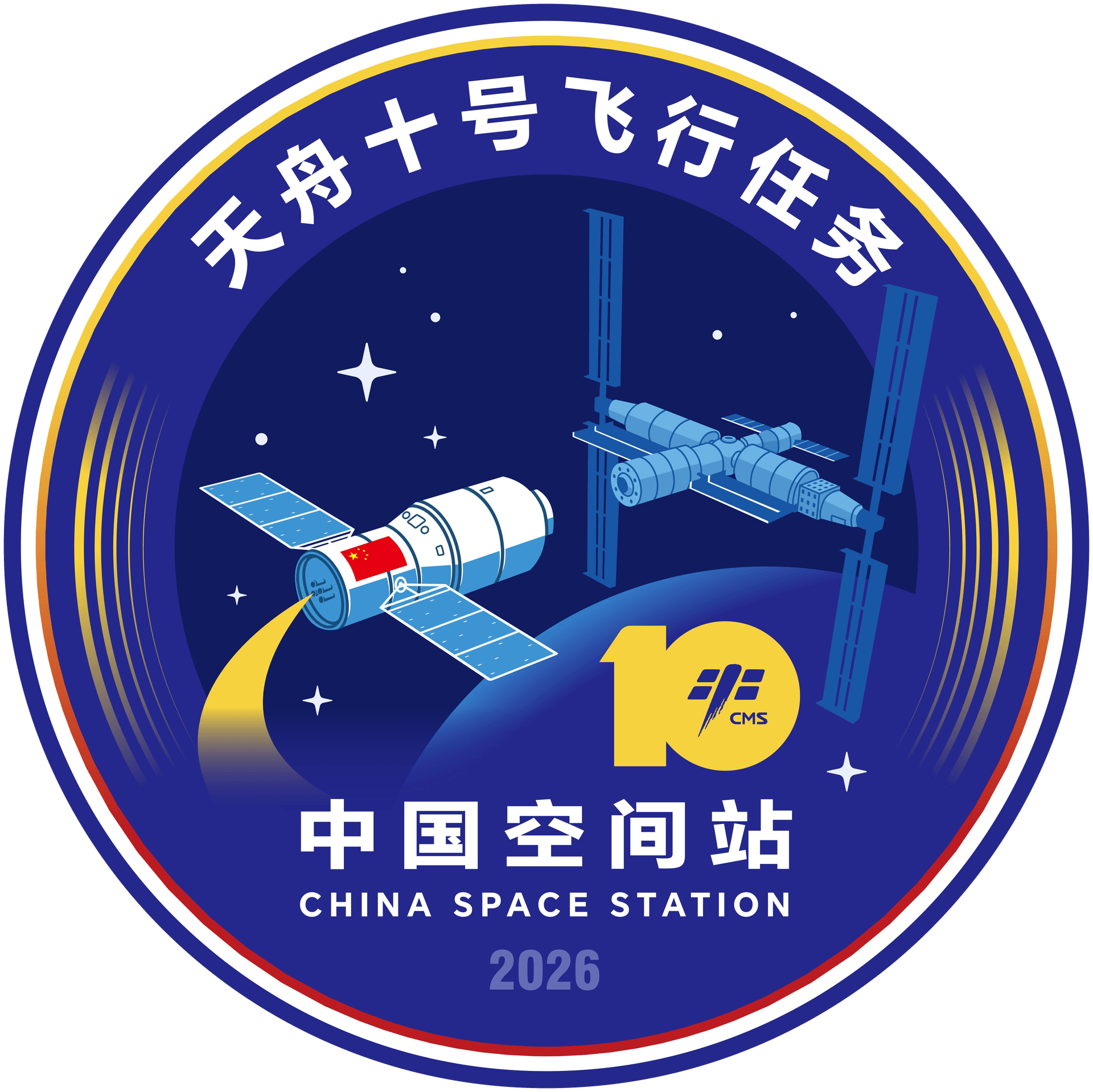
Tianzhou-10 ×
Mission Details
TypeResupply
OrbitLow Earth Orbit
TargetEarth
Ninth cargo delivery mission to the Chinese space station.
Program: Tiangong space station
The Tiangong space station is a space station placed in Low Earth orbit between 340 and 450 km above the surface.
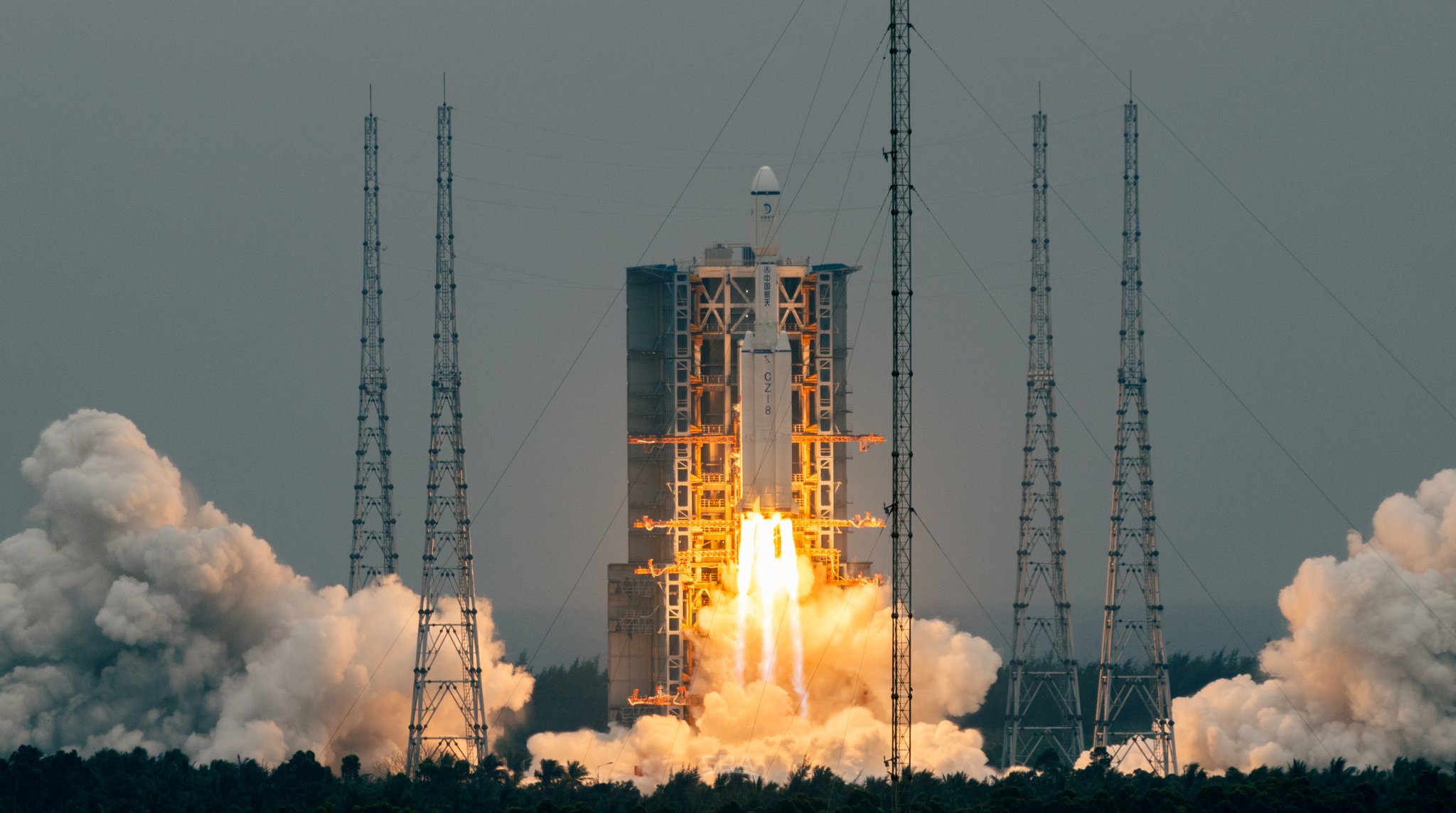
The Long March 7 is a Chinese liquid-fuelled launch vehicle of the Long March family, developed by the China Aerospace Science and Technology Corporation (CAST). It made its inaugural flight on 25 June 2016 and is used to launch Tianzhou resupply spacecraft to the Chinese Space Station.
The Tianzhou is a Chinese automated cargo spacecraft that was first launched on April 20, 2017 to resupply Tiangong-1. It demonstrated autonomous propellant transfer in orbit.
Capability
Cargo Earth Orbit Logistics
Details
Autonomous cargo spacecraft used to resupply the Chinese Space Station.
Flight Life
180 days in orbit
Manufacturer: China Aerospace Science and Technology Corporation (CASC)
Falcon 9 is a two-stage rocket designed and manufactured by SpaceX for the reliable and safe transport of satellites and the Dragon spacecraft into orbit. The Block 5 variant is the fifth major interval aimed at improving upon the ability for rapid reusability.
The Long March 6A is a Chinese launch vehicle of the Long March family, which was developed by the China Aerospace Science and Technology Corporation (CASC) and the Shanghai Academy of Spaceflight Technology (SAST). The vehicle is a further development of the Long March 6, with 2 YF-100 engines on…
Thirteenth batch of satellites for a reconnaissance satellite constellation built by SpaceX and Northrop Grumman for the National Reconnaissance Office to provide imaging and other reconnaissance capabilities.
Agencies Involved
• National Reconnaissance Office (Government)
Launch Provider: SpaceX
Commercial • United States of America • Founded 2002
Falcon 9 is a two-stage rocket designed and manufactured by SpaceX for the reliable and safe transport of satellites and the Dragon spacecraft into orbit. The Block 5 variant is the fifth major interval aimed at improving upon the ability for rapid reusability.
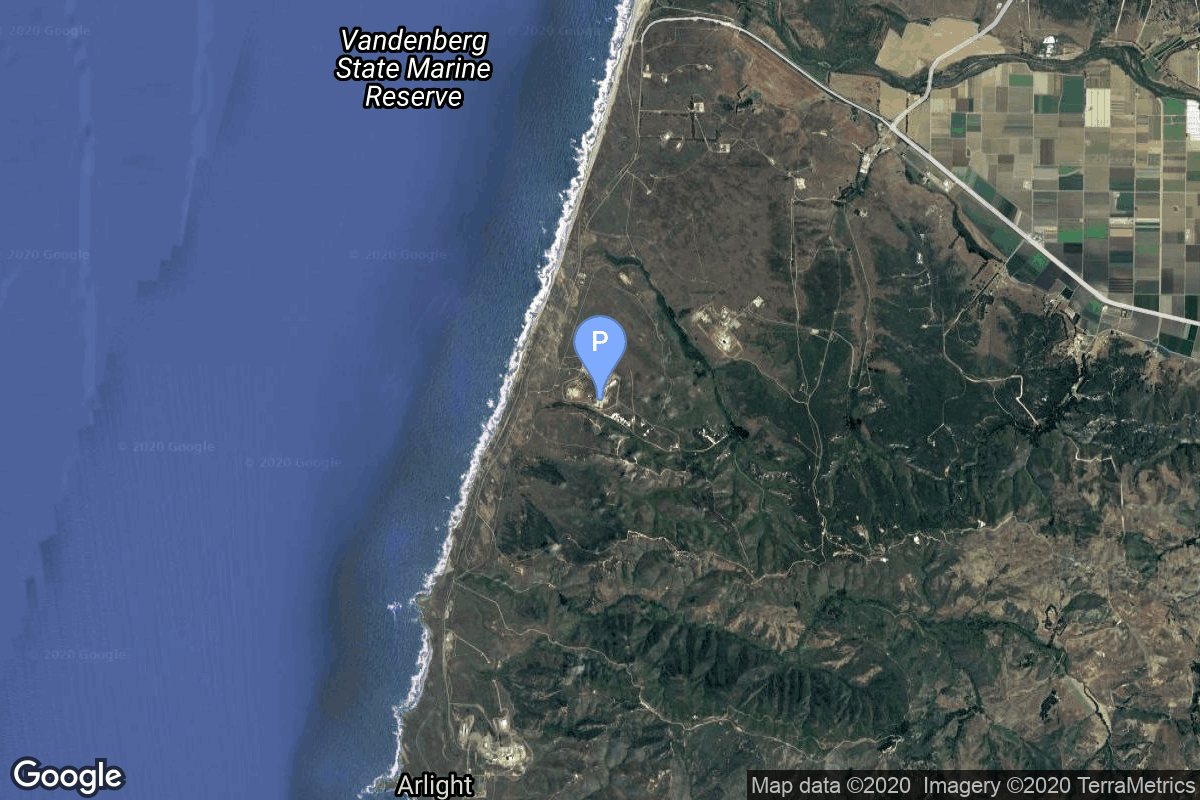
The Falcon 9 first stage will land on ASDS OCISLY after its flight.
Dragon CRS-2 SpX-34 ×
Mission Details
TypeResupply
OrbitLow Earth Orbit
TargetEarth
34th commercial resupply services mission to the International Space Station operated by SpaceX. The flight will be conducted under the second Commercial Resupply Services contract with NASA.
Cargo Dragon 2 brings supplies and payloads, including critical materials to directly support science and research investigations that occur onboard the orbiting laboratory.
• National Aeronautics and Space Administration (Government)
Program: Commercial Resupply Services
Commercial Resupply Services (CRS) are a series of flights awarded by NASA for the delivery of cargo and supplies to the International Space Station.The first CRS contracts were signed in 2008 and awarded $1.6 billion to SpaceX for twelve cargo Dragon and $1.9 billion to Orbital Sciences for eight Cygnus flights, covering deliveries to 2016. The Falcon 9 and Antares rockets were also developed under the CRS program to deliver cargo spacecraft to the ISS.
The International Space Station programme is tied together by a complex set of legal, political and financial agreements between the sixteen nations involved in the project, governing ownership of the various components, rights to crewing and utilization, and responsibilities for crew rotation and resupply of the International Space Station. It was conceived in 1984 by President Ronald Reagan, during the Space Station Freedom project as it was originally called.
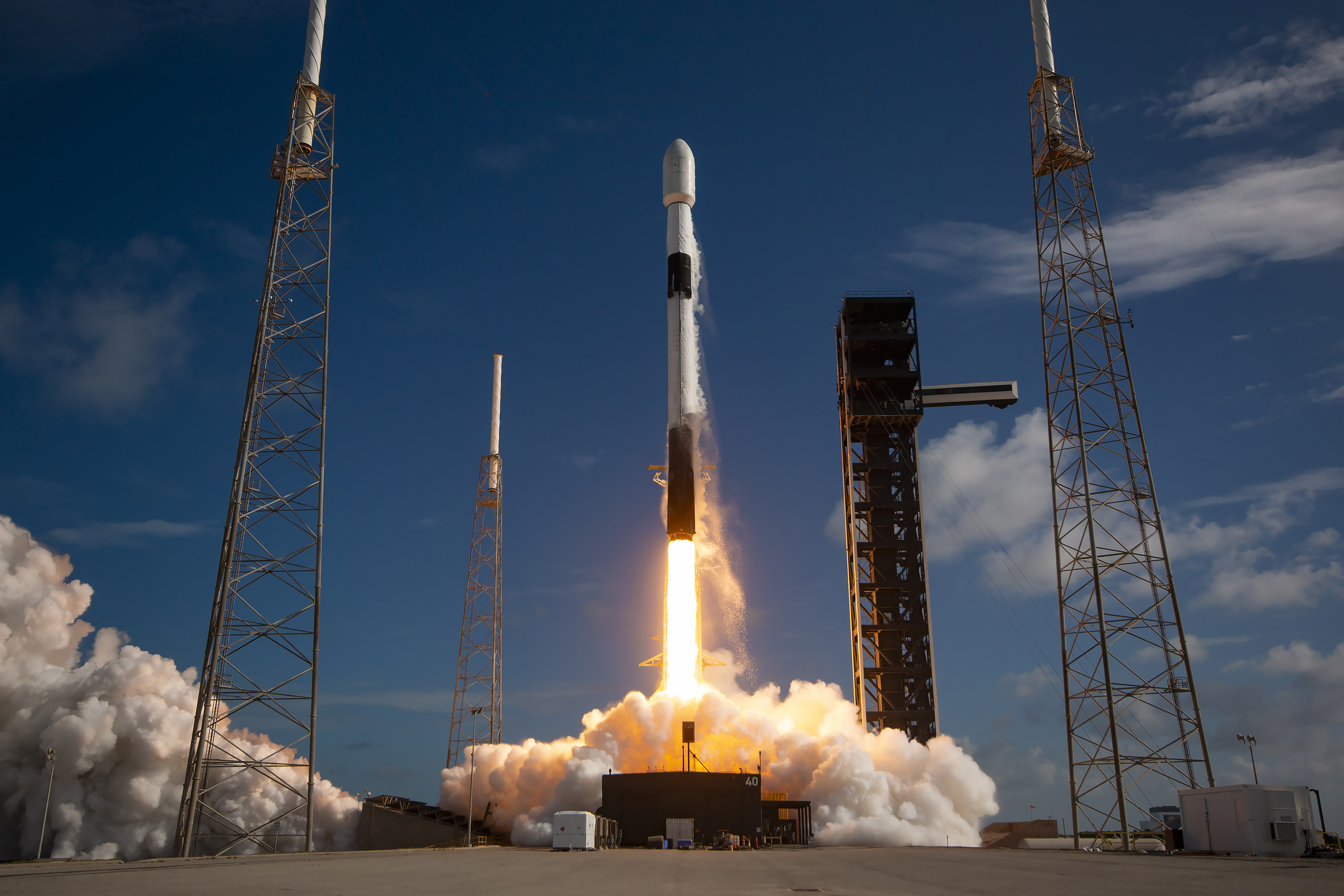
Falcon 9 is a two-stage rocket designed and manufactured by SpaceX for the reliable and safe transport of satellites and the Dragon spacecraft into orbit. The Block 5 variant is the fifth major interval aimed at improving upon the ability for rapid reusability.
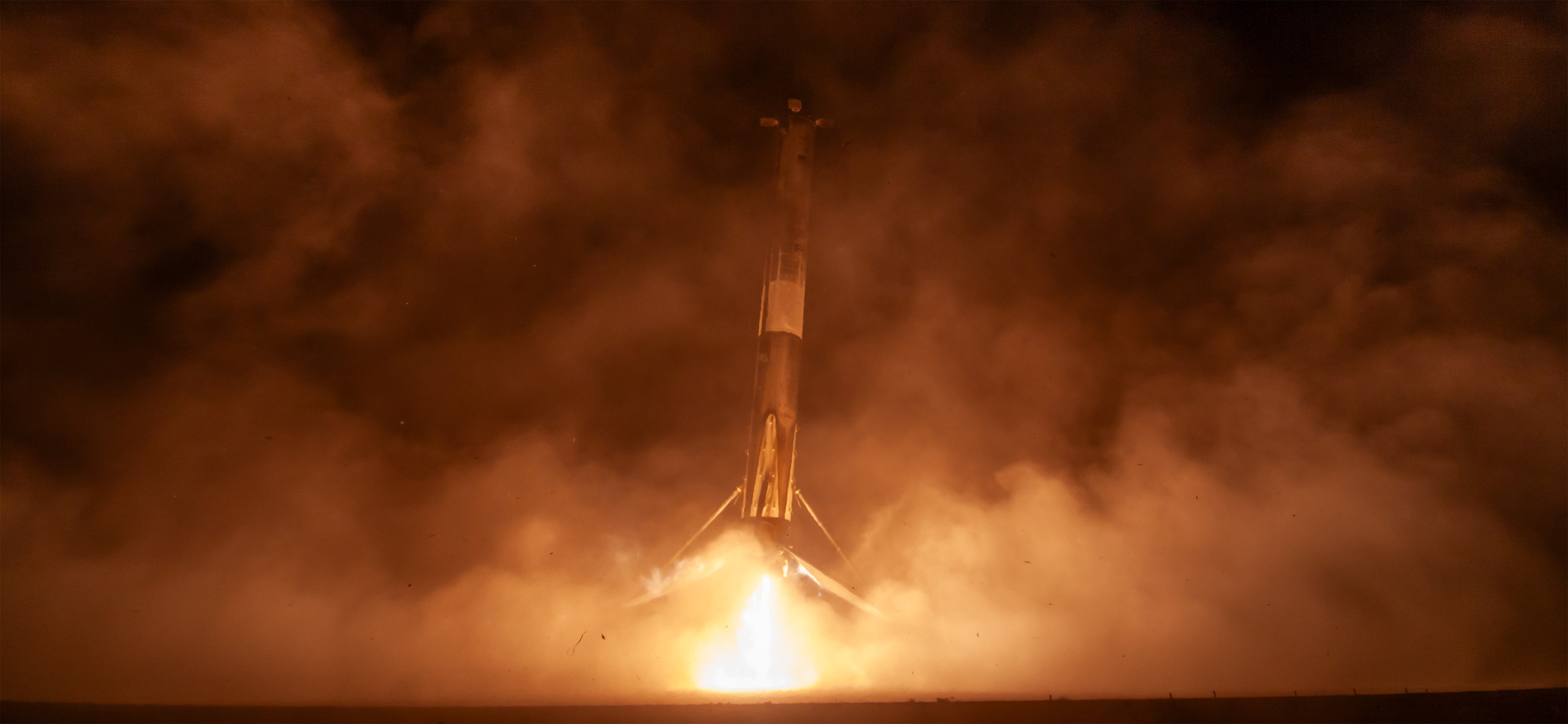
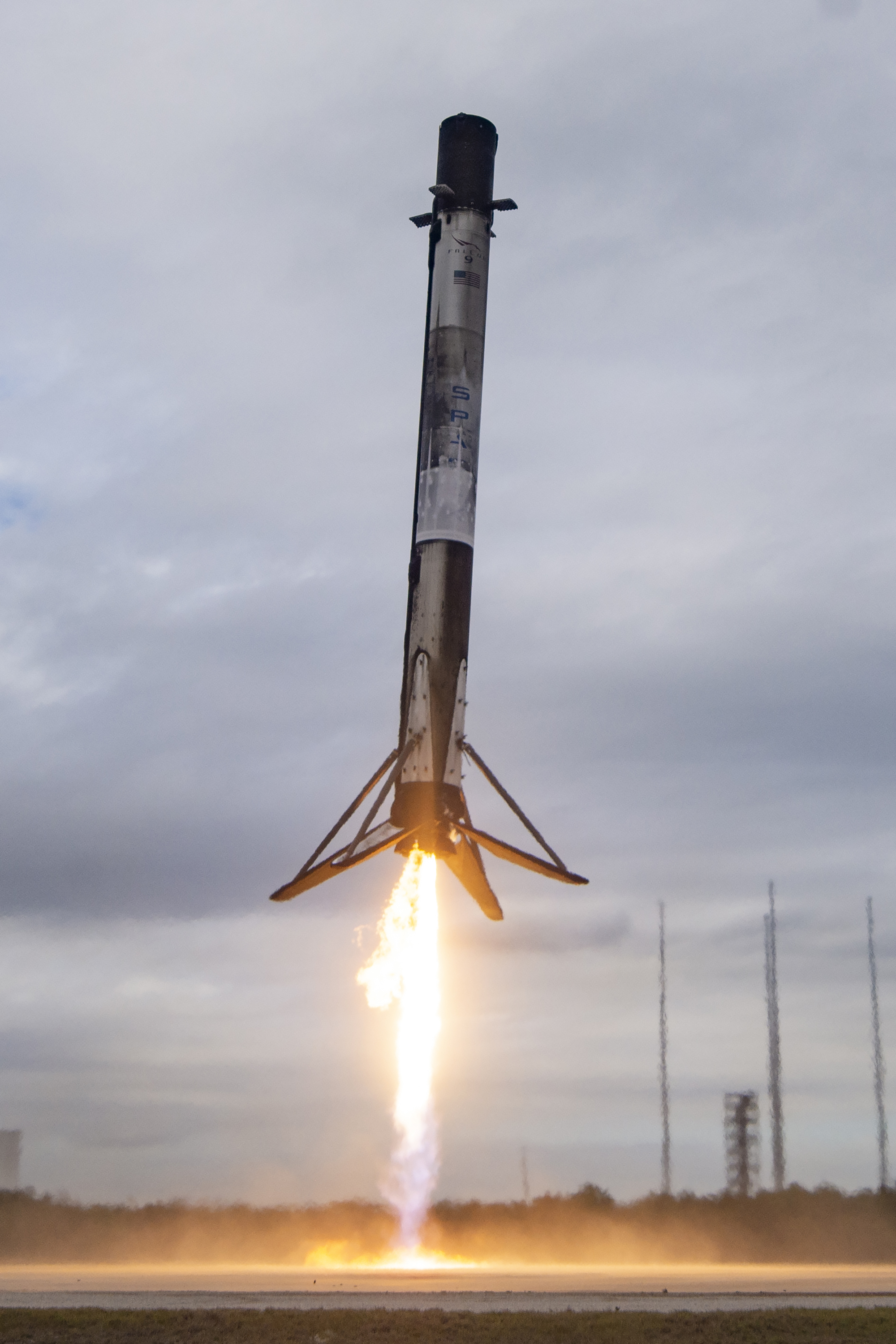
The Falcon 9 first stage B1096 will land back at the launch site at Landing Zone 40 after its 6th flight.
Spacecraft: Cargo Dragon C209
Second Cargo Dragon 2
Specifications
SerialC209
TypeCapsule
StatusActive
DestinationISS
Height7.2 m
Diameter3.7 m
Maiden Flight2020-12-06
Payload Capacity6,000 kg
Return Capacity3,000 kg
Time in Space175 Days, 23 Hours, 36 Minutes
Missions Flown5
Turnaround352 Days, 17 Hours, 32 Minutes
Fastest Turnaround164 Days, 6 Hours, 38 Minutes
History
Cargo Dragon 2 is an updated version of the original Dragon spaceship designed to service the International Space Station with first flights conducted in 2020.
In contrast to Dragon 1 it docks to the International Space Station instead of being berthed by the Canada Arm.
Capability
Cargo Earth Orbit Logistics
Details
Cargo Dragon 2 is a autonomous spaceship capable of bringing science to and from the International Space Station with large pressurized and un-pressurized sections to support a variety of missions.
Flight Life
Able to fly for up to one week of free flight or two years docked.
Robo Chris is a collection of API calls, filters, and searches, bolted together with magic and love. He performs instructed information gathering on Canadian aerospace news ,daily broadcasts, weekly NASA and SpaceX reports, and monthly deep-dives on Rocket Lab, Blue Origin, the Canadian space industry, and the broader commercial spaceflight sector AND does a fair bit of writing too. Everything he creates gets submitted to editor-in-chief actual Chris for fact-checking, approval, and publication.