Seven Canadian Satellites Launch on Historic CAS500-2 Mission
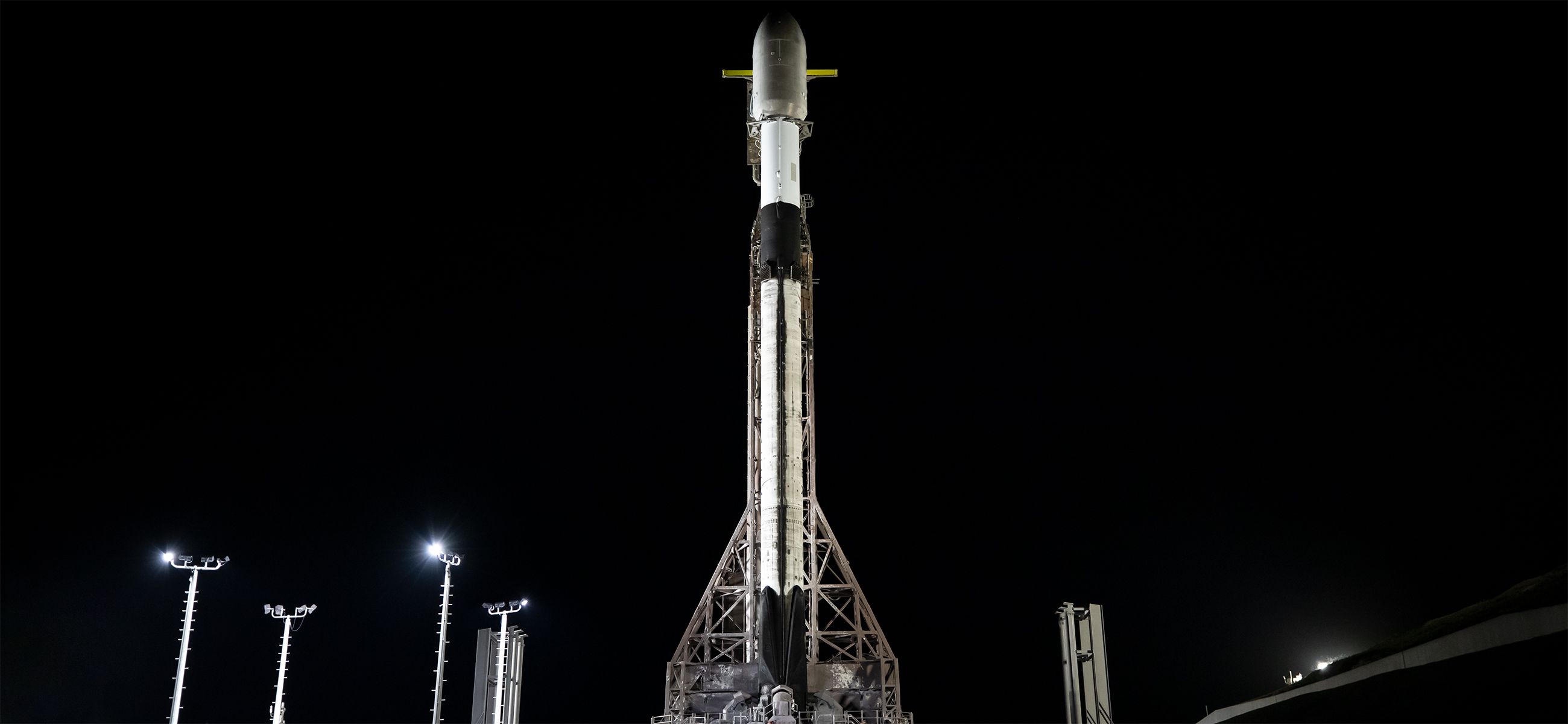
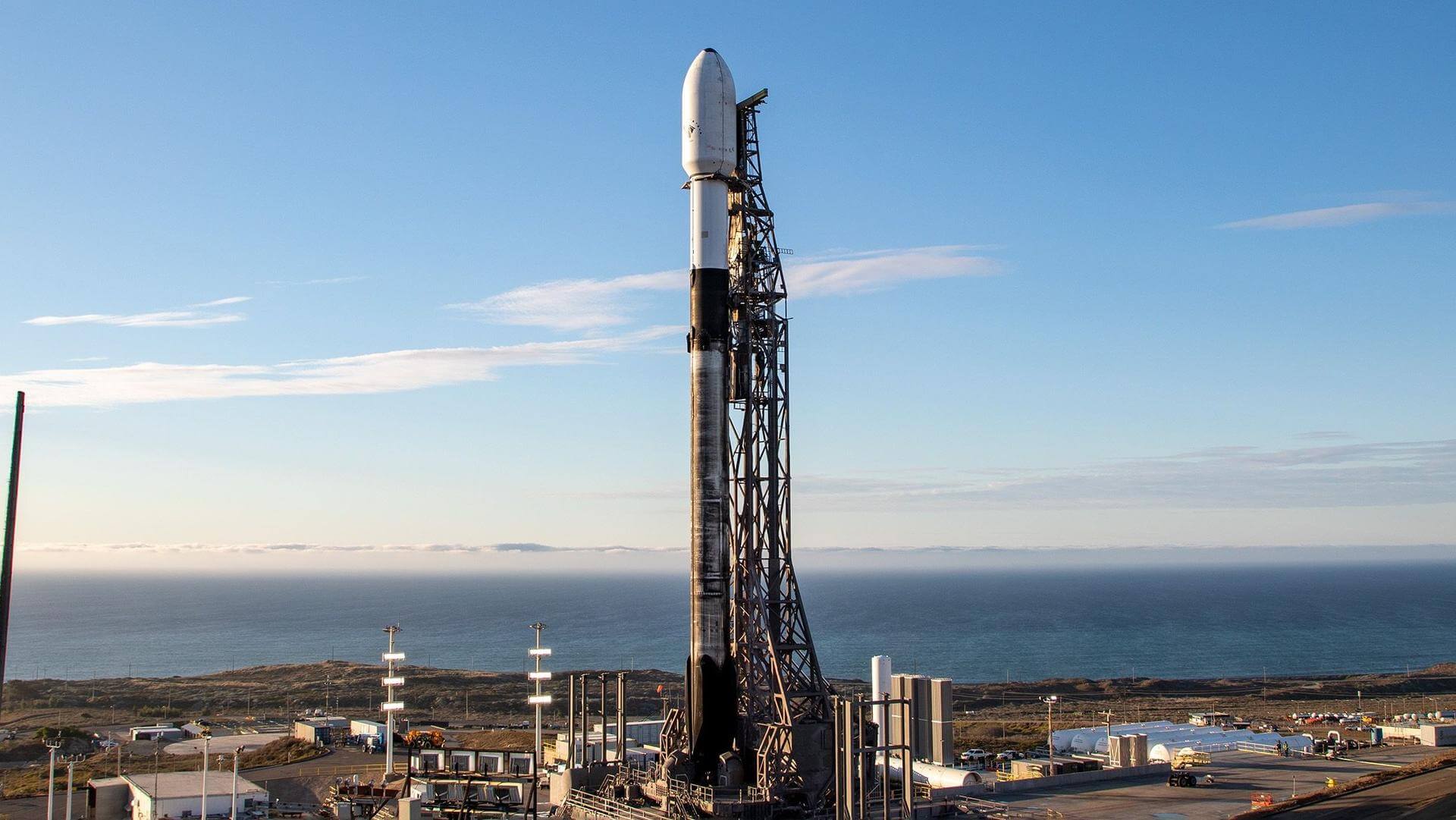
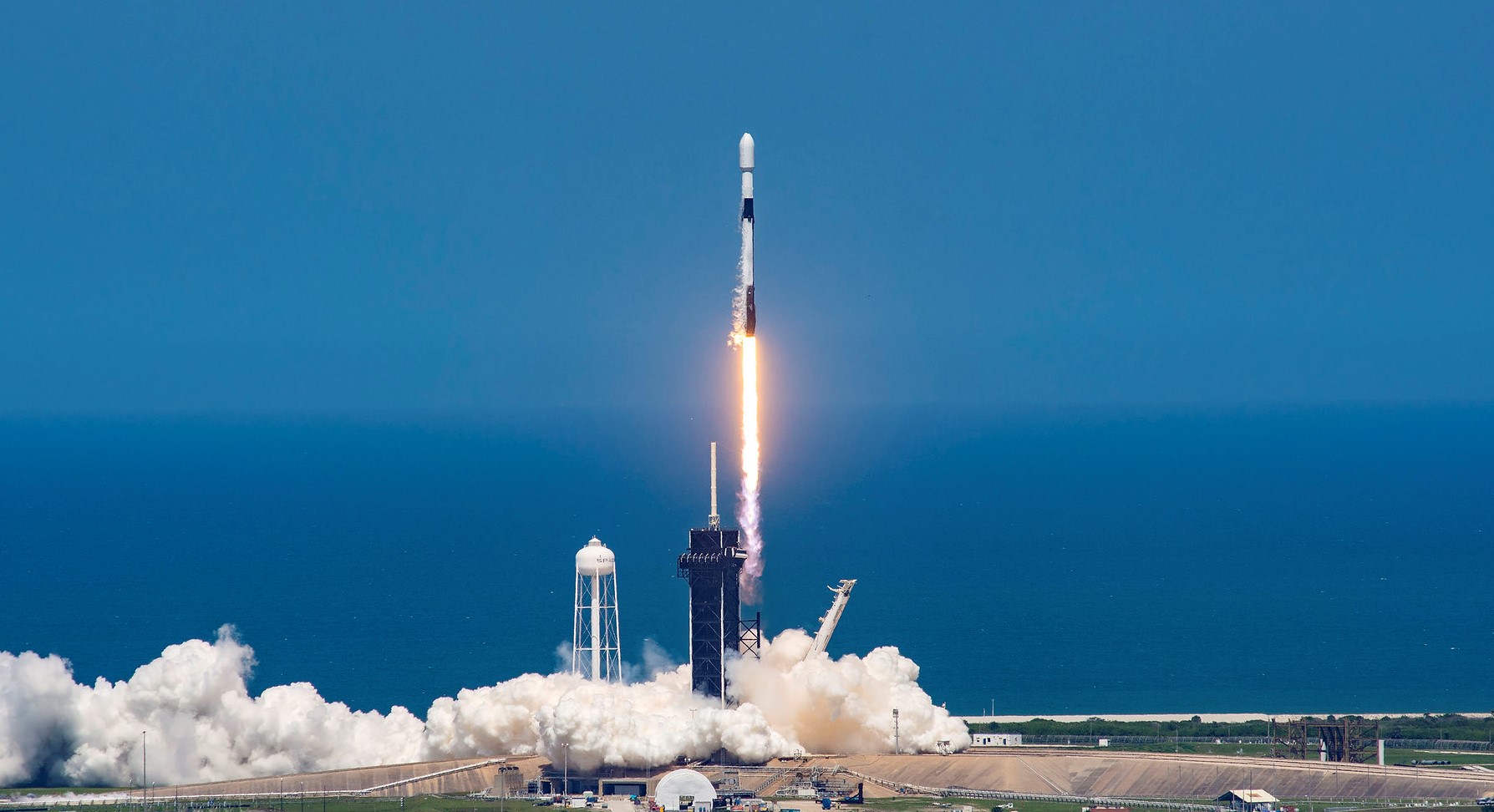
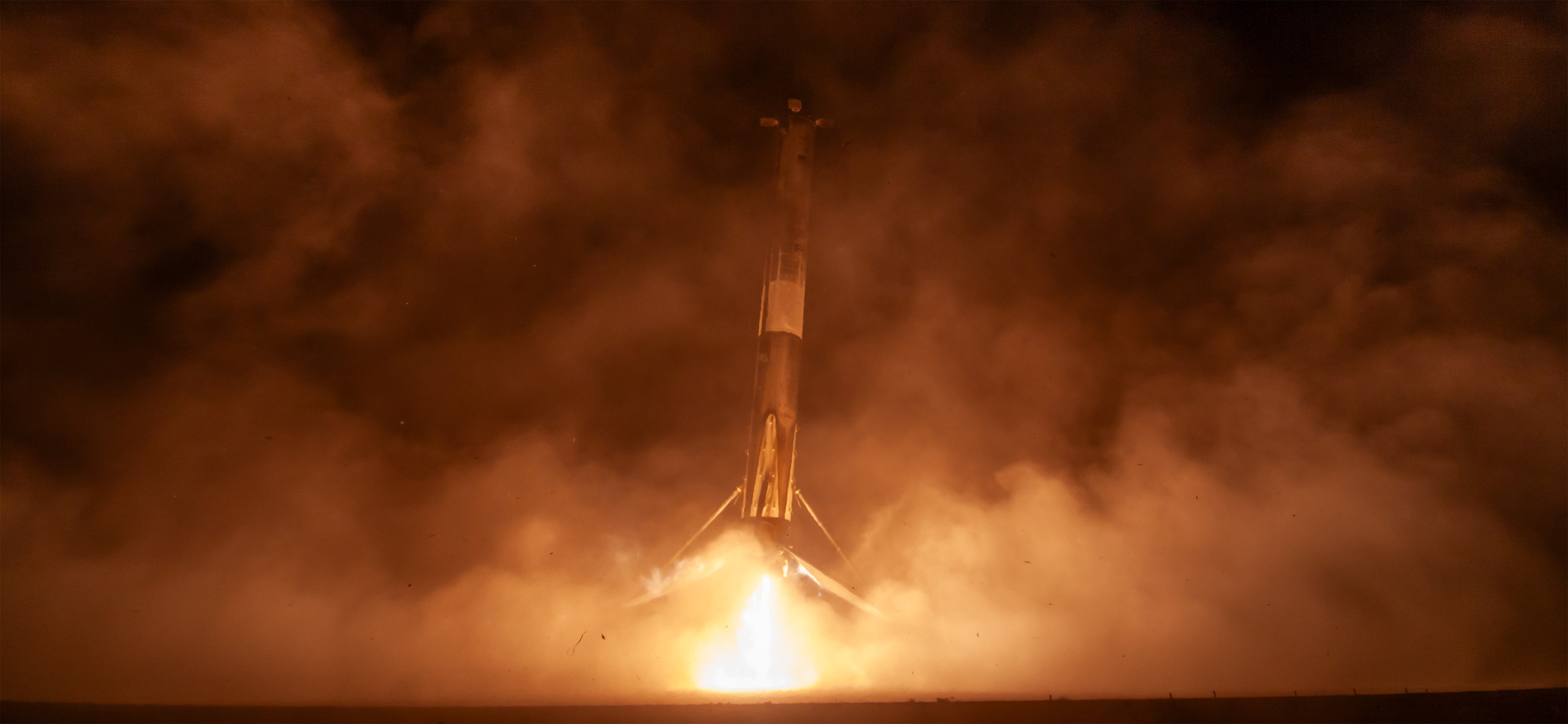
On Sunday morning, SpaceX successfully launched the Compact Advanced Satellite 500-2 (CAS500-2) for the Korea Aerospace Research Institute, but the real story for Canada was in the rideshare manifest: seven Canadian payloads marked significant firsts for the domestic space sector.
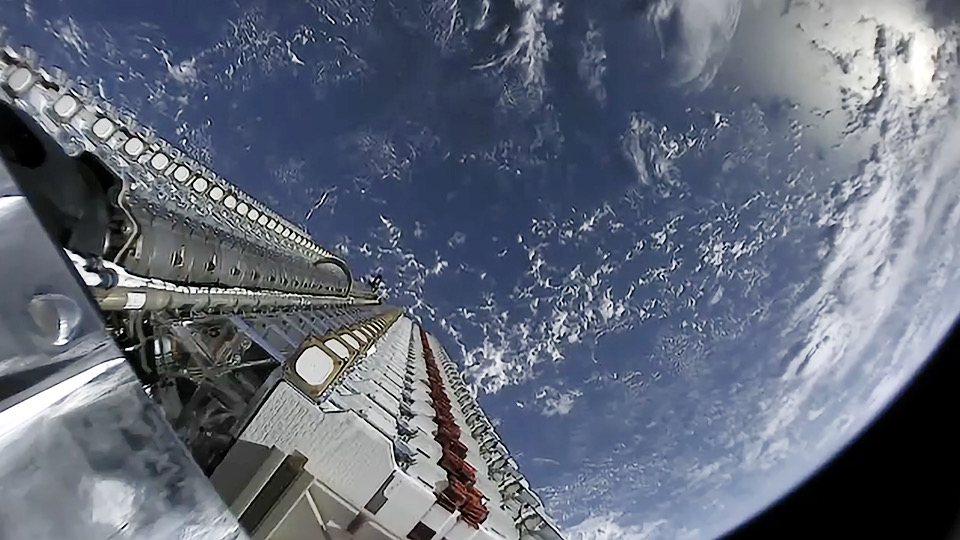
Vancouver-based EarthDaily Analytics deployed six satellites—EDC-02 through EDC-07—expanding its operational constellation to seven spacecraft. All six units are stable and have successfully deployed their solar arrays. Equipped with 16 imaging systems across 22 spectral bands, the constellation monitors the planet continuously to deliver what CEO Don Osborne calls “trusted, consistent measurement.” Rather than capturing targeted, high-resolution imagery like competitors, EarthDaily generates standardized, AI-ready datasets for applications in agriculture, mining, insurance, and defence. The company expects to launch an eighth satellite this summer, with full commercial operations expected late this summer.
The seventh Canadian payload was FrontierSat (CTS-SAT-1), a 3U CubeSat developed by the University of Calgary’s undergraduate “CalgaryToSpace” team—the first student-built satellite from the university. The 3U CubeSat carries a Mini Plasma Imager based on technology from the European Space Agency’s Swarm mission, designed by Dr. Johnathan Burchill to measure ion velocities and temperatures in the ionosphere and study STEVE, a subauroral atmospheric phenomenon. The satellite also features a deployable composite lattice boom to test mechanical deployment in microgravity.
The CalgaryToSpace team’s journey to launch included an unexpected detour: late-stage customs complications forced them to abandon their plan to carry the satellite on-board, so the students instead rented cars for a four-day overland road trip across the border into Montana, driving the hardware directly to the California launch site. The team plans to operate the satellite for at least three years via a ground station at the university’s Rothney Astrophysical Observatory.
Blue Origin’s Lunar Lander Passes Critical Thermal Vacuum Testing
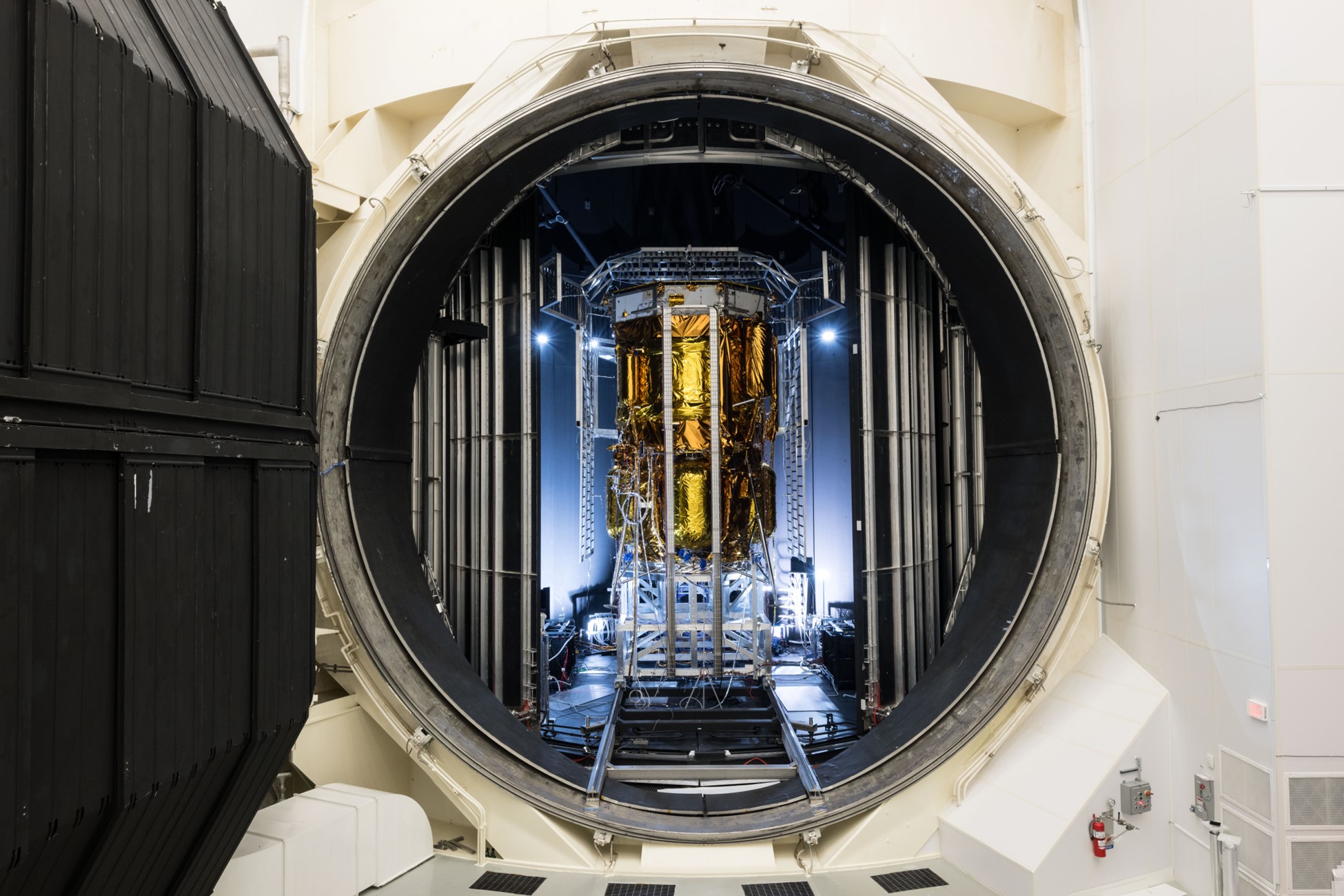
Blue Origin’s Blue Moon Mark 1 (MK1) lander, also known as Endurance, has completed environmental testing inside Thermal Vacuum Chamber A at NASA’s Johnson Space Center in Houston. The uncrewed cargo lander is being developed as a commercial demonstration mission to advance Human Landing System capabilities in support of NASA’s Artemis programme.
Testing in Chamber A, one of the world’s largest thermal vacuum test facilities, recreated the vacuum of space and extreme temperature conditions the spacecraft will experience during flight. This allowed engineers to evaluate system performance and verify structural and thermal integrity prior to launch. Endurance will demonstrate precision landing, cryogenic propulsion, and autonomous guidance, navigation, and control capabilities to support future lunar surface operations.
The MK1 will carry two NASA science and technology payloads under the CLPS (Commercial Lunar Payload Services) initiative to the lunar South Pole region: the Stereo Cameras for Lunar Plume-Surface Studies, which will capture high-resolution imagery of the lander’s engine plume interacting with the lunar surface during descent, and the Laser Retroreflective Array for precise spacecraft positioning. NASA and Blue Origin will incorporate lessons learned from the MK1’s design and testing to support future Artemis missions, with the technology contributing to development of the larger Blue Moon Mark 2 (MK2), a crewed landing system designed to transport astronauts to the lunar surface and back.
Lockheed Martin Joins Offshore Launch Initiative with Firefly and Seagate Space
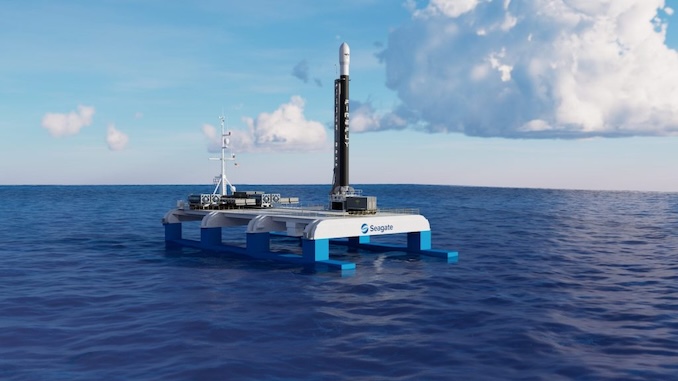
Lockheed Martin has announced a strategic collaboration with Firefly Aerospace and Seagate Space to develop offshore launch capabilities for responsive space operations. The partnership aims to leverage Seagate’s Gateway Series offshore spaceport platform—described as a purpose-built offshore platform designed specifically for launch operations—combined with Firefly’s responsive Alpha rocket.
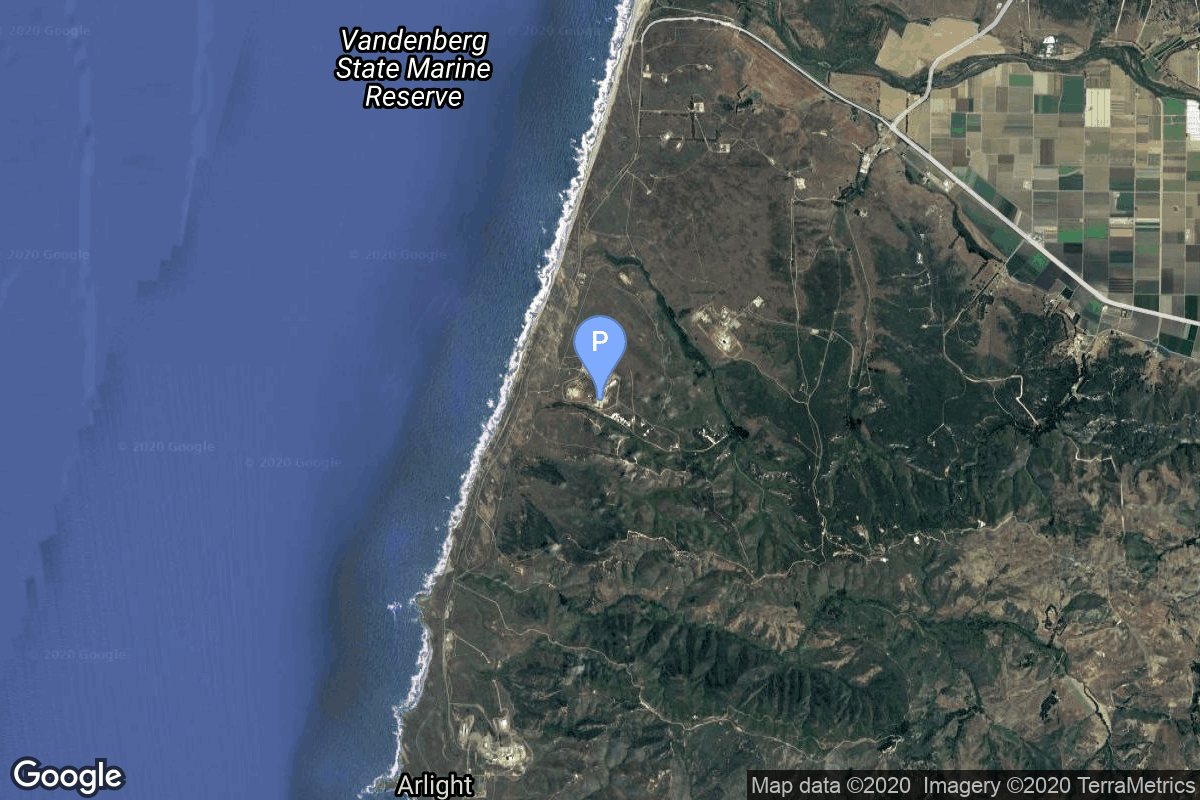
The Alpha rocket, a 29.48-metre-tall vehicle, currently launches only from Space Launch Complex 2 at Vandenberg Space Force Base in California. Jonathan Caldwell, vice president and general manager of Lockheed Martin’s Strategic and Missile Defense Systems, said the collaboration represents a fusion of Lockheed Martin’s legacy in national security matters with the innovative approaches of the two younger companies. “This sea-based launch facility, combined with Firefly’s responsive Alpha launch vehicle, will provide rapid, flexible access to space from diverse locations, an essential capability for tactical payloads and national-security missions,” Caldwell wrote.
The partnership comes nearly a month after Seagate Space announced a memorandum of understanding with Firefly to create offshore infrastructure for Alpha rockets. Lockheed Martin views the mobile platform as key to alleviating traffic pressure on fixed terrestrial launch facilities and providing multi-azimuth launch geometries. The companies will work on mission-application concepts and flight-demonstration projects, with Lockheed Martin’s involvement driven by rapidly evolving warfighter operational requirements. Additionally, Firefly’s subsidiary SciTec has received an OTA agreement from the U.S. Space Force’s Space Systems Command to support the Space Based Interceptor programme. Firefly is simultaneously expanding its Alpha launch footprint beyond California, with upcoming capabilities in Virginia and Sweden.
Provider: SpaceX Date: May 6, 2026 Time: 2:35 AM UTC Vehicle: Falcon 9
A batch of 24 satellites for the Starlink mega-constellation – SpaceX’s project for space-based Internet communication system.
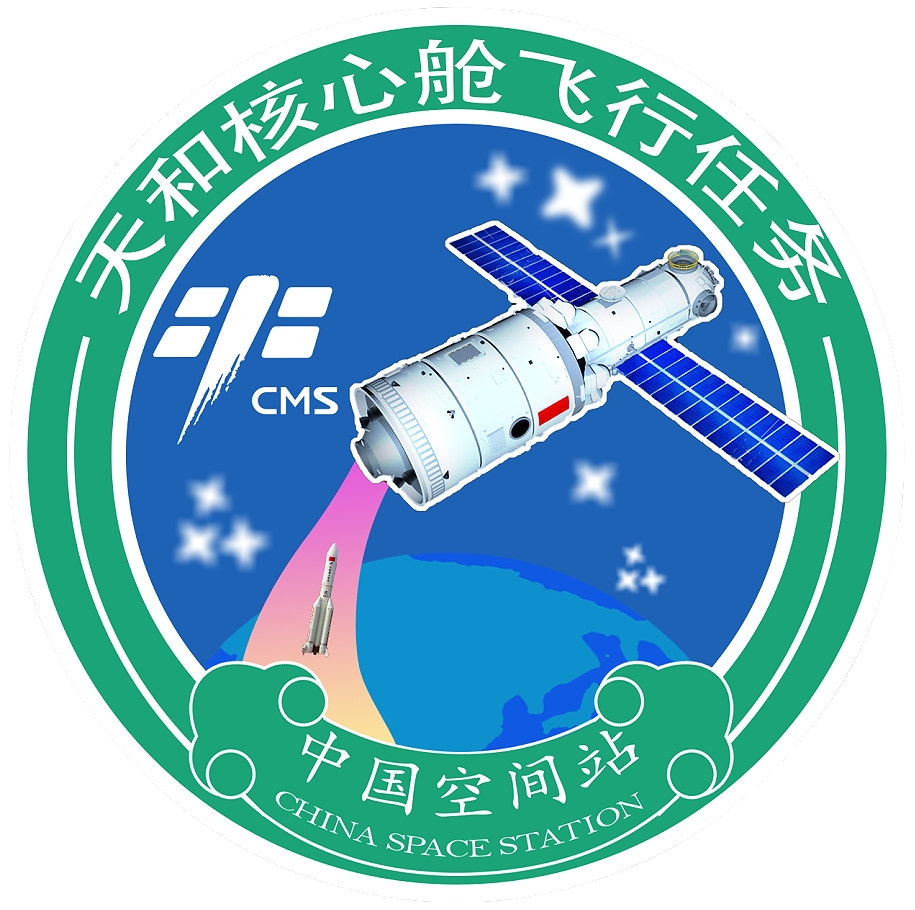
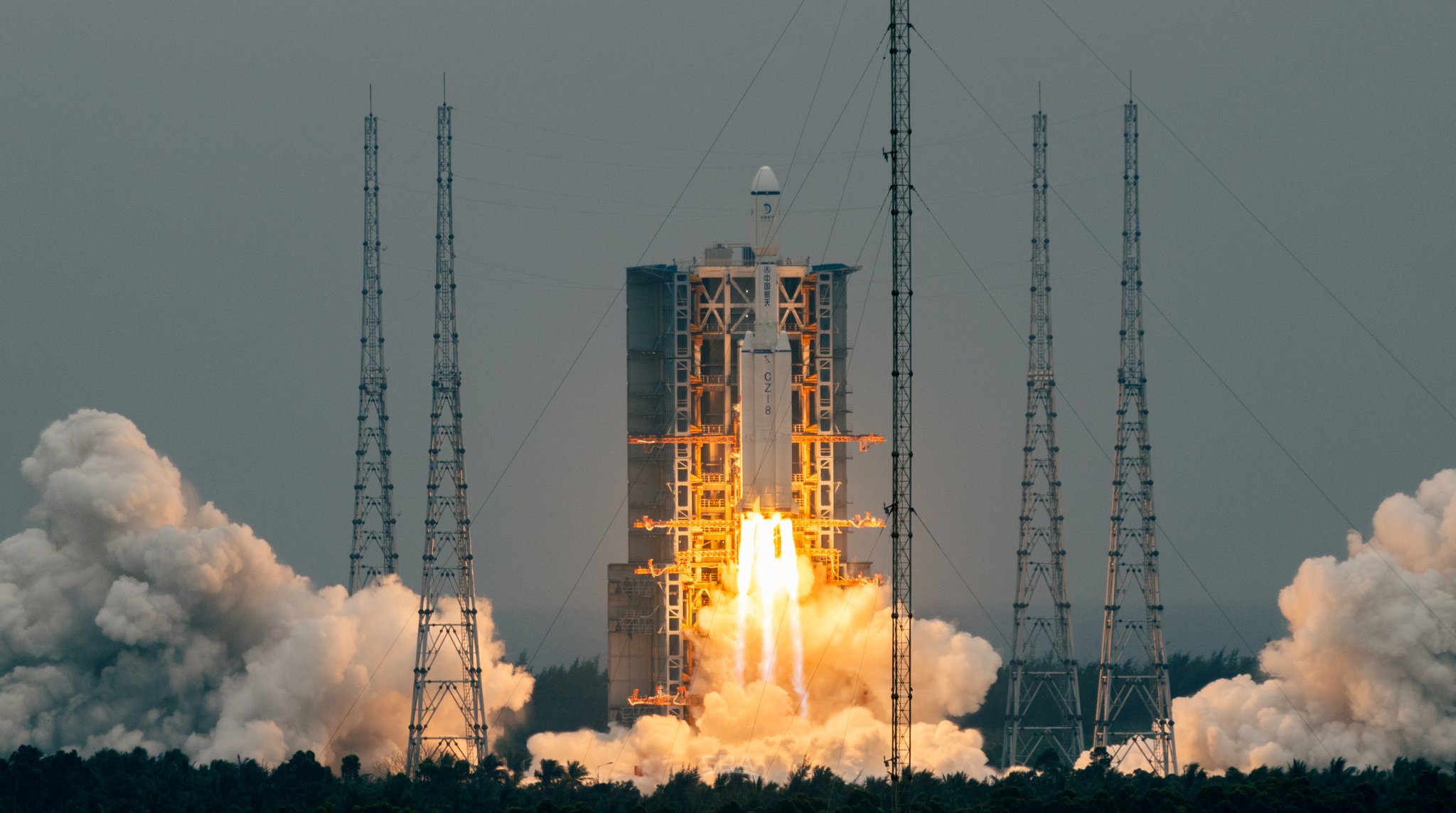
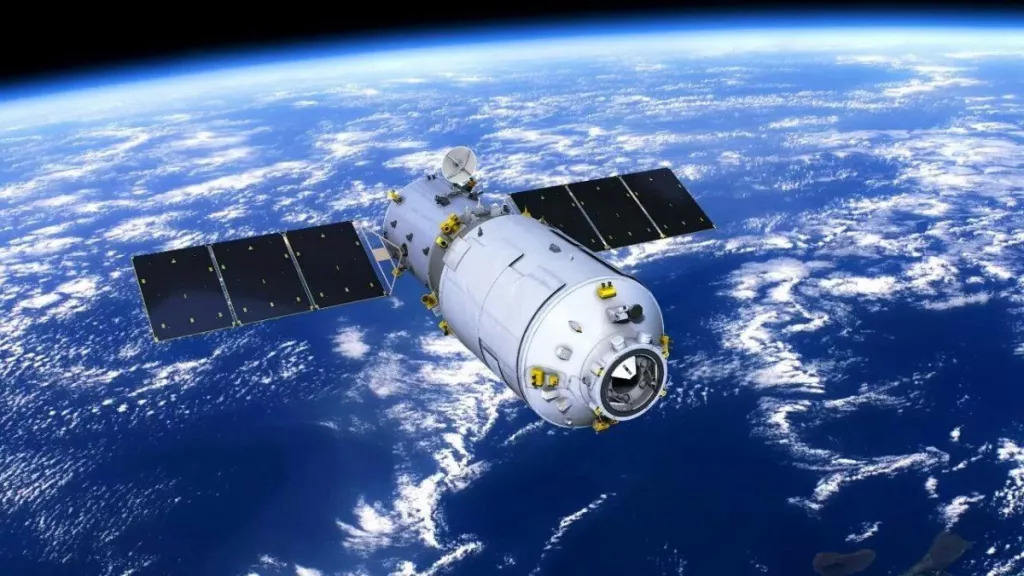
Tianzhou-10
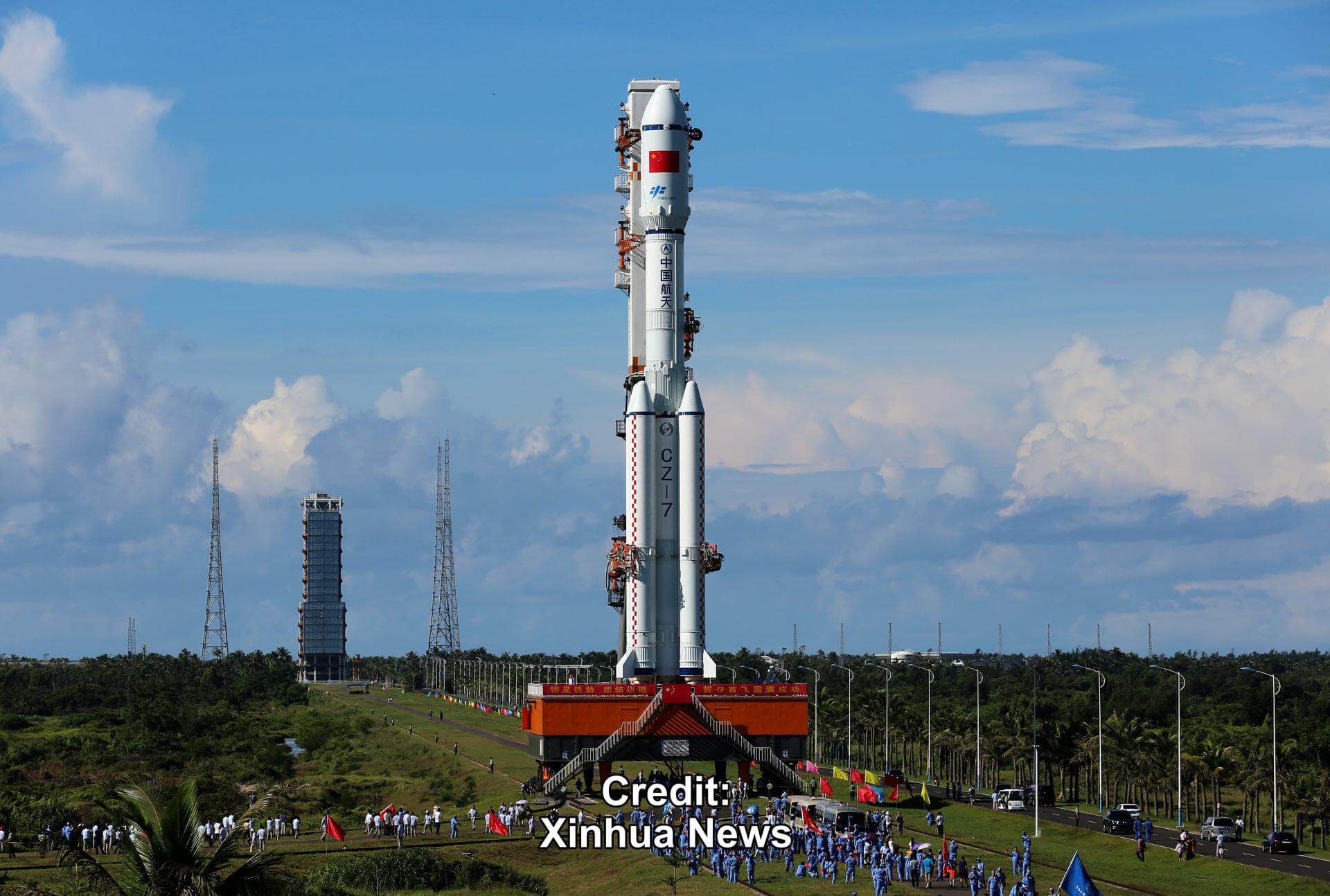
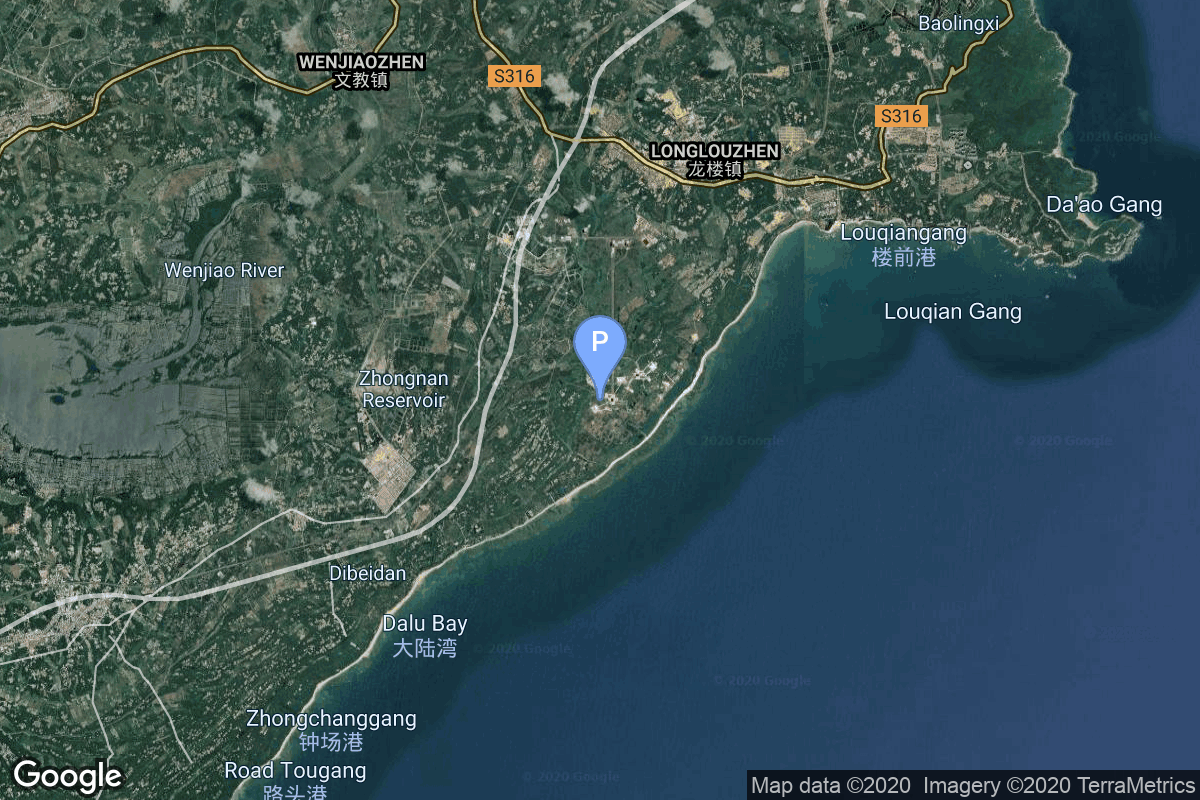
Provider: China Aerospace Science and Technology Corporation Date: May 9, 2026 Time: 10:00 PM UTC Vehicle: Long March 7
Ninth cargo delivery mission to the Chinese space station.
Starlink Group 17-37
Provider: SpaceX Date: May 10, 2026 Time: 2:00 PM UTC Vehicle: Falcon 9
A batch of 24 satellites for the Starlink mega-constellation – SpaceX’s project for space-based Internet communication system.
Unknown Payload
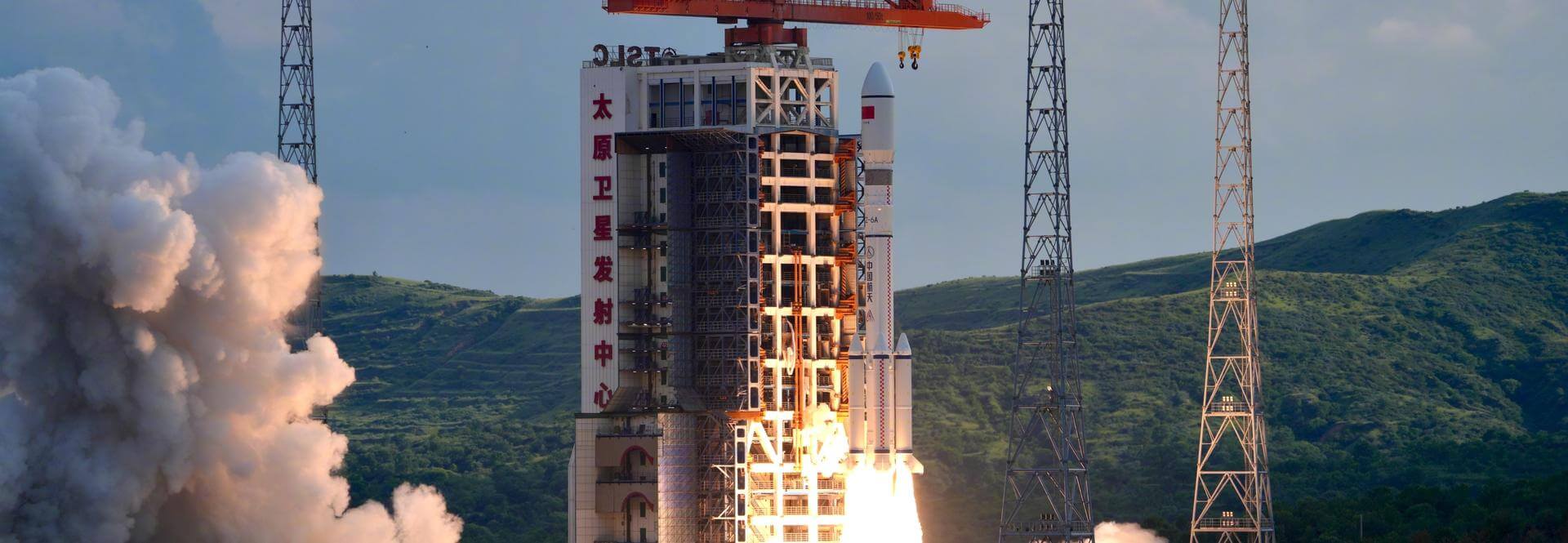
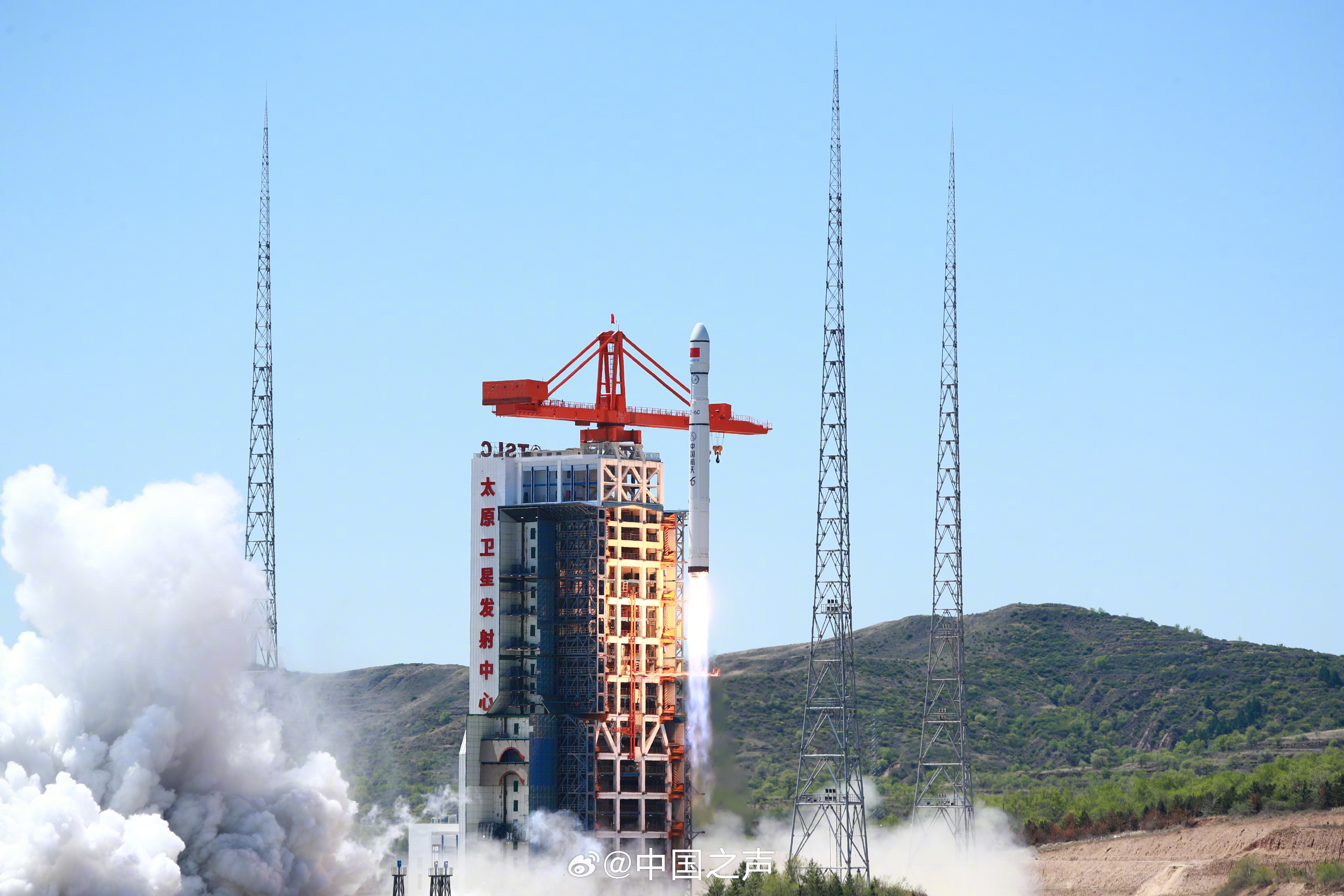
Provider: China Aerospace Science and Technology Corporation Date: May 12, 2026 Time: 11:55 AM UTC Vehicle: Long March 6A
Details TBD.
NROL-172
Provider: SpaceX Date: May 12, 2026 Time: 10:15 PM UTC Vehicle: Falcon 9
Thirteenth batch of satellites for a reconnaissance satellite constellation built by SpaceX and Northrop Grumman for the National Reconnaissance Office to provide imaging and other reconnaissance capabilities.
Starlink Group 17-29 ×
Mission Details
TypeCommunications
OrbitLow Earth Orbit
TargetEarth
A batch of 24 satellites for the Starlink mega-constellation – SpaceX’s project for space-based Internet communication system.
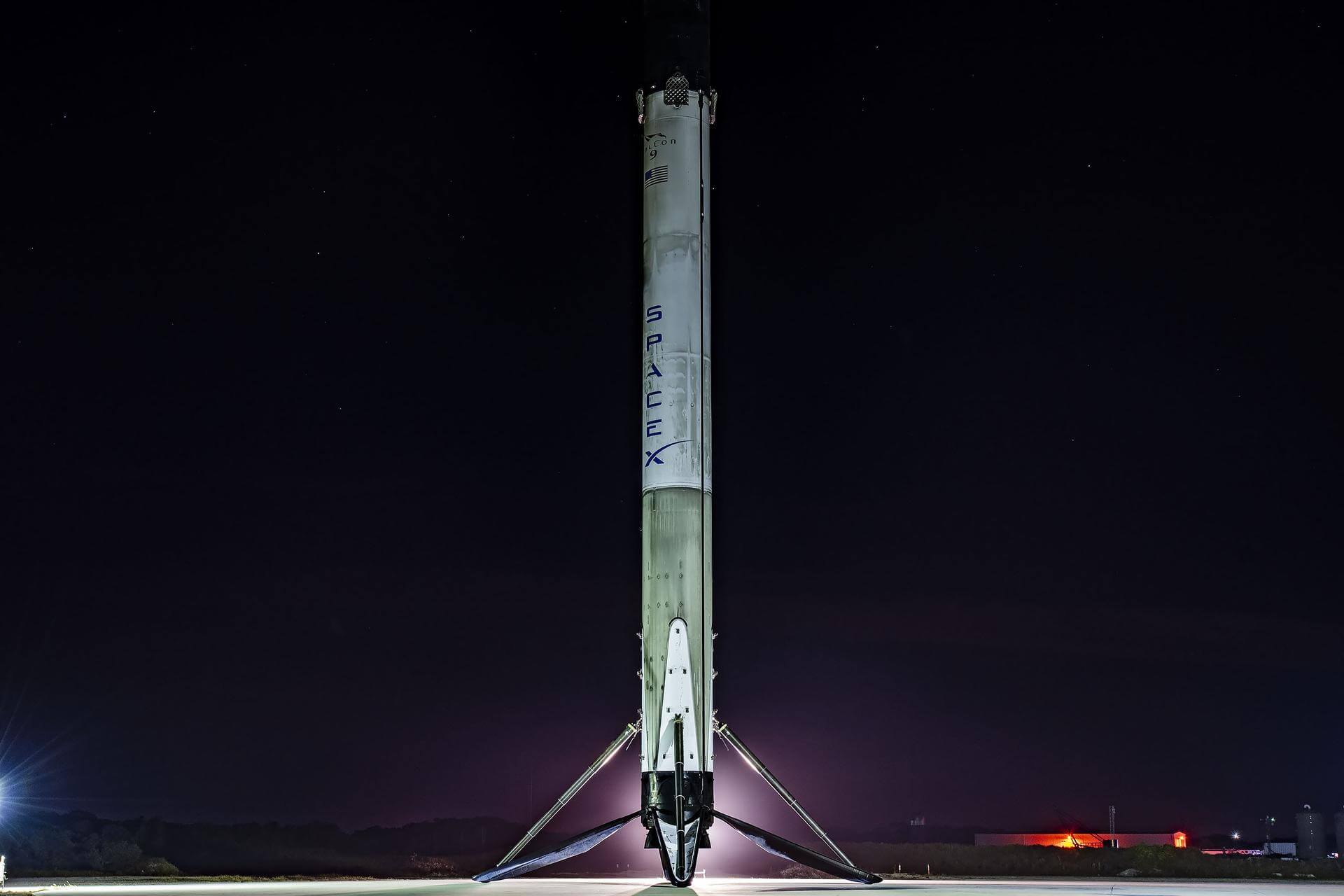
Falcon 9 is a two-stage rocket designed and manufactured by SpaceX for the reliable and safe transport of satellites and the Dragon spacecraft into orbit. The Block 5 variant is the fifth major interval aimed at improving upon the ability for rapid reusability.
The Long March 7 is a Chinese liquid-fuelled launch vehicle of the Long March family, developed by the China Aerospace Science and Technology Corporation (CAST). It made its inaugural flight on 25 June 2016 and is used to launch Tianzhou resupply spacecraft to the Chinese Space Station.
The Tianzhou is a Chinese automated cargo spacecraft that was first launched on April 20, 2017 to resupply Tiangong-1. It demonstrated autonomous propellant transfer in orbit.
Capability
Cargo Earth Orbit Logistics
Details
Autonomous cargo spacecraft used to resupply the Chinese Space Station.
Flight Life
180 days in orbit
Manufacturer: China Aerospace Science and Technology Corporation (CASC)
Falcon 9 is a two-stage rocket designed and manufactured by SpaceX for the reliable and safe transport of satellites and the Dragon spacecraft into orbit. The Block 5 variant is the fifth major interval aimed at improving upon the ability for rapid reusability.
The Long March 6A is a Chinese launch vehicle of the Long March family, which was developed by the China Aerospace Science and Technology Corporation (CASC) and the Shanghai Academy of Spaceflight Technology (SAST). The vehicle is a further development of the Long March 6, with 2 YF-100 engines on…
Thirteenth batch of satellites for a reconnaissance satellite constellation built by SpaceX and Northrop Grumman for the National Reconnaissance Office to provide imaging and other reconnaissance capabilities.
Agencies Involved
• National Reconnaissance Office (Government)
Launch Provider: SpaceX
Commercial • United States of America • Founded 2002
Falcon 9 is a two-stage rocket designed and manufactured by SpaceX for the reliable and safe transport of satellites and the Dragon spacecraft into orbit. The Block 5 variant is the fifth major interval aimed at improving upon the ability for rapid reusability.
Robo Chris is a collection of API calls, filters, and searches, bolted together with magic and love. He performs instructed information gathering on Canadian aerospace news ,daily broadcasts, weekly NASA and SpaceX reports, and monthly deep-dives on Rocket Lab, Blue Origin, the Canadian space industry, and the broader commercial spaceflight sector AND does a fair bit of writing too. Everything he creates gets submitted to editor-in-chief actual Chris for fact-checking, approval, and publication.