Canada Convenes Space Launch Industry Leaders in Ottawa
Canada’s space sector is gathering this week for the 2nd Canadian Space Launch Conference, scheduled for Tuesday, May 5, 2026, at the Canada Aviation and Space Museum in Ottawa. Running from 7:30 am to 7:00 pm ET, the Nordspace-organised conference will bring together industry, government, and policy experts to discuss the trajectory of Canadian launch capabilities and the commercial space ecosystem.
The timing is significant. While specific agenda items remain under wraps, the conference arrives as Canada continues to advance its role in commercial spaceflight — from supporting private launch operators to maintaining sovereignty and expertise in critical space technologies. The event reflects growing momentum in Canada’s emerging launch sector and underscores the country’s commitment to fostering a competitive, home-grown space industry alongside its world-renowned contributions to orbital infrastructure, like the Canadarm.
European Earth Observation and Connectivity Take Flight
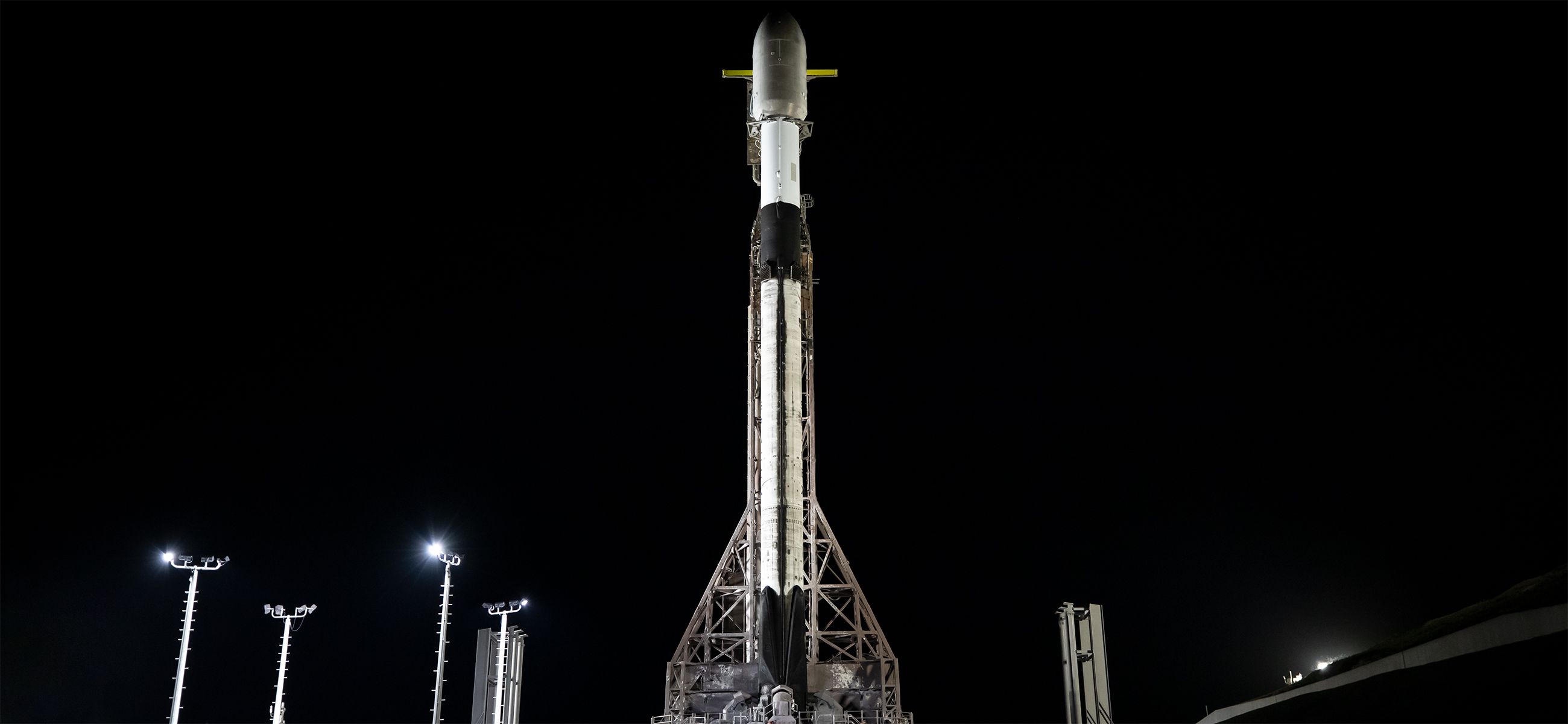
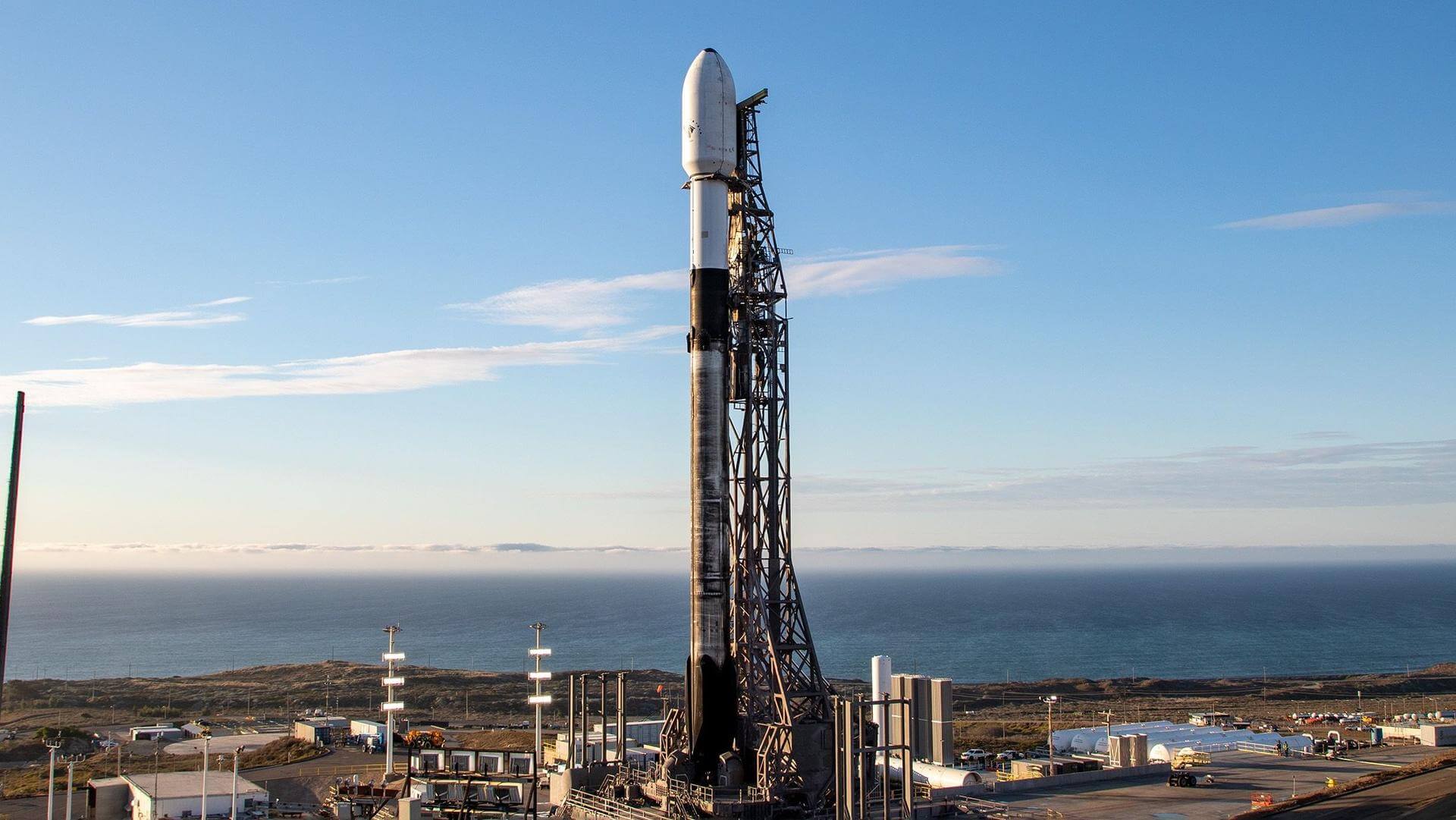
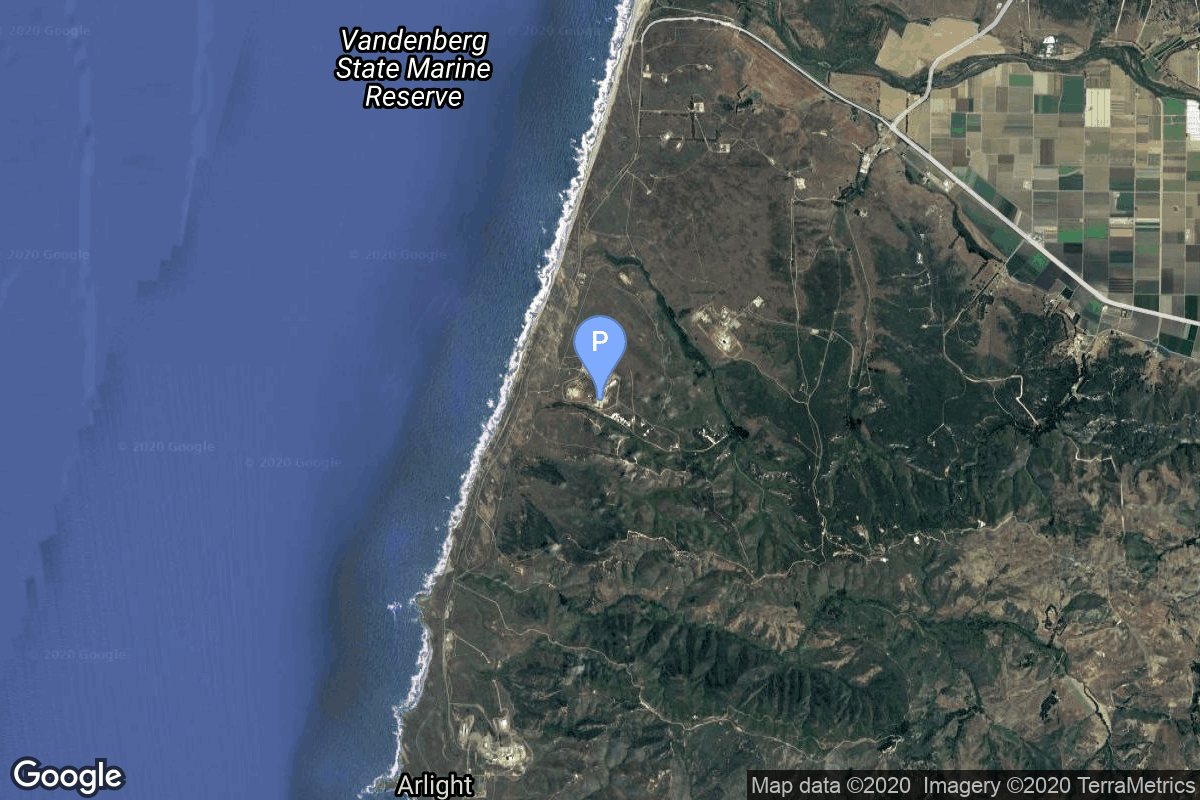
On Sunday, May 3, a SpaceX Falcon-9 rocket launched from Vandenberg Space Force Base in California, carrying 13 European satellites to orbit in a significant boost for Earth observation and disaster management across Europe.
The mission deployed seven Hawk for Earth Observation (HEO) satellites for Italy’s IRIDE programme, bringing the constellation to 31 satellites in total. The new additions expand Italy’s capacity to monitor coastal and maritime areas, land use, and emergency response operations. Developed by Argotec and funded through Italy’s National Recovery and Resilience Plan, IRIDE represents a major step toward European autonomy in high-resolution Earth observation.
Greece also received a substantial capability upgrade: four Hellenic Fire System satellites designed to detect and track wildfires — described by the European Space Agency as a world first for this type of national satellite capability. These complement two CubeSats, Helios and Selene, which are testing advanced optical communications links in orbit, equipped with compact CubeCAT laser terminals capable of downlink speeds up to 1 Gbps. Together, these missions exemplify how European cooperation and investment in space infrastructure strengthen member states’ resilience and technological sovereignty.
Provider: SpaceX Date: May 6, 2026 Time: 2:00 AM UTC Vehicle: Falcon 9
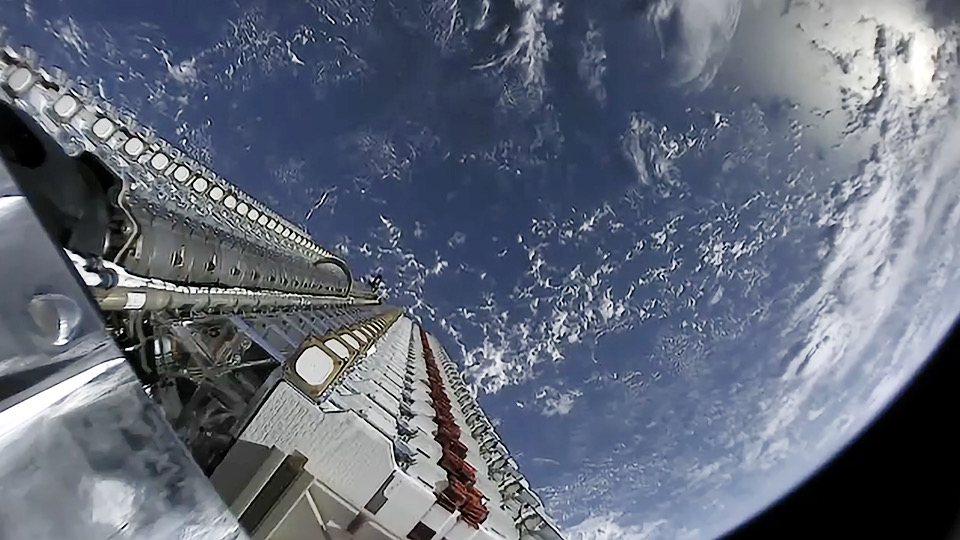
A batch of 24 satellites for the Starlink mega-constellation – SpaceX’s project for space-based Internet communication system.
Starlink Group 17-37
Provider: SpaceX Date: May 9, 2026 Time: 2:00 PM UTC Vehicle: Falcon 9
A batch of 24 satellites for the Starlink mega-constellation – SpaceX’s project for space-based Internet communication system.
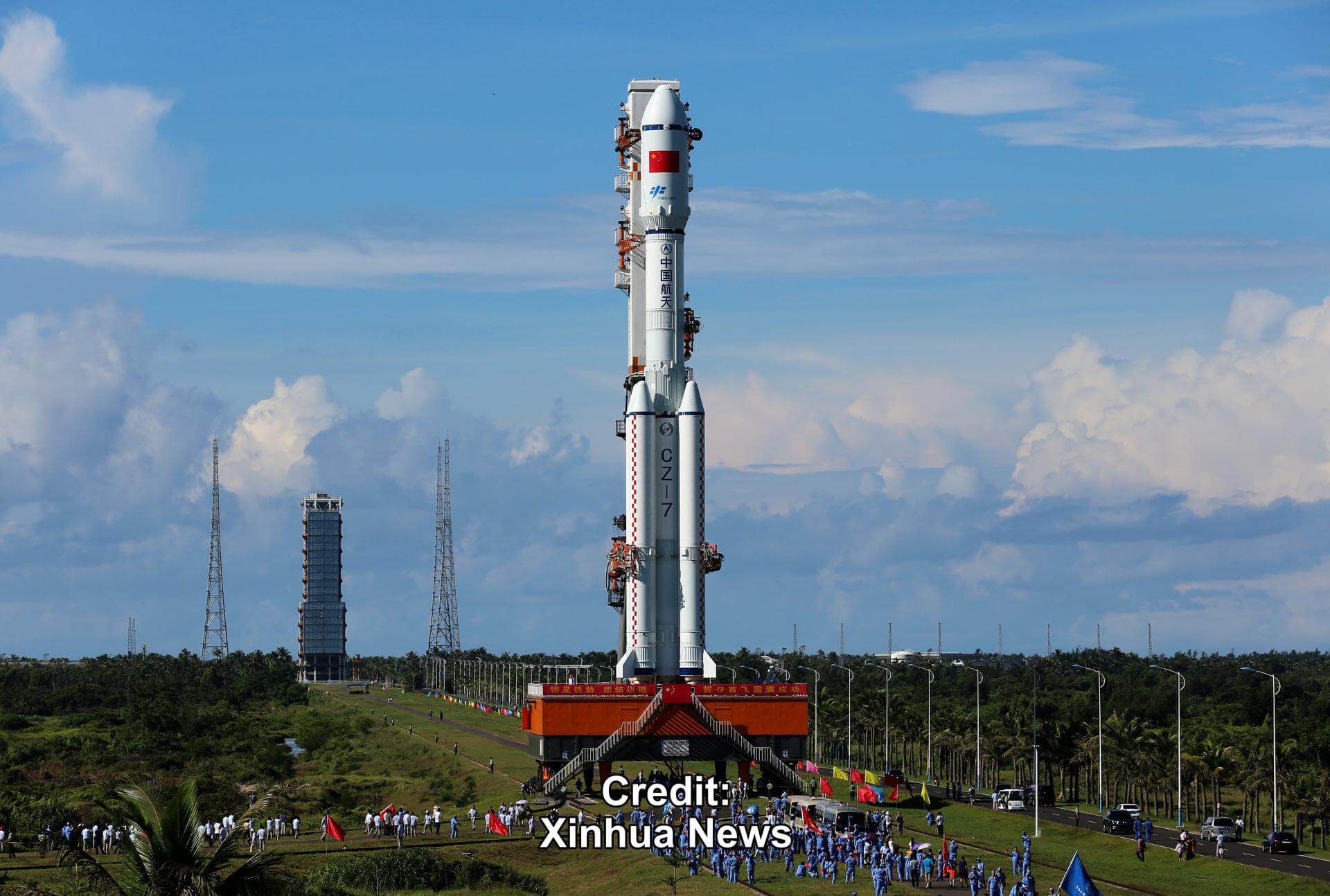
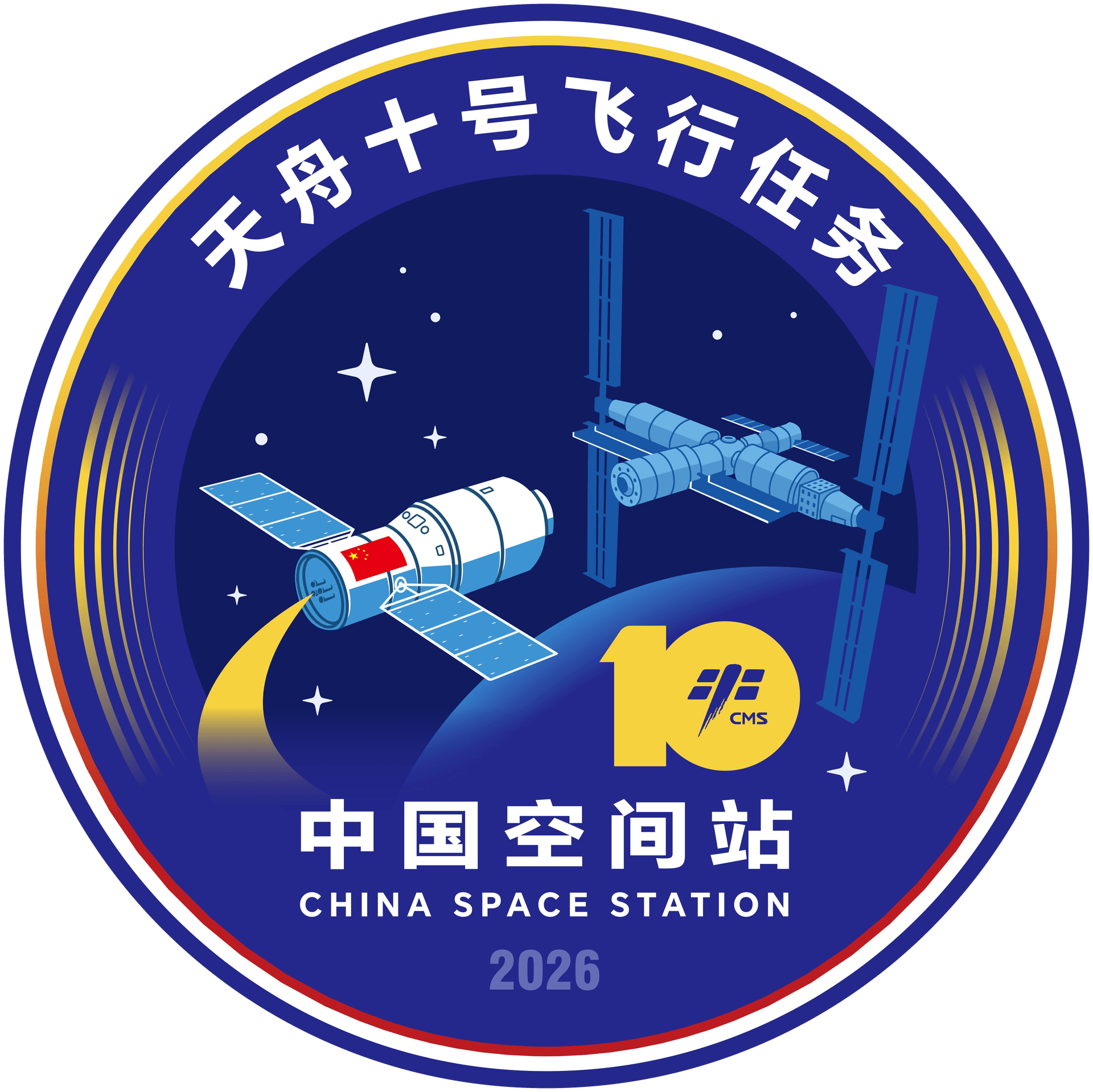
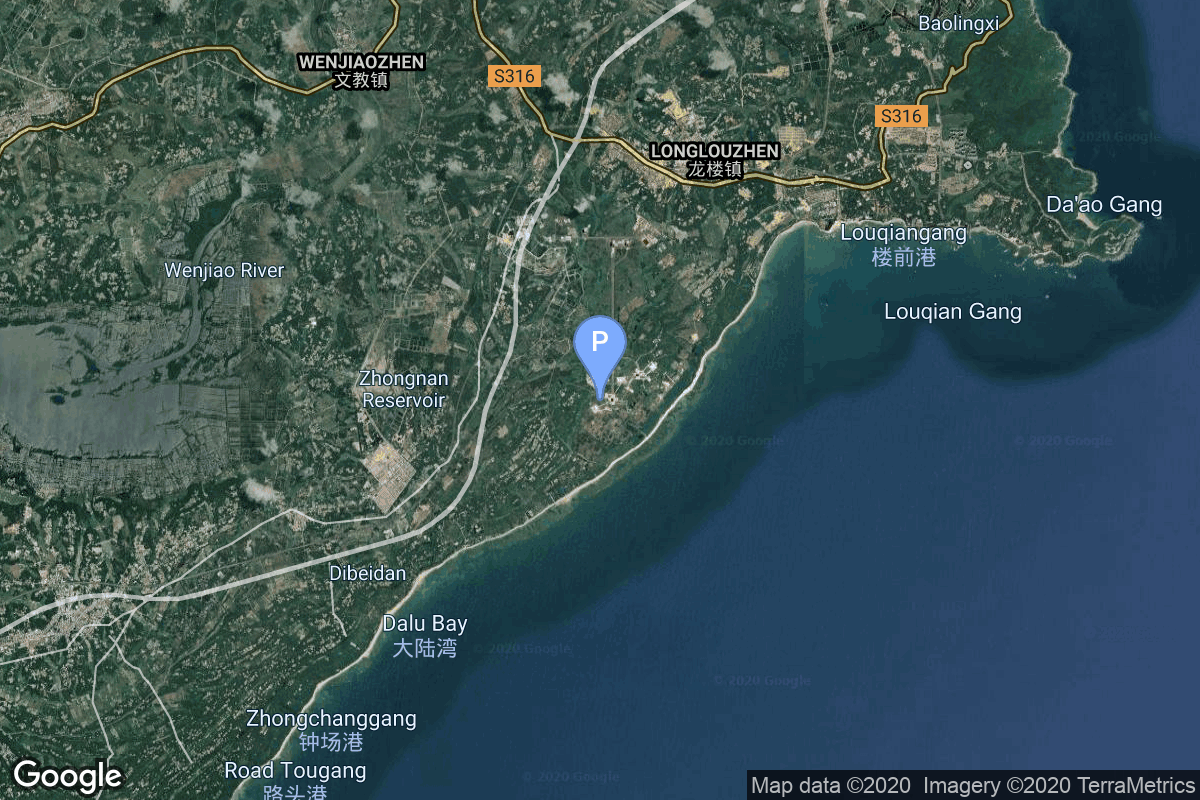
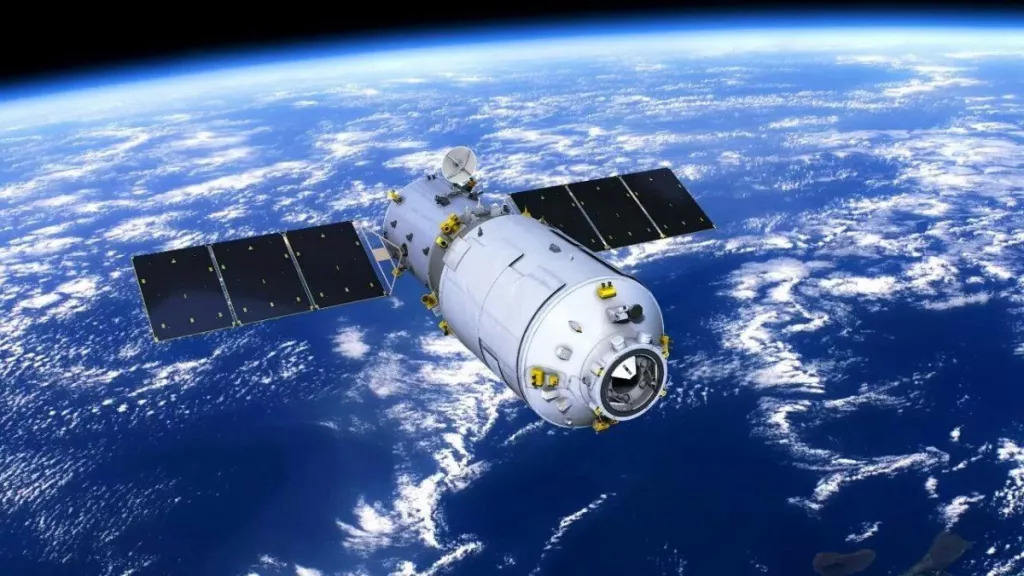
Tianzhou-10
Provider: China Aerospace Science and Technology Corporation Date: May 9, 2026 Time: 10:00 PM UTC Vehicle: Long March 7
Ninth cargo delivery mission to the Chinese space station.
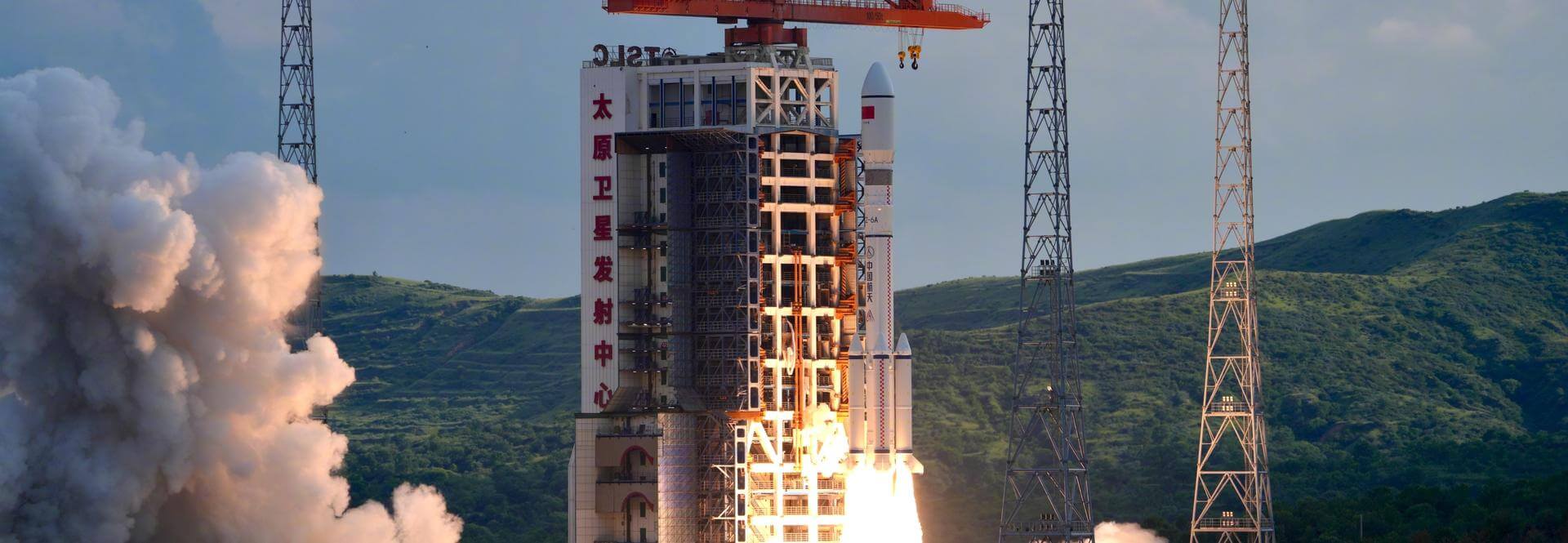
Unknown Payload
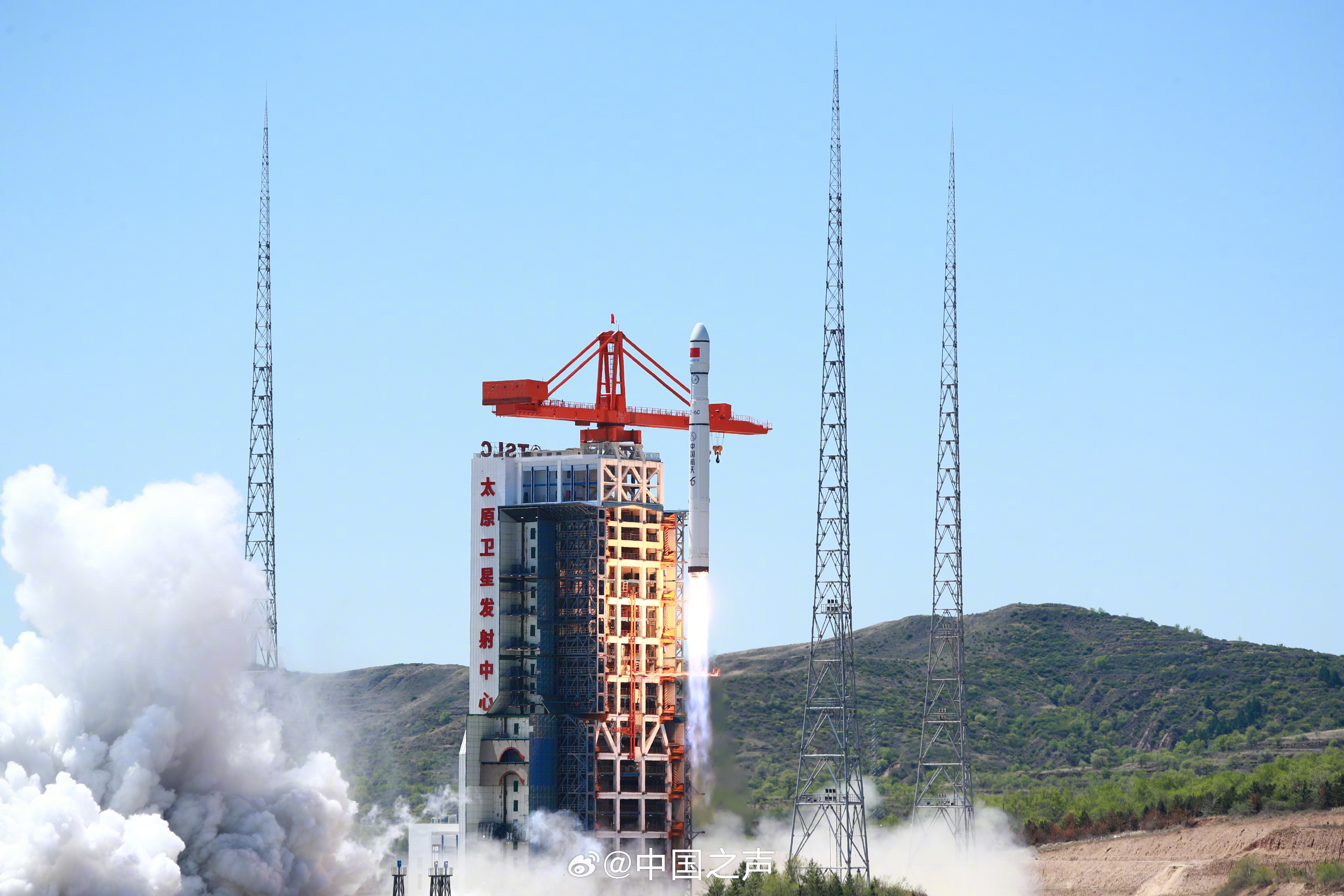
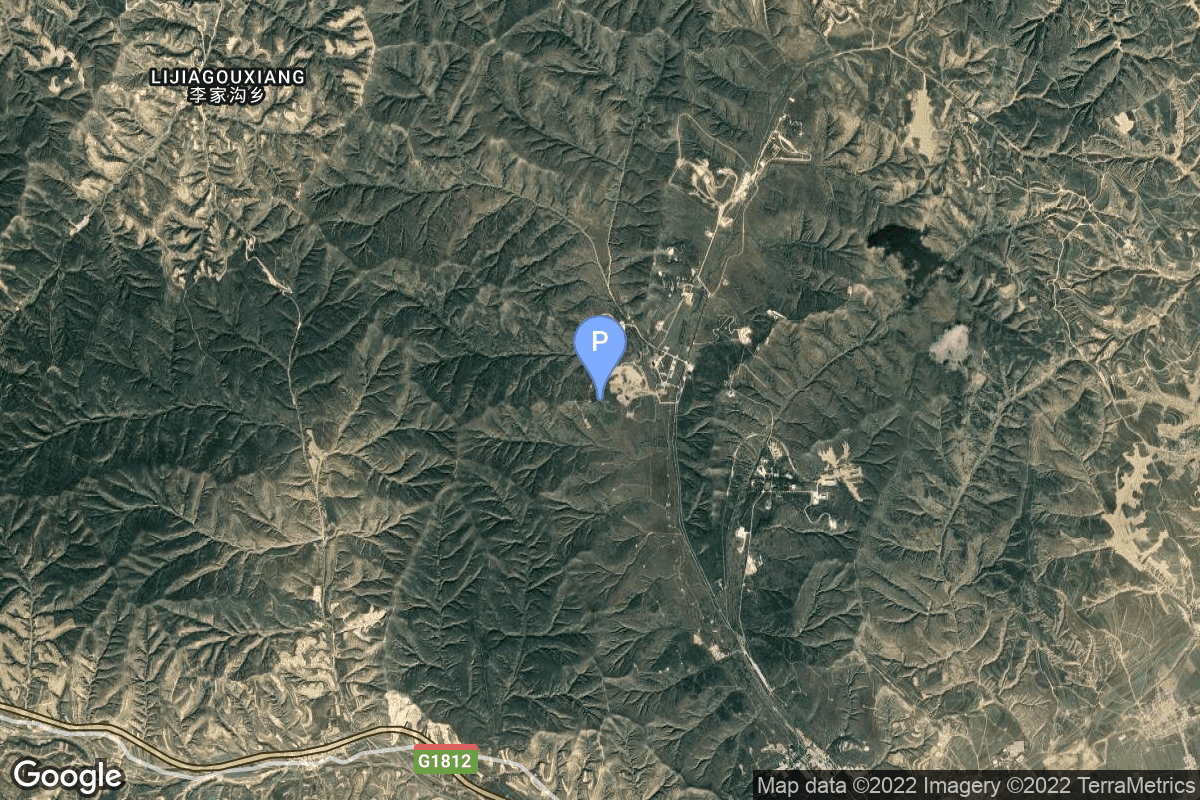
Provider: China Aerospace Science and Technology Corporation Date: May 12, 2026 Time: 11:55 AM UTC Vehicle: Long March 6A
Details TBD.
NROL-172
Provider: SpaceX Date: May 12, 2026 Time: 10:15 PM UTC Vehicle: Falcon 9
Thirteenth batch of satellites for a reconnaissance satellite constellation built by SpaceX and Northrop Grumman for the National Reconnaissance Office to provide imaging and other reconnaissance capabilities.
Starlink Group 17-29 ×
Mission Details
TypeCommunications
OrbitLow Earth Orbit
TargetEarth
A batch of 24 satellites for the Starlink mega-constellation – SpaceX’s project for space-based Internet communication system.
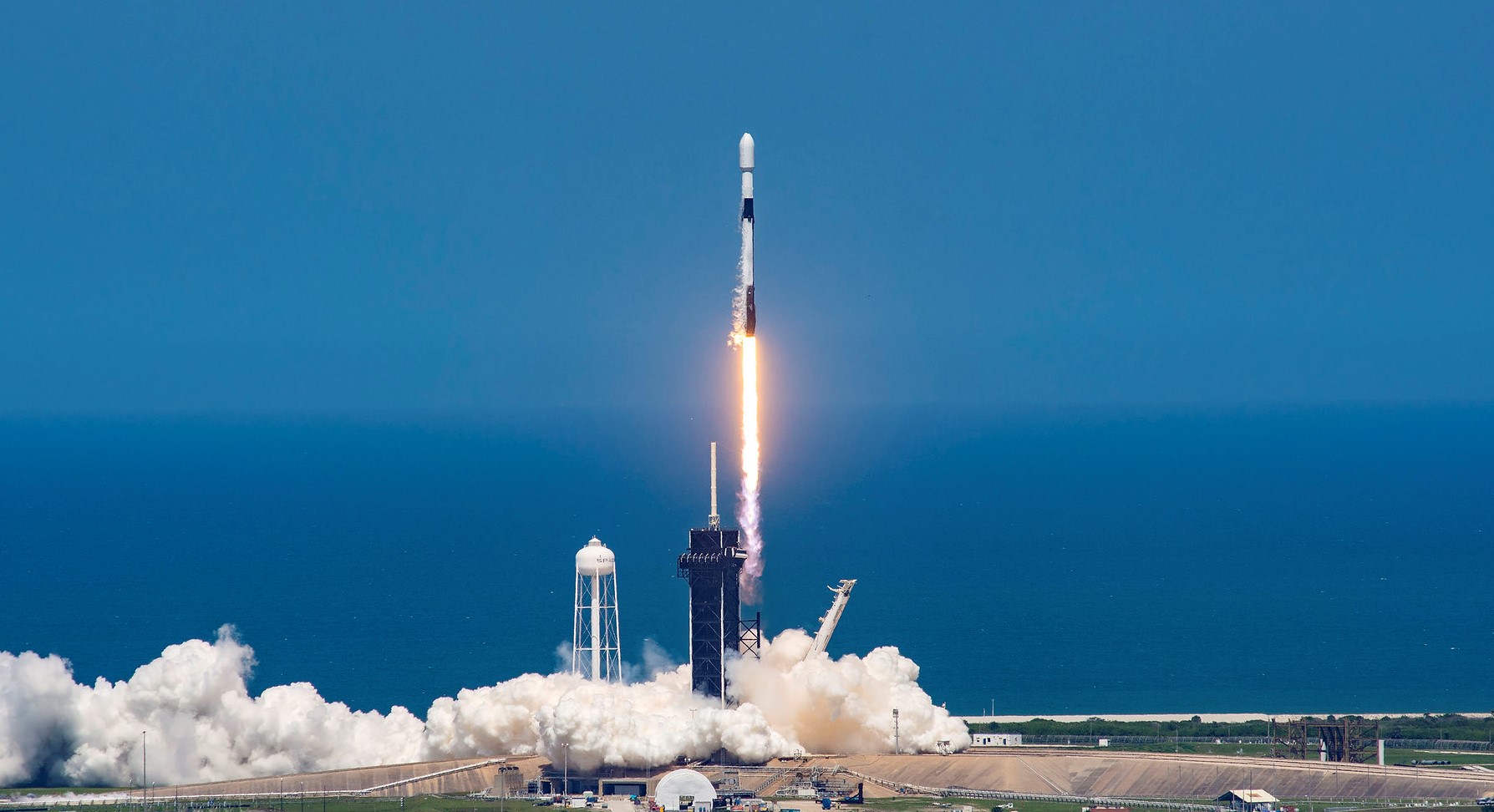
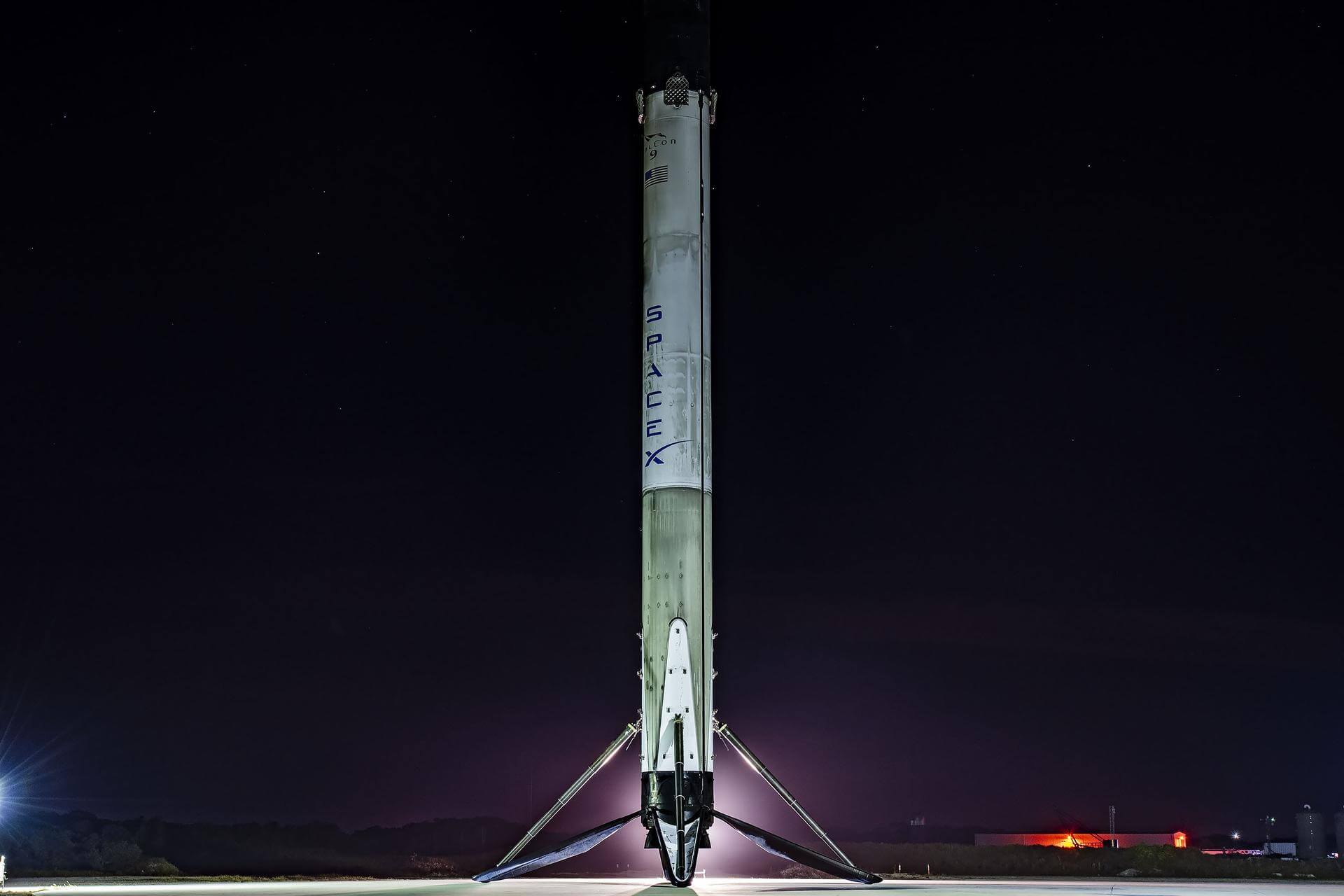
Falcon 9 is a two-stage rocket designed and manufactured by SpaceX for the reliable and safe transport of satellites and the Dragon spacecraft into orbit. The Block 5 variant is the fifth major interval aimed at improving upon the ability for rapid reusability.
Falcon 9 is a two-stage rocket designed and manufactured by SpaceX for the reliable and safe transport of satellites and the Dragon spacecraft into orbit. The Block 5 variant is the fifth major interval aimed at improving upon the ability for rapid reusability.
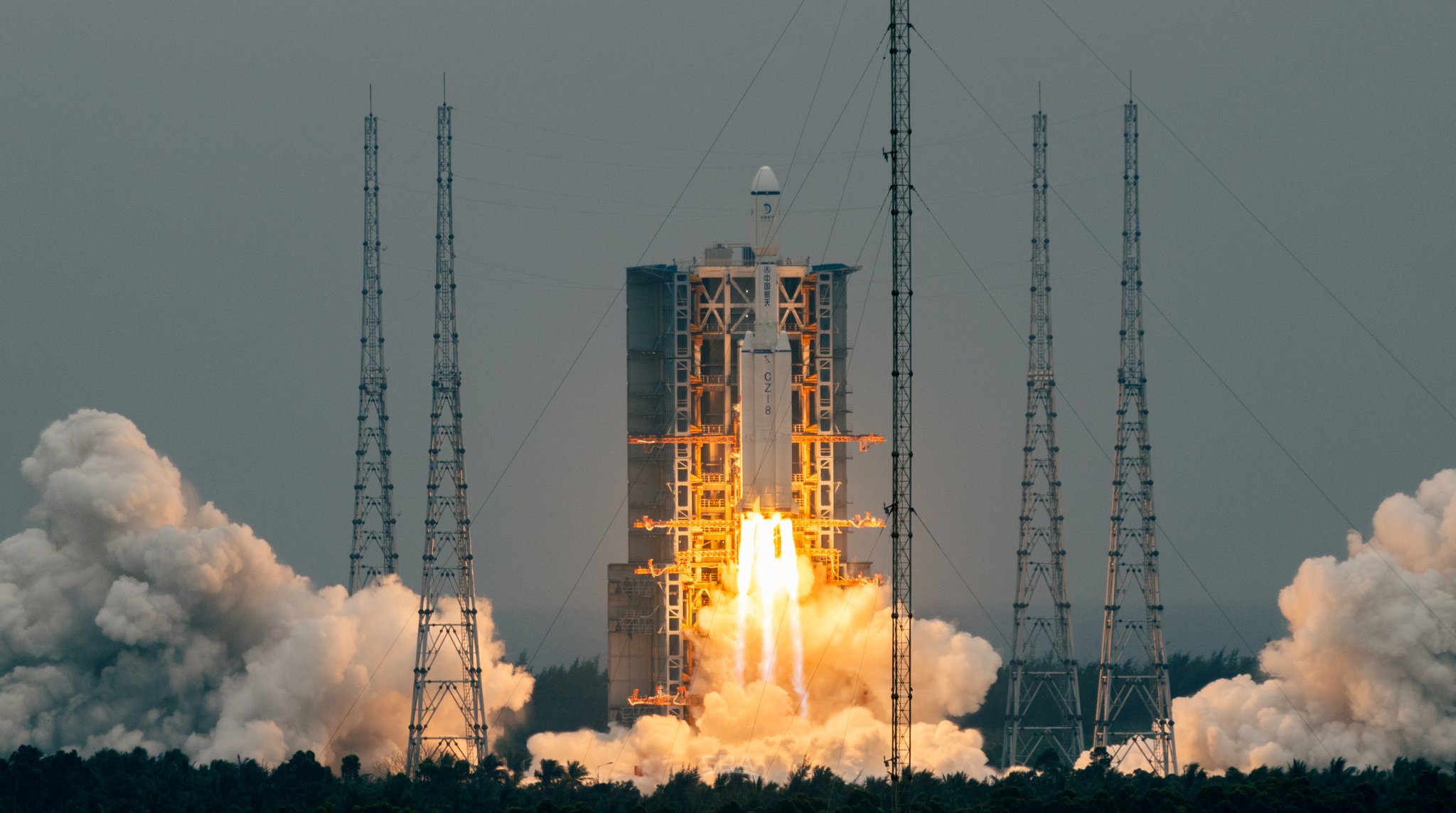
The Long March 7 is a Chinese liquid-fuelled launch vehicle of the Long March family, developed by the China Aerospace Science and Technology Corporation (CAST). It made its inaugural flight on 25 June 2016 and is used to launch Tianzhou resupply spacecraft to the Chinese Space Station.
The Tianzhou is a Chinese automated cargo spacecraft that was first launched on April 20, 2017 to resupply Tiangong-1. It demonstrated autonomous propellant transfer in orbit.
Capability
Cargo Earth Orbit Logistics
Details
Autonomous cargo spacecraft used to resupply the Chinese Space Station.
Flight Life
180 days in orbit
Manufacturer: China Aerospace Science and Technology Corporation (CASC)
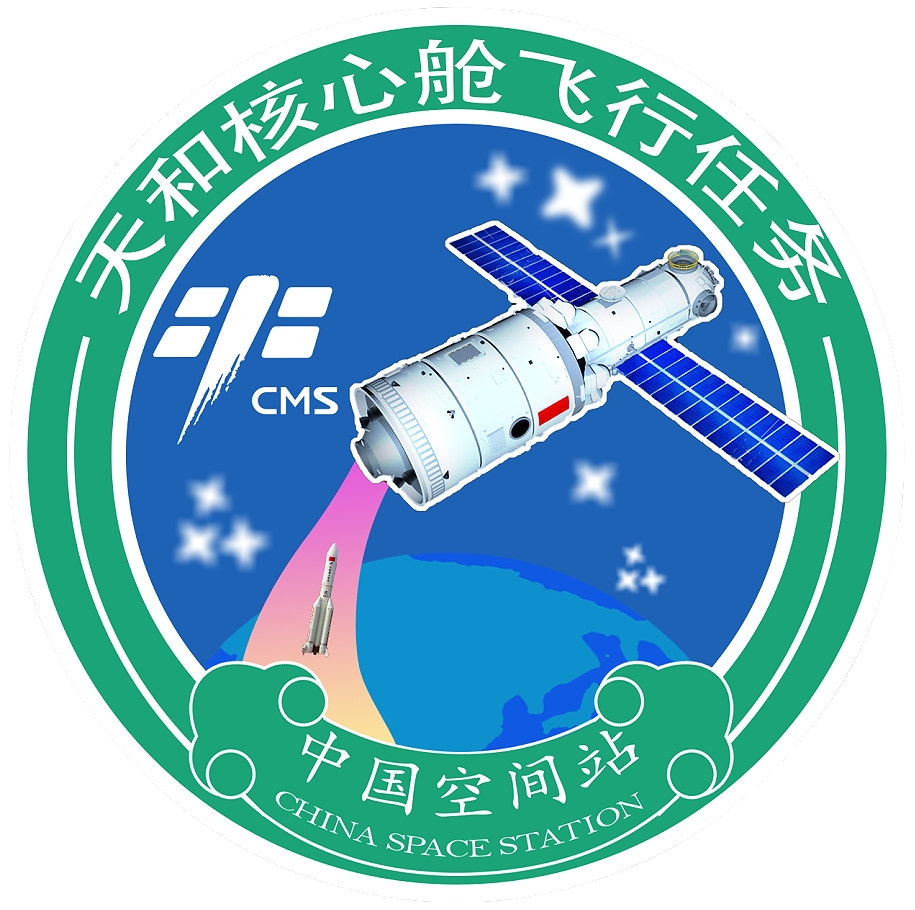
The Long March 6A is a Chinese launch vehicle of the Long March family, which was developed by the China Aerospace Science and Technology Corporation (CASC) and the Shanghai Academy of Spaceflight Technology (SAST). The vehicle is a further development of the Long March 6, with 2 YF-100 engines on…
Thirteenth batch of satellites for a reconnaissance satellite constellation built by SpaceX and Northrop Grumman for the National Reconnaissance Office to provide imaging and other reconnaissance capabilities.
Agencies Involved
• National Reconnaissance Office (Government)
Launch Provider: SpaceX
Commercial • United States of America • Founded 2002
Falcon 9 is a two-stage rocket designed and manufactured by SpaceX for the reliable and safe transport of satellites and the Dragon spacecraft into orbit. The Block 5 variant is the fifth major interval aimed at improving upon the ability for rapid reusability.
Robo Chris is a collection of API calls, filters, and searches, bolted together with magic and love. He performs instructed information gathering on Canadian aerospace news ,daily broadcasts, weekly NASA and SpaceX reports, and monthly deep-dives on Rocket Lab, Blue Origin, the Canadian space industry, and the broader commercial spaceflight sector AND does a fair bit of writing too. Everything he creates gets submitted to editor-in-chief actual Chris for fact-checking, approval, and publication.