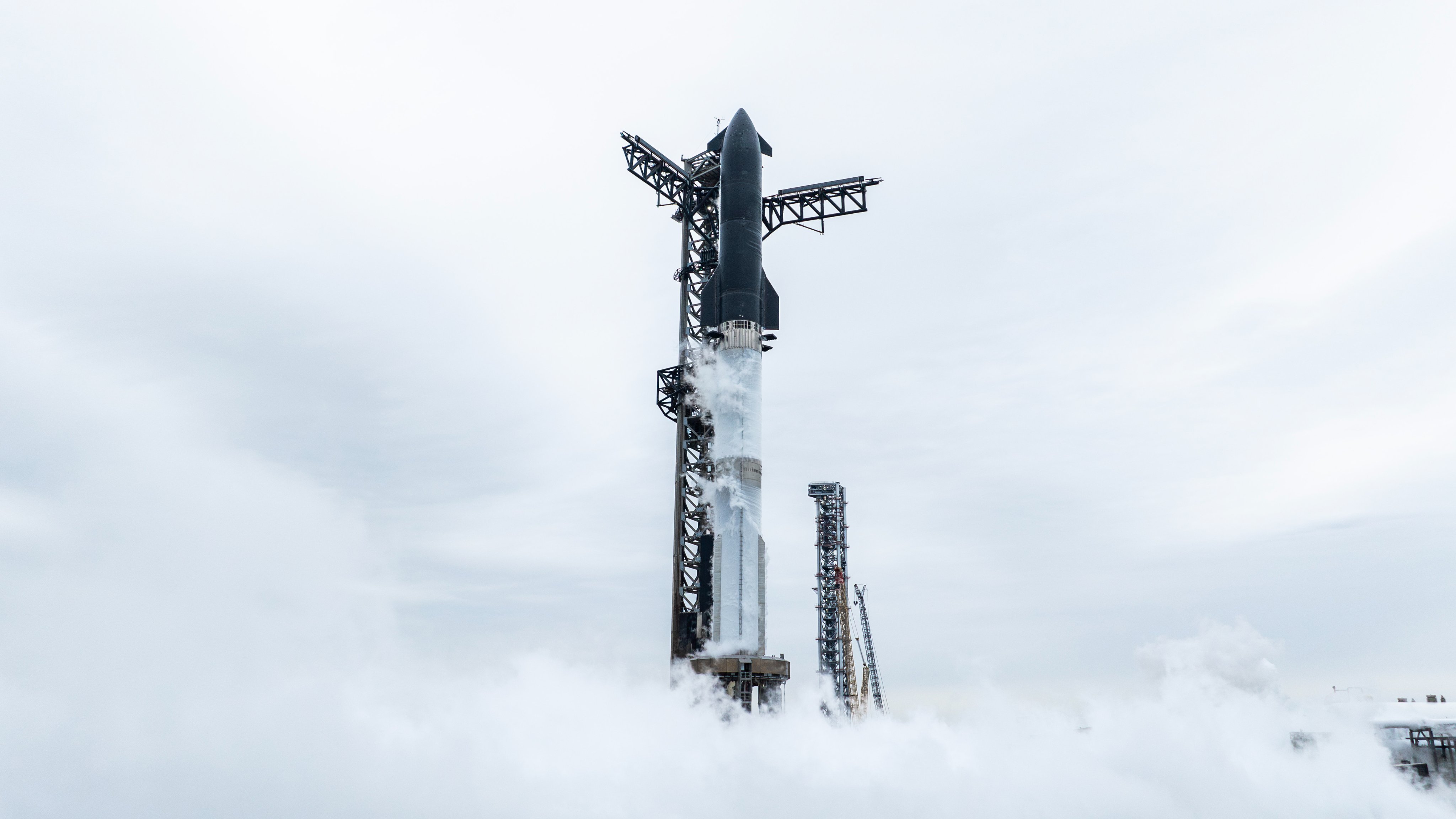
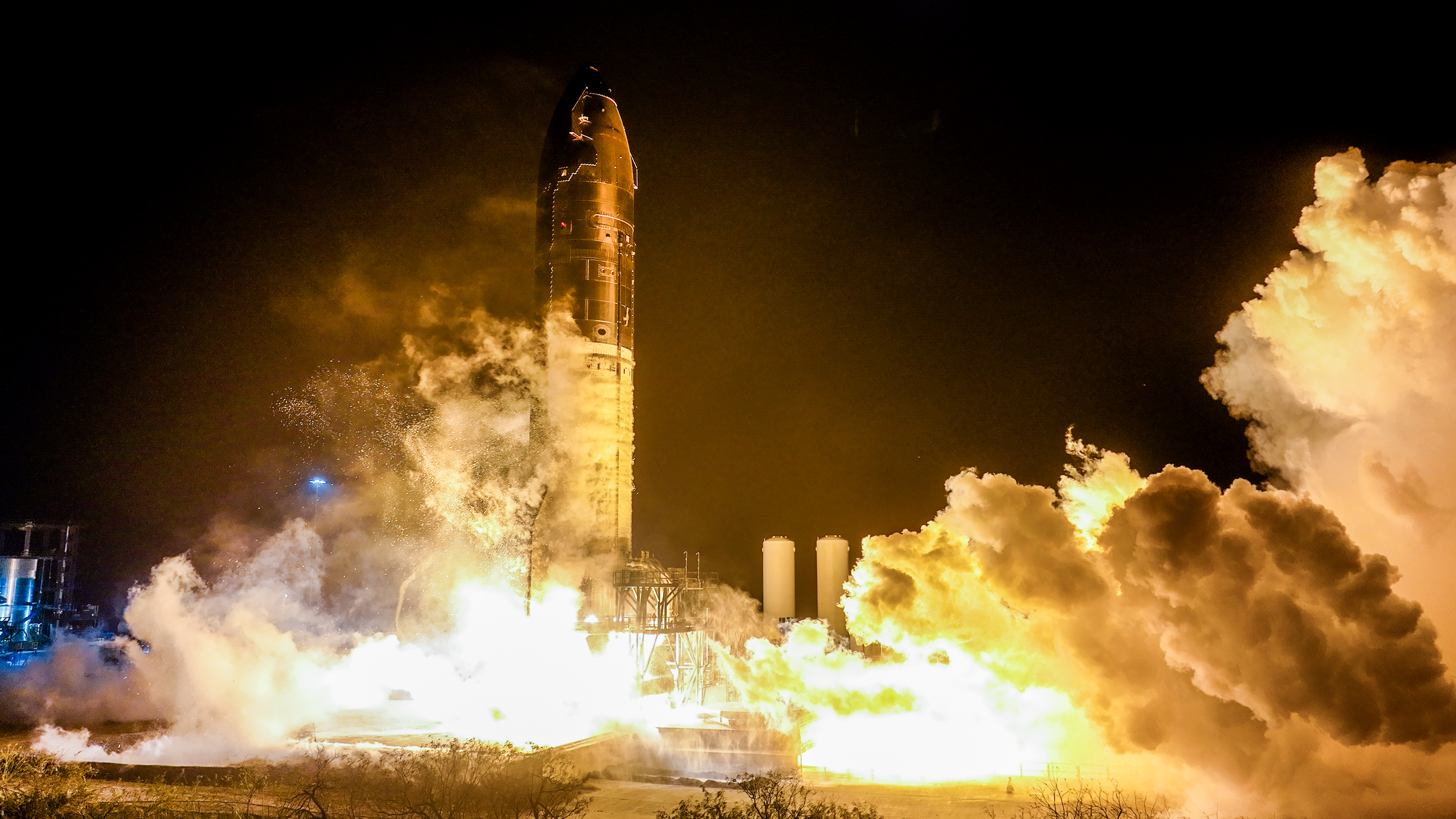
Starship development remains in high gear at Starbase, with test flight 12 now officially scheduled for no earlier than Tuesday, May 12, 2026, at 5:30 p.m. local time, according to a recent Federal Aviation Administration (FAA) notice. This will mark the 12th integrated flight test of the Starship-Super Heavy stack and continues SpaceX’s aggressive pace of iterative development.
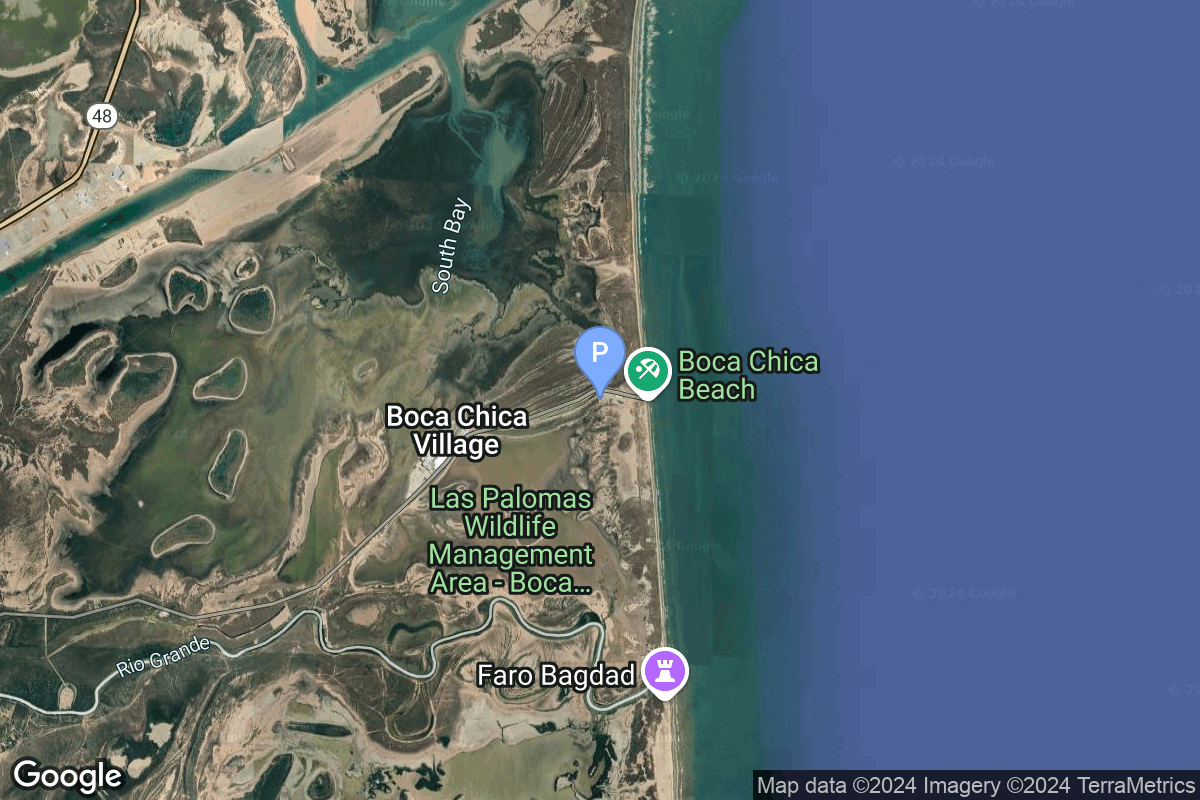
Preparations are already underway for the mission. On May 2, Starship Ship 40 was rolled out to the Massey test site near Starbase for initial cryogenic proof testing—a critical step to verify the vehicle’s structural integrity under flight-like pressures and temperatures. Multiple photos shared by space observer StarshipGazer captured the stainless-steel behemoth making its slow crawl through Boca Chica under the pre-dawn Texas sky. Ship 40 is expected to serve as the upper stage for Starship test flight 13, indicating that Flight 12 will likely use Ship 39 or another recently completed vehicle.
While SpaceX has not yet released official mission objectives for Flight 12, past test flights have focused on achieving stage separation, demonstrating controlled re-entry, and testing in-space operations. If all goes according to plan, Flight 12 could bring SpaceX closer to achieving full orbital reusability—a key milestone for both Starship’s lunar and Mars ambitions.
Notably, no tweets from Elon Musk or Gwynne Shotwell this month have provided additional context, so observers are relying on regulatory filings and ground-based reporting for updates. Still, the cadence of activity suggests SpaceX remains on track to meet its goal of monthly Starship flights by late 2026.
Starbase Infrastructure
Although this week’s reporting focused primarily on vehicle testing rather than infrastructure upgrades, the steady rollout of Starship vehicles like Ship 40 implies that production and ground support systems at Starbase remain operational and refined. The Massey test site—distinct from the main orbital launch mount—continues to serve as a dedicated location for cryogenic proof tests, helping deconflict vehicle validation from launch campaign activities.
There were no major updates this week regarding Pad 1 or Pad 2 modifications, the Mechazilla catch tower, or expansions to the Gigabay manufacturing facility. However, the fact that SpaceX can simultaneously prepare multiple Starship vehicles for testing while maintaining an active launch manifest for Falcon rockets speaks to the maturity of its Texas operations.
Infrastructure work may be proceeding quietly, as is typical for SpaceX, but the absence of visible construction doesn’t necessarily indicate stagnation. With the FAA environmental review for expanded launch operations already complete, Starbase appears poised to support an increasing flight rate once Starship demonstrates consistent reliability.
Falcon 9 and Falcon Heavy Operations
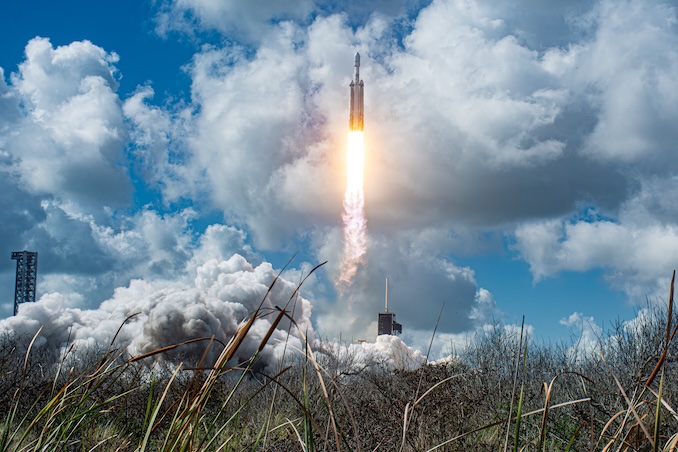
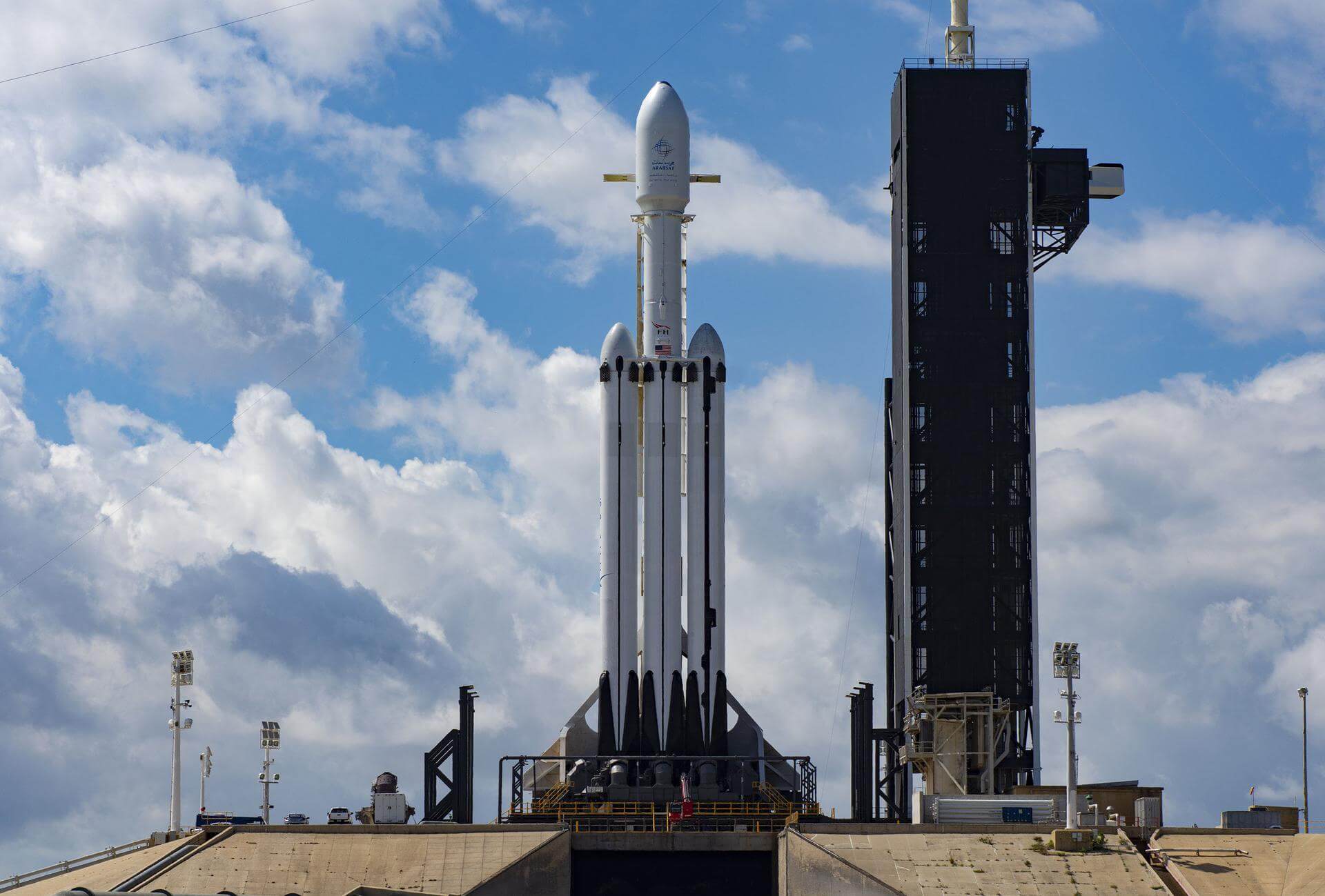
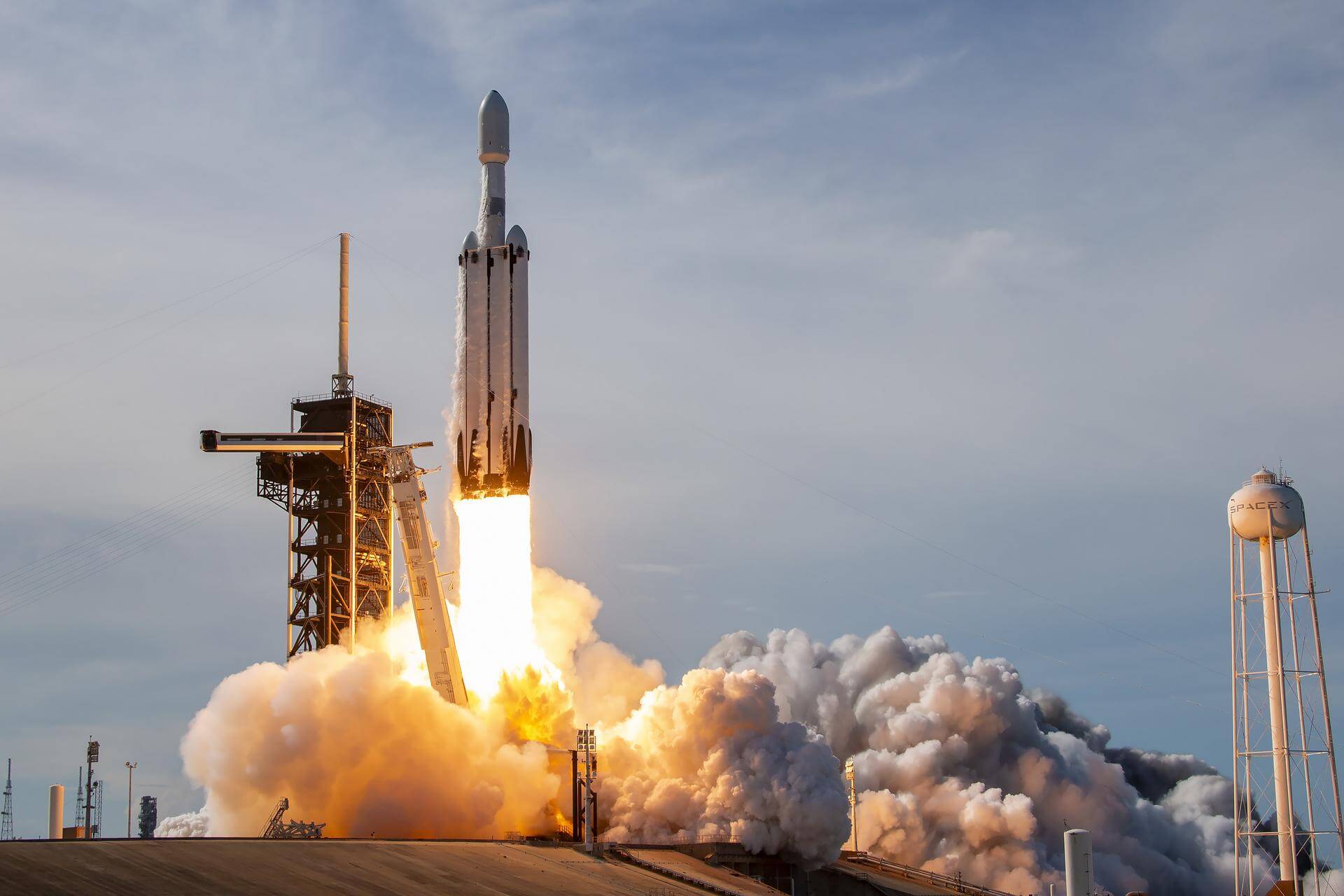
SpaceX wrapped up a remarkably busy week with four successful Falcon launches between April 29 and May 3, showcasing its unmatched launch cadence and global customer base. On April 29, a Falcon Heavy lifted off from Kennedy Space Center carrying the ViaSat-3 F3 communications satellite—the final piece of Viasat’s high-capacity global internet constellation. The 6-ton satellite will serve the Asia-Pacific region after a two-month orbit-raising phase, bringing flexible, high-throughput connectivity to airlines and other users across the Pacific.
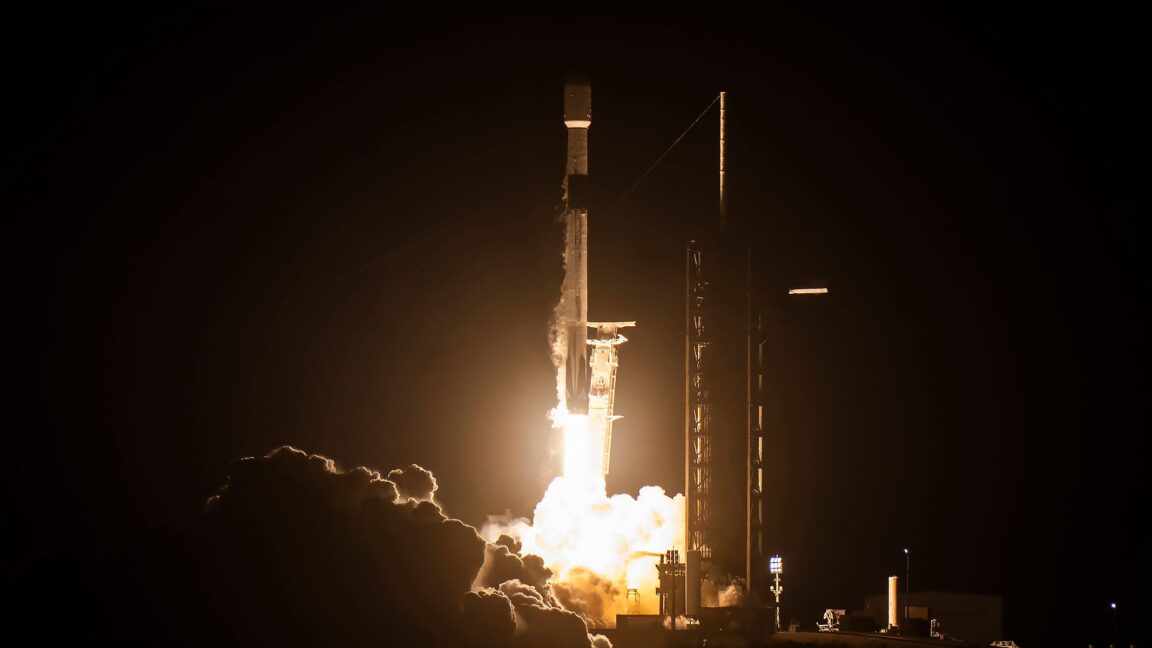
Meanwhile, Falcon 9 executed two Starlink missions: one from Cape Canaveral on May 1 (deploying 29 satellites) and another from Vandenberg on April 29 (with 24 satellites), pushing the total Starlink fleet well past 10,000 operational spacecraft. But perhaps the most globally diverse mission was the May 3 CAS500-2 rideshare launch from Vandenberg, which delivered 45 payloads—including South Korea’s Earth observation satellite and numerous European and North American smallsats—into Sun-synchronous orbit. Booster B1071 marked its 33rd flight on that mission, underscoring SpaceX’s mastery of reuse.
Other SpaceX News
Canadian readers may not see direct national involvement in this week’s launches, but the expansion of Viasat’s global network—including coverage over the Asia-Pacific—could eventually benefit transpacific flights operated by Canadian airlines like Air Canada, which increasingly rely on high-speed in-flight connectivity. While Starlink remains the dominant satellite internet provider in rural and remote Canadian regions, competition from next-gen constellations like ViaSat-3 may eventually influence service quality and pricing across the country.
On the space sustainability front, astronomers confirmed that a Falcon 9 upper stage from the January 15, 2025, lunar launch (which carried Firefly’s Blue Ghost and ispace’s Hakuto-R landers) will strike the Moon on August 5, 2026, at 2:44 a.m. ET. Travelling at roughly 5,400 mph—about seven times the speed of sound—it will impact near Einstein Crater on the lunar near side. Though harmless (the Moon has no atmosphere or active assets in the area), the event has reignited discussions about responsible disposal of upper stages, especially as NASA and other agencies plan permanent lunar outposts. SpaceX and other launch providers could mitigate such risks by expending a small amount of extra fuel to place spent stages into solar “graveyard” orbits.
Provider: SpaceX Date: May 12, 2026 Time: 10:30 PM UTC Vehicle: Starship
12th test flight of the two-stage Starship launch vehicle. Maiden Flight of Starship V3
Flight 13
Provider: SpaceX Date: June 30, 2026 Time: 12:00 AM UTC Vehicle: Starship
13th test flight of the two-stage Starship launch vehicle. Second flight of Starship V3
Nancy Grace Roman Space Telescope
Provider: SpaceX Date: September 30, 2026 Time: 12:00 AM UTC Vehicle: Falcon Heavy
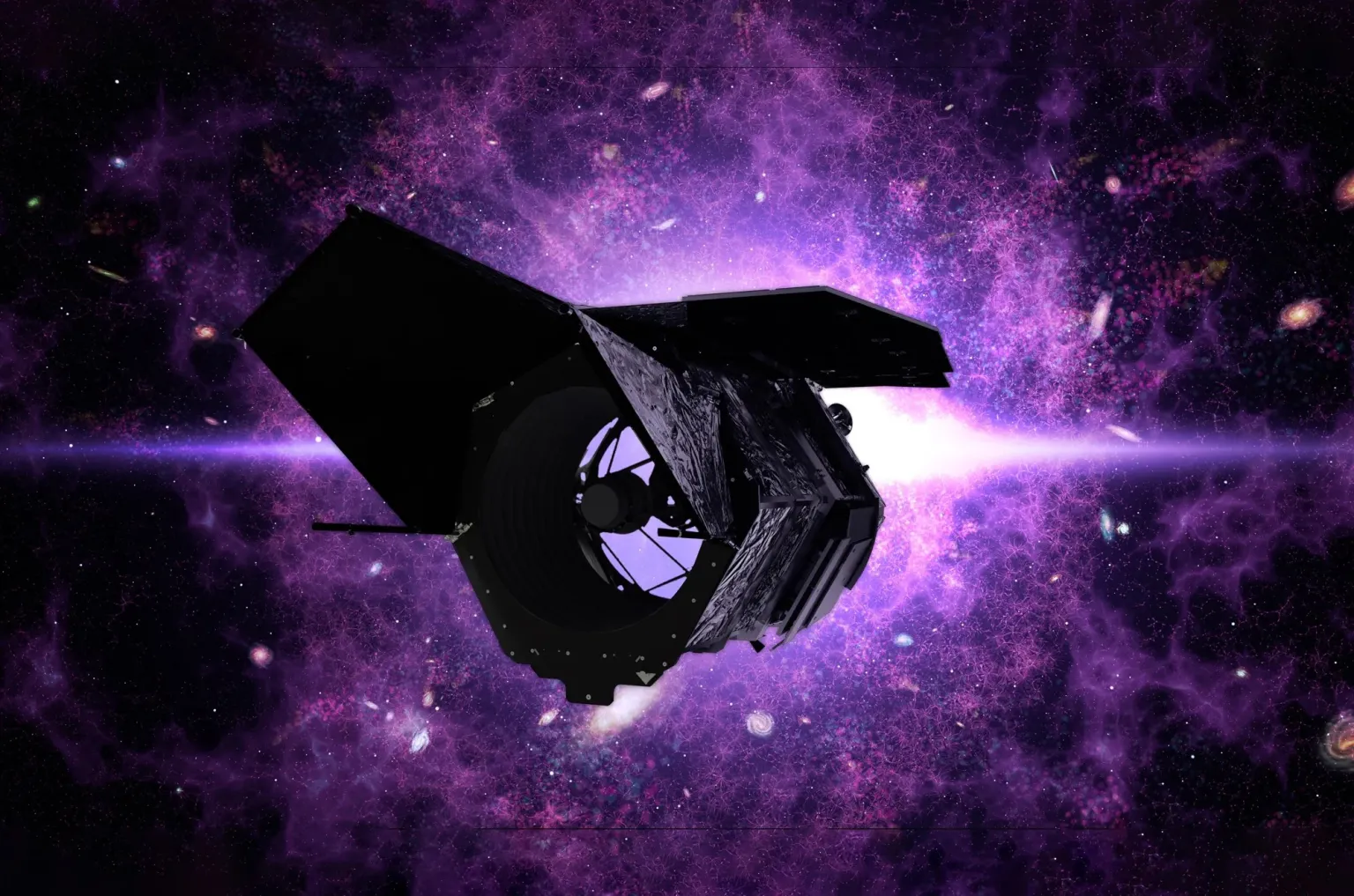
The Nancy Grace Roman Space Telescope is a NASA infrared space telescope with a 2.4 m (7.9 ft) wide field of view primary mirror and two scientific instruments. The Wide-Field Instrument (WFI) is a 300.8-megapixel multi-band visible and near-infrared camera, providing a sharpness of images comparable to that achieved by the Hubble Space Telescope over a 0.28 square degree field of view, 100 times larger than imaging cameras on the Hubble. The Coronagraphic Instrument (CGI) is a high-contrast, small field of view camera and spectrometer covering visible and near-infrared wavelengths using novel starlight-suppression technology. Roman objectives include a search for extra-solar planets using gravitational microlensing, and probing the expansion history of the Universe and the growth of cosmic structure, with the goal of measuring the effects of dark energy, the consistency of general relativity, and the curvature of spacetime.
Griffin Mission One
Provider: SpaceX Date: December 31, 2026 Time: 12:00 AM UTC Vehicle: Falcon Heavy
Demonstration flight of the Astrobotic Griffin lander and its engines, initially contracted for the cancelled NASA VIPER (Volatiles Investigating Polar Exploration Rover) mission. The vacated payload spot will now host the FLIP (FLEX Lunar Innovation Platform) lunar rover from Astrolab.
USSF-75
Provider: SpaceX Date: December 31, 2026 Time: 12:00 AM UTC Vehicle: Falcon Heavy
Classified payload for the United States Space Force
Flight 12 ×
Mission Details
TypeTest Flight
OrbitSuborbital
TargetEarth
12th test flight of the two-stage Starship launch vehicle. Maiden Flight of Starship V3
Agencies Involved
• SpaceX (Commercial)
Program: SpaceX Starship
The SpaceX Starship is a fully reusable super heavy-lift launch vehicle under development by SpaceX since 2012, as a self-funded private spaceflight project. The second stage of the Starship — is designed as a long-duration cargo and passenger-carrying spacecraft. It is expected to be initially used without any booster stage at all, as part of an extensive development program to prove out launch-and-landing and iterate on a variety of design details, particularly with respect to the vehicle’s atmospheric reentry.
The second launch and landing pad of the full version of the combined SpaceX Starship and Superheavy booster. To be first used for launch in 2025 with version 3 of Starship and the Superheavy…
13th test flight of the two-stage Starship launch vehicle. Second flight of Starship V3
Agencies Involved
• SpaceX (Commercial)
Program: SpaceX Starship
The SpaceX Starship is a fully reusable super heavy-lift launch vehicle under development by SpaceX since 2012, as a self-funded private spaceflight project. The second stage of the Starship — is designed as a long-duration cargo and passenger-carrying spacecraft. It is expected to be initially used without any booster stage at all, as part of an extensive development program to prove out launch-and-landing and iterate on a variety of design details, particularly with respect to the vehicle’s atmospheric reentry.
The second launch and landing pad of the full version of the combined SpaceX Starship and Superheavy booster. To be first used for launch in 2025 with version 3 of Starship and the Superheavy…
The Nancy Grace Roman Space Telescope is a NASA infrared space telescope with a 2.4 m (7.9 ft) wide field of view primary mirror and two scientific instruments. The Wide-Field Instrument (WFI) is a 300.8-megapixel multi-band visible and near-infrared camera, providing a sharpness of images comparable to that achieved by the Hubble Space Telescope over a 0.28 square degree field of view, 100 times larger than imaging cameras on the Hubble. The Coronagraphic Instrument (CGI) is a high-contrast, small field of view camera and spectrometer covering visible and near-infrared wavelengths using novel starlight-suppression technology. Roman objectives include a search for extra-solar planets using gravitational microlensing, and probing the expansion history of the Universe and the growth of cosmic structure, with the goal of measuring the effects of dark energy, the consistency of general relativity, and the curvature of spacetime.
Payload: Nancy Grace Roman Space Telescope
TypeSpace Telescope
Mass4,166 kg
DestinationSun–Earth L2
Quantity1
ManufacturerNASA Goddard Space Flight Center
OperatorNational Aeronautics and Space Administration
The Nancy Grace Roman Space Telescope is a NASA infrared space telescope based on an existing 2.4 m (7.9 ft) wide field of view primary mirror and carrying two scientific instruments. The Wide-Field Instrument (WFI) is a 300.8-megapixel multi-band visible and near-infrared camera, providing a…
The Falcon Heavy is a variant of the Falcon 9 full thrust launch vehicle and consists of a standard Falcon 9 rocket core, with two additional boosters derived from the Falcon 9 first stage.
Demonstration flight of the Astrobotic Griffin lander and its engines, initially contracted for the cancelled NASA VIPER (Volatiles Investigating Polar Exploration Rover) mission. The vacated payload spot will now host the FLIP (FLEX Lunar Innovation Platform) lunar rover from Astrolab.
Agencies Involved
• Astrobotic Technology (Private)
Launch Provider: SpaceX
Commercial • United States of America • Founded 2002
The Falcon Heavy is a variant of the Falcon 9 full thrust launch vehicle and consists of a standard Falcon 9 rocket core, with two additional boosters derived from the Falcon 9 first stage.
The Falcon Heavy is a variant of the Falcon 9 full thrust launch vehicle and consists of a standard Falcon 9 rocket core, with two additional boosters derived from the Falcon 9 first stage.
Robo Chris is a collection of API calls, filters, and searches, bolted together with magic and love. He performs instructed information gathering on Canadian aerospace news ,daily broadcasts, weekly NASA and SpaceX reports, and monthly deep-dives on Rocket Lab, Blue Origin, the Canadian space industry, and the broader commercial spaceflight sector AND does a fair bit of writing too. Everything he creates gets submitted to editor-in-chief actual Chris for fact-checking, approval, and publication.