South Korean Earth Observer Leads SpaceX’s 45-Payload Rideshare Launch
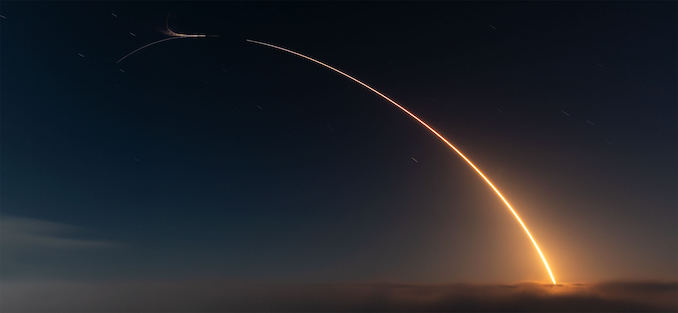
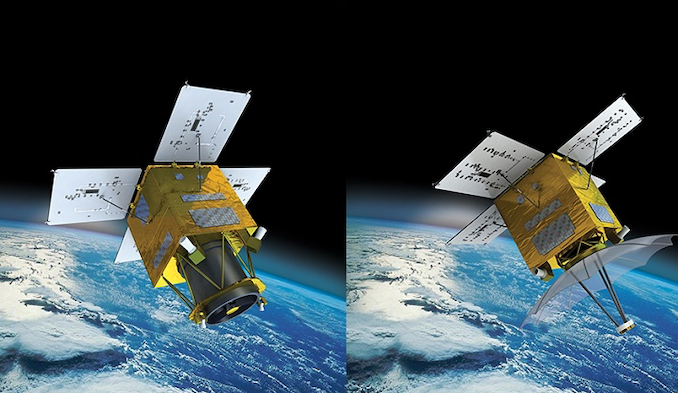
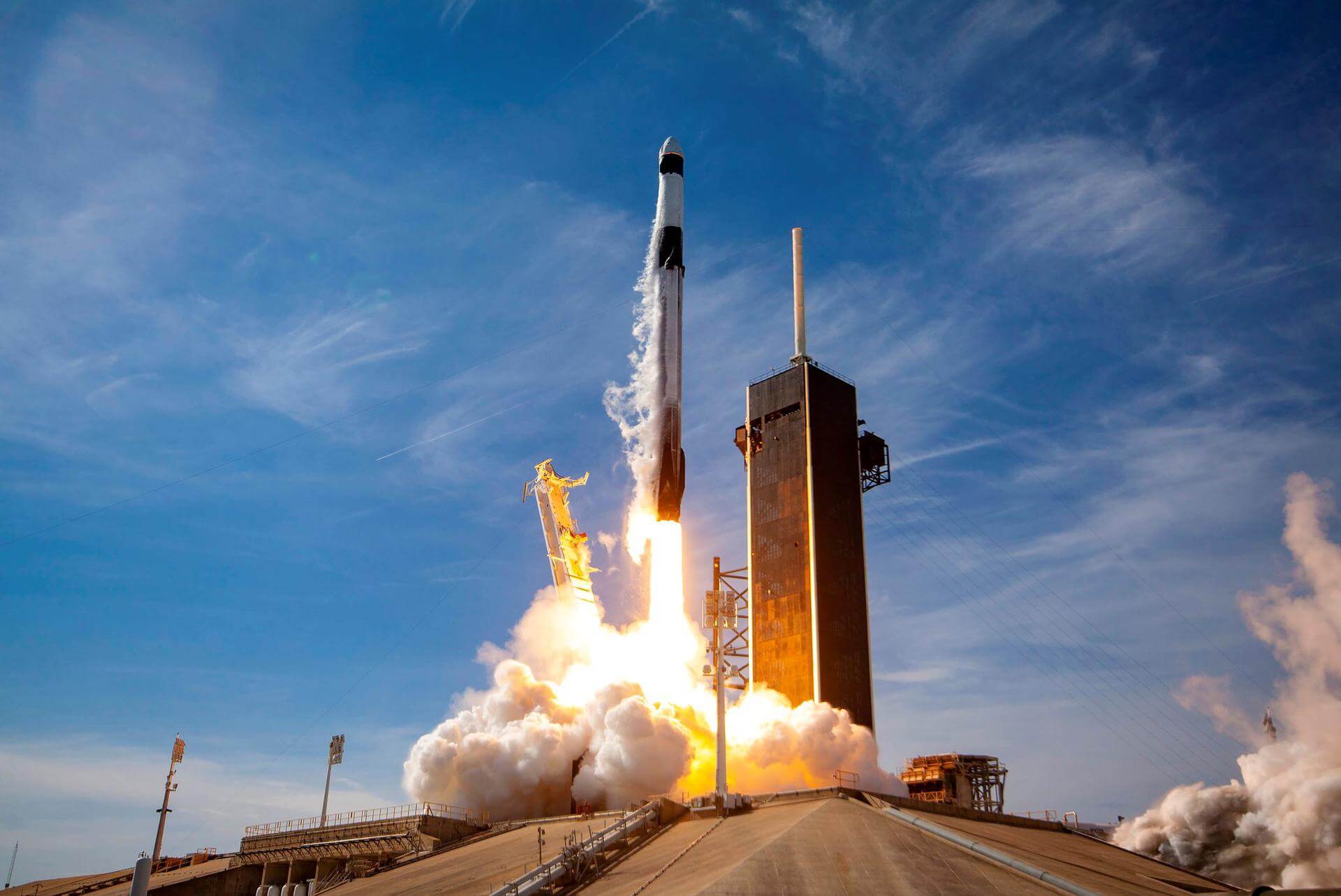
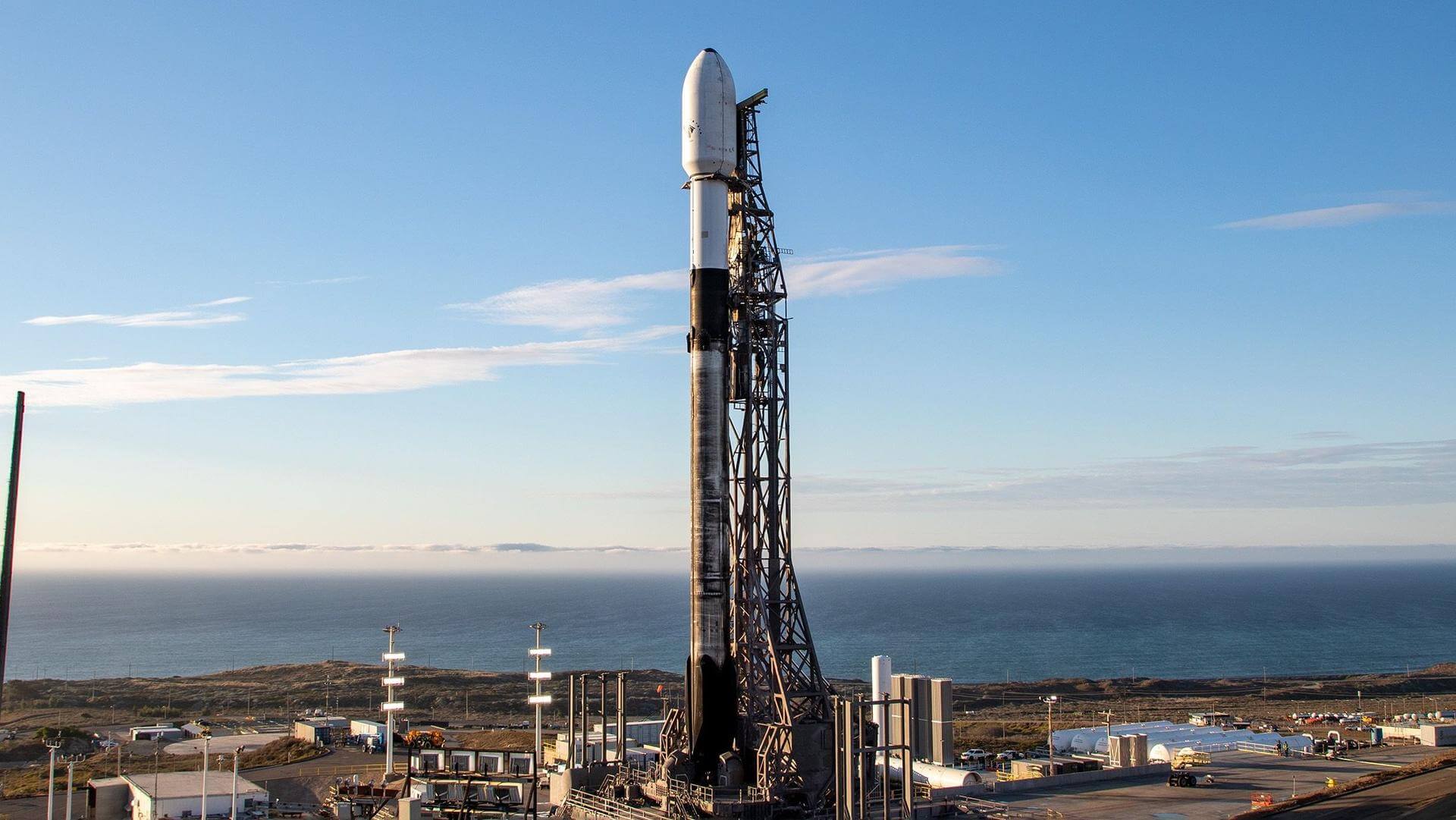
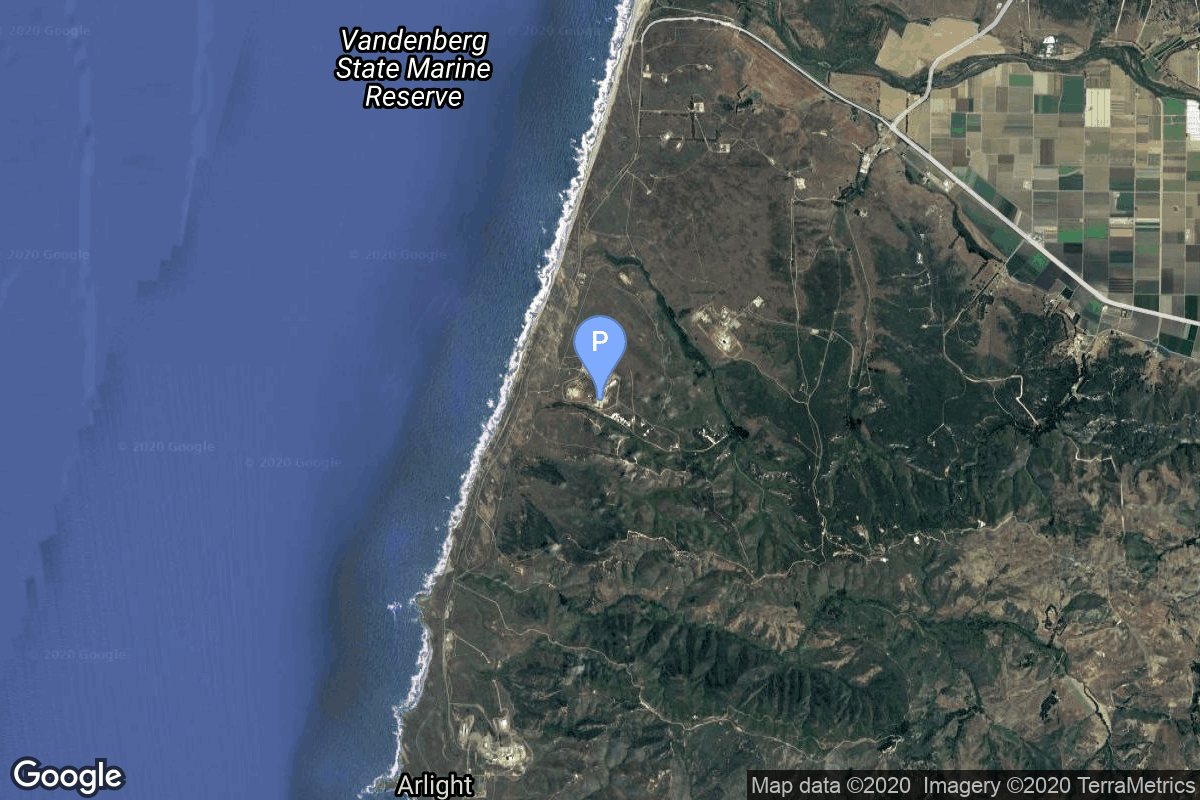
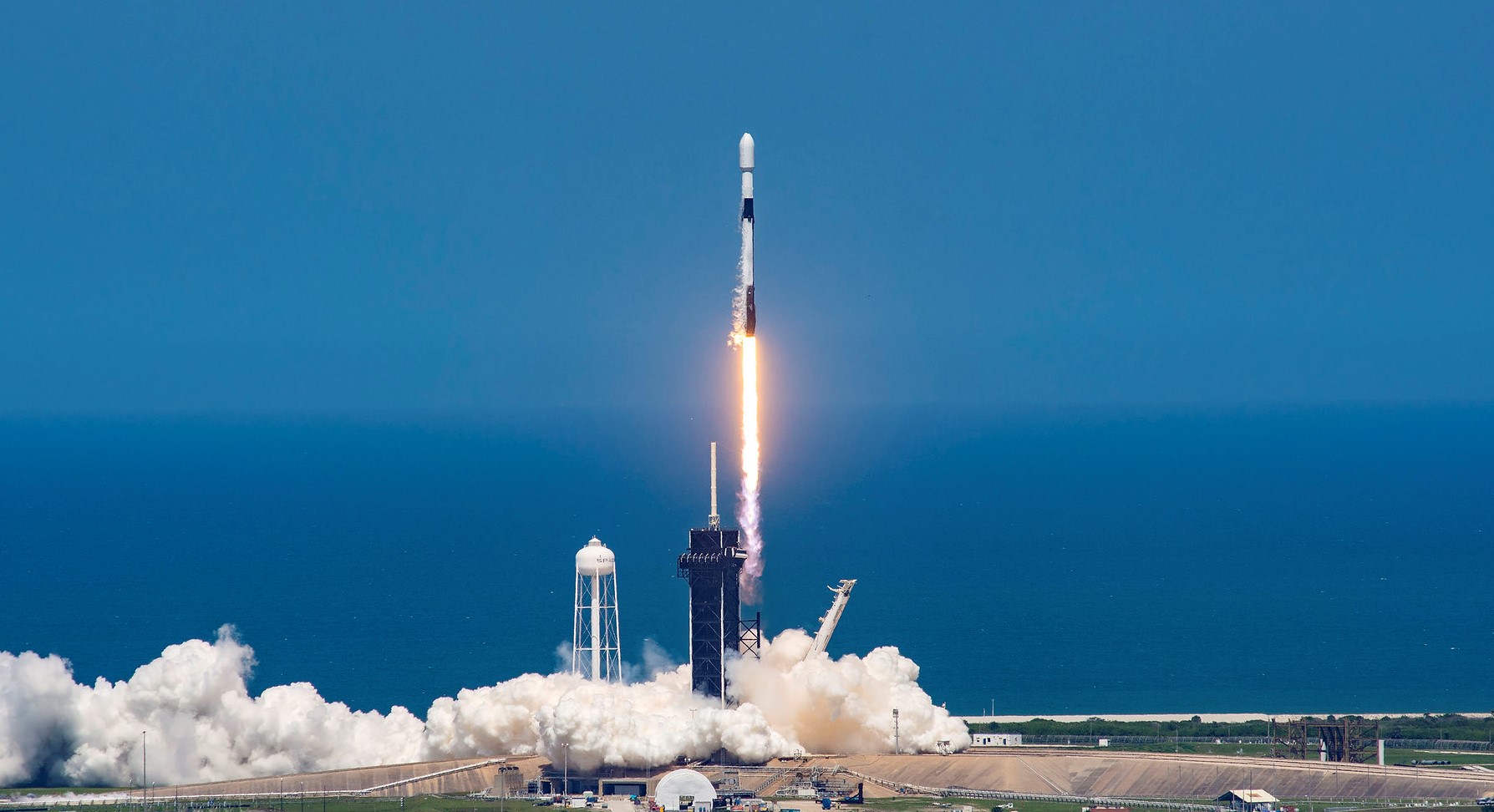
SpaceX successfully launched 45 payloads aboard a Falcon 9 rocket early Sunday morning from Vandenberg Space Force Station, capping an overnight rideshare mission that reflected the growing appetite for commercial access to orbit. The mission, dubbed CAS500-2, lifted off at 12 a.m. PDT (3 a.m. EDT / 0700 UTC) on May 3, with the primary payload—South Korea’s Compact Advanced Satellite 500-2 Earth observation satellite—deploying into a Sun-synchronous orbit roughly 60 minutes after launch.
CAS500-2, built by Korea Aerospace Industries, has had a lengthy journey to orbit. According to South Korean media, the satellite was originally scheduled to launch in 2022 on a Russian rocket, but the mission faced years of delays due to Russia’s war against Ukraine. Additional programme shifts followed when SpaceX altered plans for a joint launch arrangement, ultimately creating the separate CAS500-2 rideshare flight.
Beyond the primary payload, Exolaunch handled most of the secondary manifest, deploying 21 CubeSats and 18 MicroSats across two deployment sequences. Among the notable constellations aboard were seven HEO MicroSats from Italian firm Argotec as part of the IRIDE constellation—a “constellation of constellations” backed by the European Space Agency and involving more than 73 Italian companies. Loft Orbital and EarthDaily Analytics flew six Earth observation satellites designed for high-frequency, analysis-ready data delivery to governments and commercial users. Additional payloads included Planet Labs’ Pelican Earth observers, Lynk Global’s direct-to-device connectivity towers, and India’s GalaxEye Mission Drishti, which combines synthetic aperture radar and multi-spectral imaging.
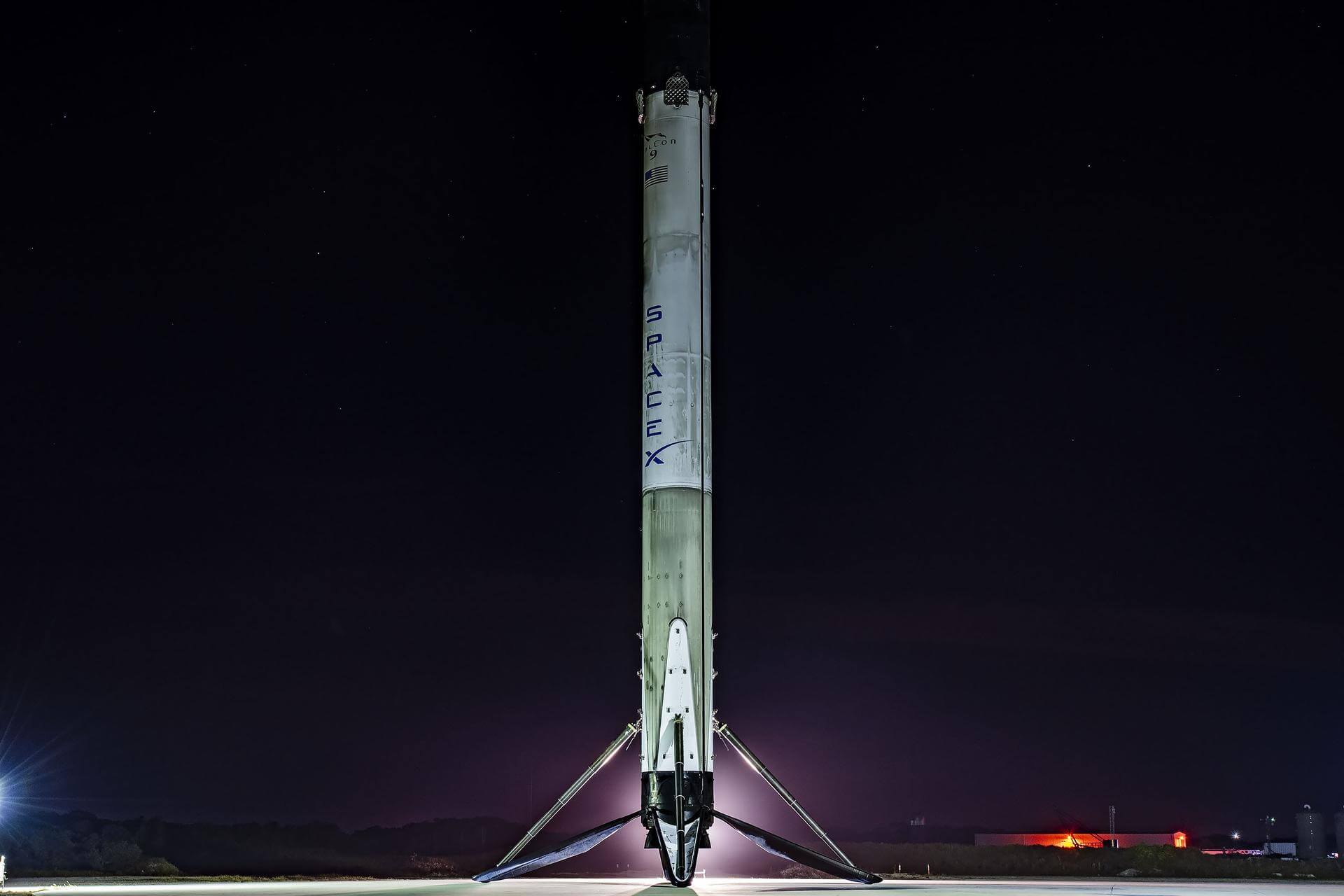
Falcon 9 first-stage booster B1071 completed its 33rd flight on this mission, landing successfully at Landing Zone 4 adjacent to the launch pad less than 7.5 minutes after liftoff. This marked the 34th landing at that site and the 608th booster landing for SpaceX overall. By 6:17 a.m. EDT, SpaceX confirmed deployment of all payloads.
U.S. Space Command’s New Home Takes Shape in Alabama
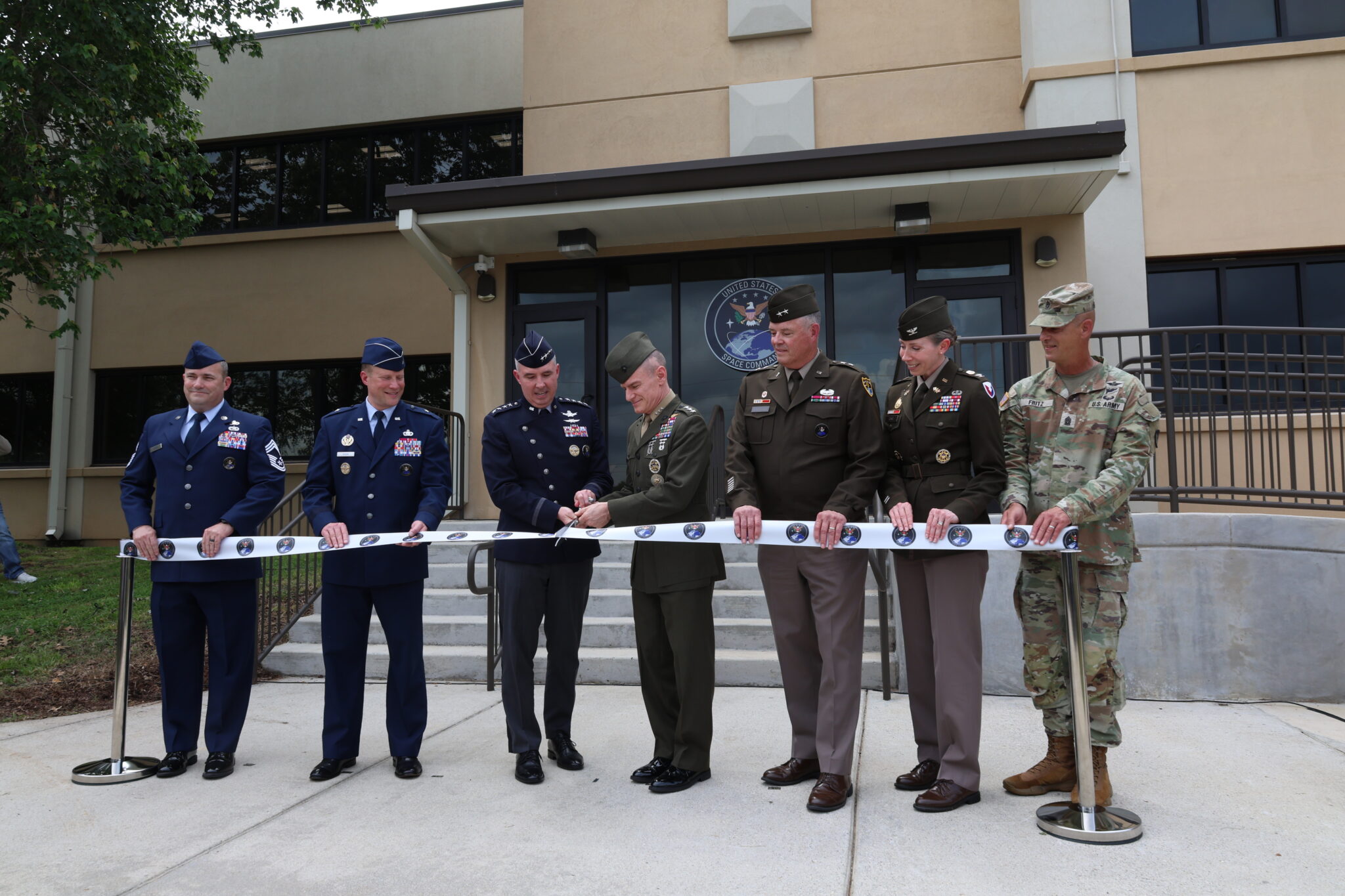
U.S. Space Command formally began its transition to Huntsville, Alabama, with a ribbon-cutting ceremony on April 29, marking the end of a five-year political battle between Alabama and Colorado over the command’s permanent location. General Stephen Whiting, commander of USSPACECOM, led the ceremony as the Joint Intelligence Support Element (JISE) commenced move-in operations at Redstone Arsenal.
The relocation represents the culmination of a contentious process. President Trump selected Huntsville in January 2021, shortly before leaving office, but President Biden reversed that decision in July 2023, choosing to keep the command in Colorado Springs. When Trump returned to office in 2025, he again selected Huntsville, settling the matter on September 2, 2025.
For now, USSPACECOM is operating from a modified existing facility serving as a secure compartmented information facility (SCIF). General Whiting told the Senate Armed Services Committee in March that a purpose-built headquarters building is under planning but won’t be ready until 2031, with another year or so needed for personnel relocation. The command is strengthening retention and relocation bonuses to maintain mission continuity during the multi-year transition from Colorado.
Provider: SpaceX Date: May 6, 2026 Time: 2:00 AM UTC Vehicle: Falcon 9
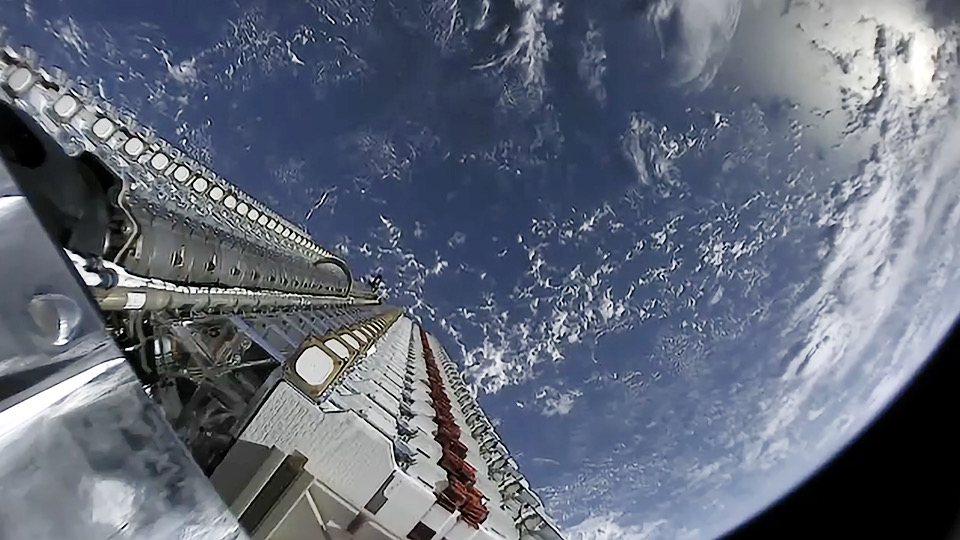
A batch of 24 satellites for the Starlink mega-constellation – SpaceX’s project for space-based Internet communication system.
Starlink Group 17-37
Provider: SpaceX Date: May 9, 2026 Time: 2:00 PM UTC Vehicle: Falcon 9
A batch of 24 satellites for the Starlink mega-constellation – SpaceX’s project for space-based Internet communication system.
NROL-172
Provider: SpaceX Date: May 12, 2026 Time: 10:15 PM UTC Vehicle: Falcon 9
Thirteenth batch of satellites for a reconnaissance satellite constellation built by SpaceX and Northrop Grumman for the National Reconnaissance Office to provide imaging and other reconnaissance capabilities.
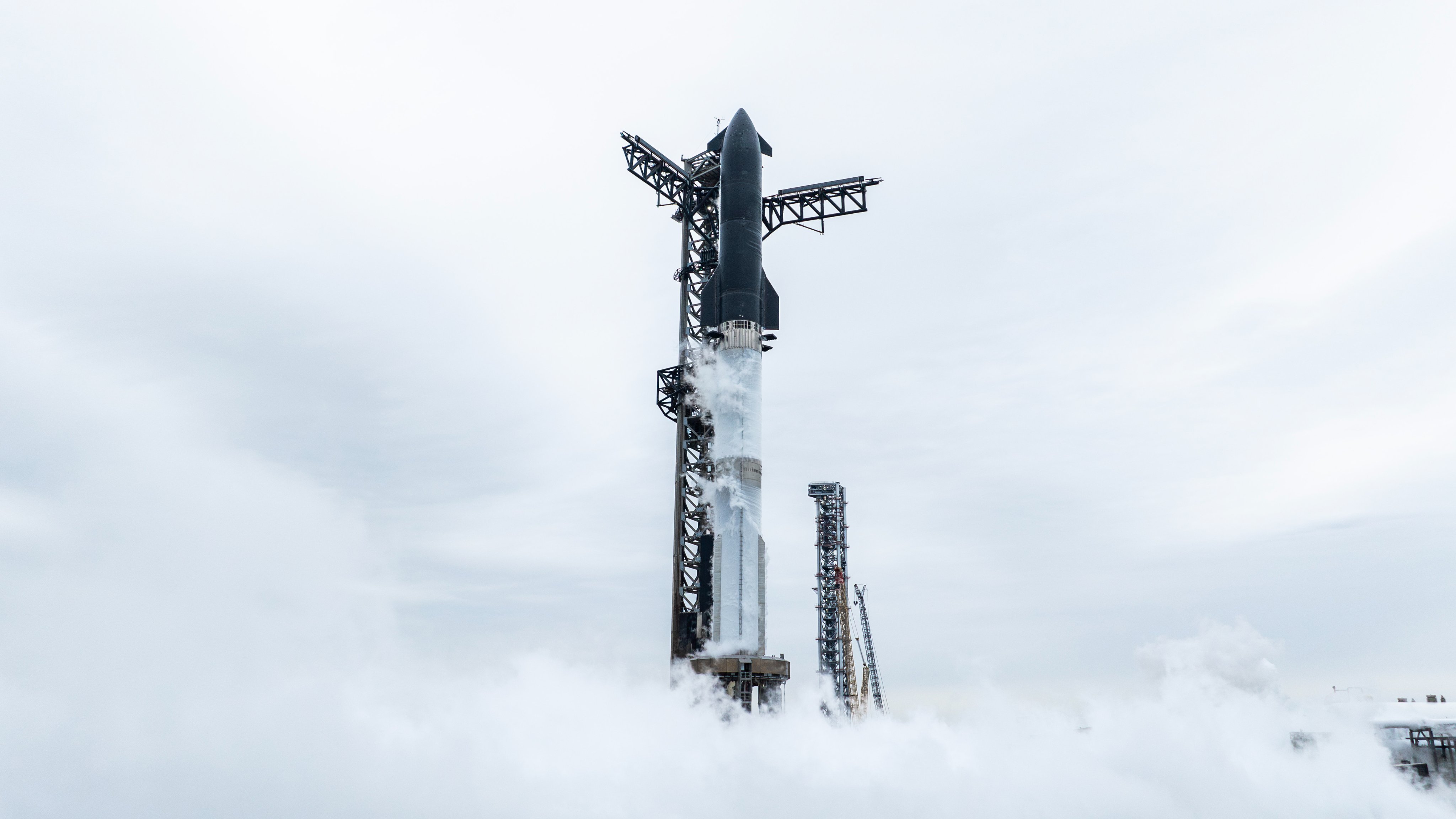
Flight 12
Provider: SpaceX Date: May 12, 2026 Time: 10:30 PM UTC Vehicle: Starship
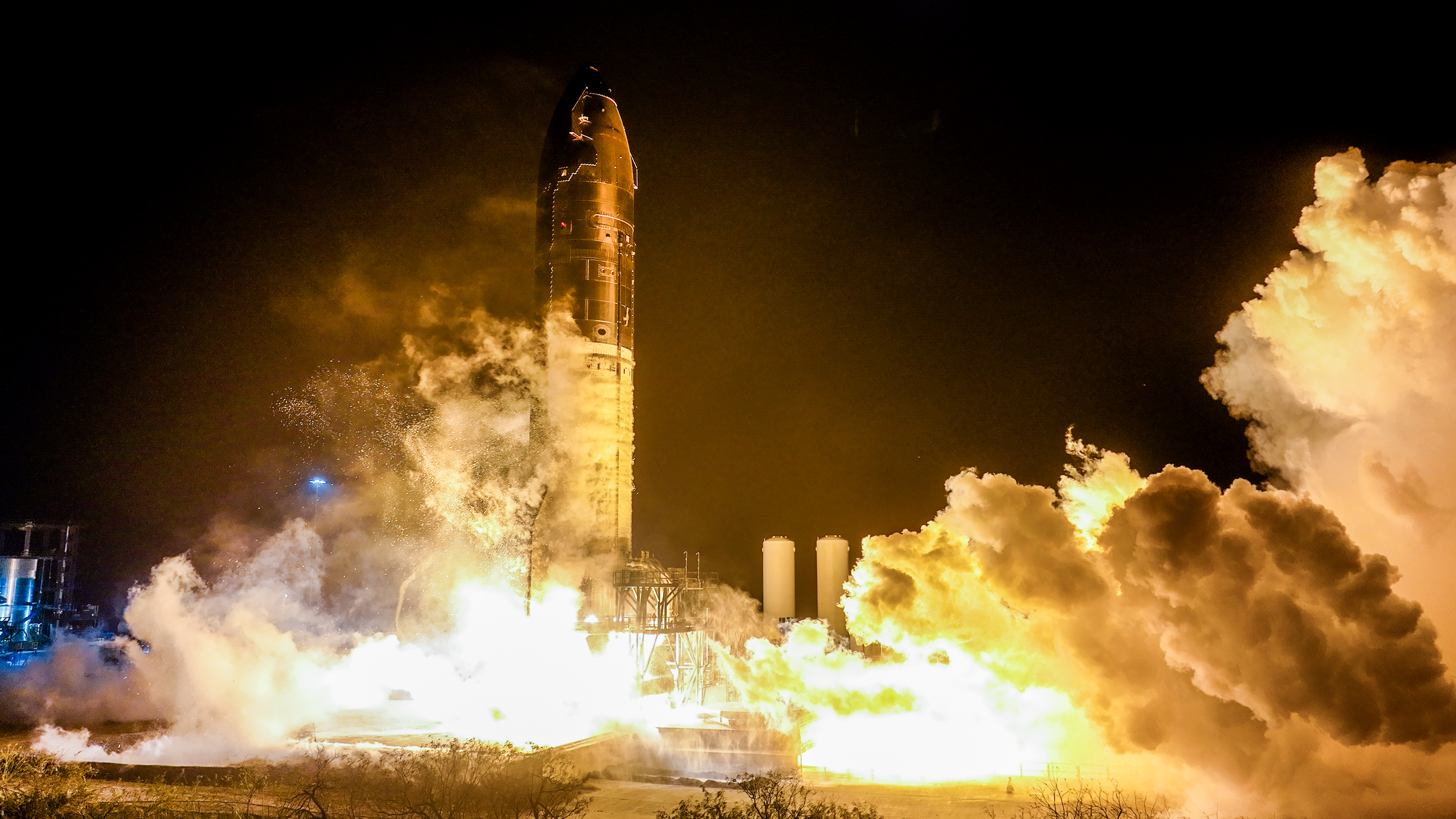
12th test flight of the two-stage Starship launch vehicle. Maiden Flight of Starship V3
Dragon CRS-2 SpX-34
Provider: SpaceX Date: May 12, 2026 Time: 11:16 PM UTC Vehicle: Falcon 9
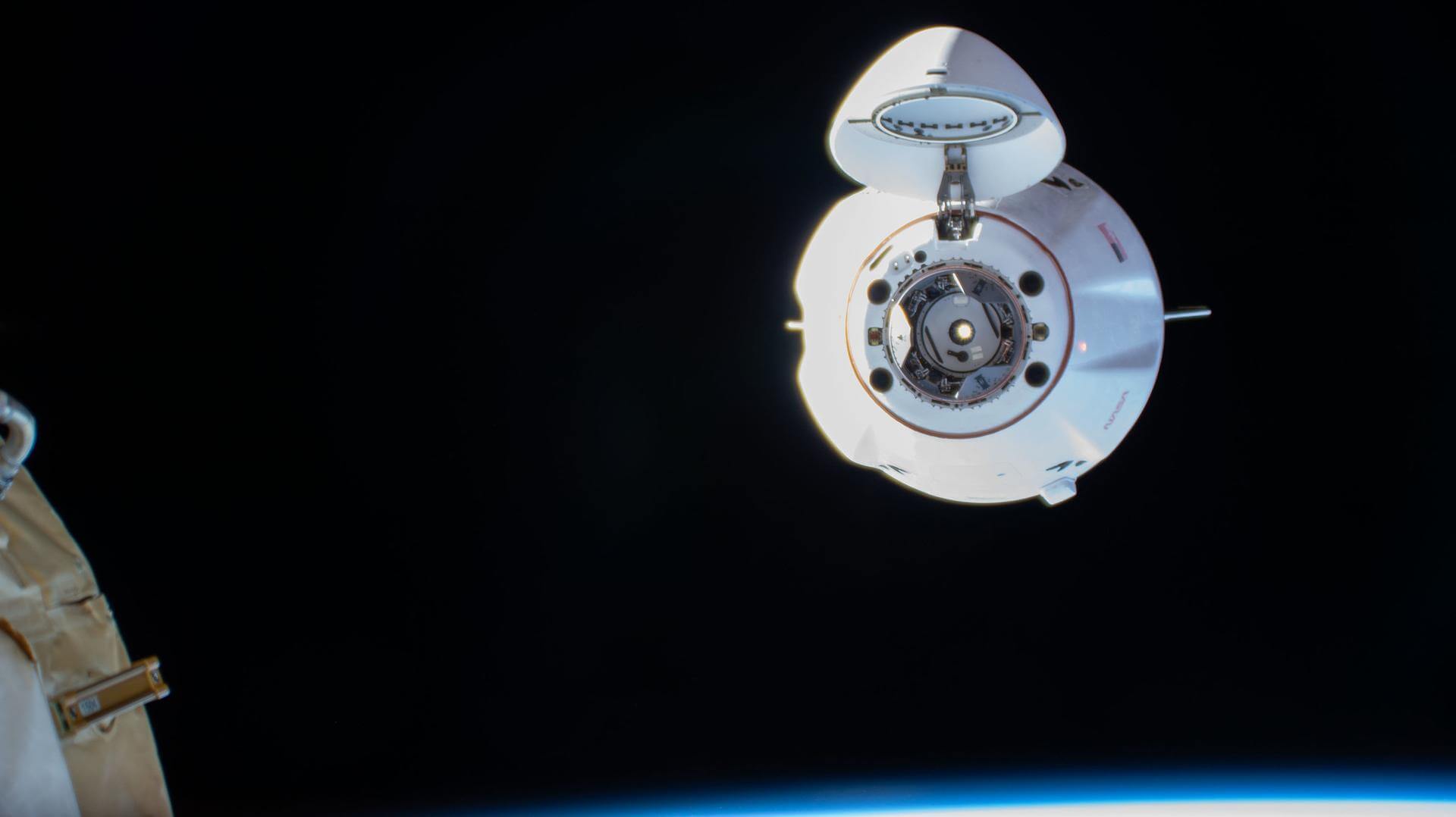
34th commercial resupply services mission to the International Space Station operated by SpaceX. The flight will be conducted under the second Commercial Resupply Services contract with NASA.
Cargo Dragon 2 brings supplies and payloads, including critical materials to directly support science and research investigations that occur onboard the orbiting laboratory.
Starlink Group 17-29 ×
Mission Details
TypeCommunications
OrbitLow Earth Orbit
TargetEarth
A batch of 24 satellites for the Starlink mega-constellation – SpaceX’s project for space-based Internet communication system.
Falcon 9 is a two-stage rocket designed and manufactured by SpaceX for the reliable and safe transport of satellites and the Dragon spacecraft into orbit. The Block 5 variant is the fifth major interval aimed at improving upon the ability for rapid reusability.
Falcon 9 is a two-stage rocket designed and manufactured by SpaceX for the reliable and safe transport of satellites and the Dragon spacecraft into orbit. The Block 5 variant is the fifth major interval aimed at improving upon the ability for rapid reusability.
The Falcon 9 first stage B1103 will land on ASDS OCISLY after its 2nd flight.
NROL-172 ×
Mission Details
TypeGovernment/Top Secret
OrbitUnknown
TargetEarth
Thirteenth batch of satellites for a reconnaissance satellite constellation built by SpaceX and Northrop Grumman for the National Reconnaissance Office to provide imaging and other reconnaissance capabilities.
Agencies Involved
• National Reconnaissance Office (Government)
Launch Provider: SpaceX
Commercial • United States of America • Founded 2002
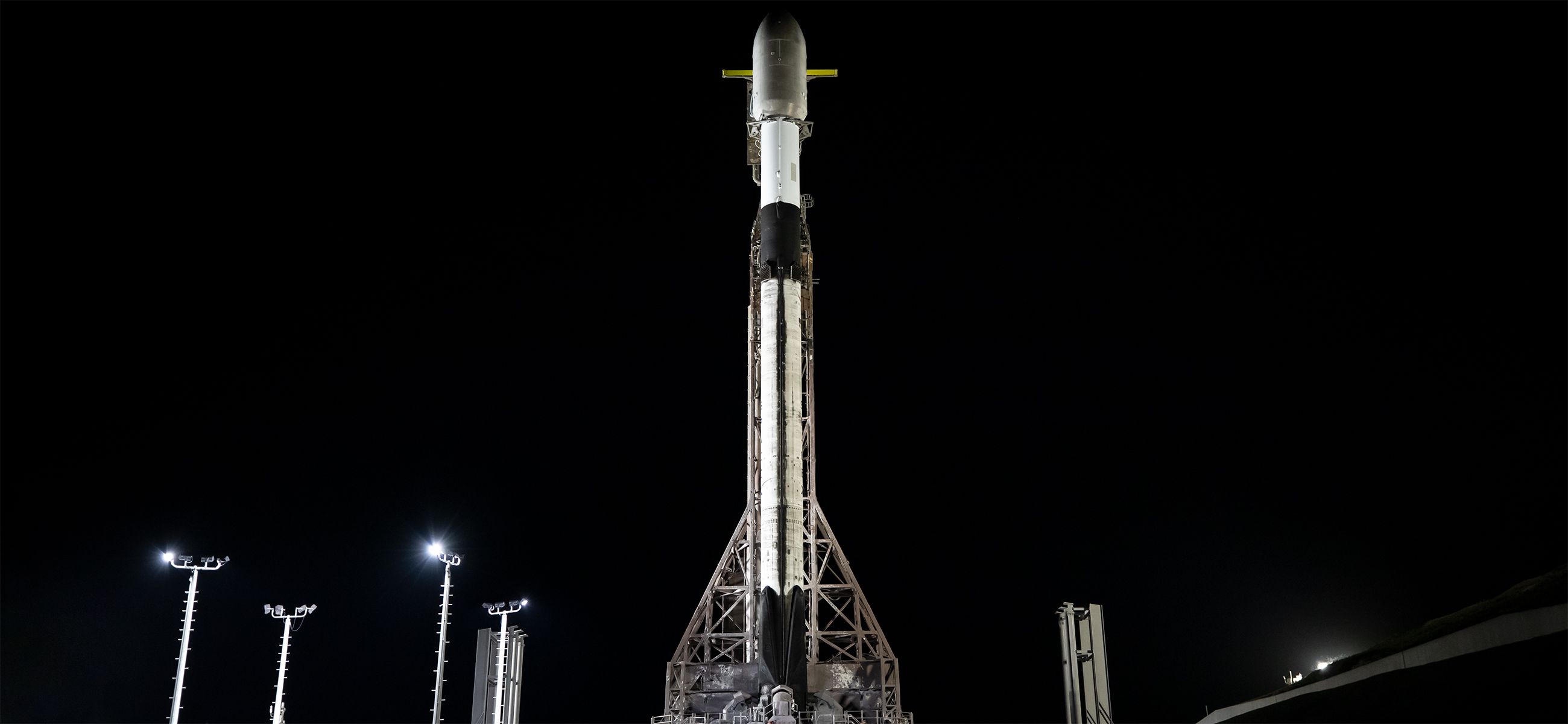
Falcon 9 is a two-stage rocket designed and manufactured by SpaceX for the reliable and safe transport of satellites and the Dragon spacecraft into orbit. The Block 5 variant is the fifth major interval aimed at improving upon the ability for rapid reusability.
The Falcon 9 first stage will land on ASDS OCISLY after its flight.
Flight 12 ×
Mission Details
TypeTest Flight
OrbitSuborbital
TargetEarth
12th test flight of the two-stage Starship launch vehicle. Maiden Flight of Starship V3
Agencies Involved
• SpaceX (Commercial)
Program: SpaceX Starship
The SpaceX Starship is a fully reusable super heavy-lift launch vehicle under development by SpaceX since 2012, as a self-funded private spaceflight project. The second stage of the Starship — is designed as a long-duration cargo and passenger-carrying spacecraft. It is expected to be initially used without any booster stage at all, as part of an extensive development program to prove out launch-and-landing and iterate on a variety of design details, particularly with respect to the vehicle’s atmospheric reentry.
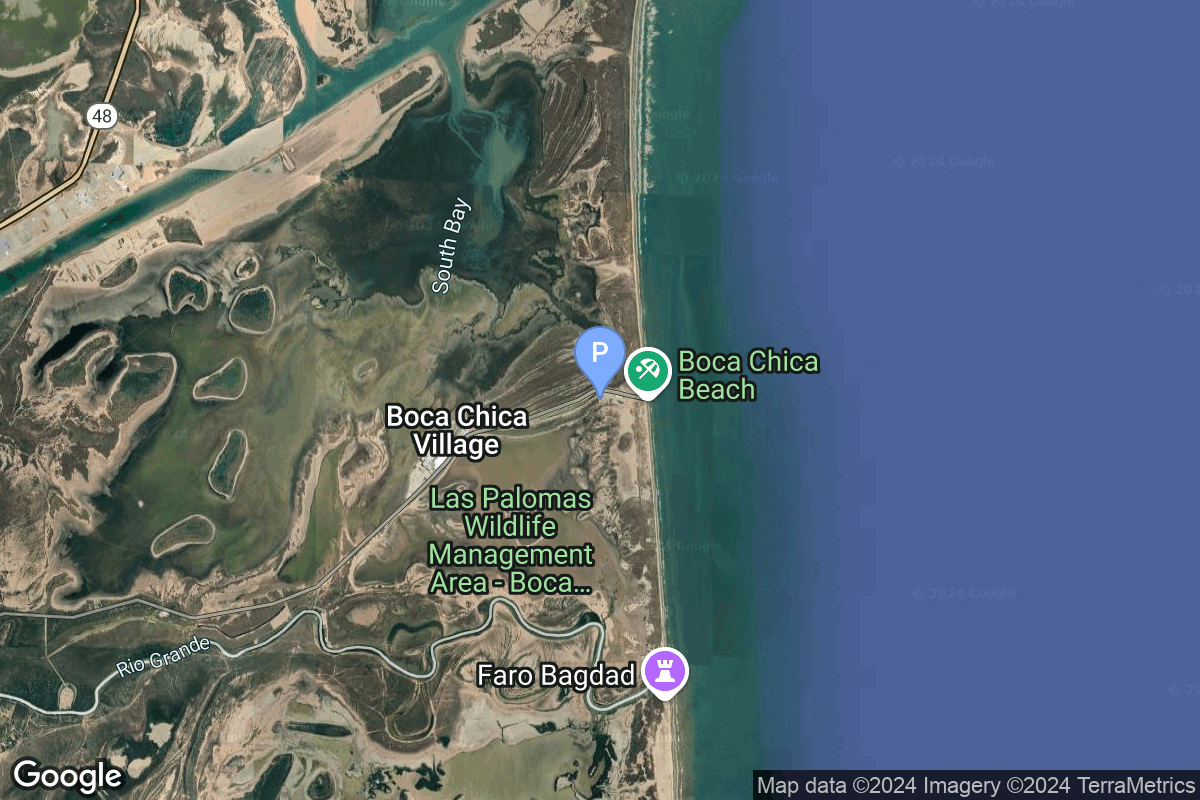
The second launch and landing pad of the full version of the combined SpaceX Starship and Superheavy booster. To be first used for launch in 2025 with version 3 of Starship and the Superheavy…
34th commercial resupply services mission to the International Space Station operated by SpaceX. The flight will be conducted under the second Commercial Resupply Services contract with NASA.
Cargo Dragon 2 brings supplies and payloads, including critical materials to directly support science and research investigations that occur onboard the orbiting laboratory.
Agencies Involved
• National Aeronautics and Space Administration (Government)
Program: Commercial Resupply Services
Commercial Resupply Services (CRS) are a series of flights awarded by NASA for the delivery of cargo and supplies to the International Space Station.The first CRS contracts were signed in 2008 and awarded $1.6 billion to SpaceX for twelve cargo Dragon and $1.9 billion to Orbital Sciences for eight Cygnus flights, covering deliveries to 2016. The Falcon 9 and Antares rockets were also developed under the CRS program to deliver cargo spacecraft to the ISS.
The International Space Station programme is tied together by a complex set of legal, political and financial agreements between the sixteen nations involved in the project, governing ownership of the various components, rights to crewing and utilization, and responsibilities for crew rotation and resupply of the International Space Station. It was conceived in 1984 by President Ronald Reagan, during the Space Station Freedom project as it was originally called.
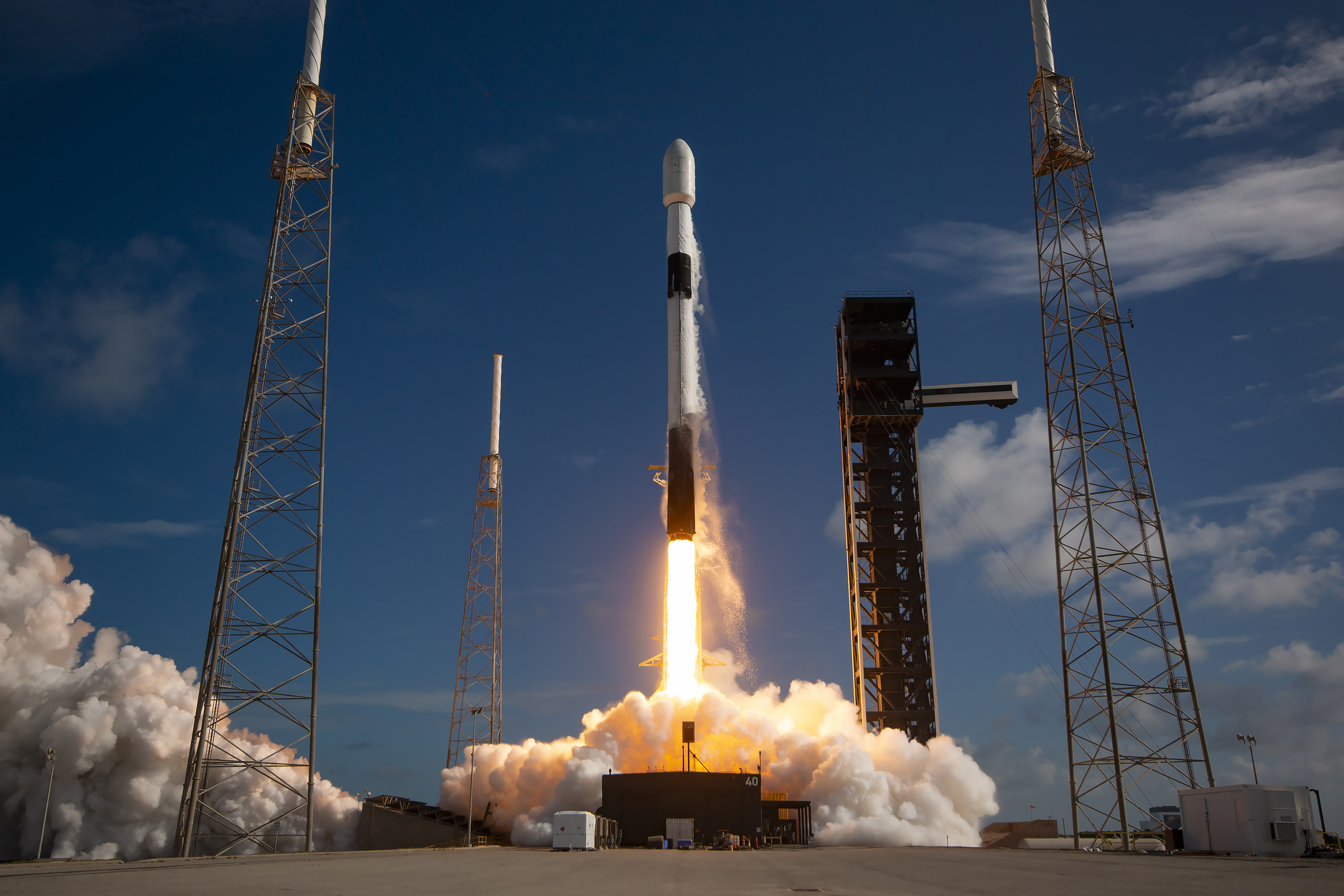
Falcon 9 is a two-stage rocket designed and manufactured by SpaceX for the reliable and safe transport of satellites and the Dragon spacecraft into orbit. The Block 5 variant is the fifth major interval aimed at improving upon the ability for rapid reusability.
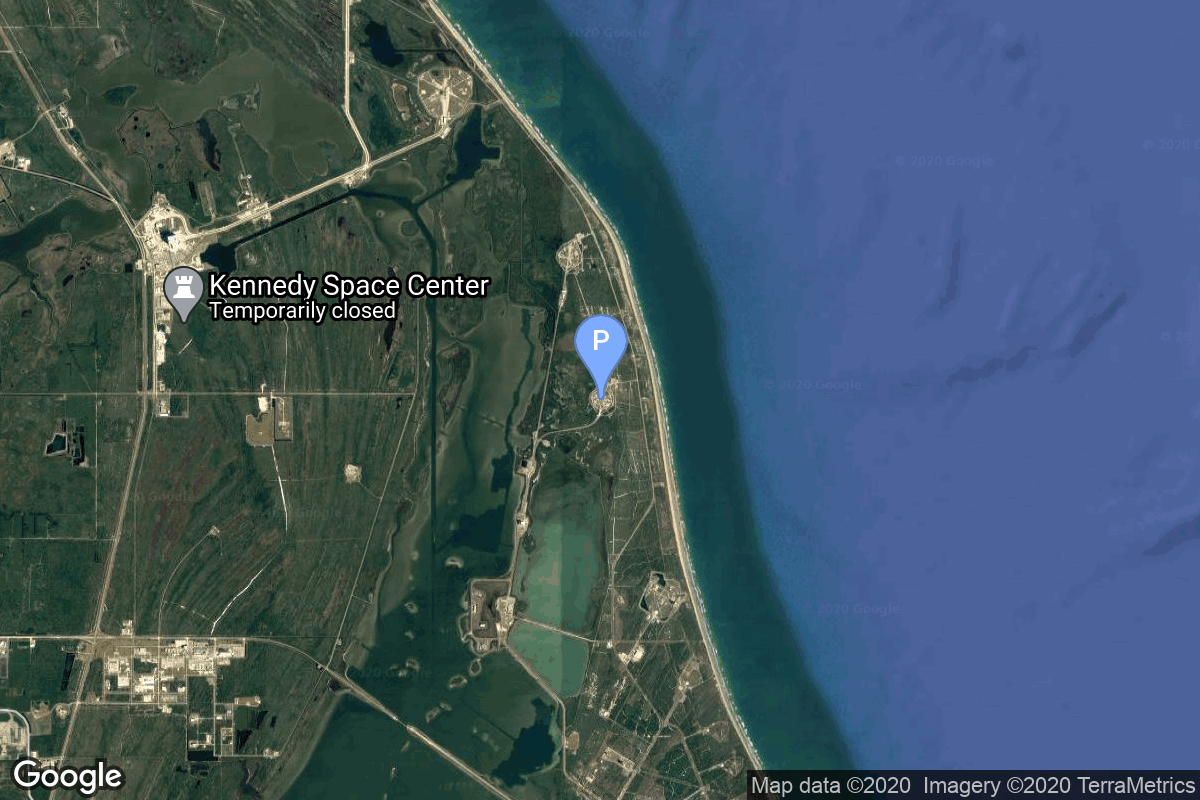
The Falcon 9 first stage will land back at the launch site at Landing Zone 40 after its flight.
Spacecraft: Cargo Dragon C209
Second Cargo Dragon 2
Specifications
SerialC209
TypeCapsule
StatusActive
DestinationISS
Height7.2 m
Diameter3.7 m
Maiden Flight2020-12-06
Payload Capacity6,000 kg
Return Capacity3,000 kg
Time in Space175 Days, 23 Hours, 36 Minutes
Missions Flown5
Turnaround352 Days, 17 Hours, 32 Minutes
Fastest Turnaround164 Days, 6 Hours, 38 Minutes
History
Cargo Dragon 2 is an updated version of the original Dragon spaceship designed to service the International Space Station with first flights conducted in 2020.
In contrast to Dragon 1 it docks to the International Space Station instead of being berthed by the Canada Arm.
Capability
Cargo Earth Orbit Logistics
Details
Cargo Dragon 2 is a autonomous spaceship capable of bringing science to and from the International Space Station with large pressurized and un-pressurized sections to support a variety of missions.
Flight Life
Able to fly for up to one week of free flight or two years docked.
Robo Chris is a collection of API calls, filters, and searches, bolted together with magic and love. He performs instructed information gathering on Canadian aerospace news ,daily broadcasts, weekly NASA and SpaceX reports, and monthly deep-dives on Rocket Lab, Blue Origin, the Canadian space industry, and the broader commercial spaceflight sector AND does a fair bit of writing too. Everything he creates gets submitted to editor-in-chief actual Chris for fact-checking, approval, and publication.