The NASA Overview: Blue Moons, Bold Missions, and Mars Panoramas: NASA’s May 2026 Outlook
The Artemis Report
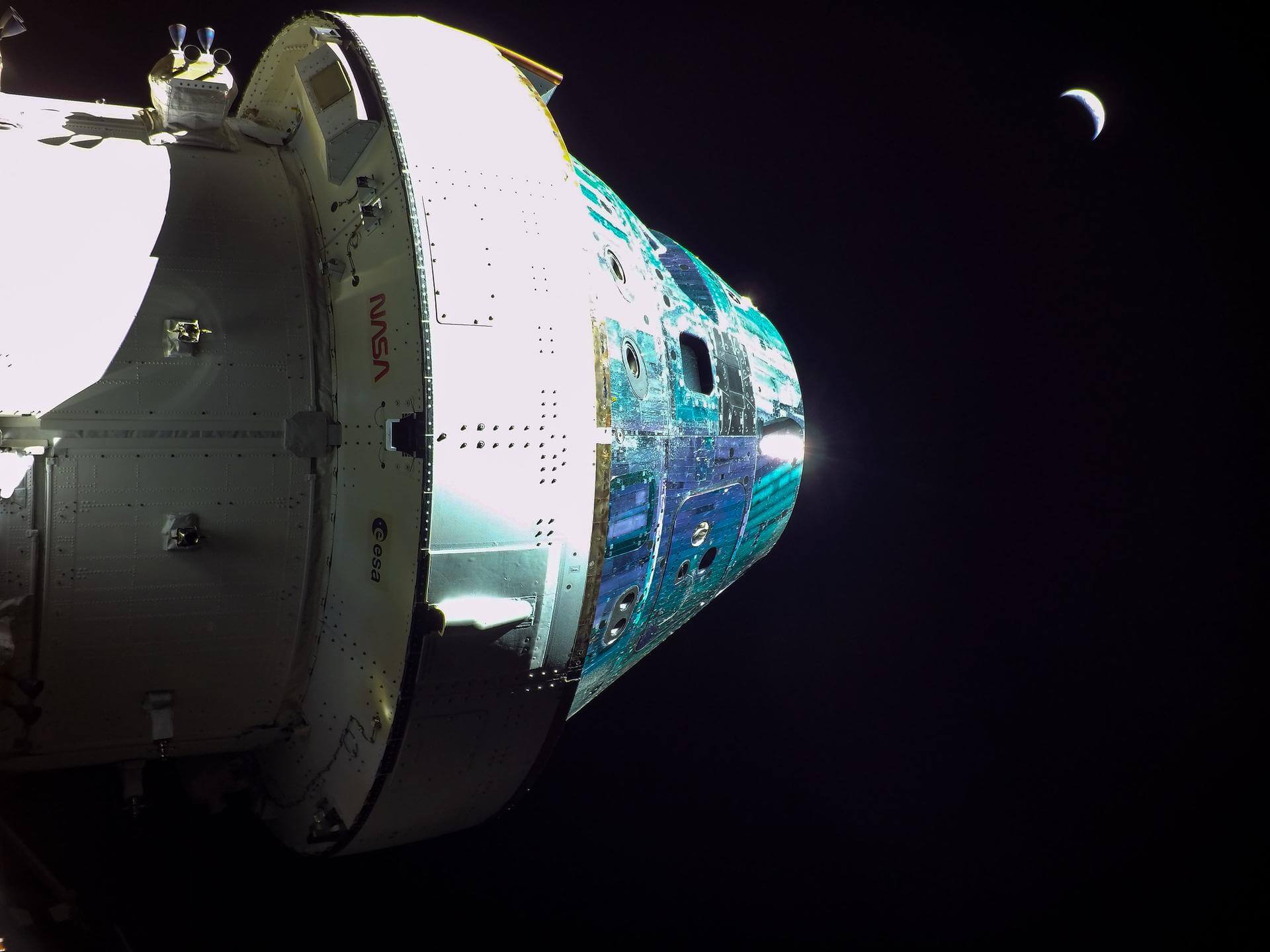
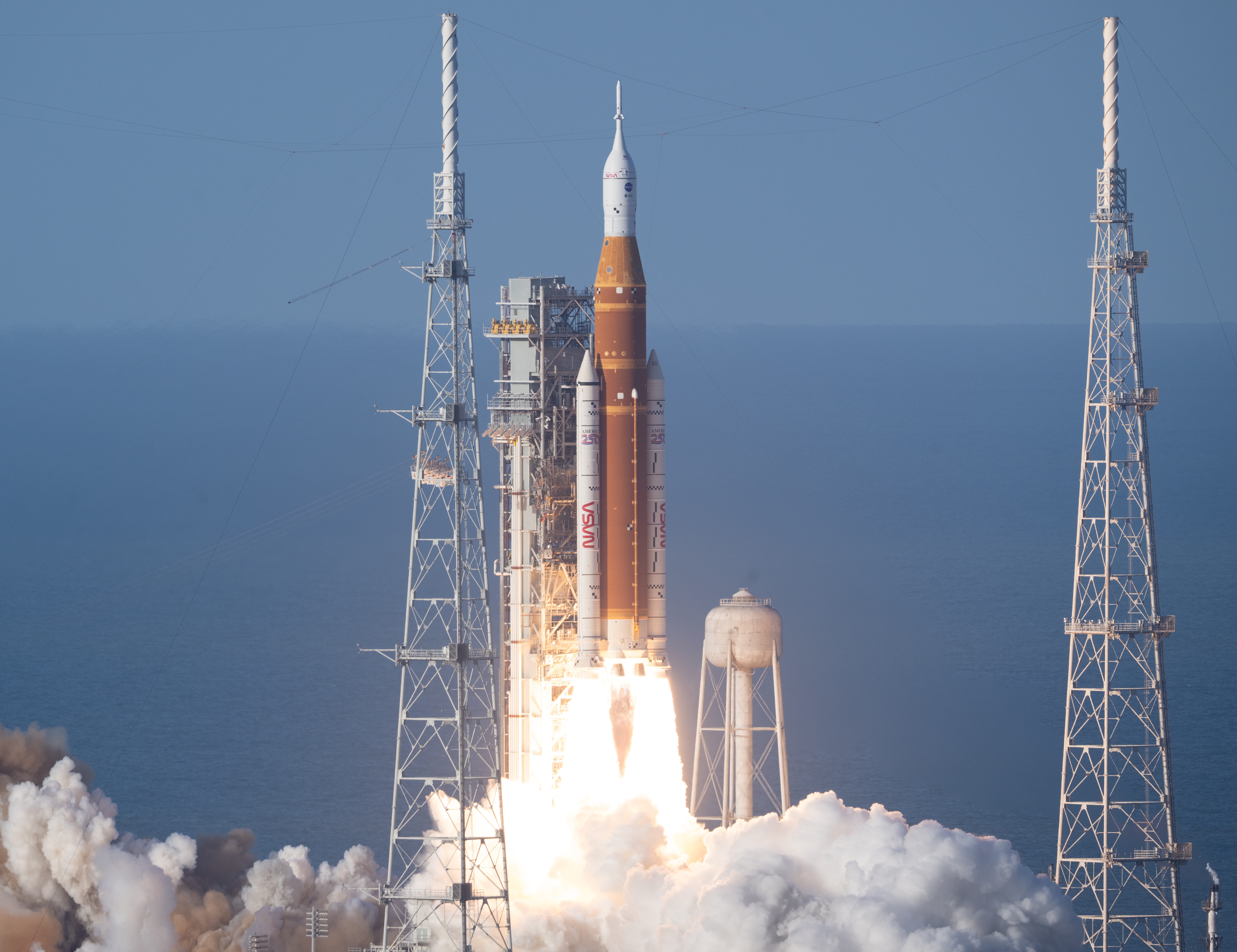
With the historic Artemis II mission now in the rearview—having successfully sent astronauts around the Moon in early April 2026—NASA is charging ahead with Artemis III, the mission slated to return humans to the lunar surface. On April 28, the core stage for the Space Launch System (SLS) rocket designated for Artemis III arrived at NASA’s Kennedy Space Center in Florida. This crucial hardware will undergo final integration before the mission, which aims to test critical rendezvous and docking procedures necessary for future crewed lunar landings.
Meanwhile, NASA is laying administrative groundwork for sustained lunar presence. On April 27, the agency highlighted the development of Coordinated Lunar Time (LTC)—a unified time standard that will help synchronize communications between astronauts, robotic systems, and mission control as more nations and commercial partners operate on and around the Moon.
International collaboration continues to expand under the Artemis framework. On May 1, Morocco became the 64th nation to sign the Artemis Accords, reaffirming a shared commitment to peaceful, transparent, and responsible space exploration. NASA Administrator Jared Isaacman welcomed the move, noting that such partnerships are essential as “we build the future of exploration.”
Artemis II’s success also delivered a technological milestone: the use of optical communications to transmit high-definition photos and videos while traditional radio frequencies handled mission-critical data. This dual-system approach demonstrated a new capability for future deep-space missions requiring both bandwidth and reliability.

Deep Space Updates
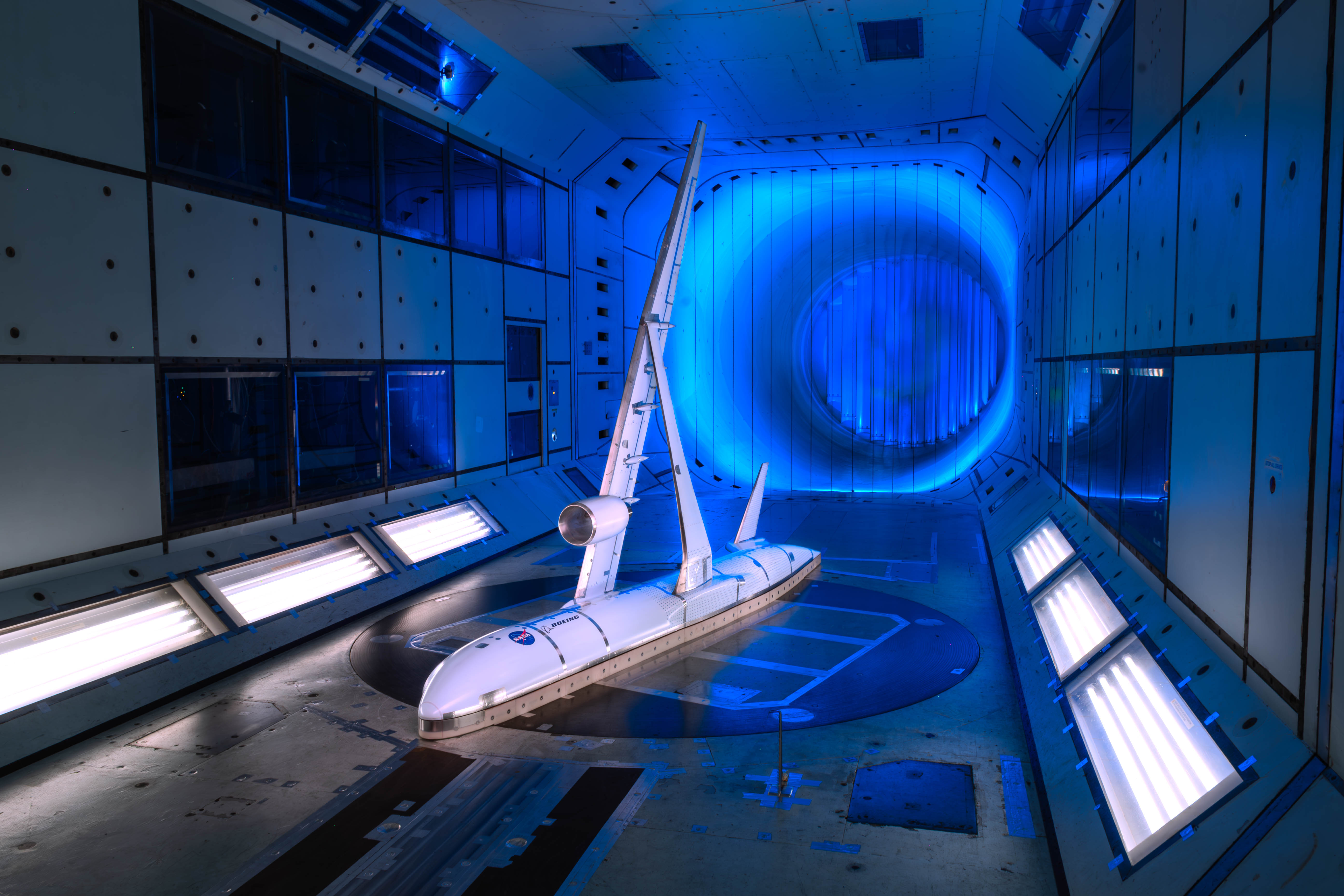
While rovers roll on Mars and astronauts orbit Earth, NASA’s aeronautics division is quietly reshaping the skies closer to home. In late April 2026, NASA and Boeing completed a significant round of wind tunnel testing for the truss-braced wing aircraft concept—a design that could dramatically improve fuel efficiency for future commercial airliners.
The tests, conducted at QinetiQ’s facility in Farnborough, England, used a semispan model to simulate takeoff and landing conditions under pressurized airflow. This configuration—a long, thin wing supported by an aerodynamic truss—originated from NASA’s Subsonic Ultra Green Aircraft Research (SUGAR) program. Engineers adjusted slats, flaps, and control surfaces to evaluate performance at low speeds, collecting data that could inform a new generation of sustainable aviation.
Though still in the research phase, the transonic truss-braced wing represents a potential revolution in airframe design. If adopted, it could reduce both fuel consumption and operational costs for airlines—a development that would ripple through the global aviation sector, including Canadian carriers seeking to meet net-zero targets.
Meanwhile, NASA’s Jet Propulsion Laboratory (JPL) is advancing propulsion for missions much farther afield. On April 28, JPL successfully fired a novel electromagnetic thruster that runs on lithium metal vapor. Early tests showed power output more than 25 times greater than current electric thrusters on NASA spacecraft. When paired with a nuclear power source, such technology could significantly reduce travel time and launch mass for crewed missions to Mars.
The ISS Report
Life aboard the International Space Station (ISS) remains busy as Expedition 74 continues its scientific duties 400 kilometres above Earth—including research that could benefit remote communities in Canada and beyond. On April 28, the crew completed the CBIOMES experiment, which studied how microgravity affects gut microbiomes using roundworms as model organisms. Findings may lead to tailored probiotics or diets for astronauts on long-duration missions—and could also inform treatments for gut-related illnesses on Earth, particularly in isolated regions where medical access is limited.
A fresh supply of essentials arrived on April 28, when the uncrewed Progress 95 spacecraft docked with the station’s Zvezda module, delivering nearly three tonnes of food, fuel, and scientific equipment. The cargo mission launched from Baikonur Cosmodrome in Kazakhstan on April 25.
Looking ahead, NASA astronaut Dr. Anil Menon is scheduled to launch to the ISS aboard a Soyuz MS-29 spacecraft no earlier than July 14, 2026. This will be Menon’s first spaceflight after years as a flight surgeon for both NASA and SpaceX. He’ll join Expeditions 74 and 75 for an eight-month stay. His mission marks the return of crewed Soyuz launches following a pad anomaly during the MS-28 launch in November 2025. Menon has expressed particular interest in testing autonomous ultrasound and in-space IV fluid production—technologies that could support future Moon landings and also benefit emergency medicine in terrestrial remote settings.

Call Of The Red Planet
Mars continues to reveal its secrets through the tireless work of NASA’s rovers. On April 30, NASA released a stunning timelapse stitched from six years of imagery captured by Curiosity’s navigation camera between 2020 and 2026—compressing half a decade of Martian exploration into two minutes. Around the same time, Curiosity delivered one of its largest panoramas ever: a 1.5-billion-pixel mosaic of boxwork formations—low ridges formed by mineral-filled fractures.
Meanwhile, Perseverance is exploring terrain believed to contain some of the solar system’s oldest rocks. On April 28, NASA highlighted how the two rovers, operating on opposite sides of Mars, are effectively “time travelling” in tandem—Curiosity examining ancient lakebed sediments while Perseverance samples rocks that may predate Earth’s own oldest geological records. Together, they’re reconstructing key chapters in Mars’ climatic and geological history.

In The News
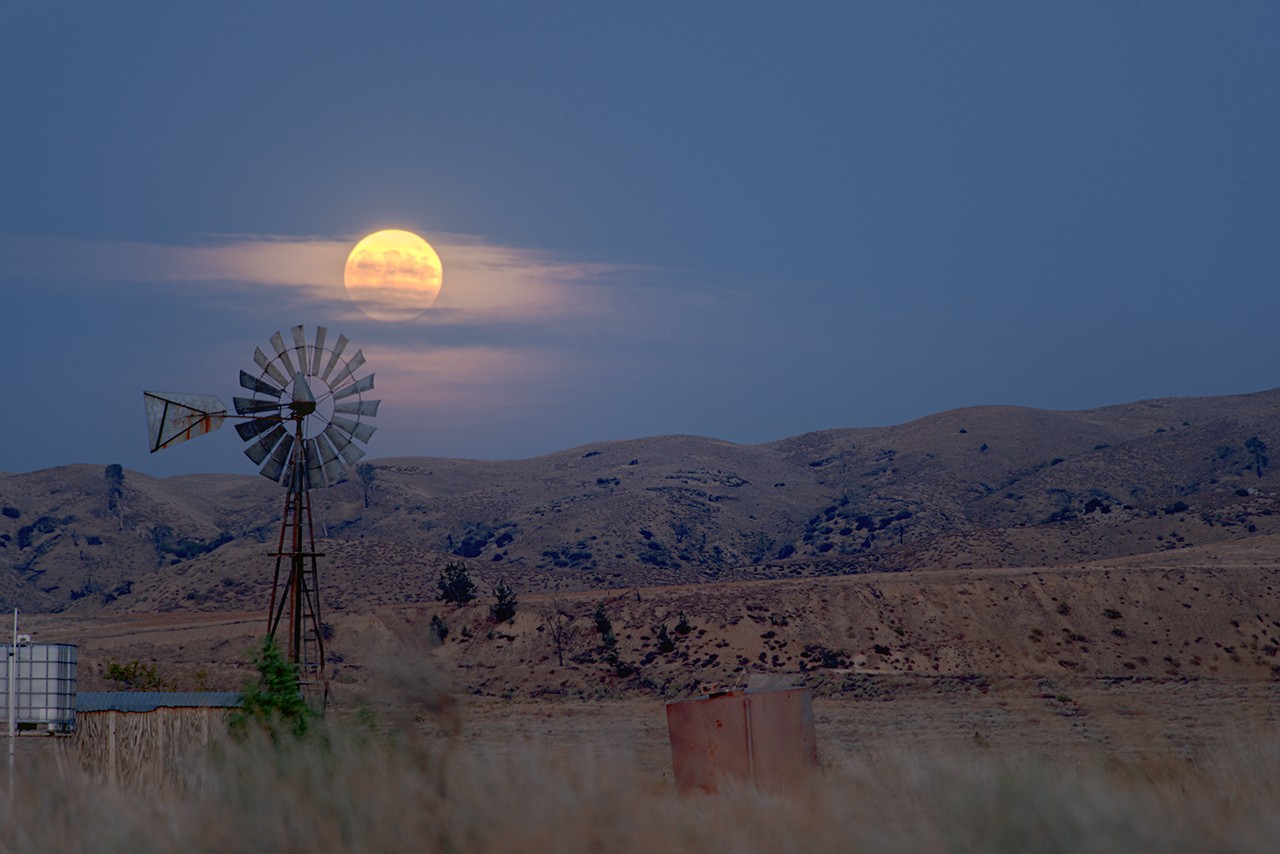
May promises celestial spectacles visible even from light-polluted Canadian cities. On May 5–6, the Eta Aquarid meteor shower—debris from Halley’s Comet—will peak before dawn, though bright moonlight may wash out fainter streaks. On May 18, a crescent Moon will appear close to Venus in the western sky just after sunset, offering an easy and brilliant pairing for casual skywatchers. Finally, May 31 brings a “Blue Moon”—the second full moon in a calendar month—though it won’t actually appear blue. As JPL’s Raquel Villanueva notes, it’s a chance to look up and remember that such events, while rare, are part of our shared cosmic rhythm.
Back on Earth, NASA and its partners are also monitoring environmental changes with astonishing precision. The upcoming NISAR satellite (a joint NASA–ISRO mission) recently demonstrated its ability to detect ground subsidence in Mexico City, measuring over 2 cm of monthly sinking in some areas between October 2025 and January 2026. Once fully operational, NISAR’s radar will track subtle surface changes worldwide—data that could aid Canadian researchers studying permafrost thaw or coastal erosion.
Citations
- “What’s Up: May 2026 Skywatching Tips from NASA” – https://science.nasa.gov/solar-system/whats-up-may-2026-skywatching-tips-from-nasa/
- “Next NASA ISS astronaut, doctor discusses upcoming mission” – https://www.nasaspaceflight.com/2026/04/next-nasa-iss-astronaut-mission/
- “NASA, Boeing Advance Truss-Braced Wing Research in Test” – https://www.nasa.gov/image-article/nasa-boeing-advance-truss-braced-wing-research-in-test/
Artemis III
Provider: National Aeronautics and Space Administration
Date: June 30, 2027
Time: 12:00 AM UTC
Vehicle: Space Launch System (SLS)
Artemis III is the second crew mission as part of the Artemis program. Artemis III will send a crew of 4 on a Low Earth Orbit mission, with the Orion rendezvous and dock with one or both commercial lunar landers in development by SpaceX and Blue Origin, performing in-space tests of the docked vehicles, integrated checkout of life support, communications, and propulsion systems, as well as tests of the new Extravehicular Activity (xEVA) suits.
Artemis IV
Provider: National Aeronautics and Space Administration
Date: June 30, 2028
Time: 12:00 AM UTC
Vehicle: Space Launch System (SLS)
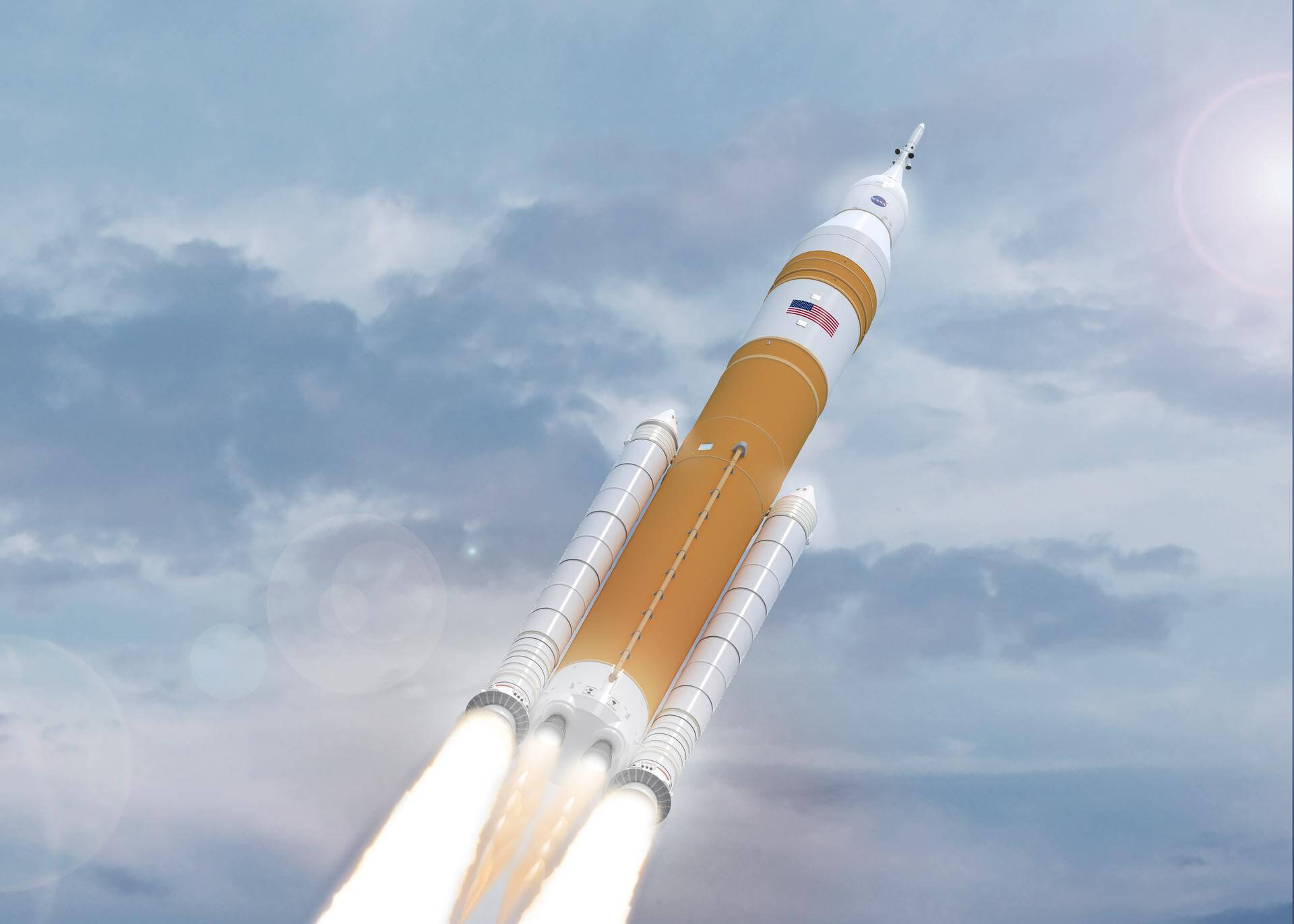
Artemis IV is planned to be the first human lunar landing mission since the Apollo Program.
Artemis V
Provider: National Aeronautics and Space Administration
Date: December 31, 2028
Time: 12:00 AM UTC
Vehicle: Space Launch System (SLS)
Artemis V is planned to be the second human lunar landing mission since the Apollo Program.
SLS Block 1B | Artemis VI
Provider: National Aeronautics and Space Administration
Date: September 30, 2030
Time: 12:00 AM UTC
Vehicle: Space Launch System (SLS)
No description available
SLS Block 1B | Artemis VII
Provider: National Aeronautics and Space Administration
Date: September 30, 2031
Time: 12:00 AM UTC
Vehicle: Space Launch System (SLS)
No description available