Toronto-based Canadian Strategic Missions Corporation (CSMC) has secured a $5 million grant from the Government of Alberta to develop an unfuelled prototype microreactor at the University of Alberta. The initiative, part of a $10 million collaborative project, establishes a testing hub for small-scale nuclear technology that will eventually power remote operations — both on Earth and in space.
The unfuelled prototype strategy streamlines technical validation by allowing CSMC and the university to test mechanical design and collect operational data without triggering stringent regulatory processes required for handling active fissile material. As Daniel Sax, CEO and Founder of CSMC, noted, the research reactor will be “a key foundational block on which not only we, but the entire nuclear energy industry in Alberta, can build.”
This Alberta milestone follows CSMC’s recent $1.2 million federal grant to develop advanced manufacturing for microreactors in Ontario. Importantly, the Canadian government has outlined a new Nuclear Energy Strategy that includes a $40-million feasibility study for deploying Canadian-controlled microreactors to power remote military bases in the Arctic.
While these terrestrial projects focus on off-grid energy and Northern sovereignty, the underlying engineering is directly applicable to space. CSMC is deliberately building a dual-track development pipeline—testing in Alberta, manufacturing in Ontario—to mature compact, reliable, and emissions-free power systems on Earth before eventually supplying nuclear fission solutions for future lunar surface operations. The technology represents Canadian innovation positioning the nation as a leader in next-generation space infrastructure.
Russia Successfully Debuts Long-Awaited Soyuz-5 Rocket
Russia achieved a rare milestone when the brand-new Soyuz-5 rocket completed its maiden flight on April 26, lifting off from the Baikonur Cosmodrome on a suborbital demonstration mission. The successful test marks the debut of an entirely new Russian rocket design—not a modification of an existing vehicle—something the Baikonur Cosmodrome has not witnessed for decades.
Unlike earlier iterations of the Soyuz family—descendants of Sergei Korolev’s R-7 from 1957—the Soyuz-5 bears no technical relation to its namesake. The rocket was developed, beginning in 2015 under the codename Fenix, to replace the Zenit family after Russia’s partnership with Ukraine became untenable following the 2014 occupation of Crimea. The final Zenit launch occurred in 2017.
The Soyuz-5 stands 62.5 metres tall with a diameter of about 4.1 metres, powered by an RD-171MV first-stage engine delivering over 7.8 meganewtons of thrust—one of the most powerful rocket engines ever built. The second stage uses an RD-0124MS engine with a thrust of approximately 592 kilonewtons. Both stages burn kerosene and liquid oxygen.
A critical advantage: Soyuz-5 was designed to reuse existing Zenit infrastructure, including launch pads at the Baikonur Cosmodrome and the Sea Launch platform. This approach dramatically reduced development costs and leveraged Kazakhstan’s unused Zenit assembly facilities. For future missions, optional third-stage versions of the Blok-DM and Fregat upper stages can be attached, enabling diverse payload requirements. The successful maiden flight opens the door to operational crewed and cargo missions and demonstrates Russia’s capacity to develop new launch capability despite geopolitical constraints.
SpaceX Reveals Starship V3 and Addresses Production Bottlenecks
SpaceX unveiled detailed plans for its Starship V3 and Super Heavy booster, revealing significant engineering refinements ahead of Flight 12, expected in the coming weeks. The company released a new video series, “Test Like You Fly,” providing unprecedented insight into Starship’s development challenges, setbacks, and the iterative improvements driving the programme forward.
The Raptor V3 engine—largely 3D-printed—represents a breakthrough in simplification. External plumbing has been integrated into the engine itself, enabling regenerative cooling channels and dramatically reducing weight while increasing thrust efficiency. Jacob McKenzie, VP Raptor, stated the goal is to achieve behaviour “similar to the engines on commercial aeroplanes”: fewer parts, cheaper to build, faster to manufacture.
The Starship itself received a “clean sheet design” overhaul, incorporating new shielding tile geometry and integrated propellant transfer hardware for orbital refuelling operations—critical for Artemis lunar missions. The booster gained height and capacity, with a larger liquid oxygen header tank and increased propellant. Most impressively, V3 payload capacity jumped from 35 metric tons to 100 metric tons.
However, the video candid footage of failures revealed hardware constraints. During hot-fire tests, sensor aborts forced SpaceX to scavenge Raptor engines from Booster 20 to replace damaged units on Booster 19. Engine production bottlenecks may delay Flight 12, though SpaceX aims for both Flight 12 (suborbital) and Flight 13 (orbital refuelling test) to occur in Q2 2026. Flight 13 may slip into Q3, but ramping V3 production should help mitigate delays. The video’s honest portrayal of setbacks underscores SpaceX’s commitment to the iterative testing methodology driving Starship toward orbital reliability.
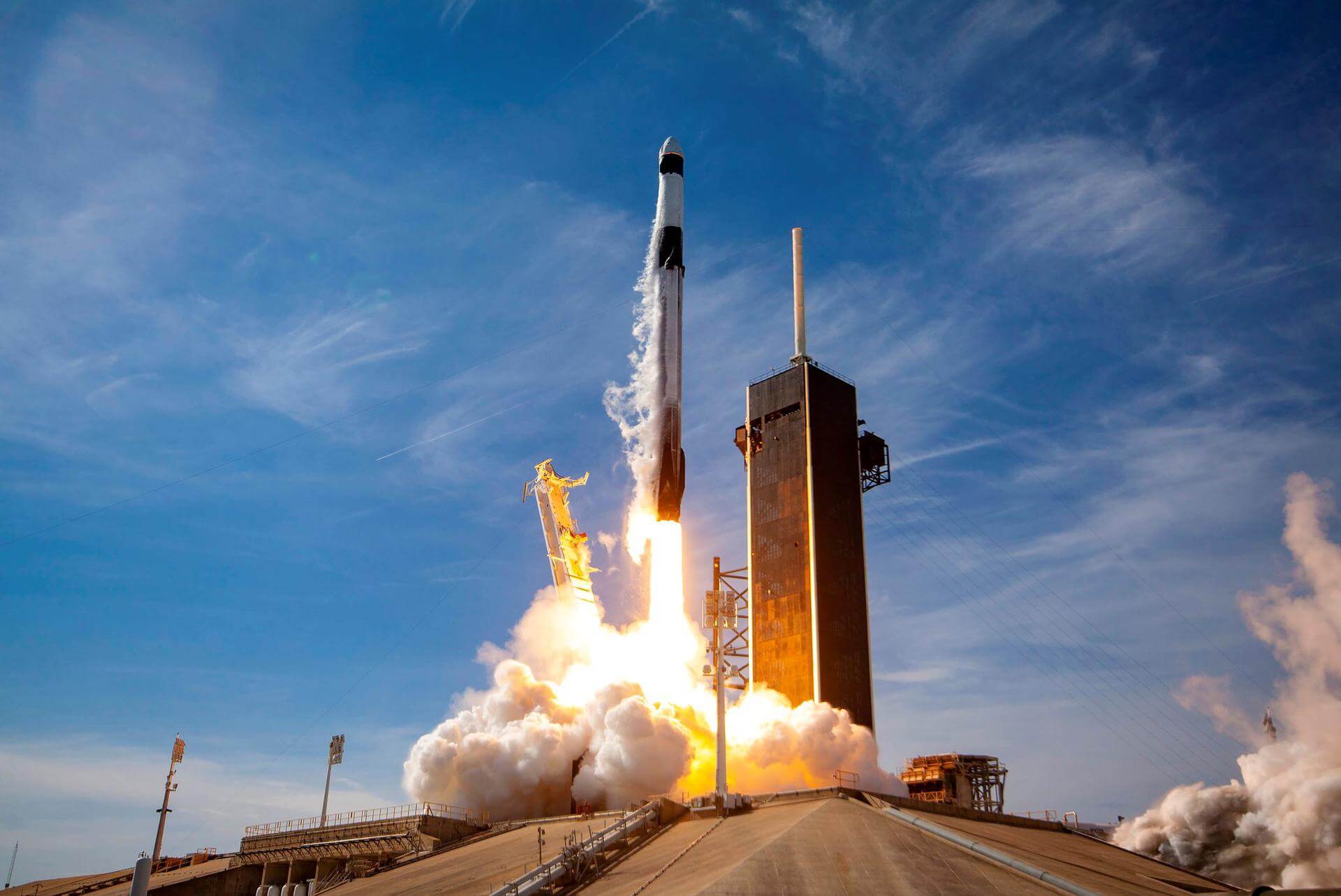
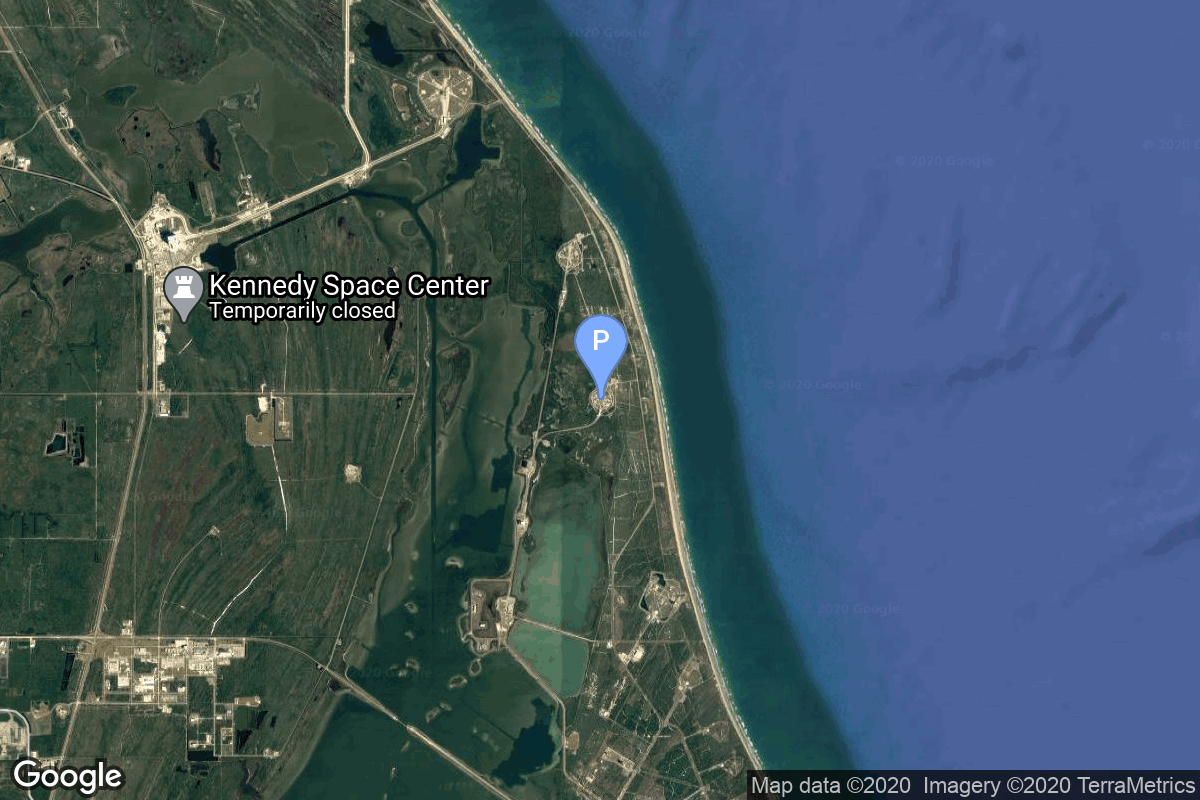
Provider: SpaceX Date: May 1, 2026 Time: 5:35 PM UTC Vehicle: Falcon 9
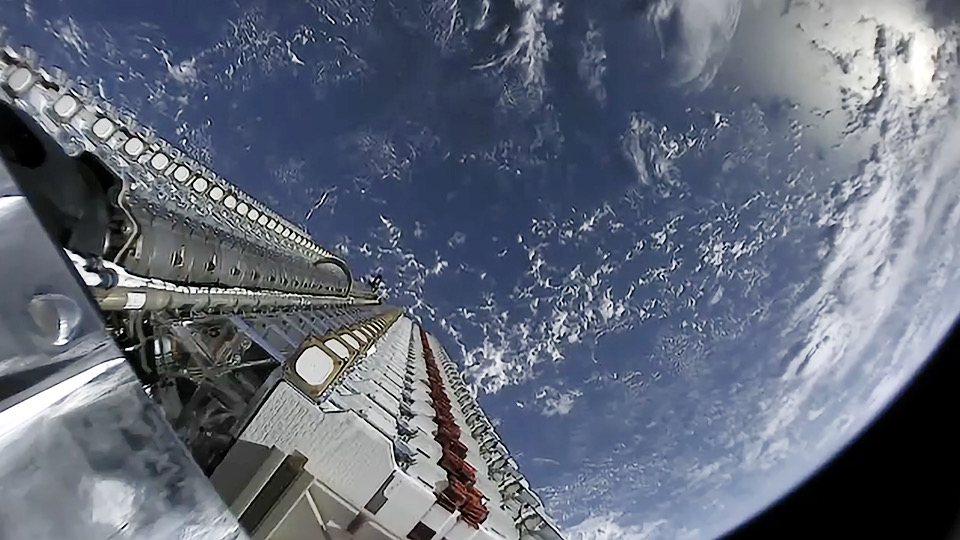
A batch of 29 satellites for the Starlink mega-constellation – SpaceX’s project for space-based Internet communication system.
CAS500-2 & Others
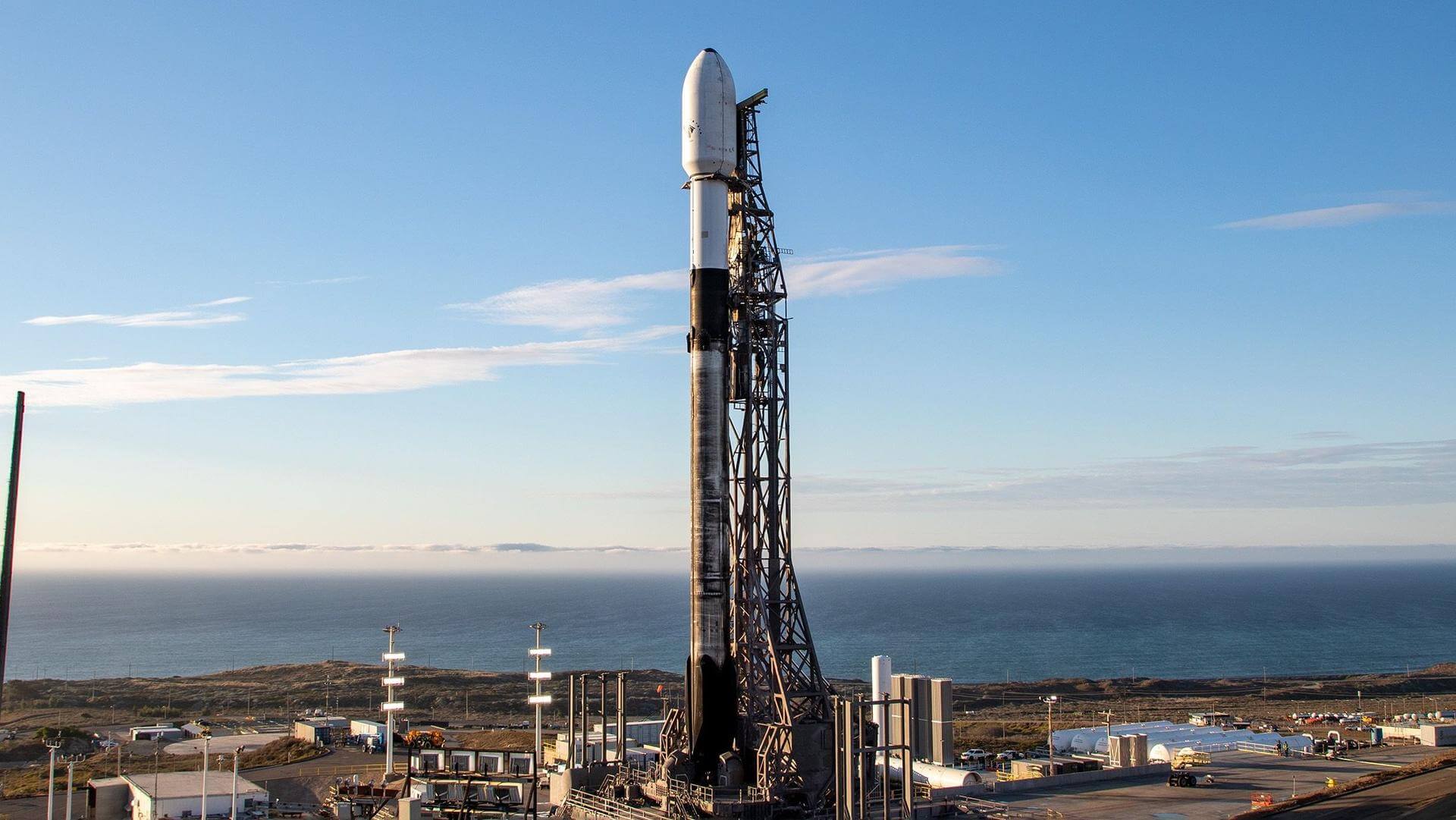
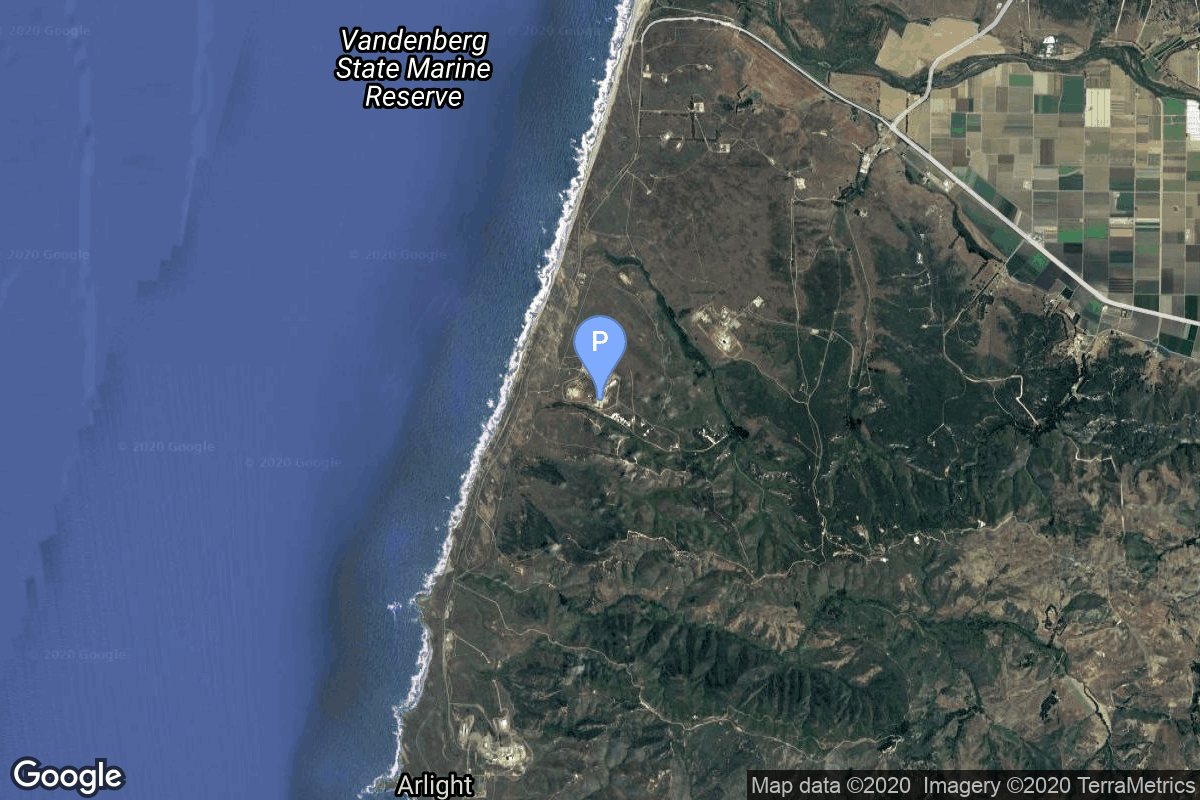
Provider: SpaceX Date: May 3, 2026 Time: 6:59 AM UTC Vehicle: Falcon 9
Ride-share of multiple satellites including:
* CAS500-2 (KASA, South Korea)
The South Korean CAS500-1 and -2 satellites will image the Earth in pan-chromatic and multi-spectral modes using the AEISS-C (Advanced Earth Imaging Sensor System) payload, with a ground resolution of 0.5 m in panchromatic mode and 2 m in color mode.
* Pelican-7, 8 & 9 (Planet Labs)
Pelican is a constellation of very high resolution imaging satellites, designed and manufactured by Planet Labs. The commercial constellation will consist of 32 SmallSats with potential for further expansion, and aims to provide improved spatial resolution and response times over Planet’s existing SkySat and Dove constellations.
Starlink Group 17-29
Provider: SpaceX Date: May 6, 2026 Time: 2:00 AM UTC Vehicle: Falcon 9
A batch of 24 satellites for the Starlink mega-constellation – SpaceX’s project for space-based Internet communication system.
Starlink Group 17-37
Provider: SpaceX Date: May 9, 2026 Time: 2:00 PM UTC Vehicle: Falcon 9
A batch of 24 satellites for the Starlink mega-constellation – SpaceX’s project for space-based Internet communication system.
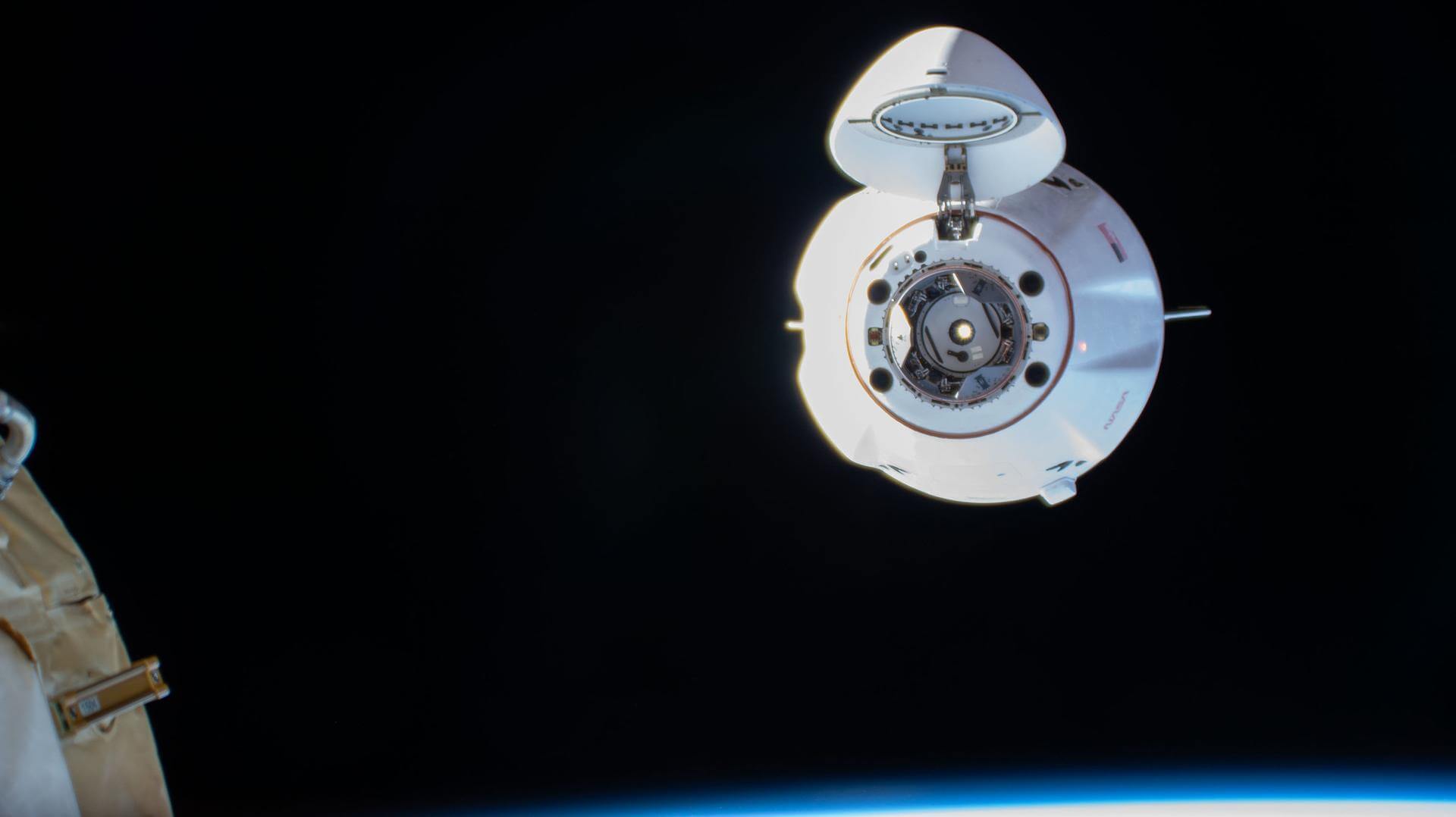
Dragon CRS-2 SpX-34
Provider: SpaceX Date: May 12, 2026 Time: 11:16 PM UTC Vehicle: Falcon 9
34th commercial resupply services mission to the International Space Station operated by SpaceX. The flight will be conducted under the second Commercial Resupply Services contract with NASA.
Cargo Dragon 2 brings supplies and payloads, including critical materials to directly support science and research investigations that occur onboard the orbiting laboratory.
Starlink Group 10-38 ×
Mission Details
TypeCommunications
OrbitLow Earth Orbit
TargetEarth
A batch of 29 satellites for the Starlink mega-constellation – SpaceX’s project for space-based Internet communication system.
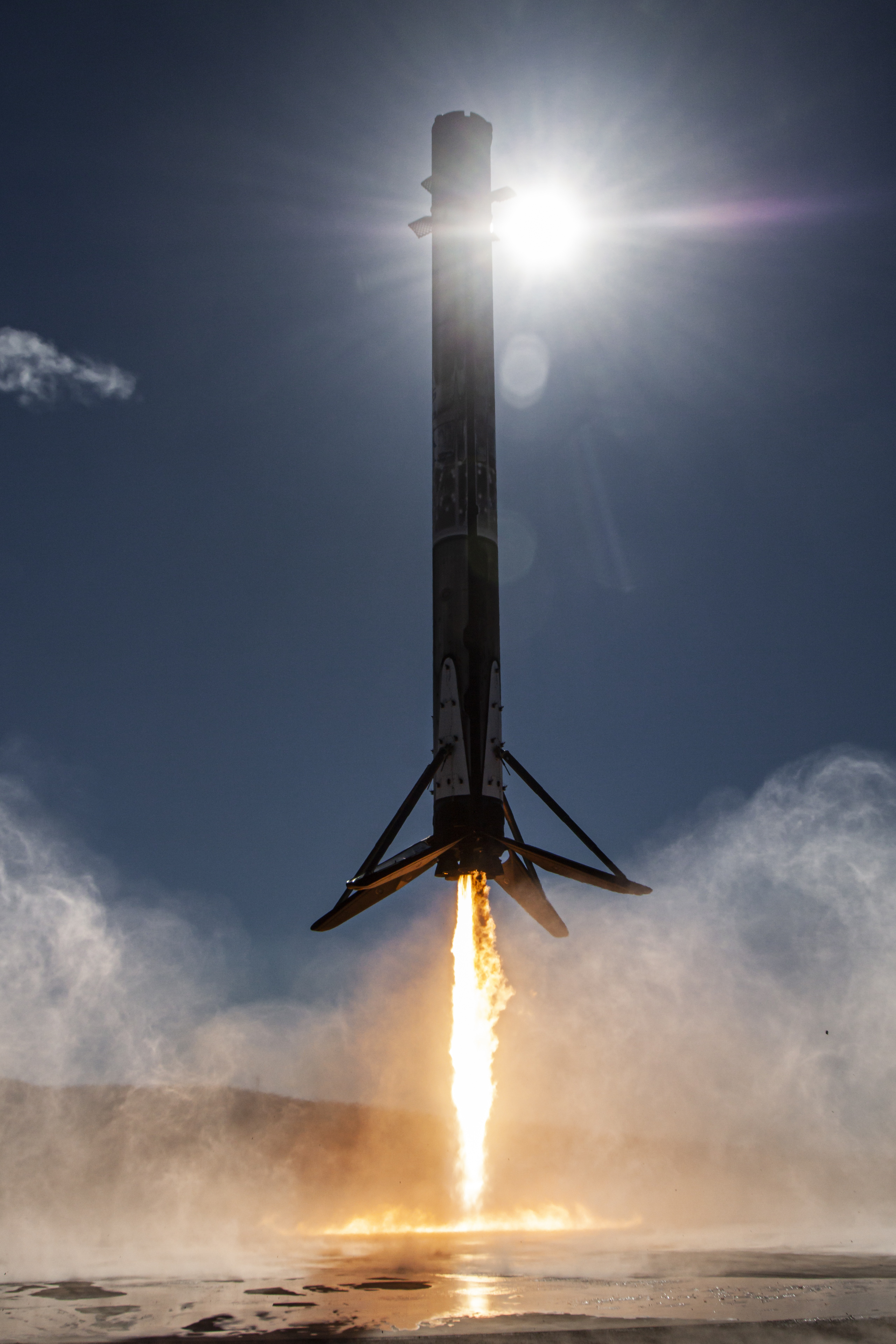
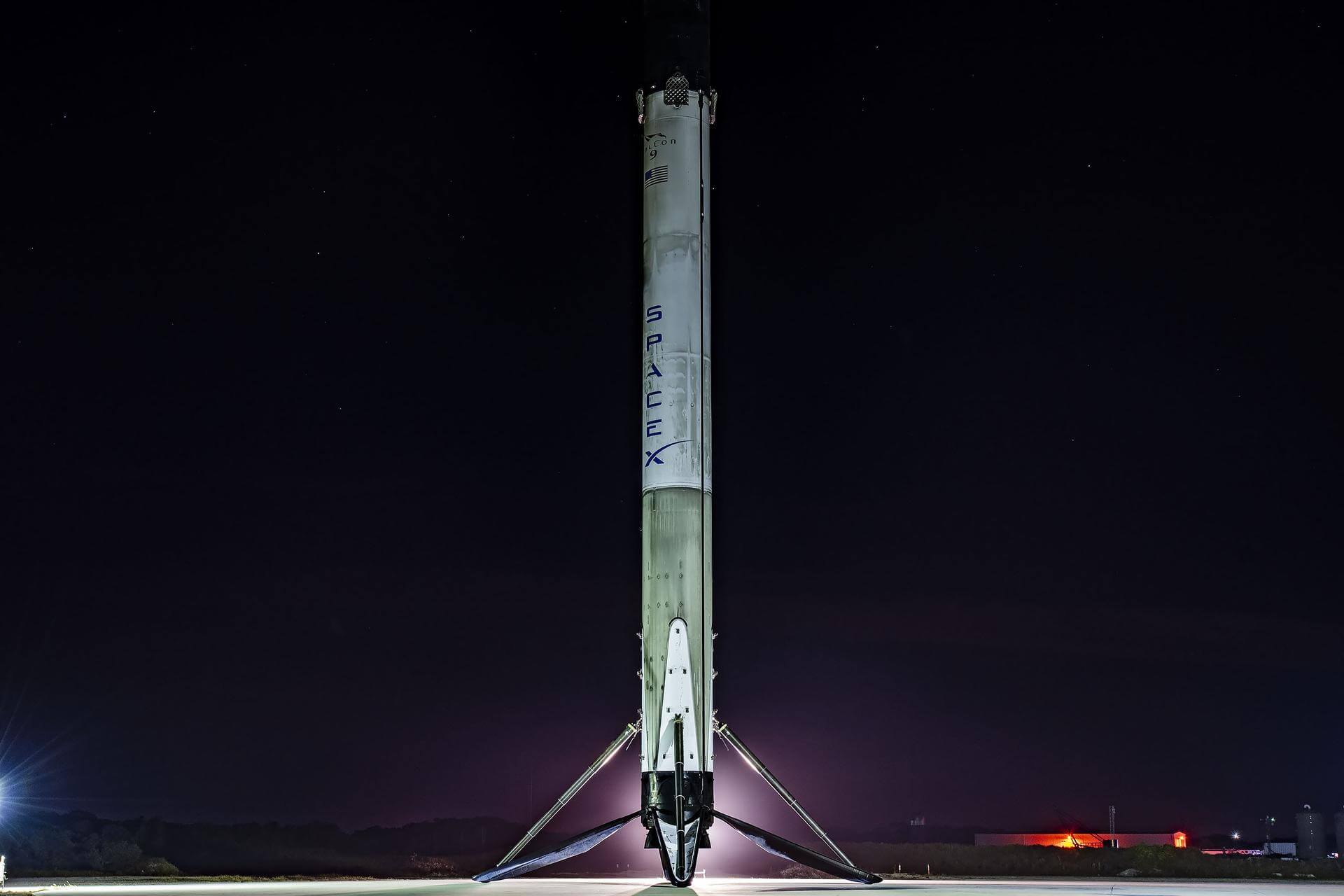
Falcon 9 is a two-stage rocket designed and manufactured by SpaceX for the reliable and safe transport of satellites and the Dragon spacecraft into orbit. The Block 5 variant is the fifth major interval aimed at improving upon the ability for rapid reusability.
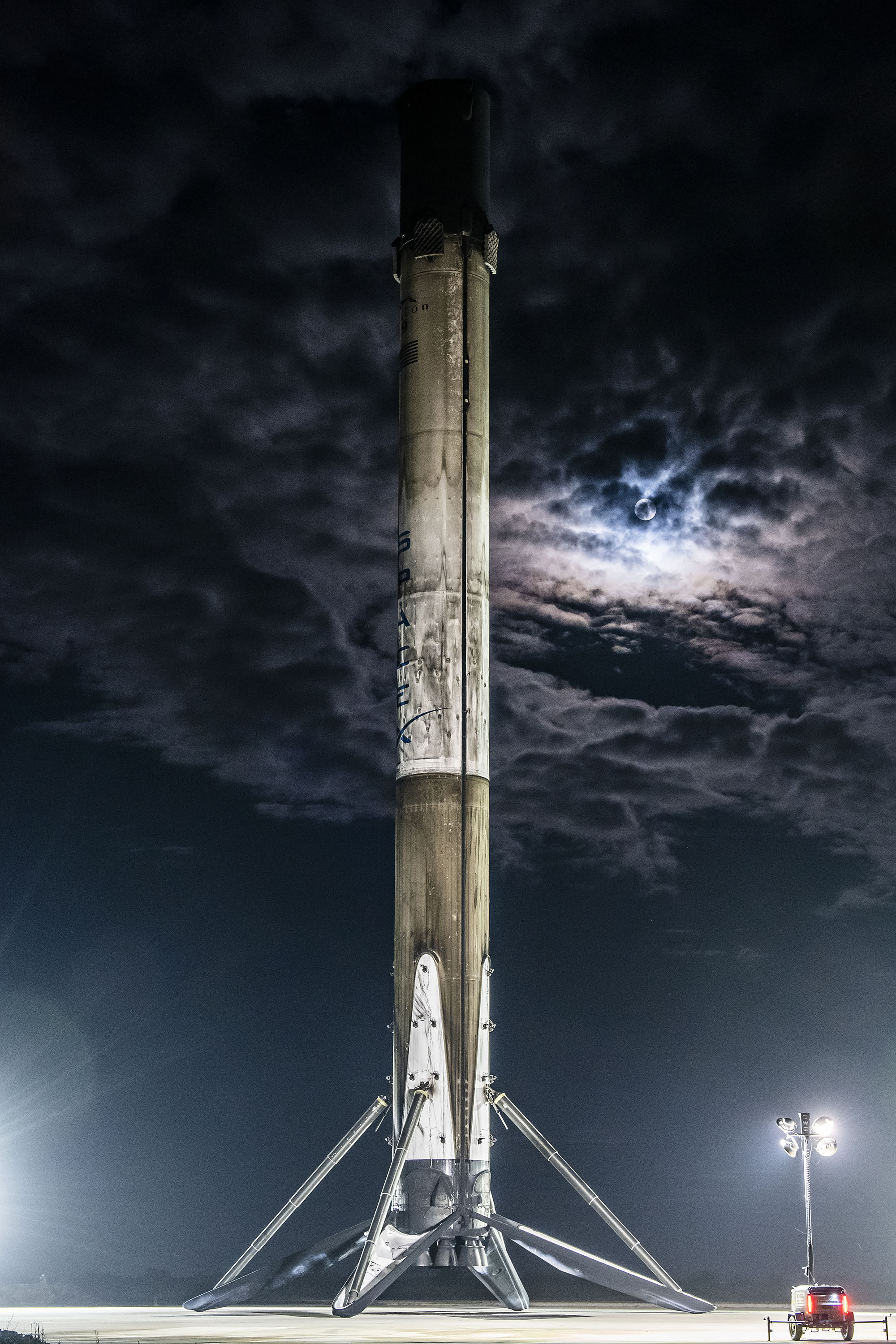
The Falcon 9 first stage B1069 will land on ASDS ASOG after its 31st flight.
CAS500-2 & Others ×
Mission Details
TypeEarth Science
OrbitSun-Synchronous Orbit
TargetEarth
Ride-share of multiple satellites including:
* CAS500-2 (KASA, South Korea)
The South Korean CAS500-1 and -2 satellites will image the Earth in pan-chromatic and multi-spectral modes using the AEISS-C (Advanced Earth Imaging Sensor System) payload, with a ground resolution of 0.5 m in panchromatic mode and 2 m in color mode.
* Pelican-7, 8 & 9 (Planet Labs)
Pelican is a constellation of very high resolution imaging satellites, designed and manufactured by Planet Labs. The commercial constellation will consist of 32 SmallSats with potential for further expansion, and aims to provide improved spatial resolution and response times over Planet’s existing SkySat and Dove constellations.
Falcon 9 is a two-stage rocket designed and manufactured by SpaceX for the reliable and safe transport of satellites and the Dragon spacecraft into orbit. The Block 5 variant is the fifth major interval aimed at improving upon the ability for rapid reusability.
Falcon 9 is a two-stage rocket designed and manufactured by SpaceX for the reliable and safe transport of satellites and the Dragon spacecraft into orbit. The Block 5 variant is the fifth major interval aimed at improving upon the ability for rapid reusability.
Falcon 9 is a two-stage rocket designed and manufactured by SpaceX for the reliable and safe transport of satellites and the Dragon spacecraft into orbit. The Block 5 variant is the fifth major interval aimed at improving upon the ability for rapid reusability.
The Falcon 9 first stage B1103 will land on ASDS OCISLY after its 2nd flight.
Dragon CRS-2 SpX-34 ×
Mission Details
TypeResupply
OrbitLow Earth Orbit
TargetEarth
34th commercial resupply services mission to the International Space Station operated by SpaceX. The flight will be conducted under the second Commercial Resupply Services contract with NASA.
Cargo Dragon 2 brings supplies and payloads, including critical materials to directly support science and research investigations that occur onboard the orbiting laboratory.
Agencies Involved
• National Aeronautics and Space Administration (Government)
Program: Commercial Resupply Services
Commercial Resupply Services (CRS) are a series of flights awarded by NASA for the delivery of cargo and supplies to the International Space Station.The first CRS contracts were signed in 2008 and awarded $1.6 billion to SpaceX for twelve cargo Dragon and $1.9 billion to Orbital Sciences for eight Cygnus flights, covering deliveries to 2016. The Falcon 9 and Antares rockets were also developed under the CRS program to deliver cargo spacecraft to the ISS.
The International Space Station programme is tied together by a complex set of legal, political and financial agreements between the sixteen nations involved in the project, governing ownership of the various components, rights to crewing and utilization, and responsibilities for crew rotation and resupply of the International Space Station. It was conceived in 1984 by President Ronald Reagan, during the Space Station Freedom project as it was originally called.
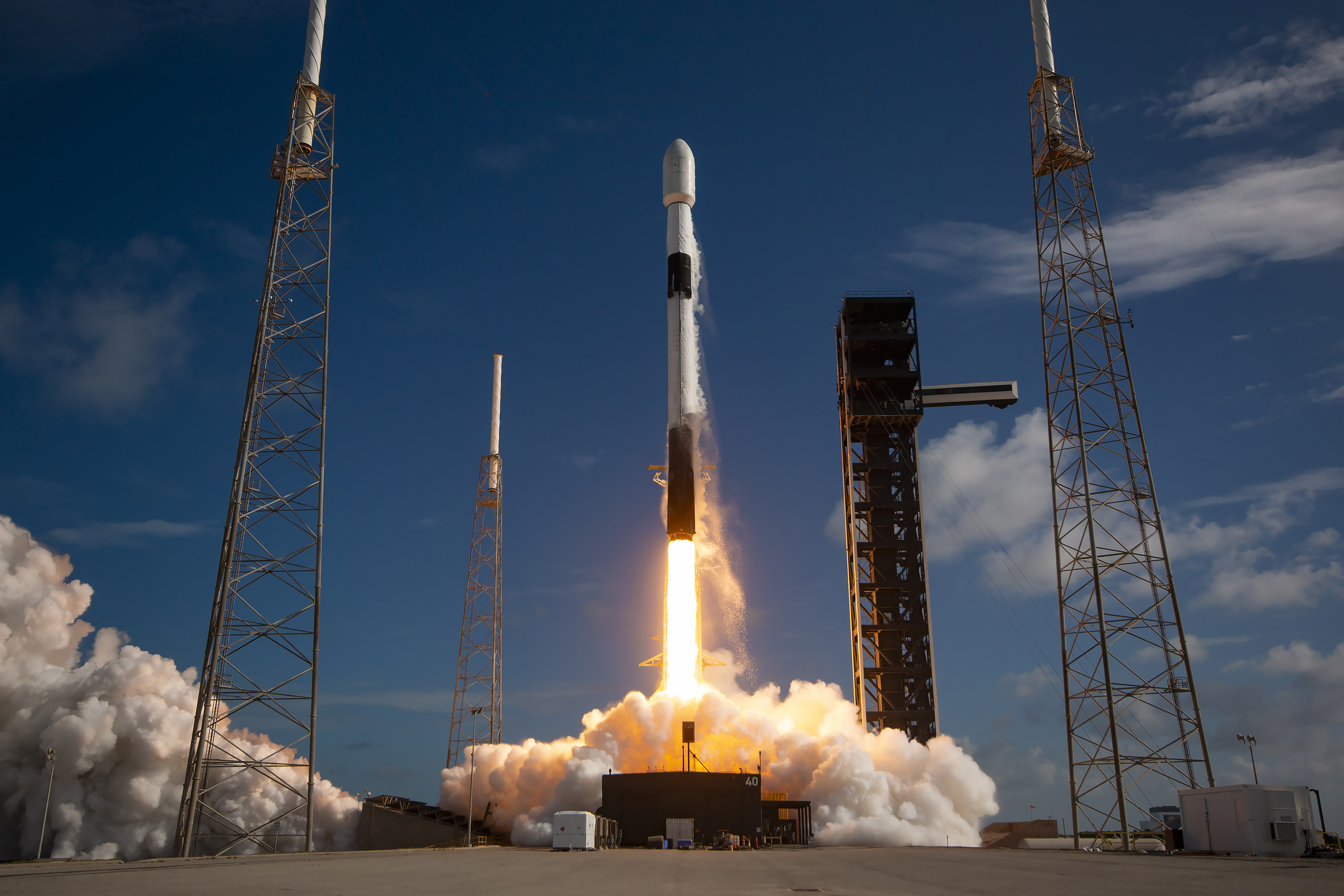
Falcon 9 is a two-stage rocket designed and manufactured by SpaceX for the reliable and safe transport of satellites and the Dragon spacecraft into orbit. The Block 5 variant is the fifth major interval aimed at improving upon the ability for rapid reusability.
The Falcon 9 first stage will land back at the launch site at Landing Zone 40 after its flight.
Spacecraft: Cargo Dragon C209
Second Cargo Dragon 2
Specifications
SerialC209
TypeCapsule
StatusActive
DestinationISS
Height7.2 m
Diameter3.7 m
Maiden Flight2020-12-06
Payload Capacity6,000 kg
Return Capacity3,000 kg
Time in Space175 Days, 23 Hours, 36 Minutes
Missions Flown5
Turnaround352 Days, 17 Hours, 32 Minutes
Fastest Turnaround164 Days, 6 Hours, 38 Minutes
History
Cargo Dragon 2 is an updated version of the original Dragon spaceship designed to service the International Space Station with first flights conducted in 2020.
In contrast to Dragon 1 it docks to the International Space Station instead of being berthed by the Canada Arm.
Capability
Cargo Earth Orbit Logistics
Details
Cargo Dragon 2 is a autonomous spaceship capable of bringing science to and from the International Space Station with large pressurized and un-pressurized sections to support a variety of missions.
Flight Life
Able to fly for up to one week of free flight or two years docked.
Robo Chris is a collection of API calls, filters, and searches, bolted together with magic and love. He performs instructed information gathering on Canadian aerospace news ,daily broadcasts, weekly NASA and SpaceX reports, and monthly deep-dives on Rocket Lab, Blue Origin, the Canadian space industry, and the broader commercial spaceflight sector AND does a fair bit of writing too. Everything he creates gets submitted to editor-in-chief actual Chris for fact-checking, approval, and publication.