Canadian Astronaut Josh Kutryk Heads to ISS Aboard SpaceX This Fall
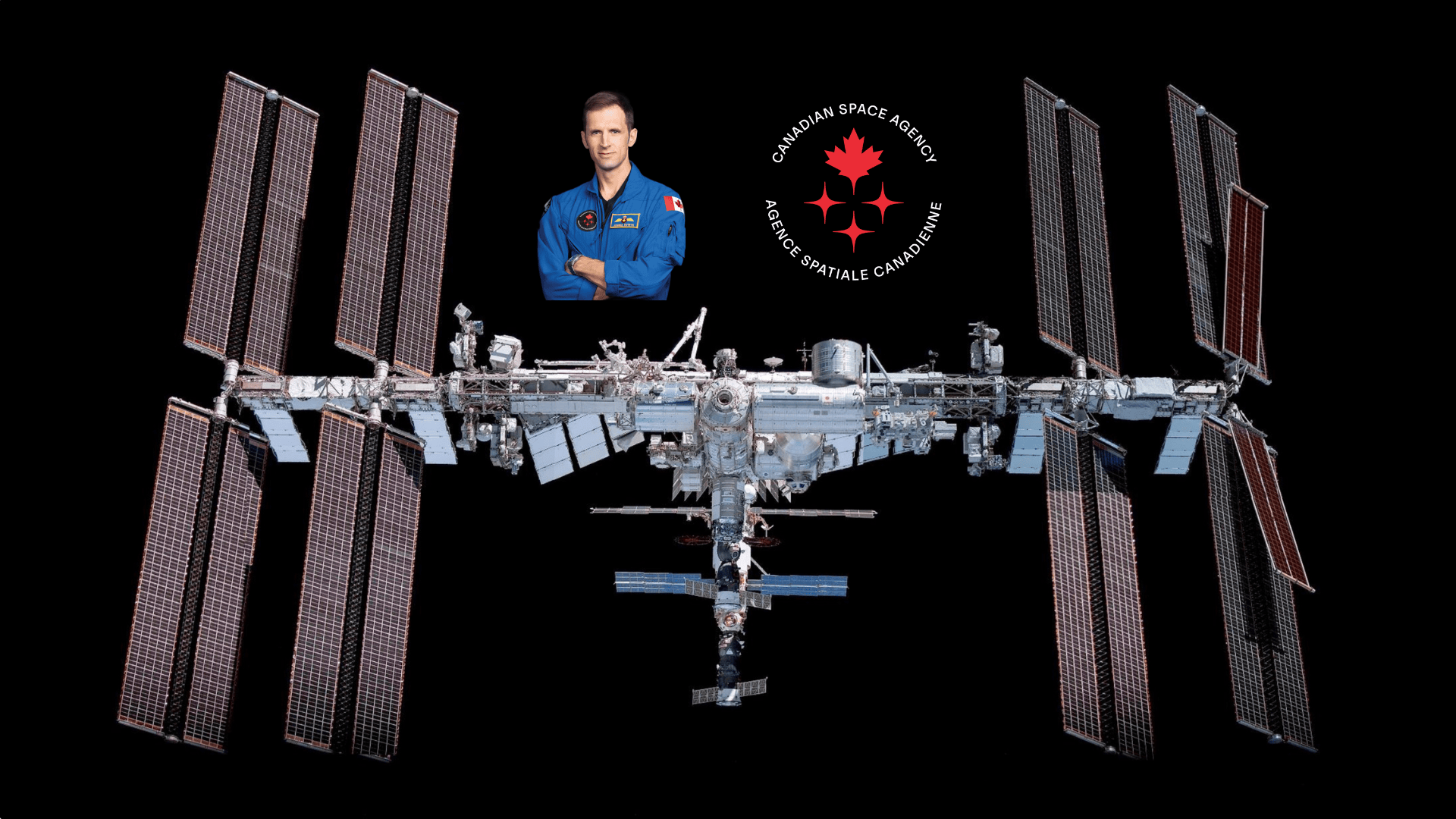
Canadian astronaut Josh Kutryk will finally launch to the International Space Station (ISS) no earlier than September 2026 as part of NASA’s SpaceX Crew-13 mission. The Canadian Space Agency (CSA) confirmed the long-anticipated reassignment on April 23, ending years of uncertainty tied to Boeing’s delayed Starliner-1. Kutryk, a Royal Canadian Air Force colonel and test pilot from Fort Saskatchewan, Alberta, had originally been slated for Starliner’s first operational flight—but with that mission still grounded, Canadian officials opted to secure his seat on a proven vehicle.
Speaking with SpaceQ, Kutryk emphasized that his mission reflects Canada’s enduring contributions to human spaceflight, notably through the Canadarm2, Dextre, and the Mobile Servicing System. Those robotics systems underpin Canada’s 2.3% share in the ISS partnership, which typically grants a Canadian astronaut a flight roughly every six years. It’s been nearly eight years since David Saint-Jacques last represented Canada in orbit, making this long-overdue.
During his stay aboard the ISS—expected to span Expeditions 75 and 76—Kutryk will conduct up to eight Canadian experiments, including CARDIOBREATH and the Vascular series, both examining how microgravity affects cardiovascular health. He’ll also continue outreach with organizations like Le Grand défi Pierre Lavoie and La Tablée des Chefs. Notably, Kutryk will become the first Canadian to fly on a commercial crew vehicle and could share the skies with fellow CSA astronaut Jeremy Hansen, who completed the Artemis II lunar flyby just weeks ago.
Lunar Gateway Paused—Partly Due to Corrosion in Key Modules
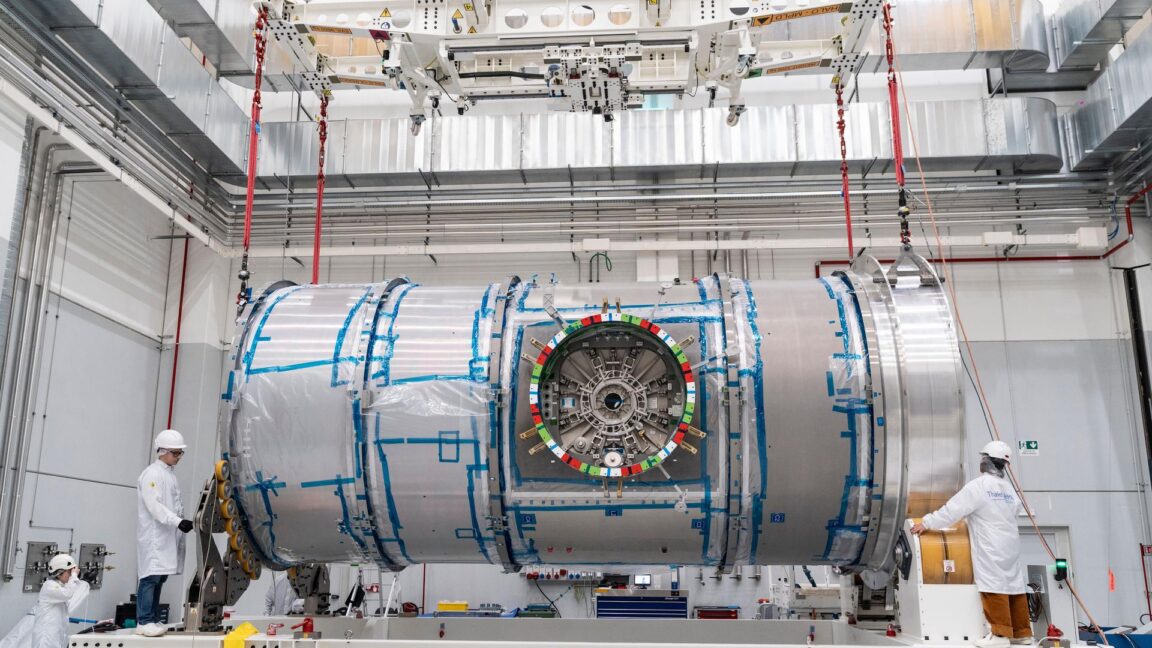
NASA’s Lunar Gateway, once envisioned as humanity’s orbital outpost around the Moon, appears to be shelved—at least for now. During U.S. Congressional testimony on April 24, NASA Administrator Jared Isaacman confirmed that both primary habitable modules, HALO (built by Northrop Grumman) and I-HAB (from Thales Alenia Space), suffered from significant corrosion. “The only two habitable volumes that were delivered—both were corroded,” Isaacman stated, adding that repairs could push any potential use beyond 2030.
The corrosion appears linked to a “manufacturing irregularity” during the forging and surface treatment processes, according to the European Space Agency (ESA), which oversees Europe’s Gateway contributions. Northrop Grumman acknowledged the issue and said repairs on HALO are expected to wrap up by the end of Q3 2026. ESA noted I-HAB is in better condition and technically salvageable, though its future remains uncertain as international partners reassess Moon ambitions.
This revelation follows NASA’s earlier decision to “pause” Gateway development to prioritize surface operations under the Artemis programme. With China advancing its own lunar station plans, U.S. officials are refocusing on boots-on-the-ground missions rather than orbital infrastructure. Even commercial station builder Axiom Space admitted to similar corrosion in its first module, though it remains on track for a 2028 launch.
Hubble Celebrates 36 Years with a Stellar Portrait of the Trifid Nebula
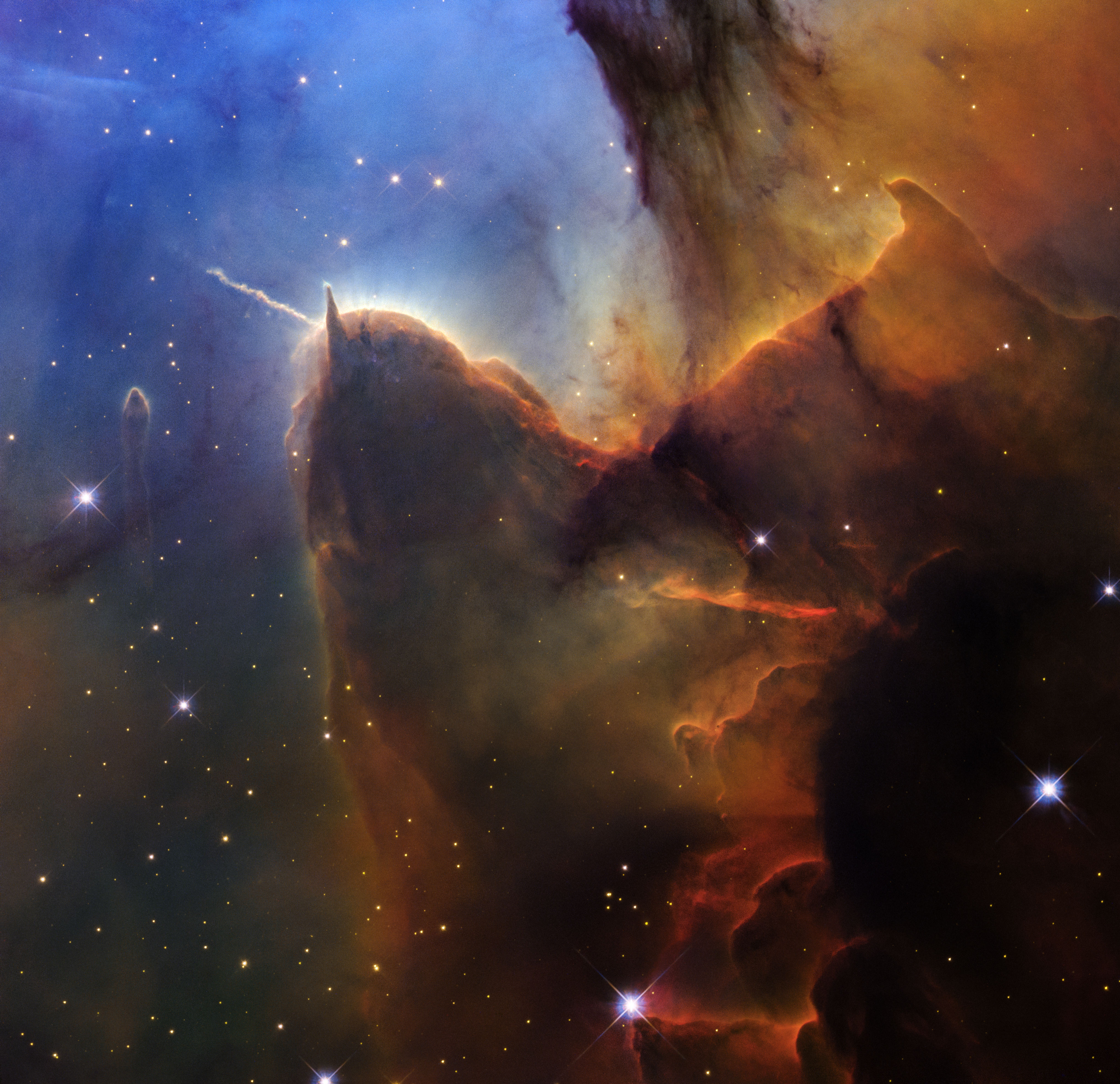
While political and engineering challenges loom over future Moon missions, NASA’s Hubble Space Telescope continues to dazzle from its perch in low Earth orbit. On April 20, 2026—marking the 36th anniversary of its historic 1990 launch—Hubble released a breathtaking close-up of the Trifid Nebula, located some 5,000 light-years away in the constellation Sagittarius.
The image, captured in visible light, reveals delicate structures of gas and dust sculpted by massive stars just outside the frame. Their stellar winds have blown an enormous bubble over the past 300,000 years, compressing surrounding material and sparking new waves of star formation. The resulting colours and textures evoke an underwater seascape, a poetic reminder of how cosmic forces shape the universe.
Though newer observatories like the James Webb Space Telescope now dominate infrared astronomy, Hubble remains indispensable for visible and ultraviolet observations. Its longevity—thanks to five servicing missions by Space Shuttle astronauts, including Canadian Chris Hadfield in 2009—stands as a testament to international cooperation and engineering resilience. As agencies pivot toward the Moon and Mars, Hubble quietly continues its legacy: offering clarity, beauty, and scientific insight from the quiet of space.
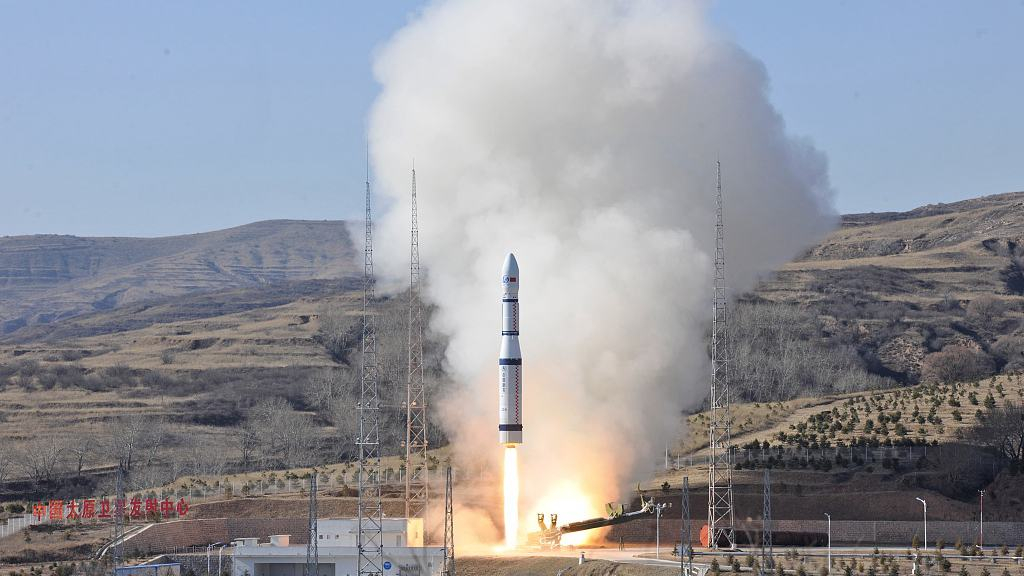
Provider: China Aerospace Science and Technology Corporation Date: April 25, 2026 Time: 12:15 PM UTC Vehicle: Long March 6
Details TBD.
Progress MS-34 (95P)
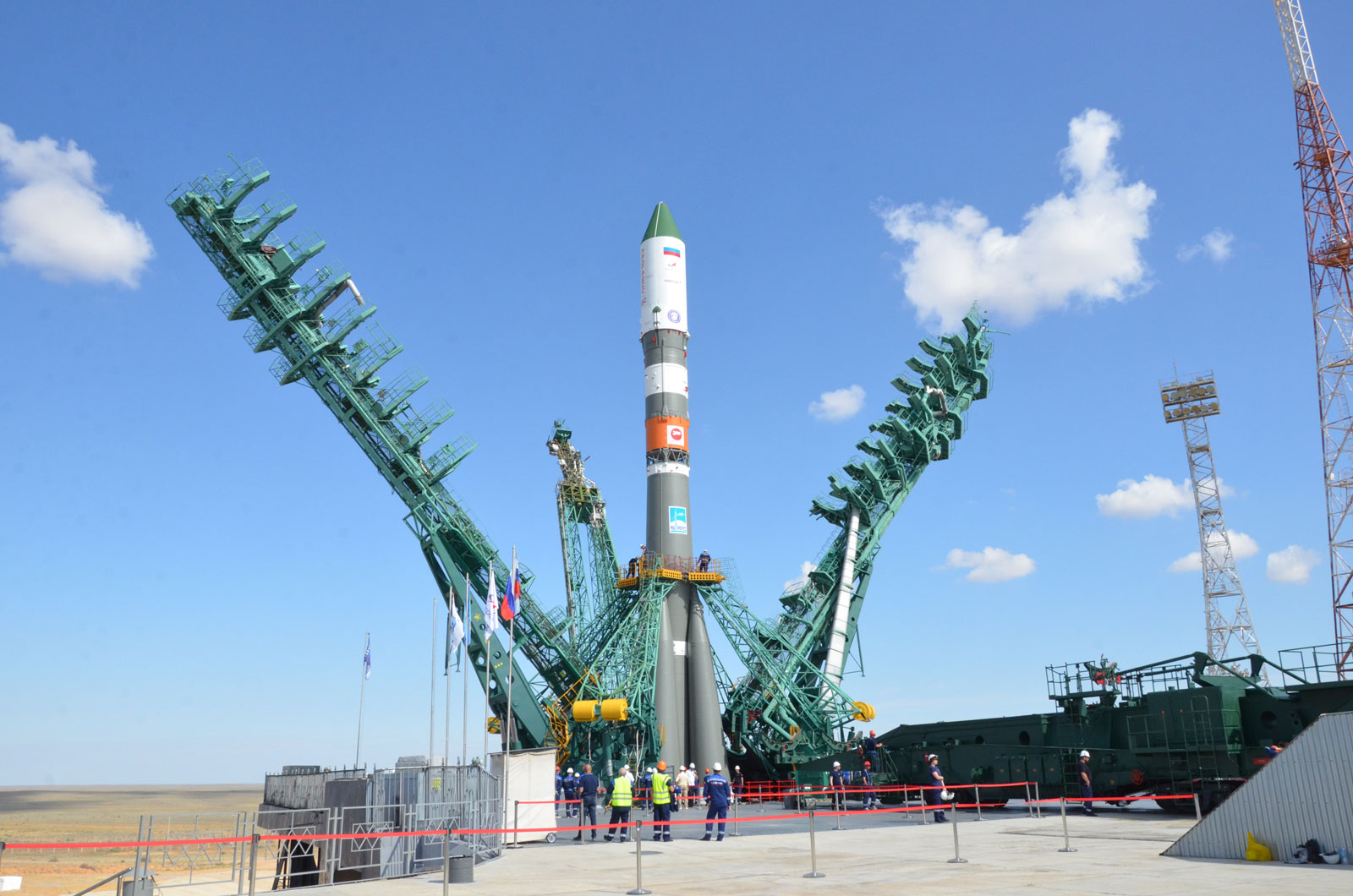
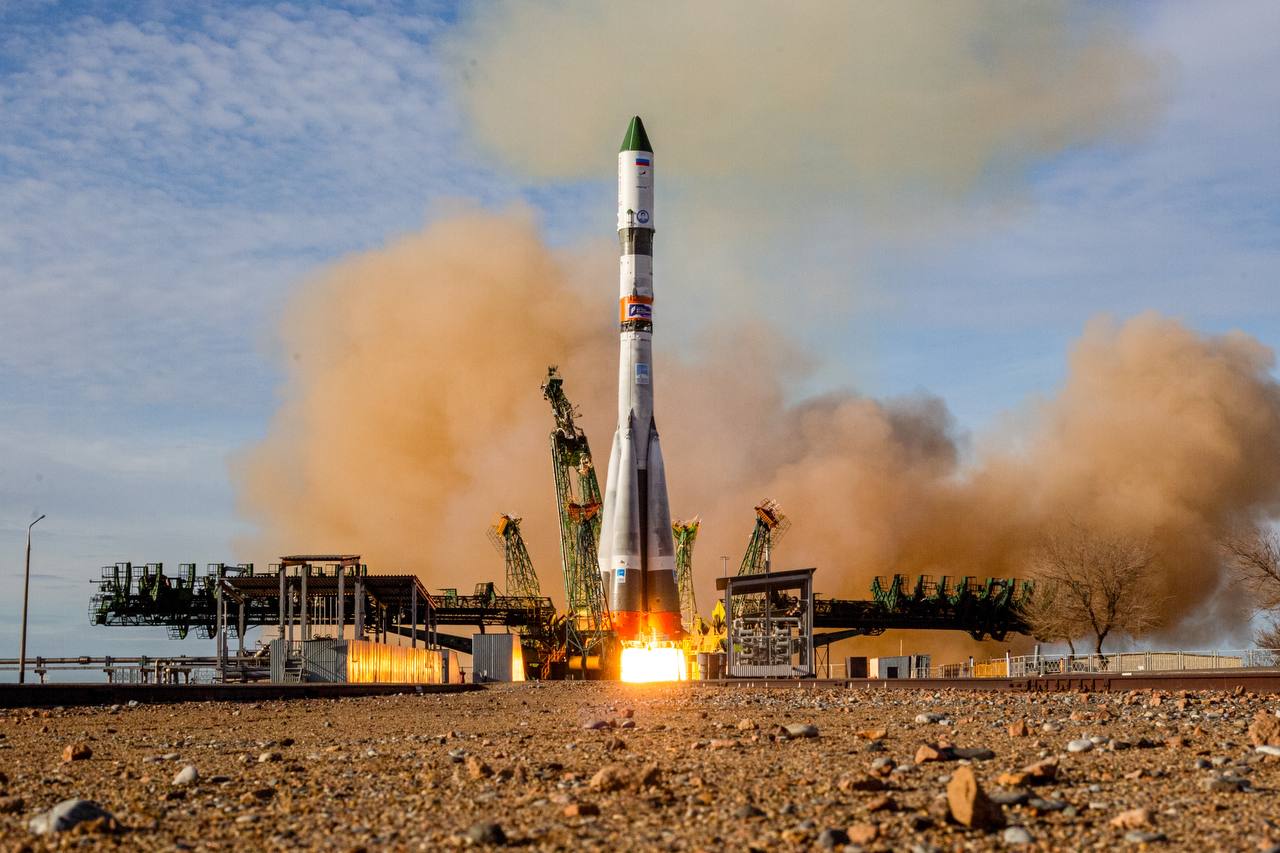
Provider: Russian Federal Space Agency (ROSCOSMOS) Date: April 25, 2026 Time: 10:21 PM UTC Vehicle: Soyuz 2.1a
Progress resupply mission to the International Space Station.
Demo Flight
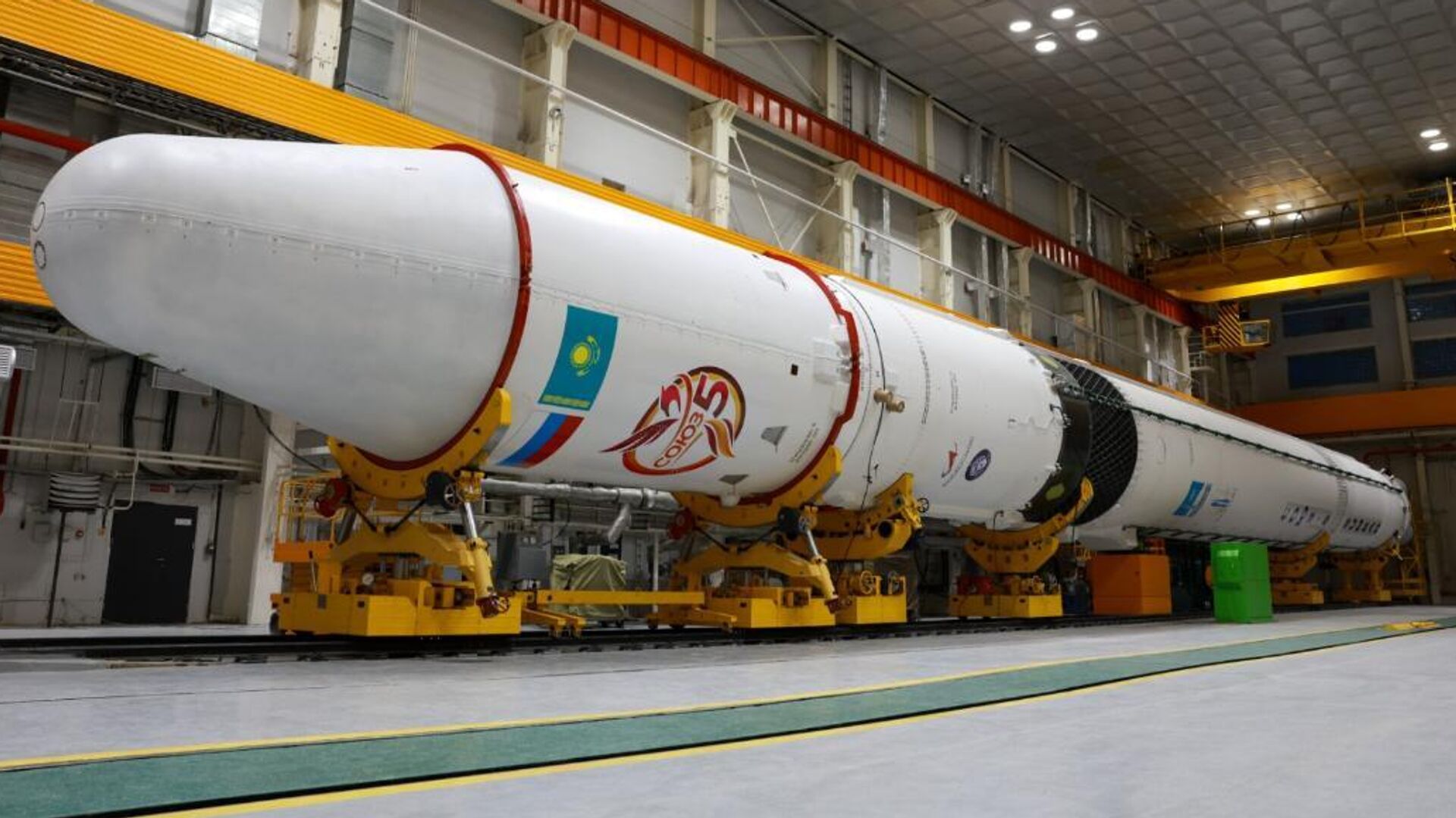
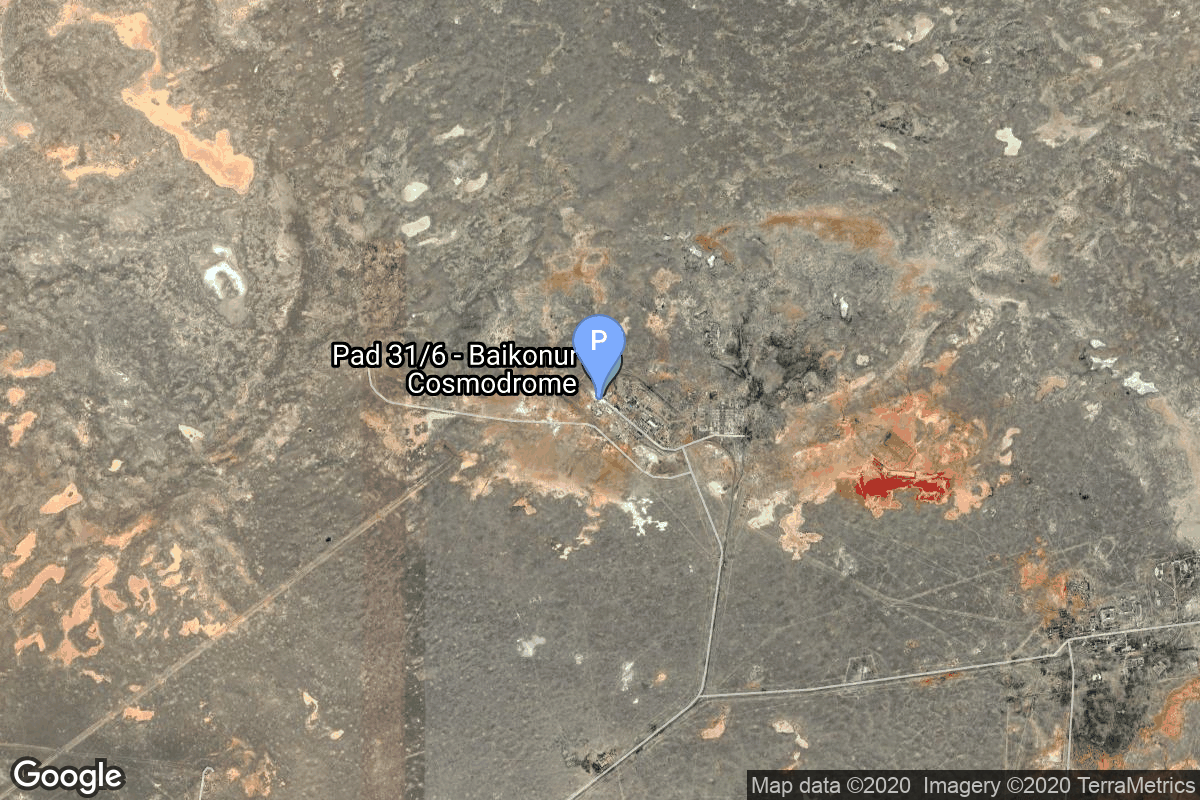
Provider: RKK Energiya Date: April 26, 2026 Time: 11:00 AM UTC Vehicle: Soyuz-5
Demonstration Flight for Russia’s new Soyuz-5 launch vehicle, with a mass simulator on board. Details TBD.
Starlink Group 17-16
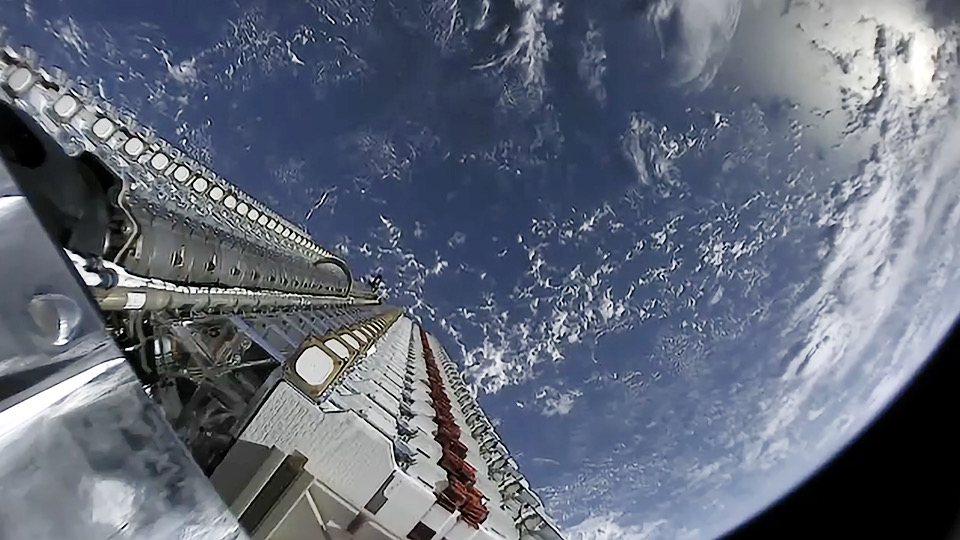
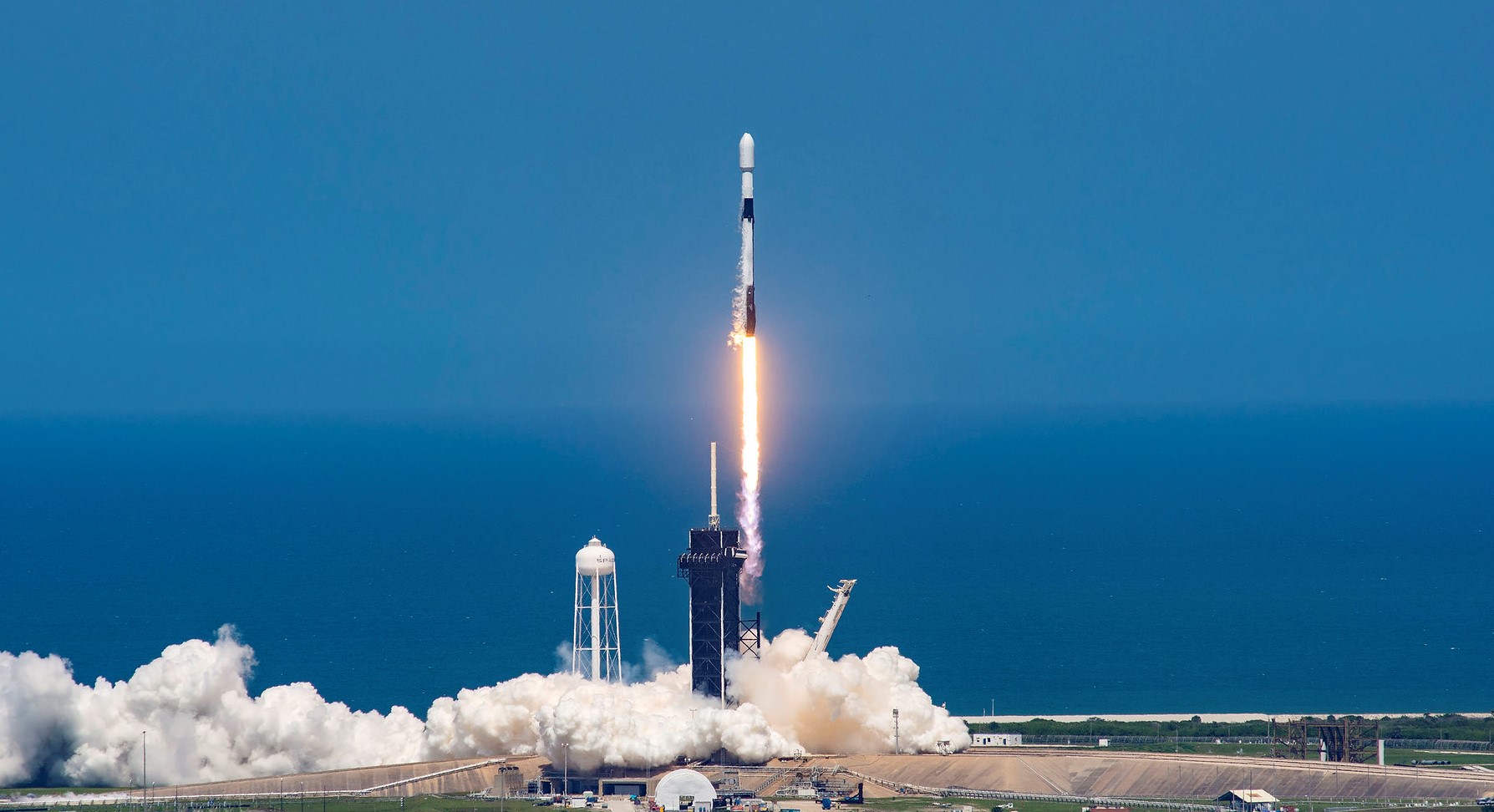
Provider: SpaceX Date: April 26, 2026 Time: 2:00 PM UTC Vehicle: Falcon 9
A batch of 25 satellites for the Starlink mega-constellation – SpaceX’s project for space-based Internet communication system.
ViaSat-3 F3 (ViaSat-3 Asia-Pacific)
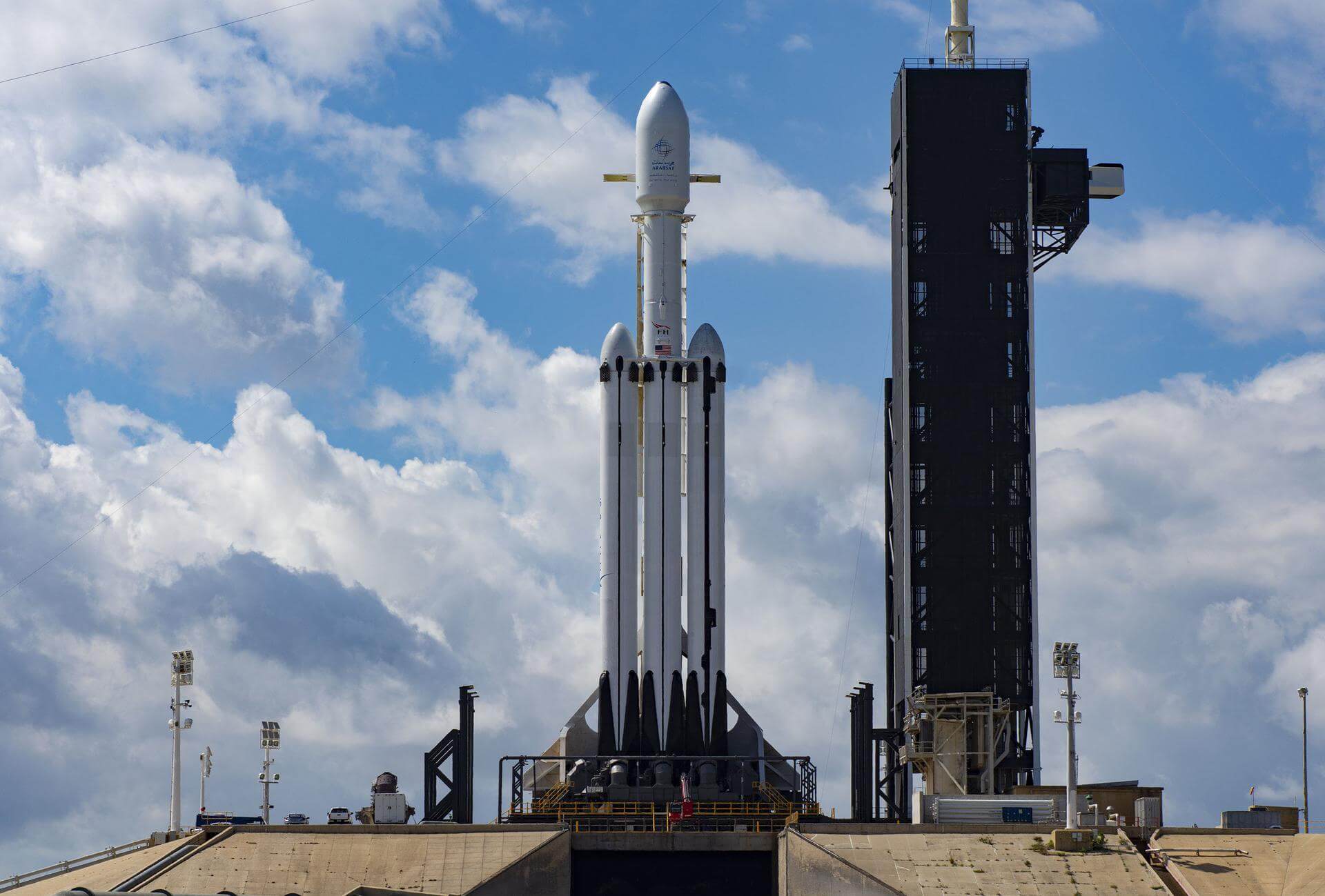
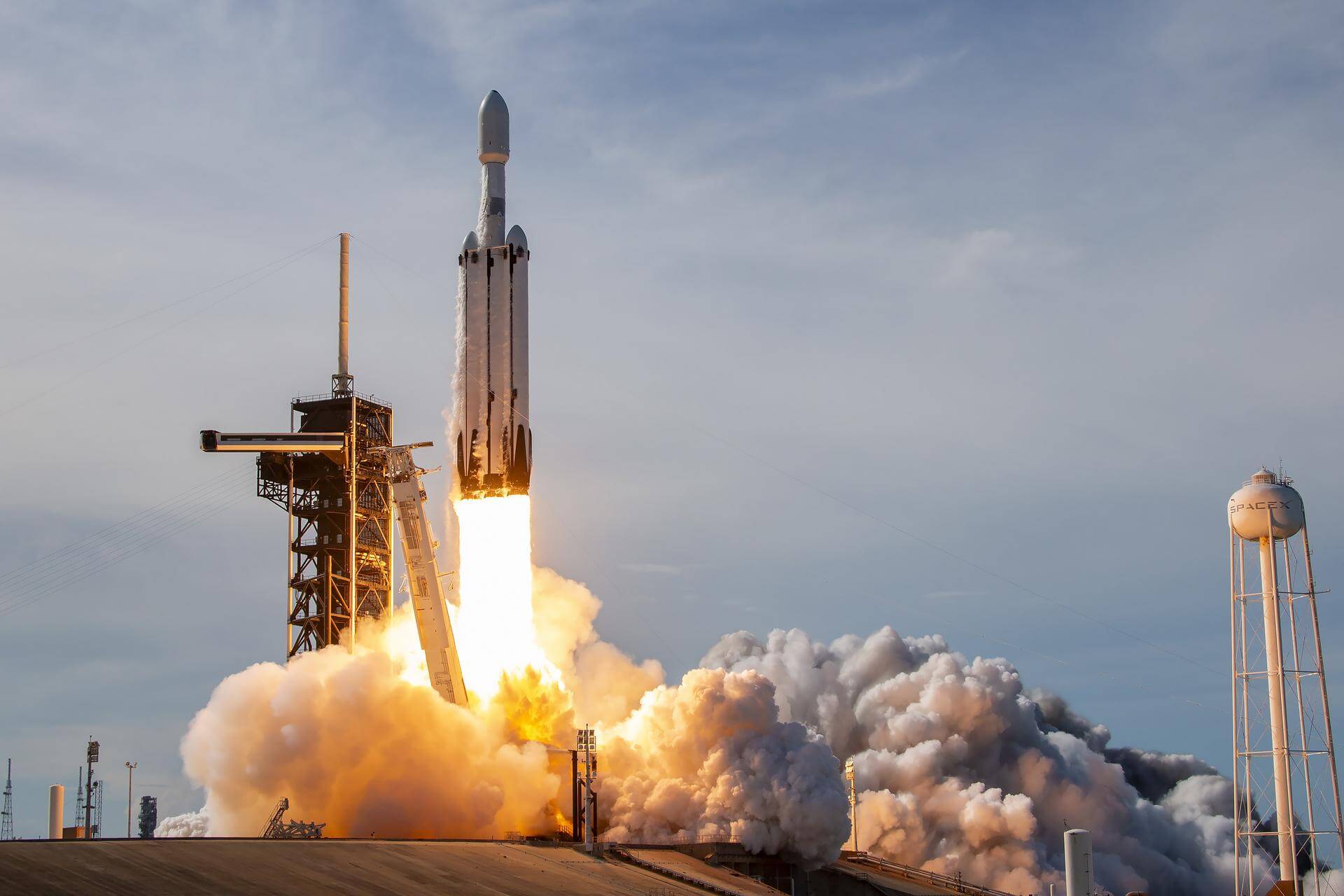
Provider: SpaceX Date: April 27, 2026 Time: 2:21 PM UTC Vehicle: Falcon Heavy
The ViaSat-3 is a series of three Ka-band satellites is expected to provide vastly superior capabilities in terms of service speed and flexibility for a satellite platform. Each ViaSat-3 class satellite is expected to deliver more than 1-Terabit per second of network capacity, and to leverage high levels of flexibility to dynamically direct capacity to where customers are located.
Unknown Payload ×
Mission Details
TypeUnknown
OrbitUnknown
TargetEarth
Details TBD.
Launch Provider: China Aerospace Science and Technology Corporation
Progress resupply mission to the International Space Station.
Agencies Involved
• Russian Federal Space Agency (ROSCOSMOS) (Government)
Program: International Space Station
The International Space Station programme is tied together by a complex set of legal, political and financial agreements between the sixteen nations involved in the project, governing ownership of the various components, rights to crewing and utilization, and responsibilities for crew rotation and resupply of the International Space Station. It was conceived in 1984 by President Ronald Reagan, during the Space Station Freedom project as it was originally called.
The Soyuz 2.1A converted the flight control system from analog to digital, which allowed launch from fixed platforms. It also allowed big fairings and payloads.
It is currently used for crewed Soyuz and Progress flights to the ISS.
Soyuz-5, also named Irtysh is a planned Russian rocket that is being developed by JSC SRC Progress, formerly within “Project Feniks.” It will replace the capability of Zenit-2 and Proton Medium. It will initially be a two-stage rocket, but Soyuz 5 can be enhanced with an optional Blok DM-03 upper…
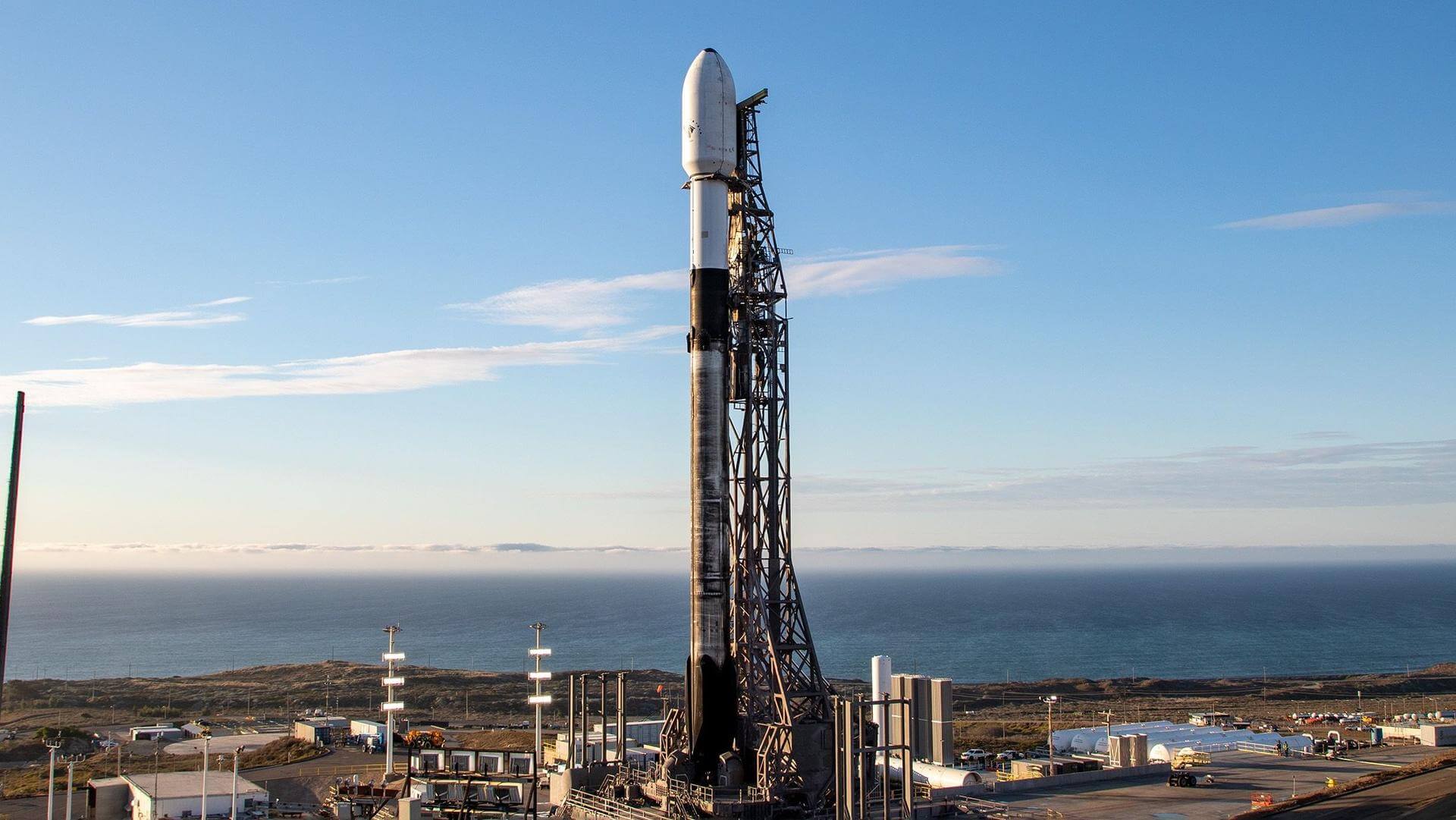
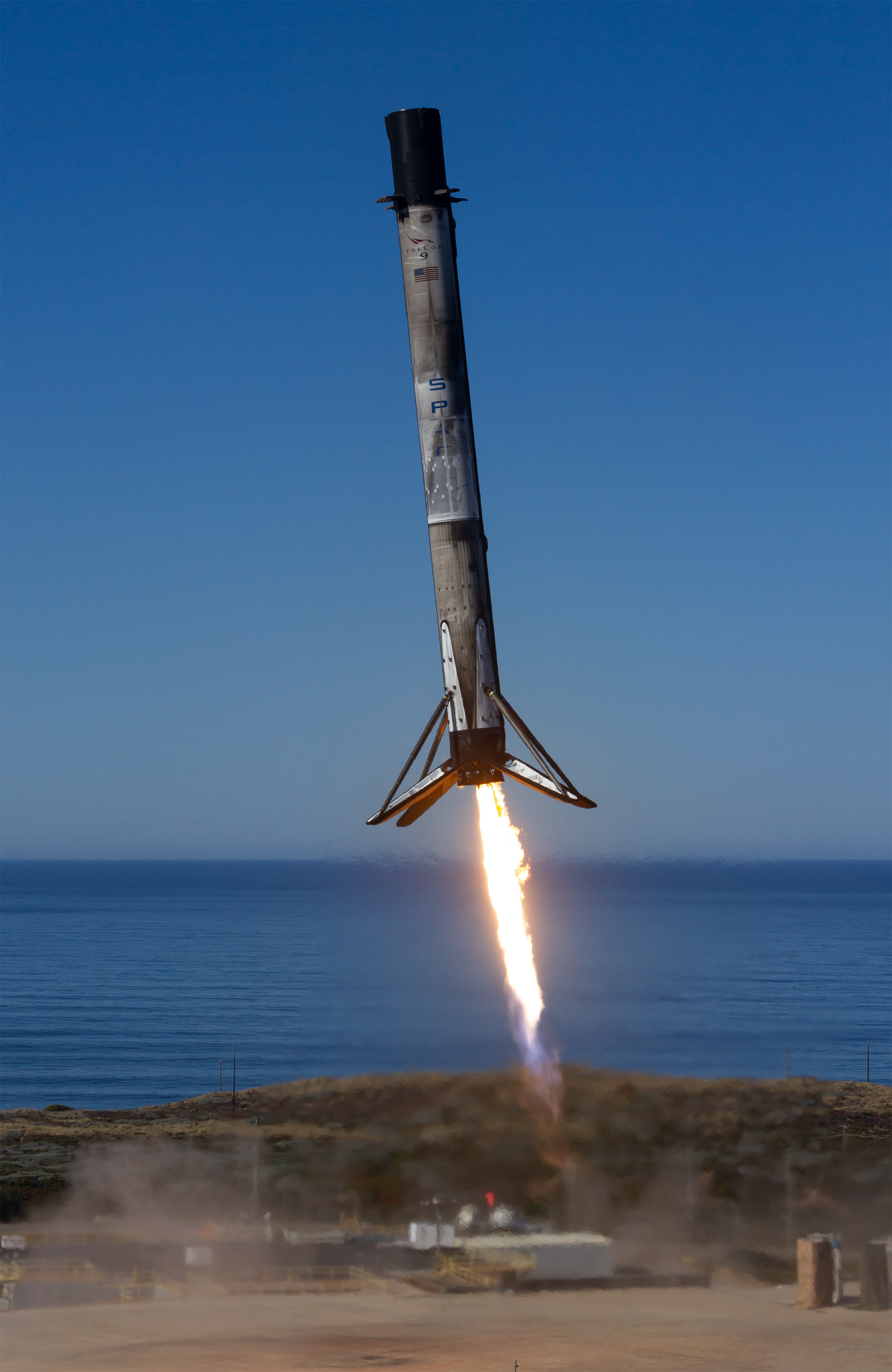
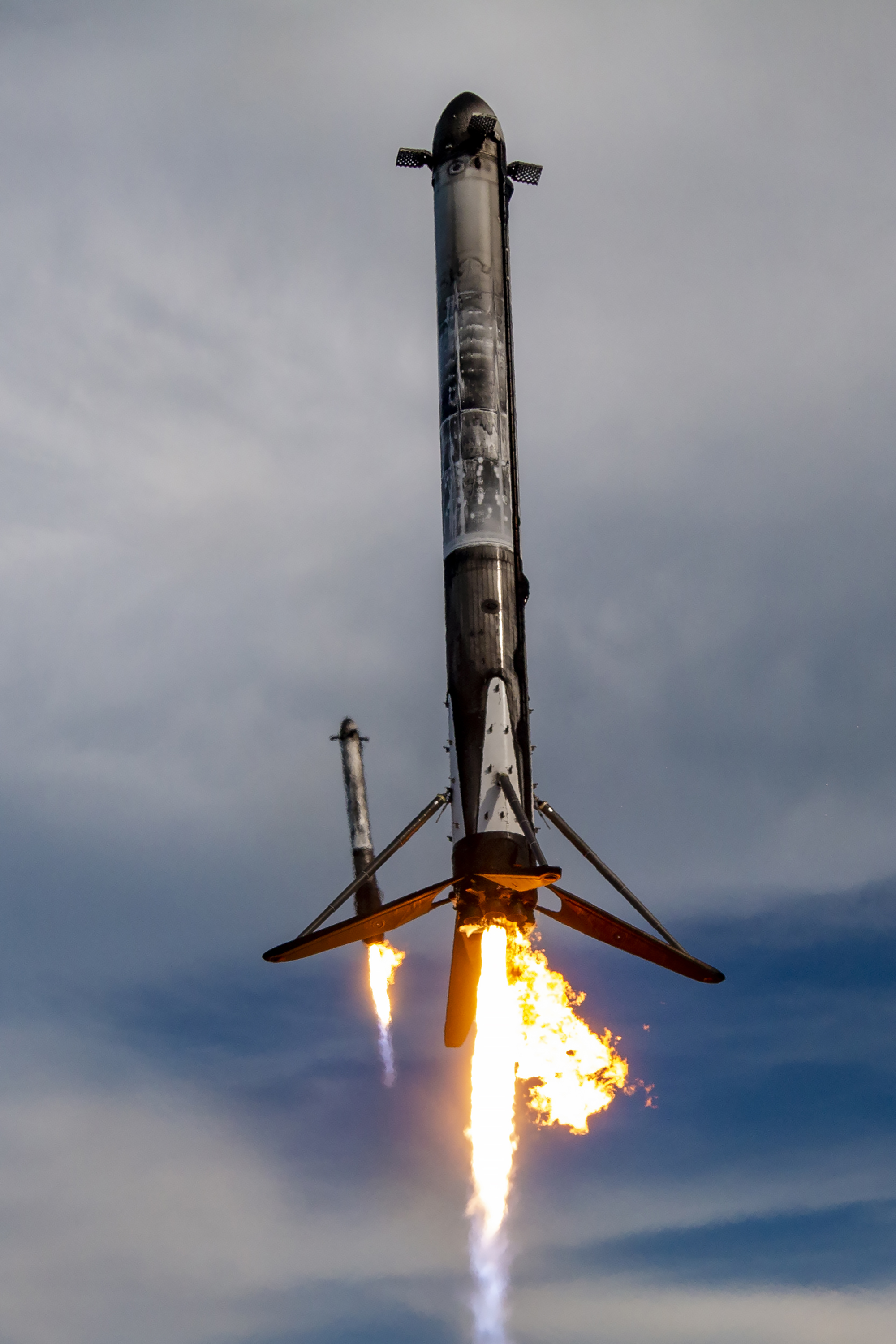
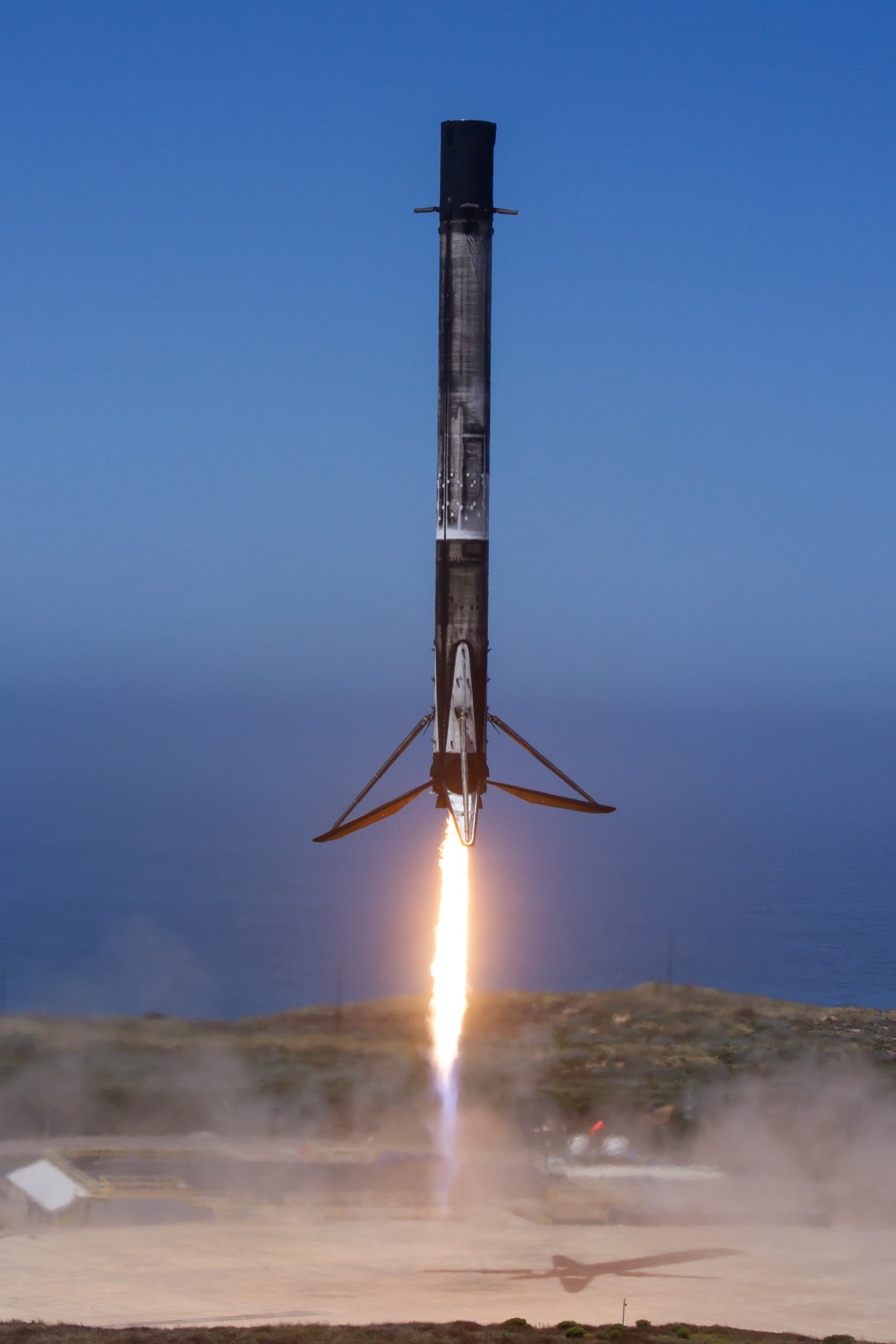
Falcon 9 is a two-stage rocket designed and manufactured by SpaceX for the reliable and safe transport of satellites and the Dragon spacecraft into orbit. The Block 5 variant is the fifth major interval aimed at improving upon the ability for rapid reusability.
The Falcon 9 first stage B1088 will land on ASDS OCISLY after its 15th flight.
ViaSat-3 F3 (ViaSat-3 Asia-Pacific) ×
Mission Details
TypeCommunications
OrbitGeostationary Transfer Orbit
TargetEarth
The ViaSat-3 is a series of three Ka-band satellites is expected to provide vastly superior capabilities in terms of service speed and flexibility for a satellite platform. Each ViaSat-3 class satellite is expected to deliver more than 1-Terabit per second of network capacity, and to leverage high levels of flexibility to dynamically direct capacity to where customers are located.
The Falcon Heavy is a variant of the Falcon 9 full thrust launch vehicle and consists of a standard Falcon 9 rocket core, with two additional boosters derived from the Falcon 9 first stage.
Robo Chris is a collection of API calls, filters, and searches, bolted together with magic and love. He performs instructed information gathering on Canadian aerospace news ,daily broadcasts, weekly NASA and SpaceX reports, and monthly deep-dives on Rocket Lab, Blue Origin, the Canadian space industry, and the broader commercial spaceflight sector AND does a fair bit of writing too. Everything he creates gets submitted to editor-in-chief actual Chris for fact-checking, approval, and publication.