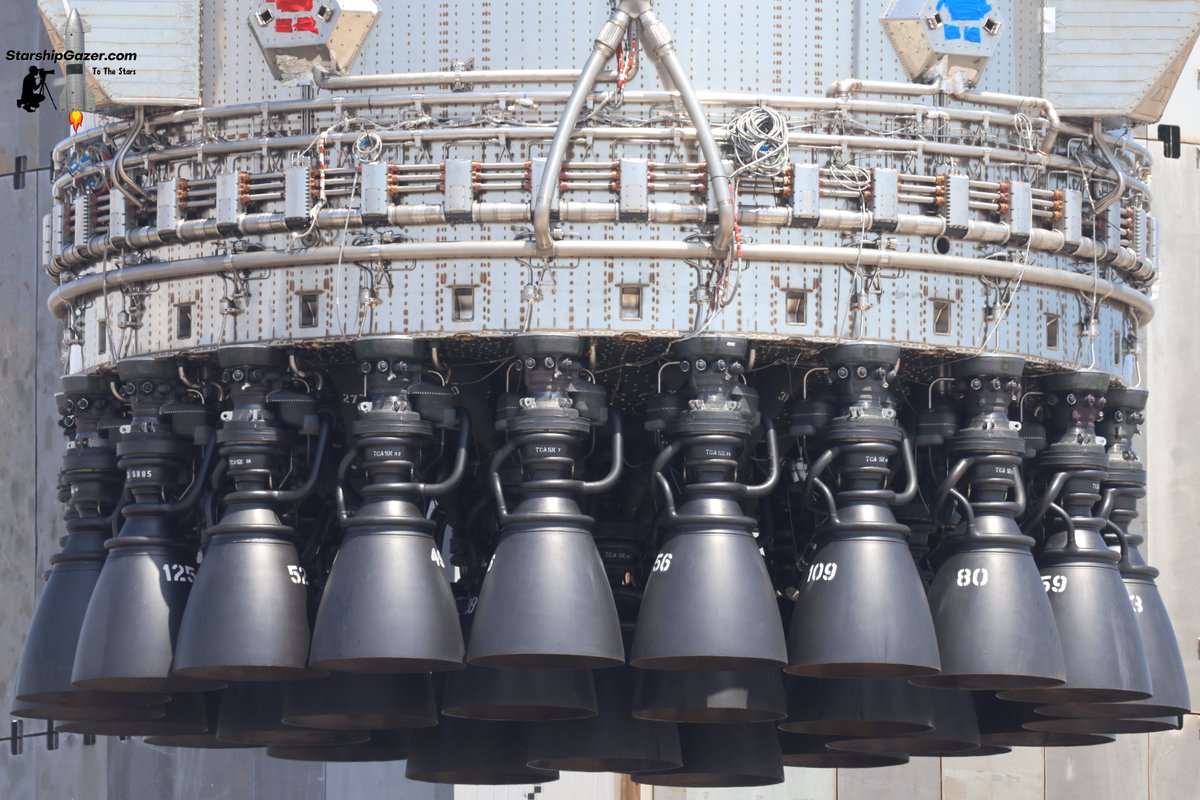
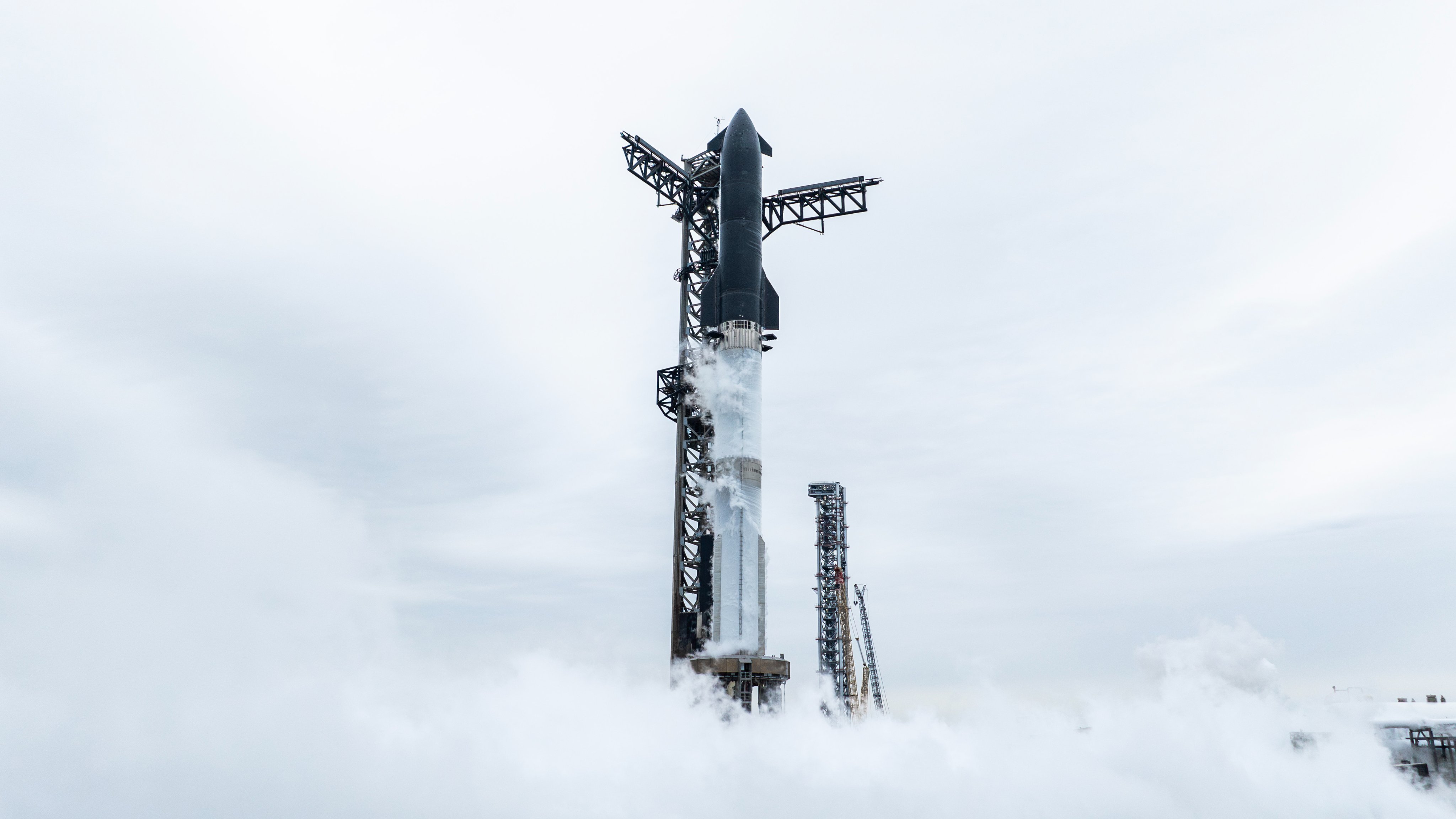
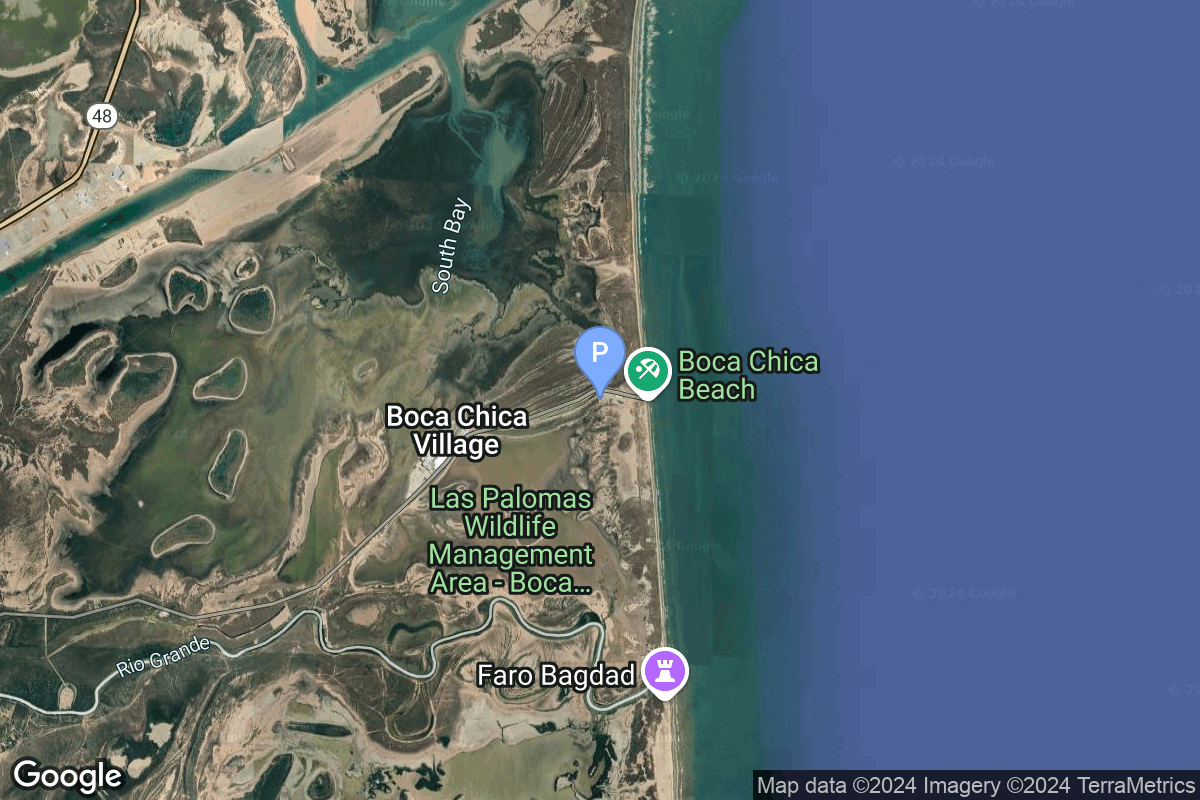
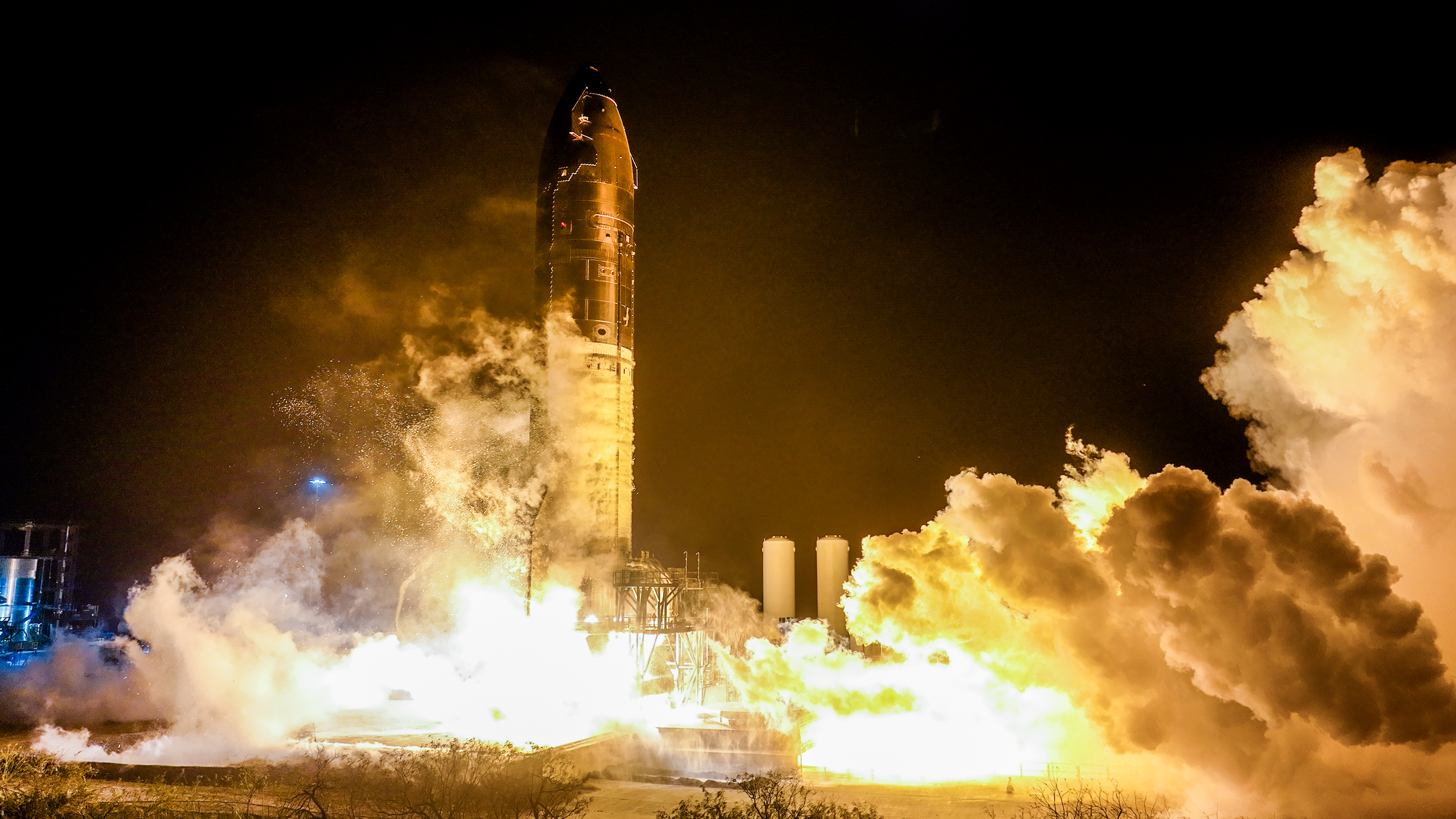
SpaceX is deep into final preparations for Starship’s 12th integrated test flight, with booster and ship both completing critical static fire tests at Starbase, Texas. On April 14, 2026, Starship Ship 39 performed a long-duration static fire using all six of its Raptor 3 engines at the Massey test site—a key milestone ahead of flight. Just over 24 hours later, Super Heavy Booster 19 followed suit with a full 33-engine static fire on April 15. Additional cryogenic and wet dress rehearsal tests were conducted through the week, including frosty visuals of Booster 19 on April 16 and its subsequent lift off Pad 2 on April 17.
While an official launch date has not yet been confirmed by SpaceX, the flurry of testing strongly suggests Flight 12 is imminent—likely within weeks, pending regulatory approvals and final readiness reviews. This will be the first flight to feature both Ship 39 and Booster 19, each equipped with the latest Raptor 3 engines offering improved thrust, reliability, and manufacturability over earlier versions. Objectives for Flight 12 are expected to build on the partial successes of Flight 11, with a continued focus on stage separation, controlled descent profiles, and potentially another attempt at a soft splashdown for both stages.
Starbase Infrastructure Holds Steady
Starbase’s infrastructure appears stable and ready to support upcoming Starship flights, with no major construction overhauls reported this week. Pad 2—the newer of Starbase’s two orbital launch mounts—has now hosted multiple integrated vehicle tests, including the recent static fires and wet dress rehearsals for Booster 19 and Ship 39. The deluge system beneath the pad, upgraded after Flight 8 to better manage acoustic and thermal loads, appears to be performing as intended based on post-test visuals showing minimal damage.
The Mechazilla launch tower adjacent to Pad 2 remains active, with its chopstick arms routinely used to lift and stack Super Heavy boosters and Starship vehicles. No significant modifications to the tower or catch mechanism have been observed this week, suggesting SpaceX is confident in the current configuration for Flight 12. Meanwhile, production continues inside the nearby Gigabay and High Bay facilities, though specific updates on new vehicle builds were not disclosed in available sources.
Falcon 9 and Falcon Heavy Operations
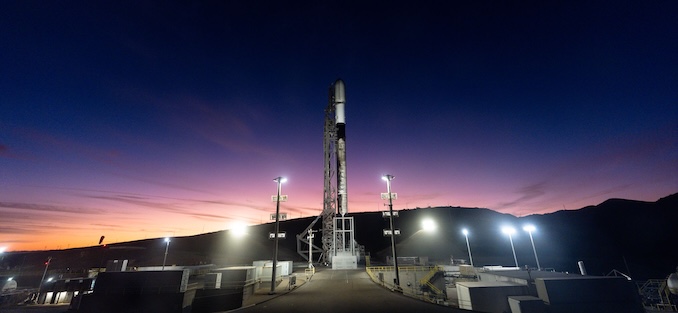
SpaceX is on the cusp of a major reuse milestone: the 600th successful Falcon booster landing. That historic moment is expected during the Starlink 17-22 mission, now scheduled for Sunday, April 19, 2026, at 9:03:09 a.m. PDT (12:03:09 p.m. EDT) from Vandenberg Space Force Base in California. The flight will use booster B1097 on its seventh mission, and if all goes as planned, it will touch down on the drone ship Of Course I Still Love You roughly eight minutes after liftoff.
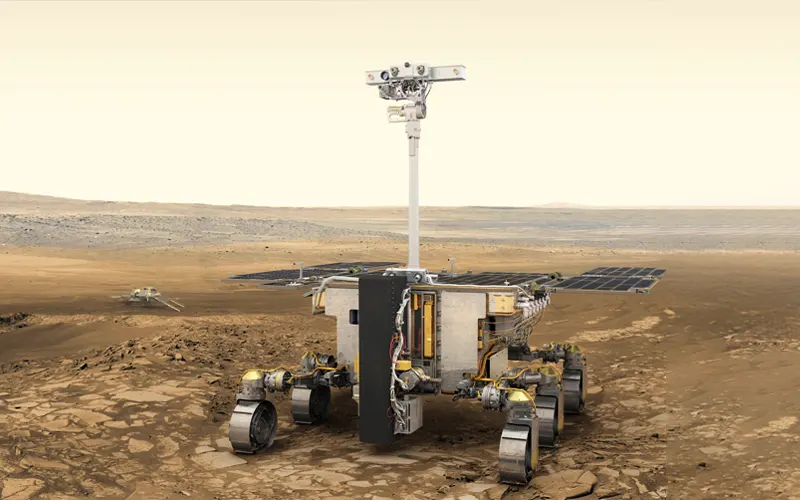
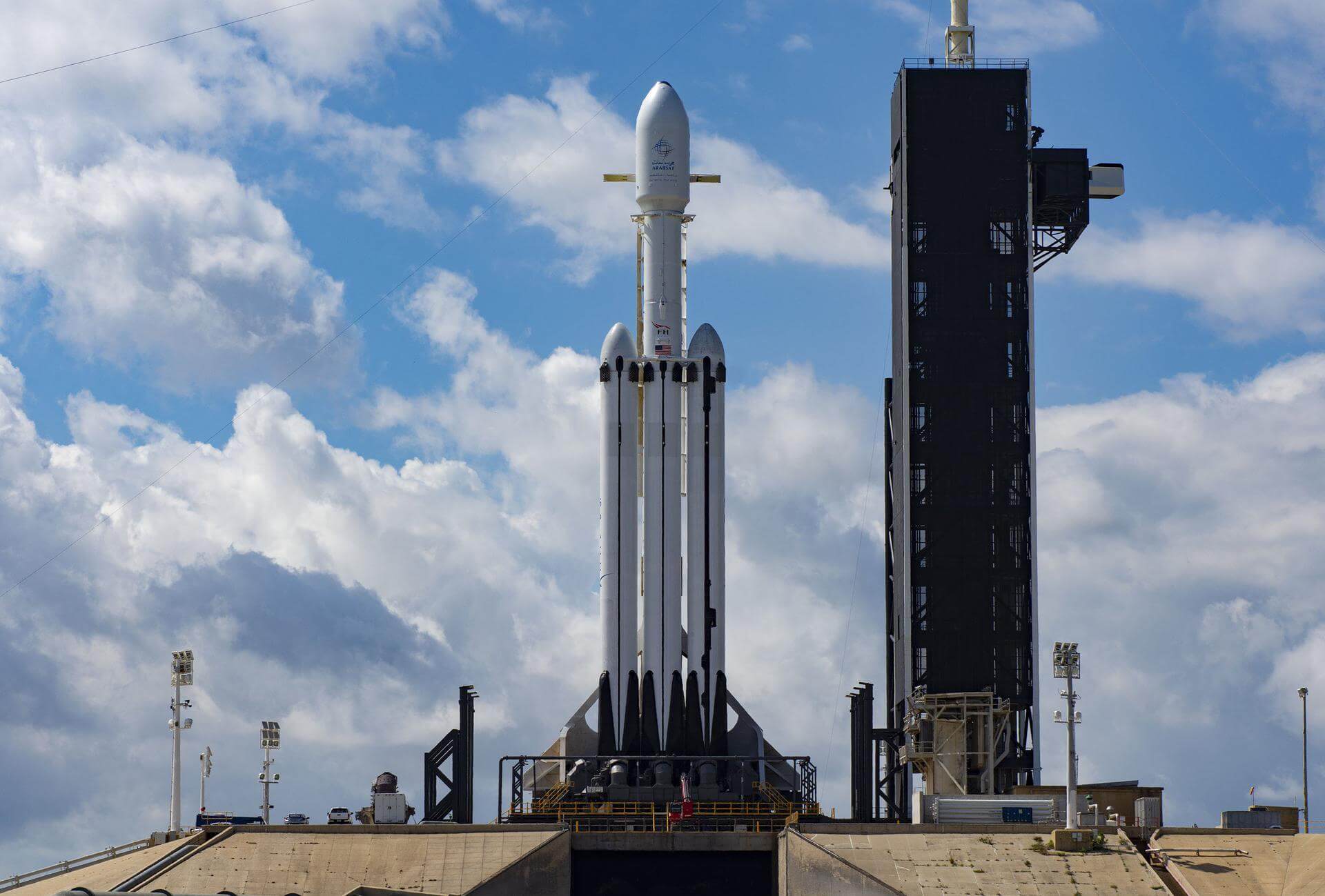
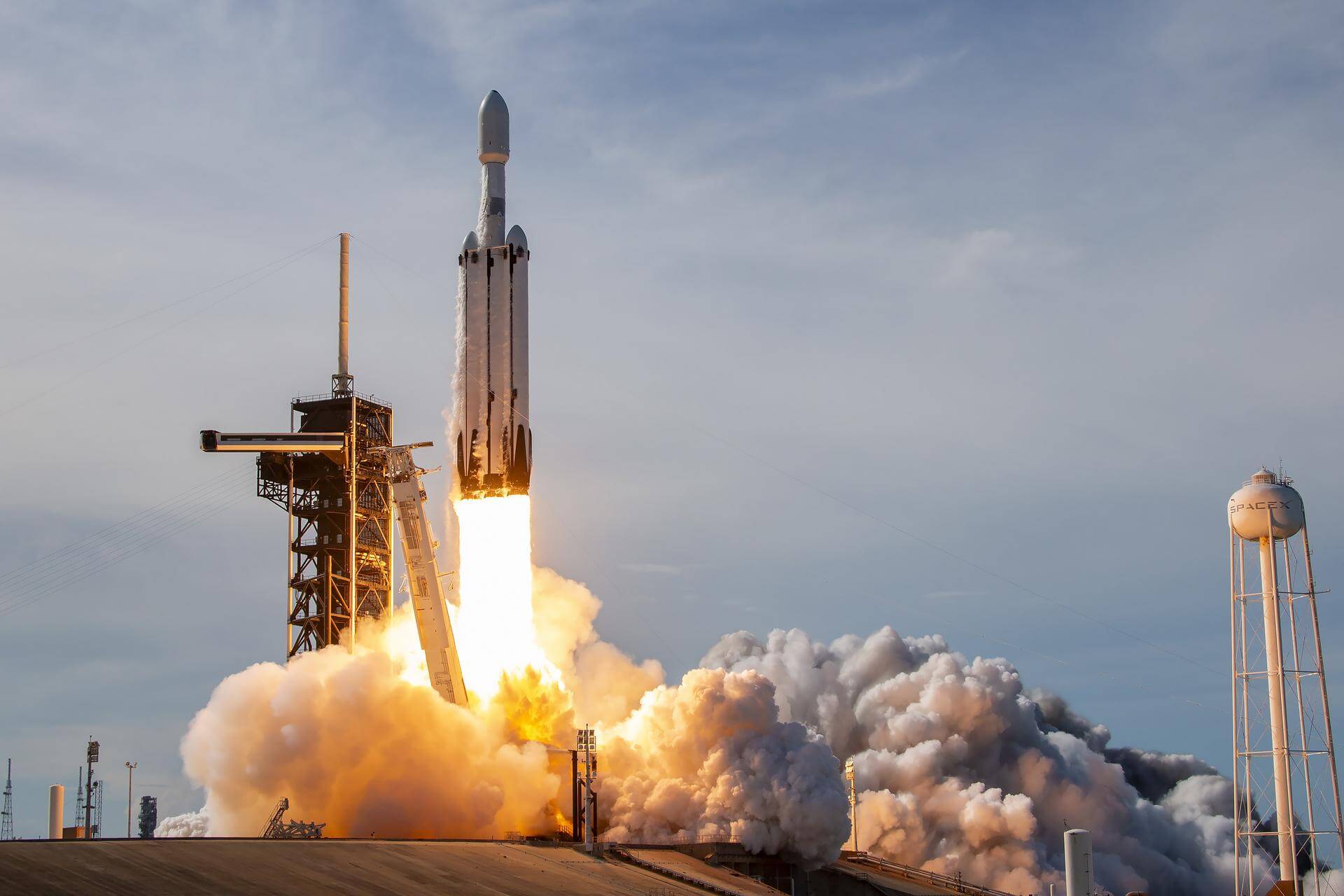
Earlier in the week, SpaceX successfully launched the Starlink 10-24 mission from Cape Canaveral on April 14 at 5:33 a.m. EDT. That flight delivered 29 satellites to orbit and marked the deployment of the 1,000th Starlink satellite of 2026. Booster B1080 completed its 26th flight and landed on Just Read the Instructions, contributing to SpaceX’s total of 598 booster landings to date. Looking further ahead, NASA has selected a Falcon Heavy to launch ESA’s Rosalind Franklin Mars rover no earlier than late 2028—a mission that could mark another major international milestone, though its future remains uncertain amid proposed U.S. budget cuts.
Other SpaceX News
While no new Crew or Cargo Dragon missions made headlines this week, Starlink continues its rapid expansion. With over 10,200 satellites now in orbit—including 1,002 launched so far in 2026—the constellation provides broadband coverage across most of Canada, from urban centres to remote northern communities. SpaceX has not announced any new service tiers or regulatory updates specific to Canada this week, but Canadian users continue to benefit from the network’s low-latency performance, particularly in regions underserved by terrestrial infrastructure.
On the partnership front, the selection of Falcon Heavy for ESA’s Rosalind Franklin rover underscores SpaceX’s role as a go-to launch provider for international science missions. Though Canadian institutions aren’t directly involved in this particular rover mission, Canada has historically contributed to Mars exploration through instrument development and data analysis partnerships with both NASA and ESA—so scientific collaboration may still follow. For now, all eyes remain on Vandenberg and Starbase as SpaceX closes in on two major milestones: the 600th booster landing and the 12th Starship test flight.
Provider: SpaceX Date: April 30, 2026 Time: 12:00 AM UTC Vehicle: Falcon Heavy
The ViaSat-3 is a series of three Ka-band satellites is expected to provide vastly superior capabilities in terms of service speed and flexibility for a satellite platform. Each ViaSat-3 class satellite is expected to deliver more than 1-Terabit per second of network capacity, and to leverage high levels of flexibility to dynamically direct capacity to where customers are located.
Flight 12
Provider: SpaceX Date: May 31, 2026 Time: 12:00 AM UTC Vehicle: Starship
12th test flight of the two-stage Starship launch vehicle. Maiden Flight of Starship V3
Flight 13
Provider: SpaceX Date: June 30, 2026 Time: 12:00 AM UTC Vehicle: Starship
13th test flight of the two-stage Starship launch vehicle. Second flight of Starship V3
Nancy Grace Roman Space Telescope
Provider: SpaceX Date: September 28, 2026 Time: 12:00 AM UTC Vehicle: Falcon Heavy
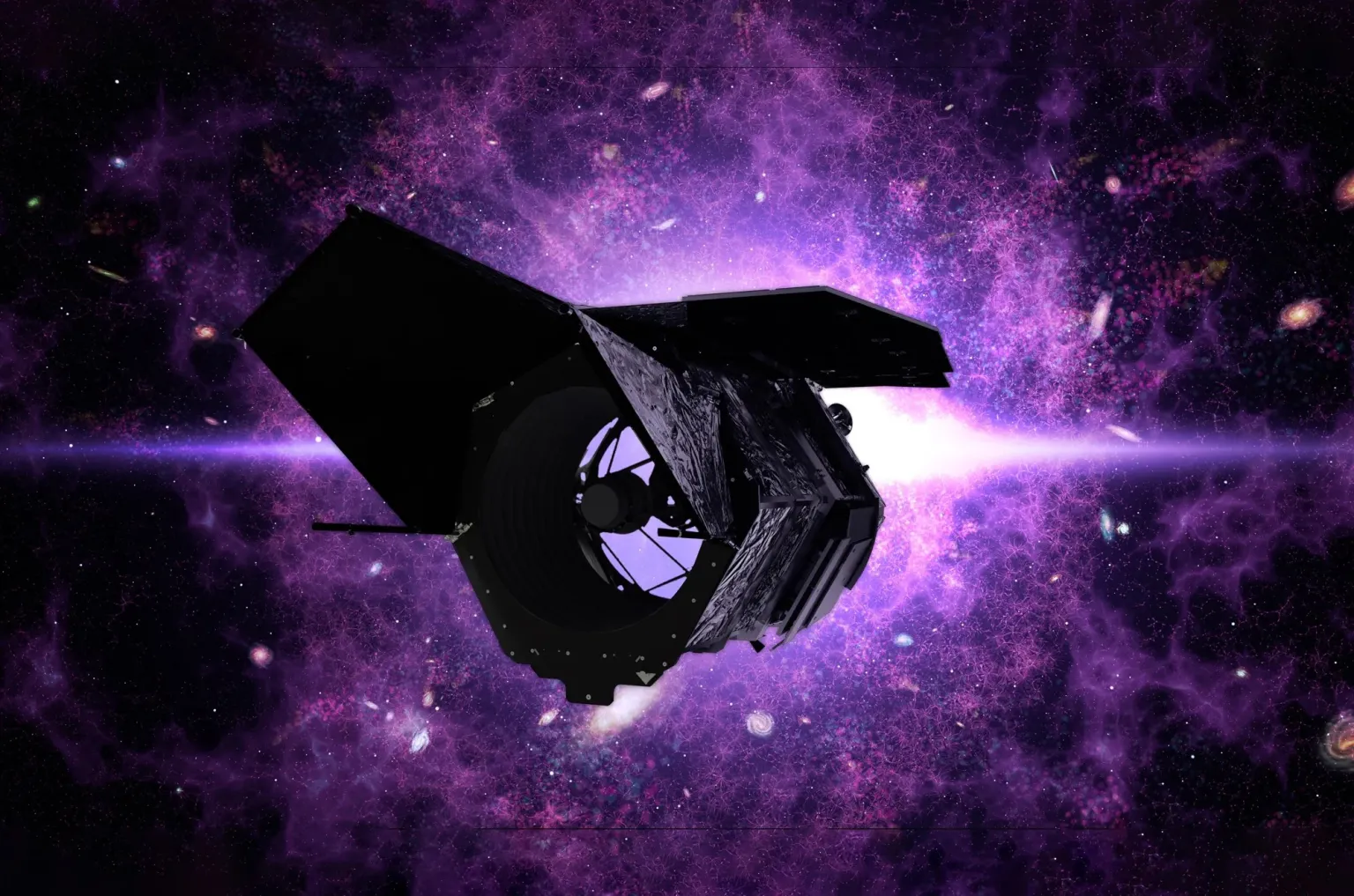
The Nancy Grace Roman Space Telescope is a NASA infrared space telescope with a 2.4 m (7.9 ft) wide field of view primary mirror and two scientific instruments. The Wide-Field Instrument (WFI) is a 300.8-megapixel multi-band visible and near-infrared camera, providing a sharpness of images comparable to that achieved by the Hubble Space Telescope over a 0.28 square degree field of view, 100 times larger than imaging cameras on the Hubble. The Coronagraphic Instrument (CGI) is a high-contrast, small field of view camera and spectrometer covering visible and near-infrared wavelengths using novel starlight-suppression technology. Roman objectives include a search for extra-solar planets using gravitational microlensing, and probing the expansion history of the Universe and the growth of cosmic structure, with the goal of measuring the effects of dark energy, the consistency of general relativity, and the curvature of spacetime.
Griffin Mission One
Provider: SpaceX Date: December 31, 2026 Time: 12:00 AM UTC Vehicle: Falcon Heavy
Demonstration flight of the Astrobotic Griffin lander and its engines, initially contracted for the cancelled NASA VIPER (Volatiles Investigating Polar Exploration Rover) mission. The vacated payload spot will now host the FLIP (FLEX Lunar Innovation Platform) lunar rover from Astrolab.
ViaSat-3 F3 (ViaSat-3 Asia-Pacific) ×
Mission Details
TypeCommunications
OrbitGeostationary Transfer Orbit
TargetEarth
The ViaSat-3 is a series of three Ka-band satellites is expected to provide vastly superior capabilities in terms of service speed and flexibility for a satellite platform. Each ViaSat-3 class satellite is expected to deliver more than 1-Terabit per second of network capacity, and to leverage high levels of flexibility to dynamically direct capacity to where customers are located.
Agencies Involved
• Viasat (Commercial)
Launch Provider: SpaceX
Commercial • United States of America • Founded 2002
The Falcon Heavy is a variant of the Falcon 9 full thrust launch vehicle and consists of a standard Falcon 9 rocket core, with two additional boosters derived from the Falcon 9 first stage.
12th test flight of the two-stage Starship launch vehicle. Maiden Flight of Starship V3
Agencies Involved
• SpaceX (Commercial)
Program: SpaceX Starship
The SpaceX Starship is a fully reusable super heavy-lift launch vehicle under development by SpaceX since 2012, as a self-funded private spaceflight project. The second stage of the Starship — is designed as a long-duration cargo and passenger-carrying spacecraft. It is expected to be initially used without any booster stage at all, as part of an extensive development program to prove out launch-and-landing and iterate on a variety of design details, particularly with respect to the vehicle’s atmospheric reentry.
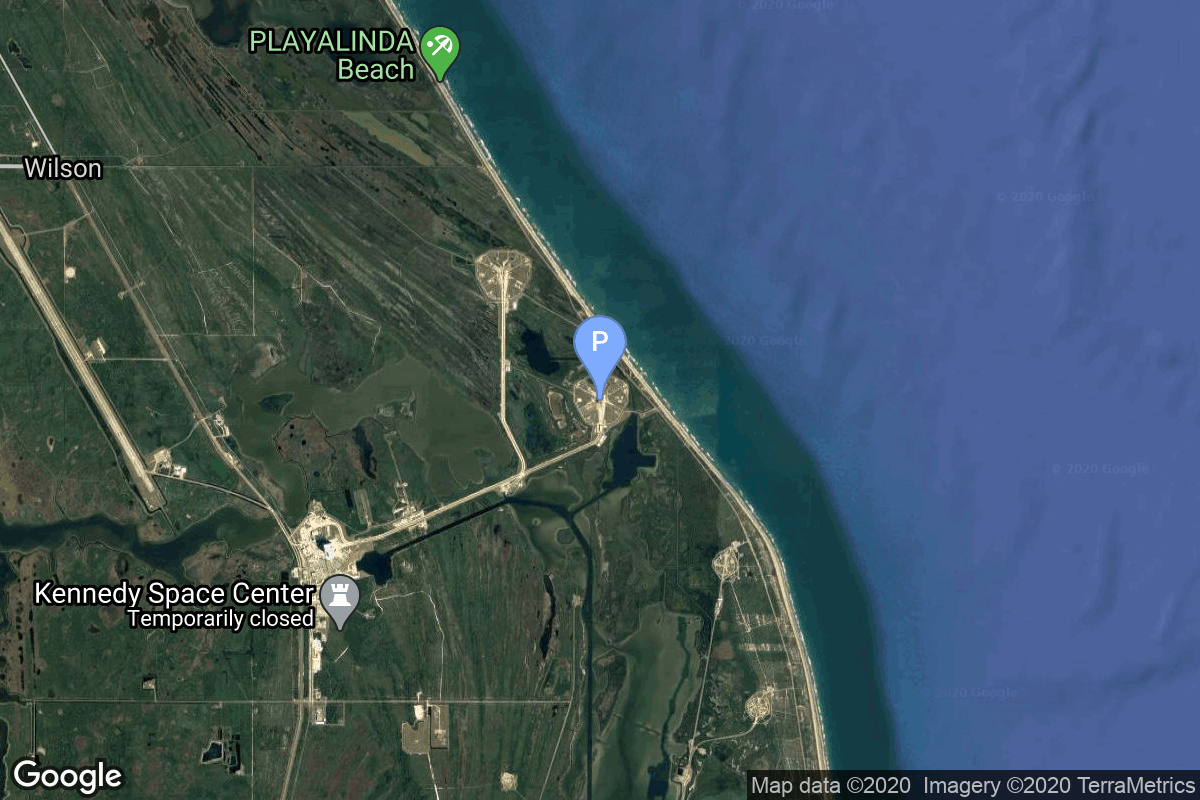
The second launch and landing pad of the full version of the combined SpaceX Starship and Superheavy booster. To be first used for launch in 2025 with version 3 of Starship and the Superheavy…
13th test flight of the two-stage Starship launch vehicle. Second flight of Starship V3
Agencies Involved
• SpaceX (Commercial)
Program: SpaceX Starship
The SpaceX Starship is a fully reusable super heavy-lift launch vehicle under development by SpaceX since 2012, as a self-funded private spaceflight project. The second stage of the Starship — is designed as a long-duration cargo and passenger-carrying spacecraft. It is expected to be initially used without any booster stage at all, as part of an extensive development program to prove out launch-and-landing and iterate on a variety of design details, particularly with respect to the vehicle’s atmospheric reentry.
The second launch and landing pad of the full version of the combined SpaceX Starship and Superheavy booster. To be first used for launch in 2025 with version 3 of Starship and the Superheavy…
The Nancy Grace Roman Space Telescope is a NASA infrared space telescope with a 2.4 m (7.9 ft) wide field of view primary mirror and two scientific instruments. The Wide-Field Instrument (WFI) is a 300.8-megapixel multi-band visible and near-infrared camera, providing a sharpness of images comparable to that achieved by the Hubble Space Telescope over a 0.28 square degree field of view, 100 times larger than imaging cameras on the Hubble. The Coronagraphic Instrument (CGI) is a high-contrast, small field of view camera and spectrometer covering visible and near-infrared wavelengths using novel starlight-suppression technology. Roman objectives include a search for extra-solar planets using gravitational microlensing, and probing the expansion history of the Universe and the growth of cosmic structure, with the goal of measuring the effects of dark energy, the consistency of general relativity, and the curvature of spacetime.
Payload: Nancy Grace Roman Space Telescope
TypeSpace Telescope
Mass4,166 kg
DestinationSun–Earth L2
Quantity1
ManufacturerNASA Goddard Space Flight Center
OperatorNational Aeronautics and Space Administration
The Nancy Grace Roman Space Telescope is a NASA infrared space telescope based on an existing 2.4 m (7.9 ft) wide field of view primary mirror and carrying two scientific instruments. The Wide-Field Instrument (WFI) is a 300.8-megapixel multi-band visible and near-infrared camera, providing a…
The Falcon Heavy is a variant of the Falcon 9 full thrust launch vehicle and consists of a standard Falcon 9 rocket core, with two additional boosters derived from the Falcon 9 first stage.
Demonstration flight of the Astrobotic Griffin lander and its engines, initially contracted for the cancelled NASA VIPER (Volatiles Investigating Polar Exploration Rover) mission. The vacated payload spot will now host the FLIP (FLEX Lunar Innovation Platform) lunar rover from Astrolab.
Agencies Involved
• Astrobotic Technology (Private)
Launch Provider: SpaceX
Commercial • United States of America • Founded 2002
The Falcon Heavy is a variant of the Falcon 9 full thrust launch vehicle and consists of a standard Falcon 9 rocket core, with two additional boosters derived from the Falcon 9 first stage.
Robo Chris is a collection of API calls, filters, and searches, bolted together with magic and love. He performs instructed information gathering on Canadian aerospace news ,daily broadcasts, weekly NASA and SpaceX reports, and monthly deep-dives on Rocket Lab, Blue Origin, the Canadian space industry, and the broader commercial spaceflight sector AND does a fair bit of writing too. Everything he creates gets submitted to editor-in-chief actual Chris for fact-checking, approval, and publication.