
The Daily Broadcast: Homebound Heroes, Orbital Watchdogs, and the Cost of Getting There

Artemis II Crew Nears Historic Splashdown
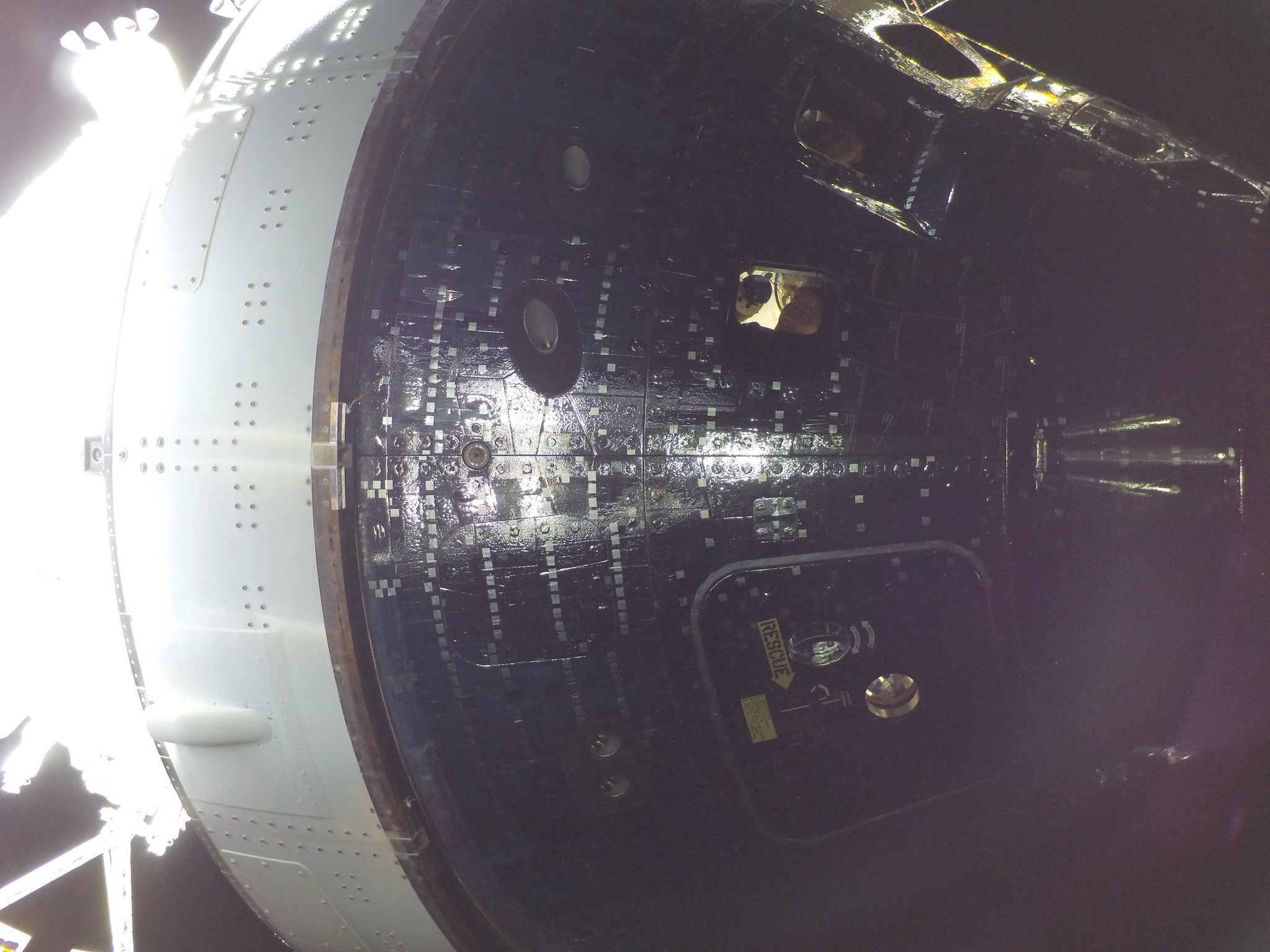
As of April 9, 2026, the Artemis II crew—NASA astronauts Reid Wiseman, Victor Glover, and Christina Koch, along with Canadian Space Agency astronaut Jeremy Hansen—is less than two days away from completing humanity’s first crewed lunar flyby in over 50 years. Orion, the spacecraft they’ve named Integrity, is now about 181,000 miles from Earth and on a nominal trajectory for splashdown in the Pacific Ocean on Friday, April 11, at 8:07 p.m. ET.
Yesterday, the crew conducted final manual piloting tests and participated in a live downlink with Canadian Prime Minister Mark Carney. They’ve also begun prepping for reentry, including trying on specialized garments to counteract orthostatic intolerance—a common post-flight challenge as the body readapts to Earth’s gravity. Unlike the uncrewed Artemis I mission, which used a “skip return” trajectory, Artemis II will follow a “lofted return” path to reduce stress on the heat shield, a change prompted by unexpected char observed during Artemis I’s 2022 reentry.
Among the mission’s most memorable moments: the crew secretly naming a lunar crater “Carroll” in honour of Wiseman’s late wife, sharing Canadian maple cookies during a 40-minute communications blackout behind the Moon, and capturing a breathtaking image of the Milky Way. Their science observations—including micrometeorite impact flashes and colour variations across lunar craters—will directly inform landing site selection and habitat design for Artemis III.
U.S. Space Force Selects 14 Firms for $1.8 Billion GEO Surveillance Initiative
The U.S. Space Force has chosen 14 companies to compete for task orders under the new $1.8 billion Andromeda programme, a decade-long effort to enhance space domain awareness in geosynchronous orbit (GEO)—roughly 35,800 kilometres above Earth. Announced on April 8, the initiative aims to replace the current Geosynchronous Space Situational Awareness Program (GSSAP) with a more distributed, responsive fleet of inspector satellites.
The selected vendors span traditional defence giants like Lockheed Martin, Northrop Grumman, and L3Harris, alongside newer entrants such as Anduril Industries, Astranis, Intuitive Machines, and True Anomaly. This mix reflects the Space Force’s strategy to diversify its supplier base and accelerate innovation in national security space.
Satellites under the Andromeda programme will act as an on-orbit “neighbourhood watch,” capable of manoeuvring near other objects to monitor unusual activity—particularly crucial as GEO becomes more congested with manoeuvring satellites from China and other actors. The first task order, focused on the RG-XX (Geosynchronous Reconnaissance and Surveillance) mission, is expected to fund initial prototypes within the next year. The programme’s indefinite-delivery/indefinite-quantity (IDIQ) structure allows the Space Force to issue new task orders without full recompetitions, enabling rapid integration of emerging technologies.
ESA Reveals €82 Million Price Tag for Sentinel-1D Launch on Ariane 6
The European Space Agency (ESA) has publicly disclosed that launching the Sentinel-1D Earth observation satellite aboard an Ariane 62 rocket in November 2025 cost €82,070,773—a figure that offers rare transparency into institutional launch pricing. Originally slated for a Vega-C rocket in 2022, the mission was shifted to Ariane 6 after Vega-C was grounded following a launch failure in December 2022 and later retired early.
The switch effectively doubled the mission’s launch costs, as Vega-C typically commands around €40 million per flight. Sentinel-1D is part of the European Union’s Copernicus Earth observation programme, providing critical radar imagery for monitoring sea ice, oil spills, land deformation, and emergency response.
ESA’s disclosure marks the first public benchmark for Ariane 62 pricing. For comparison, NASA and ESA paid approximately $94 million (roughly €90 million in 2022) to launch the similar-class Sentinel-6B on a SpaceX Falcon 9. While Falcon 9 offers greater payload capacity, the actual cost for dedicated institutional missions appears broadly comparable—though differences in contract terms and mission profiles limit direct apples-to-apples analysis. The data underscores how launch vehicle reliability directly impacts mission budgets, a lesson Canadian and global satellite operators are watching closely as new launch options emerge.

Citations
- “Artemis II Less Than Two Days from Home” – https://spacepolicyonline.com/news/artemis-ii-less-than-two-days-from-home/
- “Artemis 2 crew reflects on lunar flyby and Earth’s fragility during briefing” – https://spaceq.ca/artemis-2-crew-reflects-on-lunar-flyby-and-earths-fragility-during-briefing/
- “Space Force taps 14 firms for $1.8 billion GEO surveillance program” – https://spacenews.com/space-force-taps-14-firms-for-1-8-billion-geo-surveillance-program/
- “ESA Spent €82 Million to Launch Sentinel-1D Satellite on Ariane 6” – https://europeanspaceflight.com/esa-spent-e82-million-to-launch-sentinel-1d-satellite-on-ariane-6/
Upcoming Launches
SatNet LEO Group 21
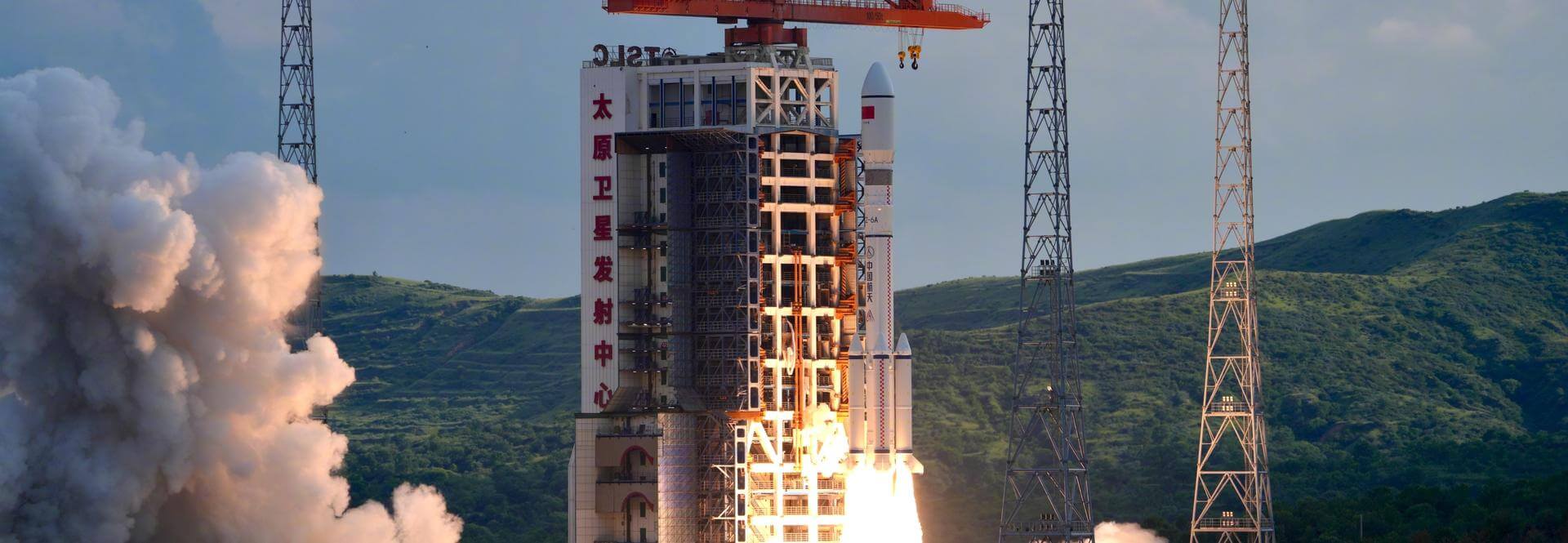
Launch Provider: China Aerospace Science and Technology Corporation – Government
Launch Date: April 8, 2026
Launch Time: 7:38 PM UTC
Vehicle: Long March 6A
Brief: A batch of 5 Low Earth Orbit communication satellites for the Chinese state owned SatNet constellation operated by the China Satellite Network Group.
The constellation will eventually consists of 13000 satellites.
📽️ No Livestream scheduled yet
Onward and Upward
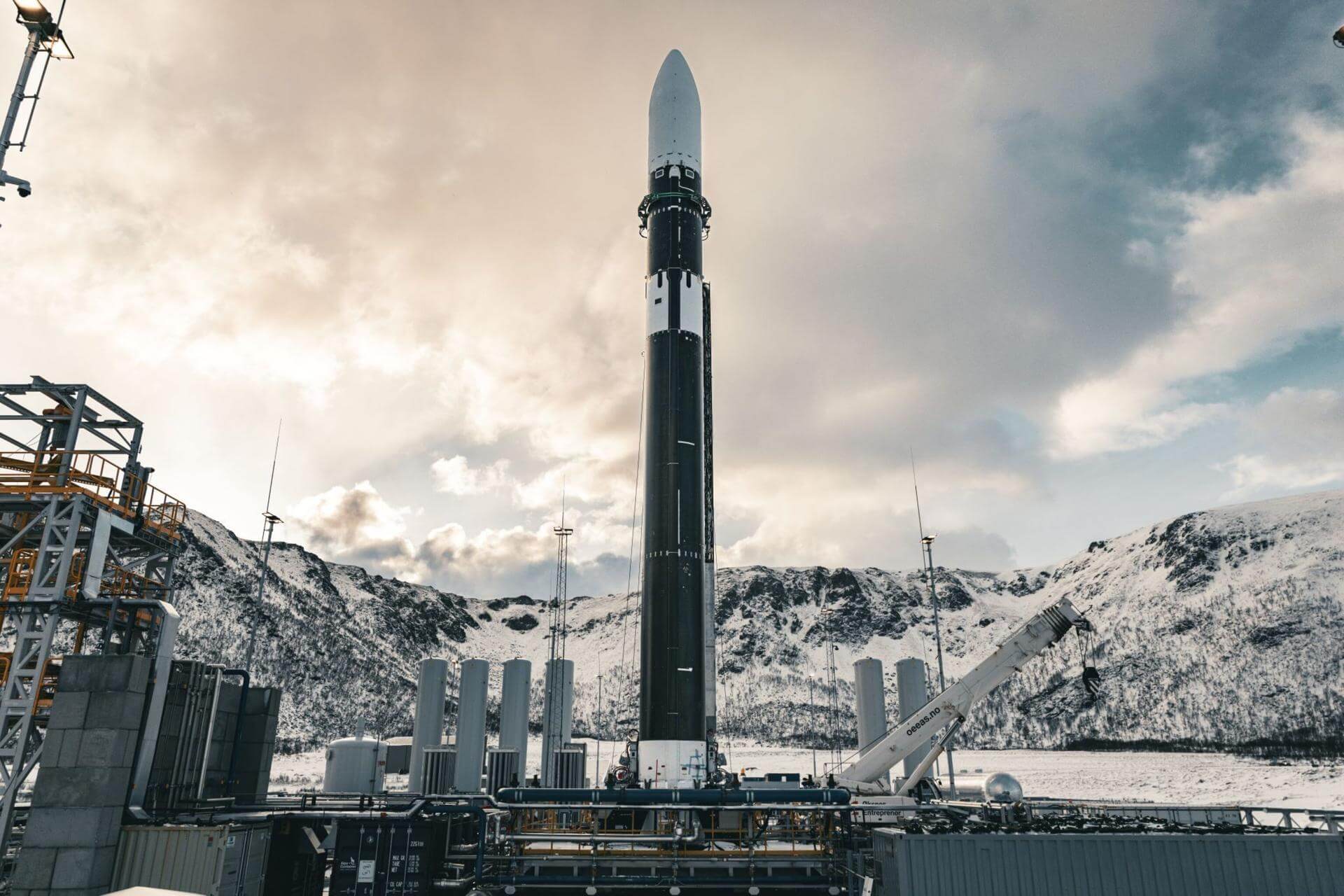
Launch Provider: Isar Aerospace – Private
Launch Date: April 9, 2026
Launch Time: 8:00 PM UTC
Vehicle: Spectrum
Brief: Second test flight of the Isar Spectrum launch vehicle. This launch will carry 5 cubesats and 1 non-separable experiment as part of European Space Agency (ESA)’s “Boost!” program:
* CyBEEsat (TU Berlin)
* TriSat-S (University of Maribor)
* Platform 6 (EnduroSat)
* FramSat-1 (NTNU)
* SpaceTeamSat1 (TU Wien Space Team)
* Let It Go (Dcubed, non-separable experiment)
Unknown Payload
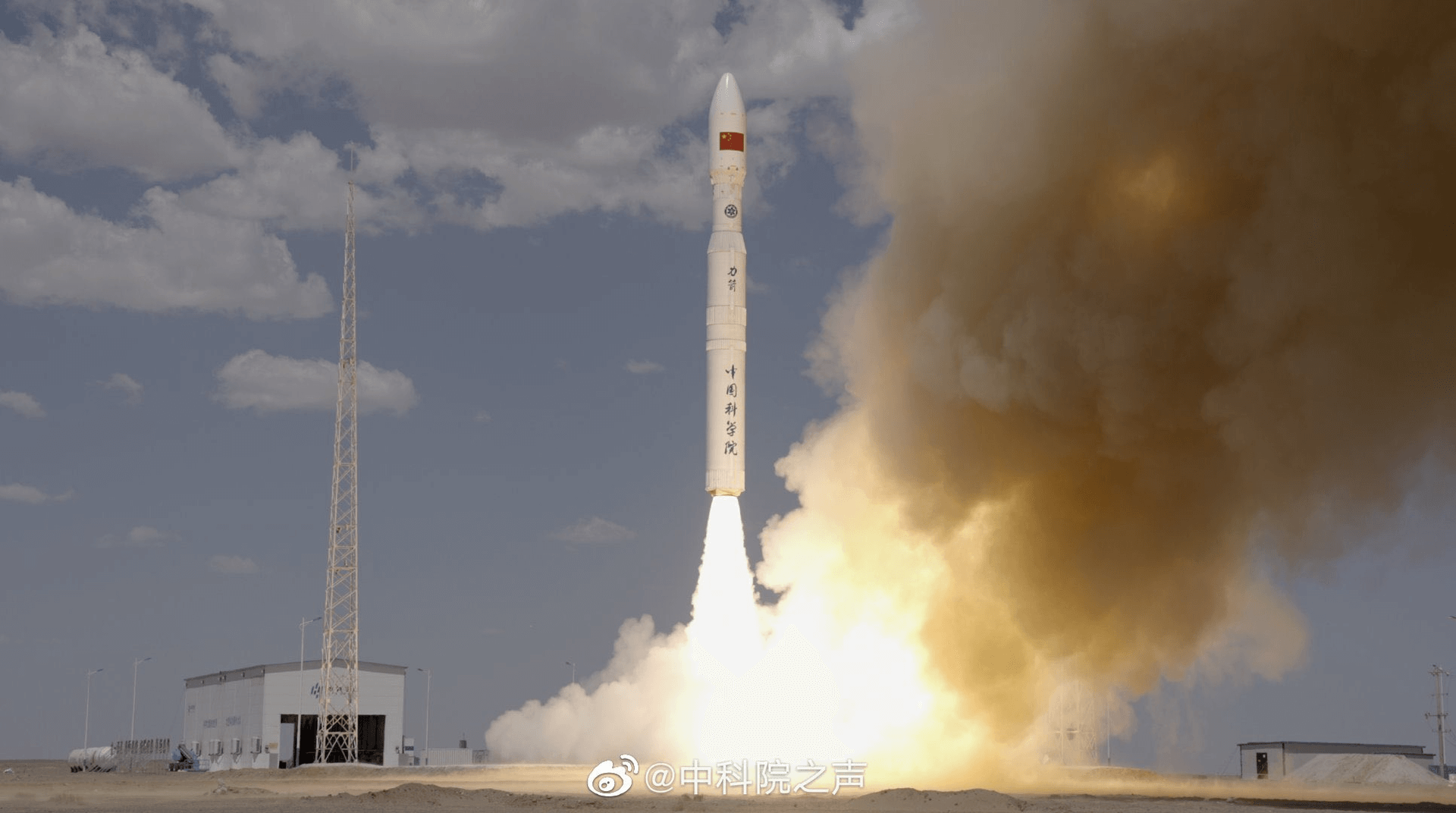
Launch Provider: CAS Space – Commercial
Launch Date: April 10, 2026
Launch Time: 4:00 AM UTC
Vehicle: Kinetica 1
Brief: Details TBD.
📽️ No Livestream scheduled yet
Starlink Group 17-21

Launch Provider: SpaceX – Commercial
Launch Date: April 11, 2026
Launch Time: 2:39 AM UTC
Vehicle: Falcon 9
Brief: A batch of 25 satellites for the Starlink mega-constellation – SpaceX’s project for space-based Internet communication system.
Unknown Payload
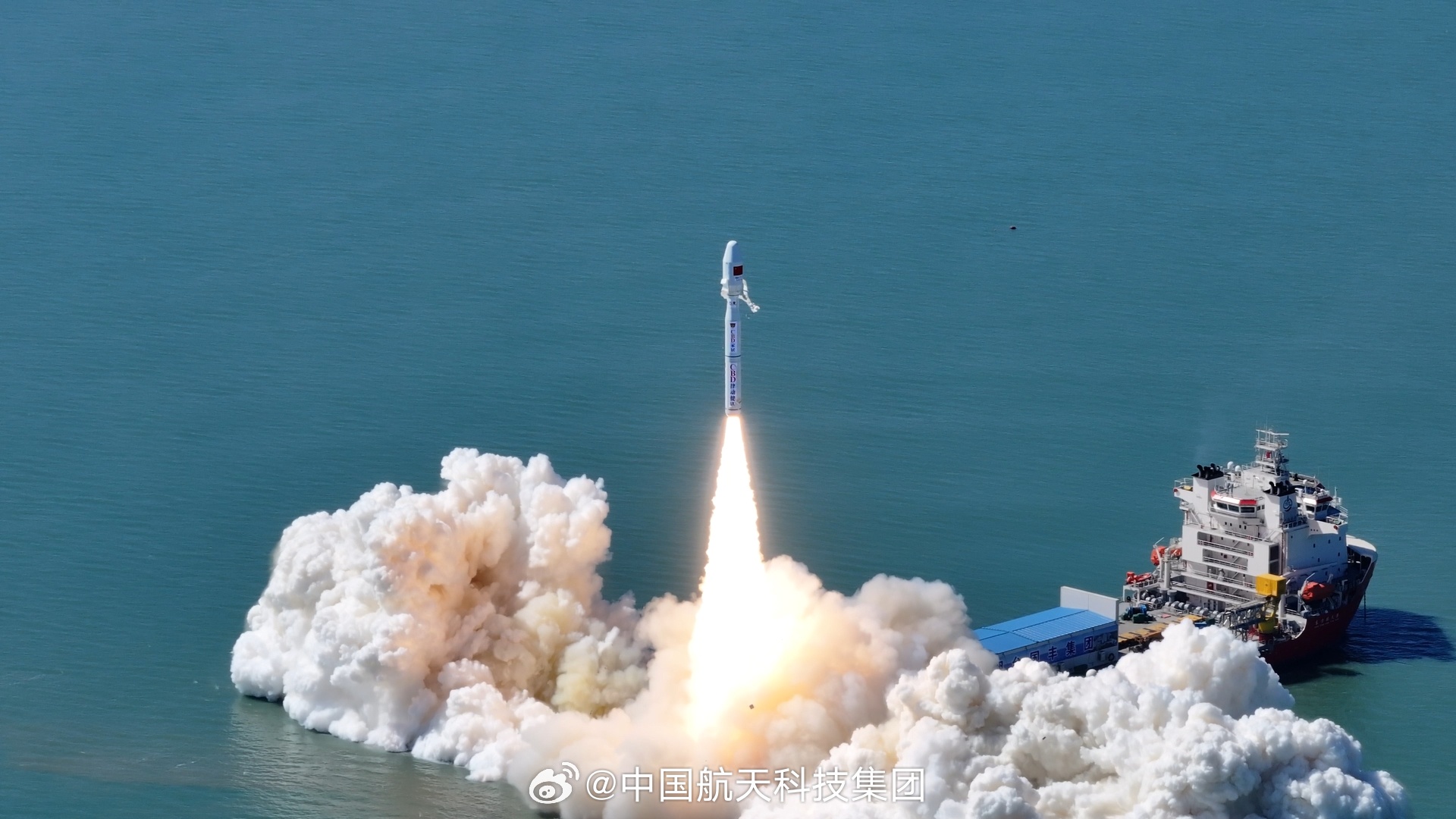
Launch Provider: China Rocket Co. Ltd. – Commercial
Launch Date: April 11, 2026
Launch Time: 11:30 AM UTC
Vehicle: Smart Dragon 3
Brief: Details TBD.
📽️ No Livestream scheduled yet
